




Guide to Choosing the Right Lifting Stage Size for Concerts
When it comes to shows, picking the right lifting stage size can make or break the experience. If you don't, you could end up with technical problems that put safety and performance quality at risk. To make the choice, the venue's size, load requirements, talent needs, and the venue's ability to integrate equipment will all be looked at. A stage platform that is the right size allows for dynamic moves, supports heavy audiovisual equipment, and allows for quick scene changes without compromising the structure. Knowing about these things helps production managers, event planners, and buying professionals make smart choices that balance budget, usefulness, and safety requirements.
Understanding the Critical Dimensions of Lifting Stages for Concerts
To choose the right stage platform, you must first understand the differences between the systems that are offered and how their features fit with the needs of your event.
Common Types of Stage Systems and Their Size Ranges
There are several main stage configurations used in the concert business. Each has its own benefits based on the size of the event and the limitations of the space. Fixed stages are fixed setups that work well in performance halls. They usually cover 400 to 1,200 square feet and can hold 150 to 300 pounds per square foot. These systems are very stable, but they aren't flexible enough for places that host different kinds of events.
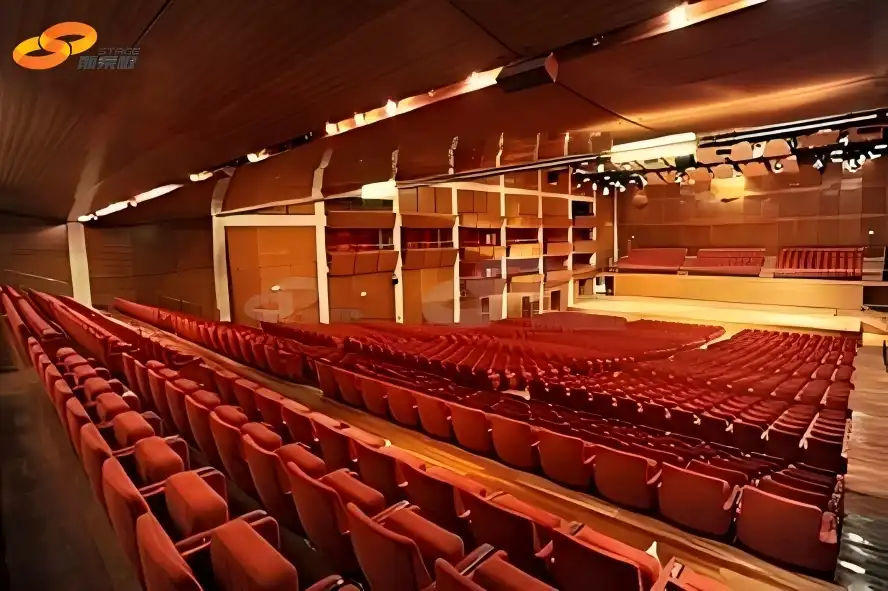
Because they are so flexible, modular stages are the best choice for traveling shows and hire companies. These systems have parts that fit together and can be put together in any shape or size. The segments are usually 4x4 foot or 4x8 foot. When put together, movable platforms can make performance areas bigger than 2,000 square feet and hold as much weight as permanent setups.
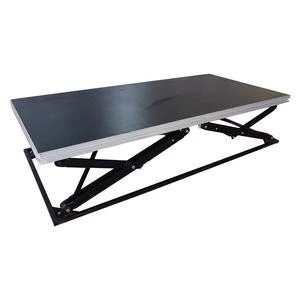
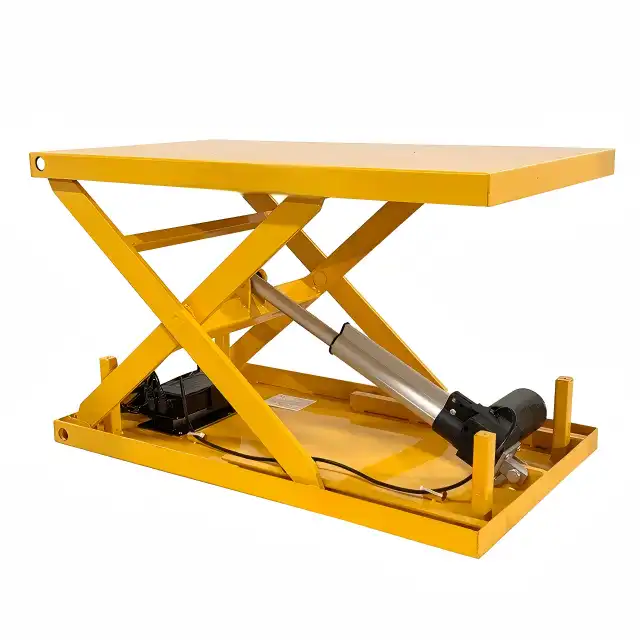
Hydraulic stage systems allow for vertical movement, which is needed for dramatic entries, shows on multiple levels, and easy storage of equipment. These platforms usually come in a range of sizes, from small 8x8 foot units good for solo artists to huge 40x60 foot installations for big event stars. The hydraulic system lets you precisely change the height from the floor to heights of more than 10 feet, and industrial-grade systems can often hold more than 10,000 pounds.
Electric screw jack systems are an option to hydraulic systems. They use rigid chain technology and timed motors to make vertical movement quiet and accurate. These systems are especially helpful for acoustic shows, where noise from the machines would take away from the art. The Spiralift technology used in industry shows how current electric systems can handle complicated shapes in smaller venue footprints while still having strong load ratings.
Key Technical Specifications That Matter
The first step in figuring out the platform area is to list all of the actors, instruments, and technical gear that will be on stage at the same time. A 10x10-foot platform might be enough for a solo acoustic artist, but a full rock band with drums, amps, and monitors usually needs at least 20x30 feet. Large-scale productions with choreographed acts, complicated sets, and many actors usually need at least 40x60 feet.
Load capacity includes both static weight (equipment and structures that are not moving) and dynamic forces that are sent through theater structures by performers moving, speakers vibrating, and people interacting with each other. As a safety measure, platforms usually need to be able to hold at least 150% of their estimated maximum load. A stage with a 10-piece band, full backline gear, lighting beams, and video screens could gain 8,000 to 12,000 pounds of weight, so the platform needs to be able to hold at least 18,000.
Production artists can be as artistic as they want to be when height ranges can be changed with stage lift. For orchestra pit arrangements, stages usually need to go down to the level of the building floors and then rise to the level where the audience can see. This means that the stages have to move 4 to 8 feet. Platforms that can be adjusted 10 to 15 feet vertically are useful for concert plays that use dramatic shows or tiered arrangements of performers. The exact height standards should take into account both the effect you want to have on the eyes and practical issues like keeping performers safe during changes.
Venue Specifications and Compliance Requirements
The stage's size must match the venue's design, including the height of the ceiling, the room on the wings for storing equipment, and the views that people can get from different seating areas. A platform that takes up too much floor space might lower the number of seats below the point where it can be profitable, and stages that are too small lower the quality of the show and make it harder for artists to be happy. Realistic size guidelines are based on thorough venue studies that measure the available performance space, load-in entry measurements, and structural load ratings.
Safety rules for stage tools change from place to place, but they are usually based on guidelines made by the American National Standards Institute (ANSI) and the International Code Council (ICC). These rules spell out the bare minimums for safety factors, required structure tests, emergency stop systems, and how things should be run. Proof that entertainment equipment and control systems meet standards like ANSI E1.21 and ANSI E1.4 is very important for protecting against lawsuit claims and making sure performers are safe.
Once you understand these basic technical concepts, you can start looking at different platform choices and making sure they meet your music production needs.
Essential Criteria for Selecting the Right Lifting Stage Size
In addition to basic requirements, choosing the right stage for your music production means taking into account the special operational circumstances and technical demands it will face.
Defining Concert-Specific Requirements
When compared to small theater shows or business entertainment events, large music festivals have different problems that need to be solved. For festivals, platforms must be able to handle being outside in all kinds of weather, quickly switching between acts, and having a lot of production elements. In these situations, flexible systems that are 32x40 feet to 60x80 feet in size are usually needed. These systems should have hydraulic parts that let the height be changed quickly between performance sets.
At corporate events and product launches, visual effect and brand integration are often more important than raw performance. Customized platform setups with rotating parts, built-in LED surfaces, and precise positioning controls help these works. Even though the stage is smaller (16x20 feet to 30x40 feet), the technical complexity and aesthetic finish standards are often higher than for a normal show.
Platform measurements and load requirements are directly affected by the needs of the artist and the tools they use. A DJ setup with turntables, a mixer, and a laptop computer takes up very little room and doesn't weigh much, so it could work on a 10x12-foot platform. On the other hand, a symphony orchestra needs parts that are stacked and can fit more than 70 musicians. Each section should be big enough to allow for enough personal room and instrument clearance. When traveling artists give out production riders, they usually list the minimum stage dimensions. It is important to carefully read these papers during the planning stages.
Safety Considerations and Load Calculations
The total load assessment takes into account the weight of all the structure parts, performance equipment, and people who will be using the platform at the same time. This math should include the following key parts: drum steps (300–500 lbs), amplifier backline (200–800 lbs per band member), lighting trusses (150–300 lbs per 10-foot section), video walls (50–100 lbs per square foot), and people using the space (200 lbs per person as a safety rule). Dynamic load factors take into account the artists' movement forces, the bass frequencies that come through the speakers, and the effects of a crowd rush in settings without barriers.
When it comes to high platforms and systems that allow for vertical movement, stability measures become even more important. Anti-tip formulas make sure that the platform's center of gravity stays within safe limits even when the load is spread out unevenly, like when artists gather on one side while the audience interacts with them. For venue owners and production companies, structural certifications from qualified engineers are proof that plans meet or go beyond safety standards. This keeps them from being held legally responsible.
Modern platforms have safety features like emergency descent mechanisms that bring raised stages to the ground if the power goes out, redundant hydraulic circuits that stop sudden drops if the main systems fail, and overload sensors that stop the machine from working when it reaches its weight limit. When choosing a provider, looking at these safety features shows that you are doing your research and protects both the staff and the organization's image.
Integration With Production Elements
The stage platforms, lighting systems, audio equipment, and visual effects all need to work together smoothly with stage lift in modern performance shows. When figuring out the right size stage, you have to take into account things like LED screens, projection mapping targets, and automatic lighting fixtures that take up space on the platform and add to the total load. Under-stage areas usually have hydraulic pumps, control systems, and wire management infrastructure. This means that technical staff needs to be able to get to these areas and have enough space to work.
When thinking about modularity, you need to think about both the original installation and the ongoing operating flexibility. Platforms with standard parts let rental companies rearrange their stock to fit events of different sizes, which increases the rate of equipment utilization and return on investment. Quick-connect systems for hydraulic lines, power distribution, and control networks cut the time it takes to set up from days to hours. This is especially helpful for traveling shows that have to stick to tight schedules.
Transport issues affect platform design choices, especially for touring shows that go from one place to another every week or even every day. By cutting big platforms into pieces that are small enough to fit on a normal truck (which is usually 8.5 feet wide, 13.5 feet tall, and 53 feet long), you can avoid the need for special permits and transportation for huge loads. Freight prices and load-in work needs are also affected by weight. For example, aluminum construction is stronger per unit weight than standard steel framing, even though the materials are more expensive.
Comparison of Stage Solutions: Finding the Best Fit
By comparing various platform technologies, we can see how their unique features fit with different music production needs and working conditions.
Traditional Fixed Stages Versus Flexible Systems
Permanent installs in performance spaces offer the highest level of security and usually include complex automation systems that were custom designed to work with the building's layout. Fixed platforms save time and money because they don't need to be moved around. This makes them a good choice for places that put on a lot of shows. Because these systems aren't very flexible, they become a problem when places try to hold different kinds of events that need different stage layouts or when improvements to the venue require replacing the whole system.
Modular platforms are flexible enough to be used for both rental equipment and traveling shows. Different deck pieces can be joined together using cam-lock or bolt systems, which lets you make custom layouts that fit the size of the venue and the needs of the show. Because of this, a single stock of parts can be used for both jazz trios playing on 12x16-foot platforms and rock events with 50x70-foot main stages. Careful planning is needed at the points where two parts join to keep the structure continuous and avoid gaps or differences in height that could cause people to trip.
With hydraulic systems, platforms can move up and down, turning them from static to moving parts of production. The smooth, controlled motion makes it possible for dramatic performer entries that rise from below stage level, multi-tier setups that add depth and visual interest, and easy storage of equipment below performance areas when they're not being used. Beyond basic modular platforms, these systems are a big investment, but the artistic options and practical efficiencies often make the cost worth it for places that put on a lot of shows.
Modern Control Systems and Automation Features
Smart control technologies are being added to more and more modern stage platforms to make them safer and more accurate. Programmable logic controllers (PLCs) let workers save specific positions and movement patterns, which makes sure that the same steps are taken during all shows. Touch-screen displays have taken the place of standard button panels. They make it easy to access controls and see what's going on with the system in real time.
With remote operation, workers can control the movement of the platform from the best viewing spots instead of being stuck at set control posts. Wireless systems let directors change the layout of the stage from where the crowd is sitting, so they can check sightlines and spatial relationships from the point of view of the viewers. Safety interlocks stop systems from running at the same time that could cause collisions, and load tracking gives constant information about how weight is distributed and the limits of their capacity.
With proportional speed settings, operators can change the rate of movement from very slow creep speeds during live acts to top speed during setup. This adaptability is very important when platforms need to move while artists are on them. It makes sure that the changes are smooth and safe without sacrificing the image of art. Acoustic dampening technologies, such as polyurethane touch surfaces and vibration isolation mounts, lower operational noise that would otherwise ruin performances in places like opera halls and recording studios that are sensitive to sound.
Investment Analysis and Long-Term Value
The initial cost of cash is only one part of the total cost of ownership for an elevating stage. When considering platform choices, people making purchasing decisions should think about how much they plan to spend on maintenance, how many people they will need to run the platform, and how long they think it will last. Even though they cost more up front, premium systems with strong construction, corrosion-resistant materials, and proven component stability often have lower lifetime costs than cheaper options that need to be fixed and replaced more often.
Rental companies buy modular platforms that can be used over and over again at different events, giving them a return on their investment. The rate of usage directly affects when the businesses can start making money. If a venue has a lot of shows, buying equipment may be cheaper than hiring it over and over, especially if the rental fees add up over three to five years. The calculation should take into account the cost of storage room, the need for regular inspections, and the opportunity cost of cash spent in tools versus other uses.
Long-term value realization is greatly affected by the image and help skills of the supplier. When equipment breaks down, manufacturers who offer full warranties, quick expert help, and easy access to replacement parts can avoid costly production delays. Companies like Sh Stage, which has been around since 2009 and has integrated manufacturing skills and global service networks, provide the support infrastructure and dependability that mission-critical stage equipment purchases need. Their straight factory prices don't include markups for distributors, and they keep quality standards that are backed up by ISO and CE certifications.
Conclusion
When choosing the right stage platform size for concerts, there are a lot of physical, practical, and financial factors to think about. The platform must be big enough to fit performers, equipment, and stage elements while also fitting within the limits of the place and following safety rules. Learn the differences between fixed, flexible, hydraulic, and electric systems so you can make an informed decision about which technology best fits your needs. For procurement to go smoothly, technical specs must be carefully written down, vendors must be carefully evaluated based on their manufacturing skills and support infrastructure, and contracts must be negotiated to get good terms and full warranties. Best practices are proven by real-life examples from festivals, businesses, and venues. This gives people faith in the choices they make about tools, which will affect the quality of production and the efficiency of operations for years to come.
FAQ
What factors most significantly influence stage platform sizing decisions?
The size of the venue determines the biggest platform footprint that can be used, while the needs of the performers and tools determine the smallest useful area that is needed. The load capacity must take into account the weight of all the tools plus the weight of the people who will be using it. Safety gaps must be included to avoid overloading. Depending on the type of event, fixed, modular, or hydraulic systems may be best for meeting operating needs. For example, traveling shows value portability more than stability and connection with building infrastructure.
How do safety standards affect equipment selection and procurement?
International safety standards set by groups like ANSI spell out the basic structural requirements, safety system features, and operating procedures for stage equipment. Compliance paperwork protects you from risk and makes sure that your equipment meets professional standards. Reputable makers provide technical certificates and test results that show they follow the rules. On the other hand, organizations that use cheap goods that don't have the right paperwork are opening themselves up to safety risks and possible legal consequences.
Can manufacturers provide consultation services for platform selection?
Companies that have been around for a while usually offer application engineering support to help customers match the equipment's powers to their individual needs. Some of these services are location surveys, load estimates, configuration suggestions, and making unique designs for specific uses. Companies like Sh Stage have professional teams that can be reached at info@shstage.com and can help with all parts of the buying process, from the initial idea to installation and user training. This consultative method helps customers avoid making mistakes that cost a lot of money and makes sure that the tools they choose works the way they were supposed to.
Partner With Industry-Leading Stage Equipment Specialists
Sh Stage delivers comprehensive stage platform solutions combining factory-direct pricing with engineering expertise and global support infrastructure. As a genuine source manufacturer with production facilities operated by Jiangsu Zhongbang Intelligent Technology Co., Ltd., we eliminate distributor markups while maintaining ISO and CE certified quality standards. Our technical team collaborates with clients across theaters, event production companies, convention centers, and entertainment venues worldwide, developing customized configurations precisely matched to unique operational requirements. Whether your project demands compact modular systems or sophisticated hydraulic platforms with advanced automation controls, our experience serving clients in 50+ countries provides the foundation for confident decision-making. Connect with our application engineers at info@shstage.com to discuss your specific requirements, request detailed technical specifications, or arrange factory demonstrations. Discover how partnering with an established lifting stage manufacturer transforms equipment procurement from a transactional purchase into a collaborative relationship supporting your long-term production success.
References
1. Anderson, M. (2021). Stage Engineering and Technology: Modern Systems for Performance Venues. Entertainment Technology Press.
2. Bradley, J. & Thomson, R. (2020). Hydraulic Systems in Theatrical Applications: Design, Safety, and Operation. Technical Stage Publications.
3. International Alliance of Theatrical Stage Employees. (2022). Guidelines for Stage Equipment Procurement and Safety Compliance. IATSE Safety Committee.
4. Morrison, K. (2019). Concert Production: Technical Standards and Best Practices. Live Event Publishing.
5. Reynolds, D. (2023). Modular Stage Systems: Engineering Flexibility for Modern Performance Venues. Venue Management Association.
6. Williams, T. & Chen, L. (2022). Load Calculations and Structural Requirements for Movable Stage Platforms. Journal of Entertainment Engineering, 18(3), 156-178.

USER EVALUATE
Here is the customer's evaluation of us
YOU MAY LIKE
 VIEW MOREMotorized Automatic Stage Curtain Machine
 VIEW MOREFire Curtain Release System
 VIEW MOREVertical Installation Zero-fleet Stage Winch
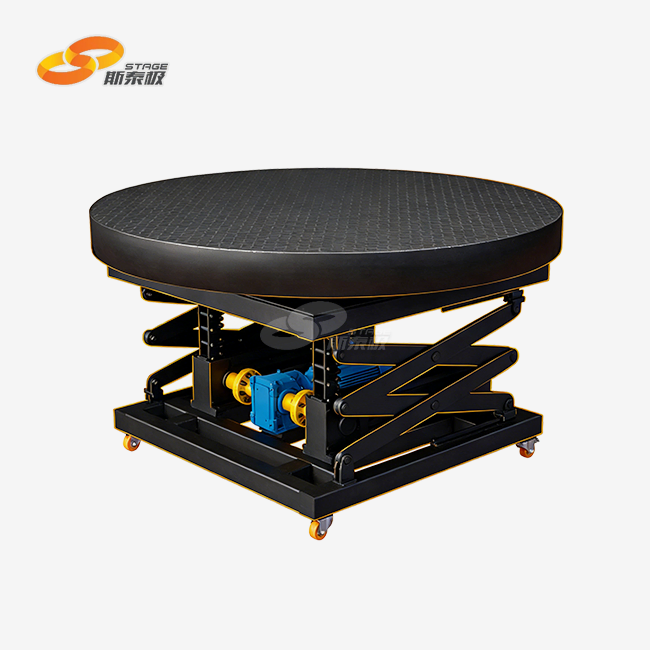 VIEW MOREMobile Rotating Lifter
 VIEW MOREStage Flame-Retardant Backdrop Curtain
 VIEW MOREStage Steel Wire Rope
 VIEW MOREElevating Stage
 VIEW MOREStage Single-Layer Winding Boom Machine