



Understanding Rigging Systems and Stage Machinery for Theater Productions
Modern performance spaces are built around people who know how to use rigging systems and stage machinery for theater shows. Behind the scenes, complex mechanical systems work together to make amazing theater experiences. Stage machinery includes everything from automatic platforms for lifting and turning stages to complex control systems that make sure that lighting, scenery, and sound equipment work perfectly at the right time. These systems turn theaters that are static into moving places where scenes can change quickly, dramatic revelations can happen, and audiences can have the kind of engaging experiences that define modern live entertainment.

Fundamentals of Rigging Systems and Stage Machinery
There are a lot of complex technical systems above and below the stage floor that modern theater shows depend on. These systems are the result of decades of technical progress meant to improve artistic expression while keeping safety at the top level.
Core Components of Stage Rigging Systems
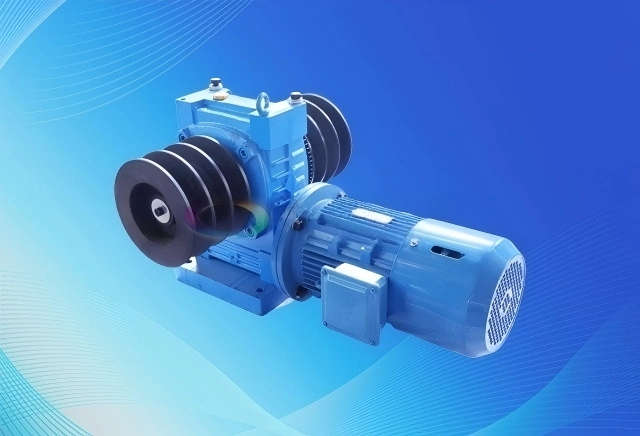
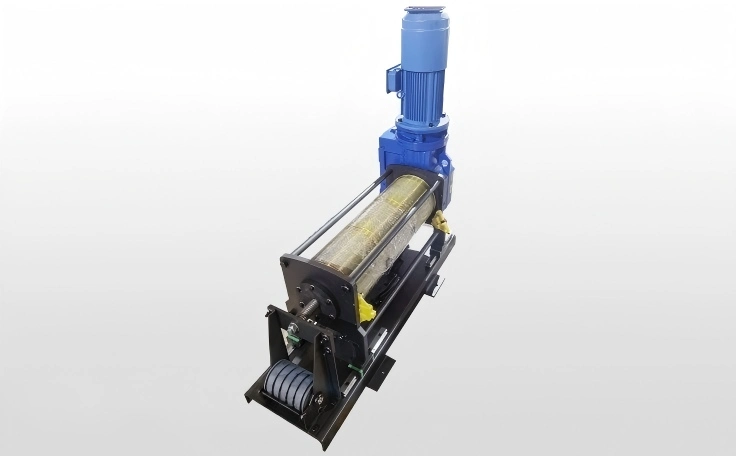
Understanding the basic parts of a professional theater support system is the first step in building one. Winch systems are what keep the overstage machinery running. Each winch has about the same amount of power as a 14-person lift. These strong tools are in charge of fly bar systems that can very precisely raise and lower backgrounds, lighting equipment, and scenery.
Control systems connect mechanical, hydraulic, and electrical parts into networks that work together. They are the brains of modern stage operations. Advanced control panels let operators write complicated routines that make sure they can be used again and again and that live shows are safe. International safety standards require these devices to have two sets of safety features and an emergency stop button.
Understage and Overstage Machinery Integration
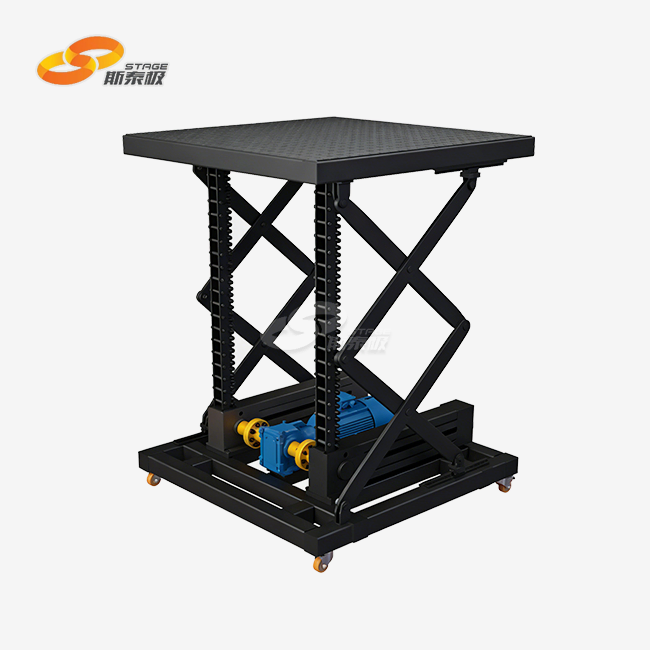
Understage machinery works in the area below the stage floor, which is usually three meters deep in theaters and up to eleven meters deep in opera houses. This gear includes stage lifts, rotating platforms, and mobile carts that can move whole sets and actors through holes in the stage floor that were specially made for that purpose. When you combine understage equipment with overstage rigging, you can do three-dimensional staging in ways that were impossible just a few decades ago.
For these systems to work together, they need to be timed perfectly and use complex control methods. Modern stage machinery uses digital control systems that can sync up many moving parts, making smooth changes that improve the experience for the audience while keeping operator safety.
Safety Standards and Compliance Requirements
Every part of the creation and use of stage machinery has to follow international safety standards. Guidelines for load limits, inspection processes, and operator training requirements are set by groups such as OSHA, ANSI, and European EN standards. These standards make sure that tools can safely handle certain loads and give clear instructions for regular upkeep and what to do in an emergency.
In order to meet these standards, there must be frequent inspections, programs to certify operators, and thorough records of how the equipment is performing. Certified techs who know both how the equipment works mechanically and the safety rules needed for live performance settings are needed for professional setups.
Comparing Traditional Stage Setups with Modern Stage Machinery
One of the most important changes in theater technology is the switch from human stage operations to automatic systems. This change affects all parts of planning output, managing safety, and coming up with new ideas.
Limitations of Manual Stage Systems
Traditional stage sets that are done by hand take a lot of work and pose safety risks. People have to work at heights with heavy tools in manual rigging systems, which can be dangerous during live shows. People often can't achieve the level of accuracy needed for complex scene changes, especially when many things need to move at the same time.
Because they are slower and can't be used over and over, manual methods also limit what you can do creatively. Directors and dancers often have to give up their artistic vision to meet practical needs, which is something that automatic systems can easily do.
Advantages of Automated Stage Solutions
In comparison to manual systems, modern automatic stage equipment provides unprecedented accuracy, repeatability, and safety. With computerized control, operators can program complicated processes that run perfectly every time. This gets rid of the chance of human mistake and changes in timing that can mess up productions.
Automated systems also make it easier to be artistic because they let you change scenes quickly, place moving parts precisely, and move multiple axes at the same time. With these features, directors can use staging ideas that wouldn't be possible with manual methods. This raises the quality of the show and the audience's experience.
Cost-Benefit Analysis for Different Venue Types
Choosing between human and automatic systems relies on a number of factors, such as the size of the place, how often productions happen, and the long-term goals of the business. When big theaters and opera houses engage in computerized systems, they usually get their money's worth in lower labor costs, better safety records, and more programming options.
Automated systems that provide regular training settings while lowering the physical demands on students and teachers are often helpful to educational institutions. When people who aren't used to working with stage equipment often do it, the investment is often worth it just for the safety benefits.
Procurement Guide: Selecting and Buying Stage Machinery for Theaters
The technical specs, seller skills, and long-term support needs must all be carefully considered in the purchase of stage machinery. Because these systems are so complicated, they need to be carefully planned out and chosen with the help of professionals.
Essential Evaluation Criteria
Procurement teams should give preference to stage machinery sellers who have a history of successful setups in similar environments. The technical requirements must match the needs of the place and allow for enough room for future growth. Safety approvals from well-known testing groups make sure that local and foreign rules are followed.
Long-term happiness with stage machinery purchases is often based on the after-sales help provided. Suppliers should show that they have thorough training programs, extra parts that are easy to find, and expert support services that are quick to respond. The cost of upkeep and the amount of time a system is down can be affected by how easily accessible area service technicians are.
Vendor Selection and Due Diligence
Professional stage machinery providers should give thorough engineering drawings, load estimates, and installation schedules. References from sites that are similar help buying teams check what suppliers say and look at their long-term reliability records.
Because stage equipment is so specialized and long-term support is so important, it's important to pay close attention to how financially stable possible sellers are. Long-term value is usually better with established producers with global service networks, even if they cost more at first.
Procurement Process and Contract Negotiations
The buying process starts with specific needs documents that list the maximum loads, the control system's abilities, and the limits of the installation. To make sure everyone knows what to expect, request for quotation papers should include performance standards, delivery schedules, and acceptance testing methods.
As you negotiate a contract, you should talk about things like training standards, warranty terms, and the availability of upkeep assistance. Progress payments are usually tied to delivery goals, and final payments are only made after acceptance testing and operator training are complete and found to be satisfactory.
Operation, Maintenance, and Safety Management of Stage Machinery
For stage machinery to work well, it needs to be taught how to use properly, maintained regularly, and managed safely. All of these parts work together to make sure that the equipment works well and that the operators are safe throughout its lifetime.
Operator Training and Certification Requirements
Professional stage machinery operators need to go through special training that covers both how to use the equipment and how to keep everyone safe. Control systems, emergency methods, and routine inspection processes should all be taught through hands-on experience. A lot of places need stage equipment workers to have official certification, especially for systems that are very complicated and are run by computers.
Operators stay up to date on changing safety standards and technology by getting ongoing training. Regular repeat courses and training that is specific to the equipment for new setups keep operators skilled and lower the risk of accidents or damage to the equipment.
Preventive Maintenance Strategies
Routine repair plans keep equipment working longer and save money by stopping costly breakdowns during important events. Safety systems, control response, and motor parts should be checked every day to make sure they are working properly. As part of weekly care, moving parts might need to be oiled and load limits might need to be checked.
Certified techs check for safety violations once a year to make sure that safety standards are being followed and to find possible problems before they become major ones. A lot of the time, these thorough tests include non-destructive checking of structure parts and calibration of control systems.
Safety Protocols and Emergency Procedures
Power outages, problems with the control system, and mechanical problems that could put artists or workers in danger must be covered in emergency plans. All over the building, emergency stop systems should be clearly marked and easy to get to. Regular emergency drills make sure that everyone knows what to do in case of an emergency and can act quickly.
As part of the risk assessment process, possible dangers should be found and the right controls should be put in place. Safety procedures that are written down and systems for reporting incidents help keep people informed of safety problems and support efforts to keep getting better.
Future Trends and Innovations in Stage Machinery and Rigging Systems
Automation, connection, and materials science are all areas that will make the future of stage machinery technology very interesting. These improvements will open up new ways for artists to express themselves and will also make things safer and more efficient.
IoT Integration and Smart Control Systems
The performance of stage machinery can be remotely monitored thanks to Internet of Things technology, which also gives real-time information on the state of the equipment and what repairs are required. Smart monitors can pick up on strange noises, changes in temperature, or loads that could mean problems are starting to form.
Predictive maintenance programs look at practical data to plan maintenance tasks that will be done before they go wrong. This method cuts down on unplanned downtime and raises maintenance costs by making decisions based on data.
Advanced Materials and Lightweight Solutions
New advances in materials science have made it possible to make parts that are lighter and stronger while still holding the same amount of weight. Carbon fiber and new metals make things stronger while also being lighter, which is good for both permanent installs and portable tools.
These improvements in materials also support flexible system designs that make setting up and rearranging systems easier. Lightweight parts make it easier to change the structure of the place while also letting you set up the stages in more ways.
Digital Integration and Data-Driven Procurement
With digital planning tools, stage machinery setups can be accurately modeled before they are built. Virtual reality systems let people who have an interest in a project experience it and find problems early in the planning process.
Data analytics help with buying choices by letting you compare the performance of different pieces of tools in a fair way. Performance statistics from similar projects in the past helps people set realistic goals and find the best suppliers for each application.
Conclusion
Rigging systems and stage machinery are important things to learn for the future of live entertainment places. Modern automated systems offer artistic options that have never been seen before, while also meeting the highest safety standards thanks to their advanced control systems and strong engineering. The change from manual to automatic stage operations is still changing the entertainment business. Productions that capture audiences by combining technology and art in a seamless way are made possible by this change. To be successful in this field, you need to carefully plan your purchases, give your operators thorough training, and remain dedicated to safety excellence so that your equipment works well for as long as it's supposed to.
FAQ
What is the difference between overstage and understage machinery?
Overstage machinery works above the stage floor, usually in fly towers that are more than 20 meters tall. Winches and fly bars are part of these systems. They handle the lighting, scenery, and rigging that is hanging above the players. Understage machinery works three to eleven meters below the stage floor, based on the type of venue. It controls stage lifts, rotating platforms, and trap door systems that move sets and actors up and down the stage surface.
How do modern control systems improve stage machinery safety?
Modern control systems have many safety features, such as extra sensors, emergency stop devices, and automatic load tracking. These systems check the state of equipment all the time and can stop activities right away if dangerous conditions arise. Computerized controls get rid of mistakes made by people when it comes to time and positioning, and they keep thorough logs of operations that help with safety checks and planning upkeep.
What factors should venues consider when choosing between manual and automated stage systems?
Venues should think about how often productions happen, how many workers are present, safety standards, and their long-term operating goals. Higher original investments in automated systems are worth it because they save money on labor, improve safety records, and open up more creative options. Automation is usually best for educational schools and places that put on shows often. On the other hand, smaller venues that only use their systems sometimes might find manual systems cheaper.
Partner with Sh Stage for Premium Stage Machinery Solutions
With top-notch staging systems and automation solutions that change performance spaces all over the world, Sh Stage is your go-to provider for stage machinery. Our wide range of products includes advanced control systems, spinning platforms, stage lifts, and fly systems that are made to meet the needs of today's demanding theater shows. We offer direct factory prices and the highest quality standards. We have been making great products for over ten years and have relationships in more than fifty countries. Our experienced engineering team creates unique solutions from the first idea to installation and commissioning. They offer expert help 24 hours a day, seven days a week, and full training programs. Send us an email at info@shstage.com to find out how our creative stage machinery can improve your venue's powers and give your audience experiences they will never forget.
References
1. International Association of Theatrical Stage Employees. "Stage Rigging Safety Standards and Best Practices." Technical Bulletin on Stage Machinery Operations, 2023.
2. Society of British Theatre Technicians. "Modern Stage Engineering: Design Principles and Safety Requirements." Professional Stage Technology Guidelines, 2022.
3. American National Standards Institute. "ANSI E1.4-1 Manual for the Inspection of Entertainment Industry Machinery." Entertainment Technology Standards, 2023.
4. European Committee for Standardization. "EN 17206: Stage and Studio Equipment Safety Requirements." European Safety Standards for Performance Venues, 2022.
5. Theatrical Engineering and Architecture Organization. "Advanced Stage Automation Systems: Technology Trends and Implementation Strategies." Industry Technology Report, 2023.
6. International Code Council. "Building Codes for Performance Venues: Stage Machinery Installation and Operation Requirements." Venue Safety and Construction Standards, 2022.

USER EVALUATE
Here is the customer's evaluation of us