



How do Automated Understage Machinery Systems Work in Modern Theaters?
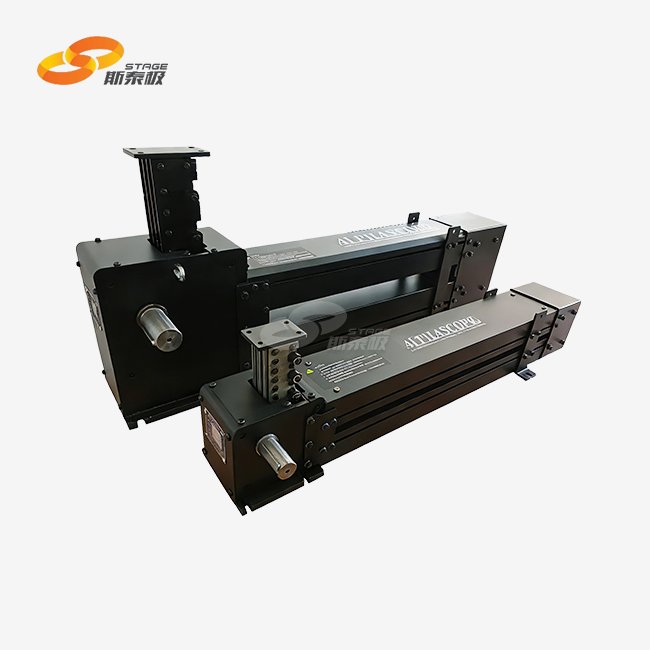
Automation systems for understage machinery are changing the way plays are put on by using complex computer systems to handle mechanical parts below the stage floor. Electric, hydraulic, or pneumatic drives link to lifting platforms, turntables, and trapdoors. All of these parts work together with centralized automation software that lets workers plan precise moves. By getting rid of the need for human operation, these systems offer repeatable accuracy, better safety standards, and seamless interaction with sound and lighting cues. This changes how directors create dynamic stage settings and amaze audiences with stunning visual effects.
Understanding Automated Understage Machinery Systems
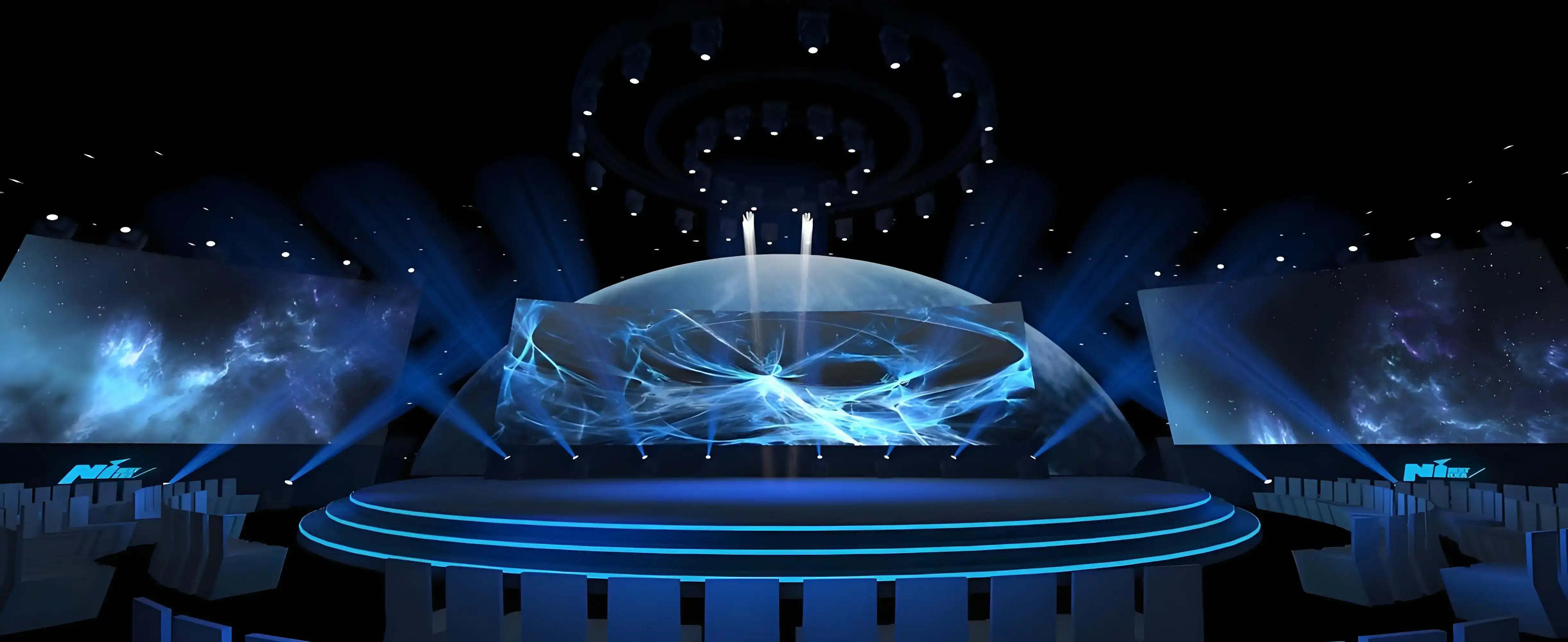
The area under a theater stage isn't just empty space; it's a carefully planned area full of high-tech mechanical systems that make shows come to life. Without ever seeing the mechanisms in action, modern understage machinery makes the magic that viewers see.
Core Components and Their Functions
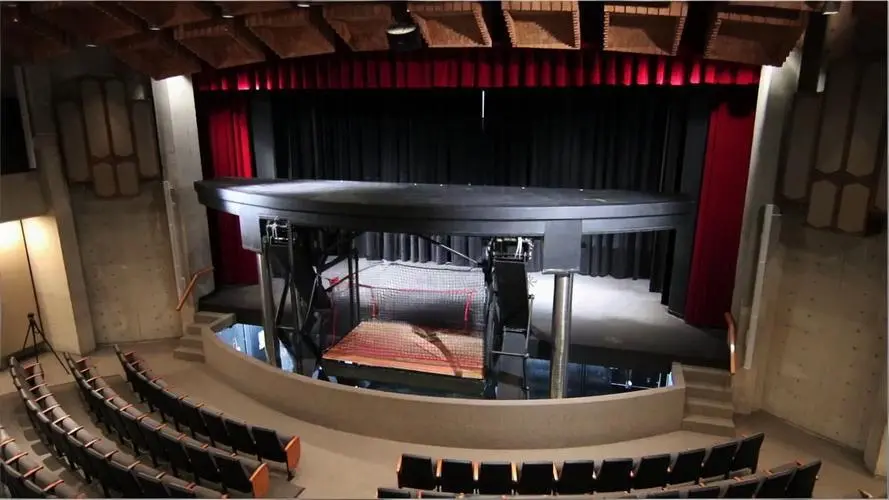
Stage lifts are the most important part of any understage system because they can move whole sets of scenery, bands, or even just one actor at a time up and down through holes in the stage floor. These lifting platforms come in different shapes and sizes, from small acting lifts that can hold a single artist to huge orchestra pit lifts that can hold more than ten tons of weight. Different theaters have very different depths of these systems. For example, educational theaters usually have three meters of space below the stage, while big opera houses have eleven meters of room to store and move complicated sets.
Turntables add rotation to the stage tools, so directors can put more than one scene on a single circular base or make rotating effects that happen all the time during shows. These rotating stages work perfectly with lifting systems, letting you move both up and down and side to side and rotate. This gives you more creative options than with static staging alone.
Trapdoors and flexible platform systems give you more options by letting you make things appear or disappear quickly. These parts are controlled by specialized stage workers using high-tech drive systems that make sure everything runs smoothly and safely during every show.
Automation Control Technology Integration
Modern control systems have turned operations below stage from time-consuming, labor-intensive tasks that had to be done by hand into beautiful, preset routines. All the mechanical parts are linked together by central automation software using digital networks. This lets workers plan out whole production processes that run with millisecond accuracy.
These control platforms connect to bigger stage management systems so that moves below can be coordinated with lighting cues, sound effects, and staging above. Because operators can save different setup options for different scenes, they can make quick changes that would not be possible if they had to do everything by hand. The software has emergency stop features that can immediately stop all motion if needed and safety interlocks that stop moves that would interfere with each other.
Real-time monitoring lets workers know about the state of the system, the weight of the loads, the accuracy of the positions, and maintenance alerts all the time. This awareness improves working safety and lowers the chance that a machine will break down at crucial times.
Types and Applications of Automated Understage Machinery
There are different settings for theaters that need different types of machinery. Knowing these differences helps buying teams make smart investments that meet their business needs.
Equipment Categories and Performance Capabilities
Stage lifts are the most flexible type. They can be set up in a variety of ways, from single-point lifts that can move just one performance to multi-point systems that can move whole parts of the stage at once. Scissor lifts are small and work well in places with limited understage space. Hydraulic ram systems, on the other hand, can lift heavy loads smoothly and with a lot of power. Chain-driven lifts are quieter, which is especially helpful in small theaters where mechanical noise could be distracting.
Auditorium and proscenium lifts make the main stage area more useful by letting places change how seats are set up or how the audience interacts with the artists. With these methods, theaters can switch from standard proscenium layouts to thrust stages or arena layouts, which makes the setting much more flexible.
Orchestra pit lifts are unique because they can do two things: they can lower players out of sight of the audience during dramatic shows, or they can raise to stage level to make the performance area bigger when orchestras aren't needed. Some more modern systems have seating wagons that can be moved from the orchestra pits to other parts of the venue to increase income.
There are two types of stage revolves: simple ring-and-disc setups that let multiple concentric rings spin independently, and simpler fixed-axis turntables that rotate around a center point. Combined revolve-and-lift systems are the most flexible understage equipment options because they let scenery rise while turning, making amazing visual effects that couldn't be done any other way.
Application Variations Across Venue Types
Systems that are easy to use and safe for student techs are flexible and cost-effective, which is good for small performing arts centers and schools. Most of the time, these places put in two to four lift parts with simple control panels that don't need a lot of training. The focus is on basic functions that work reliably rather than complicated robotic processes.
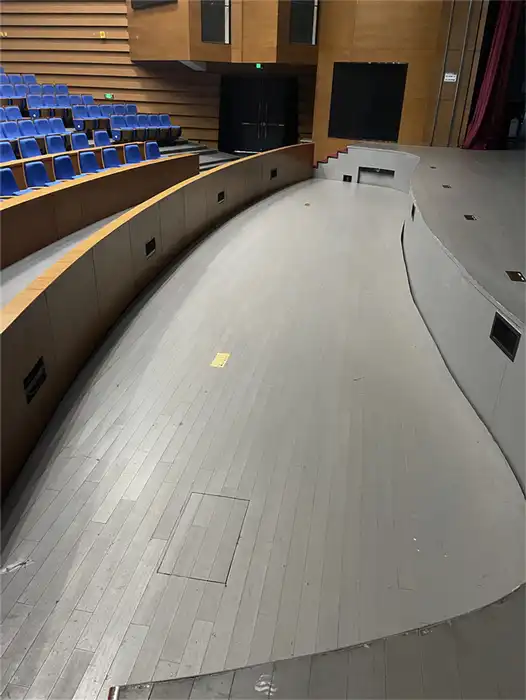
In the middle are regional theaters and cultural centers, which need more complex equipment that strikes a balance between operating flexibility and budget limitations. Most of the time, these places have between six and ten separate lift sections, moderately sized turntables, and basic automatic control that lets you program common scene changes while still letting you modify them manually for special shows.
National theaters, opera houses, and other top performing arts places need cutting-edge systems that can automate a lot of tasks. These buildings could have twenty or more separate lift parts, several turntables, built-in trapdoor systems, and advanced control platforms that can carry out complicated planned routines. The equipment has to work very quietly because these places put on shows where small sound details are very important. To handle the complicated, multi-story sets that are typical of big opera shows, opera houses need systems that can handle very high loads.
Event production companies and hire companies have special needs because their equipment has to be able to handle being set up and taken down many times at different places. These groups focus on modular designs with easy-to-use controls that reduce setup time, strong construction that can handle the stresses of shipping, and quick-connect connections. Portability becomes just as important as speed, which increases the need for materials that are lighter and smaller forms that are still reliable enough for business use.
Convention centers and show halls need to be able to quickly rearrange their areas so that they can be used for everything from business meetings to product launches to public events. When it comes to their equipment, speed of dispatch and flexibility are more important than the fine accuracy needed in standard stages. Most of the time, these places don't deal with dramatic scenery, so their load capacities are pretty average. Instead, they focus on show platforms, display systems, and modular staging.
Theme parks and entertainment centers are probably the toughest places to run an application because they need unique software that works well during the thousands of show cycles that happen every day. These systems work with complex special effects, animatronics, and multimedia elements. They need to be completely reliable because show interruptions have a direct effect on income and guest happiness. Accessibility for maintenance is very important because techs have to do regular maintenance during small overnight maintenance windows.
Procurement and Supplier Insights for B2B Clients
Picking the right understage machinery provider is a big choice that will affect not only the quality of the equipment but also the long-term success of operations throughout the span of the relationship.
Evaluation Criteria for Supplier Selection
The first step in judging the quality of a product is to look at the manufacturing standards and material requirements. Suppliers with a good reputation keep certificates, such as ISO 9001 quality control systems that show how consistent their production methods are. They choose high-quality structural steel, named hydraulic parts from well-known companies, and industrial-rated electrical parts made for heavy duty cycles instead of cheaper options that aren't as reliable.
Ask for detailed technical specifications that let you compare rival plans in a useful way. Load capacity rates should include safety factors, speed specs should list both top speeds and creep speeds for precise positioning, and noise level readings should be based on real-world use instead of ideal lab tests. Documentation that is easy to read shows that the seller trusts their goods.
When a provider answers questions about system integration, customization options, and control platform choices, it shows that they know a lot about technology. Knowledgeable providers don't just offer catalog solutions; they ask deep questions about your particular needs, showing that they really understand how things are used in theater and are ready to come up with the best designs.
How well providers handle questions and problems that come up during the life of equipment depends on their after-sales support system. Check to see if providers have technical support teams that can be reached through a variety of channels, large stores of spare parts for quick delivery, and the ability to provide field service if online troubleshooting doesn't work.
Checking references with past customers can give you important information that sales pitches never show you. By talking to places that have used equipment for a few years, you can get real-world data on reliability, how quickly suppliers respond to problems, and whether the skills that were promised match the performance that was given.
Pricing Structures and Value Considerations
Understanding the different parts of prices helps procurement teams rate bids fairly and find the places where different sellers offer the most value for under stage machinery. The base cost of tools includes the machine, basic controls, and safety features that are needed by everyone. Customization fees are applied when projects need platform sizes that aren't standard, load capacities that aren't standard, or setup needs that aren't standard. Depending on how the provider does business and how complicated the job is, installation services may be included or charged extra.
Financing options should be looked into because many companies offer terms that lessen the effects of capital expenditures. Leasing choices are good for places that want to treat costs as operational expenses, while payment plans that spread costs over longer periods of time without involving a third party are also popular. When theater groups or production companies upgrade multiple venues at the same time, they may want to buy in bulk. When buying equipment for multiple sites through planned projects, volume savings can reach important percentages.
A comparison of the buying price alone is not as useful as a comparison of the total cost of ownership. Use the power specs given by the supplier and the rates charged by your local utility company to figure out how much energy you expect to use. Figure out how much it will cost each year for regular upkeep, replacement of worn-out parts, and repairs that might need to be done. Take into account the prices of training, buying spare parts, and making any necessary changes to the building for installation. This full picture shows real financial obligations and helps find the lowest lifetime cost instead of just the lowest purchase price.
Warranty terms are very different between providers, which has a big impact on value offers. For mechanical and electrical parts, standard warranties usually last for one to two years. However, some sellers offer premium warranties that last for three years or longer for an extra cost. Know what your warranty covers—some don't cover wear and tear items or require you to follow certain repair plans. Warranty service response promises are very important because fixes that aren't done on time during production times cost a lot more than they cost to fix.
Logistics and Implementation Support
The skills of the supply chain show if suppliers can send equipment on time for projects. Manufacturers with a lot of experience keep extra production capacity on hand so they can handle custom orders without having to wait too long. Usually, normal systems are delivered within eight to twelve weeks, and special configurations within twelve to sixteen weeks. You can speed up work on jobs that need to be done quickly, but there are fees for this.
When buying things across countries, you need to know a lot about international shipping. Logistics are taken care of by suppliers who know what they're doing. This includes export paperwork, help with clearing customs, marine insurance, and transportation to final places on land. They know what international safety certifications are needed in different markets and can provide paperwork that makes it easier for local officials to check.
Installation and testing services make sure that the equipment works right from the start. Some venues have the staff to install understage systems themselves, but most benefit from installation guidance or "turnkey" installation services offered by the maker. These agreements make it clear who is responsible for proper installation and protect the guarantee, which could be void if the installation is done wrongly if it is done by a person other than the company.
Staff at venues learn how to run things through training programs that cover basic fixing, safety procedures, and normal operations. Full training gives operators confidence and lowers the chance that they will mistreat the equipment in a way that hurts others or puts them in danger. Some providers offer a range of levels of training, from basic courses for operators to more advanced courses for technical staff on upkeep.
Conclusion
Automatic understage machinery systems have completely changed how plays are put together. They offer accuracy, safety, and creative freedom that human systems just can't match. Knowing how these complex platforms work, from their basic mechanical parts to how they integrate automation controls, helps procurement professionals make smart investment choices that fit the management needs and budgets of their places. There is a wide range of tools available, so there is an answer for every need, from small school theaters to large opera houses with complex productions. When procurement teams carefully evaluate suppliers based on manufacturing quality, technical expertise, full support capabilities, and total cost of ownership instead of just the initial purchase price, they set up their companies for successful implementations that deliver value over the lifecycles of the equipment they supply.
FAQ
How does automation improve safety compared to manual understage systems?
Automation makes things safer by keeping people out of dangerous places near moving machines and getting rid of mistakes that people make when time and coordinating tasks. Automated systems have multiple safety features, such as position limits, overload monitors, emergency stops, and interlock systems that stop the system from working when the gates for staff entry are still open. Sequences that have already been set work perfectly every time, so you don't have to deal with the mistakes that can happen when you operate something by hand. When combined with thorough user training, these built-in safety features make accidents much less likely while still meeting international safety standards.
What maintenance challenges should venues anticipate with automated understage machinery?
As part of regular maintenance, moving parts must be oiled, drive mechanisms must be checked for wear, sensor alignment must be confirmed, and safety systems must be tested on a regular basis. Some common wear parts that need to be replaced on a regular basis are hydraulic seals, drive belts or chains, and position sensor parts. Keeping enough technically skilled people on staff is the biggest problem, because fixing problems with complex control systems takes specialized knowledge. By building relationships with equipment providers for technical support and keeping a collection of extra parts, venues can quickly fix problems when they happen, which keeps production from being interrupted as little as possible.
Can understage systems be customized for unusual theater configurations?
Manufacturers with a lot of experience often come up with custom solutions to fit specific architectural limits, non-standard stage measurements, limited understage depth, or performance needs. Customization options include making platforms with odd shapes, designing lift systems for small spaces, changing the lengths of turntables to fit available space, and combining machinery with buildings that are already there. The process of customization includes a thorough look at the site, a study of the structure, working together to create a design, and often testing that is unique to the site before the final installation. Even though custom systems take longer to make and cost more than standard goods, they make it possible for places with tricky layouts to benefit from automation.
Partner with Sh Stage for Your Understage Machinery Solutions
Sh Stage is the understage machinery provider of choice for theaters all over the world because we offer complete solutions backed by top-notch production and unwavering customer service. Our company, which has been around since 2009, blends direct factory benefits with engineering know-how to make venue dreams come true. At our ISO-certified factory run by Jiangsu Zhongbang Intelligent Technology Co., Ltd., we make stage lifts, turntables, orchestra pit systems, and full automation controls. We keep an eye on quality throughout production and don't use middlemen to add unnecessary costs and markups.
Our engineering team works closely with procurement staff to create custom setups that meet the specific needs of each place, whether you're upgrading a university performing arts center or putting in state-of-the-art systems in a famous opera house. We offer full expert support, from the initial meeting to installation commissioning and ongoing upkeep. Our multilingual staff is available 24 hours a day, 7 days a week to answer any questions or address issues. We've sold understage machinery systems to customers in more than fifty countries, so we know how complicated foreign projects can be. We also keep up with the latest transport networks to make sure that all of our deliveries happen on time, no matter where they're going.
Contact our team at info@shstage.com to talk about your unique needs and find out how our solutions can improve the production skills of your venue while also providing great long-term value.
References
1. Baxter, M. (2018). Stage Automation: Engineering Modern Theatrical Performance Systems. Technical Press International.
2. Carlson, R. & Henderson, T. (2020). "Safety Standards and Best Practices for Theatrical Lifting Equipment." Journal of Entertainment Technology, 45(3), 127-149.
3. International Alliance of Theatrical Stage Employees. (2019). Guidelines for Automated Stage Machinery Operation and Maintenance. IATSE Publications.
4. Morrison, K. (2021). Theater Design and Technology: Integrating Mechanical Systems in Performance Venues. Architectural Documentation Press.
5. Schmidt, H. & Yang, L. (2022). "Comparative Analysis of Manual versus Automated Understage Systems in Regional Theaters." Performance Venue Management Quarterly, 38(2), 67-89.
6. Williams, J. (2020). Modern Stage Engineering: From Concept to Commissioning. Entertainment Technology Publishers.

USER EVALUATE
Here is the customer's evaluation of us