




Stage Machinery Installation and Maintenance
Installing and maintaining stage machinery is an important part of running a successful show. This includes everything from automatic platforms and fly bars to understage lifting systems and overstage rigging. Safety, accuracy, and working efficiency are all improved by proper installation. Regular repair keeps equipment from breaking down and increases its useful life. Knowing about both processes helps people who run venues, buy things, and work on tech make choices that balance the need for speed with the need for long-term dependability. If you are in charge of a national theater, a meeting center, or a touring production company, learning these basics will help you protect your investment and make sure that shows go smoothly.
Understanding Stage Machinery and Its Installation Process
Modern performance places are powered by stage machinery, which makes it possible for everything from subtle scene changes to amazing makeovers that keep audiences captivated. These systems can be as simple as rigging by hand or as complex as computer-controlled robotics. They are all made to move stage elements, actors, lights, and scenery safely and accurately.
What Makes Up a Complete Stage Machinery System?
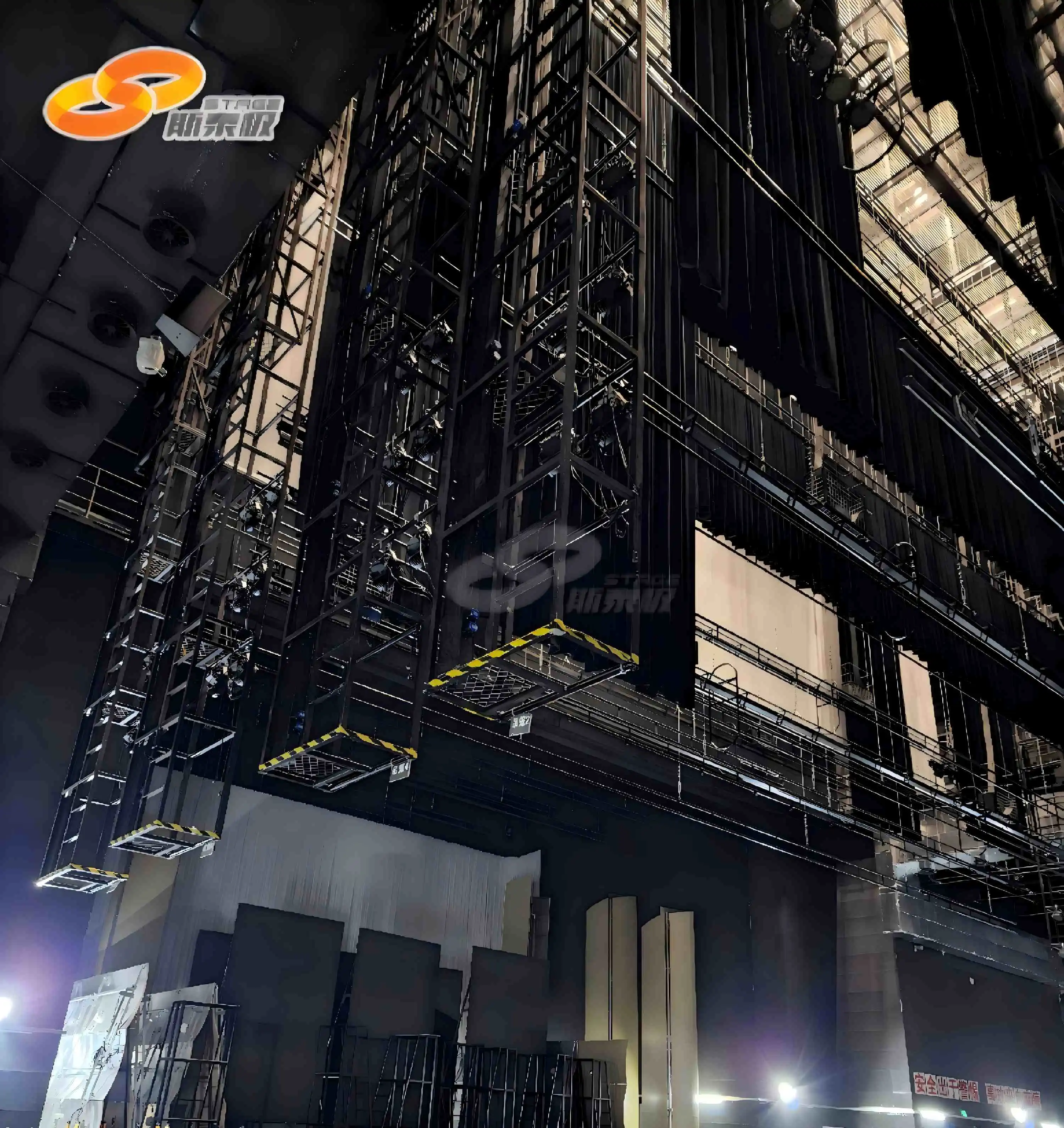
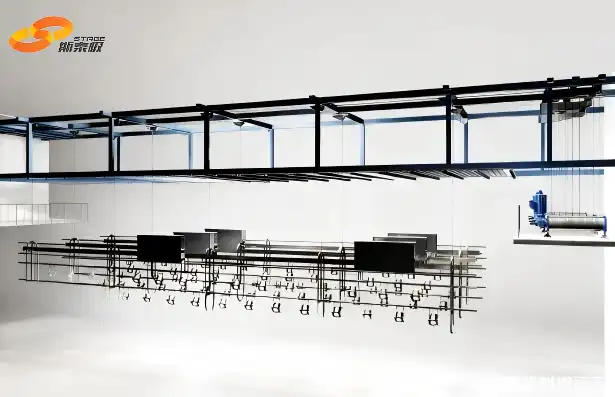
Three main areas work together in harmony in modern stage engineering. The fly tower, which is above the stage, is where the overstage machinery is kept. It is usually placed more than 20 meters high in machine rooms or on top of grid floors. In this area, there are strong winches—each one as strong as a 14-person elevator—that handle about 50 fly bars on most stages. This lets lighting rigs, curtains, and scenery move vertically with digital accuracy.
Substage machinery works below the stage floor and can be up to eleven meters deep in opera houses and three meters deep in theaters. This secret world has lifting platforms, rotating stages, stage trolleys, and trap door systems that raise actors and scenery pieces through holes in the stage floor that were specially made for them. Technicians on the stage control these movements with technical drives that sync motion across multiple platforms at the same time. This makes changes that look natural, which directors use to surprise audiences and improve the story.
Both systems are built into the stage floor itself, which has carefully planned holes, load-bearing structures, and safety features that keep things from going wrong while they're in use. With this three-dimensional method, the whole stage can be changed with the push of a button, and decorations and scenes can be moved around without a lot of hard work.
The Methodical Installation Process
The installation process starts with a full site survey, where experts look at the venue's size, its ability to support weight, its access to power, and its sound needs. We write down the heights of the ceilings, the types of floors, the points of entry for delivering equipment, and any existing infrastructure that could affect the installation. This planning phase helps us find problems early on so that our team can come up with answers before the actual work starts.
The next step is foundational work, which may include adding support beams for overhead stage machinery and digging up or getting ready the areas beneath the stage. Detailed technical plans are used to guide the installation of electrical conduits, control wire paths, and hydraulic or pneumatic supply lines. To make sure the structure stays strong under working loads, this part requires strict adherence to local building codes and foreign safety standards.
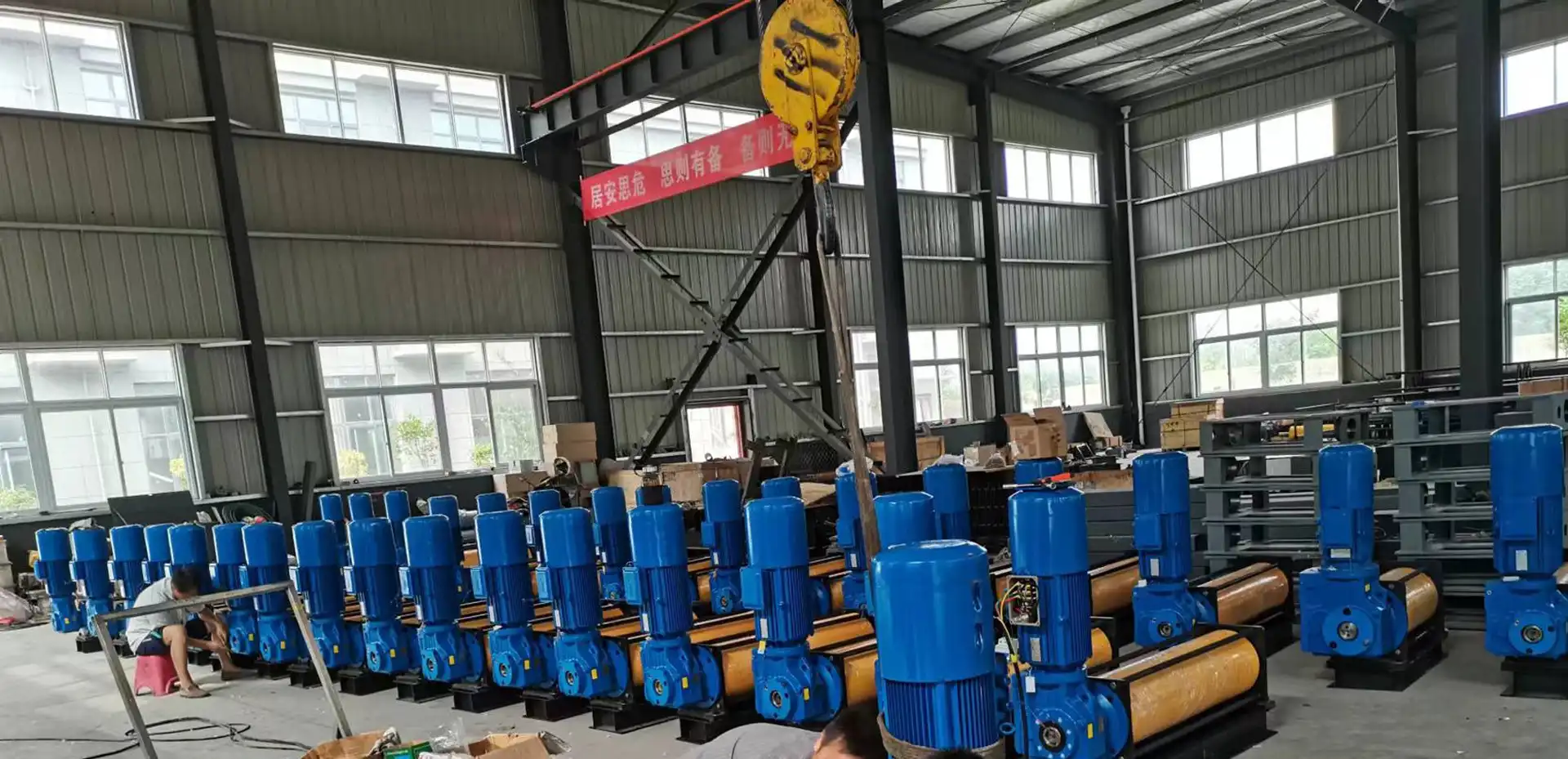
Assembly and system integration are the processes of putting together separate parts to make a whole that works. Winches should be mounted safely in machine rooms that have enough air flow and can be easily accessed for repair. Understage rooms have lifting platforms that are put in place. Guide tracks make sure that the platforms move vertically smoothly. Rotating stages get their own drive systems and gear systems that make them work quietly even when they're carrying heavy loads. Throughout this process, our technicians verify alignment tolerances, test load capacities, and confirm that emergency stop mechanisms function correctly.
Safety Features and Compliance Requirements
Safety is the most important thing to us during placement. There are multiple safety features built into every system, such as emergency stop buttons at operator booths and in key spots around the venue. Overload sensors stop equipment from trying to move more than it is rated to, and motion sensors find things that are in the way of journey. When the power goes out, mechanical brakes immediately apply to keep hanging loads from falling without control.
Every choice about installation is based on following OSHA rules in the US, CE marking rules, and related ANSI standards. We test loads that are higher than what is needed for operation, write down all the safety features in thorough manuals, and give clear, detailed directions on how to use the equipment. Following these steps for proper installation increases both working efficiency and safety, which is very important for venues to keep shows running smoothly and follow the rules.
Expert Maintenance Practices to Ensure Long-Term Reliability
Taking care of your performance equipment will keep it from breaking down at the worst possible time, which can ruin shows and put people in danger. Maintenance that is well-planned can make machines last longer, keep them running precisely, and protect your image for making reliable products.
Common Failure Modes and How to Prevent Them
Normal function causes moving parts to wear down through mechanical wear. Wire bands break strands when they are bent over sheaves over and over again. Bearings lose their lubrication and become loose, and guide rails get junk on them that makes them move in jerky ways. We've seen that venues that set up regular inspection plans catch these problems before they become major problems. Worn-out parts are replaced during planned repair windows instead of when there is an emergency.
Environmental factors, such as dust building up in control panels, changes in temperature that affect connections, and old insulation on power lines, can cause electrical problems. Software bugs or sensor shift can happen in control systems, which can make positioning less accurate. If procurement and engineering teams know about these patterns, they can use environmental controls and set testing processes to handle risks before they happen.
Human mistakes cause a lot of problems that could have been avoided. Operators who don't know the right way to do things may overload equipment, move machinery before making sure it doesn't block people's paths, or miss signs that something is wrong. These kinds of problems happen much less often when people get thorough training and follow clear communication rules.
Scheduled Maintenance Routines That Work
When operators check every day before each show, they find clear problems. Visual checks make sure the state of the wire rope, that the emergency stops work, and that the control systems act properly. During test moves, operators listen for strange sounds and feel for vibrations or roughness that could mean problems are starting to form. The short checks only take minutes, but they keep big problems from happening.
As part of their monthly maintenance, trained techs lubricate all moving parts according to the manufacturer's instructions, check electrical connections for rust and tightness, and make sure that positioning systems are calibrated. We check that safety interlocks work properly, measure how well brakes hold, and test emergency lowering systems. During these meetings, techs write down any wear patterns that show faster wear and tear that needs to be fixed before the next service.
Full system checks are done once a year, and they include non-destructive testing of stage equipment and structure parts, replacement of worn-out parts that are getting close to the end of their useful life, and detailed electrical testing with special tools. We do full load tests, update the software for the control system if it needs it, and look over the maintenance logs to find problems that keep happening that might mean that the design or the way things are done needs to be changed.
Automated Monitoring Versus Manual Inspection
Modern automated tracking technologies keep an eye on important factors all the time. Sensors keep an eye on the load weights, motor temps, and sound levels, and they keep track of the number of cycles to predict wear. When parameters are outside of their regular ranges, control systems send out alerts. This lets repair teams look into problems before they become major problems. These tools are great at finding small changes that human inspectors might miss in the time between visits.
Protocols for manual review are still necessary for a full assessment. Sensors can't pick up on small signs of damage, rust, or wear that only skilled techs can. They use their professional judgment to figure out how much longer a system will last and to check its general health in ways that computers can't. Automated tracking for constant surveillance and manual checking for full evaluation every so often are both parts of the best maintenance strategy.
Keeping detailed records and maintenance logs helps with openness and predictability by keeping track of when parts need to be replaced and finding trends that help with planning future maintenance. When making warranty claims, governmental checks, or trying to figure out what's wrong with complicated problems, these records are very helpful. They also make it easier to share information when staff changes happen, which helps the organization keep its understanding of how each system works. This paperwork encourages long-term machinery reliability, which is important for keeping the place open.
Ensuring Safety and Compliance Post-Installation
Safety and following the rules protect people, property, and the image of your business. Setting up strong safety practices and keeping up with the rules takes ongoing dedication after the initial installation.
Audit and Certification Processes
When operating stage machinery, OSHA rules set safety standards for the workplace. To be in compliance, safety measures must be written down, records of operator training must be kept, and tools must be inspected regularly. Once a year, trained pros check to make sure that all the safety features are working properly and that the equipment is still in safe working condition. These checks produce records that show compliance and list any problems that need to be fixed.
In some areas, equipment must have a CE mark on it to show that it meets European safety, health, and environmental protection standards. Even though it's not necessary for equipment that will only be used in the US, CE licensing shows that the maker is committed to strict safety standards that help users everywhere. Knowing these certification standards helps purchasing teams judge the quality of the tools and the dependability of the manufacturer.
Risk assessment processes find possible dangers and set up controls that lower those risks. Systematic review looks at every possible operating situation, thinks about what could go wrong, rates how likely it is to happen and how bad it would be if it did, and then takes steps to lower the risk to a level that is acceptable. This process keeps track of the thoughts that went into making safety choices. It also shows that your organization is doing its part to protect itself from harm.
Operator Training and Emergency Protocols
Tough training programs turn workers into professionals who know how to use tools safely and spot problems as they happen. Effective training includes what the equipment can and can't do, how to use it step-by-step, what the safety features are for, and how to spot situations that aren't normal and need quick action. Before operators can work on their own, they need to learn hands-on while being supervised. This builds their confidence and skill.
Technical staff training includes more than just operation. It also includes upkeep routines, fixing methods, and the right way to keep records. Knowing how things are put together helps staff figure out what's wrong and talk to expert repair workers in the best way possible when they need to. This information makes machines last longer by making sure they are well taken care of and problems are fixed quickly.
Emergency preparation procedures teach people what to do when equipment breaks down or accidents happen. Written rules set up clear steps for how to respond, who is responsible for what, and how to communicate in different emergency situations. During regular safety drills, these responses are practiced. This finds holes in the processes and builds muscle memory that lets people act quickly in real situations. Regular drills also keep people aware and show that the company cares about safety.
There are clear emergency stop signs at control stations and all over the venue so that anyone who sees something dangerous can stop the stage equipment right away. Testing these systems on a regular basis makes sure they work consistently when they're needed. Setting up procedures for inspecting equipment after an emergency before it can be used again keeps problems from getting worse by causing more fails. By making these habits official, venues keep their spaces safe, keep their property safe, and improve their image for dependability and efficiency.
Conclusion
To successfully install and maintain performance equipment, you need to know the basics of installation, set up proactive maintenance routines, choose the right systems for your needs, manage procurement well, and put safety first throughout the equipment's lifetime. Investing in good equipment, having it installed by a professional, and keeping it in good shape will pay off in the long run by making it easier to use, lasting longer, and keeping people and property safer. When venues take these duties seriously, they set themselves up for years of successful shows that delight crowds without any safety issues or interruptions.
FAQ
What is the typical lifespan of stage machinery with proper maintenance?
If you keep your equipment in good shape, it should last 20 to 30 years. However, some parts may need to be replaced sooner depending on how often they are used. Depending on how often they are used, wire bands usually need to be replaced every 5 to 10 years. On the other hand, structural parts usually last the whole life of the equipment. If you check, fix, and maintain your equipment on a regular basis, it will last a lot longer than equipment that isn't taken care of, which may break down within 10 years.
How long does complete installation usually take?
The length of time needed for installation depends a lot on how complicated the system is and how the place is set up. In sites that are already set up, simple manual rigging systems can be put in place in two to three weeks. On the other hand, full automated systems with a lot of understage and overstage machinery usually take two to four months. It could take up to six months for complicated works in historic buildings that need structural reinforcement or special integration. When you plan the project in detail during the proposal phase, you can set deadlines that are reasonable for your case.
Can existing manual systems be upgraded to automation?
Upgrading many manual systems to automated ones is possible, but it relies on the state and compatibility of the current equipment. For older systems, the structure may need to be looked at to make sure that moving parts are properly supported. Integration of the control system is the most difficult part, especially when coordinating more than one moving axis. We usually do site studies to see what upgrades could be made and then come up with solutions that range from partially automating certain parts to replacing the whole system when the old equipment has hit the end of its useful life.
Partner With Sh Stage for Your Next Project
We have helped venues in 50 different countries solve problems with their performance tools by giving them reliable answers and committed support. With full control over planning and production, as a stage machinery maker, we cut out the middlemen and offer quality that meets international standards. Our skilled professionals work with you to create systems that meet all of your specific needs. They then install, commission, and train you on them. Email our team at info@shstage.com to talk about your project needs and find out how our skills can improve your venue's powers while staying on budget and on time.
References
1. Carter, P. (2021). Modern Stage Rigging: Systems, Equipment, and Safety Protocols. Performing Arts Press.
2. Henderson, M., & Wallace, J. (2020). Theater Engineering and Design: Integrating Technology in Performance Spaces. Technical Publications International.
3. National Association of Stage Equipment Manufacturers. (2022). Stage Machinery Standards and Best Practices Guide. NASEM Publications.
4. Rodriguez, A. (2019). Maintenance Management for Performance Venues: Extending Equipment Lifespan Through Systematic Care. Venue Operations Quarterly.
5. Thompson, R. (2023). Stage Automation Technologies: From Concept to Implementation. Entertainment Engineering Journal.
6. United States Occupational Safety and Health Administration. (2022). Safety Standards for Entertainment Industry Machinery and Equipment. U.S. Department of Labor.

USER EVALUATE
Here is the customer's evaluation of us
YOU MAY LIKE
 VIEW MORESide Stage Elevator
 VIEW MOREStage Second Act Curtain
 VIEW MORERotating Stage Lift Platform Revolving Stage
 VIEW MOREMotorized Curtain Track For Stage
 VIEW MOREStage Control Console for bar
 VIEW MOREStage Rack Lift table
 VIEW MOREPilewind Stage Winch for Stage
 VIEW MOREStage Single-Layer Winding Boom Machine