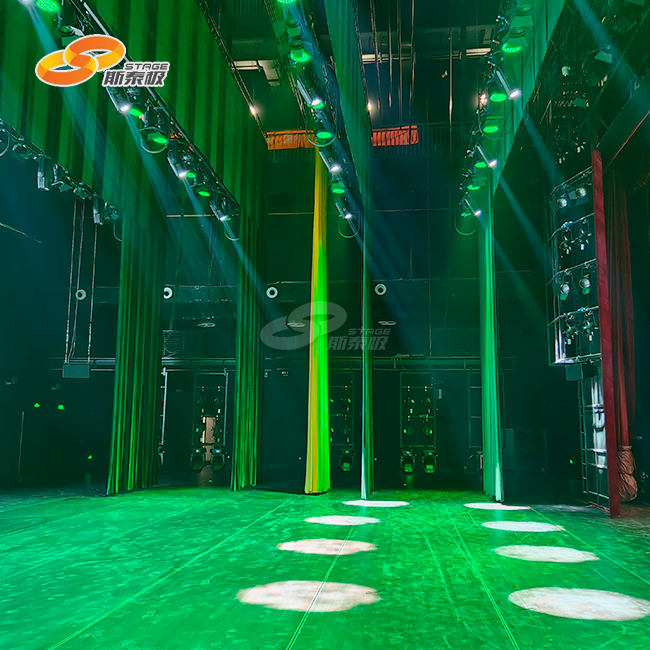




Stage Machinery Design and Manufacture
Designing and making stage machinery is a specialized field of engineering that blends new mechanical ideas with artistic theater to make performance spaces that are always changing. Modern stage equipment includes complex lifting platforms, rotating stages, automatic rigging systems, and precisely controlled curtain devices that can change settings from ones that don't change into ones that can. When designing these combined solutions, safety standards, noise levels, and how well they work must all be carefully thought out. The manufacturing process includes precise cutting, strict testing, and the ability to make changes that meet the specific needs of theaters, music halls, exhibition centers, and entertainment buildings around the world.
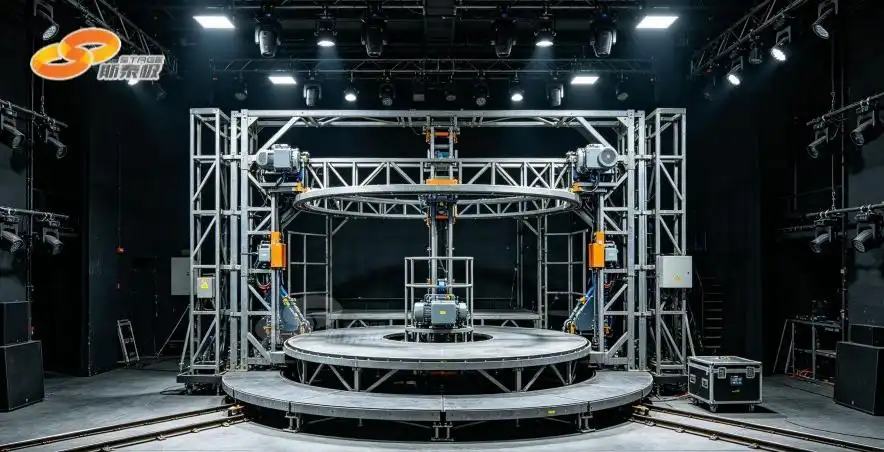
Understanding Stage Machinery: Components and Design Principles
As you walk through a professional theater, you'll notice how smoothly the scenes change. For example, platforms rise from the floor, scenery falls from the ceiling, and stages turn to show new views. A complex ecology of mechanical systems known as stage equipment technology is what makes these moves so captivating.
Essential Components That Power Performance Spaces
Any effective dramatic mechanical system starts with its core parts working together without any problems. Motors are what give the machine its power; they provide the force needed to move heavy scenery and frames precisely. Control systems are like the brains of the operation. They let techs program complicated routines that run perfectly during live shows. Rigging structures support hanging parts with a skeletal framework, and structural frames keep the structure stable when loads change.
When choosing tools for your place, it's important to know about these parts. We've worked with performance centers all over the US where choosing the right parts made the difference between running smoothly and having to pay a lot for downtime. How these parts are put together affects not only how well they work, but also how long they last and how safe your whole theater system is.
Critical Design Principles for Modern Venues
Safety rules must be followed at all times in the field of theater engineering. Strict rules must be followed by every lifting device, rotating stage, and automated curtain system to keep artists, crew members, and crowds safe. At Sh Stage, our production processes include a number of backup systems and fail-safe features that keep accidents from happening even when the main systems go down.
Operational stability is more than just simple functions. Theaters and event spaces can't have tools break down during live shows. It's reliable because it was carefully designed to handle ongoing operation cycles, external factors like temperature and humidity, and the stress of being used over and over again. Modularity gives places the freedom to change how areas are set up for different kinds of events. A convention center that hosts a business meeting one day and a show the next needs equipment that can be easily changed without having to be reinstalled from scratch.
Scalability makes sure that your investment grows as your goals do. Whether you're running a small theater at a university or a big opera house, the mechanical systems should be able to handle more output without needing to be completely redesigned.
System Types and Their Applications
Manual methods are a good way for smaller places with tight budgets and basic production needs to save money. These devices can only be used by trained technicians, and they work well in schools and community theaters where the complexity of the show is low.
Professional venues today use automated tools as the norm. Electric systems are great for venues that care about sound quality because they are quiet and easy to handle. Because electric hoists and lifts are quiet, machinery noise doesn't get in the way of musical acts. Hydraulic systems are very powerful for tasks that need to move big things. For moving big turntables or lifting whole stage sets that weigh several tons, hydraulic technology gives you the power you need with an amazing smoothness.
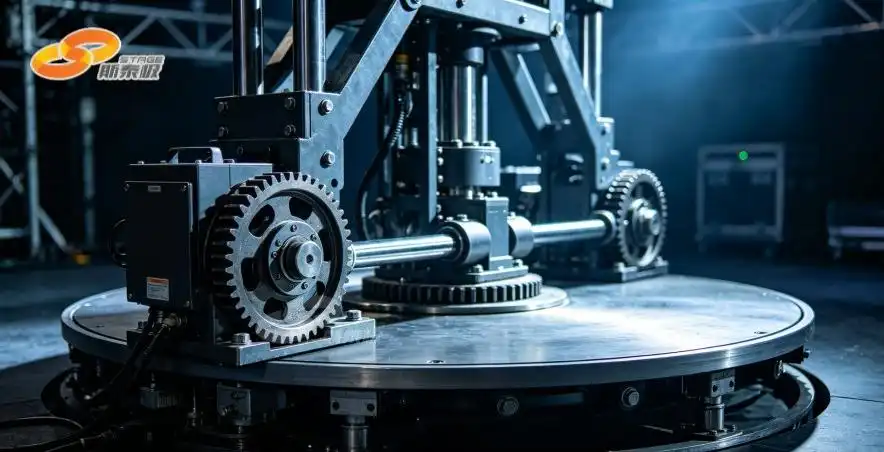
Knowing these differences helps people who buy things match the skills of the equipment to the needs of the place. We've helped clients make these kinds of decisions a lot of times, and the right choice always comes down to knowing your specific business needs, budget, and long-term output goals.
Ensuring Safety and Longevity: Maintenance and Safety Features
Safety and longevity are the two most important things for stage machinery and mechanical systems in theaters. Not only do broken pieces of equipment ruin shows, they can also put lives in danger and hurt names that have been built up over decades.
Essential Safety Mechanisms
Multiple places around the venue can use emergency stop devices to immediately shut down the venue. When these important safety features are turned on, they cut power right away, stopping all movement regardless of what routines were set. Our emergency stop systems are built with backup circuits that make sure they work even if the main electricity systems go down.
Overload defenses stop machines from trying to move beyond their safe limits. Load sensors constantly check the weight and stop activities automatically when limits are reached, keeping both the equipment and the people using it safe. This is especially important when renting tools or putting on an event because different teams might not know how to work with certain pieces of equipment.
Fail-safe methods make sure that when the power goes out or the system fails, the equipment goes back to a safe state. Automatic brake systems stop the uncontrolled fall of loads that are suspended. Position locks are used to keep platforms safe and stop them from moving without permission. These silent safety features protect you even if something goes horribly wrong without needing power or human help.
Common Issues and Troubleshooting
Wear and tear on mechanical parts is caused by repeated working processes. Drive chains and wires need to be checked often for signs of damage, wear, or rust. Bearings and hinge points need to be oiled according to the manufacturer's instructions to keep them from getting stuck or breaking too soon. By sticking to regular lubrication plans, places have been able to make tools last a lot longer.
Electronic problems are often caused by things in the surroundings, like too much dust, extreme temperatures, or water contact. Equipment rooms with temperature control help control systems by keeping sensitive electronics safe from the challenges of the theater setting. To keep signal transfer between control panels and mechanical equipment reliable, connection points need to be checked and cleaned on a regular basis.
Systematic tests are the first step in troubleshooting because they help narrow down problems to specific parts. Modern machines can self-diagnose problems and let workers know about them before they become major problems. Facility managers who know how to do simple fixing can usually fix small problems quickly, which keeps production from stopping too much.
Maintenance Best Practices
Preventive repair plans are based on schedules for regular inspections. Visual checks every day find problems like broken wires or strange noises that are easy to see. Critical parts are checked once a week while they are under working loads. Every year, trained techs do full inspections to check for wear on parts and find ones that need to be replaced before they break.
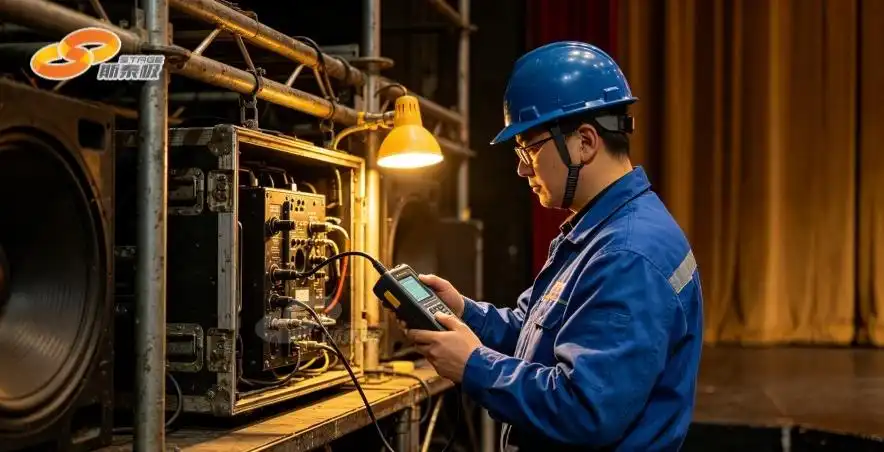
Professional maintenance by factory-trained techs makes sure that even the most complicated systems get the care they need. These experts know the working details of certain pieces of equipment and can find small problems that regular repair staff might miss. We help our clients build up their own repair teams by giving them ongoing training and support and making sure that key interventions are handled by experts.
Following the manufacturer's schedules saves the guarantee and makes sure that the equipment works at its best for as long as it lasts. Keeping records of repair tasks is important for making choices about replacements and figuring out why problems keep happening.
Expert Installation and Technical Support
Installing stage equipment correctly sets the stage for years of solid service. Teams with a lot of experience know the important safety rules, alignment requirements, and limits that set professional installs apart from adequate ones. We've fixed setups that were done by untrained workers, and the extra cost always outweighs the money saved by hiring less experienced installers in the first place.
Ongoing technology support gives places access to experts when they need help with problems or questions. If you can talk to the people who made your tools, you can solve problems faster and better. Our support system includes teams that can work in different time zones and speak different languages. This makes sure that foreign clients get help quickly no matter where they are.
Procurement Insights: How to Buy and What to Consider?
When buying mechanical systems for theaters strategically, you have to find a balance between technical needs, price limits, and long-term operating goals. Structured evaluation systems help engineers and procurement managers make sure that all of the available choices are carefully considered.
Critical Evaluation Criteria
Performance metrics tell you what your tools must be able to do in order to work. Load capacity tells you how much weight a lifting machine can safely hold. Speed measurements tell you how fast platforms can move from one place to another, which affects how long it takes for scenes to change. Positional accuracy for repeated moves is set by precision standards. The requirements in these specs must match your production needs while still leaving enough room for unexpected needs.
Making changes to building structures or electrical systems that aren't compatible with current equipment can be very expensive. In older places, the space often limits the kinds of tools that can be used. We work closely with clients to create solutions that maximize capabilities within current limits, sometimes finding creative methods that avoid expensive structure changes.
It's not just marketing materials that are used to judge a supplier's trustworthiness; real-world success is also looked at. Project portfolios show that you know how to use related programs. References from past clients can help you figure out how reliable and good the service is in the long run. Stable finances make sure that makers will still be able to help with problems and offer parts in the future. When looked at together, these factors show if a supplier will be a reliable long-term partner.
After the initial installation, warranty terms and service agreements will continue to protect your investment. Full warranties that cover both parts and work for a fair amount of time show that the maker trusts the quality of the product. Service agreements that include preventive maintenance and priority access to support staff keep operations safe and make maintenance costs predictable.
Sourcing Strategies and Financial Considerations
When you buy new tools, you get the most reliable parts and the full warranty security. Working directly with source makers like Sh Stage cuts out the middleman and makes sure you get real goods with full support. Because we are a real factory, we can offer reasonable prices without lowering the standard of our products or services.
Rental choices are good for temporary sets and traveling shows whose equipment needs change all the time. Companies that put on events often keep renting inventory on hand to give them options without having to spend money. When you only need something for a short time, it makes more economic sense to rent it than to buy it.
People who are on a tight budget and are ready to deal with shorter guarantee periods and possible cosmetic flaws can save money by buying refurbished equipment. Reputable repair programs carefully check out and fix equipment so that it can work again, but buyers should carefully look at the source and quality of the refurbishment before committing.
Customization and Installation Services
Specialized needs call for special solutions that can't be met by standard goods. In order to make realistic experiences, theme parks often need to come up with their own stage equipment and mechanical systems that work with their artistic ideas. Video systems and interactive technologies may need to work with the tools that multimedia places have. During the whole design process, our engineering team works with clients to come up with custom solutions that bring creative ideas to life while still being safe and dependable.
Manufacturers offer installation services to make sure that everything is set up and running correctly. Installation teams that have been trained by the factory know the design purpose and important details that may not be fully explained in the paperwork. Before handing things over to place operators, they make sure that the equipment works as it should. Professional installation is worth the extra cost because it gives you peace of mind and ensures that the system works at its best from the start.
Conclusion
Theater motor systems are always changing because new technologies are being developed and performing needs are changing. To be good at procurement, you need to understand basic ideas, compare rival technologies accurately, and choose partners who will be there for you for a long time. Every choice should be based on important factors like safety, dependability, and operating freedom. Investing in good equipment and having a professional install it pays off over time with years of reliable service, little downtime, and the ability to provide amazing performance experiences. As the entertainment industry moves toward greener and smarter technologies, places that use forward-thinking buying strategies can continue to do well in a market that is becoming more and more competitive.
FAQ
What distinguishes quality stage machinery manufacturers from average suppliers?
Manufacturers of good quality show what they can do by having a lot of certificates, a lot of completed projects, and clear manufacturing methods. They have specialized engineering teams that can do custom design work and offer strong after-sales support, such as training, upkeep advice, and extra parts that are easy to find. Factory trips and talking to past clients are great ways to find out more about a company's real skills than just what they say they can do.
How do I determine the appropriate load capacity for lifting systems?
When figuring out load capacity, you should add the scenery or platforms's maximum weight to a large safety factor, which is usually 150 to 200% of the predicted loads. Not only steady weight, but also dynamic forces that act on things as they move, as well as possible future production needs that might be higher than what is currently needed. Professional load tests by experienced engineers make sure that the capacity is correctly calculated and that there are enough safety gaps.
What maintenance schedule should venues implement for theatrical equipment?
Daily visual checks by operators, weekly operational checks of key systems, monthly detailed checks of mechanical parts, and professional servicing once a year by techs trained by the maker are all part of comprehensive maintenance programs. Venues that get a lot of use may need professional repair more often, and equipment that is exposed to harsh weather conditions may need to be serviced on different plans to deal with those issues.
Partner With Leading Stage Machinery Supplier for Your Next Project
Sh Stage has been making specialized products for more than ten years and can help you with your performance place projects by providing designed solutions that are safe, reliable, and new. As a real source producer with our own factories through Jiangsu Zhongbang Intelligent Technology Co., Ltd., we cut costs where they're not needed and keep our quality standards high. Our wide range of services includes custom design engineering, precise production, professional installation, and ongoing technical support that makes sure your equipment works at its best for as long as it lasts. Our multilingual team is ready to make your needs come true, whether you're looking for reliable stage machinery for sale to meet growing production needs, selecting equipment for a new theater building, or upgrading current systems. Email our tech team at info@shstage.com to talk about how our solutions can help you with the problems and production goals that are unique to your setting.
References
1. Baxter, Michael and Henderson, James. "Theatrical Rigging Systems: Engineering Principles and Safety Standards." Journal of Entertainment Technology, Volume 28, 2021, pp. 145-173.
2. Chen, Robert. "Modern Stage Automation: Integration of Mechanical and Control Systems." International Conference on Performance Venue Technology Proceedings, 2022, pp. 89-112.
3. Davidson, Sarah. "Maintenance Protocols for Professional Stage Equipment." Technical Theatre Quarterly, Volume 15, Issue 3, 2020, pp. 201-224.
4. National Association of Theatre Technology. "Guidelines for Stage Machinery Procurement and Installation." NATT Publication Series, Fourth Edition, 2023.
5. Reynolds, Andrew and Martinez, Elena. "Hydraulic versus Electric Stage Lift Systems: Comparative Performance Analysis." Entertainment Engineering Review, Volume 41, 2021, pp. 78-95.
6. Wilson, Catherine. "Future Trends in Theatrical Mechanical Systems: IoT Integration and Predictive Maintenance." Stage Technology Innovation Summit White Paper, 2023, pp. 1-34.

USER EVALUATE
Here is the customer's evaluation of us