



How do I Compare Overstage Machinery Suppliers Based on Service and Price?
There are three main things you should look for in overstage machinery suppliers: clear pricing that includes all hidden costs, full service packages that include everything from pre-sale consultation to long-term maintenance, and verified credentials that show safety compliance and operational reliability. The best way to compare is to look at the total cost of ownership instead of just the initial purchase price. You should also look at how quick the provider is, how well they can help with technical issues, and how successful they have been with similar projects in the past. This fair method helps you pick a partner that gives you both good value for money and the long-term service quality you need to keep uptime and operational efficiency high in tough performance settings.
Understanding the Key Criteria for Comparing Overstage Machinery Suppliers
It takes more than a quick price comparison to find the right provider for your stage equipment needs. Because these systems are so complicated—with winches that can lift as much weight as fourteen-person elevators and fly bar systems that are precisely controlled and manage fifty or more lines—they need a complete evaluation framework that takes both short-term needs and long-term operating concerns into account.
Defining Your Procurement Scenario and Scale
Before you contact possible suppliers, you should be clear about what your unique operating situation is. A national theater that is upgrading its fixed installation has very different needs than an event production business that is looking for modular tools for shows that are going on the road. For student training, educational institutions usually look for systems that are cost-effective and easy to use. On the other hand, theme parks need highly customized automation to create engaging experiences. Which qualities of a seller are most important depends on whether you need a small custom order or a lot of them. Rental companies like flexible designs that are easy to put together and take apart, but cultural centers need systems that are built to last for decades with little wear and tear.
Establishing Transparent Pricing Benchmarks
Price transparency goes beyond just the price for the tools. When comparing providers, make sure you get thorough breakdowns that show how much the base machinery costs, as well as any customization fees, shipping costs, installation fees, and training costs. A lot of buyers find that the first quotes they get are only sixty to seventy percent of what the whole job will cost. For projects with more than one site or a phased buildout, volume savings can be useful, but they should be weighed against the need for standardization. If a seller offers a 15% discount on bulk sales, that discount is only real value if the standard equipment fits the specific needs of each place in your portfolio.
Evaluating Service Excellence Across the Project Lifecycle
Service quality determines whether your investment continues to be valuable or turns into an upkeep headache. Site assessments, load estimates, and a study of how well the new building will work with the current facilities should all be part of the pre-sale consultation. During installation, expert help has to deal with problems that come up on the job site without delaying the project schedule. After installation, it's important to have easy access to upkeep, spare parts, and emergency reaction plans. Suppliers who give your expert staff thorough training cut down on working interruptions and increase the life of your equipment. The difference between good service and great service is often clear years after the purchase, when quick delivery of extra parts and expert technical advice keep expensive show cancellations from happening.
Verifying Reliability Through Certifications and Customer Feedback
Certifications from well-known standards bodies are objective proof of the safety and quality of a product's production. ISO approvals show that quality management is done in a planned way, and CE markings show that European safety standards are met. Checking customer references is another way to find out about real-world success in addition to licenses. Talking to place managers who have used the supplier's equipment for many years can give you information about how reliable it is over time, how much care it really needs, and how quickly the supplier responds to problems. Online reviews and industry sites are good additions to direct references, but it's important to be careful when separating real feedback from promotional content. Suppliers who are sure of their goods will gladly put potential buyers in touch with current customers who run facilities like the ones being bought.
To balance these factors, you need to come up with a weighted score system that fits your needs. Modularity and speed of installation might be more important to a traveling production company than they are to a fixed installation that needs precise control and quiet operation. The goal is to find suppliers whose skills match your business needs and who can offer good value throughout the lifecycle of the project.
Comparing Overstage Machinery Suppliers: Price Factors to Consider
Comparing bottom-line quotes is only one part of price study. The real cost of stage equipment depends on many things that change over the equipment's useful life. This is why detailed cost modeling is so important for making smart buying decisions regarding overstage machinery.
Breaking Down Total Cost of Ownership
The total cost of ownership includes the price of the item itself, the cost of installation, the cost of training, the cost of repairs and a supply of extra parts, the amount of energy used, and the costs of replacing or upgrading the item in the future. A lower starting price could mean that the materials aren't as good, the warranty coverage is shorter, or there isn't as much professional help. All of these things raise the lifetime cost. When comparing prices, you should figure out how much the equipment is expected to cost per hour over its expected lifetime, which for permanent setups is usually fifteen to twenty-five years. This measure shows if expensive equipment is worth the extra money by showing if it lasts longer, needs less upkeep, and costs less when it breaks down.
Identifying Hidden Fees and Additional Charges
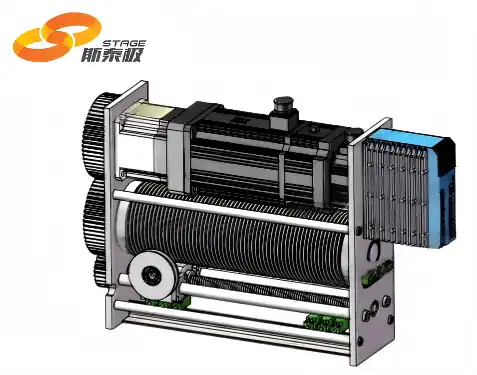
Quotes that are complete list all of the costs involved. Shipping and operations for heavy machines are very different depending on where the seller is located, how the goods need to be handled, and how customs procedures work. When you see installation costs, you should know what services are included. For example, does the provider do full commissioning, including load testing and safety checks, or do they just bring the equipment and leave it up to local contractors to set it up? Training programs cover a wide range of topics, from basic operating instruction to in-depth technical classes that cover everything from maintenance procedures to fixing protocols. Some sellers put these services together in "turnkey" deals, while others charge for each part separately. Ask for detailed plans that make it clear what your spending will cover.
Understanding Customization Impact on Pricing
Because of economies of scale, standard goods are cheaper, but most show venues need some customization. Customization prices depend on how complicated the changes are; for example, changing the way a system mounts or communicates with controls usually costs less than designing and building a whole new system from scratch. Make it clear which changes the seller sees as normal and which ones as custom engineering that needs more design work. Suppliers with large product lines can often meet needs by offering current choices, which lowers the cost of customization. When talking about customization, it's important to talk about how changes affect guarantee coverage and the availability of spare parts, since substitute parts for highly customized parts may take longer to get.
Evaluating Leasing Versus Purchase Options
When money is tight, leasing may be a better option than buying directly. Leasing keeps money safe for other purchases and gives you access to new technology. This method works well for event production companies whose equipment needs change with the seasons or for groups that plan to improve their facilities in five to seven years. Permanent sites, on the other hand, usually get better long-term deals by buying directly. Carefully reading lease agreements is necessary to understand who is responsible for upkeep, what upgrades are available, and how to return property at the end of the lease. Some sellers let you lease something and then buy it later. This gives you options while also building your value as an owner.
Analyzing Warranty and Service Agreement Value
The length and scope of the warranty have a big effect on the long-term costs. Standard warranties usually cover problems with the way the product was made for one to three years. Longer warranties or service agreements protect you for longer. Check to see what each guarantee covers—just the parts, or both the parts and the labor? Does your insurance require you to use approved service providers, or can fixes be done by your own staff? Service agreements that include preventative maintenance visits, faster access to spare parts, and lower hourly rates for emergency calls are a clear benefit for places with busy show schedules. Compare the security value of these deals to self-maintained options, taking into account how technically skilled your staff is and what will happen if there is extended downtime.
In the end, comparing prices means looking at all of these things together, not just the cost of the tools. Genuinely competitive suppliers break down costs in a way that is easy to understand and work with others to get the best value for money without lowering safety or performance standards.
Evaluating Supplier Service Quality - What Matters Most?
Service quality tells the difference between sellers who see deals as one-time sales and partners who want your business to succeed in the long run. Because overstage machinery and overstage equipment systems are so complicated, they need to be maintained by expert connections that last for years after the initial installation.
Assessing Pre-Sale Technical Support Capabilities
Good providers spend a lot of time and money on pre-sale advice because they know that designing a system correctly saves a lot of money in changes that need to be made later. Technical teams should show that they fully understand your management needs by asking specific questions about load requirements, performance schedules, current equipment, and plans for future growth. Engineers with a lot of experience can find problems and chances on the ground that remote surveys can't. Expertise is needed to do things like load calculations, structure analysis coordination, and planning for integration with current control systems. If suppliers rush through this step or offer general solutions without analyzing the site, they often end up sending systems that need a lot of work or don't meet practical needs.
Examining Post-Sale Maintenance and Repair Support
Breakdowns of equipment can affect both work schedules and income, so it's important to have responsive repair support. Check out the support system of your suppliers. Do they have regional service centers with expert staff and parts on hand, or do you have to ship equipment back to faraway facilities to be fixed? Response time promises for emergencies should be written into contracts, along with clear ways to escalate problems. Suppliers offer preventative maintenance programs that help places keep their equipment in good shape and keep records of their compliance with safety rules. With online diagnostics, you can fix problems without having to go to the site. This cuts down on response time and costs for many problems.
Analyzing Spare Parts Availability and Lead Times
How quickly your facility rebounds from machine failures depends on how easy it is to get critical spare parts. Suppliers should keep a lot of high-wear parts like cables, brake systems, and control units on hand at all times. Find out how long the wait times are usually for both standard and custom parts. Long wait times for unique parts make outages more likely to last for a long time. Some providers offer suggested spare parts kits that are made to fit certain types of equipment. This lets places keep important things on hand at all times. It's best for part prices to stay steady and fair so that replacement parts don't cost too much compared to the original equipment.
Reviewing Training Program Comprehensiveness
Training for operators affects both safety and the life of the tools. Comprehensive programs cover everything from how to use the machine every day to how to fix problems and follow safety rules. Training should cover a range of skill levels, from basic operation for performance staff to advanced expert training for support staff. Suppliers that offer ongoing training help places bring on new staff without having to pay for training over and over again. The quality of the documentation is also important. Self-service support works best when there are clear repair instructions, troubleshooting tips, and parts diagrams in the right languages. For current technical teams, video tools and online knowledge bases are useful in addition to written materials.
To evaluate these aspects of service, you need to talk directly with provider representatives and customer examples. When problems arise, you should ask current customers about their real experiences, not just what the company says it can do. The fact that the seller is willing to give detailed information about their services and put customers in touch with each other shows that they are confident in their ability to help.
Conclusion
When comparing stage equipment and upper stage machinery providers, you have to keep a lot of different things in mind, all of which affect the long-term success of the project. Price factors include more than just the starting cost of the item being bought. They also include the total costs of owning the item over many years of use. From pre-sale advice to ongoing repair support, the quality of service has a direct effect on operating efficiency and the risk of downtime. Systematic evaluation frameworks with weighted criteria make it possible to compare suppliers objectively while lowering the risks of buying. Good negotiation tactics get the best deal possible by improving service terms, setting up the right finances, and being clear about what the contract promises. The best provider has reasonable prices, a wide range of services, a history of dependability, and a real dedication to customer success. Spending time carefully evaluating suppliers pays off over time with reliable equipment, quick expert help, and the ability to work together to solve problems when they come up. Your choice of provider is a strategic relationship choice that will have effects that go far beyond the current transaction.
FAQ
How can I verify a supplier's reliability beyond certifications?
Ask for customer references from people who run similar sites and then get in touch with those people to find out how they found the performance of the equipment and how quickly the supplier responded. Ask specific questions about how the provider dealt with problems that came up out of the blue, how quickly they could provide replacement parts, and how good their ongoing technical help was. Venue managers and technical heads can give you more information through professional groups and associations. When you visit the supplier's factory, you can see how they make things and how they check the quality.
Should I prioritize price or service quality when budget is limited?
Because of limited funds, it's not enough to just accept the lowest price; you need to strategically optimize value. If you buy cheaper equipment that isn't as reliable, safe, or long-lasting, it will cost you more in the long run because it will need more repairs, break down more often, and cause problems with operations. The quality of the service has a direct effect on these long-term costs; quick help cuts down on downtime, thorough training stops operators from making mistakes, and reliable parts supply speeds up repairs.
How does customization impact overall project costs and timelines?
The level of customization sets extra costs and scheduling delays. Small changes that are made to standard goods to fit the mounting or control needs of a particular site usually add ten to fifteen percent to the base cost of the equipment without having a big effect on the schedule. If you need unique engineering, specific parts, or prototype development for a lot of customization, costs may go up by thirty to fifty percent and delivery times may be pushed back by several months. Custom parts can change how warranties work and how easy it is to get replacement parts. Talk about the needs for customization early on in the supplier review process to get accurate figures of time and cost.
Partner With Sh Stage for Premium Stage Machinery Solutions
Are you ready to stop comparing and get in touch with a stage equipment maker that offers both great value and unwavering quality? Since 2009, Sh Stage has helped performance spaces in more than fifty countries by providing direct factory prices and top-notch service. Our engineering team specializes in creating custom solutions that are perfect for your facility, whether you run a cultural center that needs quiet, precise systems, manage touring productions that need modular reliability, or oversee educational programs that put a high priority on safe, easy operation. We take care of the whole project, from the original consultation and thorough technical planning to the installation, commissioning, training of operators, and ongoing upkeep. Because our factories are ISO-certified, we know that every winch, hoist, and control system we make meets international safety standards and is built to last for decades. Get in touch with info@shstage.com right away to talk about your specific needs with skilled experts who know how to handle the complicated technology and practical needs of modern performance spaces. Find out how partnering with a reliable overstage machinery provider can help you make your idea a reality.
References
1. Anderson, J. (2021). Stage Machinery Systems: Engineering and Safety Standards for Modern Performance Venues. Theater Technology Press.
2. Chen, M., & Williams, R. (2020). "Total Cost of Ownership Analysis for Capital Equipment Procurement in Entertainment Facilities." Journal of Entertainment Technology Management, 15(3), 234-251.
3. European Theatre Technology Association. (2022). Best Practices for Stage Machinery Procurement and Installation. ESTA Publications.
4. Martinez, L. (2023). Service Quality Metrics in B2B Equipment Supply: Performance Indicators and Customer Satisfaction. Industrial Relations Publishing.
5. Peterson, K. (2020). "Supplier Selection Frameworks for Complex Technical Systems: A Comparative Analysis." International Journal of Procurement Management, 18(4), 412-429.
6. Thompson, D., & Hughes, S. (2022). Negotiation Strategies for Technical Equipment Acquisition: Balancing Cost, Quality, and Long-term Value. Business Strategy Institute.

USER EVALUATE
Here is the customer's evaluation of us