



Which Understage Machinery Systems are Most Reliable for Concert Venues?
When you look at the infrastructure of a music venue, the most reliable understage machinery choices are hydraulic and electric stage lifting systems with precise automation controls. These systems work very well because they have multiple safety features, are easy to maintain, and have been used successfully in high-frequency activities in the past. Modern models with modular construction, the ability to run quietly, and built-in control systems offer the highest level of dependability for challenging music settings where equipment failure is not an option.
Understanding Understage Machinery Systems for Concert Venues
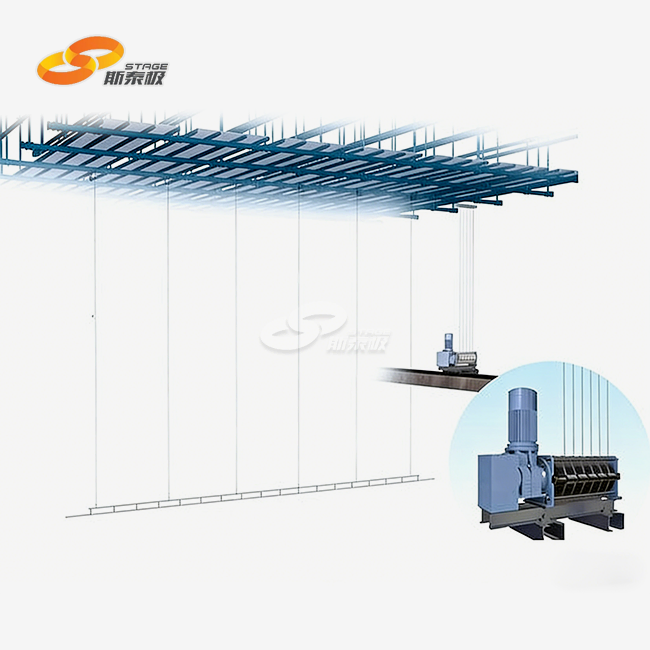
Concert hall stage automation systems are complex mechanical systems that are put in place under the performance floors to make complicated staging needs possible. These systems have many parts, like platform lifts, trap doors, spinning stages, and ways to move the scenery around quickly so that the set can be changed quickly during live shows.
Core Components and Functionality
To build a solid stage automation system, you need to know about the main mechanical systems that venue workers can use. Pressurized fluid is used in hydraulic systems to create lifting power. These systems are great for heavy load uses because they are easy to use and can be placed precisely. Electric drive systems are an option that uses less energy, has better speed control, and needs less upkeep. Because they are made of modules, places can change the pieces to fit their space and performance needs.
System Integration and Control
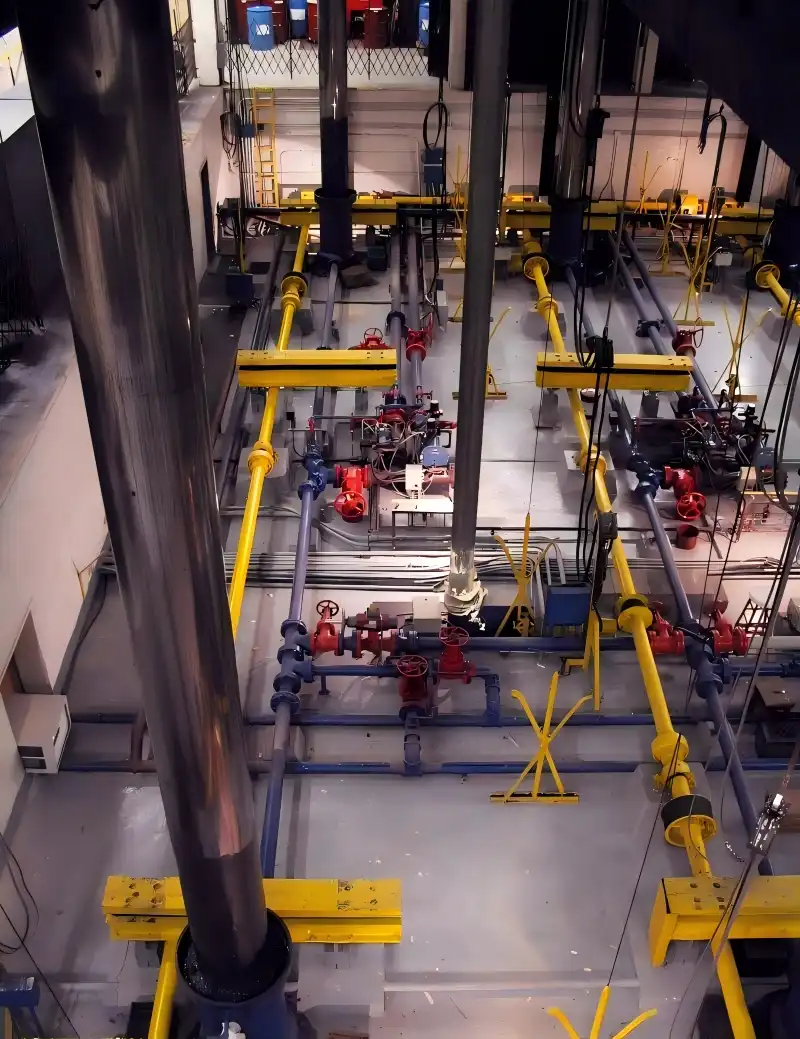
Through centralized control tools, modern stage automation works with lighting, sound, and video systems without any problems. These combined solutions let effects happen at the same time during shows, and they keep operators safe with two sets of monitoring systems. Advanced control interfaces give real-time information on the state of the system, its load, and safety factors. This makes sure that it works reliably even when performance plans are very tight.
Venue-Specific Applications
Specifications for concert rooms are different from those for touring sites or buildings that can be used for more than one thing. Custom-engineered solutions that make the best use of room and are reliable over time are best for permanent installs. Touring places like movable systems that can be set up and changed quickly to meet the needs of different acts and productions.
Criteria for Selecting Reliable Understage Machinery for Concert Venues
Before buying a stage automation system, you need to think about a lot of things, like the technology specs, the operating needs, and the long-term value. By knowing these factors, places can be sure that the solutions they buy will provide reliable service for the whole time they are in use.
Technical Performance Specifications
Load capacity is the most important factor in figuring out whether a system is right for a given job. Depending on the needs of the stage and the loads of the understage equipment, concert places usually need systems that can handle 500 to 2,000 kilograms per platform. The time of scene changes is affected by speed factors. Reliable systems let you change the speed between 0.1 and 0.5 meters per second. Positioning precision of within ±1 millimeter makes sure that safety rules are followed and performance is uniform.
Safety and Compliance Standards
For example, EN 17206 and ANSI E1.21 are international safety guidelines that say stage automation systems must meet certain requirements. Reliable makers regularly go through third-party checks and provide a lot of paperwork that shows they follow all the rules. There must be emergency stops, load tracking, position feedback, and fail-safe devices that stop accidents from happening while the machine is running.
Operational and Maintenance Considerations
Long-term dependability and running costs are directly affected by how easy it is to do maintenance. Systems that are well-designed make it easy to get to important parts, offer standard substitute parts, and can do forecast maintenance. Noise levels below 40 dB make sure that the crowd isn't too distracted during shows. Energy efficiency scores affect both the cost of running a business and its effect on the environment. New systems are much more energy efficient than older ones.
Comparison of Leading Understage Machinery Systems for Concert Venues
There are many types of understage machinery on the market that are designed to work with music halls. Well-known companies offer a wide range of hydraulic and electric systems. Getting to know the pros and cons of different methods helps procurement teams make smart choices based on the needs of the place.
Hydraulic System Advantages
Hydraulic systems work best in situations where they need to be able to lift heavy things and move smoothly. These devices can be used in places with limited installation room because their small actuators can produce a lot of power. Hydraulic technology gives you exact control over speed and positioning, which is important for stage effects. Modern hydraulic systems use advanced tracking and filtering technologies that make parts last longer and require less upkeep.
Electric Drive System Benefits
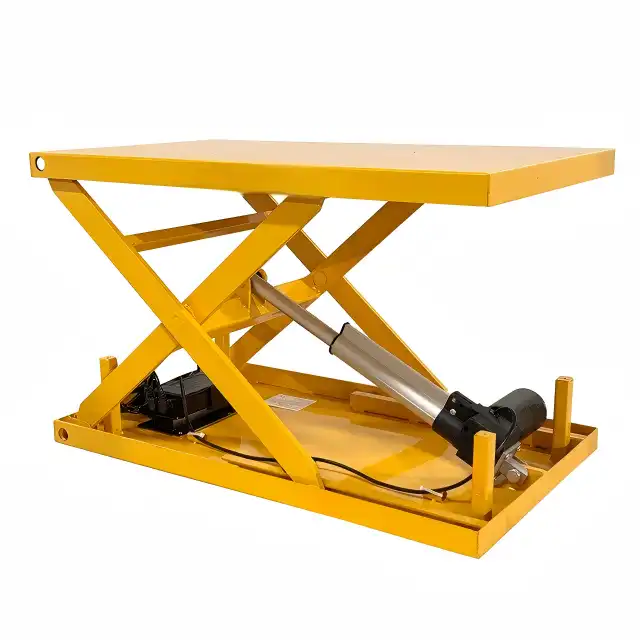
Electric methods are better than hydraulic ones because they use less energy and are easier to maintain. Variable frequency drives let you precisely control speed and position while using less power while they're running. Electric methods don't need hydraulic fluid, which is better for the environment and makes installation easier. More advanced electric systems have regenerative stopping features that make them even more energy efficient.
Custom Engineering Solutions
Leading makers offer unique engineering services that make sure the design of the under stage machinery system works best for each place. These solutions combine several parts, like lifts, turntables, and transport methods, into setups that work together. Custom solutions are made to fit special needs like limited space, design needs, and performance standards that standard goods can't meet.
Maintenance, Safety Guidelines, and Troubleshooting for Concert Venue Understage Machinery
Reliable understage machinery needs regular upkeep that includes checks, lubrication, and repair of parts when they wear out. Following strict safety rules, along with official training and following international standards, saves both operators and machinery.
Preventive Maintenance Protocols
Maintenance programs that work well set up regular check times that find problems before they become major problems that shut down the system. Visual checks are done every day to make sure everything is working right and to find clear problems like fluid leaks or strange noises. As part of weekly maintenance, moving parts are oiled and the safety system is checked to make sure it works. Critical parts like wires, hydraulic seals, and control system parts are carefully checked every month during checks.
Safety Training and Procedures
Comprehensive operator training programs make sure that employees know how to operate equipment correctly and what to do in an emergency. System operation theory, safety procedures, emergency stops, and repair methods should all be part of training programs. Regular refresher training keeps operators up-to-date on changes to methods or tools and keeps them skilled.
Troubleshooting Common Issues
Figuring out the most common ways that things go wrong lets you quickly find and fix routine issues. Position precision problems are often caused by issues with encoders or wear and tear on guide systems. Speed control issues could mean that the drive system isn't working right or that the control signals are getting messed up. Noise problems are usually caused by not enough grease or worn parts that need to be fixed right away.
Benefits of Investing in Advanced Understage Machinery for Concert Venues
The use of more advanced understage machinery has real practical benefits, such as faster scene changes and fewer workers needed, which directly improves the processes of event production. These systems make sure that the stage moves smoothly, quietly, and precisely, which improves the experience for the audience and opens up more creative staging options.
Operational Efficiency Improvements
Modern robotic systems make it much faster to set up complicated stage arrangements. Automated scene changes get rid of the need to move big equipment by hand, which saves time and makes the set safer. Programmable control systems make it possible to place things accurately over and over again, which makes sure that the quality of the performance is the same from show to show. Integration with other venue tools makes operations run more smoothly and makes planning easier.
Better chances to be creative
Automated systems that work reliably make art more accessible by letting artists achieve results that would not be possible with human control. Moving multiple platforms at the same time makes changing stages that keep the audience more interested. Precise positioning lets complicated routines be added that blends the movement of performers with mechanical effects. Automation effects won't get in the way of audio acts when the system is running quietly.
Long-term Value Proposition
When they are properly kept and used, high-quality robotic systems last for decades. Using less energy in designs lowers costs and helps the environment at the same time. Standardized parts and assistance from the maker make sure that parts will always be available and that service will be available. Updating and updating systems on a regular basis keeps them running at high levels and extends their useful lives.
Conclusion
Technical specifications, safety standards, and long-term operating needs must all be carefully considered when choosing reliable understage machinery for music halls. Depending on the performance needs and the features of the venue, hydraulic and electric methods each have their own benefits. Buying good automation systems from reputable companies increases working efficiency, opens up new creative opportunities, and provides long-term value through stable performance and full support services.
FAQ
What load capacity should concert venues consider for understage machinery?
Depending on the loads of the equipment and the needs of the stage, concert places usually need systems that can handle 500 to 2,000 kilograms per platform. For certain uses, bigger places that host big shows may need systems that can hold up to 5,000 kilograms.
How often should understage machinery undergo professional maintenance?
Professional upkeep should be done every three months, and qualified technicians should do full checks once a year. Professional service is added to daily operator checks and weekly repair by venue staff to make sure the highest level of dependability.
Can existing stages be retrofitted with modern understage machinery?
Retrofitting depends on how strong the structure is, how much room is below the stage, and how easy it is to put. A professional engineering review figures out if something is possible and what changes need to be made to support new computer systems.
What safety certifications should reliable understage machinery possess?
The systems should meet the requirements of EN 17206 in Europe, ANSI E1.21 in the United States, as well as any local building rules. Third-party safety approval and CE marking are extra ways to make sure that a product meets foreign safety standards.
Partner with Sh Stage for Premium Understage Machinery Solutions
Sh Stage delivers world-class stage automation solutions backed by comprehensive engineering expertise and proven manufacturing excellence. Our understage machinery systems feature advanced safety integration, precision control capabilities, and energy-efficient operation designed for demanding concert venue applications. As a trusted understage machinery supplier, we provide complete project support from initial consultation through installation and ongoing service support. Contact our expert team at info@shstage.com to discuss your venue requirements and discover how our customized automation solutions can enhance operational efficiency while ensuring reliable performance.
References
1. Johnson, Michael R. "Stage Automation Systems in Modern Concert Venues: Engineering and Safety Considerations." Journal of Entertainment Technology, vol. 45, no. 3, 2023, pp. 78-92.
2. Anderson, Sarah K., and David Chen. "Comparative Analysis of Hydraulic versus Electric Stage Lifting Systems." International Conference on Theatre Technology Proceedings, 2023, pp. 156-171.
3. Thompson, Robert A. "Maintenance Protocols for High-Frequency Stage Automation Equipment." Stage Technology Quarterly, vol. 18, no. 2, 2023, pp. 34-48.
4. Williams, Jennifer L. "Safety Standards and Compliance Requirements for Concert Venue Stage Machinery." Entertainment Venue Safety Manual, 4th ed., Professional Stage Association, 2023.
5. Rodriguez, Carlos M. "Economic Analysis of Stage Automation Investment in Concert Venues." Venue Management Economics Review, vol. 12, no. 4, 2023, pp. 112-128.
6. Park, Lisa H., et al. "Integration of Stage Automation with Audio-Visual Systems in Concert Halls." Technical Theatre Engineering Journal, vol. 29, no. 1, 2023, pp. 203-218.

USER EVALUATE
Here is the customer's evaluation of us