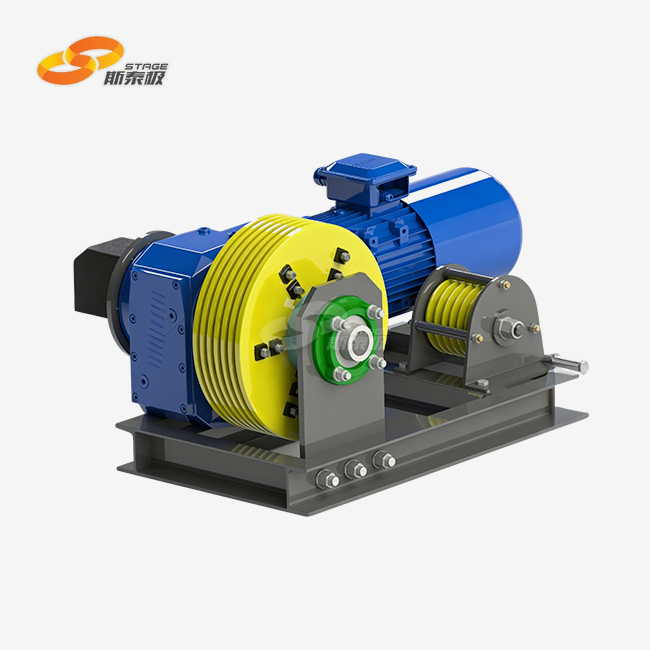




What Safety Features Should I Look for in Understage Machinery?
When choosing understage machinery, it's important to put safety first to keep people safe and to make sure the equipment works well. Some important safety features are emergency stop systems that can shut down the machine right away, safety interlocks that stop unauthorized operation, load monitoring sensors that can spot mechanical overloads, physical barriers that protect moving parts, and automated locking mechanisms that keep platforms safe while they're in use. Professional stage lifts need multiple layers of safety, such as backup stopping systems, position feedback monitors, and controls that can't go wrong. Together, these built-in safety technologies keep risks to a minimum while still meeting the high standards for accuracy and dependability that are needed in event, entertainment, and theater production.
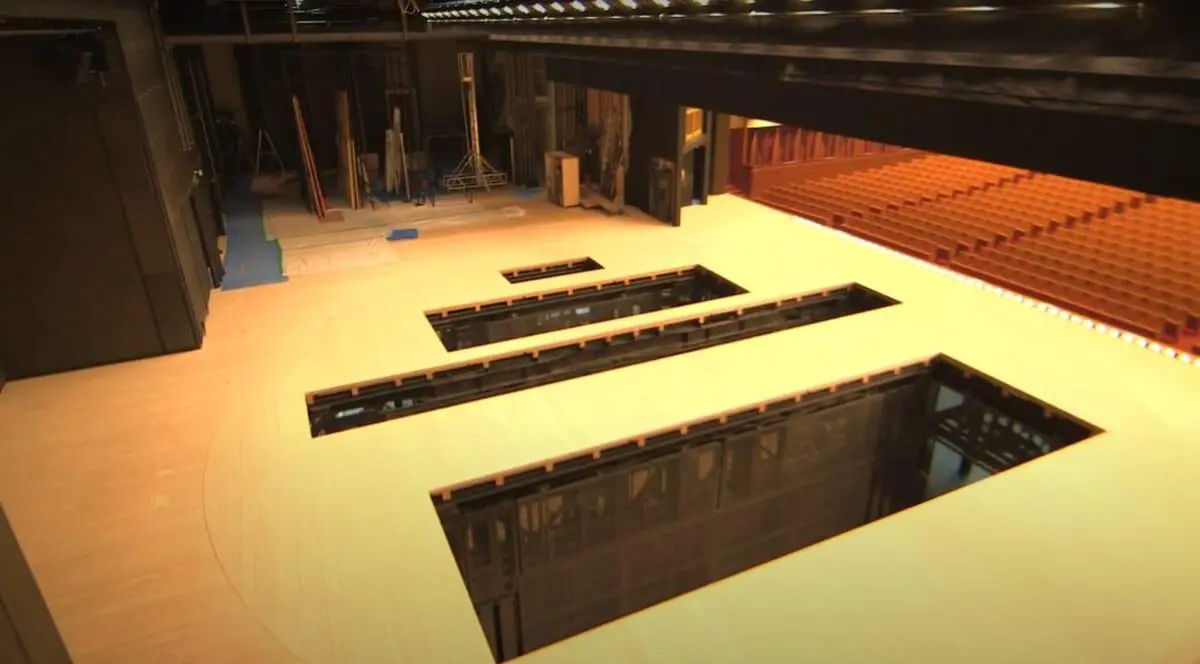

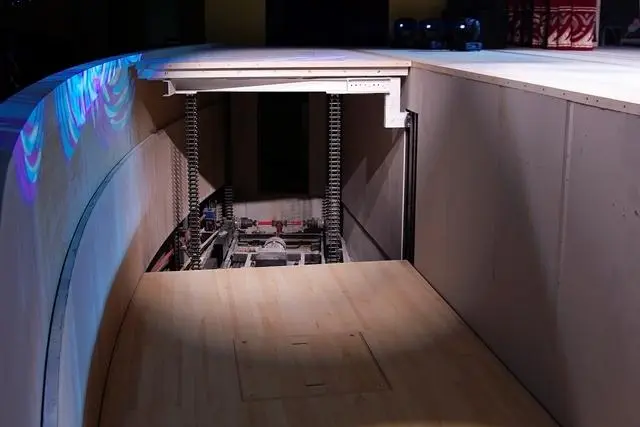
Understanding the Core Safety Principles of Understage Machinery
Under performance areas, where it's hard to see and there are more risks, stage lifting systems and platform mechanisms work. These complicated machines move heavy things like actors, scenery, and equipment in both vertical and horizontal movements that need exact control and many safety layers.
The main safety problem comes from the strong forces that these devices produce. Modern stage lifts can move loads heavier than 10 tons at controlled speeds. This creates a lot of kinetic energy that needs to be managed safely. These risks are made worse by the small space under the stage, where several techs may be working at the same time near moving equipment.
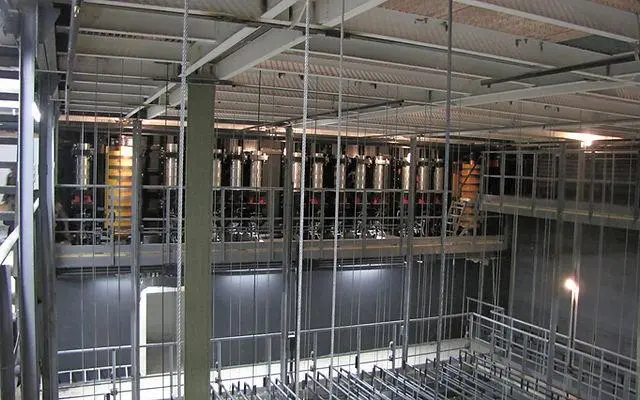
Mechanical Failure Risks and Prevention
The biggest safety risk in operating stage gear is that it could break down. Wear and tear on parts, problems with the hydraulic system, and mistakes in the control system can all cause equipment to suddenly stop working, which could have disastrous results. According to figures from the industry, about 60% of stage machinery accidents are caused by technical failures. Failures of load-bearing parts are especially dangerous.
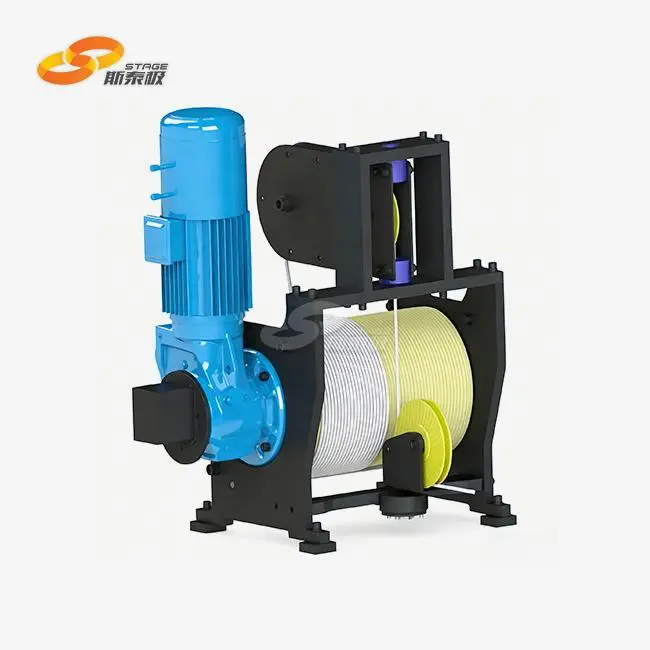
Modern designs that include safety take these risks into account by using multiple systems and fail-safe features. Good makers use two brakes so that either one can stop full loads on its own, backup power sources to keep things running when the electricity goes out, and structural designs that are much stronger than the highest load ratings.
Human Error and Environmental Factors
About 30% of stage machinery accidents are caused by operator mistake, which can happen because of poor training, communication problems, or short-cuts in the right way to do things. Changes in temperature, humidity, and the buildup of dust in the environment can all affect how well a system works and cause new risks.
Professional-level gear uses human factor engineering concepts that reduce the chance of making a mistake. Operator mistakes are less likely to happen when there are clear visual signs, easy-to-use controls, and automatic safety checks. Environmental protection features keep the system reliable in a variety of settings.
Essential Safety Features to Look For in Understage Machinery
To choose tools with a lot of safety features, you need to know which safety features are really necessary and which are just nice to have. Professional stage equipment needs to have many safety features that work together and separately to keep accidents from happening.
Emergency Stop Systems and Safety Interlocks
The most important safety trait in any understage equipment system is the ability to stop in an emergency. Professional-grade equipment has multiple emergency stop points spread out across the work area. This way, the system can be turned off right away from anywhere staff may be present.
Advanced locking systems keep dangerous activities from happening by constantly checking for safety issues. Before turning on, these systems make sure that all working requirements are met, safety hurdles are closed, and people are away from moving equipment. These days, interlocks use positive safety reasoning, which means that when one part breaks, the system automatically goes to a safe state.
Building fire safety systems often work with safety interlock networks to move platforms to safe places and lock down equipment when emergency conditions are identified. This integration keeps expensive equipment from getting damaged and makes sure that stage equipment doesn't get in the way of escape processes.
Load Monitoring and Overload Protection
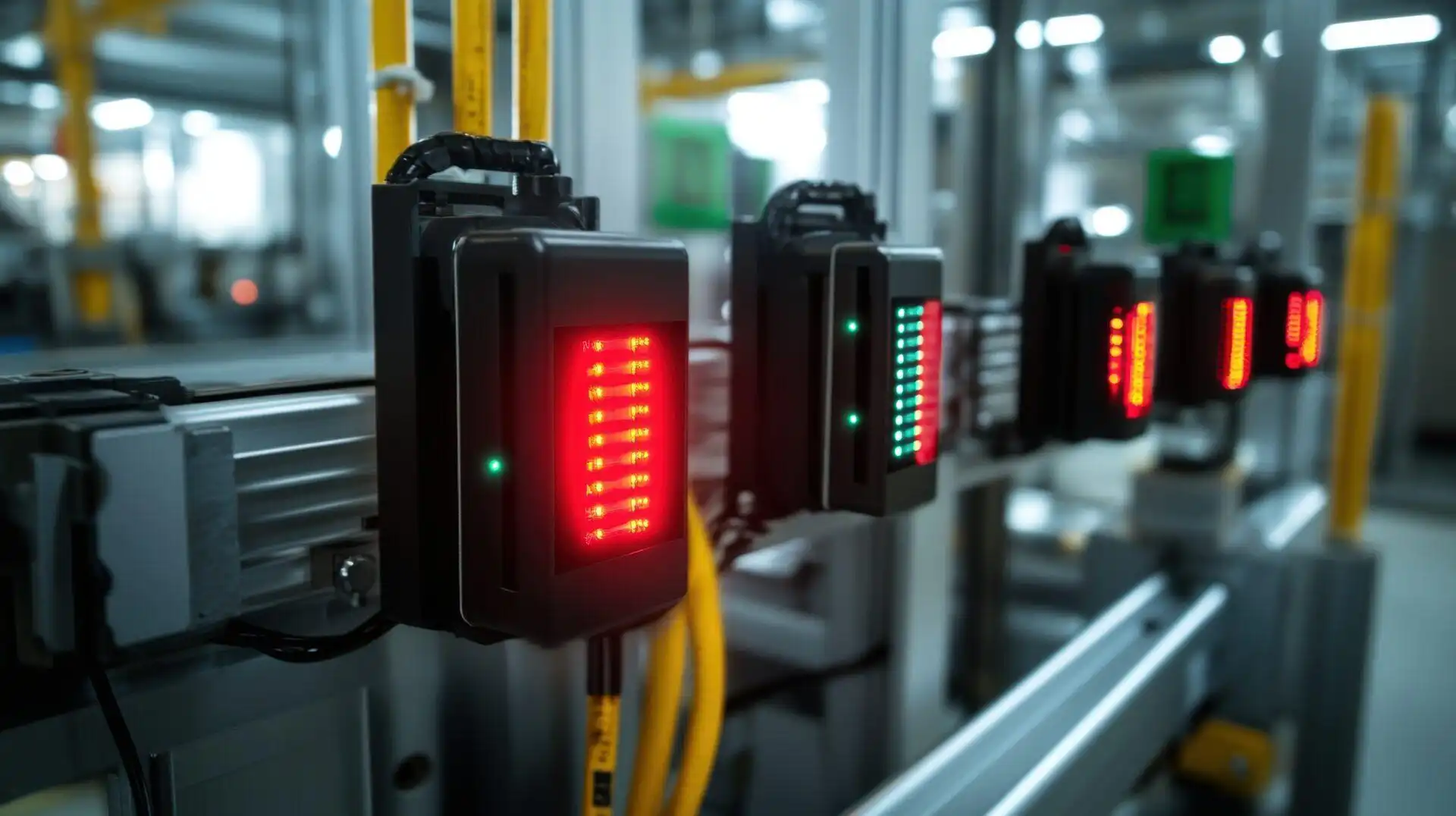
Professional load tracking systems keep track of forces at all times while lifting things, comparing real loads to design limits and operating factors. These systems keep things from getting too heavy, which could break something mechanical, and they let workers know in real time what the state of the system is.
Modern load cells and force monitors give accurate readings that allow planned repair by spotting small changes in how well a system works. Advanced monitoring systems can spot problems as they start to form before they become dangerous. This lets repair be scheduled at easy times instead of when there is an emergency.
Overload protection systems stop operations automatically when they sense that there are too many loads. This keeps equipment from breaking and lowers the risk of accidents. Most of the time, these systems have graduated reactions, which first warn users when limits are getting close before automatically limiting movement speed and range.
Physical Barriers and Access Control
Physical security systems keep people from going into dangerous places while the equipment is running. Installations done by professionals include safety fences, light curtains, and entry control systems that keep track of where people are in relation to moving equipment.
Modern barrier systems have smart devices that can tell the difference between people and machinery. This lets normal flow of materials happen, but activities stop when people enter restricted areas. A lot of the time, these systems work with lighting systems to make it easy to see what zones are limited and what state the system is in.
Access control features make sure that only trained people can use technology and keep thorough records of how it is used. Advanced systems have features like digital identification, time-based access limits, and automatic lockouts that stop people who aren't supposed to be there from using the equipment.
Best Practices for Ensuring Safety in Understage Machinery Operation
To keep safety at its highest level, equipment upkeep, operator training, and operational processes need to be done in a planned way. Professional places have full safety management plans that take into account technical, human, and procedural factors.
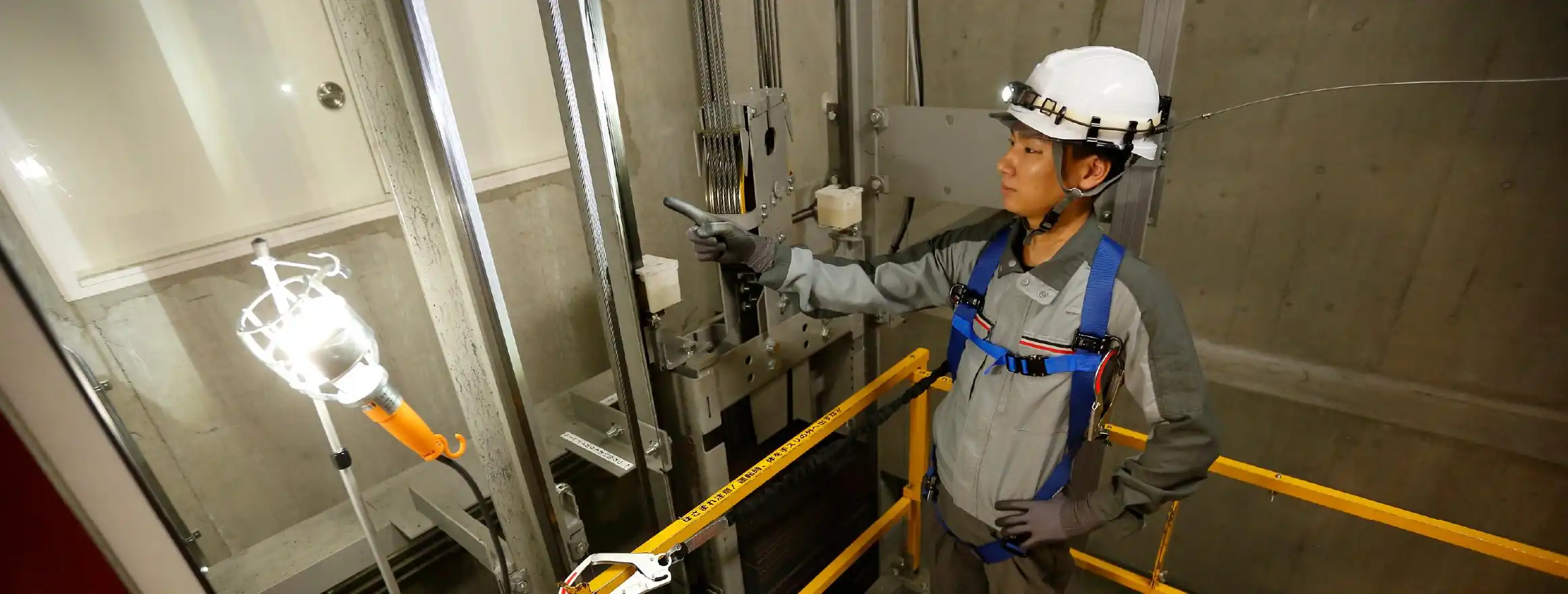
Comprehensive Maintenance and Inspection Protocols
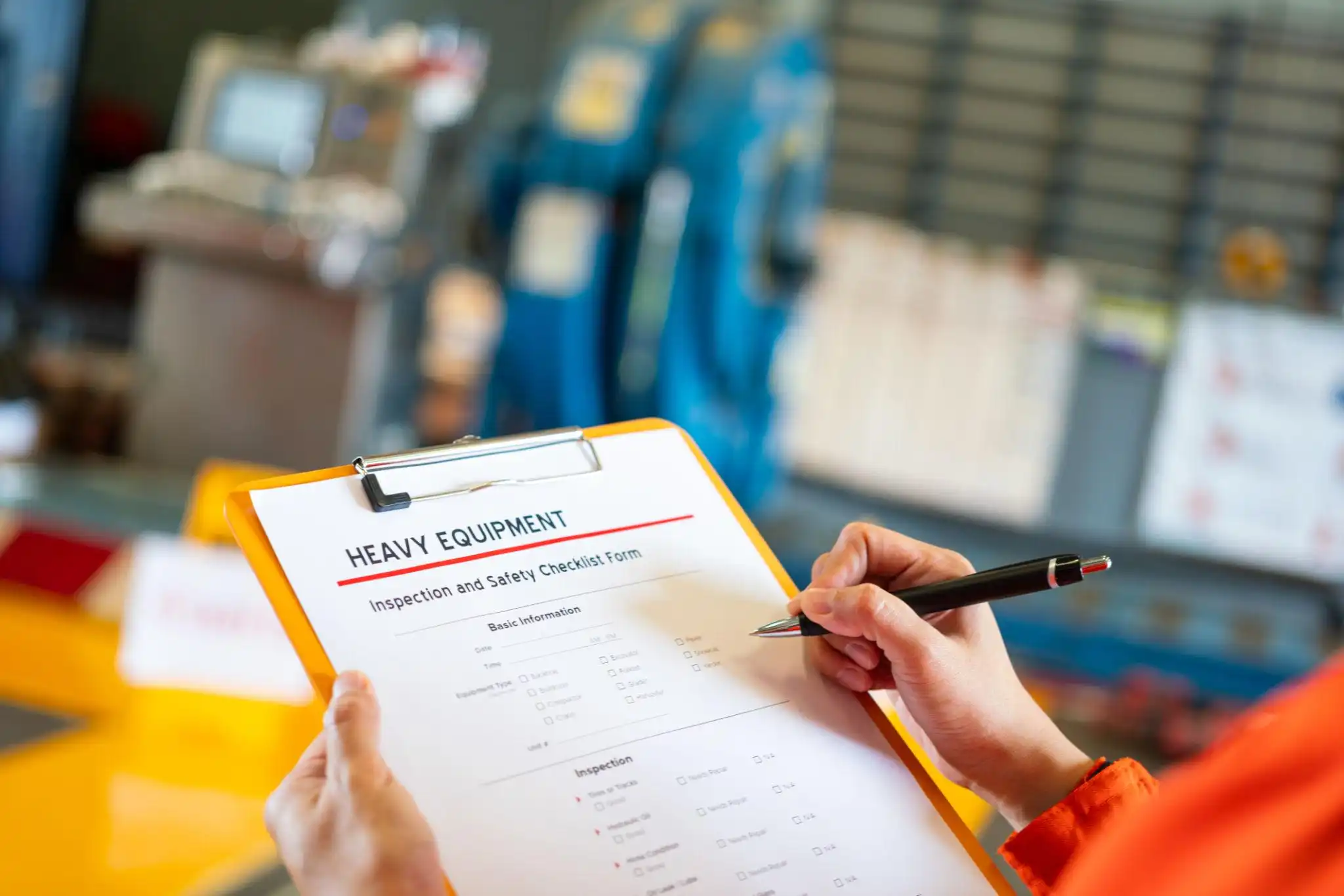
Both preventive and predictive maintenance needs must be included in regular maintenance plans. Professional maintenance plans include visual checks every day, working tests of safety systems every week, full inspections every month, and certified inspections by trained techs once a year.
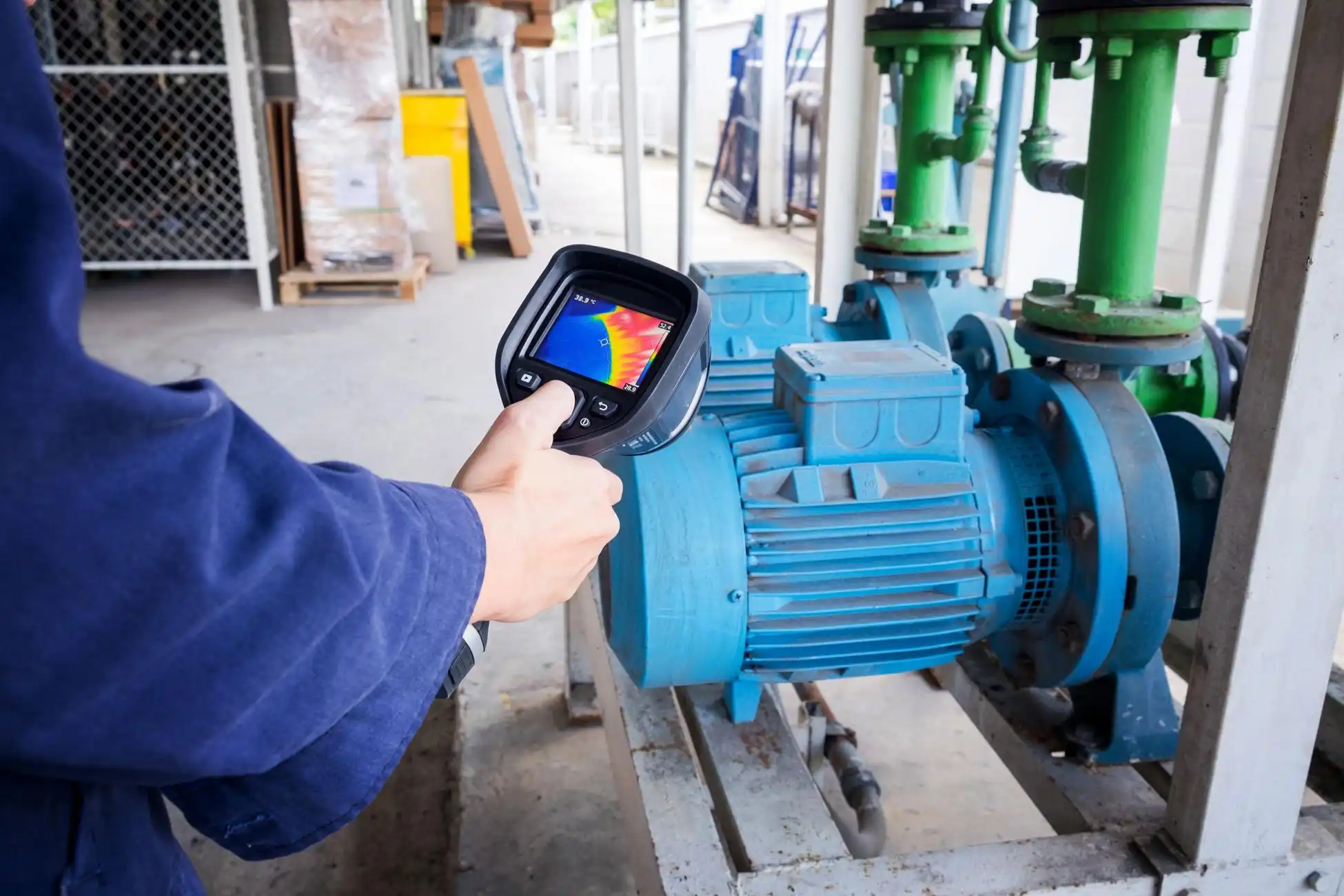
Predictive maintenance methods that use vibration analysis, heat images, and oil analysis can find problems before they become dangerous. For under stage machinery, where entry issues make emergency fixes expensive and difficult, these methods are especially useful.
Maintenance logs, inspection reports, and safety system test records are all examples of documents that must be kept. These show that safety standards are being met and give useful information for making maintenance plans more efficient. Professional repair programs also handle extra parts to make sure that important parts are available when they're needed.
Professional Training and Certification Programs
Because operator competence has a direct effect on safety performance, it is necessary to have thorough training programs. Professional training includes how to use the tools, how to stay safe, how to respond in an emergency, and the basics of upkeep. This makes sure that operators know how to do both normal operations and emergency processes.
Through written tests and hands-on training, certification programs make sure that operators are qualified. Many places require workers to get recertified every year to make sure they know the latest safety rules and how to use the equipment.
Cross-training on different types of equipment is part of advanced training programs, as is supervisory training for senior workers and specialized training for repair staff. A lot of the time, these programs use simulations to teach workers how to handle emergencies without putting real people in danger.
Systematic Risk Assessment and Safety Management
Professional safety management includes regular risk assessments that find possible dangers and put in place the right safety measures. A risk assessment looks at things like the condition of the tools, how skilled the operators are, the needs of the job, and the surroundings that might affect how well the safety system works.
Systems for managing safety have ways to report incidents and look into them, which help find problems with the system and fix them. These systems keep track of metrics that measure how well safety is working and run programs that keep getting better that make safety better over time.
Regular safety checks by trained professionals give an unbiased look at how well safety is working and find ways to make it better. These checks often show gaps in procedures or training needs that workers may not notice on a daily basis.
How to Integrate Safety Features into Your Procurement Decision
Professional procurement requires systematic evaluation of safety features relative to operational requirements, regulatory compliance, and long-term value. Successful procurement strategies balance initial costs against total ownership costs while ensuring optimal safety performance.
Defining Safety Requirements and Priorities
The first step in planning a procurement is to do a full analysis of the business needs, venue features, and performance standards. When setting safety standards, professional places have to think about things like peak loading, operating regularity, environmental conditions, and integration needs.
Different places and types of venues have different regulatory compliance requirements, so it's best to talk to a professional to make sure your plans meet all the standards that apply. Many places go above and beyond the basic standards to add extra safety margins and future flexibility.
During the planning phase of buying, risk assessment finds venue-specific risks and practical problems that might need special safety features. This evaluation should look at not only normal activities, but also emergency situations, the need for maintenance, and the possibility of machine failure.
Evaluating Supplier Certifications and Standards Compliance
Recognized certificates, such as CE marking for European standards, ANSI compliance for North American standards, and ISO certifications for quality management systems, show that professional understage machinery sellers follow the rules. These approvals let you know that the tools you're buying meets safety and performance standards that have already been set.
External testing and approval by well-known labs is a way to make sure that safety performance is being checked in a way that internal testing can't. Professional buyers should check the legitimacy of the certification and know what the claims about performance cover.
Quality management certifications show that a provider is dedicated to consistent production methods and ongoing growth. When working on complicated projects that need to be customized or have specific performance needs, these certificates become very important.
Total Cost of Ownership and Safety Value Analysis
The initial cost of equipment is only a small part of the total cost of ownership. For this reason, it is important to do a full financial study before making a purchase choice. A professional study takes into account the costs of setup, training, repairs, and running the equipment over its expected lifetime.
Safety-related costs include insurance fees, the risk of being sued, the cost of an accident, and the cost of following the rules. High-quality safety features can often cut these costs by a large amount while also offering practical benefits like less downtime and higher productivity.
When figuring out the return on an investment, you should look at both the measurable cost saves and the risk reduction benefits. Accident-prevention benefits are hard to put a number on, but they usually make it worth spending a lot of money on high-tech safety features for professional places that are used by a lot of people.
Conclusion
For understage machinery, choosing the right safety features means finding a balance between full protection, operating needs, and budget limits. Emergency stops, safety interlocks, load tracking, and physical barriers are some of the most basic safety features that make operations safe. More advanced features, like automatic systems and building integration, make operations safer and more efficient. Professional purchasing strategies focus on the total ownership value instead of the original costs. This is because better safety features often provide big long-term benefits like lower accident risks, lower insurance costs, and more reliable operation. For implementation to go well, people must continue to support upkeep, training, and safety management after the initial equipment decision.
FAQ
What are the most important safety features in stage lifting equipment?
The most important safety features are emergency stop systems, safety interlocks, load tracking sensors, and two sets of brakes. Emergency stops let you shut down right away from multiple places, and safety interlocks stop dangerous processes by constantly checking for safety conditions. Load tracking stops overloading, which could break a machine, and backup brakes make sure that the machine can stop even if the main systems fail.
How do I verify that equipment meets safety standards?
Look for well-known approvals like CE marking, ANSI compliance, and testing confirmation from third-party, approved labs. Ask for proof that you've followed the rules, and check the validity of the license with the groups that issued it. Professional providers give full records, like test results, installation instructions, and upkeep instructions, that show they follow the standards.
What training is required for safe operation?
Operators need to be trained in how to use tools, how to stay safe, what to do in an emergency, and simple upkeep. In many places, workers must go through approved training programs and be recertified every year to make sure they keep their skills up to date. There should be both academic understanding and hands-on practice of operational and emergency procedures as part of training.
Choose Sh Stage for Professional Understage Machinery Solutions
Sh Stage makes stage equipment that is the best on the market and puts safety first without sacrificing performance or dependability. Our complete understage machinery systems have high-tech safety features like two sets of emergency stops, smart load tracking, and automatic safety interlocks that go beyond international standards. As an established understage machinery manufacturer with over 15 years of experience, we provide complete solutions from initial design through installation and ongoing support. Our engineering team works closely with clients to develop customized safety solutions that meet specific venue requirements while ensuring compliance with global safety standards. Contact our technical specialists at info@shstage.com to discuss your safety requirements and discover how our proven solutions can enhance your facility's operational safety and performance capabilities.
References
"Safety Standards for Stage Machinery and Equipment in Professional Venues," International Association of Venue Managers, 2023.
Johnson, Mark R. "Risk Assessment and Safety Management in Theatre Operations," Professional Stage Technology Journal, Vol. 45, No. 3, 2023.
"Guidelines for Understage Machinery Safety Systems," American National Standards Institute, ANSI E1.4-2022.
Williams, Sarah Chen. "Mechanical Safety Integration in Modern Stage Equipment Design," Engineering for Entertainment Technology, 2023.
"European Safety Requirements for Stage Machinery Installation and Operation," Confederation of European Theatre Technology, CE-2023-SM.
Thompson, David K. "Maintenance Protocols and Safety Performance in Professional Stage Equipment," Venue Safety Management Quarterly, Issue 2, 2023.

USER EVALUATE
Here is the customer's evaluation of us