



What Are the Cost Ranges for Installing Understage Machinery in Small Theaters?
Small theaters usually spend between $50,000 and $300,000 to install understage machinery. The exact cost depends on how complicated the system is, how big the place is, and how much customization is needed. Lift systems are simple and cost between $50,000 and $80,000, but fully automatic platforms with lots of features can cost between $200,000 and $300,000. The investment covers the purchase of equipment, its installation, its safety compliance, and its testing. Knowing these cost factors helps theater managers and buying professionals make smart choices that balance limited funds with day-to-day needs and creating long-term value.
Understanding Understage Machinery and Its Role in Small Theaters
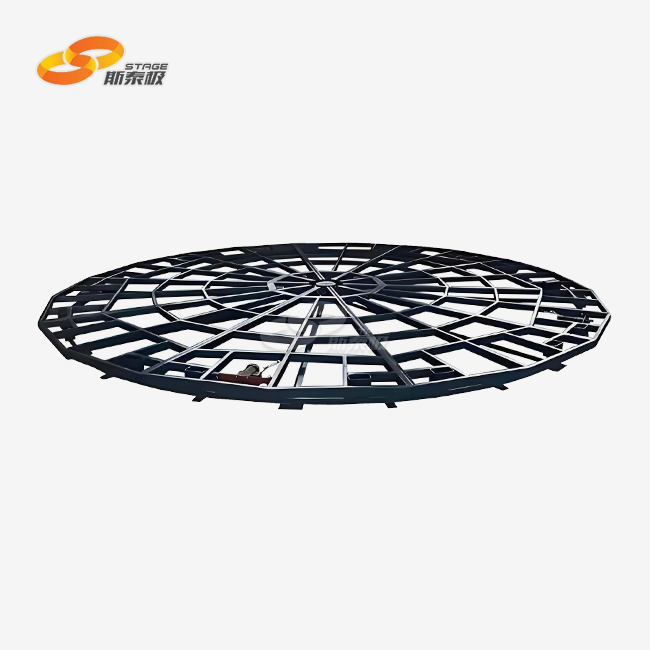
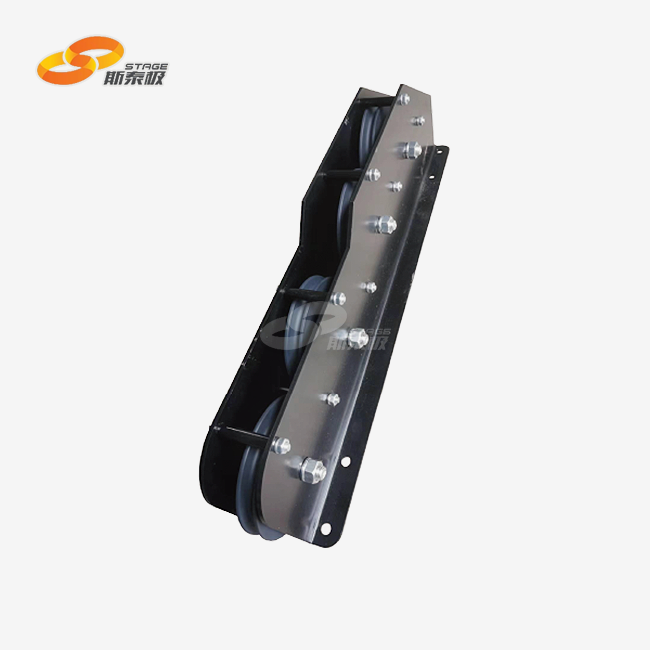
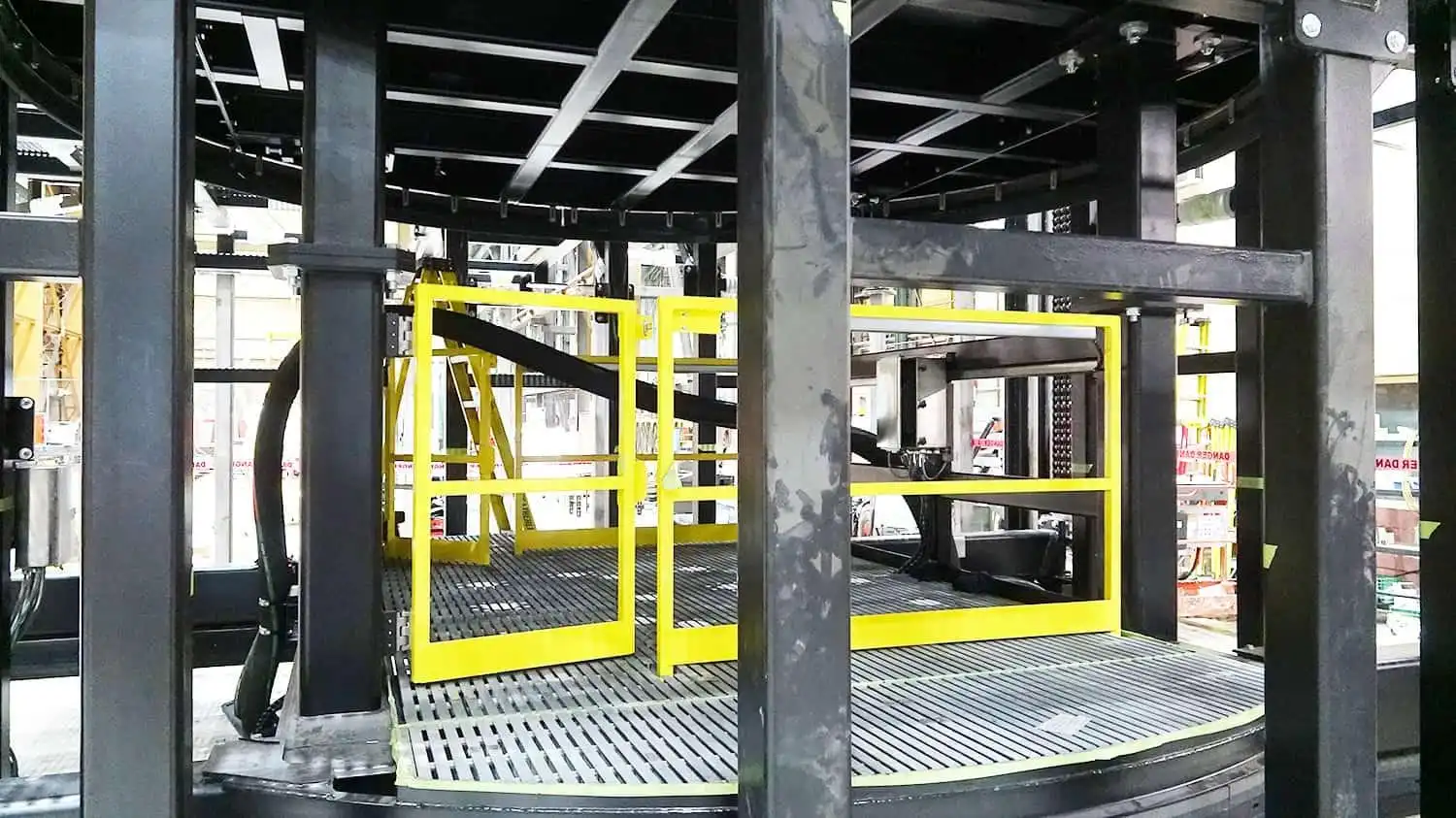
Understage machinery is the technology that keeps the stage floor stable and allows for smooth scene changes and creative story-telling. Stage lifts, cranes, trap doors, wagon systems, and orchestra pit lifts are some of the high-tech systems that make static stages into flexible performance areas.
Components and Functionality
Modern stage automation systems can be powered by hydraulic, gas, or electric motors. Each type of motor has its own benefits when used in certain situations. Hydraulic systems are great for moving big set pieces and lots of actors because they can lift a lot of weight and work smoothly. Electric systems are better for controlling exact positioning and saving energy, while pneumatic systems are better for uses that need to move quickly.
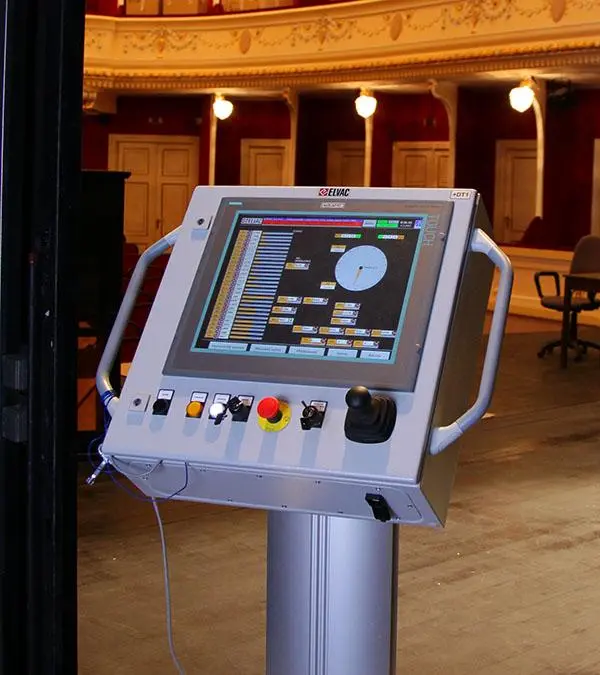
The control systems use complex software to keep track of many moving parts at once. Position feedback sensors, emergency stop devices, and the ability to watch the load all help keep everyone safe. These technical parts work together to make stage changes that look smooth. This keeps the audience more interested and gives directors and dancers more ways to be creative.
Strategic Benefits for Small Theater Operations
By adding high-tech stage tools, production options become much bigger, and small theaters can compete with bigger ones in terms of technical complexity. Because they are more flexible, theaters can host a wider range of events, from classic plays to current multimedia shows, which brings in more money and more people.
Another important benefit is that automatic systems make things safer by reducing the risks of human handling and making sure that everything works consistently and reliably. Professional-grade gear has to meet strict safety standards so that artists and technical staff are safe and insurance requirements and government rules are met.
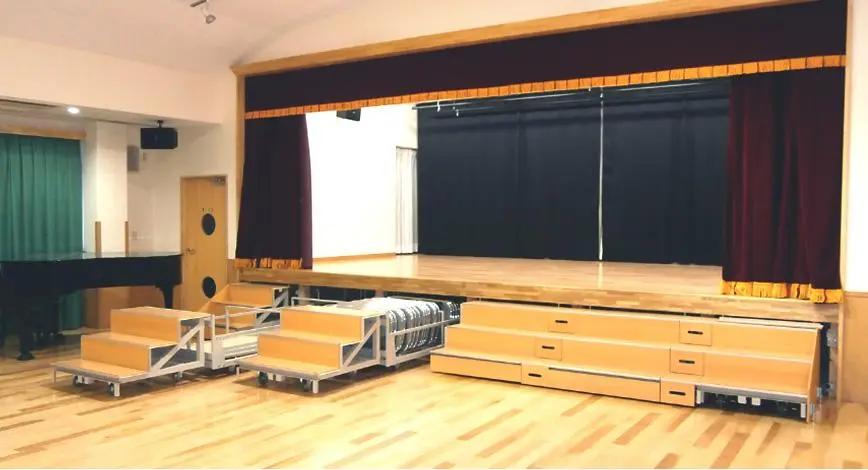
Breakdown of Cost Factors for Installing Understage Machinery
Installation costs depend on a lot of different factors that are all linked and must be carefully considered by buying teams during the planning phase. By understanding these cost drivers, you can make more accurate budget predictions and find places where smart decisions can maximize the results on your investments.
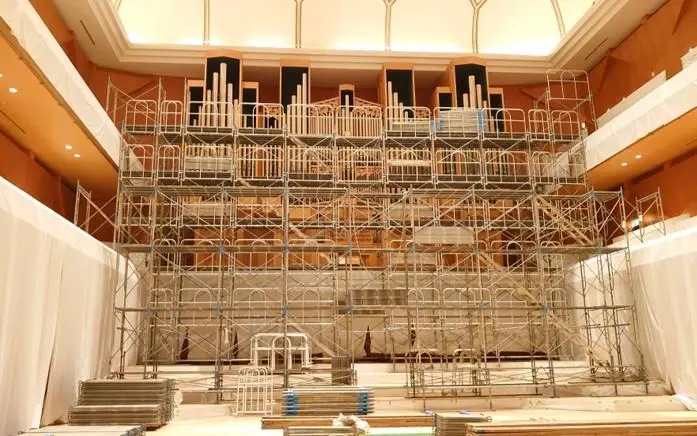
Equipment Type and Complexity
For small venues, basic single-point lifts are the most affordable option. They usually cost between $50,000 and $80,000, which includes construction. These systems give set pieces and actors the necessary vertical movement capabilities. They are a great deal for places with simple staging needs.
Installations in the middle range usually cost between $80,000 and $150,000 and have several lift points, basic automation controls, and safety systems. With standard parts and easier installation, these setups can handle more complicated stage situations while still being cost-effective.
Prices for high-tech systems with turntables, multiple lifts that work together, and full control can reach $200,000 to $300,000. These displays give artists the most freedom and technical sophistication, so small stages can put on shows that are just as complicated as those at big venues.
Venue-Specific Installation Challenges
The design of a theater has a big effect on how much it costs to install because older buildings may need structural changes, electrical upgrades, or special entry solutions for understage equipment. More technical tests, building permits, and working with local authorities are often needed for retrofit setups, which can add 15 to 25 percent to the base cost of the equipment.
Installing systems in a new building project is usually more cost-effective because they can be planned in during the planning phase. This method gets rid of a lot of problems that come up during retrofitting and lets you place tools and build infrastructure in the best way possible.
Location affects the cost of work, the supply of materials, and the rules that must be followed. Installations in cities may have to deal with higher labor costs but easier access to tools. Installations in rural areas, on the other hand, may have transportation problems but lower installation costs.
Long-term Operational Considerations
Maintenance deals and service plans are big ongoing costs that change the total cost of ownership. Comprehensive service contracts usually cost 5 to 8 percent of the initial investment in technology every year, but they offer regular upkeep budgets and keep repair costs from being too high.
Technical staff training adds to the initial costs of execution, but it makes sure that the equipment is used safely and efficiently throughout its lifecycle. Costs for professional training classes range from $5,000 to $15,000, based on how complicated the system is and how many staff members are needed.
Comparing Understage Machinery Options for Cost and Efficiency
Evaluating different understage machinery options requires balancing the original cost against the long-term operating benefits, performance capabilities, and maintenance needs. This thorough analysis makes sure that choices about purchases are in line with the needs of the theater and the available budget.
Technology Comparison Analysis
Because they are so reliable and can lift a lot of weight, hydraulic systems are perfect for places that need to do heavy-duty work all the time. Even though they may cost more at first, hydraulic systems usually have lower upkeep costs and last longer, which makes the total cost of ownership more positive.
In the long run, electric servo systems save money because they are more energy efficient and allow for precise positioning control. Modern robotic tools work well with these systems, and they are very flexible so they can be upgraded or added to in the future.
Performance vs. Investment Evaluation
Energy use is a big ongoing cost that changes a lot from system type to system type. Electric systems today use 30–50% less energy than hydraulic systems did in the past, which saves a lot of money over 10–15 years of use.
Automation improves working efficiency by cutting down on the time needed to set up for each show and the amount of work that needs to be done by hand. Even though automated systems cost more at first, the operational benefits and higher venue usage usually cover the extra cost within three to five years.
Both operational risk exposure and insurance prices are affected by safety features and compliance skills. Professional-grade tools that meet international safety standards might cost more at first, but they pay for themselves over time by lowering your insurance costs and making your business safer.
Procurement Insights: How to Buy Understage Machinery for Small Theaters
To successfully buy equipment, you need to plan ahead, carefully evaluate suppliers, and fully understand all of your buying choices. These tips help people who work in procurement make tough choices and get the most out of their efforts.
Supplier Selection Strategies
Manufacturers with a good reputation and a history of success are important for ensuring that big investments in tools are safe. Well-known companies like Sh Stage offer full help throughout the whole project lifecycle, from the initial design advice to long-term upkeep and parts availability.
When you look at a manufacturer's skills, you have to look at their production ability, quality certifications, and world service networks. Companies with ISO certifications, CE compliance, and experience working on projects in other countries show that they have the technical know-how and operating steadiness needed for long-term relationships to work.
Reference setups and customer reviews are great ways to learn about how well a supplier does their job, how reliable their products are, and how good their service is. By visiting working sites, procurement teams can see for themselves how well the equipment works and talk to current users about their experiences.
Financial Structuring Options
Outright buy gives you instant ownership and the most long-term value, but it costs a lot of money up front. This method works for companies that have a lot of money saved up and long-term promises to the space.
Companies that don't have a lot of money up front can get advanced tools through leasing agreements, which take less starting capital and may offer tax benefits. Lease-to-own buildings give you options while you work toward eventually owning the property.
When you finance tools through a partnership with the maker, you can usually get better terms and faster approvals for under stage machinery. As part of these deals, you might get maintenance packages, longer warranties, or update options that make the whole deal more valuable.
Installation Case Studies and Industry Trends Impacting Costs
Real-life examples of implementation show how different factors affect installation prices and give useful information for making purchases. Realistic budget goals and possible cost-cutting possibilities can be found by understanding these cases.
Small Theater Implementation Examples
A community theater in Ohio with 200 seats recently spent $75,000 to build a basic lift system. The system includes a single 12-foot by 16-foot platform lift and basic control systems. The installation only needed minor changes to the structure and was finished in two weeks, showing that there are cost-effective ways to solve simple problems.
A California university performing arts center spent $180,000 on a complete system with three lifts that work together, a small turntable, and high-tech computer controls. The better features made it possible for the building to attract traveling shows and bring in more rental income, which justified the higher investment by creating more ways to make money.
Emerging Technology Impacts
Adding the Internet of Things and the ability to watch installations from afar is becoming normal in new installations. This adds 10-15% to the cost of the equipment but has big operational benefits. These technologies make it possible for predictive maintenance, remote troubleshooting, and performance improvement, all of which lower running costs over the long term.
Automation keeps getting better, which makes systems more useful while making installation easier. Standards-based control interfaces and plug-and-play parts make installation easier and lower the cost of integration, which means that smaller places can use more advanced features.
Environmental laws and guidelines for energy efficiency affect the choice of tools and may require more money to be spent on high-efficiency systems. But these purchases often save money in the long run because they lower the amount of energy used and may even lead to utility company rewards.
Conclusion
Small theaters that want to add understage machinery will have to make a big but useful investment that will change the venue's powers and create new ways to make money. The prices range from $50,000 for simple systems to $300,000 for fully controlled solutions. The exact costs depend on the complexity of the equipment, the needs of the place, and the difficulties of installation. To make a good procurement decision, you need to carefully weigh the long-term operational benefits against the initial investment costs. You also need to carefully evaluate the suppliers and make plans that match the equipment's skills with the theater's unique needs. The better safety standards, more creative options, and more location flexibility usually make the investment worth it through more programming options and more money coming in.
FAQ
What factors most significantly impact installation costs?
The main things that affect costs are the complexity of the equipment, the layout of the place, and any structure changes that need to be made. In younger buildings, basic lift systems usually cost less than full automated solutions in older houses that need major infrastructure updates.
How do the prices of upkeep affect the total cost of ownership?
Maintenance, which includes regular checks, preventative maintenance, and some fixes, usually costs 5 to 8 percent of the initial investment in tools every year. With comprehensive service agreements, you can plan your budget more accurately, and through preventive care programs, you can often lower your total repair costs.
Are there financing options available for small theater projects?
There are a lot of makers and specialized financing companies that offer loans, leases, and "lease-to-own" plans for equipment. These choices take less money up front and might give tax breaks based on how the business is set up and local rules.
What kinds of safety certifications should we need?
International standards, such as CE marking, ISO approvals, and local building rules, should be met by all equipment. Emergency stops, position tracking, load sensing, and fail-safe systems that protect controllers and performers should all be safety features.
How long does it usually take to install?
Installation and testing of simple systems usually take one to two weeks, while complicated automated solutions may take four to six weeks. It depends on how complicated the equipment is, how easy it is to get to the place, and what changes need to be made to the infrastructure.
Partner with Sh Stage for Your Understage Machinery Installation Project
When it comes to small theaters, Sh Stage offers complete stage automation options that mix cutting-edge technology with great value. Because we've worked with theaters all over the world for a long time, you can be sure that your project will be handled by experts from the first meeting to long-term support. We offer direct factory prices, customized solutions, and full service support to make sure you get the most out of your investment as a trusted understage machinery maker. Email our team at info@shstage.com to talk about your unique needs and get a thorough project proposal that fits your venue and budget.
References
1. International Association of Venue Managers. "Stage Technology Investment Guidelines for Small Theaters." Theater Management Quarterly, 2023.
2. National Institute for Stage Technology. "Cost Analysis of Understage Machinery Installations in Regional Theaters." Stage Engineering Review, 2023.
3. American Theater Equipment Association. "Small Venue Automation: Trends and Budget Planning." Performance Venue Technology, 2024.
4. Theater Safety Institute. "Installation Standards and Cost Factors for Stage Lifting Systems." Safety in Entertainment Technology, 2023.
5. Stage Technology Research Council. "Regional Cost Variations in Theater Equipment Installation Projects." Entertainment Engineering Journal, 2024.
6. Performing Arts Facility Management Association. "Return on Investment Analysis for Stage Machinery in Small Theaters." Venue Operations Management, 2023.

USER EVALUATE
Here is the customer's evaluation of us