



How to Choose the Right Stage Equipment for Your Music Festival and Performances?
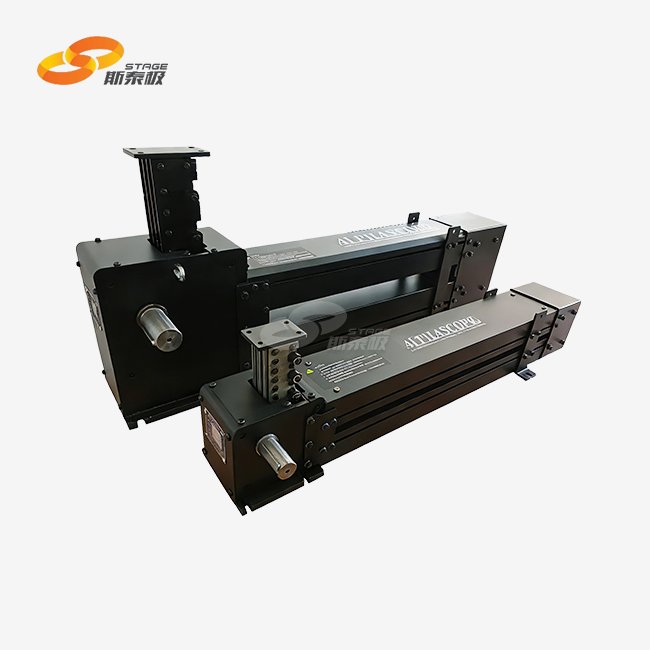
When picking out the right gear for your music fair or show, you need to give careful thought to the stage machinery systems that can make normal events into extraordinary ones. As part of the decision process, you will look at the mechanical systems, control technologies, safety features, and operational needs that are right for your place. For modern performance places to meet the highest safety standards, they need to have advanced lifting systems, rigging equipment, and automatic platforms that make it easy to move from one act to the next. Whether you're in charge of a multi-day gathering or a single show, the right equipment choice has a direct effect on how engaged the crowd is, how well the event runs, and how successful it is overall.
Understanding Stage Machinery and Its Core Components
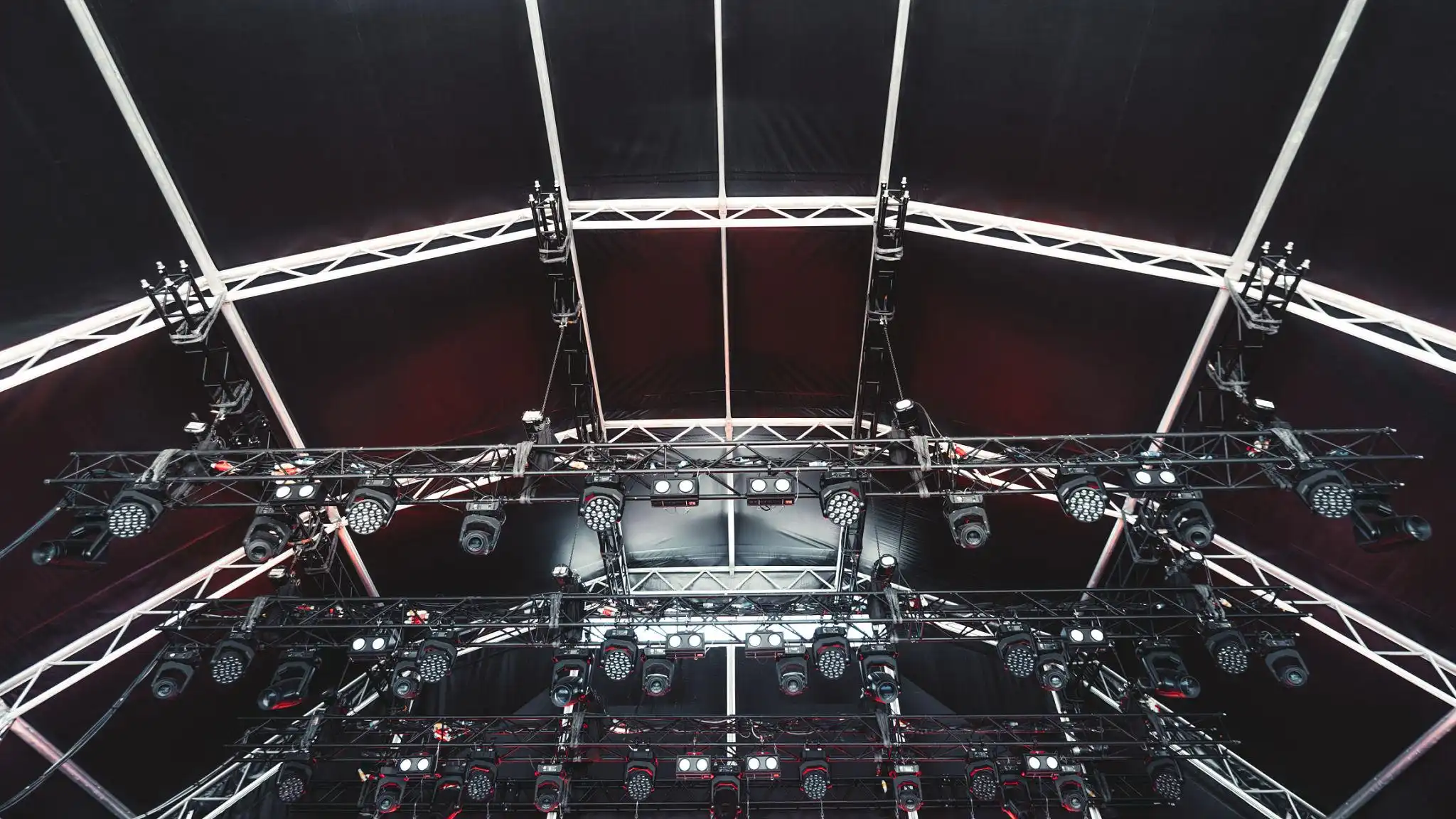
Stage machinery includes the complex mechanical and computer systems that make it possible for performance places to move and change during live events. Motors, control units, hydraulic mechanisms, and structural elements are all part of these complicated systems. They make scene changes smooth and improve the audience experience.
Essential Components of Modern Stage Systems
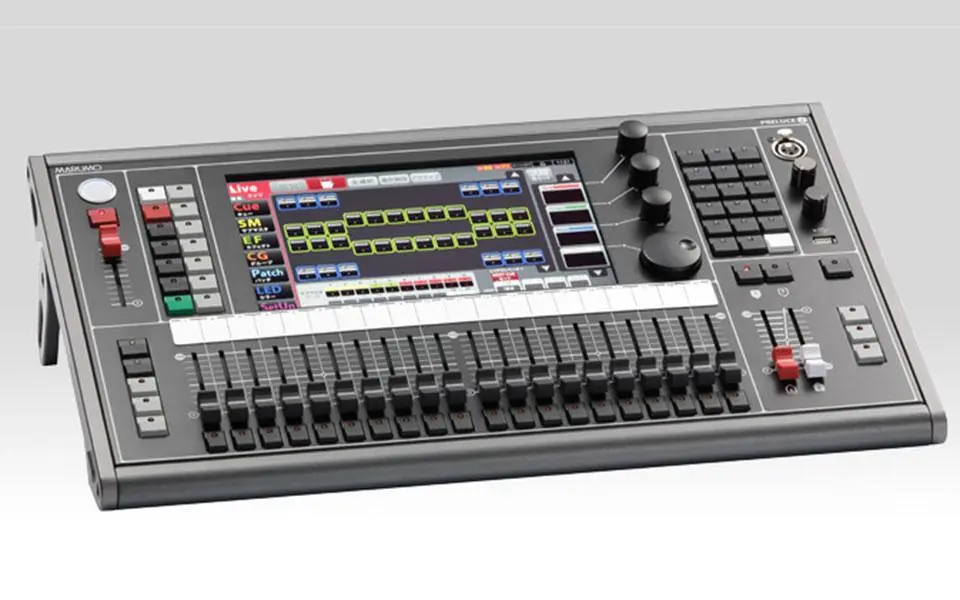
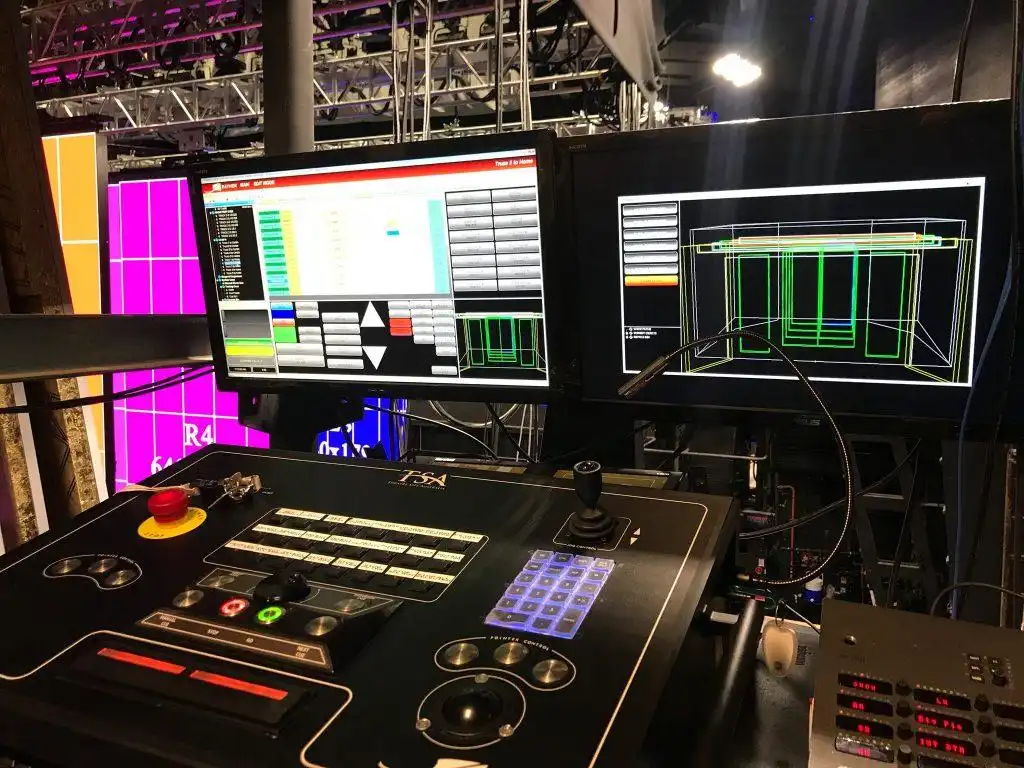
The core parts of a stage system must work well together for the whole system to work well. Electric motors, hydraulic pistons, and pneumatic systems are some of the drive devices that make things move. Programmable logic devices and complex software are used in control systems to coordinate precise motions that are accurate to the millisecond. To keep workers and tools safe, safety systems have backup systems, emergency stops, and sensors that check the load.
Stage operations depend on structural elements like steel frames, platforms, and support structures that are made to handle changing loads. These parts have to be able to handle not only steady weights, but also the forces that come from moving and the vibrations that come from live shows. Modern engineering and building materials keep these constructions steady while letting them move in complex three-dimensional ways.
Types of Stage Movement Systems
Knowing about the different ways that things move helps you choose the best options for your performance needs. Understage machinery works below the stage floor, making room for players or props to move through special openings. In theaters, these devices can go down as low as three meters, and in opera houses, they can go up to eleven meters. This makes set changes and special effects more exciting.
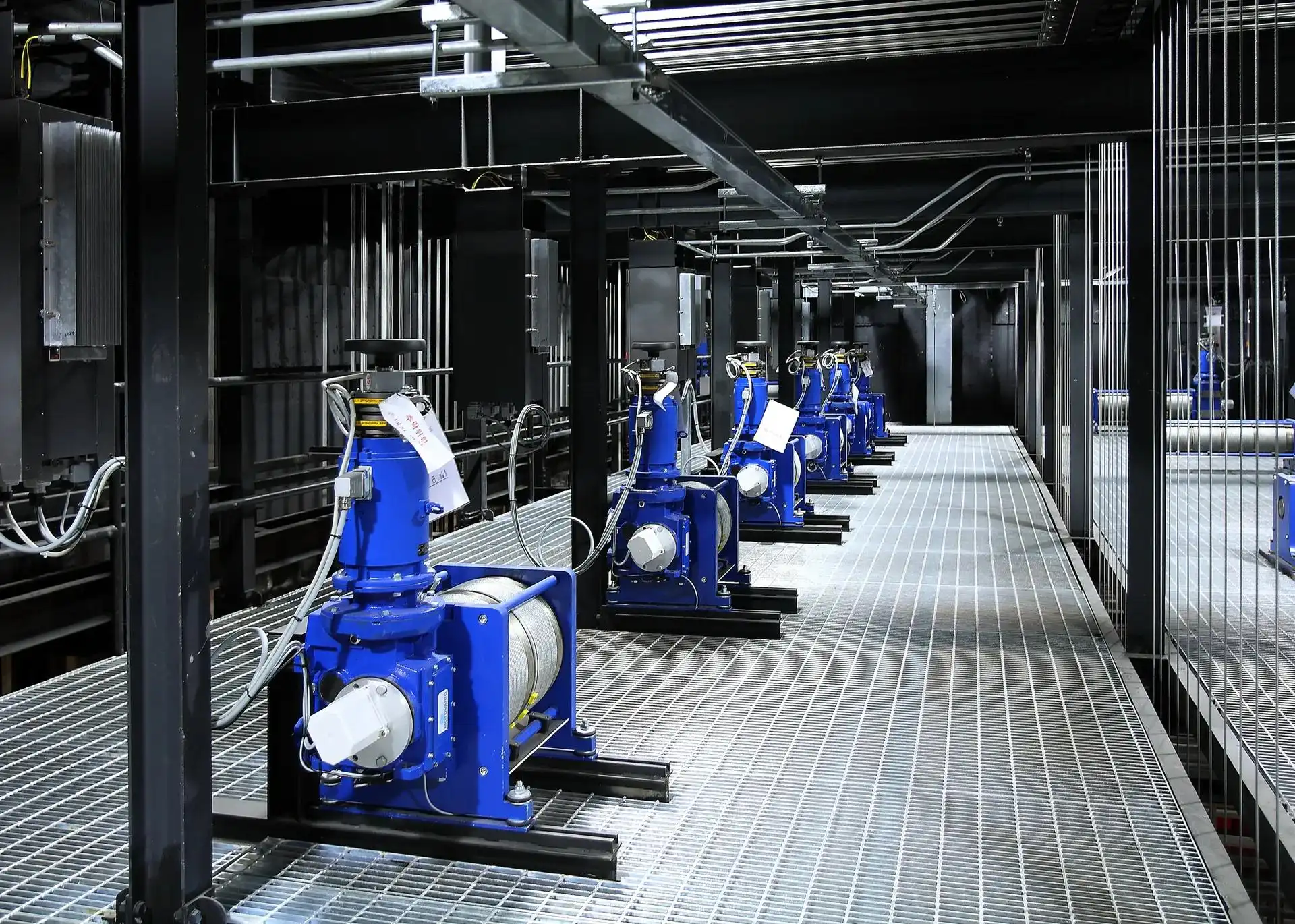
Winch systems and fly bar mechanisms are examples of overstage machinery. They are stored above the performance area and are usually more than 20 meters high. These strong systems, which are about as strong as 14-person lifts, manage the lights, scenery, and effects that are hung above the stage. On a normal stage, there are about 50 fly bars, and each one has its own winch system so it can be controlled separately.
Key Criteria for Selecting Stage Machinery for Music Festivals
To choose the right tools for music festivals, you need to look at a lot of different technical and operational factors that affect both the quality of the show and the safety of the attendees.
Performance Specifications and Capacity Requirements
Load capacity is one of the most important things to look at when making a choice, since music events often need to support big sound equipment, lighting rigs, and scenery at the same time. Modern stage systems have to be able to handle loads that range from small theater props to heavy performance gear. Knowing the maximum load requirements, which includes dynamic forces during moving, makes sure that systems stay safe during the whole event.
How quickly scenes change and how smoothly shifts go during performances depend on how fast and accurately the performers can do their jobs. Operators can match movement speeds to musical beats using variable speed settings, which creates synced effects that keep the audience more interested. Position accuracy is very important when a lot of things need to line up exactly, like when lighting needs to work with moving platforms or when a lot of lift systems need to work together.
Safety Compliance and Risk Management
Large crowds, being outside, and complicated stage equipment technology needs make music events especially dangerous places to be. When choosing equipment, it's important to look for systems that meet or go beyond industry safety standards. These should include complete emergency stop systems and extra safety features. Weight distribution and movement forces are constantly tracked by load tracking systems, which stop activities immediately if parameters go beyond safe limits.
For outdoor events, weather resistance is especially important, as the equipment needs to be able to work effectively in a range of weather conditions. Protective shelters, materials that don't rust, and waterproof control systems make sure that the system works the same way no matter what the weather is like outside. To keep equipment working well during long festival times, it needs to be subject to regular safety checks and repair schedules.
Matching Stage Machinery Solutions to Specific User Needs
Different types of venues and operating needs mean that the best ways to choose and use tools must be customized in order to get the best performance and value for money.
Venue-Specific Considerations
For dramatic effect, theaters and other performing arts places need systems that are precisely designed to work quietly and in the right place. Usually, these pieces have fixed stage machinery with advanced automation features that let dancers perform complicated choreography. Advanced control systems let you remember quickly pre-programmed routines, which is useful for repertory operations where more than one show is using the same area.
Convention and show halls need systems that are flexible and can be quickly changed to fit different types of events. Portable support solutions and modular platform systems give you options while still meeting expert standards. These places are great because they have tools that can quickly change the spaces between events like conferences, fairs, and entertainment shows without taking a long time to set up.
Rental versus Purchase Strategies
Event production companies need to carefully think about the financial effects of renting vs. buying tools based on how often it will be used and how much it will cost over its lifetime. Rental choices give you access to cutting-edge technology without having to spend a lot of money. This makes them perfect for businesses that deal with a wide range of events or that only do business during certain times of the year. Maintenance, technical help, and insurance coverage are often included in rental deals, which makes operations simpler.
Companies that need the same equipment over and over and have long-term business responsibilities can benefit from purchase strategies. When you own an asset, you can change and customize it to meet your unique business needs. This also helps the asset gain value over time. Ownership models that support ongoing training programs and multiple projects during the school year are especially helpful for educational institutions.
Safety Guidelines, Installation, and Maintenance Best Practices
Using thorough safety rules and upkeep methods makes sure that the equipment works well and protects people and the environment throughout its entire life.
Installation Planning and Execution
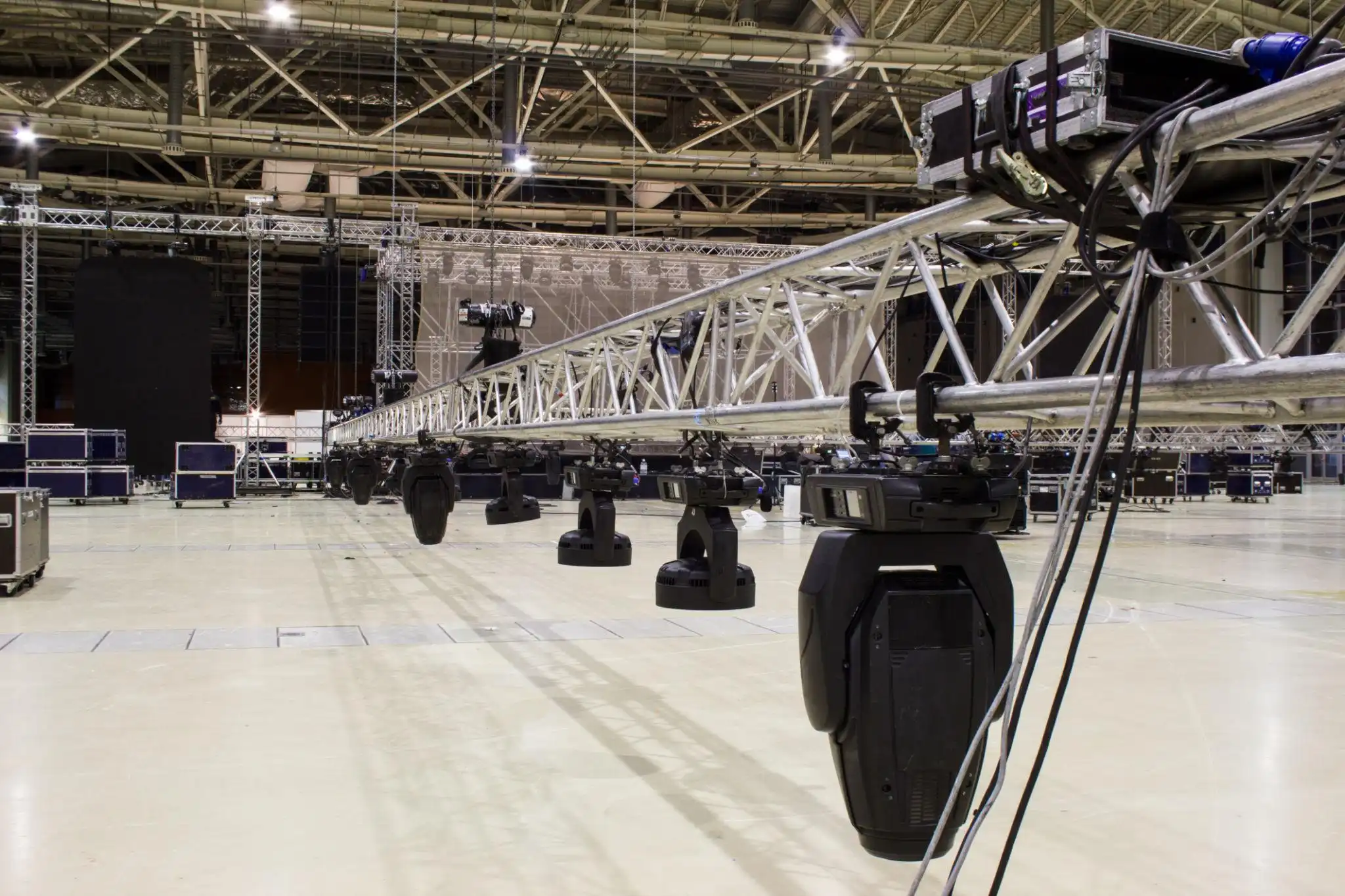
For professional assembly, it takes the work of many experts, such as structural engineers, electrical workers, and stage equipment experts, to work together. As part of preparing a site, thorough structure analysis is done to make sure that the buildings can handle the weight and movement of new equipment. Accurate mapping and measuring are the first steps in a proper installation. Next, the mechanical parts must be carefully placed and lined up.
Procedures for testing and commissioning make sure that the system works well before it is put into use. These thorough tests include checking the load, the speed, and the safety system under different working situations. Writing down test results and system settings gives you a starting point for future maintenance and fixing.
Preventive Maintenance Protocols
Regular repair plans keep safety standards high, keep technology from breaking down, and extend its useful life. As part of daily checkups, mechanical parts, lubrication levels, and the operation of the safety system are looked at visually. More thorough checks of worn parts, electrical links, and control system readings are part of weekly maintenance.
As part of the required annual maintenance, trained engineers must completely re-evaluate the system, re-certify the safety system, and check the structure. These thorough checks find possible problems before they affect processes and make sure that safety rules are still being followed. Properly recording repair tasks helps with guarantee claims and gives information for planning the equipment's lifetime.
Evaluating Brands, Prices, and After-Sales Support
To find reputable suppliers and equipment makers, you need to carefully look at the qualifications of the company, the quality of the products, and their ability to provide long-term support that will ensure the project succeeds.
Manufacturer Assessment Criteria
Equipment reliability and performance can be trusted when it comes from well-known makers with a history of using their products in the entertainment business. The manufacturer's background, work portfolio, and client references can help you figure out what they can do and how satisfied their customers are. The amount of help that is offered during project development is shown by the technical knowledge and engineering support that is provided during the planning stages.
Manufacturing quality standards, such as ISO licenses and following international safety rules, show a dedication to making great products. When companies keep up with thorough quality control and testing methods, the equipment they make is usually more reliable and lasts longer. Global service networks make sure that help is always available, no matter where the system is located.
Cost Analysis and Value Optimization
The price of equipment is based on more than just the initial buy cost. It also includes the costs of installation, training, and ongoing upkeep. Clear pricing systems that show how much tools, installation, commissioning, and training cost help people make good budget plans. During the evaluation process, any hidden costs that come up should be found. These could be things like special tools, a collection of extra parts, or yearly service contracts.
Financing choices, such as lease agreements and longer payment terms, can help you better handle your cash flow while giving you access to cutting-edge technology. Some makers offer buyback programs and performance guarantees that lower financial risk and give you options for future improvements. When buying in bulk for a lot of jobs or big projects, you can often save a lot of money.
Conclusion
The right stage machinery for music events and shows must strike a balance between operational needs, safety concerns, and technical requirements while staying within a budget. Understanding the venue's unique needs, checking the equipment's abilities, and working with seasoned suppliers who offer full help throughout the equipment's lifecycle are all important for success. Buying good stage systems is an investment that pays off in the form of better performance, higher safety standards, and more efficient operations that raise every event to professional levels.
FAQ
What factors determine whether automated stage machinery is necessary for my event?
When events need exact time, complicated scene changes, or moving heavy equipment that can't be done by hand, automated systems are a must. Automation is usually a good idea for big music events with lots of acts, quick changes, and complex lighting or set design. Instead of just location size, the choice is based on how complicated the event is, how safe it needs to be, and how efficiently the business needs to run.
How can I identify energy-efficient stage machinery options?
Systems that use less energy have technologies like variable frequency drives, regenerative brakes, and improved motors that use less power while they're running. Look for machines that have energy recovery systems that take energy from falling loads and use it again. Smart power management features and control systems that work with LEDs help lower total energy costs and support goals for protecting the environment.
What are typical installation timelines for large venue stage machinery projects?
Installation timelines depend a lot on how complicated the system is and how the place is set up. For big installations, they usually take between two and eight weeks. The planning and design stages take more time, and for big projects, they can last for months. Weather, site availability, and coordinating with other building activities can all make deadlines longer. To finish a job successfully, you need to plan ahead and be flexible with your schedule.
Partner with Sh Stage for Your Next Performance Project
Sh Stage delivers comprehensive stage machinery solutions tailored to your unique performance requirements, combining cutting-edge engineering with dependable production quality. Our skilled professionals work directly with event planners, site managers, and technology experts to create and set up systems that improve performance while upholding the highest safety standards. We offer full support, from the initial meeting to ongoing repair services, as a reputable provider of stage machinery with experience working on projects around the world.
Ready to transform your performance space with professional-grade gear? Email our technical experts at info@shstage.com to get a full project advice and solutions that are made to fit your exact operating needs.
References
1. Thompson, Michael R. "Stage Automation Systems: Engineering Principles and Safety Standards." Entertainment Technology Press, 2023.
2. Chen, Li Wei and Roberts, Sarah J. "Load Management in Modern Stage Machinery: Best Practices for Festival Applications." Journal of Stage Engineering, Vol. 15, No. 3, 2023.
3. Anderson, David K. "Risk Assessment Protocols for Temporary Stage Installations." International Association of Venue Managers, 2022.
4. Martinez, Elena and Kumar, Raj. "Energy Efficiency in Stage Automation: Technologies and Implementation Strategies." Sustainable Entertainment Technology Review, 2023.
5. Williams, James P. "Maintenance Management for Professional Stage Equipment: Lifecycle Cost Analysis." Stage Technology International, 2022.
6. European Committee for Standardization. "Safety Requirements for Stage Machinery and Equipment: Implementation Guide for Event Professionals." CEN Publications, 2023.

USER EVALUATE
Here is the customer's evaluation of us