




What Certifications Should Lifting Stage Equipment Have?
Procurement managers must put mechanical safety, structural stability, and operational efficiency at the top of their list when choosing lifting stage equipment for theaters, performing arts places, or event spaces. Some important certifications for lifting stage systems are CE marking for entry to the European market, ANSI/PLASA guidelines for the safety of entertainment technology, ISO 9001 for quality management, and OSHA compliance for safety at work in the US. Extra qualifications like UL certification for electrical parts, load testing certificates, and hydraulic system approvals make sure that stage equipment works safely in tough situations and meets insurance and legal requirements in various places.

Understanding the Core Certifications for Lifting Stage Equipment
Stage machinery certifications are a normal way to make sure that the design, manufacturing, and usage of the equipment meet certain quality and safety standards. These qualifications come from government agencies, independent testing labs, and industry groups that set standards for things like electricity safety, user protection, and mechanical dependability. Lifting stage manufacturers must adhere to these benchmarks to ensure global compliance.
CE Marking: Gateway to European Markets
The CE mark means that the product meets the health, safety, and environmental protection guidelines of the European Union. This approval shows that stage lifting equipment follows the Machinery Directive and other related harmonized standards. Before putting on the CE stamp, manufacturers have to do risk assessments, put together technical paperwork, and in many cases hire Notified Bodies to check the product's conformity. The certification is especially useful for places that host foreign touring productions or cultural projects backed by the EU.
ANSI and PLASA Standards for Entertainment Technology
The Professional Lighting and Sound Association and the American National Standards Institute work together to make rules for theater technology. ANSI E1.4 talks about control systems, and E1.6-1 talks about powered hoist systems that are often built into stage lifts. These guidelines stress that machines should behave in a predictable way, have emergency stop functions, and be protected against unauthorized operation. These are important things to keep in mind when different technical teams are using the same equipment for different projects.
ISO 9001: Quality Management Foundation
ISO 9001 approval doesn't say anything about the equipment, but it does show that makers keep quality control in mind during design, production, and service delivery. This standard is known all over the world and makes sure that the work is always the same. It also includes written steps for constant growth and records that can be tracked down to make warranty claims and upkeep planning easier. Suppliers with ISO 9001 credentials are good for venues that manage more than one stage platform because it shows organizational control that goes beyond individual product standards.
OSHA Guidelines for Workplace Safety
The Occupational Safety and Health Administration sets safety rules that all American businesses, including concert venues, must follow. Even though OSHA doesn't directly approve equipment, it is still necessary to follow their rules, especially those about machine guarding, lockout/tagout processes, and fall protection. When OSHA standards are taken into account, equipment usually has better safety features for operators, clear warning signs, and the ability to work with the safety rules that apply to the whole building.
Depending on where the job is located, regional qualifications are also important to look into. The CCC mark is used on goods that are going to be sold in China, and the SAA mark is used in Australia and New Zealand. Understanding these geographical differences can help you avoid delays that cost a lot of money when planning foreign setups or getting supplies for projects in other countries.
Why Certifications Matter: Ensuring Safety and Compliance
Using stage equipment that isn't approved has effects that go beyond just filing the right papers. Real-life examples show how lack of licensing can lead to crashes that could have been avoided, legal problems, and service interruptions that hurt trust among stakeholders. Deploying a certified lifting stage is the only way to ensure institutional safety.
Mitigating Safety Risks and Legal Liability
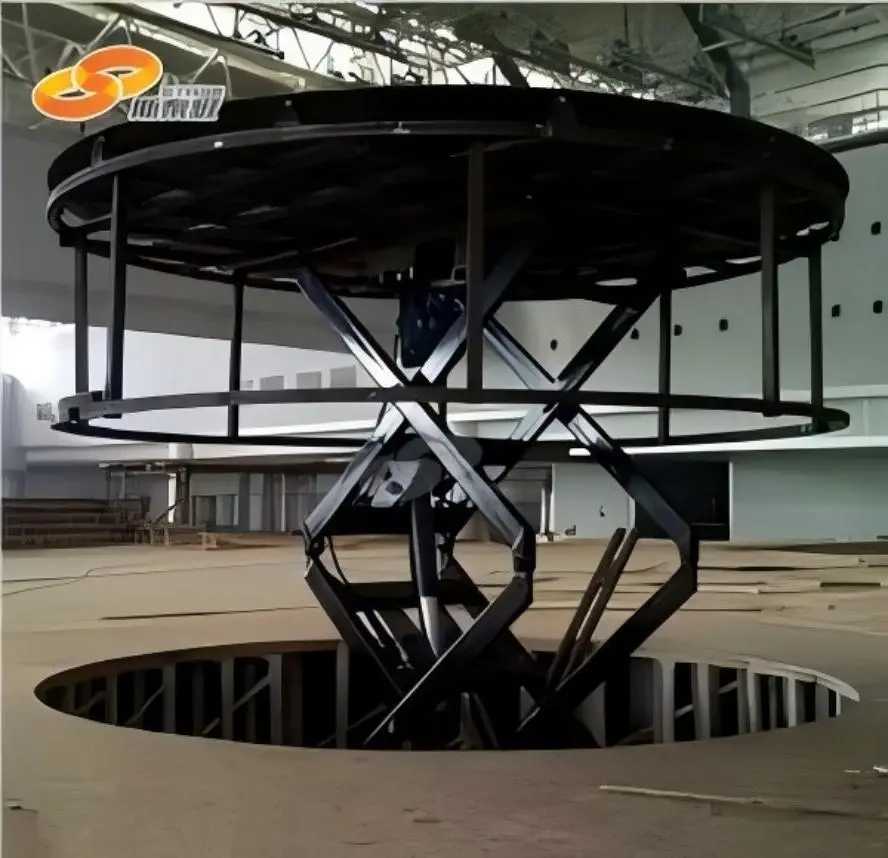
Stage lifting equipment is used in places where artists, workers, and audience members all come together. Uncertified machinery might be made of low-quality parts, not have the right load estimates, or have control systems that are easily damaged by electricity. In 2018, during a scene change at a regional theater, equipment broke down, hurting a performer and leading to lawsuits that said the theater was using non-certified equipment. Insurance companies are looking more closely at certification paperwork during the underwriting and claims reviews. If equipment doesn't have the right qualifications, the insurance company could refuse to cover it.
Equipment that is certified goes through destructive testing, wear analysis, and safety factor proof that are not done on equipment that is made in an informal way. It's not enough for hydraulic stage lifts, spinning platforms, and orchestra pit elevators to be able to handle their maximum loads; they also have to be able to handle shock loads, weight distribution that isn't even, and environmental stresses like changes in temperature and humidity. Certifications show that the companies that made the products have checked these performance traits using standard methods instead of just guessing what they should be.
Facilitating Regulatory Compliance and Contract Fulfillment
In their procurement requirements, public places, schools, and city sites usually say that certified tools must be used. Projects that get grants from the National Endowment for the Arts or state culture agencies make it clear that they need compliance paperwork. Bids that are sent in without the right certifications will be thrown out, even if they have the best price or the best technology. Also, building inspectors and fire officials regularly check equipment certifications when venues update their licenses. This creates ongoing compliance requirements that last as long as the equipment does.
Different countries accept different certification systems, which makes things more difficult for international touring shows. If a hydraulic stage lift is only approved to Chinese standards, it might not work when a show moves to North America or Europe. Smart buying teams ask for multi-jurisdictional licenses up front, so they can be flexible for future changes to the program and improvements to the building.
Building Stakeholder Confidence Through Quality Assurance
In addition to checking off regulatory boxes, certifications show boards of directors, funders, and creative leadership that you are experienced and have done your research. When proposing capital equipment, showing that the machinery in question meets widely recognized standards makes it more likely that the plan will be approved. Technical directors like approved equipment because it makes training staff easier because operating methods are based on best practices in the industry instead of workarounds made by the equipment maker.
Long-term relationships with suppliers rely on reliable delivery of high-quality goods. Manufacturers who have more than one license show that they are committed to long-term compliance rather than one-time testing. This organizational discipline is often linked to easier access to spare parts, more thorough documentation, and quick technical help. These are the things that decide whether equipment is useful for its entire 20-year lifespan or needs to be replaced too soon.
How to Verify and Evaluate Certification Authenticity?
Claims of certification don't mean much without ways to check them. Advanced buying teams use a number of different validation methods to make sure that a supplier's qualifications are real and not just marketing tricks for a lifting stage system.
Examining Certification Documentation
Certified papers that are real have certain features that set them apart from fake ones. Good certificates have the logo and contact information of the organization that issued them, as well as unique certificate numbers, equipment model names, the testing standards that were used, and times that the certificates are good. The paperwork for CE marking should include a Declaration of Conformity written by an official agent of the maker. This should list the EU laws and harmonized standards that apply. Instead of taking summary certificates, ask for full technical files. This is especially important for custom-engineered solutions where standard models are changed.
Pay attention to the limits of the certificate's reach. A certificate that covers one part, like a hydraulic power unit, doesn't immediately cover the whole stage lifting system. System-level certifications are more useful than component certifications because they cover integration risks that happen when parts interact in ways that checking each one separately doesn't.
Utilizing Online Verification Tools
A lot of certification groups keep public records that can be used to check credentials in real time. The IECEE website of the International Electrotechnical Commission keeps track of CB Test Certificates that are recognized by all IECEE member countries. You can check UL's Product iQ database by business name or certificate number to find out which goods have valid certifications. The European Notified Body website NANDO has a list of organizations that are allowed to do conformity assessments. This lets people check that the CE marking they saw was really a valid third-party review when needed.
When high-stakes purchases call for extra care, third-party auditing services offer independent approval proof. These experts look at the quality systems in factories, go over the testing procedures, and physically check the equipment. They look for problems between the supposed certifications and the real ways the products are made. This level of verification adds cost and time to the buying process, but it is necessary for setups that use more than one platform or for equipment that is used in public places where failures could hurt the company's image.
Strategic Supplier Questions
Verification that works goes beyond just looking at documents and includes real-life expert conversations in the elevating stage. If you want to know how often providers update their certifications and if they do surveillance checks in between renewal rounds, that's a sign of ongoing compliance rather than one-time certification events. Ask for references from past clients who have used similar equipment and especially ask if the equipment provided met the certifications that were promised and worked as described.
Find out how makers handle changes to designs. Small changes can make licenses useless if they are not properly recorded and reevaluated. Reliable suppliers have change control processes that check to see if changes need to be recertified. This keeps credentials good throughout the lifecycle of a product. By understanding these steps, you can tell if the companies you're working with see licenses as strategic assets or just as problems in the buying process.
Choosing the Right Lifting Stage Equipment Based on Certifications
Instead of trying to get every credential that's out there, certification standards should be based on specific practical situations. Strategic buying fits licensing portfolios to long-term performance goals, equipment skills, and industry areas for every lifting stage project.
Aligning Certifications with Industry Requirements
Based on risk factors and regulatory settings, different sectors give more weight to different mixes of credentials. Schools put a lot of emphasis on OSHA compliance and electricity safety certifications because student workers need extra safety measures. Theme parks and entertainment centers put a high value on automation control certifications that cover complicated show routines with moves that need to be synchronized across multiple platforms. Flexible licensing packages that cover both entertainment and industrial lifting uses are helpful for convention centers that host a variety of events.
The importance of certification depends on the skills of the equipment. High-capacity orchestra pit lifts that can move more than five tons need more structural certifications and load testing paperwork than flexible stage platforms do. Rotating stages that can both lift and spin need approvals that cover the risks of mixed motion. Pressure tank approvals and fluid compatibility paperwork are needed for hydraulic systems but not for mechanical systems. By matching certificates to the complexity of the equipment, over-specification is avoided, which raises costs without improving safety.
Balancing Certification, Performance, and Cost Efficiency
When compared to non-certified options, certified technology usually costs more, but this price difference is due to real value and not just a markup. Manufacturers have to pay for testing, maintaining the quality system, and writing up paperwork as part of the certification process. But when you look at the total cost of ownership, the higher price at first often ends up being a good deal.
A performing arts center in the Midwest recently looked at qualified hydraulic stage lifts and cheaper choices that were not certified. The buying team found that certified tools cut insurance costs by 15% a year and kept companies from getting fined by OSHA. More importantly, the certified manufacturer gave all the necessary paperwork that made getting approvals from the building department easier. This cut the time it took to finish the job by six weeks. Even though it cost more to buy, the approved tools gave a better return on investment when soft costs and risk were taken into account.
Certification also changes the paths of upkeep. When equipment is made to meet certification standards, it usually has easier access to parts, standard substitute parts, and clearer service paperwork. These features cut down on the number of hours needed for repair work and the amount of unplanned downtime that affects programming plans. This is especially important for venues that have shows all year because production delays can mess up seasonal schedules, which can hurt ticket sales and funding ties.
Conclusion
Certifications are more than just legal requirements when buying stage equipment. They are also important risk management tools that keep people safe, make sure operations run smoothly, and protect institutions' identities. Knowing which certifications are right for your place type, checking a supplier's credentials in a number of different ways, and guessing what the next legal trend will be will help procurement teams choose lifting stage tools with confidence. The small extra cost of properly approved lifting stage equipment pays for itself many times over in lower insurance rates, easier regulatory approvals, and longer equipment life. As technology integration and environmental concerns change the certification landscape, keeping relationships with suppliers who are committed to improving compliance all the time will make sure that your stage equipment investments stay useful for as long as they are used.
FAQ
Are all certifications mandatory, or are some voluntary?
Required qualifications vary on the location and type of event. American workplaces are expected by law to follow OSHA rules, while tools sold in the European Union must have a CE mark on it. Certifications like ISO 9001 aren't needed by law, but they're often listed in purchase documents as a sign of good quality management. Most of the time, educational schools and publicly funded places require more thorough certifications than private event companies. However, insurance requirements are making "voluntary" certifications more and more necessary for liability protection.
How often do certifications need renewal?
Validity dates for certificates depend on the type and granting body. If the design of the equipment doesn't change or the standards that apply change, the CE marking will always be valid. However, makers should keep technical paperwork up to date throughout the lifecycle of their products. ISO 9001 licenses need to be renewed every three years, and compliance is checked every year with surveillance checks. In most places, load testing certificates for lifting tools need to be renewed every year. Depending on the specs of the parts, electrical safety certifications may need to be renewed from time to time. Reputable makers keep certification calendars to make sure that credentials stay current and don't expire.
What role do third-party certifications play compared to internal audits?
Third-party certifications give regulators, insurers, and buying groups more confidence than manufacturers' own certifications because they are independent. Independent testing labs and Notified Bodies bring standard testing procedures, get rid of conflicts of interest, and make the business more open to them. Internal checks and quality control are still necessary to make sure that manufacturing is consistent on a daily basis, but they are not a replacement for external approval when showing stakeholders that compliance has been met. Manufacturers that are well-run use internal checks to make sure they are ready for external certification updates. This creates quality assurance layers that work together instead of against each other.
Partner with Sh Stage for Certified Lifting Stage Solutions
It's easier to deal with the complicated world of certification when you work with well-known lifting stage makers who put safety and quality management first. Sh Stage keeps a full set of certifications, such as ISO 9001 quality management systems and international safety credentials. This makes sure that our hydraulic stage lifts, spinning platforms, and orchestra pit elevators meet strict standards in all places around the world. Our engineering team keeps up with changing rules by updating designs on a regular basis to make sure that certifications stay good throughout the span of a product.
Get in touch with our team at info@shstage.com to talk about your unique certification needs and look through our collection of certified products. Whether you're building a new convention center, upgrading a performing arts center, or equipping a university theater, our multilingual technical advisors make buying choices easier by making sure that paperwork is clear and that all the rules are followed. We are a trusted lifting stage seller with installations in more than fifty countries. We don't just sell equipment; we also give you proof peace of mind that keeps your investment and your audience safe.
References
1. American National Standards Institute. (2021). Entertainment Technology Standards: Safety Requirements for Stage Machinery and Control Systems. ANSI Publications.
2. European Committee for Standardization. (2020). Machinery Directive Compliance Guide: Requirements for Stage Lifting Equipment. CEN Technical Reports.
3. International Organization for Standardization. (2022). Quality Management Systems for Stage Equipment Manufacturers. ISO Technical Documentation Series.
4. Occupational Safety and Health Administration. (2019). Workplace Safety Standards for Entertainment Venues and Theaters. U.S. Department of Labor Publications.
5. Professional Lighting and Sound Association. (2023). Certification Requirements for Powered Stage Platforms and Lifting Systems. PLASA Standards Documentation.
6. Theatrical Equipment Standards Board. (2020). Global Certification Practices in Stage Machinery: Comparative Analysis and Best Practices. Industry Research Monograph Series.

USER EVALUATE
Here is the customer's evaluation of us
YOU MAY LIKE
 VIEW MOREStage Single-Layer Winding Boom Lifting
 VIEW MOREMotorized Automatic Stage Curtain Machine
 VIEW MOREStage Motorized Batten Control Console
 VIEW MOREPerformer Lift
 VIEW MOREStage Gridiron
 VIEW MORESide Stage Elevator
 VIEW MOREStage Flame-Retardant Backdrop Curtain
 VIEW MOREClamping Block For Pulley Base