



How do I Choose the Right Overstage Machinery System for a Touring Theater?
When a traveling theater wants to find the right overstage machinery system, they need to carefully look at its load capacity, modularity, ability to be set up quickly, and compatibility with the place. The perfect system should be able to meet international safety standards and offer both precise control and flexibility. People who are in charge of buying things should look for systems that have strong hanging equipment, reliable winches, and efficient fly bar setups that can be easily changed to fit different performance spaces. To make the right choice, you need to know about technical specs, seller dependability, after-sales support networks, and the total cost of ownership so that you can keep operations running smoothly at multiple touring sites.
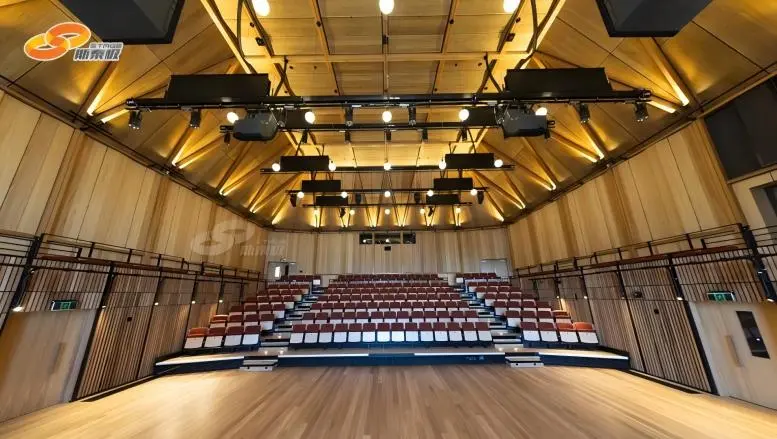
Understanding Overstage Machinery Systems for Touring Theaters
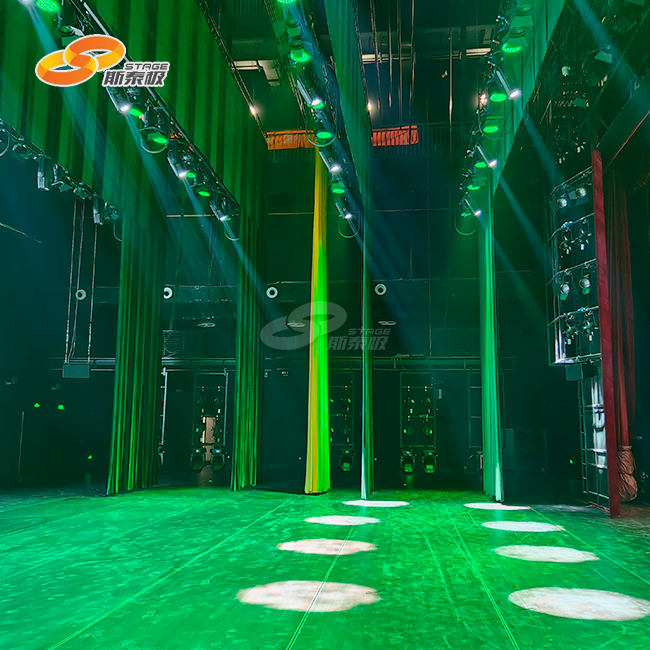
Overstage machinery includes all the mechanical parts that are above the stage floor and are usually housed in fly towers that are 20 meters or taller. These systems make the magic happen in theaters by moving the sets, curtains, lighting, and special effects exactly when they're supposed to. At the heart of these systems are motorized winches, which are powerful machines about the same size as 14-person lift motors and are in charge of each fly bar. On a normal theater stage, there are about 50 fly bars, and each one needs its own specialized winch control to move vertically with millimeter accuracy.
Core Components and Operational Principles
Many parts are linked and work together to make up the technical design of overstage machinery systems. Heavy loads can be lifted with the help of winches that are placed in machine rooms or on grid floors. These join to systems of wire rope or synthetic fiber cables that hold up fly bars that go across the width of the stage. Movement timing and positioning are coordinated by control systems, which can be simple human stations or complex automation platforms.
Touring companies can make better decisions when they know the difference between the different types of drive systems. Electric chain hoists are small and can be used for smaller products that need to move a reasonable amount of weight. Motorized drum winches can hold more and can be controlled more precisely, which makes them better for complicated shows that need to carefully coordinate many sets. Because they are heavy and complicated, hydraulic systems aren't used as much in traveling uses, but they can provide a lot of power in certain situations.
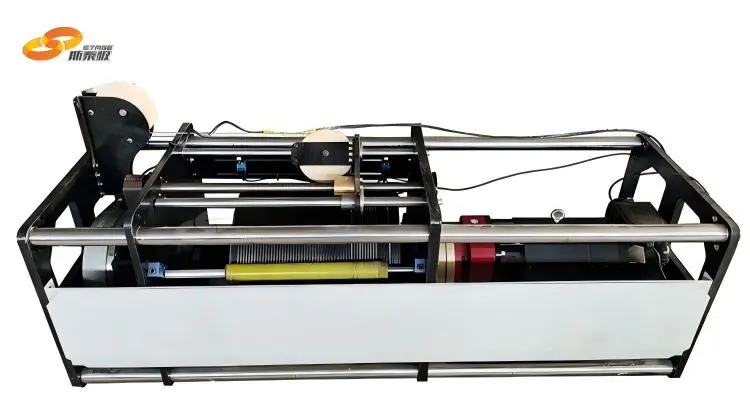
Types of Systems Suitable for Touring Applications
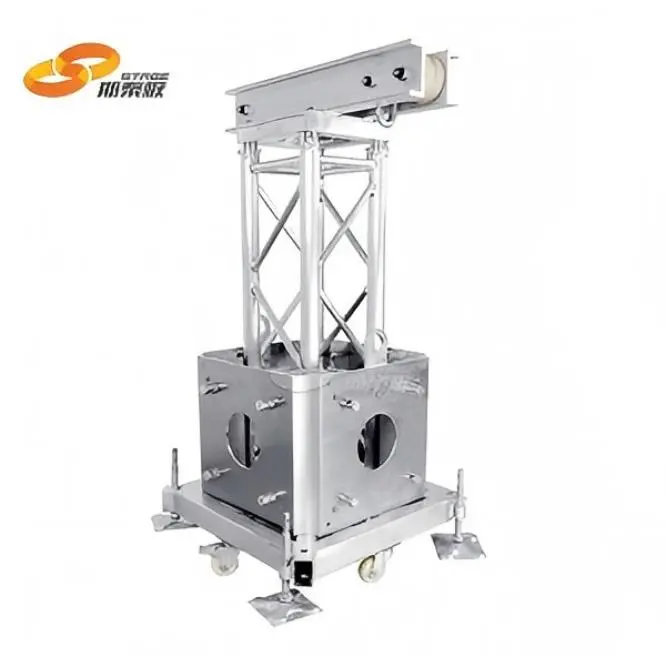
Modular rigging setups that are easy to move and quick to set up at each place are best for touring theaters. Portable truss systems with built-in raising points make grids that can be easily adjusted to fit different types of ceilings. Ground-supported towers cut out the need for site rigging completely, making them perfect for places that don't have enough fixed infrastructure.
Motion control technology that syncs up multiple axes of movement is being used in more and more modern traveling sets. These automation systems digitally store cue patterns so that performances in different places will always go the same way. Investing in programmable control pays off in less time spent setting up and more creative options, which is what sets professional traveling shows apart from beginner ones.
Benefits That Elevate Production Quality
Buying overstage equipment that was specifically made for the job has real benefits during traveling plans. When technical problems can cancel shows and hurt image, dependability is very important. Well-known companies that make high-quality equipment put it through a lot of tests and make sure it has fail-safe features that keep people and expensive scenery safe.
The bottom line of traveling shows is directly affected by how efficiently they run their business. During load-in and strike times, systems that can be set up quickly save money on labor costs. Transporting lighter parts costs less while keeping the structure's strength and load rates the same. Energy-efficient motors lower venue energy costs, which is something to think about when negotiating rental terms with show spaces. These operational benefits add up over dozens of tour stops, eventually making the initial investment in high-quality equipment worth it compared to cheaper options that cost more in the long run because of repair delays and limited functionality.
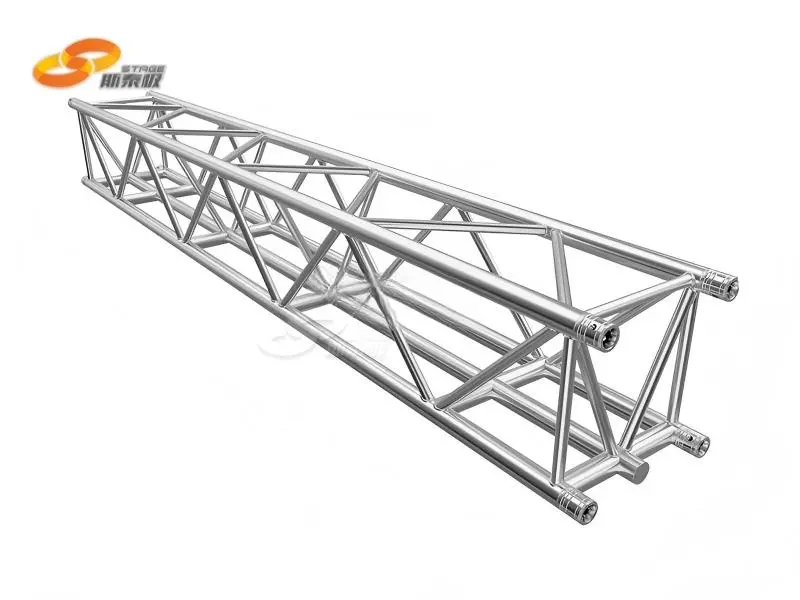
Key Criteria to Consider When Choosing Overstage Machinery
In order to choose the right rigging systems, technical requirements must be carefully weighed against the needs of touring activities. Load capacity is the most important thing to think about because it tells you if the equipment can safely hold the weight of all the scenery, lighting instruments, and hanging gear during the whole production.
Load Capacity and Weight Distribution Analysis
There's more to figuring out load standards than just adding up the weight of the hanging parts. When something moves, it creates more dynamic loads than steady weights. This means that safety factors are usually between 5:1 and 8:1, but this can vary by regulatory state. Procurement teams have to think about the biggest setup that will be needed over the course of the production, taking into account any design changes that might happen during the tour.
Point load concentration is especially hard to deal with in places where the grid structure's capacity is unknown. Distributed loading systems that spread weight across multiple connection points are safer options when the fixed infrastructure of a place doesn't have the right paperwork or approval. Load distribution can be changed to fit the structure of each site with modular truss setups, which offer freedom that rigid systems can't match.
Installation Speed and Venue Compatibility Requirements
Tour plans put strict limits on the time that can be spent setting up technology. Load-in windows that last only hours require rigging systems that are easy for team members to put together without the need for special tools or a lot of training. Hardware that connects quickly, parts that are color-coded, and clearly written assembly steps all cut down on setup time and mistakes that could risk safety.
If a traveling package can meet its performance requirements, it must be able to work with different types of venue design. The hanging heights can be changed to fit places with fly towers that range in size from very close to the stage to as big as an opera house. Portable ground support systems protect places that don't have enough fixed rigging infrastructure, so last-minute changes aren't needed because of technical problems.
Technical Performance Metrics for Operational Success
System dependability includes a lot of different performance factors that are very important for touring activities. The artistic quality of scene changes is affected by precision control. High-end systems can achieve placing accuracy within a few millimeters. Speed ranges decide whether quick changes between scenes go smoothly or throw off the production's flow. The amount of noise affects how the audience feels, and for intimate theatrical times, it's necessary to operate in silence.
Energy efficiency affects both running costs and environmental pledges for upper stage machinery, which are becoming more and more important to big clients and funding groups. Modern variable-frequency drives are better at controlling things than older motors that stay at the same speed, but they use less power. Regenerative braking systems store energy during downward cycles, which lowers the need for electricity even more.
Meeting international safety standards takes away any problems that might come up when touring across countries. Certification of equipment to European EN standards, American ANSI guidelines, and other regional rules shows that the maker cares about quality and makes it easier to get approval from venue technical directors and insurance underwriters. At each tour stop, safety checks are made easier by documentation kits that include load test certificates, maintenance records, and operator instructions.
Scalability and Future Production Needs
When buying is proactive, it looks at both the current production needs and possible growth situations. Modular systems that can add on new parts allow for growth without having to redo all of the investments that have already been made. Control platforms that offer firmware updates protect against premature failure by extending the working lifespan as technology changes.
Interoperability with current tools makes the best use of resources across various projects. Standardized connecting interfaces and control protocols make it possible to mix parts from different makers when needed. However, single-source solutions usually offer better integration and easier support relationships.
Procurement Strategies for Overstage Machinery in Touring Theaters
When using strategic buying methods, you have to weigh the short-term technical needs against the long-term financial and practical ones. Professional overstage machinery rigging systems require a lot of money to be spent, so the way they are bought and the ties with suppliers need to be carefully thought out.
Financing Options and Budget Optimization
The easiest way to own equipment that is used in many projects over many years is to buy it outright. This also has the lowest long-term cost. Buying something with cash saves you money on interest costs and makes it clear who owns the item, which is helpful for accounting and insurance reasons. Direct buy methods are preferred by organizations that have enough cash on hand and are sure they will be able to use the equipment for a long time.
Leasing plans are an option when it makes strategic sense to keep cash for other purposes. Operating rentals don't have any effects on the balance sheet and give you a clear idea of your monthly costs, which makes budgeting easier. When companies hire equipment with the chance to buy it later, they can see how well it works in real production before deciding to buy it. Maintenance provisions in leases may pass service duty to lessors, but touring applications make standard maintenance plans more difficult.
When negotiating prices, volume issues have a big impact for overstage equipment. Organizations that buy tools for multiple projects at the same time or that coordinate purchases across affiliated groups have more power to get better prices. A lot of the time, buying rigging gear, control systems, and installation services all at once is a better deal than buying each part separately.
Installation Complexity and Professional Support Services
Professional assembly services make sure that the equipment works safely and well from the start. Technicians who are approved by the manufacturer know more about design details and commissioning methods than generalist riggers do. Having the factory help with the original setup gives touring teams the chance to learn how to keep the equipment for as long as it is in use.
Turnkey solutions that include engineering design, equipment supply, installation guidance, and commissioning testing make project management easier for companies that don't have their own professional staff. When problems happen during complex interactions, single-point responsibility gets rid of the need to coordinate and point the finger. Premium makers like Sh Stage offer full project support from the first idea to the final completion, making sure that systems meet safety and performance standards.
International Procurement Considerations
When you buy tools across borders, things get more complicated and need extra care. Different countries have different rules about customs forms, import taxes, and following the law. Manufacturers with years of experience and established export operations can speed up these steps and provide all the necessary certifications and paperwork to make customs clearance go smoothly.
When equipment has to get to certain places by agreed-upon load-in times, logistics planning is very important. Due to delays in customs handling, international shipping timelines, and the possibility of transportation disruptions, plan failures need to be avoided by adding buffer times. When dealing with foreign logistics issues, freight forwarding experts who know how to handle theatrical tools can be very helpful.
Building Strategic Supplier Relationships
Working together with dependable makers for a long time has benefits that last through many production cycles. When suppliers know about an organization's technical standards, operational tastes, and budget limits, they can make future buying processes easier. If you are a preferred user, you may be able to get better support terms, priority output scheduling, and lower prices.
Talking to providers on a regular basis lets you learn about new technologies and changes in the industry before the products are officially released. Being aware of new ideas early on lets you make plans ahead of time instead of rushing when old equipment is about to break down. When providers understand their clients' plans, they can work together to make custom solutions that meet specific needs that off-the-shelf goods can't meet.
Conclusion
It's important to find the right overstage machinery system for traveling theater shows by weighing professional performance, ease of use, and cost-effectiveness. Because mobile operations have their own problems, they need equipment that is reliable, portable, and can be used in a variety of settings, all while keeping the highest safety standards. Procurement teams find solutions that work consistently in a variety of touring settings by systematically evaluating load capacities, installation needs, maker capabilities, and total cost of ownership. Strategic supplier relationships with well-known makers offer ongoing support that is necessary for long-term production success. This turns purchases of tools into partnerships that improve artistic possibilities and operating efficiency while touring with busy schedules.
FAQ
What maintenance schedule suits touring theater demands?
Visual checks of the state of the wire rope, the engagement of the connection hardware, and the sounds of operation are done every day to keep small problems from turning into big fails. As part of active travel, weekly maintenance includes checking the tension, lubricating, and trying the brakes. Long-term dependability is maintained by full overhauls once a year that include taking apart parts and replacing worn parts. Keeping records of all maintenance tasks shows that you're following the rules and helps with insurance claims when they come up.
How do I meet varied international safety regulations?
Choose equipment that has been certified to meet a number of foreign standards, such as ANSI E1.4 (US), EN 17206 (Europe), and ISO certifications that are accepted all over the world. The approval process is sped up when manufacturers offer complete paperwork packages that include test certificates, compliance statements, and translated instructions. Working with providers who are familiar with foreign markets makes sure that the equipment meets the needs of the target country and that expensive changes aren't needed after delivery.
Can overstage systems integrate with existing automation platforms?
Modern rigging control systems work with common transmission methods like DMX512, ArtNet, and sACN, which lets them connect to larger show control networks. During the creation of the standard, make sure that it will work with current lighting consoles, audio systems, and video playback platforms. Manufacturers that offer variable control frameworks can meet a range of integration needs, but future freedom may be limited by proprietary systems. Open-architecture methods are the most flexible in the long run.
Partner with Sh Stage for Your Touring Production Success
Sh Stage provides professional overstage machinery options that are designed to meet the unique needs of touring theater productions. Our complete systems are a mix of precise engineering inspired by Germany and traveling needs, so they work reliably in hundreds of places around the world. As a direct source producer, we don't have to pay markups to distributors, so we can offer you great value without lowering the quality or safety of your goods.
Beyond equipment supply, Sh Stage provides comprehensive support including installation supervision, crew training, maintenance planning, and ongoing technical assistance through our global service network. Our multilingual support team responds promptly to urgent issues regardless of your production's location. Contact our overstage machinery specialists at info@shstage.com to discuss your touring production requirements and discover why leading production companies worldwide trust Sh Stage as their preferred stage machinery supplier for reliable, innovative solutions.
References
1. Gillette, J. Michael. Theatrical Design and Production: An Introduction to Scene Design and Construction, Lighting, Sound, Costume, and Makeup. McGraw-Hill Education, 2019.
2. Glerum, Jay O. Stage Rigging Handbook. Southern Illinois University Press, 2017.
3. International Alliance of Theatrical Stage Employees. Entertainment Technician Certification Program: Rigging Handbook. IATSE, 2020.
4. American National Standards Institute. ANSI E1.4-2009: Manual Counterweight Rigging Systems. PLASA Standards, 2015.
5. Sammler, Ben and Don Harvey. Technical Design Solutions for Theatre: The Technical Brief Collection Volume 2. Routledge, 2018.
6. United Institute for Theatre Technology. Recommended Practice for Theatrical Rigging Inspections. USITT Technical Standards Program, 2021.

USER EVALUATE
Here is the customer's evaluation of us