



The Importance of Professional Stage Equipment In A Small Music Venue
Experiences that people will remember are very important to small music places, and professional stage machinery is a big part of that. Assuring smooth changes, improving actor safety, and raising the production value are all benefits of having good stage machinery, such as lifting systems, rigging equipment, and automatic platforms. Without mechanical systems that work well, venues risk technical problems that stop shows and hurt their image. When you buy professional-grade tools, you can turn a simple performance space into a lively one where artists can show off their skills and venue managers can keep up with the standards that the audience expects.

Understanding Professional Stage Machinery in Small Music Venues
Core Components and Functionality
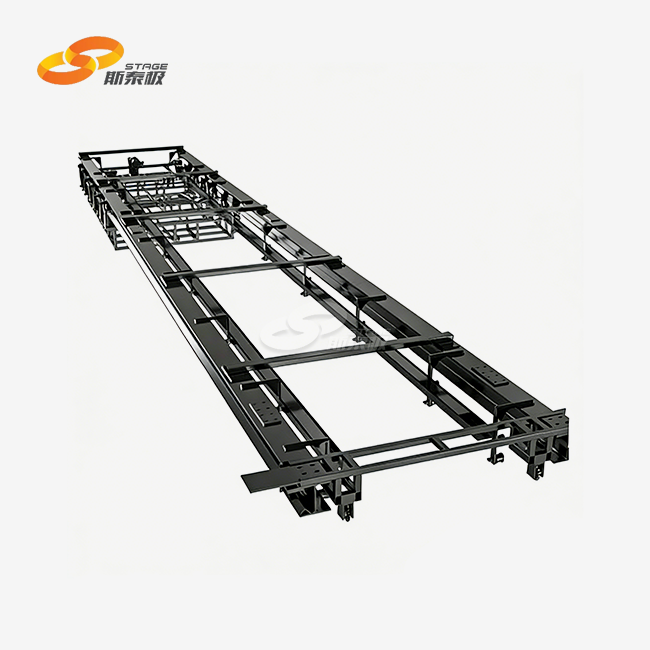
When it comes to moving props, lights, and actors safely during live events, professional stage machinery includes a wide range of mechanical and structural systems. Motors, pulleys, hoisting mechanisms, and control interfaces are what these systems are built around. They all work together to make active stage settings. Moving scenery pieces or players between floors through special openings is made possible by understage machinery, which is placed below the stage floor. Industry standards say that theater equipment can be dropped as low as three meters, but opera houses often go as low as eleven meters below stage level. With these methods, people, stage sets, or superstructures can move precisely up and down.
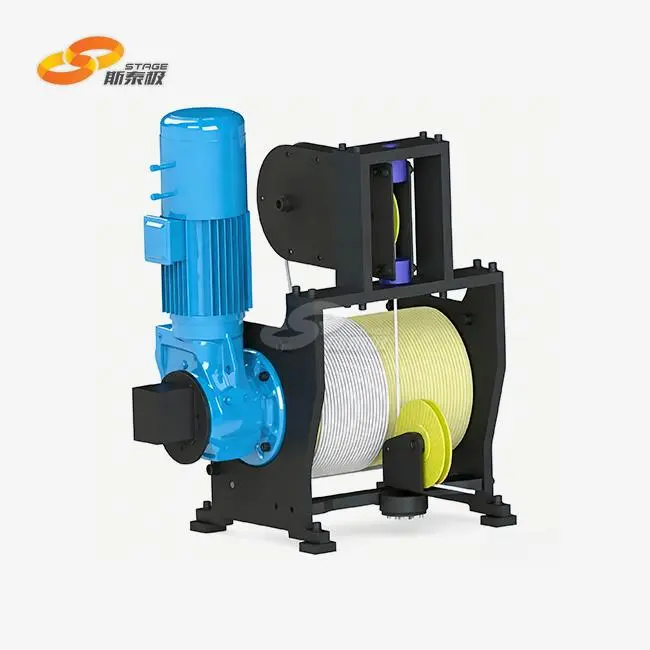
Overstage machinery works from machine rooms or grid floors, which are sometimes more than 20 meters high in fly towers, above the stage. Winches give fly bar devices their power. Each unit has the same amount of power as a 14-person lift. An normal stage can hold about 50 fly bars, which means it needs the same number of rollers to work properly. This mix of understage and overstage tools makes a three-dimensional performance space where directors can use new technology to surprise audiences and help tell stories.
Manual Versus Electric Systems
When deciding between manual and electric stage machinery, small venue owners must make crucial choices. Venues with limited funds may be interested in manual systems because they are cheaper to buy and easier to keep up. Through rope lines, counterweights, and mechanical advantage concepts, these devices are run by people. While they work well when handled by trained experts, they are hard on the body and slow down the speed at which scenes can be changed.
Automation and remote control features built into electric systems make operations much more efficient. Modern automated equipment reacts to pre-programmed cues, which lets transitions happen smoothly without any obvious team help. With remote control screens, one person can handle multiple tasks at once, which saves money on labor costs and improves accuracy. Stage engineering is the specialized field of planning, building, placing, and managing mechanical, structural, and automation systems for performance places. The change from traditional rigging methods to automated systems is a big step forward in the field.

Benefits for Small Venue Operations
Professional equipment has many benefits that go beyond its basic usefulness. By allowing for complex scene changes that would be impossible with human techniques alone, reliable stage machinery enhances the quality of show production. Operators can quickly change the performance room, which keeps the audience interested throughout the event. When it comes to places that can be used for different things, like quiet sets or high-energy rock shows, these features are especially useful.
When it comes to strong reasons to buy good tools, safety is one of the best ones. Professional systems have extra safety features like emergency stops, load tracking, and redundant safety features that keep artists and team members safe. Protocols for regular repair find possible problems before they become dangerous. Places that put safety first get good reviews that bring in good workers and calm people down. Professional tools makes operations more efficient and cuts down on setup times, which lets places hold more events and make the most money possible.

Selecting the Right Stage Machinery for Small Music Venues
Key Procurement Criteria
A lot of technical and practical factors need to be carefully thought through when choosing the right stage machinery. The most important criteria is load capability. Systems must be able to safely handle the highest weight of performers, lights, and scenery. Manufacturers usually rate equipment with working load limits that take into account forces that change as the equipment moves. Small venues have special problems because of limited space. The roof height, floor area, and structural support may make it hard to put certain things. It becomes important to think about small forms that make the most of limited space.
Long-term running costs are greatly affected by how well you use energy. Electric systems made today use less electricity and work better than older ones. Noise levels are very important in small settings where machine sounds can be distracting. High-end equipment has technologies that reduce noise, so it can be used almost silently during shows. How well places can carry out complicated production plans depends on how well they can automate tasks. Modern control systems connect to audio and lighting tools to make effects that work together better during artistic performances.
Decision-Making Models for Equipment Selection
Procurement experts can find their way around the complicated market with the help of structured methods. The F-1 decision model focuses on practical requirements, making sure that the capabilities of the tools are matched with the needs of the site. This method starts by making a list of all the possible uses, like concerts, plays, and business events, along with the technology needs that come with each one. After buyers make a list of the systems they want, they compare them to these basic requirements and get rid of the ones that don't meet them.
The C-2 approach looks at costs over the whole span of an item. The initial buying price is only a small part of the total cost. The prices of installation, training, regular upkeep, energy use, and replacement in the long run all affect the budget. Systems that cost more up front usually give a better return on investment because they have lower running costs and last longer. When places are working with tight budgets and need to make the most of every dollar, this research becomes even more important.
Matching Solutions to Venue Profiles
Different kinds of small places need different kinds of stage equipment tools suggestions. Safe, easy-to-use methods that help students learn are a top priority for schools like performing arts schools and training centers. Cost-effectiveness is very important for schools that are trying to stick to tight budgets, but equipment must also meet strict safety standards to protect people who aren't used to using it. It becomes necessary to build something that is durable and can handle being used by many people often.
Community theaters that put on amateur plays need systems that work regularly and don't need a lot of technology know-how to work. Controls that are easy to use and clear operating methods make it possible for non-professional crews to easily run performances. Independent music clubs and bars that run on a business plan focus on having equipment that lets artists switch quickly between sets. Venue freedom is increased by modular designs that can be quickly put together in different ways for different stage setups. These places are helped by small systems that can do skilled work without taking up too much room or needing major structural changes.
Installation, Maintenance, and Safety of Stage Machinery
Professional Installation Services
Whether stage machinery works as expected over its working life depends on how well it was installed. Professional fitters have the specialized knowledge to safely connect mechanical systems to the design of a place. They check the building's structural ability to make sure that its parts can handle the weight and force of the tools. Local rules say that electrical connections must include circuit safety and grounding to keep people safe. Control systems need to be precisely calibrated so that all of their parts work together.
Manufacturer-authorized installation services are much better than private workers in a number of ways. Technicians who have been taught by the manufacturer know exactly how to use the tools and follow tried-and-true steps that keep people from making common mistakes. They carry special tools made for certain systems and keep open lines of contact with engineering teams so they can get technical help. Authorized installation usually protects device contracts that could be voided if work is done by someone who isn't authorized. When manufacturing flaws or early failures happen, this safety comes in handy, letting you file a guarantee claim that lowers the cost of unexpected repairs.
Maintenance Protocols and Preventive Practices
Setting up regular check times for equipment helps it last longer and finds problems before they become major ones. Visual exams are done once a month to check for damage, wear, or deformation in structure parts. Operators check the state of the cables, looking for damage like breaking, kinking, or rust that makes the cables less strong. Lubrication points need to be serviced regularly according to the manufacturer's instructions. This keeps them from rubbing against each other too much, which speeds up wear. Over time, thermal cycle makes leads loose, so electrical connections need to be tightened from time to time.
Every year, trained techs do full checks that include checking safety systems in great detail, putting lifting equipment through its paces, and making sure that the control systems work properly. When these thorough checks are done, problems that wouldn't be obvious from casual view are often found. Replacing worn-out parts before they break, keeping control software up to date, and fixing up mechanical systems are all examples of preventive maintenance that saves money over emergency fixes. Disciplined repair programs help venues have a lot less downtime and avoid the income losses that come with having to cancel shows.
Industry Safety Standards and Training
The safety rules for stage equipment are known to change from place to place. In the US, groups like ANSI (American National Standards Institute) and ESTA (Entertainment Services and Technology Association) make rules for how technology should be designed, installed, and used. These standards talk about things like load rates, material requirements, safety factors, backup controls, and what to do in an emergency. Compliance shows that a place wants to keep everyone involved in performances safe.
When you train your staff on operational and emergency processes, you turn safety standards from vague ideas into real-world skills. Operators learn how to use tools correctly, including how much weight it can hold and what actions are not allowed. Emergency reaction training helps teams know what to do when equipment breaks down, the power goes out, or an accident happens. People make sure they can handle emergencies by practicing regularly. Many insurance companies lower the rates of venues that have thorough safety training programs. They do this because these programs lower the venues' risk exposure.
Conclusion
Professional stage machinery completely changes how small music venues work by making them safer, better at producing music, and more efficient. Reduced setup times, increased programming options, and improved names that draw in performers and crowds are all tangible benefits of investing in high-quality stage machinery that pays off. To choose the right tools, you need to carefully look at the technical specs, the credibility of the seller, and the long-term costs. Installing systems correctly by licensed professionals and following strict upkeep procedures will make sure they work reliably for as long as they are used. When small venues put professional tools first, they make themselves more competitive in their markets and make the places where shows happen safer for everyone.
FAQ
What is the typical lifespan of professional stage machinery?
If you keep good stage equipment in good shape, it should last between 20 and 30 years. The real lifespan relies on how often it is used, how well it is maintained, and how quickly new technology replaces it. Control systems that become outdated as technology improves don't always last as long as mechanical parts like motors, gears, and structure elements. Regular checks find wear before it causes a failure, which lets you change parts that will extend the life of the system. Venues that have thorough repair programs always get the most out of their equipment's projected lifespan.
How much efficiency improvement can automation provide?
When compared to doing things by hand, automated stage systems cut setup and switching times by 60% to 80%. If you automate the things that would normally take 90 minutes to do by hand, they could be done in 15 to 20 minutes. This speed lets more than one event happen every day and lowers labor costs by cutting down on the size of the crew needed. Automated actions are more consistent, which makes them safer because they eliminate human error during repeated jobs. Programming skills make it possible for even complicated scene changes to go smoothly during shows.
What safety standards should people looking to buy check?
ANSI standards for stage machinery and rigging equipment should be met by all equipment offered in the United States. The ESTA guidelines give more information on how to use technology in entertaining. Products that have been checked by well-known labs like UL (Underwriters Laboratories) or ETL (Intertek) have approval marks that show they are compliant. Instead of believing claims that haven't been proven, buyers should ask for proof of approval. Following these rules makes sure that equipment meets the bare minimum of safety requirements and lowers the place owners' risk of being sued.
Partner with Sh Stage for Reliable Stage Machinery Solutions
Sh Stage offers complete stage machinery manufacturer options made just for places that want professional-grade gear with the benefits of buying directly from the factory. Since we started in 2009, we've been experts at designing lifting systems, rigging gear, and computer controls that meet international safety standards and work with the unique challenges that small places have. At every stage of production, our factory follows strict quality checking procedures to make sure that the products last and protect your investment. We offer custom designs that make the most of the room you have while still being useful, and our multilingual team is available 24 hours a day, seven days a week for technical help. Get in touch with our experts at info@shstage.com to talk about how our stage machinery options can improve your venue's powers while keeping costs low for long-term success.
References
1. There is Robert J. Thompson and Patricia Miller. The basics of design and engineering for performance venues' stage machinery. Routledge Theatre Arts Press, the year 2021.
2. A useful book by Sarah K. Williams called Technical Production Systems for Small Performance Spaces. The 2020 Focal Press Professional Entertainment Series.
3. In the Journal of Entertainment Technology and Design, Anderson, Michael P., et al. wrote about "Safety Standards and Best Practices in Modern Stage Engineering." 15, no. 3, 2022, pp. 113–134.
4. Chen, David L. Automation Technologies in Modern Theater: How They Are Used and How They Are Integrated. Springer Technology for the Performing Arts, 2021.
5. Jones, James Richardson, and Elena Martinez. "Analysis of the Costs and Benefits of Professional Stage Equipment in New Performance Venues," International Journal of Arts Management, vol. 24, no. 2, 2023, pp. 45–67.
6. The book by Katherine M. Bradford is called Stage Rigging Handbook: Principles, Practices, and Safety Compliance. New Edition, Fourth Edition, 2022, Entertainment Technology Press.

USER EVALUATE
Here is the customer's evaluation of us