



How to Operate a Motorized Lifting Stage Safely?
To use a motorized lifting stage safely, you need to follow a set of steps, such as inspecting it properly before use, staying within the load limits, having trained staff, and doing regular maintenance. If you are in charge of a theater, convention center, or event production business, knowing that your lifting stage system needs careful attention to mechanical soundness, environmental conditions, and emergency procedures will keep your staff safe and your equipment lasting longer. Making sure that all the control systems work right, checking visually for hydraulic leaks or damage to the structure, and making sure that all the safety features, like limit switches and emergency stops, are working before each use are the first steps to safe operation.
Understanding the Safety Challenges of Motorized Lifting Stages
Facility managers and technical leaders need to be very aware of the unique management challenges that come with motorized stage platforms. When you mix precise control with vertical movement in these high-tech systems, you get risks that are very different from those in static stage setups.
Common Operational Hazards and Risk Factors
When working with automatic stage tools, one of the biggest worries is that something will break down. If there are problems with the hydraulics, the lifting stage could fall or descend without warning, and if there are problems with the electricity, it could move in ways that put performers and techs in danger. Overload situations happen a lot when production teams guess wrong about how much scenery, actors, and equipment will weigh together, making the platform hold more than it's supposed to. User mistakes make these technical risks even greater—operators sometimes get around safety interlocks when they are in a hurry or don't properly secure loads before starting to move them.

The effects go beyond the direct danger to people's health. In 2019, an incident at a regional performing arts center showed these risks when an uneven load distribution made a stage tilt during a dress practice. This broke expensive lighting equipment and pushed back the start of the show. Such events lead to big financial loses, a ruined image, and the possibility of going to court.
Root Causes of Safety Incidents
Accidents on lifting stages are mostly caused by not having enough training. A lot of places give operation tasks to staff members who don't get much training, so they're not ready for when something goes wrong. Another major weakness is that when techs don't follow through with inspections or listen for early warning signs like strange noises or slower response times, small problems get worse and become dangerous failures.
A third big reason is using equipment beyond what it was designed to do. Event producers sometimes put pressure on workers to go beyond their rated capabilities or movement speeds in order to make big production ideas work. In addition to voiding contracts, this practice also damages the structural integrity of parts that were made with certain safety gaps in mind. When procurement professionals know these root causes, they can better evaluate possible equipment sellers and create thorough safety frameworks that take human factors into account along with mechanical ones.
Essential Safety Principles and Best Practices for Motorized Lifting Stage Operation
Setting strict rules for operations turns safety from an idea into something that is done every day. These steps will protect your investment and give you a safe place to work creatively.
Pre-Operation Checks and Setup Procedures
Every operating cycle should start with a full tour that looks at all of the system's parts, both those that can be seen and those that can't, including the stage lift. Operators must make sure that the amounts of hydraulic fluid are within acceptable limits and look for signs of leaks around the seals and connection points on the cylinders. Electrical control panels need to be checked to make sure that all of the lights work properly and that the emergency stop buttons are still accessible and usable.

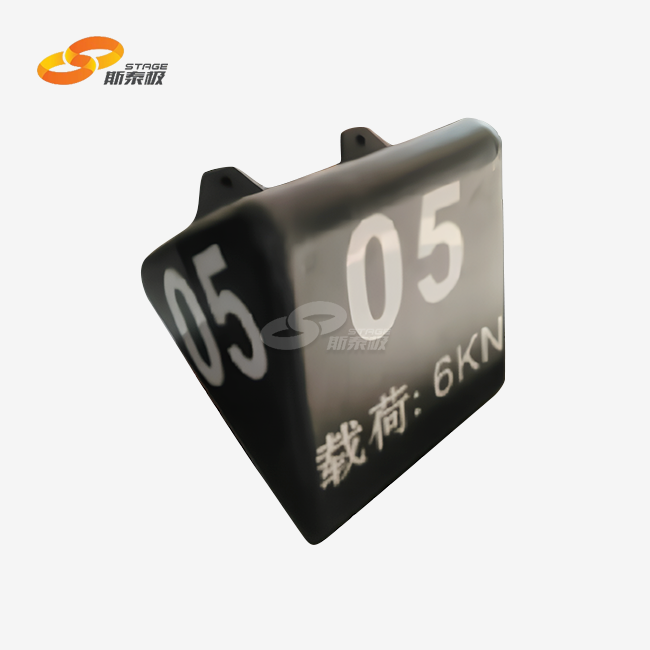
Pay extra attention to load limit testing. Before putting people or equipment on the lifting stage, you should figure out how much everything weighs, including the scenery, props, performances, and temporary structures. Compare this number to the manufacturer's stated capacity, making sure to leave at least 20% extra for safety reasons because of the forces that change when the object moves. Environmental assessments finish the pre-operation process by making sure there is enough space around the journey path of the platform, removing any obstacles from safety zones, and making sure that everyone knows how to move and when to move.
Controlled Movement and Shutdown Protocols
When you follow the right steps for starting up, everything runs smoothly from the start. Turn on systems slowly and wait for the hydraulic pressure to level off before moving the platform. Start your trip slowly by using the changeable speed settings and keeping an eye out for any strange vibrations or sounds that could mean there are problems with the mechanics. During operation, keep an eye on the station and the areas around it at all times, looking for people who might accidentally enter restricted areas.
When unexpected things happen, emergency reaction steps are very important for keeping people safe. All workers should know exactly where the emergency stop controls are and practice how to use them on a frequent basis. Set clear rules for how to talk to each other using speakers or signal systems so that crew members can immediately let managers know about new dangers. When you're done using it, carefully reverse the start-up sequence: lower the platforms to rest positions, depressurize the hydraulic systems, and turn on mechanical locks that stop people from moving without permission.
Maintenance and Inspection Documentation
Regular preventive repair makes devices last longer and finds problems before they become major ones. Most hydraulic stage systems need to have their fluid quality, pressure readings, and seal state checked once a month. Mechanical parts like guide rails and support systems need to be checked every three months for signs of wear, cracks, or warping. Every year, electrical systems should be fully tested to make sure the power stays stable, the controls work correctly, and the safety interlocks work.
Maintenance goes from being a task on a list to being a strategic tool when it is documented. In-depth inspection records show how things are used and how quickly parts wear out, which lets you repair things before they break. These logs also show that you did your job during safety checks and give you useful information when you're trying to figure out why something isn't working right. Digital maintenance management systems make this process easier by setting up checks immediately and letting managers know when readings aren't within normal ranges.
Training and User Competency: Building a Safety-First Culture
Technically advanced equipment doesn't mean much if the people who use it aren't skilled and know how to handle both normal situations and emergencies. Structured training programs help people learn the skills that keep mistakes from happening.
Professional Training Program Development
The first step in giving good training is to look at the specific parts that people play in your business. Maintenance workers and occasional operators need different skills than stage managers. The design of the curriculum should take into account the needs of each group, starting with basic ideas like figuring out the load and setting up a safety zone and moving on to more complex ones like fixing problems with the controller or organizing complicated moves with live performances.
Hands-on practice under close supervision boosts confidence and creates muscle memory that comes in handy when things get hectic on the job. Trainees should run the machines through their full cycles several times, learning both normal moves and what to do in an emergency. Scenario-based training includes real-life problems like unexpected stops, communication problems, or broken equipment. This teaches workers how to act calmly and correctly when things don't go as planned.
Certification and Compliance Requirements
Many places now require operators to be certified to use powered stage equipment. This is because they know that proper training directly lowers the number of accidents that happen. Most of the time, these programs include both classroom teaching on mechanical concepts and safety rules and practical tests where candidates show they can operate real equipment. Most certifications are good for two to five years, and they need to be renewed every so often to make sure that workers stay up to date as machine technology changes.
Compliance goes beyond individual licenses and includes following the rules set by the company. Training records that are written down show that your facility takes safety seriously. This protects you legally and shows insurance that you meet professional standards. Regular refresher lessons keep everyone on staff, even the most experienced ones, alert to safety issues regarding the lifting stage. This keeps everyone from getting too comfortable with regular tasks.
Operating Documentation and Visual Resources
Well-written working manuals break down complicated steps into simple, doable ones. Documentation that works uses simple wording that doesn't include extraneous academic terms, along with pictures and diagrams that show the right way to do things. Laminated quick-reference cards placed near control stations give instant instructions during operations. Full guides are still available for more in-depth maintenance and repair steps.
Digital tools make documents easier to find and more up-to-date. Tablet-based guides can include video examples that show the right way to do things from different angles, including the elevating stage. This makes it easier for visual learners to understand the steps faster. Cloud-based systems make sure that all workers have access to the most up-to-date versions by updating themselves automatically when makers release new safety warnings or revised procedures. These new methods work especially well for organizations with multiple sites, where standardizing procedures across all of them makes things safer and more consistent.
Leveraging Technology and Monitoring for Enhanced Safety and Performance
Intelligent tracking systems are the most advanced way to make sure that stage equipment is safe. They change reactive maintenance into proactive management.
IoT-Enabled Sensors and Automation Systems
Modern moving platforms have more and more networks of sensors that constantly check important factors. Pressure sensors keep an eye on the performance of a hydraulic system in real time. They can spot small drops in pressure that mean a seal is starting to leak before they break. Temperature sensors find electrical parts that are getting hot because they are drawing too much power. This is often the first sign that something is wrong with a motor. Position encoders make sure that platforms move exactly as instructed and let workers know if there are any problems with the control system or the way the platforms are moving.
These devices send information to programmable logic controllers, which use safety rules to make choices right away. When sensor data go outside of normal areas, automation systems can either slow the movement of the lifting stage, sound alarms, or stop everything completely, based on how bad the problems are. This automated tracking never gets tired or distracted, so it can keep an eye on things all the time, which is something that human workers can't do during long work days.
Real-Time Monitoring Dashboards
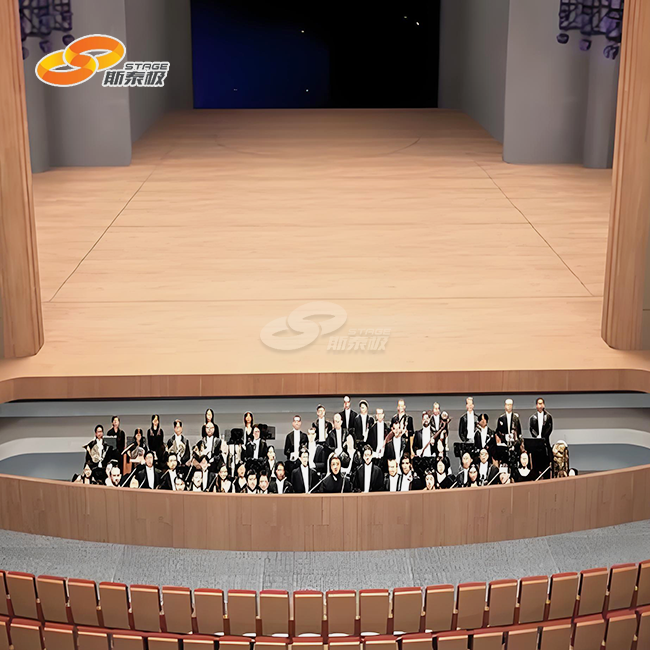
Sensor data is put together by centralized tracking platforms into easy-to-read displays that help operators and repair staff quickly see how healthy a system is. Status markers with different colors show right away if any parameters are not in their normal ranges, and trend graphs show how numbers change over time. This visualization feature is very helpful for busy technical leaders who are in charge of many stage systems at once. From a single control position, they can keep an eye on orchestra pit lifts, main stage platforms, and rotating elements.
Monitoring can be done from outside the physical building with remote access. Maintenance managers can check on the system's performance from off-site and get smartphone alerts when problems arise. This connection lets experts respond quickly, even when it's not business hours, so production problems are kept to a minimum. During emergencies, makers' technical support teams can watch how equipment works from afar, figuring out what's wrong and showing local staff how to fix it without having to fly.
Data Analytics for Continuous Improvement
Monitoring systems collect data over time that shows patterns that aren't noticeable during normal activities. Analytics software finds patterns in how things are used, like which moves happen most often and how filling patterns change for different types of production. This information helps plan routine maintenance so that checking resources are focused on the parts that are being used the most. Predictive algorithms look at small changes in performance traits to figure out how long a component has left to live and when it should be replaced so that it doesn't break down unexpectedly.
Aggregated data are very helpful for businesses that run more than one place. When you look at performance data from similar setups, you can see which ways of running things lead to better stability. Facilities that have parts that wear out too quickly can use methods that have worked well in other places, and facilities that have parts that last an unusually long time should look into methods that should be standardized. This method is based on data and turns managing equipment from an art to a science by constantly improving routines based on facts.
Conclusion
To use a motorized lifting stage safely, you need to pay close attention to the tools you choose, how you train your operators, how you do upkeep, and how new tracking technologies are developing. The guidelines in this book are useful for procurement professionals, building managers, and technical directors who are in charge of making sure venues are safe and performances are good. Using these best practices will protect your employees, keep your equipment in good shape, and make sure it works well during important events. As stage technology keeps getting better, companies that use both tried-and-true safety rules and smart monitoring systems will be able to find the best mix between artistic freedom and operational safety. Your dedication to these standards will determine whether your facility is recognized for smooth performances or for accidents that could have been avoided.
FAQ
What are the most common operational errors when using motorized stage platforms?
The most common mistakes are going over the rated load limits by not taking into account the total weight of the actors and scenery, skipping over safety interlocks to save time during setup, and not doing pre-operation checks that would show mechanical problems before they happen. Also, operators often get the lengths between platforms and ceiling rigging or other objects in the way when the platforms are moving. When control workers and stage staff don't talk to each other well, movement can start without warning, putting crew members working near the platform in danger.
How often should motorized lifting stages undergo professional maintenance?
How often you should do maintenance depends on how often you use it and the weather, but according to industry standards, you should check for hydraulic leaks and mechanical wear every month, test the functionality of safety systems like emergency stops and limit switches every three months, and have a certified technician do a full examination once a year. Professional inspections should be done more often at places that get a lot of use and have shows every day. Facilities that only get used sometimes can extend the time between inspections by a small amount. No matter what time it is, any strange behavior—like strange noises, slower response times, or movement that doesn't seem right—must be checked out by a professional right away before it can be used again.
Which industry standards and certifications matter most for stage equipment?
Having ISO 9001 certification shows that a company has quality control methods in place to make sure that production standards are always met. Regional safety certifications, such as CE marking for European markets, UL listing for North American uses, and GOST approval for some foreign venues, show that electrical and mechanical safety standards have been met. For extra peace of mind, there are industry-specific guidelines like ANSI E1.4 for leisure technology and EN 61508 for safety-critical control systems. In addition to qualifications, look for companies that are members of professional groups such as the Entertainment Services and Technology Association (ESTA) or the Association of British Theatre Technicians (ABTT). This shows that they are actively working to improve the best practices in the industry.
Partner with Sh Stage for Reliable Motorized Lifting Stage Solutions
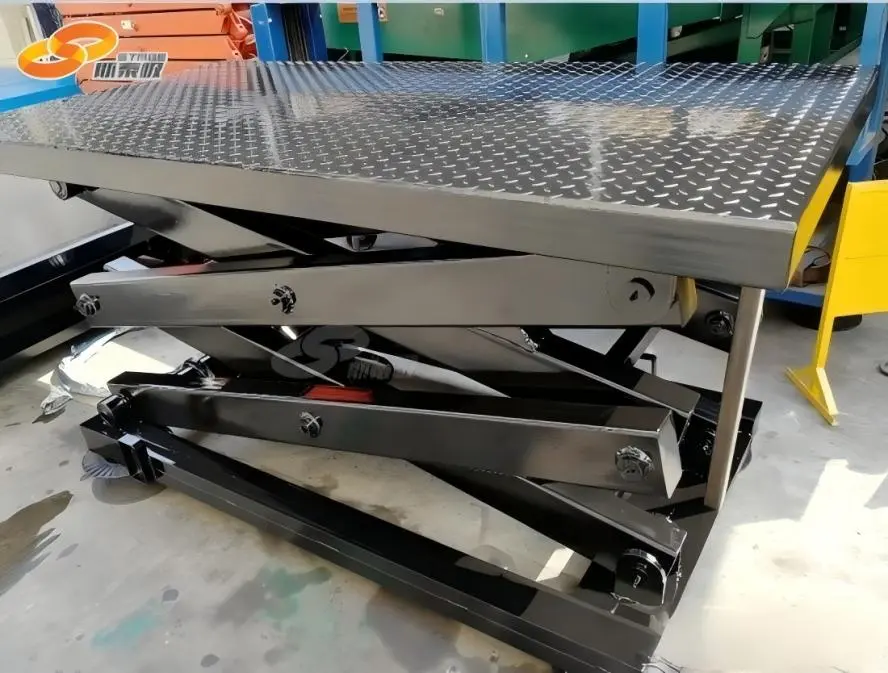
Sh Stage sells complete motorized lifting stage systems that are designed to be as safe, accurate, and long-lasting as possible in theaters, event centers, and entertainment places all over the world. We have been making lifting stages since 2009 and use cutting edge hydraulic and electric drive technologies along with strict quality control to make sure that every system meets international safety standards, such as ISO and CE certifications. Our skilled engineers work closely with your technical staff to create unique solutions that meet your exact operating needs and budget. These solutions can be as simple as scissor lifts or as complex as multi-platform configurations that can rotate.
We help you succeed after we deliver the equipment by providing full setup services, thorough user training programs, and quick technical support 24 hours a day, 7 days a week. Our global logistics network makes sure that your equipment is delivered on time and is installed correctly. Additionally, our large collection of extra parts keeps your equipment running smoothly for as long as possible. Professionals in purchasing who need reliable lifting stage sellers like how easy it is to communicate with us, how cheap our factory-direct prices are, and how we've successfully served customers in over 50 countries in the past. Email our team at info@shstage.com to talk about your project needs and get a thorough technical plan that shows how Sh Stage solutions can improve your venue's safety and performance.
References
1. American National Standards Institute (ANSI). ANSI E1.4-2009: Entertainment Technology - Manual Control Systems for Temporarily Installed Entertainment Technology Equipment. Entertainment Services and Technology Association, 2009.
2. Henderson, Michael J., and Patricia L. Crawford. Stage Machinery: Design, Operation, and Safety Protocols. Focal Press, 2018.
3. International Organization for Standardization. ISO 23478:2022 - Machinery for Stages and Venues — Safety Requirements and Test Methods. ISO Standards, 2022.
4. National Fire Protection Association. NFPA 101: Life Safety Code - Requirements for Assembly Occupancies Including Stage Equipment. NFPA Publications, 2021.
5. Sammler, Richard A. Rigging and Safety Management for the Entertainment Industry. Entertainment Technology Press, 2020.
6. United Institute for Theatre Technology. Recommended Practice for Stage Lift Operation and Maintenance. USITT Technical Production Commission, 2019.

USER EVALUATE
Here is the customer's evaluation of us