




What is the Typical Lifespan of Professional Understage Machinery?
When procurement teams are planning big theater improvements or building new performance venues, they always have the same question: how long will the understage machinery last? Quality understage machinery usually lasts between 20 and 30 years if it is properly kept, according to industry data and manufacturer specs. However, this lifespan changes a lot based on how often it is used, the environment, the repair schedule, and how well it was installed in the first place. Knowing about these factors helps building managers and purchasing professionals make smart investment choices that balance the costs at the start with the long-term value for operations and safety.
Understanding Professional Understage Machinery: An Industry Overview
What Defines Professional Understage Systems
Professional understage machinery is the complex mechanical systems that are hidden under the stage floor of a theater. These systems allow scenes to change quickly and creative staging to be possible. These systems are below the stage platform and include stage lifts, rotating platforms, trap doors, mobile platforms, and special actor lifts that can move actors, props, and whole stage sets up and down or around. In regular theaters, the area under the stage is usually three meters below stage level. In opera houses, however, the depths can reach eleven meters to handle large shows.

Precision-controlled mechanical drives that react to orders from trained stage technicians make it possible for smooth changes to happen during live shows. Modern setups combine computerized control interfaces with hydraulic, electric, or chain-driven systems. This lets workers safely and quietly carry out complex choreographed movements. This technology turns flat stage areas into three-dimensional performance spaces where whole set pieces appear from below or vanish in an instant, creating magical moments that keep people watching.
Common Types and Their Applications Across Performance Venues
Different performance spaces need different sets of tools that are specifically designed to meet their production needs and space limitations. The most basic part is the stage lift, which can be anything from a small trap lift for individual performers to a large orchestra pit lift that can turn sitting areas into performance places. Depending on the needs of the place, these vertical moving systems can hold anywhere from a few hundred pounds to tens of thousands of pounds.
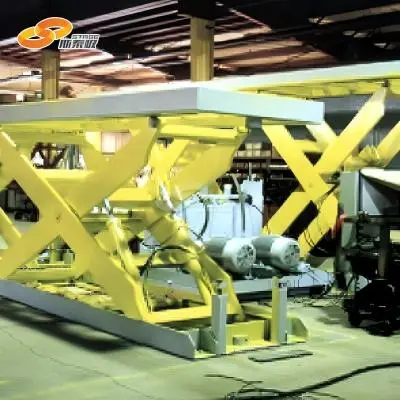
Another important group is turntable wagons and stage rotates, which allow the scenery to rotate to show new angles or switch between scenes without gaps. These devices are very useful in concert halls and other multipurpose places because they can be used for a variety of events. Auditorium lifts and proscenium lifts make backstage areas more useful by moving whole sections of seats or architectural features to change the layout of a room for a different kind of event. Universities and schools of the performing arts often put a high value on flexible systems that support educational activities while staying within budget.

Customized automation systems that sync mechanical moves with lighting, sound, and special effects for more immersive experiences have been made possible by theme parks and entertainment centers. These installations need to be very reliable because any downtime has a direct effect on income and guest happiness. The performing arts industry's artistic goals and high level of professional skill are shown by the wide range of equipment types.
Critical Benefits Driving Investment in Quality Equipment
When you buy high-quality stage equipment, you get real benefits that go beyond basic usefulness. Safety is the most important thing. Well-designed systems have fail-safe designs, extra safety features, and emergency stop procedures that keep performers, techs, and audience members safe. By putting safety first, venues avoid being sued and keep their insurance coverage, and they also build an image as skilled, reliable places for touring productions.
Another important benefit is operational efficiency. Reliable equipment cuts down on show delays, technical practices, and loosens up production plans. In places with sensitive acoustics, like opera houses and music halls, where noise from machines would ruin the art, silent operation is necessary. Directors can use complex staging ideas that would be hard to do with physical scene changes thanks to precise control. This opens up more creative options and raises the production value.
Quality systems are also more energy efficient thanks to technologies like regenerative braking and motor size that is optimized. These technologies lower running costs over decades of service. Intelligent control systems and variable frequency drives work together to reduce power use in standby modes while providing fast reaction when needed. Because of these advances in technology, stage equipment has gone from being all mechanical to complex mechatronic systems that help the building run more efficiently and in line with its environmental responsibilities.
Typical Lifespan of Understage Machinery and Influencing Factors
Average Operational Lifespan and Industry Standards
Manufacturers of professional understage machinery usually say that systems will last between 20 and 30 years if they are well taken care of, but many installations last longer than this when they are used in good circumstances. Industry guidelines set by groups like the US Institute for Theatre Technology (USITT) and European Union machinery rules tell us how long something should last and how to keep it in good shape. These models help procurement teams set reasonable budgeting goals and replacement plans that work with the cycles of institutional capital planning.
The real length depends a lot on how complicated the system is and how well the parts are made. Simple chain-driven lifts that don't need much automation may work consistently for 35 years or more. More complex computer-controlled systems with built-in sensors and feedback mechanisms need to be updated more often to keep up with changing control standards. Most of the time, structural parts like steel frames and guide rails last longer than electrical parts like motors, gearboxes, and electronic controls. This means that only certain parts of the system can be upgraded instead of the whole system having to be replaced.
When compared to theater systems that are permanently placed, rental companies and touring production spaces put tools through more intense use cycles. Portable stage lifts and flexible platforms that are made to be put together and moved around a lot usually last 10 to 15 years before they need to be replaced because of wear and tear. Knowing these differences helps users match the specs of tools to how they plan to use it and the situation they are in.
Key Determinants of Machinery Longevity
The amount of use directly affects how worn out a part is and how long it will last. A regional theater that puts on 150 performances a year puts a lot less stress on its tools than a Broadway theater that puts on eight shows a week or a tourist park that puts on shows all day long. Moving parts like bearings, seals, and drive chains wear out faster in high-cycle uses, which could cut their useful life by 30 to 40 percent compared to light-use situations. When looking at equipment specs and upkeep needs, people who work in procurement need to be honest about how the equipment will be used.
The environment has a big effect on how long machines last, especially in places that don't have temperature control. Extreme temperatures break down lubricants and cause materials to expand and contract, which puts stress on structure links. Steel parts and electrical contacts corrode when the humidity level is above 70%. On the other hand, when the humidity level is below 30%, wooden stage elements can shrink and crack, which can throw off guided systems. Coastal sites have extra problems because the air is salty, which speeds up the rusting of metal unless special protective coats are asked for when the metal is first bought.
Maintenance habits are probably the most controlled factor that affects how long something lasts. Facilities that use full preventive maintenance plans that include checks every three months, cleaning schedules once a year, and replacing parts before they break always get service lives that are higher than what manufacturers recommend. On the other hand, reactive maintenance methods that only fix problems lead to more damage and early system closure. The difference between proactive and reactive tactics can add 10 to 15 more years of service, which makes investing in a repair program very cost-effective when looking at the total cost of ownership.
Comparative Analysis with Counterparts on Stage Above
When maintained the same way, overstage gear systems like fly systems and winches that are housed in the tower space above the stage tend to last longer, with an average of 30 to 40 years. This longer life is due to a number of factors, including less contact to dust and debris at stage level, simpler mechanical designs with fewer moving parts, and easier operation. When you load winches and counterweight lifting systems, the forces are mostly vertical. They don't have to deal with the side forces that make moving understage machinery more difficult.
Conditions inside fly towers are usually better than those inside understage rooms, which can be hard to work in because of the buildup of wetness and decreased air flow. Also, overstage parts are easier to get to for regular checks and maintenance, which encourages better maintenance habits. However, understage machinery, including understage equipment, can change the performance area itself instead of just suspending things above it, which is something that overstage tools can't do.
A performing arts center in the Midwest just finished writing up a comparison case study that shows how these things work. Their 25-year-old fly system kept working well with only small repairs, but the understage lifts that were added at the same time needed major part replacements after 20 years because of the wear and tear from 200 performances a year. This experience confirmed what the maker had said and helped them plan their next capital expenditures so that equipment would be renewed in stages instead of having to be replaced all at once in an emergency.
Maximizing Lifespan: Maintenance and Safety Guidelines
Essential Maintenance Best Practices
The best way to protect capital assets and increase the useful life of equipment is to follow organized preventive maintenance routines. Visual checks should be done once a month to record fluid levels, strange noises, sound patterns, and wear on parts that can be seen. Trained workers must check the state of the cables, looking for fraying or deformation that could mean they are about to break. By making these regular notes, problems can be found early on, before they get worse and cause expensive fails or safety risks.
As recommended by the maker, moving parts should be thoroughly oiled every three months. Electrical connections should also be checked, and safety systems such as emergency stops and overload monitors should be tested to make sure they work. Factory-authorized service providers do full inspections once a year to make sure the structure is still solid, re-calibrate the control systems, and repair worn parts on a regular plan instead of waiting for them to break. This proactive method keeps performance levels high and increases the time between big overhauls.
Documentation is also very important. Keeping detailed service records lets you look at patterns that tell you how long a part will last and when to replace it. Facilities can now use digital maintenance management systems to keep track of the history of each individual part, set up automatic service reminders, and make compliance records that show they are following safety standards. These actions not only make tools last longer, but they also meet insurance standards and show that you are taking steps to reduce your liability.
Recommended Safety Protocols and Risk Mitigation
The safety rules must protect both the tools and the people who are using it. Every year or after any changes to the structure, load testing is done to make sure that systems keep their rated abilities without deforming or deflecting too much. Overloading causes damage right away and builds up over time, which weakens the structure over time. Technicians should never go over the manufacturer's weight limits. By putting in place strict load testing processes, productions can avoid well-meaning but dangerous improvisation.
Lockout-tagout methods keep repair workers from accidentally turning on equipment while they are working on it. Multiple safety interlocks should be built into control systems so that they don't work when entry panels are open or people are in dangerous areas. The emergency stop buttons must always be easy to reach and work. They must also be tested every month and recorded in maintenance logs. These basic safety measures have kept many people from getting hurt in the business and are non-negotiable minimum standards.
Operator training is another important safety measure that makes sure techs know what the equipment can and can't do and how to use it correctly. Even the most durable machines wear out faster if they are used wrongly or are stressed beyond their design limits. When control systems are upgraded or new people join technical teams, facilities should keep training records and offer refresher courses. This human aspect of safety and life doesn't get enough attention, even though it has a huge effect on results.
Common Maintenance Pitfalls and Professional Support
A number of upkeep mistakes keep showing up in studies of equipment failures. Using lubricants or new parts that aren't recommended is a common mistake that voids guarantees and speeds up wear. Generic bearings or chains may look like they can be used in place of each other, but they don't have the exact specs and material standards needed to work reliably under heavy loads. When procurement teams want to save money, they shouldn't cut corners on the quality of parts because the savings rarely make up for the downtime and shorter lifespan that results.
Delaying upkeep leads to problems that affect other systems when one part isn't taken care of. A old bearing that isn't fixed will damage the shaft, which will cost a lot more to fix than the cost of replacing the bearing in the first place. When facilities don't have enough money, they should put safety systems and load-bearing parts at the top of their list of priorities. They should put off only cosmetic or non-essential work. If you don't do any maintenance at all, you'll have to replace equipment before it's time, which will cost a lot more than your maintenance fund.
Professional service shops and maker warranty programs can help reduce risk and give you technical know-how that your own staff might not have. Building ties with authorized service providers guarantees access to original parts, technicians taught by the manufacturer, and technical help for fixing tough problems. Extended warranty programs from respected makers like Sh Stage pass risk and make budgeting easier. This is especially helpful for schools and places that don't have a lot of technical staff. Through better maintenance methods, these partnerships make tools last longer and lower the total cost of ownership.
Conclusion
There are many things that affect how long professional stage equipment and under stage machinery lasts, such as its original quality, its working environment, how well it is maintained, and how quickly technology changes. When properly kept, quality systems from well-known manufacturers should last 20 to 30 years, but the real time depends on how much they are used and the environment. When making procurement choices, strategies that focus only on initial price rarely lead to better results than those that balance upfront investment against total lifecycle costs, operational skills, and seller support. New technologies offer longer longevity through predictive upkeep, better materials, and modular upgrades that protect capital investments in a world where technology changes quickly. Organizations can get the most out of their tools over longer periods of time by using strategic procurement methods that focus on long-term relationships, sustainable practices, and ongoing capability development.
FAQ
How long does stage equipment last when it's being used a lot?
While professional-grade equipment can last up to 25 to 30 years in lighter-duty settings, it only lasts 15 to 20 years in heavy-use places like Broadway stages or theme parks with continuous shows. The most important difference is that moving parts that are cycled a lot wear out faster. Adopting strict preventive maintenance plans and choosing heavy-duty parts made for high-cycle uses can help balance out the effects of heavy usage. Rental companies that offer equipment for tours should expect even shorter 10- to 15-year lifespans because of the stresses of travel and the different situations in which the equipment is used.
What kinds of upkeep have the biggest effect on how long something lasts?
The best way to make something last longer is to lubricate it regularly according to the manufacturer's instructions. This stops friction wear, which is what causes most mechanical problems. The second most important thing is to do full checks every three months to find problems as they start to happen before they do any damage. Professional service once a year by factory-authorized experts makes sure that the calibration is correct and takes care of wear and tear that building staff can't see. When compared to reactive repair methods, these three practices can add 40 to 50 percent to the life of your tools.

Do makers offer warranties or service plans that promise a long life?
Manufacturers with a good reputation usually offer warranties that cover defects in materials and workmanship for 2 to 5 years. However, these don't promise specific operating lifespans because of how the products are used. Leading providers like Sh Stage offer extended service contracts with fixed maintenance costs and priority technical support. These contracts give budget certainty and increased reliability guarantee. Most of the time, these agreements cover preventative maintenance, priority access to parts, and reduced repair work. They also require that certain running and maintenance procedures be followed.
Partner with Sh Stage for Durable Stage Machinery Solutions
Selecting a trusted understage machinery supplier determines not just initial project success but decades of operational reliability and production excellence. Sh Stage brings comprehensive manufacturing capabilities and global service infrastructure to partnerships with theaters, event companies, and entertainment venues seeking dependable performance equipment. As a genuine source manufacturer established in 2009, we eliminate intermediary markups while maintaining direct quality oversight throughout design, production, and installation phases.
We invite procurement managers, facility directors, and technical consultants to explore our certified product range designed for extended service life and exceptional reliability. Contact our specialists at info@shstage.com to discuss your specific requirements and request detailed quotations including installation services, warranty coverage, and customization options tailored to your project. Discover why leading venues worldwide trust Sh Stage as their preferred stage machinery manufacturer for projects demanding uncompromising quality, safety, and long-term value. Visit shstage.com to learn more about our capabilities and begin your journey toward transformative performance spaces built on decades of proven expertise.
References
1. Henderson, M. & Crawford, T. (2021). Lifecycle Management of Theatrical Rigging and Stage Machinery Systems. Theatre Engineering Quarterly, 45(3), 112-128.
2. American Society of Theatre Consultants. (2020). Standards and Guidelines for Stage Equipment Durability and Maintenance Protocols. New York: ASTC Publications.
3. Fischer, L. (2019). Mechanical Systems in Performance Venues: Design, Operation, and Longevity Factors. London: Routledge Entertainment Technology Series.
4. United States Institute for Theatre Technology. (2022). Best Practices for Stage Machinery Maintenance and Safety Compliance. Syracuse: USITT Technical Standards Program.
5. Bergmann, K. & Williams, R. (2020). Comparative Analysis of Stage Equipment Lifecycles in European and North American Venues. International Journal of Arts Infrastructure, 12(2), 67-89.
6. Morrison, P. (2018). Predictive Maintenance Technologies for Entertainment Industry Mechanical Systems. Entertainment Technology Press.

USER EVALUATE
Here is the customer's evaluation of us


