



Compare Electric vs Hydraulic Understage Machinery for Stage Movement
When show places look at stage lifting systems, platforms, and trap door mechanisms, one of the most important decisions they have to make is whether to buy electric or hydraulic understage machinery. Electric systems are better for houses that need smooth scene changes because they are easier to handle and quieter. On the other hand, hydraulic systems work best when lifting big things and having a strong lifting ability is important. Procurement managers can make sure that their investments are in line with long-term performance goals and the needs of each place by learning about how each technology works, how much it costs to maintain, and how much it costs to own the whole thing.
Understanding Electric and Hydraulic Understage Machinery
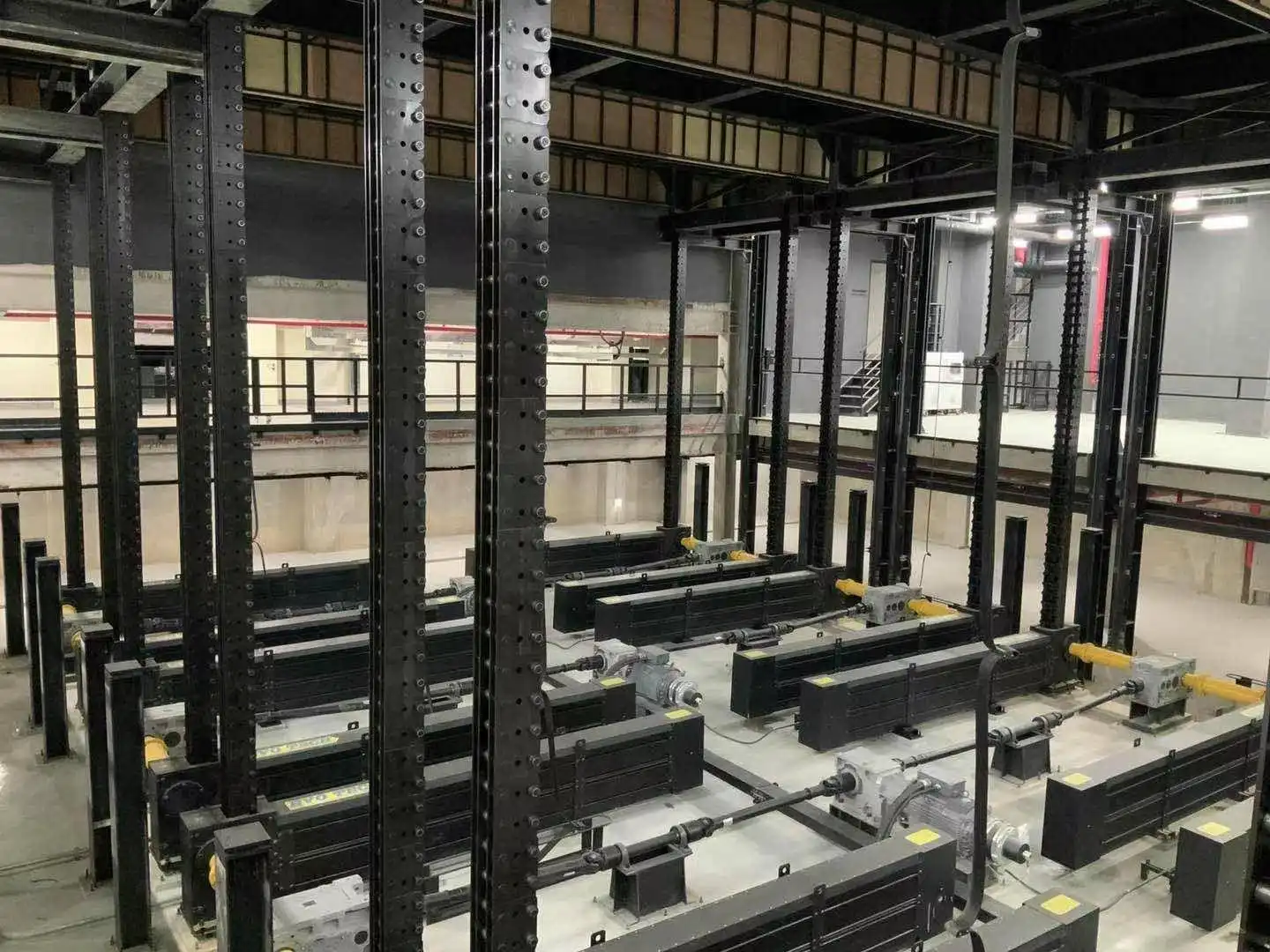
Understage machinery includes all the mechanical systems that are placed below the stage floor and allow the actors, tools, and props to move around. The main part of putting on a play is these systems, which let full stage sets, platforms, and players move up and down or around through holes in the stage surface. The space under the stage can be as little as three meters in smaller theaters and as long as eleven meters in opera houses. This gives lifts, rotates, wagons, and other motion control equipment a lot of room to work.
What Makes Electric Systems Distinct?
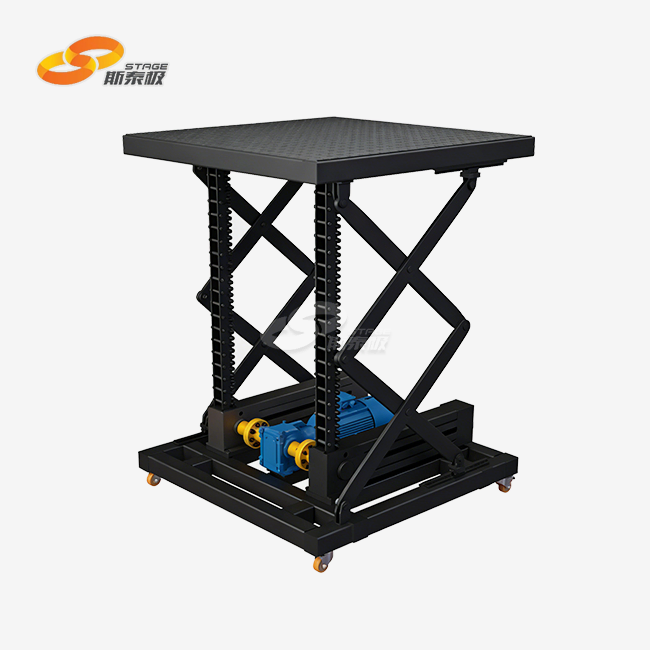
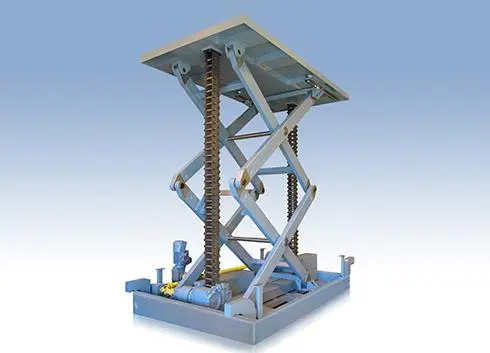
Electric stage lifts move up and down and side to side with the help of motor-driven screw jacks, chain hoists, or belt systems. Their control system gives them a big edge. Programmable logic controllers are built into modern electric systems. These controllers let techs set up complicated movement patterns with millimeter-level accuracy. These systems make very little noise, which is very important when scenes change during shows. Electric equipment usually weighs less than hydraulic equipment, which makes fitting easier in places where the stage floor doesn't have a lot of structural support.
Electric systems get their power straight from regular electrical outlets, so they don't need hydraulic fluid tanks, pumps, or filter gear. This simplified design cuts down on the mechanical size and gives you more options for where to put equipment in small places under the stage. Control panels can be placed far away, and technicians can watch over actions from different spots in the event thanks to wireless operation.
How Hydraulic Systems Deliver Power?
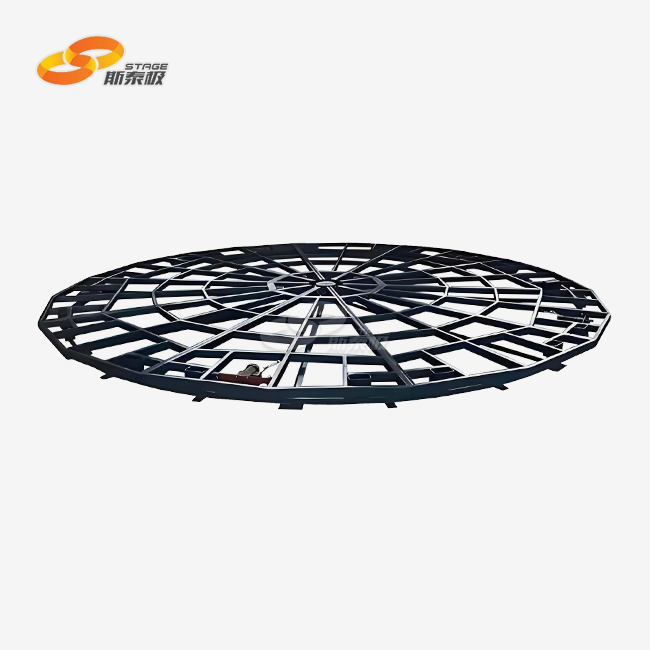
When compressed fluid acts on valves and pistons in hydraulic stage equipment, it moves. The best thing about hydraulic technology is that it can move very big things with smooth, controlled motion. A hydraulic cylinder can lift several tons and stay in place while it's loaded. This makes this technology perfect for lifts in the orchestra pit, big turntables, and stage platforms with multiple levels that hold a lot of scenery.
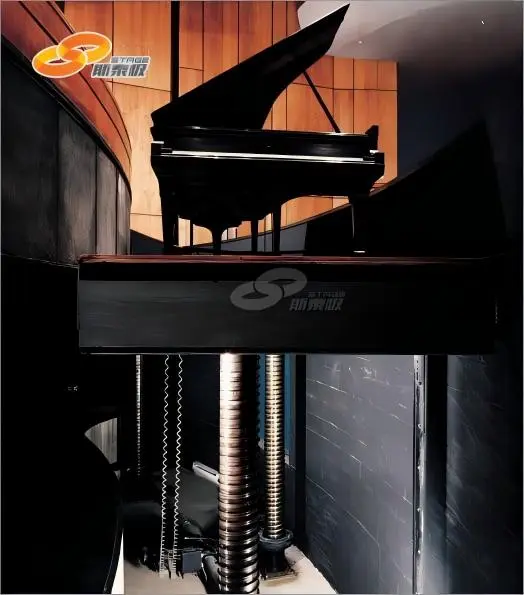
A power unit with a motor, pump, fluid tank, and distribution manifold is needed for hydraulic devices. Fluid moves through hoses and lines to tanks that are placed under parts of the stage that can be moved. Flow rates are controlled by proportional valves, which also control the speed and position of movement. Pressure relief tubes and mechanical locks that keep platforms safe during shows are safety features. These systems can work in places with high or low temperatures and a lot of dust, which could be hard for electrical parts in electric systems.
Typical Applications Across Performance Venues
Hybrid options that blend the two technologies are often used by national theaters and opera houses. Fly bar controls and smaller trap doors, where accuracy is most important, are run by electric devices. When lifting capacity is the most important thing, hydraulic equipment serves major stage lifts, big revolving stages, and orchestra platforms. Convention centers often choose electric systems because the flexible stage parts can be quickly rearranged between events, and the cleaner operation meets the needs of venues that are used for more than one thing.
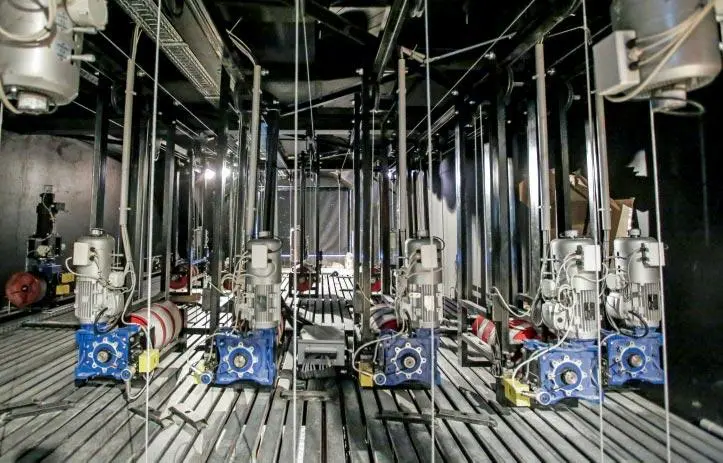
For touring production groups, mobility and quick setup are very important. Electric modular lifts are easy to move and set up, and they don't need any special experts or hydraulic fluid. Electric systems are usually chosen by educational institutions because they require less safety training and are easier for staff to maintain, even if they don't know a lot about hydraulics. Theme parks put hydraulic systems on big show stages where heavy loads move in time with each other to create dramatic experiences for the crowd.
Performance and Efficiency Comparison of Electric and Hydraulic Understage Machinery
When deciding between electric and hydraulic understage machinery, you have to look at a lot of different performance factors that have an effect on working efficiency, safety, and the quality of the audience experience. Depending on the load needs, movement patterns, and venue-specific restrictions, each technology has its own benefits.
Energy Consumption and Operating Costs
Electric stage lifts only use electricity when they are moving. The motor stops when a platform hits its set position, and the system uses very little power when it's not in use. Modern variable frequency drives change the motor speed to match the load needs to get the best energy use. During a normal performance season, electric systems use 30–40% less energy than hydraulic units, which keep the pump pressure steady even when the system is not in use.
The power unit in a hydraulic system has to keep the system pressure steady, which means it constantly draws energy. Newer hydraulic systems, on the other hand, use load-sensing pumps that lower flow when demand goes down. This closes the efficiency gap. The constant power draw of hydraulic systems makes them more cost-effective for venues that have multiple shows every day, since the pumps stay at the best temperature and level of efficiency.
Speed, Load Capacity, and Precision
Electric systems are great for tasks that need to be able to change speeds and be placed precisely. A screw jack lift can place a platform within one millimeter of its goal height, which is very important for artists who have to step onto moving platforms at night. Smooth acceleration and braking curves are made possible by electric devices. This keeps the scenery from moving while the vehicle is moving. Individual electric lifts can usually hold between 500 and 5,000 kilograms of weight. For bigger platforms, multiple units can be synced together.
Hydraulic cylinders have a very high force density, which means they can move heavy things with less space. Single hydraulic cylinders can usually hold between 10,000 and 50,000 kilos, which is what you need for full orchestra pit lifts or big rotating stages that carry a lot of furniture. Movement speed stays the same no matter how much weight is on them, and hydraulic systems stay in place even when they're loaded without using any power, which is safer for long scenes.
Maintenance Requirements and Safety Protocols
Taking care of electric machines is pretty easy as long as you focus on the technical parts. Technicians check the links between motors, grease screw jacks, look over drive belts, and test limit switches. Maintenance done once a year usually takes 8–12 hours per machine. Since there is no hydraulic fluid, there are no chances of pollution or environmental issues. Electric systems don't pose much of a fire risk, which is important to keep in mind in old buildings with strict safety rules.
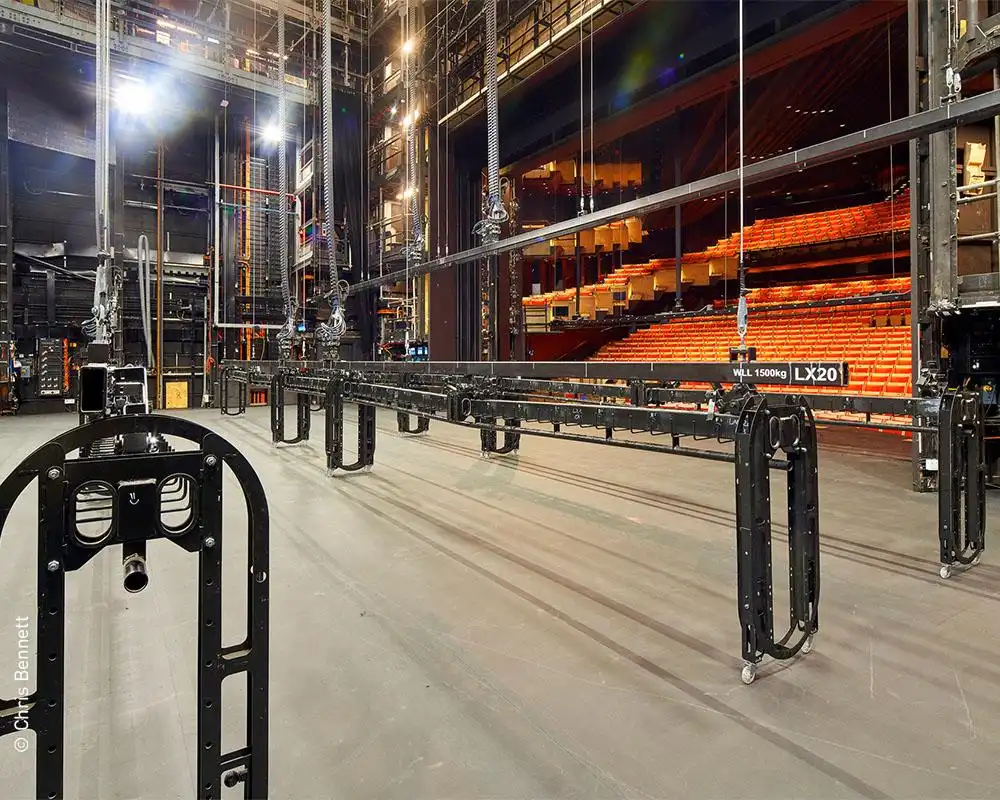
Maintenance plans for hydraulic tools need to be more thorough. Regular checks must be made on the chemical properties, fluid amounts, and cleaning. Seals, hoses, and fittings need to be checked for leaks that could cause accidents or damage to the environment. High-use sites change their filters every three months. Maintenance lasts about 20 to 30 hours per machine per year. But hydraulic systems work better in tough conditions than electric ones. They can keep working reliably in dirty, humid, or temperature-changing settings that could damage electronic controls.
Norms for safety from groups like ESTA, ANSI, and ISO set the norms for both systems. Electric systems have dual-brake motors, emergency stop circuits, and sensors that check the position. Pressure release, automatic safety locks, and leak detection systems are all things that hydraulic systems need. Both technologies need to be inspected regularly by trained techs, and all maintenance tasks must be recorded to keep insurance companies happy and protect the place from liability.
Cost Analysis and Procurement Considerations
Procurement managers can make better decisions about initial purchases and long-term operating budgets when they have a full picture of the company's finances, including under stage machinery. If you choose electric or hydraulic technology, it will affect how much you spend on funding, installation, energy, upkeep, and replacement or update costs in the future.
Initial Investment and Installation Expenses
When used for lighter-duty tasks, electric stage lift systems usually have lower starting costs. If you only look at the drive system, a simple electric platform lift that can lift 2,000 kilograms costs about 30 to 40 percent less than a similar hydraulic unit. This benefit can be lost, though, if bigger platforms need electric systems with multiple coordinated units. The cost of installation stays low because electric systems link to regular power sources and don't need any hydraulic equipment.
The power unit, delivery manifold, and cylinder sections make hydraulic tools more expensive to buy at first. When a venue installs its first hydraulic system, it needs to think about how to fit the pump room, where to store the fluid, and how to run the pipes under the stage. These infrastructure needs raise the overall cost of the project by 15 to 25 percent. But hydraulic systems are better at adding more capacity because all you need are more cylinders attached to the current power units. With electric systems, you need whole new drive assemblies.
When procurement managers look at the market conditions for 2024, they should expect that improvements to the supply chain have settled prices after recent price changes. Lead times for unique electric systems are currently between 12 and 16 weeks, while lead times for hydraulic tools are between 14 and 18 weeks because of the need to make specialized parts. Venues that want to put more than one system can buy them all at once and get savings of up to 10-15% when they order three or more full systems.
Total Cost of Ownership Analysis
Figuring out the costs of owning something over a normal 15 to 20-year period of time shows more complex financial issues. Electric systems have lower yearly upkeep costs, which include labor, replacement parts, and regular tests. The average cost is USD 800 to 1,200 per unit. The cost of energy depends on how much it is used, but for normal theater uses, each lift uses between USD 300 and USD 600 per year. Over the course of twenty years, the cost of running a single electric lift could reach USD 28,000 to USD 32,000.
Annual upkeep costs for hydraulic systems are higher, averaging USD 1,500 to 2,400 per unit. This is mostly because of the need to change fluids, seal kits, and hose assemblies. Higher amounts of energy are used, between USD 600 and USD 1000 a year per power unit that serves multiple cylinders. The average cost of running a machine for twenty years is USD 42,000 to USD 56,000. But hydraulic equipment lasts longer; it usually works effectively for 25 to 30 years, while electric systems only last 15 to 20 years before they need major component replacement.
Warranty coverage changes a lot from one company to the next. Standard guarantees for electric systems cover control electronics for 36 to 60 months and mechanical parts for 12 to 24 months. Cylinders and power units usually come with 12 to 18 months of warranty coverage. Extended warranty plans raise the price of a product by 5–8 percent, but they protect you against unexpected replacement costs, which is a good thing. After-sales help quality changes a lot between suppliers, so the name of the manufacturer and the ease of access to the service network are important factors in the purchase decision.
Supplier Selection and Partnership Considerations
To find reliable stage equipment makers, you need to look at their production skills, quality certifications, and service infrastructure. Established sellers keep up with ISO 9001 quality management systems and product-specific certifications, such as CE marks for European markets and safety standards that meet North American requirements. Distributors who get parts from different sources don't always get the best quality control than factories that do their own planning, fabrication, and testing.
GBMs should look at how experienced and skilled their providers are at doing business with other countries and with transportation. Companies that have their own export teams are better able to deal with customs paperwork, foreign shipping, and following the rules. When putting together complicated setups or fixing operational problems, having technical help available across time zones is very important. Suppliers who offer expert advice, installation supervision, and ongoing training for technicians are more valuable than those who only sell understage equipment.
Conclusion
It's important to think about technical performance, cost, and operational skills that are special to each venue when deciding between electric and hydraulic understage machinery. Electric systems are better for venues that value artistic polish and don't have a lot of technical staff because they offer precise control, quieter operation, and lower upkeep needs. Hydraulic technology has a strong pulling capacity, solid heavy-duty performance, and a track record of lasting in tough situations. Neither technology is clearly better than the other. The best choice relies on how well the system's features match the venue's load needs, usage trends, budget, and long-term strategic goals. By using organized decision frameworks for a thorough evaluation and consulting with experienced stage equipment makers, investments are made that improve production capabilities and provide long-term practical value over longer service lives.
FAQ
Which technology suits heavy-duty applications better?
Heavy-duty industry and performance settings that need to carry a lot of weight do very well with hydraulic understage machinery. One or more hydraulic cylinders can safely lift between 10,000 and 50,000 kilograms. This makes them perfect for large orchestra pit platforms, huge rotating stages, and scenic works with multiple levels. The technology keeps the position steady even when heavy loads are applied, and it does this without constantly using power. Convention centers that show off cars, theme parks that make big show effects, and opera houses that move complicated, multi-story scenery pieces all use hydraulic systems for these tough jobs.
What maintenance challenges affect hydraulic systems specifically?
Hydraulic stage equipment needs careful fluid management, such as checking for contamination on a regular basis, replacing filters, and keeping an eye on chemical additives. Seal wear is the most common cause of failure, so all cylinders, valves, and contacts need to be checked regularly. Leaks are dangerous to people and the environment and need to be fixed right away. Maintenance plans usually call for checks every three months and full service once a year, which adds up to 20 to 30 hours of work per system per year. Companies need to keep working with hydraulic experts or train their own staff because regular repair staff doesn't always have the specific information that hydraulic systems need.
Can electric systems be customized for unique venue requirements?
Modern electric stage equipment can be easily customized to meet the needs of a wide range of performance venues. Engineers make systems that can move things at different speeds, carry different amounts of weight, and have different control surfaces for different uses. Configurations can be as simple as a single-point lift or as complicated as synced multi-platform structures. Control programming lets you set up custom movement routines, safety locks, and connections to music and lighting systems. Manufacturers work with venue designers to come up with solutions that work with the building's restrictions, the artist's vision, and safety standards, all while keeping the system reliable and safe to use.
Partner With Sh Stage for Superior Understage Machinery Solutions
Sh Stage makes complete stage lifting systems, spinning platforms, and control systems that are designed to meet the high standards of performance places around the world. Since we are a legitimate source maker that has been in business since 2009, we don't have to pay markups to middlemen and our quality standards are strict enough to meet international compliance standards. Our engineering team works closely with theater designers, technical directors, and procurement managers to create unique electric and hydraulic understage machinery that meets the needs of each place, from small classrooms to huge opera houses.
We offer full turnkey support, which includes design advice, precision production, on-site installation control, thorough operator training, and quick technical help after the sale. Our global service network makes sure that places all over the world get expert help for the whole span of their equipment. Whether your project needs whisper-quiet electric lifts for small-scale dramas or powerful hydraulic platforms for big-budget entertainment shows, our experienced team can provide reliable solutions that meet safety and budget needs while also expanding creative options. Email our experts in understage machinery at info@shstage.com to talk about how our years of experience and ability to make things can help you make your stage vision come true with accuracy, dependability, and long-term value.
References
1. International Organization for Standardization. (2019). Safety of Machinery for Stages and Other Production Areas within the Entertainment Industry. ISO 23051:2019.
2. Henderson, M. & Torres, R. (2022). Modern Stage Technology: Electric and Hydraulic Systems Compared. Theatre Engineering Journal, 47(3), 112-128.
3. Entertainment Services and Technology Association. (2021). Technical Standards for Entertainment Technology: Stage Machinery. ANSI E1.4-2021.
4. Campbell, D. (2023). Lifecycle Cost Analysis of Performance Venue Equipment. Facilities Management Quarterly, 38(2), 45-59.
5. Zhang, L., Peterson, K., & Yamamoto, H. (2023). Energy Efficiency in Modern Stage Automation Systems. International Journal of Performance Technology, 15(4), 203-221.
6. Morrison, A. & Blackwell, S. (2024). Predictive Maintenance for Entertainment Venue Mechanical Systems. Building Automation Review, 29(1), 67-83.

USER EVALUATE
Here is the customer's evaluation of us