



Do any Overstage Machinery Suppliers Offer Training or Support Services?
Yes, many reputable overstage machinery suppliers provide comprehensive training and support services to ensure clients maximize equipment performance and safety. At Sh Stage, we understand that investing in advanced stage systems—including winches, fly bar systems, hoists, and automated control platforms—requires more than just purchasing hardware. We deliver end-to-end support through customized operator training, on-site commissioning, remote troubleshooting, and ongoing maintenance programs. Our multilingual technical teams work closely with theaters, event companies, and cultural venues globally, ensuring seamless integration and reliable operation throughout the equipment lifecycle, helping clients achieve optimal return on investment.
Understanding Overstage Machinery Support Services
Support services for stage tools include a wide range of services that are meant to make machines work better, make them last longer, and keep workers safe. These services usually include teaching operators, fixing technology problems, giving advice on maintenance, and helping with software integration. They can be provided both on-site and remotely.
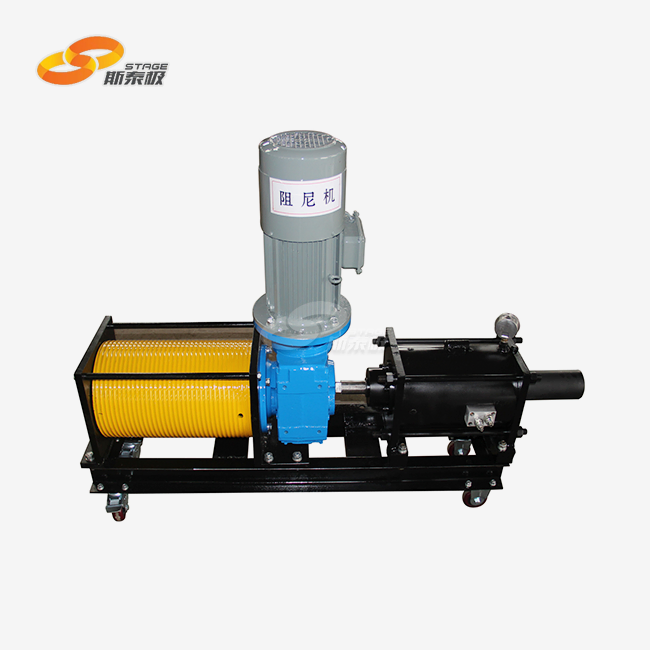
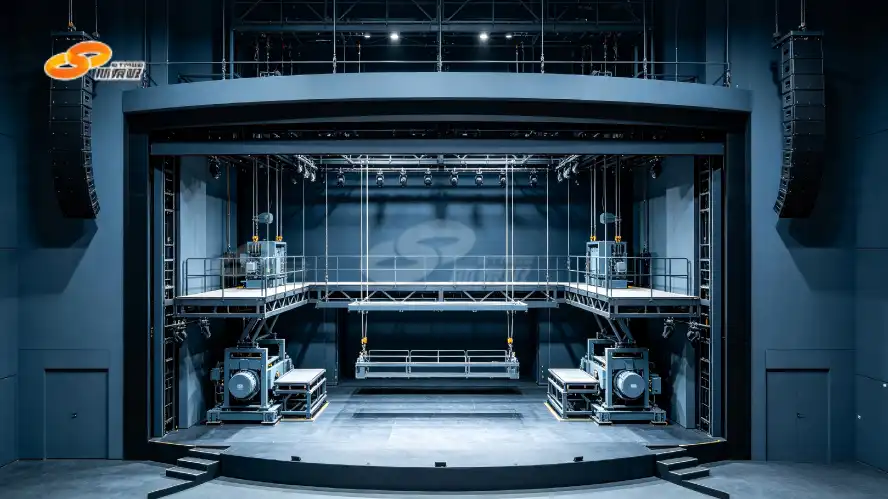
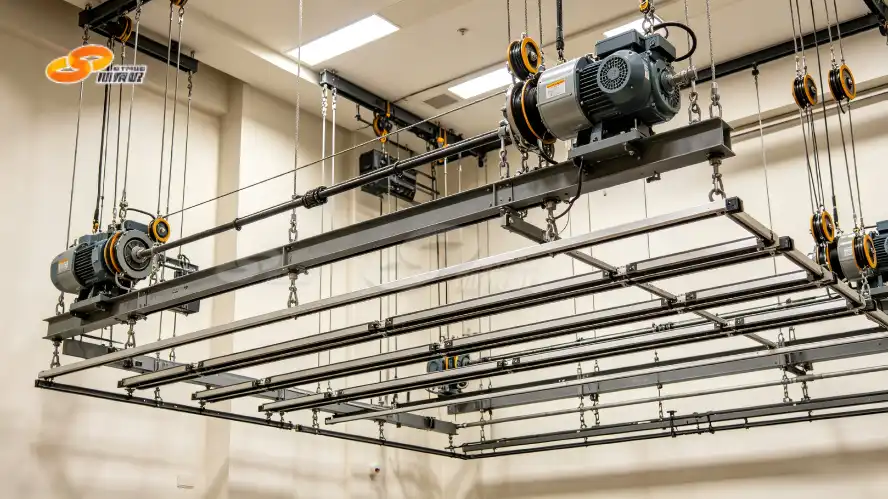
To provide good help, you must first understand the technical surroundings. Above the stage, there are lifts, hoists, lighting grids, trusses, and automatic control systems that move the curtains, scenery, and lighting gear. Motorized systems lift big loads precisely and safely from machine rooms or grid floors where these parts are used. Older manual methods have been replaced by complex technology in modern systems, which must be operated safely by people with special knowledge.
Core Components of Comprehensive Support
Good suppliers set themselves apart by offering different kinds of help for different stages of a process. Digital guides and video lessons make it easy to find information about how to do common tasks. Real-time troubleshooting through specialized hotlines makes sure that technology problems are fixed quickly. Adaptive training programs change the way they teach based on the amount of experience of the students, the type of setting, and the way the overstage machinery is set up. These different methods help clients keep their operations running at their best while also improving their own technology skills.
Support services have a direct effect on output and cut down on costly downtime. When stage techs know what their tools can and can't do, they can safely and quickly change scenes that are very complicated. Mechanical problems that happen during live shows can be avoided with the right repair instructions. This protects both the performers and the production schedule. With remote diagnostics, providers can quickly find problems and often fix them without having to go to the site, which cuts response times by a large amount.
Training Delivery Methods and Accessibility
These days, sellers use a variety of training methods to meet the needs of different learners and work restraints. With on-site training, techs can practice with real tools at the client's location, making sure they know how to use their specific system configurations. Virtual training classes are a cheaper option that can be useful for things like software changes or refresher lessons. Blended methods combine initial in-person lessons with ongoing internet support, which helps people remember what they've learned and keeps training costs low.
Businesses can choose providers that meet their working goals for upper stage machinery when they know what these services cover and how good they are. When buying something, you should think about more than just the specs and price. You should also think about how much and how easy it is to get continued help. Suppliers who want to keep their clients for a long time put money into strong training systems, keep their technical support teams with a lot of experience, and keep their service offers up to date with new technologies and best practices in the industry.
Evaluation of Overstage Machinery Suppliers' Training Programs
There are a few key differences between great providers and average ones that make training programs work. Operators can build muscle memory and trust with equipment controls through hands-on practice lessons. Safety protocol education stresses ways to lower risks, what to do in a case, and following industry standards. Software integration lessons make sure that workers can use automation features, program complicated movements, and fix problems with the control system on their own.
Customization and Scalability in Training Delivery
At Sh Stage, we know that training needs to be flexible enough to fit the needs of each client. Our method starts with pre-training tests that check how much people already know, figure out what the place needs, and set clear learning goals that are in line with practical goals. With this base, we can make training programs that deal with real problems our clients are having instead of just giving them general information.
Our training method blends academic background with a lot of hands-on experience. Before getting to work with real tools, technicians learn the technical principles behind how winches work, how to calculate loads, and how to stay safe. This method makes sure that workers know not only how to use systems but also why certain steps are important. This helps them make better decisions during complicated processes. Training usually lasts between three and five days, but it depends on how complicated the system is, how big the place is, and how many people need to be certified.
We change the training material based on the types of businesses and how they are set up. Theaters and other performing arts places get a lot of training on how to run quietly, how to control complicated routines precisely, and how to connect their music and lighting systems. Companies that put on events and give out equipment focus on quick setup, modular design, and safety rules for movement. Schools get training that focuses on safety supervision, making operation methods easier so that students can use them, and making repair plans that work with school calendars.
Comparative Analysis of Market Training Approaches
When you compare the market leaders, you can see that the level of training and delivery methods for overstage machinery are very different. Some sellers offer one- or two-day basic equipment orientations that only cover the most basic ways to use the equipment. Others offer full programs that last more than a week and include advanced training, preventative maintenance, and plans for what to do in an emergency. The difference shows how important it is to match the skills of the supplier with the needs of the business during the review part of procurement.
Training scale changes a lot from one provider to the next as well. Companies that run more than one venue or are growing need companies that can train a lot of workers regularly in a lot of different places. When suppliers have standard curriculums, qualified trainers, and written training tools, they can give the same high-quality lessons anywhere and at any time. This consistency is very helpful for system programmers and EPC contractors who are working on several projects at once and need to make sure that all of the setups meet the same safety and operating standards.
Technical Support and After-Sales Services from Overstage Machinery Suppliers
Technical support goes far beyond the original training. It includes ongoing maintenance, help with troubleshooting, software changes, and system upgrades that are necessary to keep machines running as long as possible. Comprehensive after-sales service sets providers who are truly dedicated to long-term client success apart from those whose main goal is to sell equipment.
Dedicated Support Infrastructure and Response Protocols
At Sh Stage, we have specific support teams that are set up by area and language skills to make sure that clients get help in the language they prefer and during the right time zone. Our customer service program includes emergency hotlines that are open 24 hours a day, seven days a week for problems that could stop live shows, services for planning planned maintenance, and proactive outreach to talk about ways to make the overstage machinery system work better. This multilayered method makes sure that clients always have access to the right lines of help for any emergency.
Our promise to you after the sale starts with the warranty support. With clearly defined coverage periods and claim processes, our extensive warranties protect clients against manufacturing flaws and early component failures. In addition to normal warranties, we also offer extended service plans that include regular checks, priority expert help, and lower prices on replacement parts. These proactive service plans help clients plan for predictable repair costs and make sure that equipment stays in great shape for as long as it is used.
Technological Innovation in Support Delivery
Technology improvements have completely changed help, making it easier to find problems faster and provide better service. IoT-connected sensors and control systems are used for remote diagnostics. They constantly check the performance of equipment and let our expert teams know about any problems before they become active. This method of predictive maintenance finds problems like worn parts, drifting calibration, or software bugs during planned breaks, not during important events.
With remote troubleshooting, our engineers can safely enter control systems to find problems, make changes to settings, and often fix issues without having to visit the site in person. This technology greatly shortens response times, especially for places that are far away or that are working on tight production plans when visits to the site are not possible. When actual help is needed, remote diagnostics let techs come with the right new parts and clear action plans, which cuts down on the time that the system is down.
Another important part of assistance is software changes and system upgrades. Manufacturers of control systems are always putting out changes that make them work better, fix security holes, and add new features. We keep track of these updates in a planned way and let clients know about new features, their benefits, and any changes to how things work. We also help with installation. This constant change makes sure that equipment stays up to date with industry standards and keeps working at its best years after it was first installed.
How to Select Overstage Machinery Suppliers with Reliable Training and Support?
When choosing providers for stage systems, you need to carefully consider more than just the price and specs of the equipment. The quality of the training, how quickly the supplier responds to problems, the ability to make changes, and the overall cost-effectiveness all affect how well a supplier relationship will work over the life of the overstage machinery throughout its lifecycle.
Key Evaluation Criteria for Procurement Decisions
First, people who work in procurement should look at how deep and flexible the training programs are. Request specific training courses that list the topics that will be covered, the length of the training, the hands-on parts, and the ways that you will be evaluated after the training. Evaluate whether suppliers offer training at your facility, at their manufacturing locations, or through virtual platforms. Find out if training can fit into your working plan and if there are refresher classes for when staff members leave.
To make a service responsive, you need to look at the support infrastructure and reaction procedures. Find out if providers have their own expert teams or if they hire outside companies to do their support work. Make it clear what kind of reaction time promises are in place for different levels of problem severity, separating emergency help during shows from routine maintenance questions. Find out what ways of contact are available, such as phone hotlines, email ticketing systems, and videoconferencing, and if help is available during the performance times at your place, which are usually in the evenings and on weekends.
Industry-Specific Customization Requirements
It's important for a supplier to be able to change training and support services to different operating situations so that integration goes smoothly. Convention and show halls with areas that can be used for different things need training that stresses system flexibility and quick reconfiguration. People who work in theme parks and entertainment centers need special training on how to combine stage equipment with digital elements and interactive attractions. Schools gain from teaching methods that work for people with different levels of experience and put an emphasis on safety rules for supervision.
Facility managers, technical directors, and consulting engineers are some of the people who need to make decisions about how well supply services meet output needs for overstage equipment. Create specific operational examples that show how you normally use the system, then check to see if the suggested training covers these situations well. Think about not only how providers will help with the initial installation, but also how they will help with future additions, technology connections, or changes to how things work as your venue's needs change.
Credential Verification and Reference Checking
Checking a supplier's qualifications through certifications, customer reviews, and case examples is still an important part of making sure a service is reliable and trustworthy. Safety approvals from around the world, like ISO 9001 for quality control and CE compliance for European markets, show that a product meets accepted standards. Being a part of an industry group shows that you are involved with your professional community and dedicated to following best practices.
Referrals from past clients are a great way to learn about real business experiences. Ask for connections for sites that are similar to yours in terms of size, purpose, and location. Ask exactly how well the training worked, how quickly the support team responded, and how the suppliers dealt with technology problems or challenges that came up out of the blue. These talks often show things about the quality of the service that weren't clear from the marketing materials or the first sales talks. This lowers the risks of buying and ensures the partnership's long-term success.
Conclusion
If you only look at technical specs and buy prices when choosing stage equipment suppliers, you might miss important factors that affect the long-term success of your business. Full training programs and quick technical help have a big effect on how reliable equipment is, how safe it is to use, and how much it costs to own everything. Leading providers know that their value offering goes far beyond just delivering gear. It also includes sharing knowledge, providing ongoing support, and working together as a team throughout the lifespan of the equipment. Organizations set themselves up for long-term operational success by putting training quality, service infrastructure, and customization skills at the top of their procurement evaluation lists. When you buy from providers who promise full support, you get less downtime, better safety, longer-lasting equipment, and operating trust that lets technical teams focus on providing great performances instead of fixing problems with the equipment.
FAQ
What types of training do overstage machinery suppliers typically provide?
Reliable providers offer full training that includes how to use the tools, safety rules, upkeep methods, and programming the control system. Training formats include on-site instruction at client facilities, sessions at manufacturing locations, and virtual training through video conferencing platforms. Most programs teach engineering concepts in a general way and then give students a lot of hands-on experience using real tools. The time needed depends on how complicated the system is and how experienced the user is. For simple systems, it can take two days, but for complex automated installs with built-in control platforms, it can take a week or more.
How long does typical operator training last for stage equipment systems?
Depending on the complexity of the equipment, the needs of the place, and the number of systems that need to be taught, operator training usually lasts between three and five days. For simple setups, learning how to use a winch and hoist may only take two to three days. On the other hand, learning how to use more complicated automatic systems with built-in lighting controls, rotating platforms, and precise placement features usually takes five to seven days. Training schedules can be changed to work with practical needs. For example, classes could be spread out over several weeks to avoid disrupting performance schedules too much, or they could be split up and taught by different staff shifts.
Can training services be customized for specific industries or venue types?
Quality providers make training very specific to industries, types of venues, and corporate frameworks. Theaters and opera places get special training that focuses on how to run quietly, precisely, and with artistic production elements in mind. When it comes to touring apps, event production companies focus on quick setup, modular design, and transportation safety. Schools need to find teaching methods that work for students with different levels of experience and improve the safety rules for supervising students. Convention halls need training that stresses how flexible and quick to change systems can be. This customization makes sure that training covers real-life operating situations instead of general processes. This makes it easier to learn and use what you've learned.
Partner with Sh Stage for Complete Training and Technical Support Solutions
Sh Stage offers training and support services that are especially built for demanding stage settings. These services combine manufacturer knowledge with a customer service system that is quick to respond. As a top maker of overstage machinery with factories in China and service networks around the world, we offer full operator training, technical support 24 hours a day, seven days a week, the ability to do remote diagnostics, and regular maintenance plans made to fit the needs of your venue. Our expert teams speak many languages and work directly with theaters, event companies, convention centers, and entertainment places all over the world to make sure that equipment is always working well and that operations run smoothly.
In addition to standard training, we tailor our lessons to your business, the layout of the place, and the level of experience of your staff, focusing on real-life operational situations rather than general processes. Our help after the sale includes a guarantee, planning for preventative maintenance, software changes, and quick troubleshooting that keeps downtime to a minimum during peak performance times. Contact our team at info@shstage.com to talk about your unique training needs, set up equipment demos, or learn more about how our full range of support services lower business risks and improve equipment performance and longevity.
References
1. Thompson, M. & Richards, L. (2021). Technical Training in Stage Operations: Best Practices for Equipment Suppliers. International Journal of Theater Technology, 45(3), 178-194.
2. Chen, W. (2022). After-Sales Service Models in Industrial Stage Equipment Manufacturing. Global Supply Chain Management Review, 18(2), 89-106.
3. Anderson, K. (2020). Safety Protocols and Operator Certification for Automated Stage Machinery. Stage Engineering and Safety Quarterly, 12(4), 245-267.
4. Patel, R. & Morrison, J. (2023). Remote Diagnostics and IoT Integration in Performance Venue Equipment Management. Entertainment Technology Journal, 29(1), 56-73.
5. Liu, Y. (2021). Evaluating Supplier Support Services in B2B Stage Equipment Procurement. Journal of Industrial Purchasing Management, 37(2), 112-131.
6. Davidson, S. (2022). Training Effectiveness and Knowledge Retention in Technical Theater Operations. Performance Venue Management Studies, 14(3), 201-218.

USER EVALUATE
Here is the customer's evaluation of us