



Theater and Stage Machinery System: Installations
Installations of theater and stage machinery systems are what make modern performance spaces work. They make it possible for scenes to flow smoothly between each other, visual effects to change quickly, and advanced production tools to be used. Stage machinery includes all the mechanical, electrical, and automation systems that are above, on, and below the stage floor. These systems include lifting platforms, rotating stages, rigging systems, and winch mechanisms that turn static performance spaces into flexible spaces that can safely and accurately support complex theatrical, concert, and event productions.
Understanding Theater and Stage Machinery Systems
When you walk into a world-class theater, you might not notice the complicated machines that are at work behind the scenes right away. Still, these methods are what make performances memorable; they let directors and production teams make moments that hold people's attention.
Core Components of Modern Stage Systems
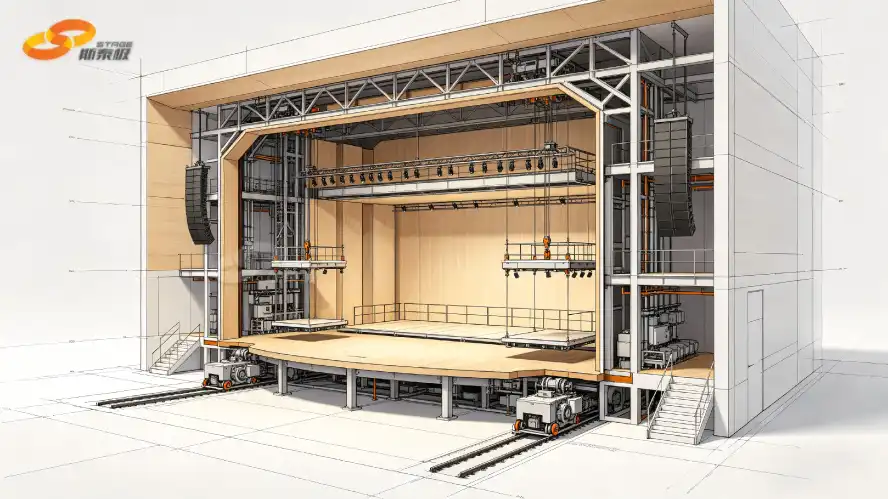
Stage machinery systems are made up of three separate zones, and each one has a specific job to do in the performance environment. Understage machinery works below the stage floor and can be up to eleven meters long in opera houses and three meters long in theaters. Moving scenery and actors from one level to another is made possible by lifting platforms, mobile stage carts, and turntables in this area. The stage floor has carefully engineered holes that let these parts fit together without any problems during shows.
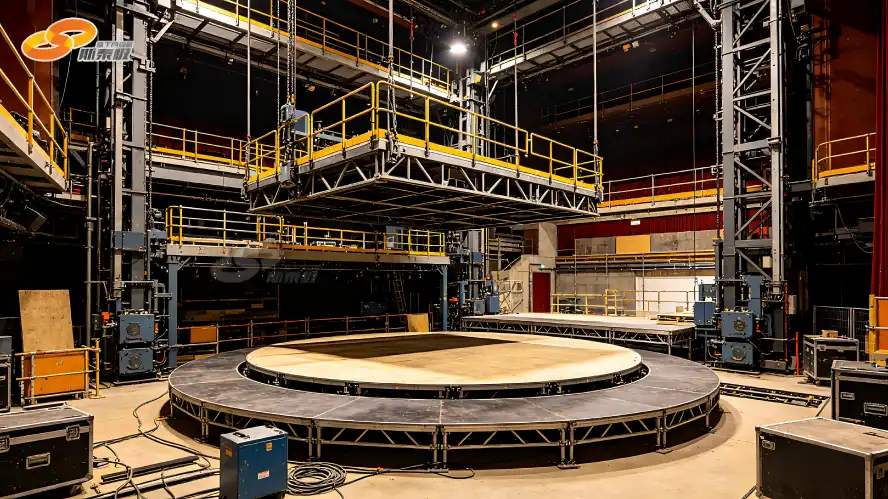
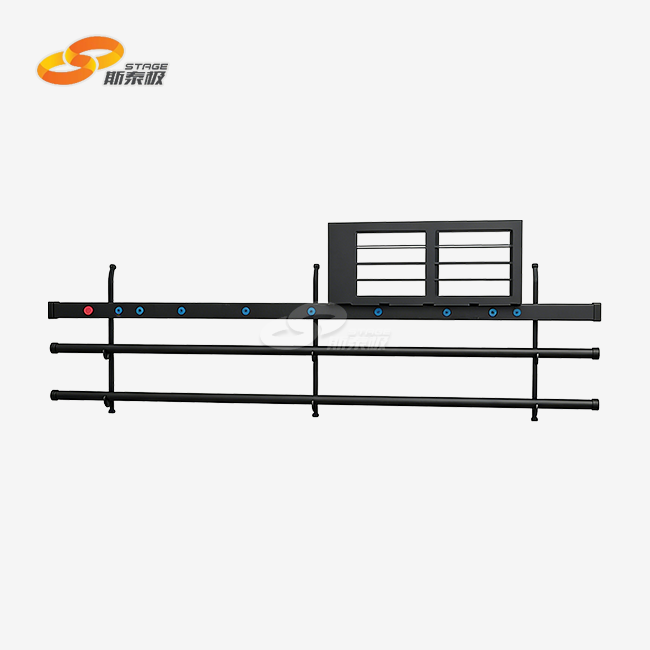
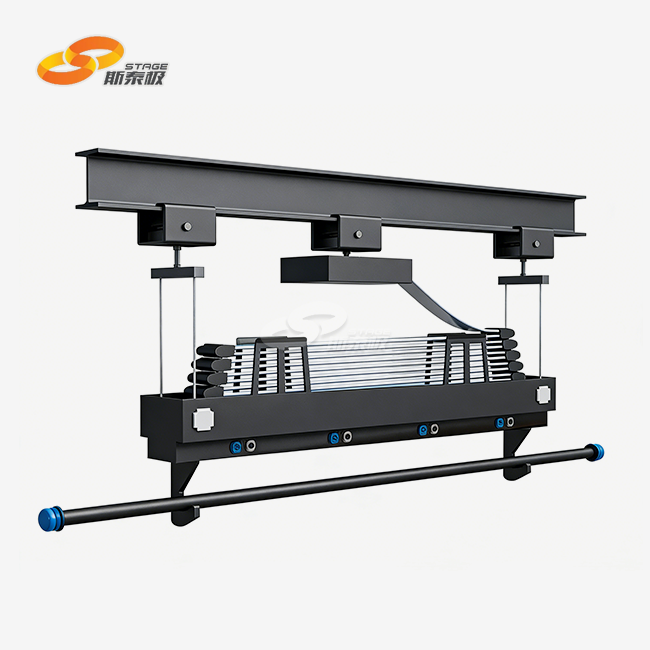
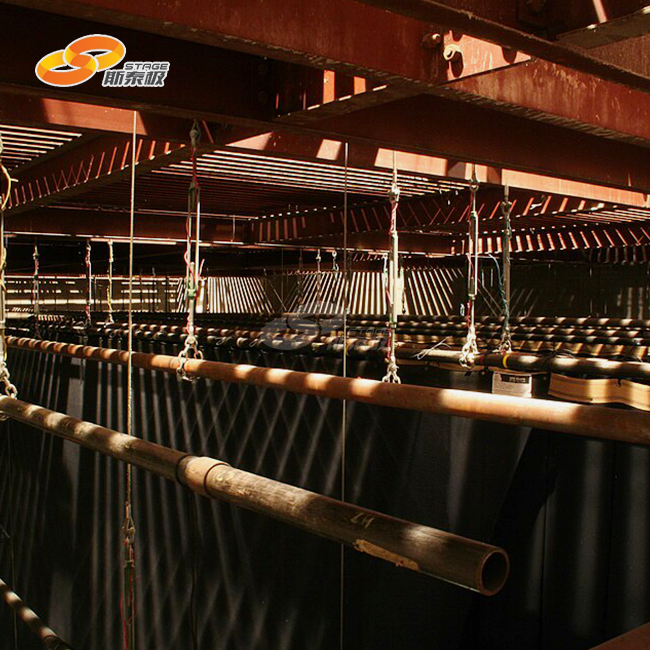
The fly tower space above the stage is used by overstage machinery that is often more than 20 meters tall. This area has winch systems that are as strong as 14-person lifts and can control about 50 fly bars in normal-sized settings. These systems control the curtains, lighting, set pieces, and special effects gear that hangs above the stage.
Stage engineering includes rigging systems, flying mechanisms, structural platforms, and computer controls. It combines artistic vision with careful mechanical design. Each part is carefully calibrated to make sure it works safely and reliably during live shows, where time and accuracy are very important.
Automation Technologies Enhancing Performance Capabilities
Modern technology has changed how performance spaces work. Computerized control systems can now handle many pieces of machinery at the same time, allowing for complex scene changes to be made with the touch of a button. With these technologies, the stage can be completely rearranged in all three dimensions—height, width, and depth—without any help from a person.
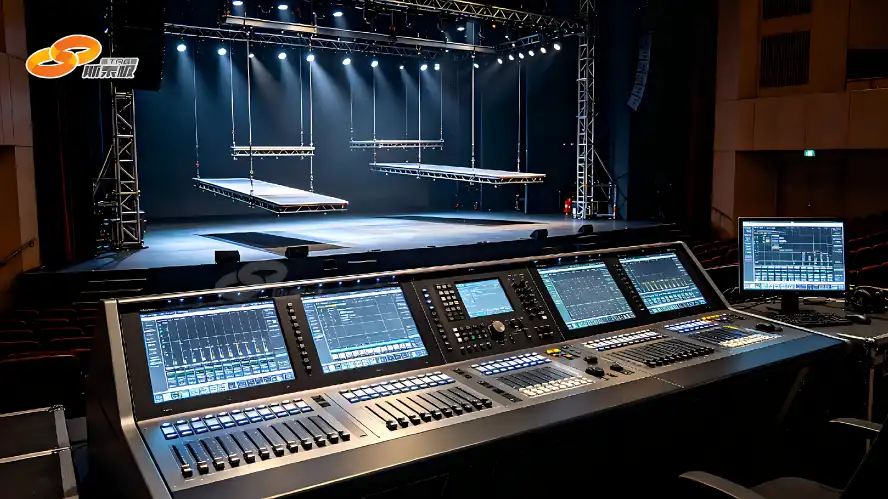
Automated platforms can rise from below the stage while scenery falls from above. This lets you make visual compositions with many layers that weren't possible with human systems. Operators can exactly change the rate of movement to match the dramatic pacing needed by directors thanks to variable-speed settings. These systems have safety sensors built in that stop operations right away if they sense an obstacle. This keeps artists and team members safe.
It's been our experience that places that use these tools run amazingly smoothly. A cultural center in the Midwest just put in mechanical stage lifts that cut the time it takes to change scenes from 15 minutes to less than three minutes. This lets them put on more big shows and makes the audience happier.
Operational Benefits for Venue Stakeholders
The benefits go beyond the technical aspects. The cost of labor has gone down for venue owners because automatic systems need fewer workers to make simple scene changes. Modern gear is great for schools because it lets students learn professional-level stagecraft without having to rig things by hand.
Venues with standard automation methods that make technical merging easier are valuable to touring production companies. Convention centers are great because they can quickly change the layout of rooms, so they can go from business meetings to fun events in hours instead of days.
Essential Installation Requirements and Design Principles
Installations that go well start long before the equipment gets to the site. The planning part is where you decide if your method will work well for decades or cause you a lot of trouble.
Pre-Installation Site Assessment Protocols
Each place has its own structure features that affect the choice of stage machinery and stage equipment and the way it is installed. We do full site studies that look at things like load-bearing abilities, ceiling heights, floor compositions, and the state of the current infrastructure. These tests find possible problems before they become expensive mistakes during installation.
Needs for space should be carefully thought through. Understage machinery needs a deep enough pit; not enough space limits the types of equipment that can be used and how well they can do their job. For overhead systems to work, the fly towers need to be tall enough to hold fully raised scenery without blocking the view. The electrical equipment needs to meet local code standards and provide enough power for motor-driven systems.
The acoustic qualities are looked at by our engineering team because machinery makes noise that can get in the way of acts. Specific parts with noise-reducing features are needed in places that want to be quiet, like opera houses and play centers. During the planning process, these issues are taken into account by choosing the right technologies that work with the venue's sound.
Material Selection and Engineering Standards
How long a part lasts has a direct effect on how much it costs to run and how safe it is. We choose steel metals that are made to withstand repeated stress cycles. This makes sure that platforms and support systems keep their structural integrity after thousands of operations. The lifting devices have extra safety features like backup stopping systems and emergency descent controls.
When figuring out load capacity, the highest weights that can be expected are added to large safety gaps. A platform that can hold 2,000 kilograms might only normally be able to hold 1,200 kilograms. This is because it has safety margins that allow it to handle unexpected loads without putting safety at risk. When choosing cables and cords, the same cautious rules apply: materials are tried beyond their working load limits.
All decisions about specifications are based on safety rules. Minimum performance standards are set by American standards like ANSI E1.4 for entertainment rigging and OSHA rules for job safety. European places use EN standards to make sure that machines are safe and meet CE marking requirements. You have to meet these standards because they are tried-and-true ways to keep everyone working with stage tools safe.
Aligning Design with Operational Goals
Knowing what your venue's main purposes are will help you set up the right systems. A university theater that shows educational shows needs features that are easy for students to learn quickly and that put safety and ease of use ahead of maximum speed. A touring music site needs strong equipment that can be set up and taken down every day. The equipment should be long-lasting and easy to maintain.
Modular designs make it easy to quickly change the layout of gathering halls that can be used for more than one thing. Theme parks need special automation to support interactive shows with exact timing between the actions of performers and mechanical parts. Each application has different goals that affect which parts are chosen, how complicated the control system is, and how it is installed.
Best Practices for Safe and Efficient Stage Machinery Installation
Whether high-tech stage machinery equipment works as well as it could or causes problems over and over again depends on how well it is installed.
Systematic Installation Procedures
The first step in installation is to prepare the structure and make sure that the fixing places can safely hold the expected loads. Lifting platforms are held in place by steel frames, which distribute forces across building structures based on engineering estimates. After that, the electrical infrastructure is set up, giving the designated lines the right amount of power and grounding.
The process of mechanical construction is methodical, and experts check each part before putting it all together. We follow written steps that keep us from making mistakes during assembly and guarantee quality at every stage. Cable placement gets extra attention—the right support stops wear and keeps paths clear for repair workers.
After the technical work is done, the control system is put in place. Technicians set up safety interlocks, program motion patterns, and set limit switches. During this phase, you need to be patient and careful, checking each function on its own before trying to combine them all.
Comprehensive Load Testing and Safety Validation
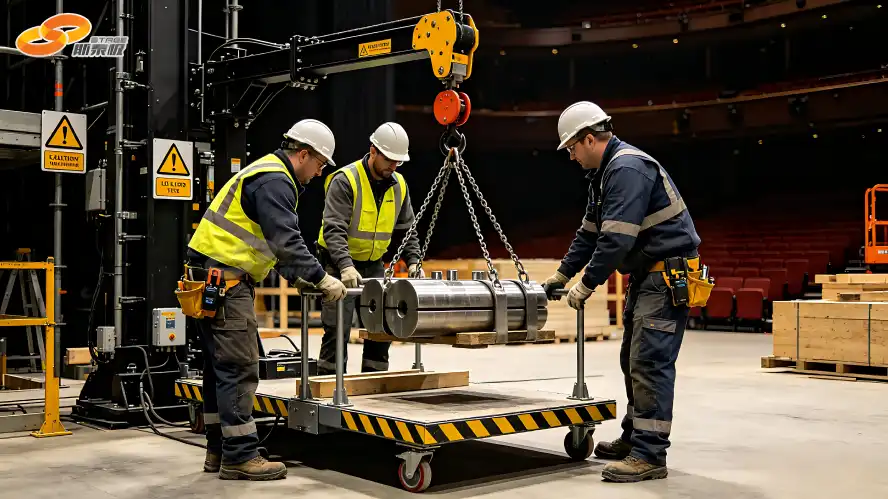
Before putting any machine into service, we try it under conditions that are far beyond what is normally expected. Test weights 25 percent above the stated capacity are put on platforms to make sure the structure is strong and the mechanical performance is good when under stress. Technicians check for odd sounds that could mean there are problems, measure movement, and keep an eye on the temperatures of the bearings.
Separate validations are done for safety systems. When emergency stop circuits are turned on, they must stop all motion right away. In both ways, limit switches must stop over-travel. Sensors that pick up on obstacles need to be checked across their whole range. Every test is written down so that we can show that we're following safety rules and use the records as a starting point for future maintenance.
Dynamic testing mimics real-life performance situations by regularly putting stage equipment systems through full motion cycles. This process shows problems that weren't obvious during static tests, like shaking, delays in control responses, or interactions between parts that need to be fixed. Before opening night, venues get methods that have been tested and shown to work.
Proactive Maintenance for Extended Service Life
Setting up maintenance routines right away after installation stops small problems from getting worse and leading to major fails. Visual checks every day find problems like broken wires, fluid leaks, and strange wear patterns right away, so they can be fixed right away. During weekly checks, the machine is oiled, its settings are confirmed, and it is put through operating tests to make sure it keeps working well.
Comprehensive inspections done once a year by trained techs look at parts that can't be reached during regular checks. Electrical contacts are cleaned and tested, structural links are torque-checked, and known problems are fixed in the control system software. These thorough checks find patterns of wear that mean parts are about to need to be replaced.
We give you thorough care instructions that are specific to your installation and include information like how often to check, lubricate, and adjust the equipment. By following these plans, you can protect your investment and keep up with the safety standards that are needed in professional performance settings.
Selecting Reliable Stage Machinery Suppliers and Services
Your supplier relationship extends far beyond the buying of tools. The right partner offers knowledge, help, and quick responses that guarantee project success.
Evaluating Manufacturer Capabilities and Track Record
Manufacturers that have been around for a while can show what they can do by showing finished projects, client references, and industry certifications. We judge sellers by the engineering tools they offer: do they have skilled mechanical and electrical engineers who can do custom design work? Their factories should meet quality standards that are known to be accurate, with testing systems that find problems before they are sent out.
Having access to technical help is very important. When problems happen during setups or productions, suppliers with language teams available 24 hours a day, seven days a week can give you peace of mind. The quality of the documentation shows how skilled the organization is; complete manuals, thorough drawings, and clear upkeep guidelines all point to professional operations.
Years of consistent success build a name in an industry. Partnerships that are solid have long-term relationships with big venues, repeat business from happy customers, and good recommendations from people in the field. We give more weight to suppliers who see installations as the start of long-term ties rather than as final deals.
Custom Solutions Versus Standard Equipment Offerings
Standard designs for tools have been shown to be reliable and lead to faster delivery times. Manufacturers keep popular parts in stock, which cuts down on lead times and makes it easier to repair parts in the future. Standardized designs are tested in the field for a long time, which gets rid of the unknowns that come with special engineering.
Custom solutions are made to fit the specific needs of each place that standard goods can't meet. Custom designs may be needed if the stage has odd measurements, needs to hold a certain amount of weight, or needs to work with other equipment. A lot of the time, theme parks and other places with special entertainment need custom technology that works with show elements in ways that standard goods can't.
The choice will depend on the details of your job. Standard equipment is cost-effective and reliable, which is good for venues with standard needs. Custom engineering investments that offer perfectly matched skills are worth making for projects with unique needs. Suppliers with a lot of experience can help you figure out which method will work best for you.
Comprehensive Service Models Supporting Long-Term Success
Manufacturers of equipment offer stage machinery installation services to make sure that the equipment is set up correctly and in line with the design specs. Technicians who have been trained by the manufacturer know about system details that local workers might miss. This cuts down on setup time and prevents problems during startup.
Event production businesses and sites with short-term needs can be flexible with rental agreements. Modern hire fleets have high-quality equipment that is kept up to strict standards. This lets people do professional work without having to buy expensive equipment.
With maintenance contracts, ongoing care is given to experts who know a lot about the product. Most of the time, these deals include regular checks, faster service calls, and lower prices on parts. These partnerships are especially helpful for venues that don't have their own technology staff because they make sure that systems keep working for as long as they're supposed to.
Conclusion
Installing theater and stage machinery requires careful planning, good tools, and skilled work to ensure reliable performance that supports the artistic vision of your place. Procurement professionals can make smart choices that balance business needs with budget facts when they know about system options, installation requirements, and suppliers' abilities. Investing in the right equipment pays off over many years of use, allowing shows that keep people interested and set your place apart in the entertainment market. Working with skilled makers who offer full support from the initial planning phase to long-term upkeep will make sure that your work meets safety standards and provides the operational excellence that modern productions require.
FAQ
What safety standards apply to stage machinery installations in the United States?
In the United States, sites must follow the ANSI E1 series guidelines for entertainment technology, as well as OSHA safety rules for the workplace and local building codes. Some specific standards that apply are ANSI E1.4 for driven hoist systems and ANSI E1.6 for human counterweight rigging systems. The right certificates should be on the equipment to show that it meets these standards.
How do I determine appropriate machinery capacity for my venue?
When you figure out a building's capacity, you should start by estimating its biggest loads, like full sets of scenery, groups of performers, or stacks of equipment. Then, you should add a lot of extra space just in case. Professional engineers should do a structure study to make sure that the building's parts can handle these loads. Capacity needs are affected by the size of the venue, the height of the roof, and the main types of events, concerts, theater, and opera. Talking to experienced sellers can help you match the specs of the tools you need with the needs of your business.
What advantages do automated systems offer compared to manual stage machinery?
Automated systems make moves that are consistent and repeated, which is hard to do by hand. This is very important for productions that need to be precise with their timing. They make crew members less physically demanding while allowing complicated effects on multiple axes. Computer control lets you design whole scene routines that can be run with the press of a button, which cuts down on transition times and labor costs. Safety features like obstacle recognition and emergency stops offer more safety than a manual system can. Long-term operating efficiency usually supports a bigger original investment for places that have a lot of productions.
Connect with Sh Stage for Professional Stage Machinery Solutions
Sh Stage has been providing complete stage machinery setups to performance places all over the world for more than ten years. Since we are the maker, we don't have to go through any middlemen. This lets us offer reasonable prices on high-quality lifting systems, rigging equipment, spinning platforms, and automation controls that are built to meet international safety standards. Our multilingual expert team is available 24 hours a day, seven days a week to help you with your project at all stages, from the initial meeting and custom design to installation, commissioning, and ongoing upkeep. Our custom solutions are made to fit your needs and your budget, whether you run a university theater, a meeting center, or a touring production business. Contact our team at info@shstage.com to talk about your project with seasoned stage machinery providers who comprehend the nuances of contemporary performance spaces and provide dependable systems that improve each show.
References
1. Baxter, Michael R. "Theatrical Engineering and Stage Machinery Design: Principles and Practice." Theatre Technology Press, 2019.
2. Henderson, Laura and Kowalski, David. "Safety Standards for Entertainment Rigging Systems in North American Venues." Journal of Performance Technology and Safety, Vol. 12, No. 3, 2021, pp. 145-168.
3. Gillette, J. Michael. "Theatrical Design and Production: An Introduction to Scene Design and Construction." McGraw-Hill Education, 2020.
4. International Alliance of Theatrical Stage Employees. "Stage Machinery Installation and Maintenance Guidelines for Professional Venues." Technical Standards Publication, 2022.
5. Richardson, Sarah J. "Automated Stage Systems: Technology Integration in Modern Performance Spaces." Entertainment Design and Technology Journal, Vol. 8, No. 2, 2020, pp. 78-95.
6. Wagner, Thomas and Liu, Jennifer. "Comparative Analysis of Hydraulic and Electric Stage Lift Systems in Cultural Facilities." Building Systems Engineering Research and Technology, Vol. 43, No. 4, 2022, pp. 412-429.

USER EVALUATE
Here is the customer's evaluation of us