




How to Choose Understage Machinery for Heavy Load Stage Platforms?
If you want to buy the right understage machinery for heavy load stage platforms, you need to carefully look at its load capacity, safety approvals, structure compatibility, and how well it works. The equipment under your stage floor needs to be able to safely hold heavy things and allow for smooth, precise movements during shows. If you're setting up a national theater, a traveling show, or a space that can be used for more than one thing, make sure that the equipment you choose meets international safety standards like CE and ISO certifications. This will protect the performers and make sure that the space works well for a long time. When making your choice, you should think about both the current needs of the project and the long-term needs of the product, such as how easy it is to maintain, how much energy it uses, and how well the provider can help you.
Understanding Understage Machinery for Heavy Load Stage Platforms
What Is Understage Machinery?
Understage machinery refers to the mechanical systems that are set up below the stage floor and move platforms, scenery, players, and whole sets vertically or rotationally to make scene changes and special effects happen. Depending on the setting, these systems usually go three to eleven meters below the stage's surface. In opera houses, the depth often goes to greater lengths to make room for more complicated set changes. In smaller theaters, on the other hand, the depth stays more compact. With the push of a button, the machinery changes the whole stage, so directors can surprise the audience with quick appearances, disappearances, and staging on more than one level, which would not be possible with static platforms.
Core Components of Heavy Load Systems
Heavy load understage machinery has precise lift mechanisms with additional safety features, powerful motors that can lift weights equal to fourteen-person elevators, and cutting-edge control units that can sync up multiple platforms at once. The drive systems use either hydraulic or electrical technology. Depending on the load needs and frequency of operation, each has its own benefits. For pulling very big things smoothly and powerfully, hydraulic systems are the best. For frequent moves, electromechanical systems are better because they can place things precisely and use less energy. Position sensors, emergency stop circuits, and programmable logic controllers are all built into the control architecture. These controllers handle complicated planned routines during live shows.
Common Types for Heavy Load Applications
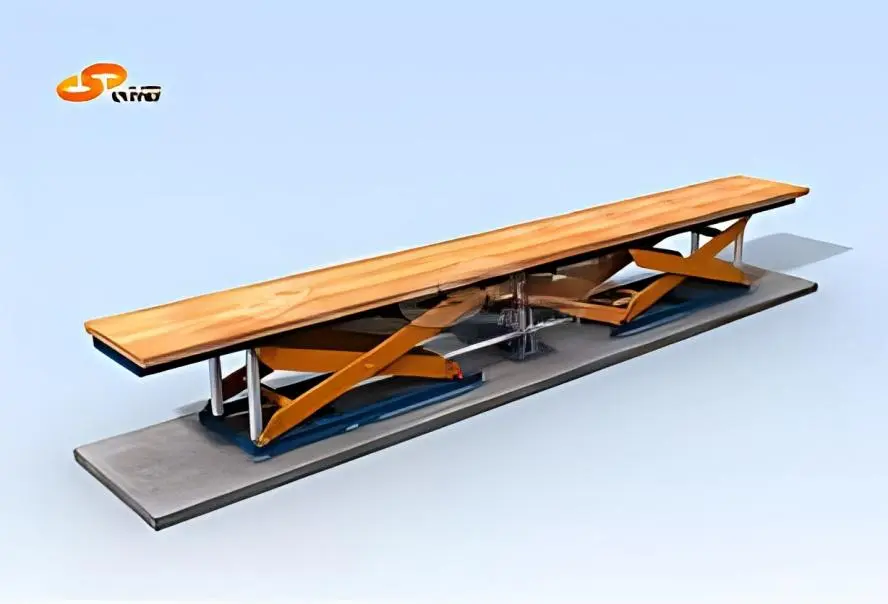
Stage lifts are the most basic type. They allow platforms of all sizes to move vertically, from small trap doors to whole parts of stages that are dozens of square meters in size. Depending on how they were built, these lifts can carry anywhere from a few hundred kilograms to over ten tons. Revolving stages enable platform parts to be rotated in a circle, which makes scene changes look smooth without any obvious crew involvement. When revolving stages are paired with lifts, they offer three-dimensional production options that add depth to stories. Orchestra pit lifts can turn pit areas into seats for the crowd or extend the performance space forward, making the venue more adaptable for a range of productions. Wagon systems use moving platforms that slide horizontally under the stage. This makes it easy to move set pieces quickly from one scene to the next.
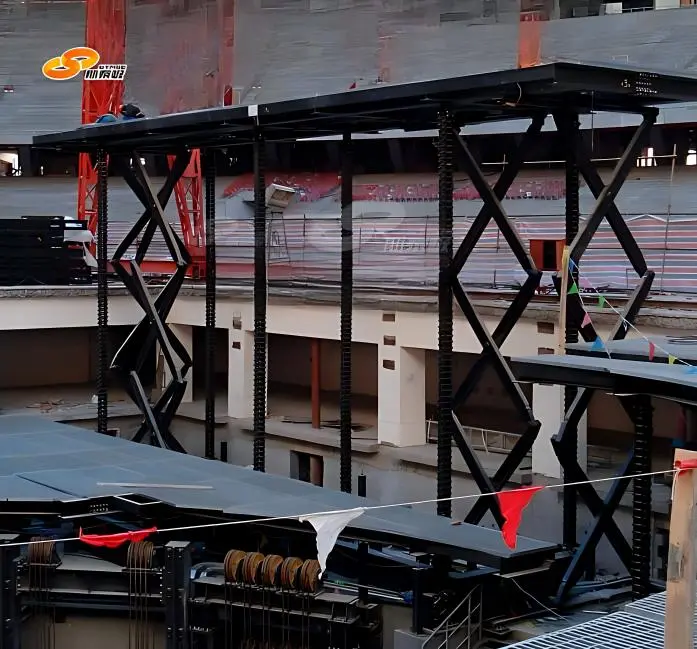
These different kinds of machinery and understage equipment meet the different needs of entertainment places, event production facilities, and specialized performance spaces. They give technical leaders creative tools that open up new artistic possibilities while keeping operations safe.
Essential Criteria to Evaluate When Choosing Understage Machinery
Load Capacity and Structural Compatibility
To find your highest load capacity, add the weight of the stage, the scenery, the performers, and the props, plus at least 25% more than the expected peak loads. A common mistake is to underestimate how much weight is on the platform when many actors, big costumes, and scenery pieces are on it at the same time. The size of the platform directly affects the structure needs—bigger surface areas need stronger support systems and more lift points to keep them from bending or moving unevenly. Structural compatibility is more than just the machinery itself. It also includes the building's base capacity, how the floors are put together, and how they connect to the stage's current infrastructure. When venues are in old buildings, the foundations may not be able to hold as much weight, which means that different machinery setups or structure reinforcement before installation are needed.
Safety Standards and Certifications
International standards, such as the CE mark and ISO approvals, give manufacturers a basic way to prove that their machines meet safety standards. In addition to basic safety features, you should also look at built-in emergency stop systems that can be accessed from multiple positions, overload sensors that stop too much weight from damaging equipment, descent velocity governors that keep the speed from dropping even when the power goes out, and physical barrier systems that keep people from getting on or off the platform while it's moving. When compared to industrial lifting equipment, theater and performance equipment is put through different pressures. It has to deal with quick stops, frequent direction changes, and working in dark places, which means it needs more safety measures. Third-party testing results, load testing certificates, and upkeep methods that help with ongoing compliance verification should all be included in the documentation.
Energy Efficiency and Environmental Impact
Hydraulic and electrical drive systems use a lot of different amounts of energy. During normal usage, electric drives usually use 30 to 40 percent less energy. For hydraulic devices to keep the pressure up, the pump has to run all the time, but electric drives only use power when they're moving. In modern electric systems, regenerative braking technology collects energy while moving downhill, which further lowers energy use. Noise levels are another environmental factor to think about. Operating in a silent or nearly silent manner keeps the crowd involved during shows and keeps operators from getting tired. Check how much power is being used in sleep mode, since machinery control systems often stay on all the time, even when platforms aren't moving.
Maintenance Requirements and Support
When under stage machinery is placed under stage floors, it's hard to keep it in good shape because there isn't much room to work. Designs that put useful parts close to entry points and include monitoring systems that find problems before they happen should be given the most attention. Service schedules should match up with the working calendars of the venue so that repair can be done when the venue isn't being used, without messing up performance plans. The warranty should cover more than just replacing parts. It should also cover work costs, emergency service, and temporary tools if repairs take a long time. Make sure everyone knows what to expect when it comes to the supply of spare parts, especially for custom parts that can't be found at regular industry sources. Suppliers with established service networks in your area can respond faster and charge less for travel than makers far away who need to send technicians to work in your area.
How to Match Understage Machinery Solutions to Your Procurement Needs?
Aligning Specifications with Industry Requirements
Theaters and other performing arts places put a high value on precise control to make sure that moves are in sync during live performances, silent operation so that it doesn't bother the audience, and advanced programming features for changing scenes quickly and easily. For complex productions, national theaters and opera houses usually need the most modern tools that can be customized in a lot of ways. Event production and rental companies need modular equipment that can be put together and taken down quickly. They also need designs that are easy to carry and can handle being loaded and unloaded many times. Finally, they need strong construction that can handle the different conditions at different sites. Convention and show centers like features like quick reconfiguration that can change the layout of places for different types of events, easy-to-use controls that even new workers can quickly learn, and flexible platform arrangements that can fit a variety of booth layouts and presentation forms. Cost is weighed against the need for safety and the benefit of the training. As a result, schools often choose control systems that are easy for students to use properly while they learn technical theater skills. Theme parks and entertainment centers need highly customized systems that include show control, special effects, and multimedia features. This means that suppliers need to be able to do a lot more engineering than just sell standard products.

Customization Options and Bulk Procurement
Customization usually involves changing the size of the platform, its ability to hold more weight than the normal rating, integrating it with other control systems, making it look better to fit the venue's design, and making changes to the soundproofing so that it can run quietly. There are big differences between suppliers in how ready and able they are to meet specific needs. Some companies stick to strict product lines with little change, while others offer a wide range of tech services to create custom solutions. Customization should start early in the project planning process because big changes can make it take several months longer to make than standard goods. When you buy in bulk for projects that take place in more than one place or in big buildings with lots of lift positions, you can get better prices and make sure that all of your installations are the same. When you commit to buying ten or more units, you usually get a discount, but the exact levels range from maker to manufacturer. Think about making master agreements that set prices and details for both the first orders and future phases of growth. This will protect your budget assumptions while still allowing for flexible execution in stages.
Supplier Selection and Partnership Criteria
Working directly with approved makers instead of middlemen gives you direct access to engineering experts, gets rid of markup layers that raise costs, and makes sure that you use original factory parts during upkeep. If the size of the project allows it, check the manufacturer's qualifications by visiting the plant or having a third party do an audit. A strong infrastructure for after-sales support should include technical helplines that are easy to reach, spare parts warehouses that are conveniently located in the area, trained service techs who aren't too far away, and training programs for venue staff. For international projects, being able to export is very important because experienced providers can easily handle customs paperwork, shipping processes, and differences in international safety standards. When choosing suppliers for long-term partnerships, it's important to look at how stable their finances are, because when a company goes out of business, venues may not have access to tools or expert help for their own systems. Before choosing a provider, make sure you get a thorough service level agreement that spells out response times, guarantees for parts availability, and ways to get things taken to the next level.
Conclusion
Choosing the right understage machinery for under your stage floor is a big investment that will affect how the venue works for years to come. Before making a choice, it's important to carefully consider the load requirements, safety rules, working needs, and the supplier's abilities to make sure the equipment works reliably for its entire time. When choosing tools for a famous opera house, a touring show, or a place that can be used for many things, it's best to go with tried-and-true technologies from reputable companies that offer full support. It's better for the long term to weigh the original costs against the total lifespan costs, which include things like energy use, upkeep needs, and operating freedom, rather than just choosing the cheapest buy price.
FAQ
What factors most significantly impact machinery pricing?
The main thing that affects cost is the amount of weight that the understage machinery can hold. Heavier systems need stronger structure parts, more powerful drive systems, and more safety features. A lift that can hold five tons costs a lot more than one that can hold two tons, even if the base sizes are the same. Customization adds costs that are related to how complicated the changes are. For example, small changes to dimensions add only a small amount of money, but full custom engineering for unique uses can double the base price. Costs vary a lot depending on how complex the control system is. Simple up/down controls are the least expensive, while fully customizable systems with position memory and synced multi-platform control cost the most. Unit prices are affected by the number of units bought, as there are bulk discounts and lower setup costs for making many of the same unit.
How frequently does machinery require professional maintenance?
How often something needs maintenance varies on how often it is used and where it is used, but general rules can help you set up the right plans. The staff at the place does daily operating checks that only take minutes and find problems right away. Inspections done once a week by trained workers find problems as they arise before they become major problems. Professional repair should be done on all highly used equipment every three months in places where shows happen every day, every six months for moderately used equipment, and at least once a year for systems that aren't used very often. Equipment that is used in dusty or temperature-changing areas needs to be serviced more often than equipment that is used in climate-controlled theaters. Set up maintenance plans based on what the maker says and what you've learned from using the machine. Change how often you do the maintenance if inspections show that wear patterns are changing quickly.
Can suppliers adapt machinery for non-standard platform shapes?
Experienced suppliers can usually make custom platform setups, but the level of physical complexity affects whether it's possible and how much it costs. Standard options with well-known engineering include rectangular and circular bases. For irregular forms to get the right support and keep them from bending when they move, they need a unique structural study. Complex control systems and structure design are needed for multi-level platforms that move as a single unit. Starting with thorough dimensional drawings and load distribution estimates, the customizing process moves on to engineering review and structure analysis, and ends with custom fabrication. For complex special projects, lead times are much longer. It can take six to twelve months from the time the specifications are finalized until the system is delivered, compared to eight to sixteen weeks for standard goods.
Partner with Sh Stage for Reliable Stage Lifting Solutions
Sh Stage sells professional-grade stage lifting tools to places all over the world, along with full engineering support and reliable service after the sale. We offer cost-effective options that don't lower safety or performance standards because we are a well-known company that makes understage machinery and has combined production facilities and quality control systems. Our skilled professionals work closely with theaters, event production companies, convention centers, and entertainment venues to create unique systems that meet your exact operating needs and budget limits. We strictly follow international safety standards and back up our installations with quick technical help, easily available parts, and training programs for operators. Contact our engineering team at info@shstage.com to talk about your project needs and find out how our stage machinery solutions can improve the capabilities of your venue in a way that is accurate, dependable, and long-lasting.
References
1. Technical Standards for Theatre Stage Machinery: Safety and Performance Requirements (International Organization for Standardization, 2021)
2. Anderson, James R. Stage Machinery: Design, Construction, and Operations for Modern Performance Venues (Focal Press, 2019)
3. European Federation of Professional Stage Rigging and Technical Services, Best Practices for Heavy Load Stage Platform Systems (EFPSTS Publications, 2020)
4. Chen, Wei and Martinez, Carlos. "Comparative Analysis of Hydraulic versus Electromechanical Drive Systems in Theatre Stage Applications," Journal of Entertainment Technology, Vol. 15, No. 3 (2022)
5. National Association of Theatre Owners Technical Committee, Guidelines for Stage Machinery Maintenance and Inspection Protocols (NATO Technical Standards, 2023)
6. Reynolds, Patricia. Modern Stage Technology: Integration of Mechanical Systems and Performance Design (Routledge Theatre Studies, 2020)

USER EVALUATE
Here is the customer's evaluation of us
YOU MAY LIKE
 VIEW MOREStage Single-Layer Winding Boom Lifting
 VIEW MOREStage Pilewind Stage Winch
 VIEW MOREStage Multi-Layer Winding Boom Lifting
 VIEW MOREStage Rigging Hoist
 VIEW MORESingle Point Stage Winch
 VIEW MOREMotorized Automatic Stage Curtain Machine
 VIEW MOREFire Curtain Release System
 VIEW MOREMotorized Curtain Track For Stage
 VIEW MORESingle-Layer Drum Stage Winch
 VIEW MORETelescopic Stage
 VIEW MOREMotorized Aluminium Curtain Track For Stage
 VIEW MOREPilewind Stage Winch for Stage
 VIEW MOREStage Multi-Layer Winding Boom Machine
 VIEW MORESingle-Layer Stage Winch
 VIEW MOREStage Single-Layer Winding Boom Machine