



Must-Have Stage Equipment for a Successful Performance
The quality and sophistication of the stage machinery behind the scenes can often make the difference between a mediocre show and an amazing experience when planning a professional performance, whether in a large opera house or a small theater setting. Today's performance halls depend on carefully designed systems that combine lighting, sound, scenery, and technology in a way that looks natural and holds the audience's attention. With the right mix of understage lifts, overstage support systems, control platforms, and safety gear, artists can make their visions come to life while also making sure that performers are safe and that the show runs smoothly.
Understanding Essential Stage Machinery Components
An important part of any performance space is the mechanical and automated systems that work hard behind the scenes. These high-tech parts work together to make a network that makes scene changes, lighting effects, and safe performer moving possible throughout shows.
Manual vs. Hydraulic vs. Automated Systems
Today, performance places can choose from three main types of equipment based on their income and practical needs. Smaller venues and schools can save money by using manual systems, which need to be operated by a person but provide safe basic functions. Hydraulic systems are great for big shows and heavy scenery changes because they can lift heavy things and run smoothly. Automated systems are the most advanced stage machinery because they can move precisely with the help of a computer, follow pre-programmed routines, and work with lighting and sound systems.
Automated systems work especially well in professional stages and traveling shows where timing is very important. These tools can carry out complicated, planned moves while performers focus on other important parts of the show. For example, the Lincoln Center in New York uses fully computerized systems that can organize many parts of the scenery at the same time, making for breathtaking visual experiences.
Key Mechanical and Electronic Components
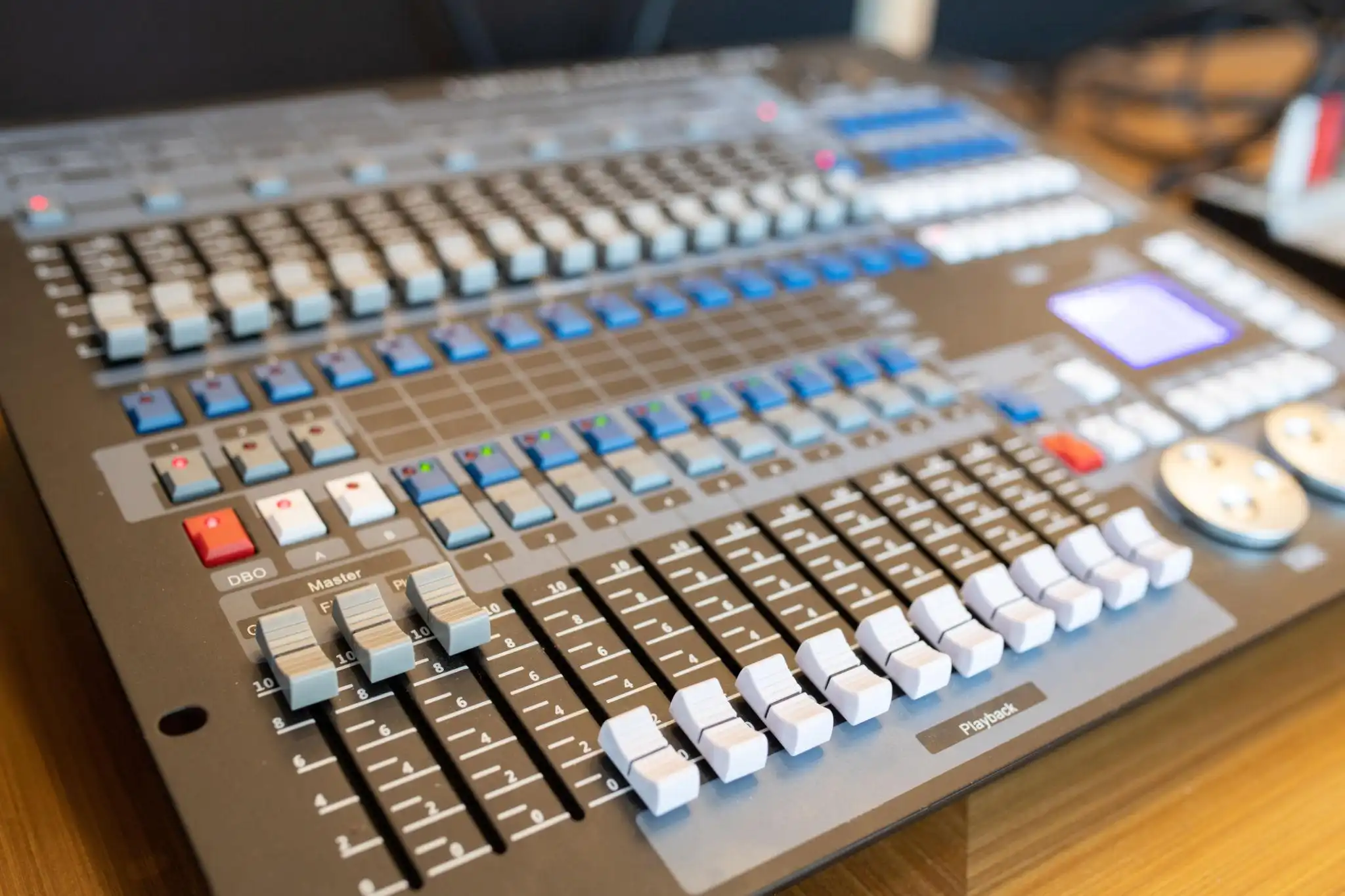
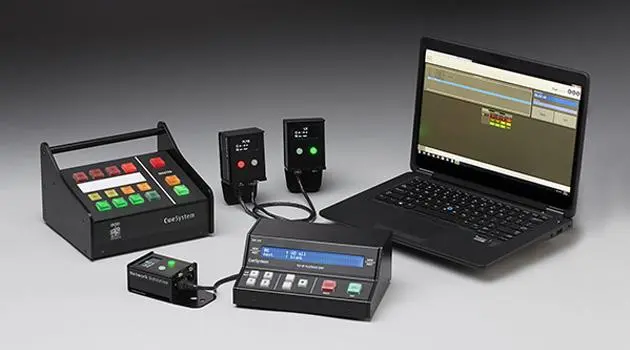
Several important parts work together to make up the heart of current stage equipment. The machines are moved by motors, which can be small electric units for light-duty tasks or strong hydraulic motors that can lift whole orchestra pits. The command center is the control panel, which has an easy-to-use interface that lets operators handle multiple systems at once while keeping an eye on real-time safety factors.
The safety features are probably the most important parts of any system. Back-up power sources, emergency stop systems, and load tracking sensors make sure that all technology always works safely. Modern setups also have complex feedback systems that keep an eye on the state of the equipment all the time and let workers know about any problems before they become safety issues.
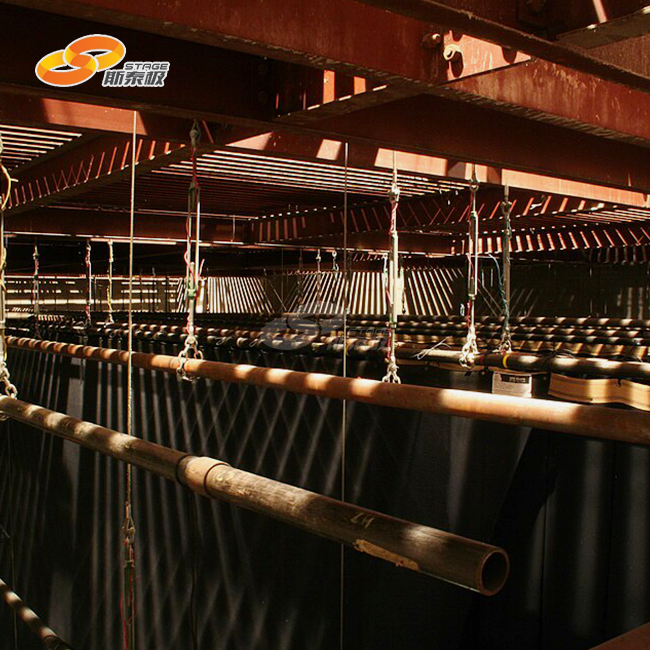
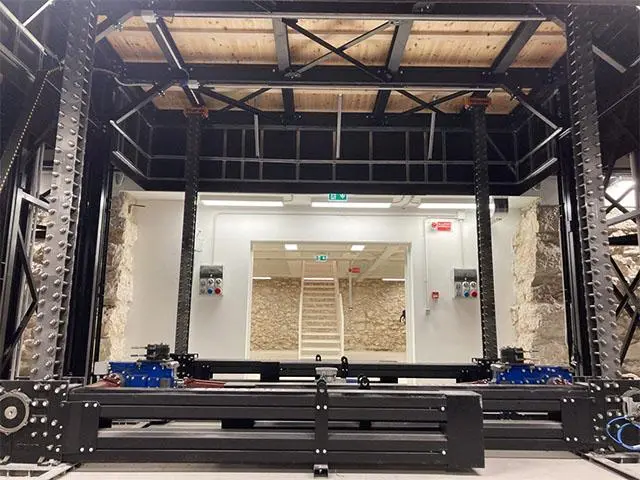
To withstand the shifting loads that happen during shows, structural parts like steel frames, guide rails, and mounting systems have to meet strict engineering standards. These parts go through a lot of testing and approval to make sure they can safely handle both planned activities and emergencies.
Benefits of Automation in Stage Operations
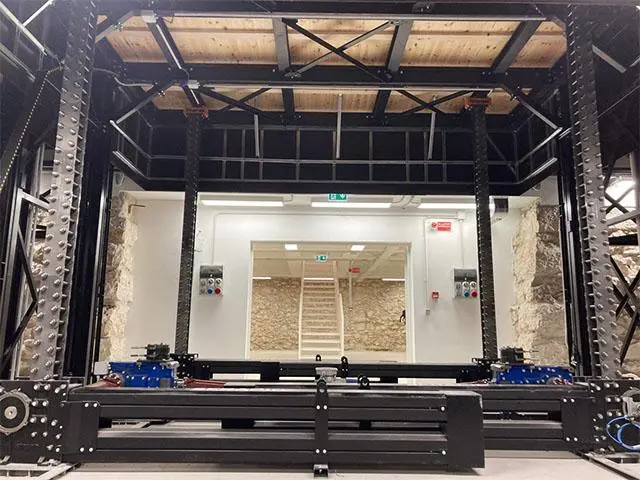
Automation changes the kinds of tasks that stage machinery can be done and makes them safer and more efficient. Precision control lets moves be repeated within millimeter errors, which makes sure that set pieces are always in the same place for each show. Because of this, directors can plan complicated routines that would not be possible with just manual action.
Operational efficiency gains are most noticeable in places where shows happen often or where changes need to happen quickly. Thanks to advanced automation that saves and remembers exact location data for hundreds of scenic elements, the Metropolitan Opera House can change its stage between shows in hours instead of days. In the long run, this ability directly leads to more money coming in and lower worker costs.
Comparison of Stage Machinery Types and Solutions
To choose the right tools, you need to carefully consider the different types of systems and how they work best in different situations. When buying teams know these differences, they can make choices that meet both present needs and plans for growth in the future.
Manual Systems: Cost-Effectiveness and Simplicity
There are still a lot of places where performances happen where manual methods are very useful. This is especially true for places with small funds or low usage rates. People have to use winches, pulleys, and other mechanical advantage systems to move tools and scenery with these systems. Manual methods have many great benefits, even though they require more work during shows.
Maintenance needs are still low compared to automatic options because there are fewer computer parts that can break or need special service. Manual methods are often preferred by educational institutions because they allow students to learn by doing and keep operating costs low. Because it is less complicated, the venue staff can do most of the repair work themselves, without having to hire expert technicians.
Hydraulic vs. Electric Systems Analysis
Choosing between hydraulic and electric power systems has a big effect on how they work and how much they cost in the long run. When a lot of weight needs to be lifted and the system needs to work smoothly, hydraulic systems are the best choice. They have great speed control and can stay in exact places even when the power goes out, which makes them perfect for high-stakes safety uses like orchestra pit lifts.
However, electric systems have become very common because they are better for the earth and easier to use. Electric motors are quieter than hydraulic pumps, which is important in places where noise during shows needs to be kept to a minimum. Electric systems usually use less energy and require less upkeep because they don't need to handle hydraulic fluid or worry about leaks.
Modern electric systems also work better with digital control networks, which lets them have more advanced features like tracking from afar, repair alerts based on what the system thinks it will need, and better energy use. For venues that place a high priority on sustainability and operating intelligence, these features make electric stage machinery more alluring.
Venue-Specific Selection Criteria
Because each type of venue has its own special needs, it needs tools with certain features. Large opera houses and theaters usually need systems that can move huge sets and lift them, with lifting powers measured in tons and movements planned across multiple levels at the same time. Fully integrated computer systems that can store and play back complicated patterns are helpful in these places.
When it comes to modular systems that can be quickly changed between shows, concert halls and touring sites like systems that can be set up and taken down quickly. Many of the time, these venues buy portable equipment that goes on tour with traveling shows. They also keep the infrastructure at the venue in good shape for resident plays.
For convention centers and exhibition halls to be as flexible as possible, they need tools that can quickly change the area from a flat display floor to a tiered auditorium. Most of the time, these places choose systems that can be easily reconfigured and have tools that casual staff can use with little training.
Procurement Guide: How to Choose and Buy Stage Machinery
Getting the right tools takes a methodical process that balances technical needs, price limits, and long-term operational goals. This process starts a long time before the seller is contacted and goes on through the installation and commissioning stages.
Defining Technical Specifications and Performance Requirements
Understanding and writing down practical needs is the first step to successful buying. Everyone with a stake in the matter should be involved in this process, such as facility managers, safety directors, and production staff, to make sure that the equipment chosen meets both present and expected future needs.
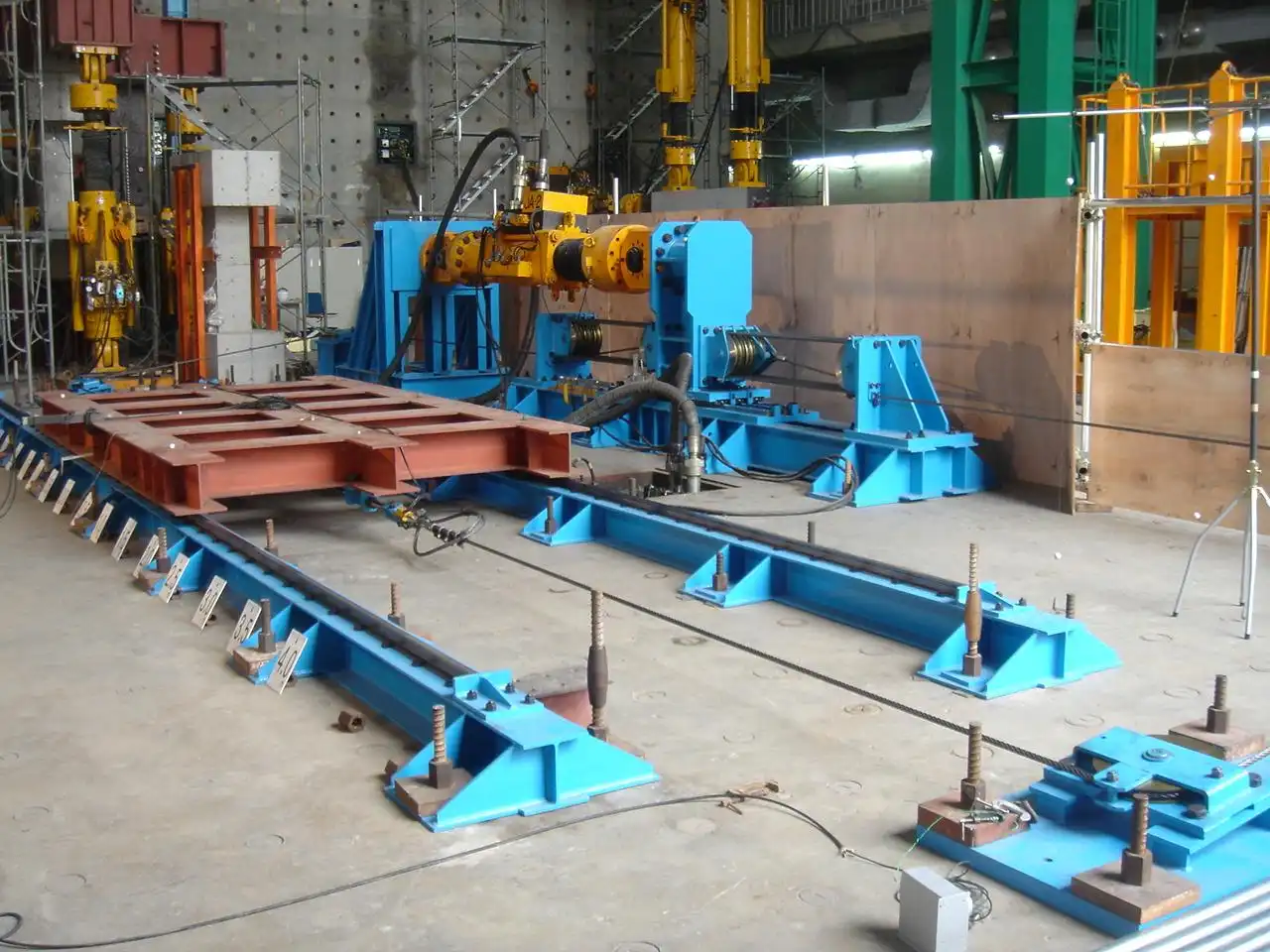
When figuring out load needs, it's important to think about both the weight of the scenery and the forces that are created when it moves. For safety reasons, equipment usually needs to be rated for loads that are much higher than what it will actually be used for. For example, the repair project for the Sydney Opera House called for equipment that could handle 150% of the expected loads. This was done to ensure long-term safety gaps.
Different types of venues and production styles have very different needs when it comes to speed and placing. In ballet and opera, dancers may need to move slowly and gracefully to keep up the image, while at rock shows, scene changes may need to happen quickly between songs. Both needs can be met by modern control systems in the same location, but procurement teams need to be very clear about these skills when they are choosing the systems.
Supplier Evaluation and Partnership Considerations
Choosing the right stage machinery provider relationship affects the long-term success of your business in ways that go far beyond the cost of the tools itself. Established makers with a history of similar setups can offer useful experience and technical support that can help you avoid mistakes that cost a lot of money during the design and installation stages.
Warranty terms and after-sales service should be carefully looked over, especially for places that are hard to reach or don't have a lot of expert staff. A full service agreement should include more than just fixing broken technology. It should also include routine upkeep, software updates, and how to handle an emergency. Many places have found that the total cost of ownership is lower over time when they buy equipment from sellers with good service networks, even if the equipment costs a little more at first.
Being able to provide technical help is very important during both installation and continuing use. Suppliers should give venue staff thorough training programs, clear documents, and quick technical help through a variety of channels. Regular system health checks and suggestions for proactive maintenance that stop unexpected breakdowns are part of the best relationships.
Customization and Bulk Purchasing Strategies
Most expert setups need to be tweaked in some way to fit the specific needs of the building and the way it is used. Working with manufacturers who can help with engineering during the design phase is often a better way to find answers than trying to make standard goods work in strange situations.
Custom solutions also make it possible to optimize specific operating processes, which could lower labor costs and raise safety by making it easier for new systems to work with old ones. Custom-designed stage machinery that blends in seamlessly with the venue's historic building while offering modern functionality and safety features is one of the most recent updates to the Kennedy Center.
Buying in bulk can save you a lot of money, especially for places that are planning upgrades in stages or for groups that are in charge of multiple sites. A lot of the time, these deals come with good guarantee terms, uniform training programs, and merged service agreements that make ongoing operations simpler.
Conclusion
In modern performance spaces, a lot of the success depends on picking out and using the right stage equipment that balances artistic vision with safety needs and operating efficiency. The change from manual systems to complex automation has changed what can be done in live entertainment and opened up new possibilities for places that are ready to spend money on good equipment. When planning a new building or improving an old one, it's important to think about the technical needs, relationships with suppliers, and long-term operating goals. This way, equipment investments will pay off for years to come and give audiences unforgettable experiences.
FAQ
What are the most critical safety features required in professional stage machinery?
Professional setups need to have lockout/tagout systems, load tracking sensors, backup power sources, and emergency stop systems. Modern systems also have extra safety circuits and fail-safe features that make sure the equipment stops safely even if a part fails. Both regular safety checks and programs that teach operators are important for keeping activities safe.
How do I determine the right lifting capacity for my venue's requirements?
To figure out a lift's capacity, you should add the safest safety factors to the largest loads that are expected, which are usually 150 to 200% of the maximum estimated weight. Loads can be much heavier than steady weights when there are dynamic forces at work. During the planning process, talking to experienced stage engineers can help make sure there is enough capacity without going overboard, which would raise costs for no reason.
What maintenance intervals should I expect for different types of stage equipment?
Maintenance times depend on the type of equipment and how often it is used. All tools must go through daily visual checks and weekly operating checks. Comprehensive inspections that happen once a month usually include testing the safety system, greasing, and wear parts. Inspections by qualified techs at least once a year are generally needed to keep up with regulations and keep the warranty valid.
How long does typical stage machinery last before requiring replacement?
Professional equipment that is well taken care of usually lasts between 15 and 25 years, though how often it is used has a big effect on how long it lasts. In venues that get a lot of use, major parts may need to be replaced or upgraded every 10 to 15 years. In places that only get occasional use, equipment often lasts longer than 20 years. Regular maintenance and quick fixes for small problems can make tools last a lot longer.
Partner with Sh Stage for Your Stage Machinery Success
Choosing the right stage machinery manufacturer can make the difference between a successful installation and years of operational challenges. Sh Stage brings over a decade of specialized expertise in professional stage equipment solutions, combining innovative engineering with reliable manufacturing to deliver systems that exceed performance expectations. Our comprehensive approach includes custom design services, international compliance certification, and ongoing technical support that ensures your investment delivers long-term value. As a trusted stage machinery supplier, we understand that every venue has unique requirements, which is why our experienced engineering team works closely with clients from initial consultation through final commissioning. Contact our expert team at info@shstage.com to discuss your specific requirements and discover how our proven solutions can elevate your performance capabilities while ensuring safety and reliability.
References
1. Smith, J.A. "Modern Stage Engineering: Principles and Applications in Contemporary Theater Design." Theater Technology Quarterly, Vol. 45, No. 3, 2023.
2. Johnson, M.K. "Safety Standards in Performance Venue Equipment: A Comprehensive Analysis of International Regulations." Entertainment Engineering Review, Issue 12, 2024.
3. Brown, R.L. "Automation in Live Entertainment: Technological Advances and Operational Benefits." Stage Technology International, Vol. 28, No. 7, 2023.
4. Davis, S.P. "Energy Efficiency in Stage Machinery: Comparative Analysis of Electric versus Hydraulic Systems." Green Entertainment Technology Journal, Spring Edition, 2024.
5. Wilson, A.T. "Preventive Maintenance Strategies for Stage Equipment: Best Practices from Major Venues Worldwide." Professional Stage Management Quarterly, Vol. 19, No. 2, 2023.
6. Taylor, C.M. "Future Trends in Stage Technology: IoT Integration and Smart Control Systems in Performance Venues." Entertainment Innovation Review, December 2023.

USER EVALUATE
Here is the customer's evaluation of us