



What are the Safest Overstage Machinery Options for Schools and Educational Theaters?
The safest overstage machinery choices for educational theaters include computerized fly systems with multiple safety measures, semi-automatic hoists with load tracking capabilities, and manual winch systems with built-in safety brakes. These systems put human safety first by having easier-to-use controls, emergency stop devices, and fail-safe designs that are made for places where student safety is very important. Educational organizations should focus on buying technology that works well, can be easily maintained, and comes with a lot of training support.
Understanding Overstage Machinery Safety in Educational Settings
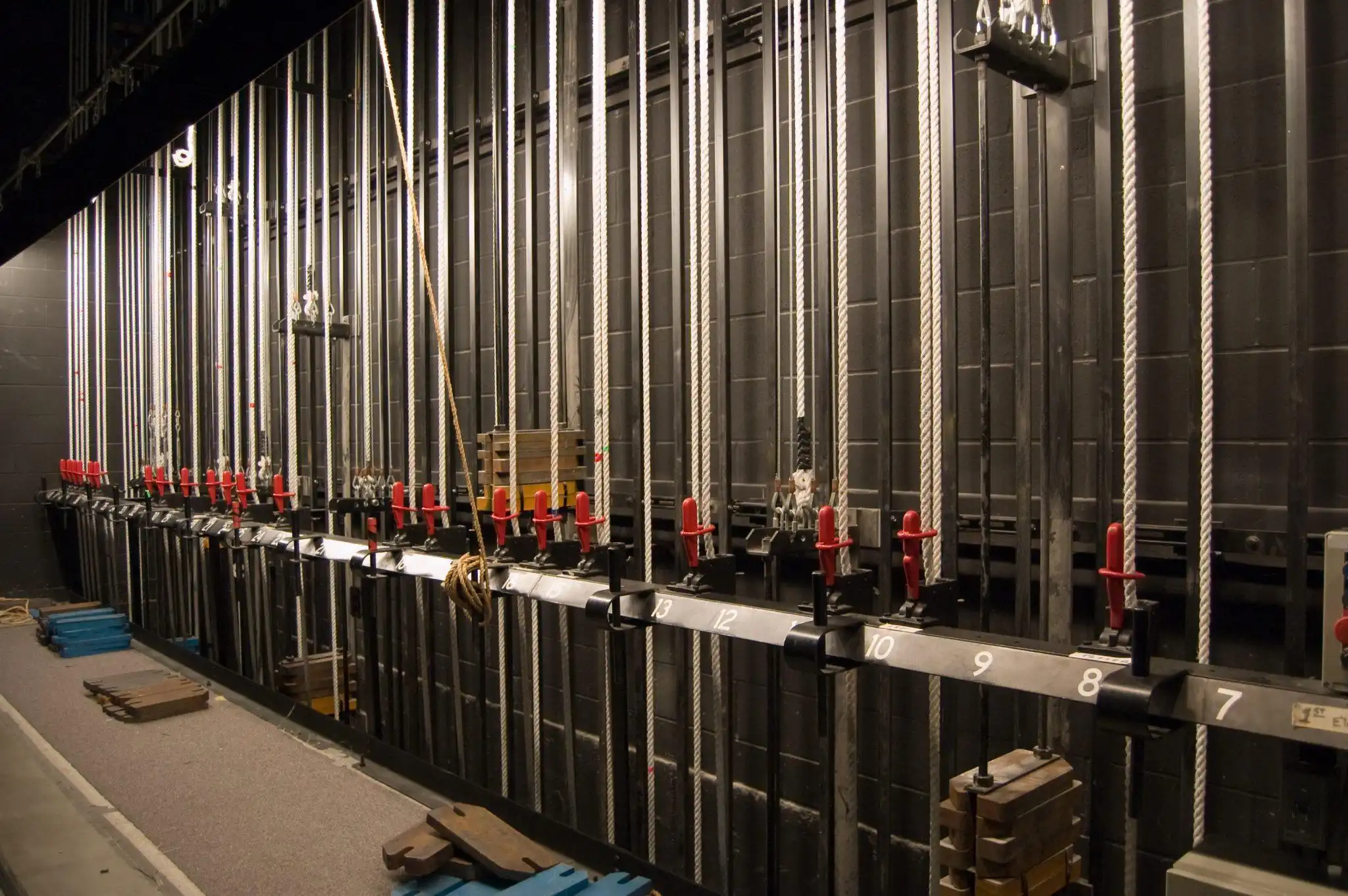
When putting in place stage technology, educational venues have special safety issues that need extra care. Both professional productions and student learning settings, where operators may have different levels of technical skill, must be accommodated by the overstage machinery systems placed above the stage.
Essential Safety Features for School Applications
Modern methods for hanging stages have many safety features to keep accidents from happening. Load sensors constantly check how weight is distributed across fly lines and send out alerts when safe working limits are getting close. Multiple places in the theater have emergency stop mechanisms that can immediately shut down the show, and fail-safe brake systems will act instantly if the power goes out or something goes wrong with the machinery.
These safety features are especially important in schools where kids and people who haven't used the tools before are in charge of it. In order to properly set up these systems, you need to know both the technology details and the human factors that affect safe operation.

Common Risks and Hazard Prevention
One of the biggest risks in stage operations is mechanical breakdowns, which usually happen because of poor upkeep or parts wearing out. Budget problems can make things even harder for educational shows because they have to wait to fix or update equipment that needs it. When workers don't have the right training or try to get around safety rules, human mistake makes these risks worse.
These dangers get much worse when servicing isn't done properly. Scheduling regular inspections helps find problems early on, before they get worse and become risky. Educational institutions need to set clear rules for inspecting tools, certifying operators, and dealing with emergencies.
Regulatory Compliance and Safety Standards
The Entertainment Services and Technology Association (ESTA) has detailed rules for making sure that hacking is safe in schools. Specific safety requirements must be met by workplace tools according to OSHA rules. Local building codes may also have extra rules for theater setups.
Before installing any equipment, procurement specialists must make sure that it meets these legal requirements. Proof of compliance is needed for insurance coverage and to protect against risk. Regular checks make sure that safety standards are always being followed throughout the duration of the tools.
Identifying the Safest Types of Overstage Machinery for Schools
Educational shows gain from having overstage equipment that is made to work with their needs. The safest systems are the ones that mix usefulness with ease of use. This way, students can learn professional skills while still following strict safety rules.
Manual Systems with Enhanced Safety Features
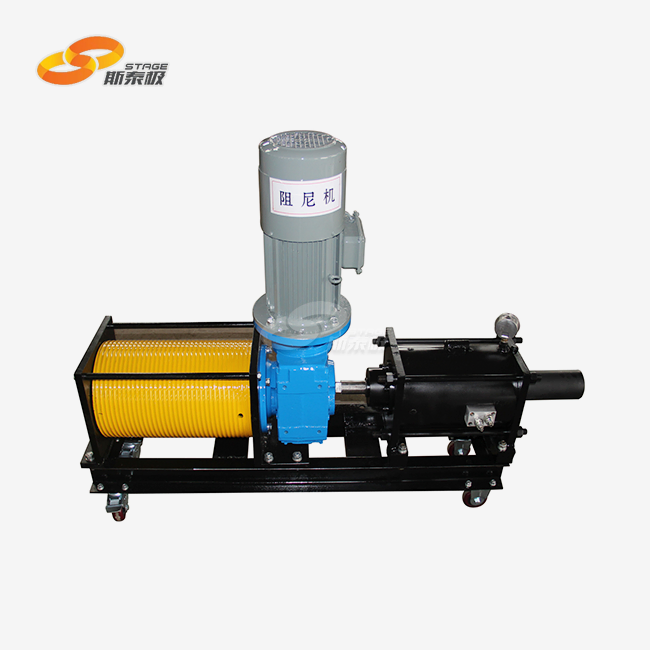
Manual winch systems are great for training because the user has direct control over all moves. These systems have a mechanical benefit through gear reduction, which makes it easier for student operators to handle big loads. Winches that are handled by hand have built-in brakes that engage immediately when the handle is let go.
Because manual systems are simple, they are less likely to have complicated mechanical problems and give users quick physical input. Students learn the right way to move heavy things and get a basic knowledge of rigging that will help them use more complex systems later in their jobs.
Semi-Automatic Solutions for Educational Use
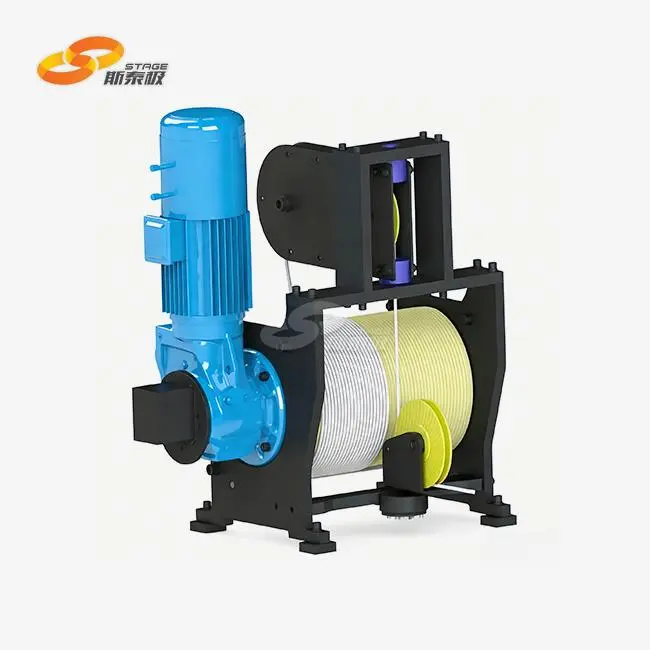
Semi-automatic systems are in between fully automated systems and systems that need to be run by hand. These systems combine motor help with hand controls, which lets users place things precisely while putting less strain on their bodies. Load tracking screens show line tension and weight spread in real time.
Smooth, controlled moves are needed for scene changes in student plays, and variable speed controls make that possible. When security barriers are open or people are found in restricted areas, safety interlocks stop the machine from working. With these features, the learning space is controlled, and students can easily use professional-grade tools.
Advanced Automated Systems with Educational Benefits
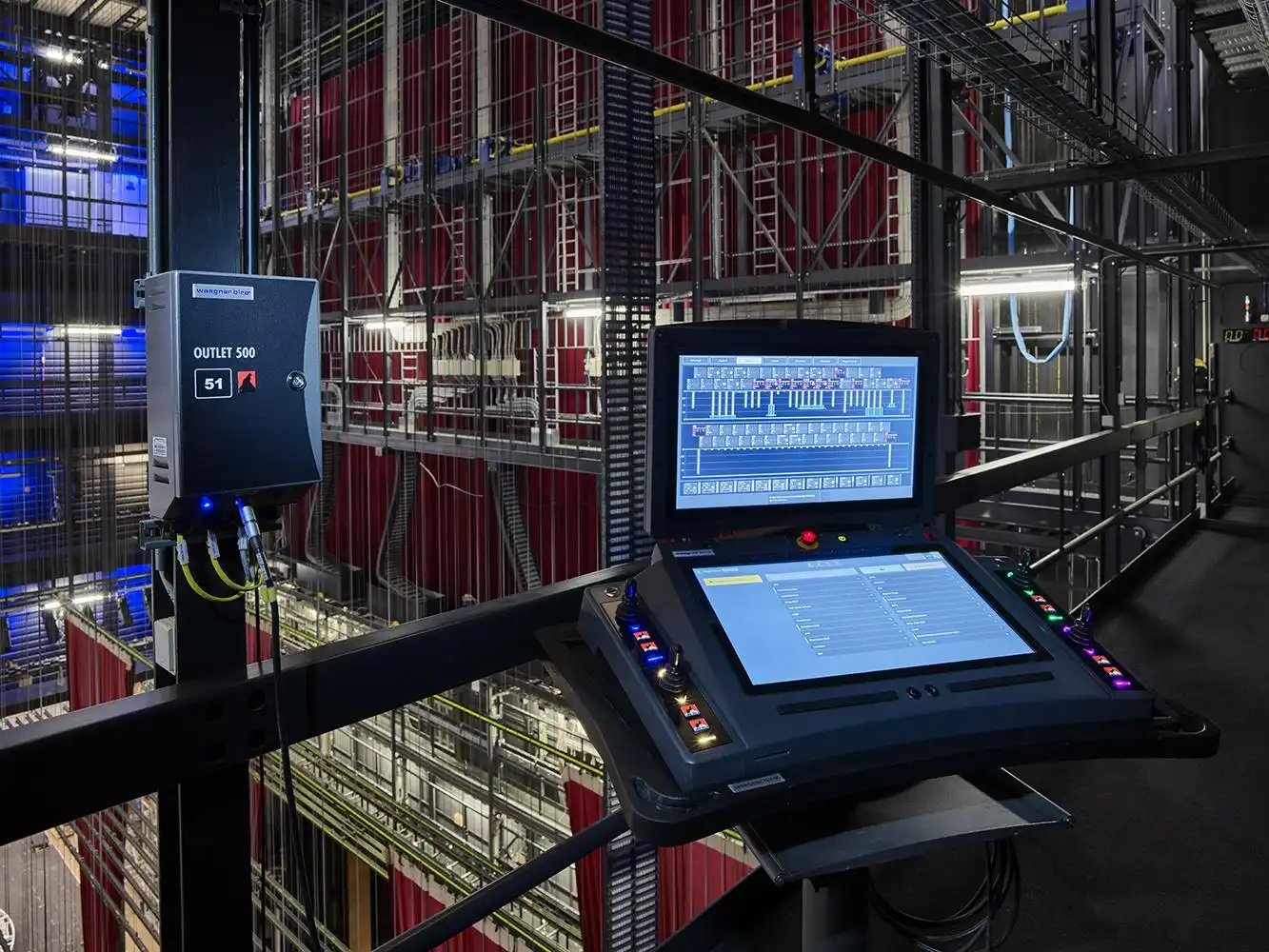
Computerized fly systems are the safest because they have pre-programmed cue routines and safety tracking that is done automatically. These systems precisely record and play back complicated moves, making sure that they are executed the same way during multiple shows. Dead-man switches need constant input from the operator and stop all movement as soon as the operator lets go.
Modern robotic systems can keep track of all operations and upkeep tasks by logging them in detail. This information is very useful for teaching because it lets students look at trends in performance and learn how to make systems work better.
Energy Efficiency Considerations for Educational Budgets
To keep prices down, educational schools are putting more and more emphasis on energy-efficient solutions. Variable frequency technology in modern motor sets lowers the amount of power used when the speed is low. When the vehicle is lowered, regenerative braking systems collect energy and send it back into the electrical system.
Low-power control methods, overstage equipment, and LED state displays keep idle power use to a minimum. These changes to efficiency help educational theaters keep their energy costs down and support efforts to be more environmentally friendly. Grant money often goes to projects that show they care about the environment and make safety changes at the same time.
How to Evaluate and Choose Safe Overstage Machinery for Educational Theaters?
When buying stage tools, people in charge of procurement have to find a balance between safety needs, budget limits, and educational goals. A planned evaluation method makes sure that the systems picked meet both short-term and long-term teaching goals.
Core Safety Criteria Assessment
Emergency stop devices must be able to shut down right away from a number of easily available places in the theater. Load capacity specs should include safety factors that are right for educational use, which usually means that equipment needs to be rated for loads that are much heavier than what it will be used for. Redundant safety systems make sure that people are still safe even if the main systems fail.
Visual load signs help workers always know what's going on with the system. Clear markings of safe working areas and barred zones show users how to use the right tools. These safety features need to be easy enough for student workers to understand while still being reliable enough for professionals.
Durability and Maintenance Considerations
In educational settings, tools needs to be able to handle being used a lot by people with different levels of skill. Heavy-duty building materials don't get worn down by repeated rehearsals and student shows. The design of modular components makes upkeep easier and lowers the cost of repair.
Ongoing education programs are supported by detailed user guides and training tools. Video training materials help make sure that safety rules are followed the same way by all workers and academic terms. Safety information stays up-to-date as workers and students change through regular refresher training.
Brand Comparison and Certification Requirements
Manufacturers with a good reputation show a lot of proof that they have safety certifications and follow industry standards. The warranty terms should be flexible enough to adapt to the demanding nature of the school setting and include quick part repair options during peak production times. As part of after-sales help, there are training programs made just for teaching purposes.
For school theaters that can't afford long periods of downtime, having parts on hand, including upper stage machinery, becomes very important. Suppliers with complete stocking systems and fast shipping choices help keep school plans as smooth as possible. When you need immediate repair, local service representatives can get to you faster.
Customization for Institutional Requirements
Scaled-down systems that offer professional features on a budget may be helpful for smaller school spaces. Larger schools may need more advanced computer systems that can handle complicated products and more advanced training programs. Systems that are made of modules can be expanded as needed to meet new teaching needs.
Integration with the theater's current systems needs to be carefully planned and set up by a professional. Compatibility with older systems helps protect investments made in the past while improving safety. Institutions can spread costs over more than one budget cycle with phased adoption methods.
Essential Maintenance and Safety Practices to Maximize Overstage Machinery Safety
For safety performance to last, repair plans and operator training programs need to be kept up to date. During the school year, educational shows need to set up strict rules to protect both their staff and their tools.
Routine Inspection and Preventive Maintenance
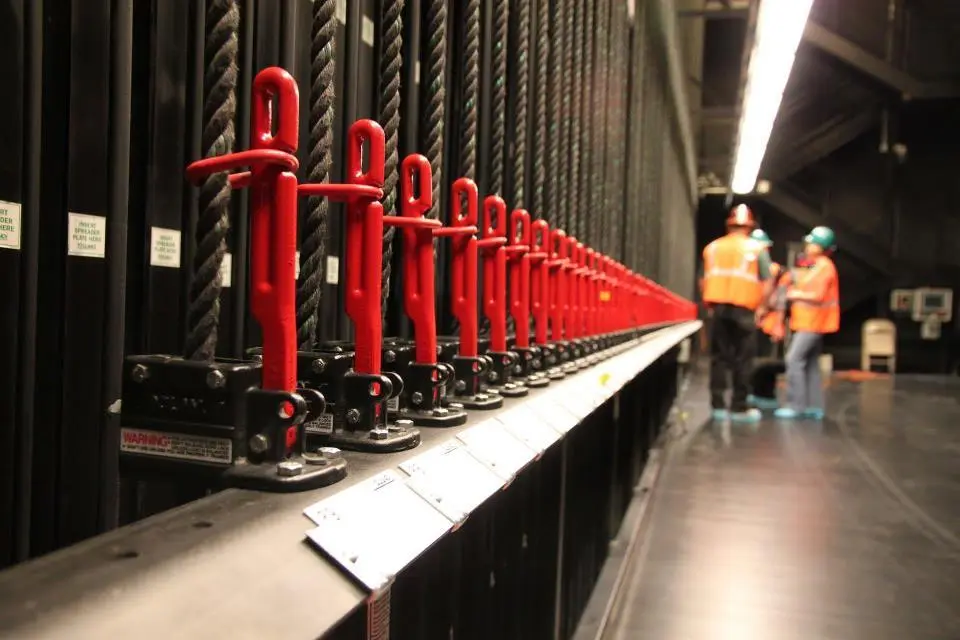
Visual checks every day help find clear problems before they get worse and become safety risks. Every week, practical tests make sure that all safety systems and emergency stops are working properly. Detail inspections are done once a month to check the state of the cables, the brakes, and the mounting places on the structure.
Every year, qualified technicians do full checks to make sure that safety standards are still being met. Keeping records of all review activities protects you from being sued and helps you find trends that could mean problems are starting to appear. Wear parts should be replaced before they break so that they don't break down at crucial times during production.
Comprehensive Operator Training Programs
Programs that certify student operators make sure that safety rules are followed the same way by new employees. The training should include both how to use the tools and what to do in an emergency. Students can build their confidence and learn the right way to do things during hands-on practice lessons.
Regular safety meetings make sure that important rules are followed and give people a chance to talk about close calls or ways to improve procedures. Peer tutoring programs put more experienced students with newbies, which makes everyone more aware of safety. Keeping track of who has completed training makes people responsible and helps figure out what needs more work.
Professional Installation and Support Services
Installers who are certified make sure that the system is set up correctly and that the first users are trained properly. Professional approval processes make sure that all of the safety systems work right before they are used by students. Full system instructions gives you the tools you need to keep running and fixing things.
Technical support hotlines help right away in situations or when things don't work normally. Regular service trips help keep things running at their best and find problems early on. When school theater programs build partnerships with suppliers based on trust and dependability, those relationships become very useful.
Conclusion
Safety features, operating needs, and budget limits must all be carefully taken into account when choosing the right overstage machinery for educational shows. The safest choices combine tried-and-true mechanical designs with new safety features to make spaces where students can learn professional skills while following strict safety rules. There are different types of systems that can be used in schools. Manual systems with better stopping, semi-automatic systems with load tracking, and fully automated systems with safety interlocks all have their own benefits. To be successful, you need to make sure that the equipment's capabilities fit the needs of the school while also keeping an eye on human safety and dependable performance in an academic setting.
FAQ
What makes overstage machinery safe for student operators?
Systems that are safe for students have easier-to-use controls, automatic safety interlocks, and full emergency stop mechanisms. Load tracking screens show information in real time, and fail-safe brakes activate themselves when the power goes out. Students will understand both normal operations and what to do in an emergency if they have access to good training programs and clear operating processes.
How often should rigging devices in school theaters be checked?
Visual checks should be done every day to look for clear problems, and functional tests should be done once a week to make sure the safety system works. Every month, wires, brakes, and mounting tools are carefully checked. Certified techs do full checks once a year to make sure that safety standards are still being followed and to find parts that need to be replaced.
What safety certifications should schools look for when purchasing stage equipment?
Check that it meets the requirements of the ESTA, is approved by OSHA, and has the necessary industry licenses from reputable testing labs. CE marking shows that the product meets European safety standards, and UL listings show that it meets requirements for electricity safety. Documentation from the manufacturer should have full details about the specs and how to put them according to trained professionals.
Partner with Sh Stage for Safe Educational Theater Solutions
Educational institutions seeking reliable overstage machinery solutions benefit from partnering with experienced manufacturers who understand the unique challenges of academic environments. Sh Stage combines decades of industry expertise with comprehensive safety focus, delivering systems specifically designed for educational applications. Our engineering team works closely with schools to develop customized solutions that balance professional capabilities with student-friendly operation.
As a trusted overstage machinery manufacturer, we provide complete turnkey solutions including professional installation, comprehensive training programs, and ongoing technical support. Our dedication to safety goes beyond delivering equipment. Through relationships, we make sure that the equipment keeps working well throughout the school year. Email our team at info@shstage.com to talk about your unique needs and find out how our tried-and-true solutions can help your theater program be safer and more effective as a learning tool.
References
1. Cadena, Richard. "Automated Lighting: The Art and Science of Moving Light in Theatre, Live Performance, and Entertainment." 3rd ed. Focal Press, 2018.
2. Glerum, Jay O. "Stage Rigging Handbook." 4th ed. Southern Illinois University Press, 2020.
3. Entertainment Services and Technology Association. "Technical Standards Program: Entertainment Technology Safety Guidelines for Educational Institutions." ESTA, 2019.
4. Carter, Paul. "The Backstage Handbook: An Illustrated Almanac of Technical Information." 5th ed. Broadway Press, 2017.
5. International Association of Theatrical Stage Employees. "Safety Guidelines for Live Entertainment Industry Rigging Operations in Educational Settings." IATSE, 2021.
6. Sammler, Ben and Don Harvey. "Technical Theater for Nontechnical People: A Comprehensive Guide to Rigging, Lighting, Sound, and Safety." 3rd ed. Allworth Press, 2020.

USER EVALUATE
Here is the customer's evaluation of us