



What is a Rotating Stage?
A rotating stage, also called a revolving stage or turntable stage, is a high-tech circle platform that spins around a center pivot point to make it easier to change scenes and give better presentations. This electromechanical system uses precise engineering and cutting-edge control technology to make transitions in theater plays, art shows, and entertainment places look smooth. The rotating stage is a transformative tool that gets rid of the visual limits of static screens and lets people see everything from all sides. Heavy-duty mechanisms and computerized control systems are built into modern rotating stages. This lets workers get the stages exactly where they need to be and make sure they rotate smoothly at different speeds. This makes them essential for professional shows, event production companies, and entertainment venues all over the world.
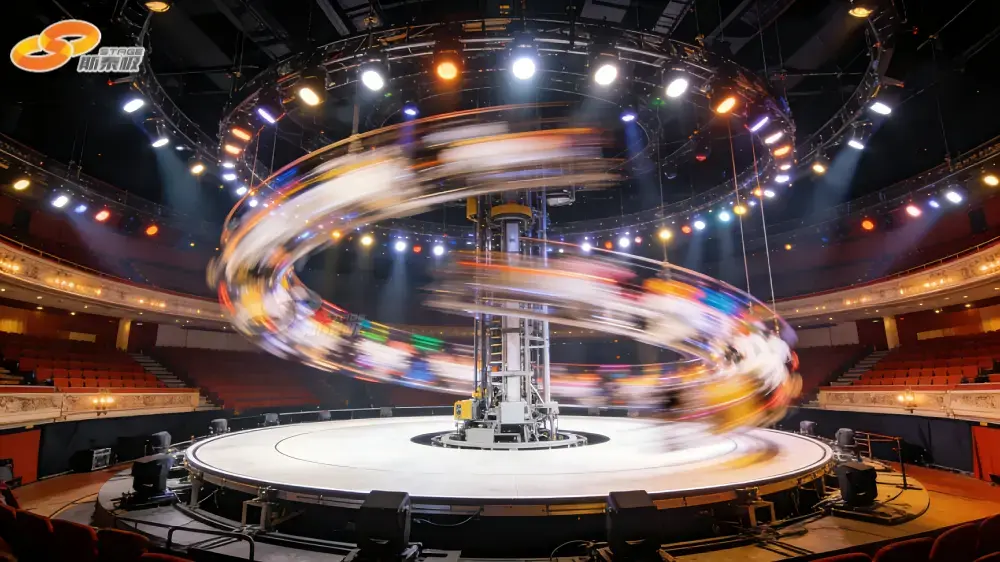
Understanding the Basics of Rotating Stages
The idea behind rotating stages comes from Japanese Kabuki theater in the 18th century, where the revolving stage was created to make it easier to change scenes quickly during shows. This new dramatic tool changed the way stages were built by letting multiple sets be built on a turntable around a center pivot. Later, in 1896, the Residenztheater in Munich was the first theater in the West to use the technology. Since then, it has become standard in all big stages around the world.
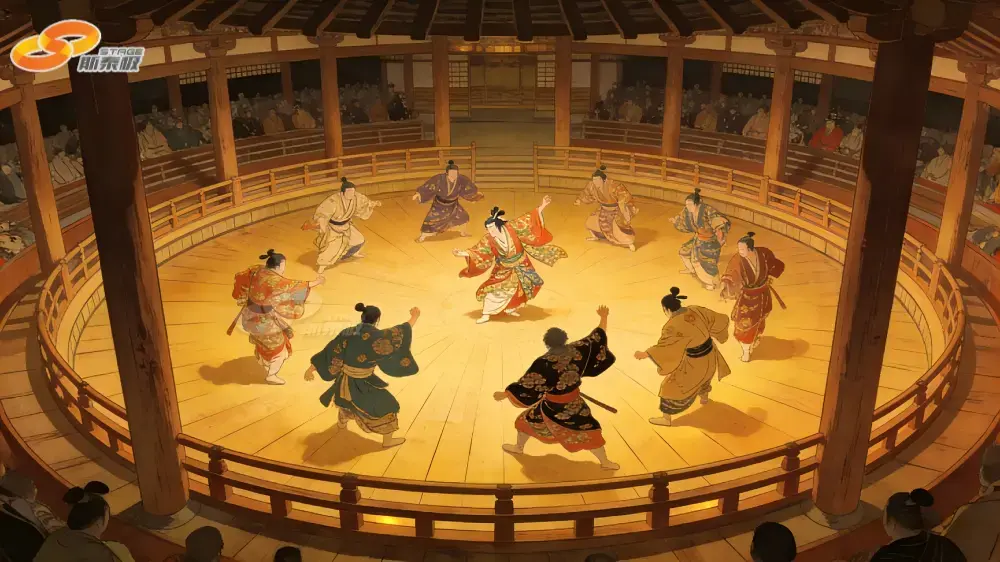
Core Functionality and Operational Principles
These days, rotating stages are controlled by complex electrical systems with many parts that work together. Precision slewing ring bearings or friction-drive rotation systems are used in the center pivot gear to make sure that the movement is smooth and under control. Advanced Variable Frequency Drives (VFD) control spinning speeds, which are usually between 0.2 and 3.0 RPM. They also have soft start and stop features to protect packages that aren't stable.
Distributed load management across the platform area is based on practical principles. High-tensile manganese steel structures are used to keep the structures from deforming when eccentric loads are applied. Conductive slip rings make sure that equipment on the rotating platform always has power, even when the platform is in motion, so it can keep working during shows or talks.
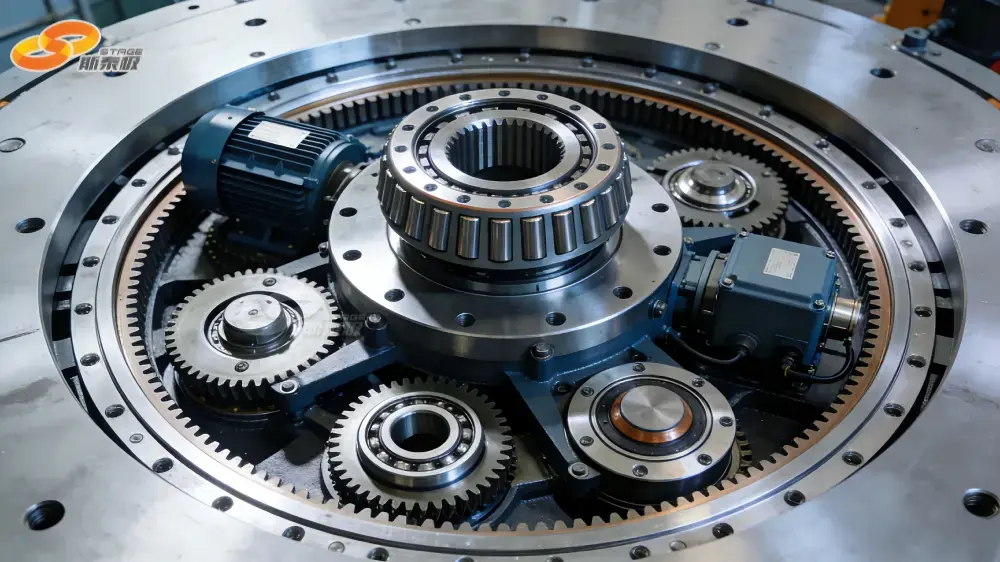
Manual vs Electric Models and Configuration Types
Rotating stages come in a number of different designs to meet the needs of different operations and budgets. Manual types have mechanical hand-crank systems or motorized drives with simple speed controls, so they can be used in smaller places that don't need a lot of technology. Electric types have complex computerized control systems that let you set where the machine will go, change its speed, and connect it to lighting and sound systems.
Single-axis configurations only allow rotation around a center point, while multi-axis setups allow both rotation and vertical lifting. These high-tech platforms can spin and rise at the same time, making three-dimensional movement possible that makes creative stage options for complicated shows better.
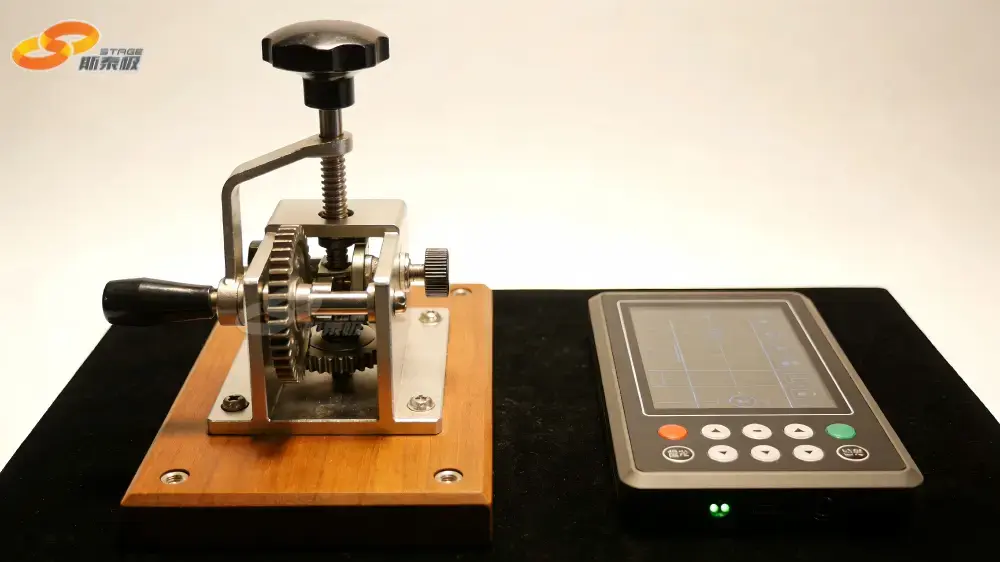
Key Components and Control Systems
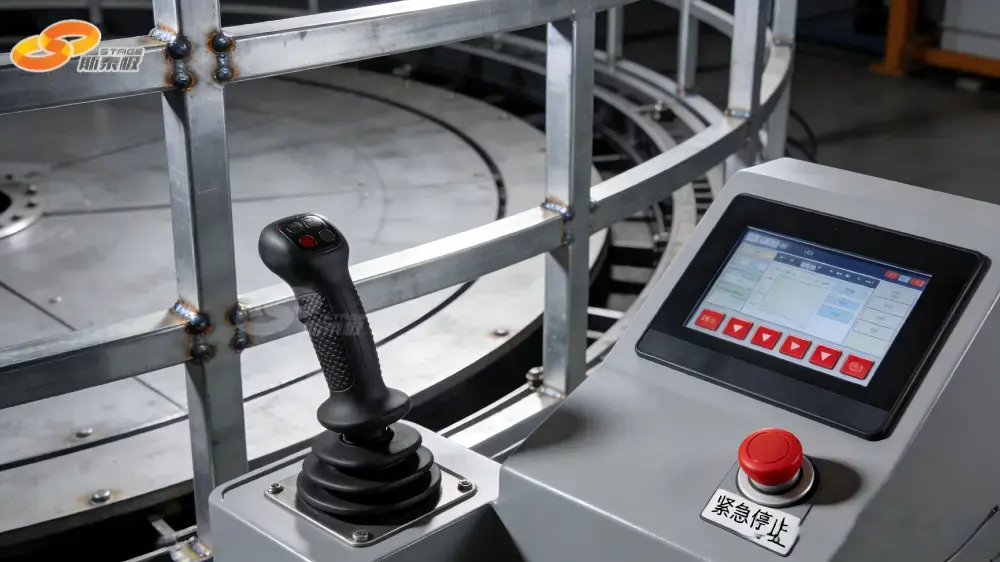
High-quality materials and precision-engineered parts are very important for the building quality of rotating stages. High-quality steel frames keep the structure strong, and special bearings make sure that the machine runs smoothly for long periods of time. Different types of control interfaces exist, from old-fashioned joysticks that give you tactile input to newer touchscreen panels that are easy to use and have settings that you can program.
There are emergency stop devices, load tracking sensors, and position feedback systems in safety systems for rotating stage that keep operations from going wrong. Modern platforms can operate with very little noise, usually keeping sound levels below 50 decibels. This means they can be used in opera houses and other places that are sensitive to sound.
Technical Features and Performance Parameters
It is very important for procurement workers and experts who are looking at rotating stages for their facilities to understand their technical specs. Performance parameters have a direct effect on operating skills, safety margins, and long-term dependability. This means that choosing the right specifications is very important for a project to go well.
Load Capacity and Structural Specifications
It is designed so that rotating steps can hold a lot of weight while still being precise and stable. Load-bearing capacities usually run from 1,000 kg for smaller setups to more than 50,000 kg for big theater productions. The structure is built using distributed load principles, which make sure that the weight is spread out evenly across the platform area to avoid stress spots.
High-tensile manganese steel frameworks are used in the building of the platform. These frames don't bend when dynamic loads are applied. Engineering figures take into account both the static loads that come from sets and equipment and the dynamic forces that come from performers moving around and quickly speeding up or slowing down during spinning sequences.
Variable Speed Control and Precision Accuracy
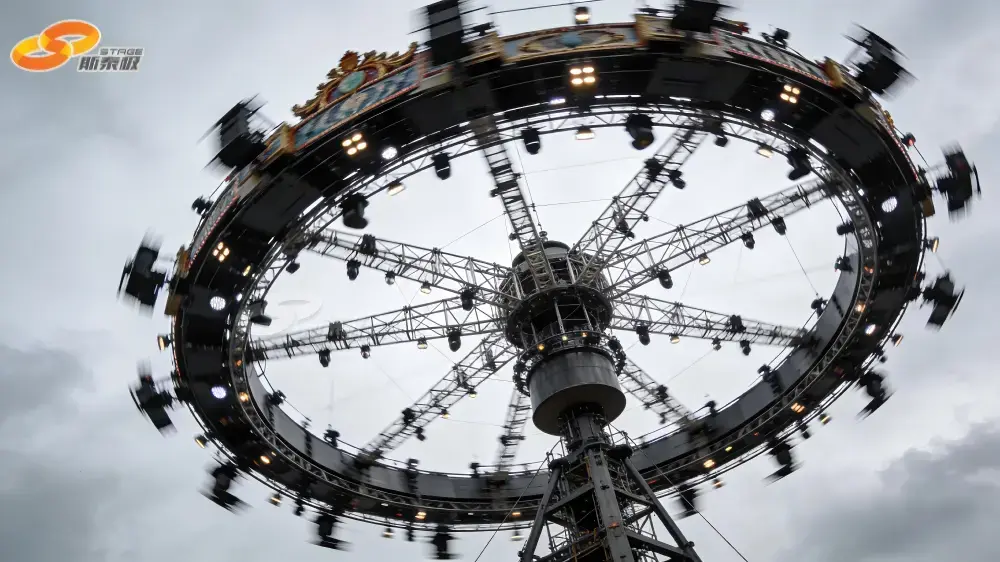
Modern rotating stages have very flexible ways to control speed thanks to their clever drive systems. Variable frequency drives let you finetune the speed within a range of 0.2 to 3.0 RPM, so they can handle a wide range of performance needs, from slow, dramatic reveals to quick scene changes. The control systems make sure that the speeds of acceleration and deceleration are smooth so that neither the actors nor the equipment is hurt by sudden movements.
Rotational accuracy is a very important performance factor, and high-precision stages can achieve setting accuracy within ±2mm. This level of accuracy makes sure that lighting cues, set arrangements, and actor blocking are always in the same place. This keeps the production standards high even during long performance runs.
Safety Guidelines and Maintenance Requirements
Safety is the most important thing when designing and using a rotating stage. For entertainment technology safety, modern systems follow strict international standards like EN 1493 and ANSI E1.6. Automatic emergency stop systems can shut down the machine right away, and load tracking stops it from becoming too heavy, which could damage the structure.
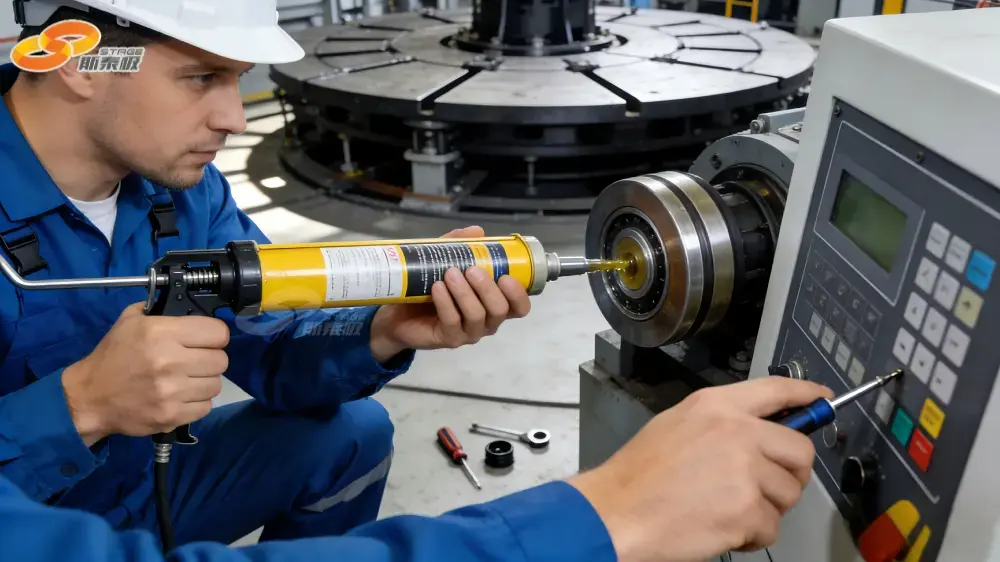
As part of routine upkeep, bearing assemblies should be oiled regularly, electrical links should be checked, and control systems should be calibrated. Preventive maintenance plans usually call for checks every month for setups that get a lot of use, and full overhauls once a year to make sure everything works perfectly and extend the life of the equipment. When you do maintenance the right way, you greatly lower the chance of downtime and keep the accuracy needed for professional uses.
Industrial Applications and Benefits for B2B Clients
Rotating stage systems are useful in many other fields as well, where precise positioning and dynamic display improve operating efficiency. Procurement workers can see the strategic benefits these systems offer for their unique business needs when they understand these applications.
Theater and Performing Arts Applications
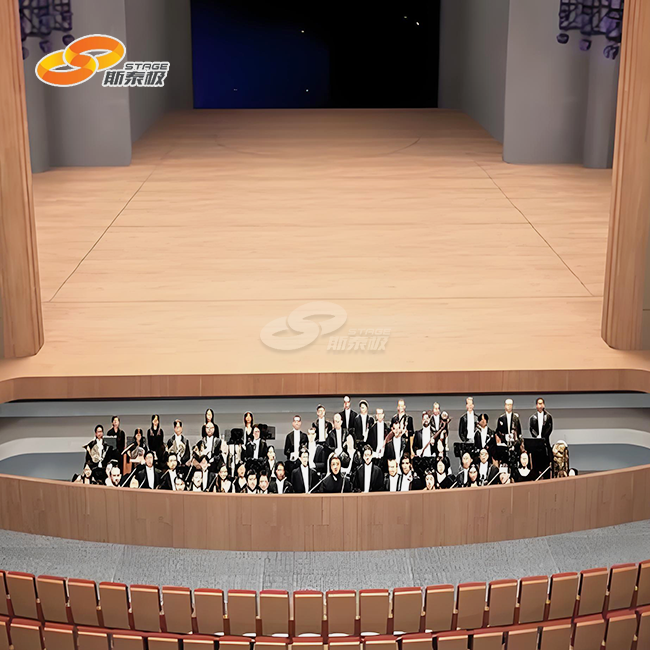
Professional theaters, opera houses, and cultural centers are the main places where rotating stage are used. These settings can put on complex productions. The technology lets directors make smooth changes between scenes, keep the story going, and show different stage areas in the same performance. Major theaters use rotating stages to cut down on break times, increase audience interaction, and handle complex shows that need more than one set arrangement.
Rotating stage systems are advantageous to educational institutions like universities and performing arts schools because they give students hands-on experience and can meet a variety of production needs. Most of the time, these setups have easier-to-use control systems and more safety features that are right for school settings.
Event Production and Exhibition Benefits
Rental companies and event production companies use rotating stages to make talks at trade shows, product launches, and business events more interesting. The 360-degree visibility features remove any obstructions to the audience's view, making for unique show experiences. These platforms are used by exhibition places to show off products from different angles, which gets more people interested and makes the demonstrations more effective.
Convention centers are useful because they have rotating stages that can be quickly changed to fit different kinds of events. Modern systems are made up of separate modules that can be quickly put together and taken down. This lets venues be used more efficiently and cuts down on the time needed to set up for events.
Theme Park and Entertainment Integration
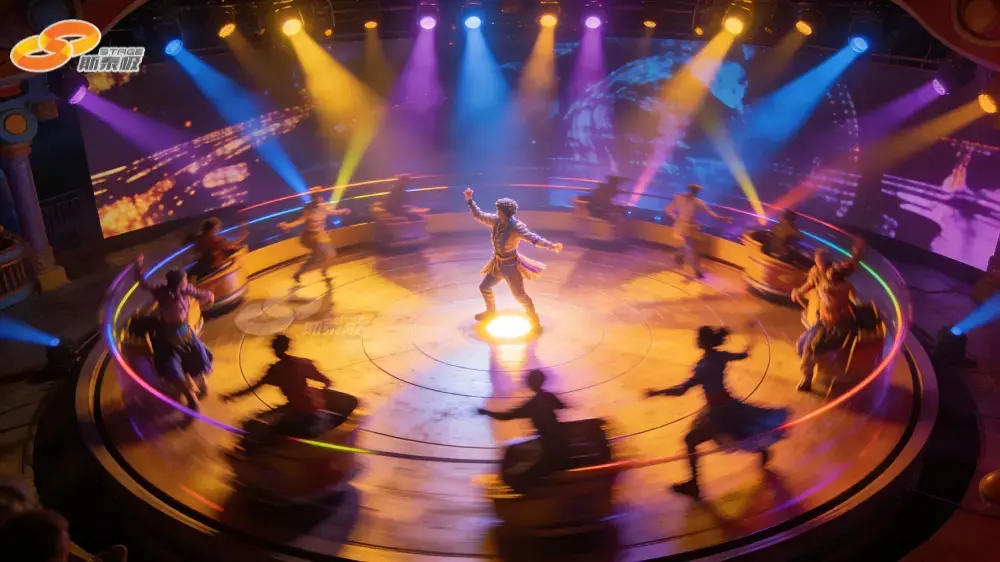
Theme parks and other entertainment centers use rotating stages to make experiences more realistic and to keep show performances interesting. Customized automation systems that work with lighting, sound, and special effects to make organized entertainment experiences are often needed for these projects. Precision control lets moves happen at the same time, which improves storytelling and makes guest experiences unique.
Rotating stage designs are advantageous for interactive shows because they maintain platform stability while allowing for intricate choreography and actor moves. The quiet operation features make sure that machinery noise doesn't get in the way of audio presentations or the audience's experience.
How to Choose the Right Rotating Stage for Your Business?
To choose the best rotating stage, you need to carefully look at your long-term performance needs, practical requirements, and technical specs. When making a decision, this process includes looking at a number of factors that affect how well the system works, how much it costs to run, and how long it takes to install.
Aligning Specifications with Business Requirements
The first step in the decision process is a full needs assessment that looks at things like load requirements, room limitations, and how often the system needs to be used. Heavy set pieces or large groups need venues with higher load capacities and strong structure designs. Smaller installations may focus on being small and saving money.
Different situations have very different speed needs. Some shows need slow, dramatic moves, while others need quick changes. Which control tool an operator chooses depends on how skilled they are and how well they need to work with other systems in the place. For more complicated automation needs, touchscreen screens with programmable settings work best. For smaller setups, simple joystick controls may work.
Comparative Analysis of Market Options
There are a lot of different choices on the market for rotating stages, from simple manual systems to high-tech computer-controlled platforms. Manual systems are a cheap option for places that don't need a lot of technology, but they need an operator to be there for every step. Electric systems are more precise and can work with more systems, but they cost more to set up and need more regular upkeep.
When thinking about a brand, you should look at how experienced the maker is, how reliable the product is, and how well they can help you after the sale. Long-term operating risks are lower when you buy from well-known makers who offer full warranties, expert support, and easy access to extra parts. While newer makers may offer low prices, their service networks may be less extensive.
Installation and Support Considerations
For rotating stage setups to go well, the site has to be prepared carefully, structures have to be changed, and new systems have to be added. Custom configurations can have long lead times, so it's important to plan your purchases early on to keep your job on track. The difficulty of installation depends on the size of the platform and the needs for integration. This usually means hiring specialized technical staff and closing the venue for a short time.
Long-term ownership costs and operating reliability are greatly affected by warranty coverage and after-sales assistance. Comprehensive service agreements that cover things like preventative maintenance, emergency repair reaction, and operator training are worth more than the price of the equipment itself. International providers should show that they can provide local service or have established networks of distributors to make sure they can provide quick support.
Future Trends and Technology Advancements in Rotating Stages
Improvements in technology that make things work better while making operations simpler are continuing to change the rotating stage business. These improvements meet the needs of new markets that want more automation, better safety features, and better ways to connect with current event management systems.
Material and Design Innovations
New discoveries in the science of materials have made it possible to make structure parts that are lighter but stronger. These parts make the whole system lighter while keeping its load capacity. New hybrid materials and steel metals are more durable and resistant to corrosion, which means they can be used for longer in harsh settings.
Improvements to mechanical design focus on lowering upkeep needs by using self-lubricating bearing systems and better closing technologies that keep harmful substances from getting into important parts. Modular design makes installation faster and allows for future growth, so places can change their systems as their needs change.
Automation Integration and Smart Controls
Smart control technologies that allow remote tracking, predictive repair alerts, and interaction with building management systems are being used more and more in modern rotating stages. When a place is connected to the internet, managers can check on the state of the systems from afar and get automated repair alerts that stop problems before they happen.
Programmable movement patterns, integration with lighting and sound systems, and coordination with other stage machinery for complicated shows are some of the more advanced automation features. Machine learning programs look at how things are used to figure out how to make them work better and predict when they will need repair. This lowers costs and makes things more reliable.
Market Trends and Investment Strategies
There is a rising need in the market for multi-axis precise stages that can move both vertically and rotate. Customizable modular systems are becoming more popular as event spaces look for solutions that can be changed to fit different needs. Improving energy efficiency lowers operating costs and supports environmental efforts that are becoming more and more important to venue owners.
The total cost of ownership, which includes things like energy use, upkeep needs, and the ability to upgrade, should be taken into account in investment plans. Systems that are built with the ability to grow in the future are more valuable over time as venues' needs change. Professionals in procurement can benefit from looking at new technologies and finding the right balance between new ideas and tried-and-true trustworthiness for important uses.
Conclusion
Rotating stages are complex technical solutions that turn static performance spaces into moving, adaptable places that can improve the experiences of audiences in a wide range of situations. These platforms have changed over time to meet more complicated operating needs. They started out in Japanese Kabuki theater and are now computer-controlled systems used in theaters, art galleries, and theme parks around the world. The technology has many great benefits, such as smooth scene changes, better presentation tools, and more efficient operations, that make it worth investing in for places that want to stay ahead of the competition. To be successful at rotating stage buying, you need to carefully analyze your needs, choose your suppliers, and plan for both the installation and ongoing assistance needs.
FAQ
What distinguishes rotating stages from standard turntables?
Rotating stages are specifically engineered for heavy-duty applications with precise control systems, safety features, and load capacities ranging from 1,000 kg to over 50,000 kg. Unlike simple turntables, rotating stages incorporate sophisticated drive mechanisms, emergency stops, position feedback systems, and often combine rotation with vertical lifting capabilities. They meet strict safety standards for the entertainment industry and provide the reliability required for professional theatrical and industrial applications.
How do I determine the correct load capacity for my application?
Load capacity calculation requires analyzing both static weight from sets, equipment, and performers, plus dynamic forces generated during movement. Professional assessment should include maximum anticipated loads with safety margins typically ranging from 25% to 50% above calculated requirements. Consider distributed loading patterns, as concentrated loads may require higher capacity ratings even if total weight remains within specifications.
What maintenance procedures are essential for maximizing equipment lifespan?
Critical maintenance includes monthly lubrication of bearing assemblies, quarterly inspection of electrical connections and safety systems, and annual comprehensive overhauls including drive mechanism inspection and control system calibration. Emergency stop testing should occur weekly, while load monitoring sensors require periodic verification. Proper maintenance documentation ensures warranty compliance and helps predict replacement component requirements.
Ready to Transform Your Venue with Professional Rotating Stage Solutions?
Sh Stage delivers cutting-edge revolving stage systems engineered for theaters, event centers, and entertainment venues worldwide. As a trusted rotating stage manufacturer with over a decade of industry expertise, we provide customized solutions that combine precision engineering with reliable performance. Our comprehensive approach includes design consultation, installation support, and ongoing maintenance services that ensure optimal system performance throughout the equipment lifecycle. Contact our experienced team at info@shstage.com to discuss your specific requirements and discover how our rotating stage technology can enhance your venue's capabilities while meeting international safety standards.
References
Mackintosh, Iain. "Architecture, Actor and Audience: A Study of Theatre Design and Its Impact on Performance." Theatre Arts Books, 2018.
Williams, David R. "Mechanical Systems in Modern Theater Design: Engineering Solutions for Performance Venues." Professional Theatre Engineering Journal, Vol. 45, 2019.
Chen, Margaret L. "Safety Standards and Regulations in Entertainment Technology: A Comprehensive Guide." Entertainment Engineering Press, 2020.
Rodriguez, Carlos M. "Automation in Live Performance: Technology Integration in Contemporary Theater." Stage Technology Review, Issue 12, 2021.
Thompson, Sarah K. "Load Analysis and Structural Design for Rotating Stage Platforms." Journal of Venue Engineering, Vol. 38, No. 4, 2019.
Anderson, Robert J. "Evolution of Stage Machinery: From Mechanical Systems to Digital Control." Theater Technology Quarterly, Summer Edition, 2022.

USER EVALUATE
Here is the customer's evaluation of us