




Choosing the Right Stage Machinery for Your Venue
Choosing the right stage machinery for your place is a big investment that will have a direct effect on how well it works, how safe it is, and how well the crowd feels. Including moving platforms, rigging equipment, turntables, and control systems, modern stage machinery includes complex mechanical and automatic systems that make scene changes and acts smooth and lively. Whether you're in charge of a national theater, an event production company, or an educational facility, knowing the technical specs, safety requirements, and operational capabilities of different types of machinery will help you make smart purchasing decisions that meet the needs of your venue and your budget.
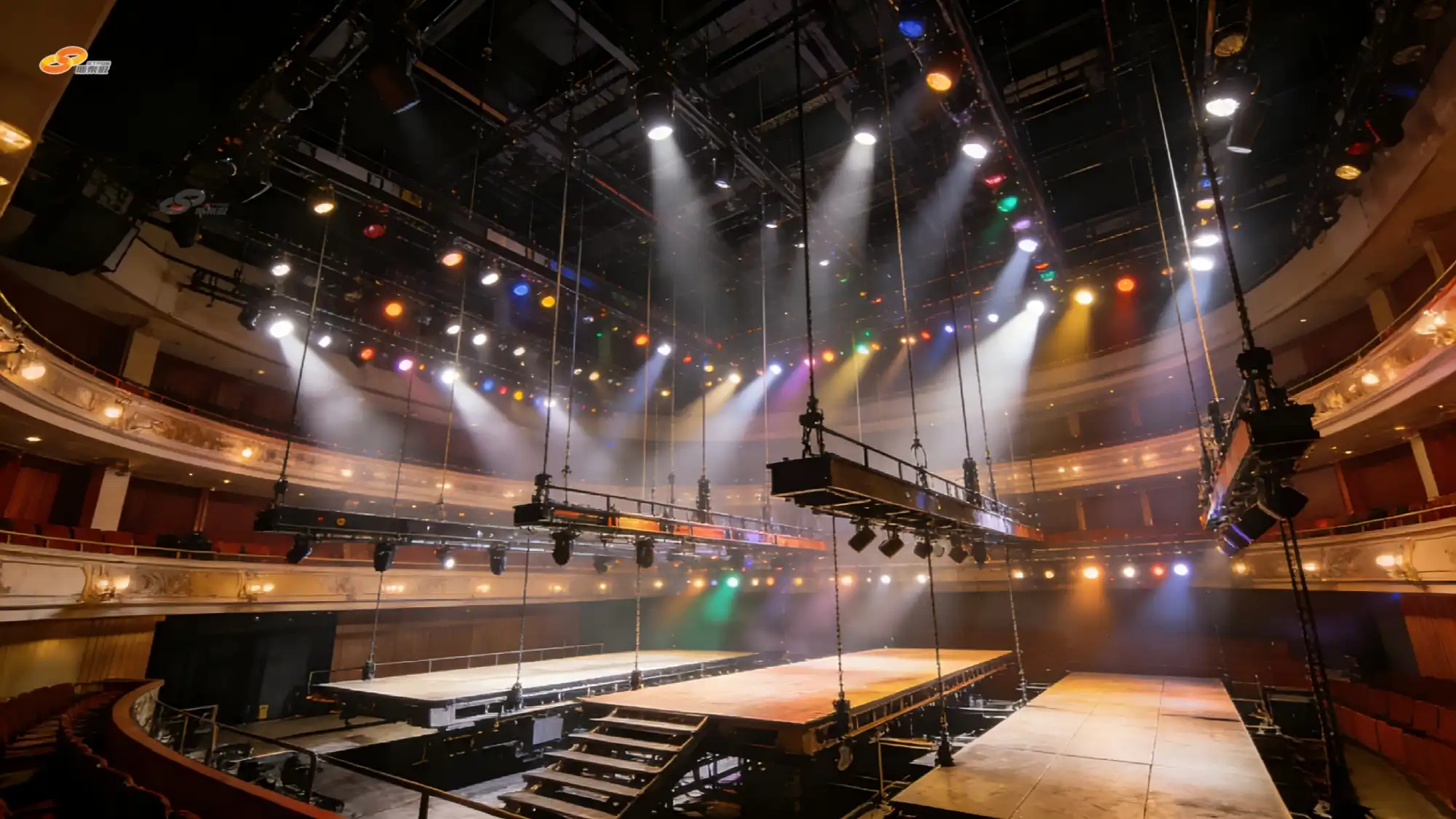
Understanding Stage Machinery and Its Role in Your Venue
Stage machinery includes the mechanical and automated systems that turn static performance areas into moving places that can hold large shows. There are two types of systems: understage and overstage. Understage machinery moves props and actors up and down the stage, while overstage machinery controls flying systems and suspended elements from above.
Essential Components of Modern Stage Systems
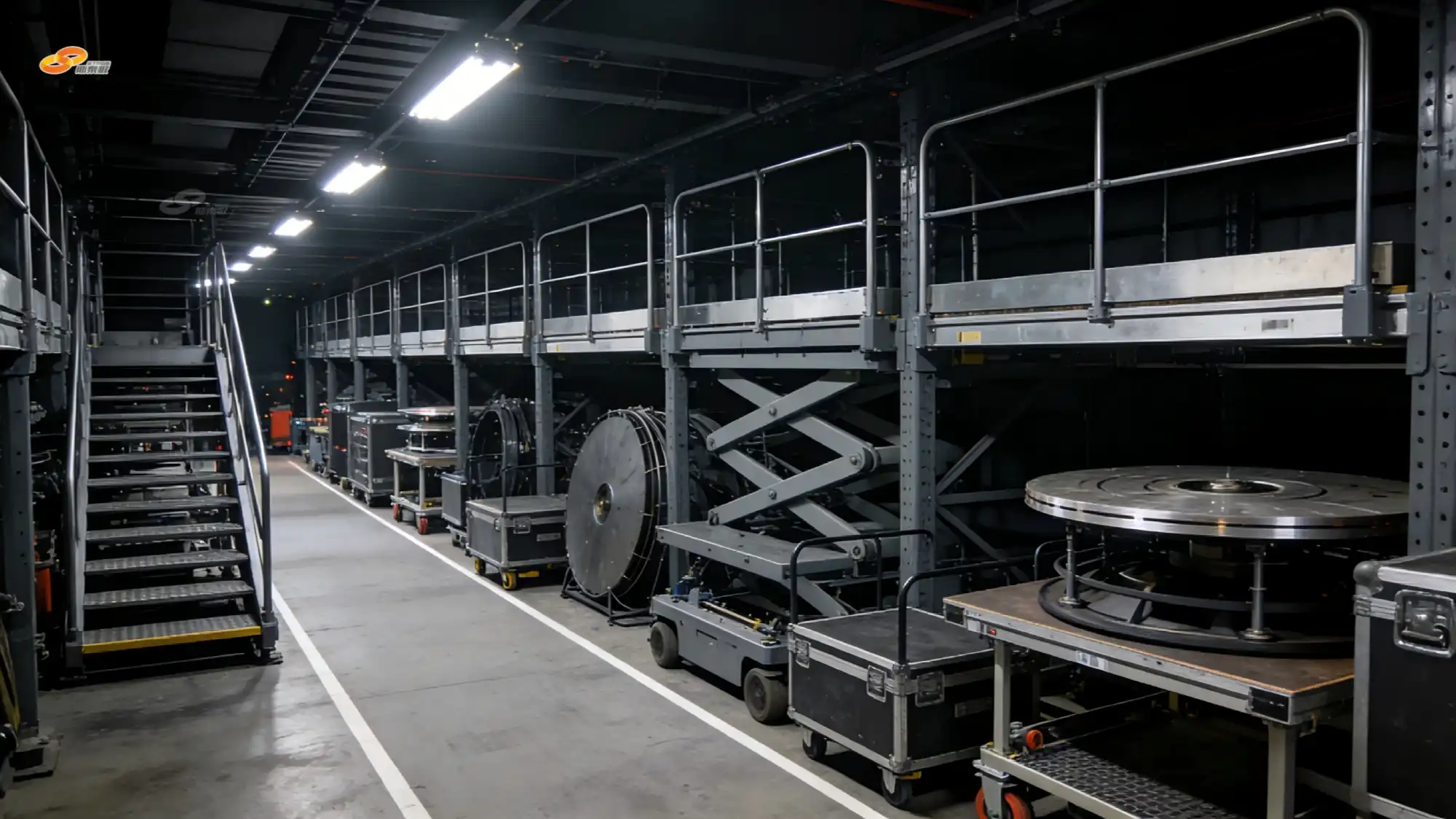
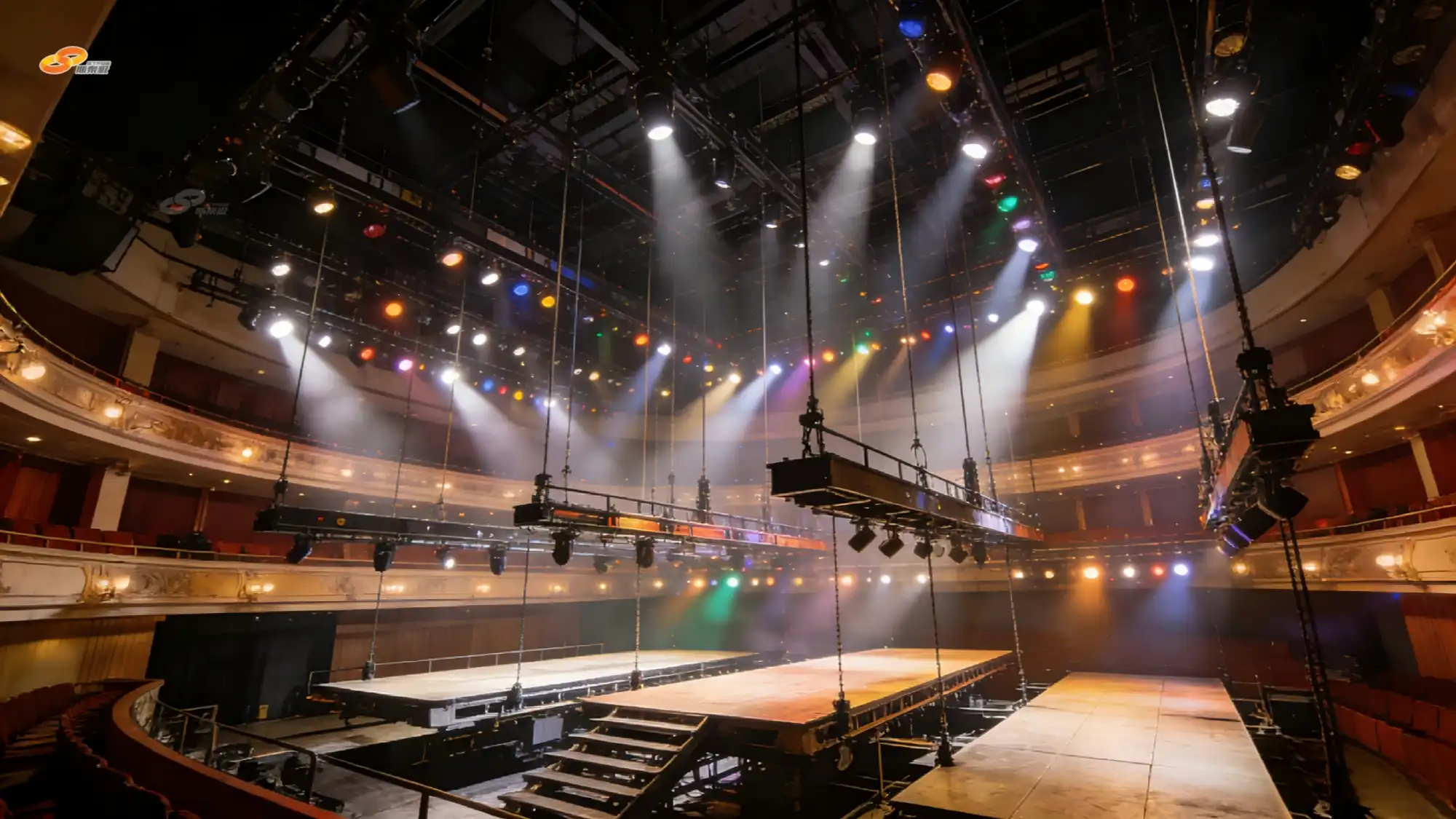
Modern stage engineering combines many specialized systems that work together. Understage machinery works from below the stage floor, where lifting platforms, spinning stages, and mobile trolleys are stored in the large room below. In theaters, this equipment can go down up to three meters below stage level. In big opera houses, it can go down up to eleven meters below stage level, giving a huge amount of room for scene changes and special effects.
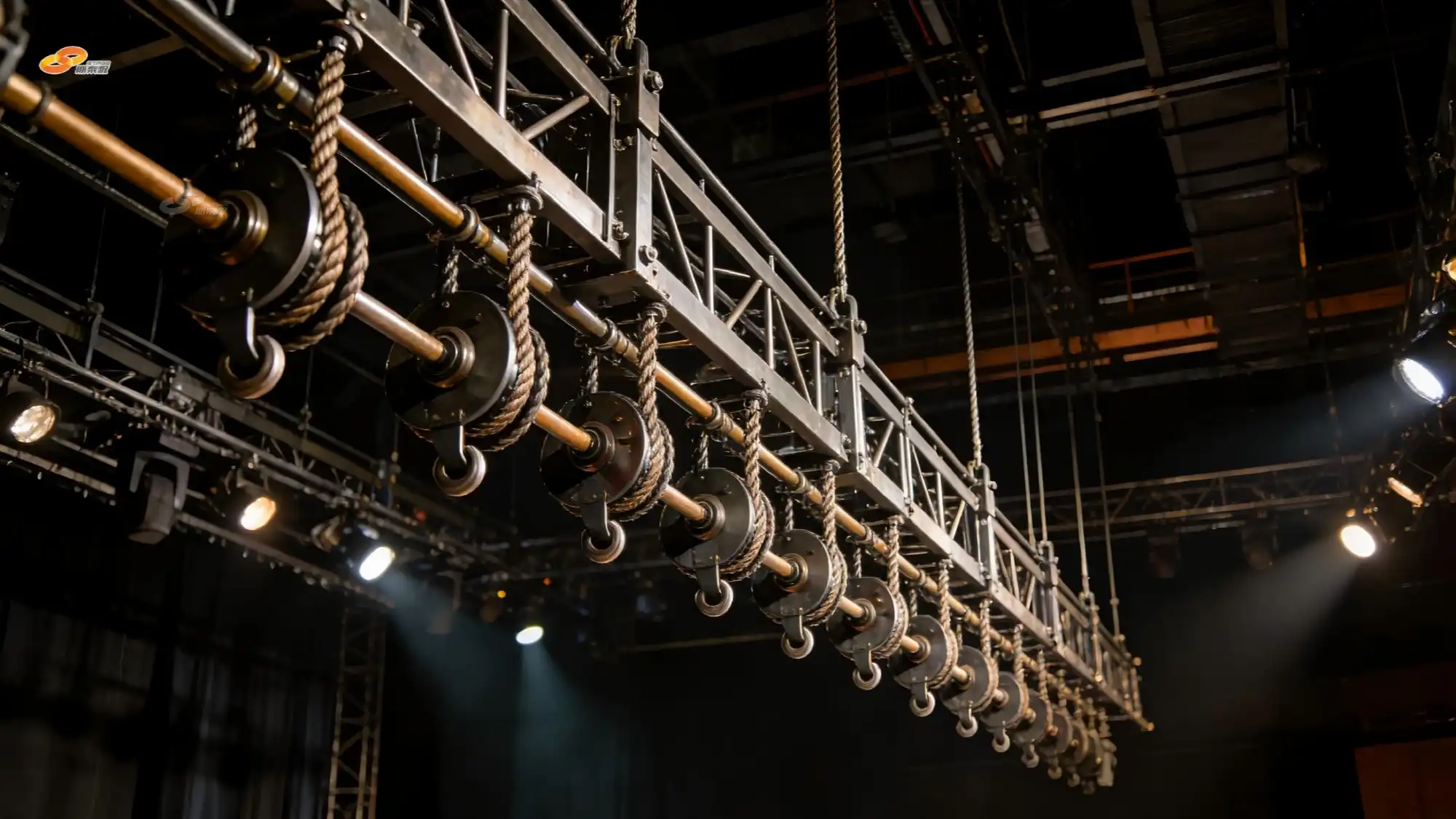
Most of the time, the fly tower, which is more than 20 meters above the stage floor, controls the overstage machinery. These systems have strong winches that handle fly bar systems. Each winch is as strong as a 14-person elevator. A normal stage has about 50 fly bars, which means that it needs about the same number of perfectly regulated winches to move the lights, scenery, and curtains safely and quietly.
Automation Technologies and Control Systems
The accuracy and consistency of modern stage machinery are made possible by cutting-edge automation technologies. These systems have digital control interfaces that let technicians design complicated sets of movements that will always be done the same way in every show. In addition to vertical movement, the automation can also coordinate placement on multiple axes, sync time, and fail-safe emergency procedures.
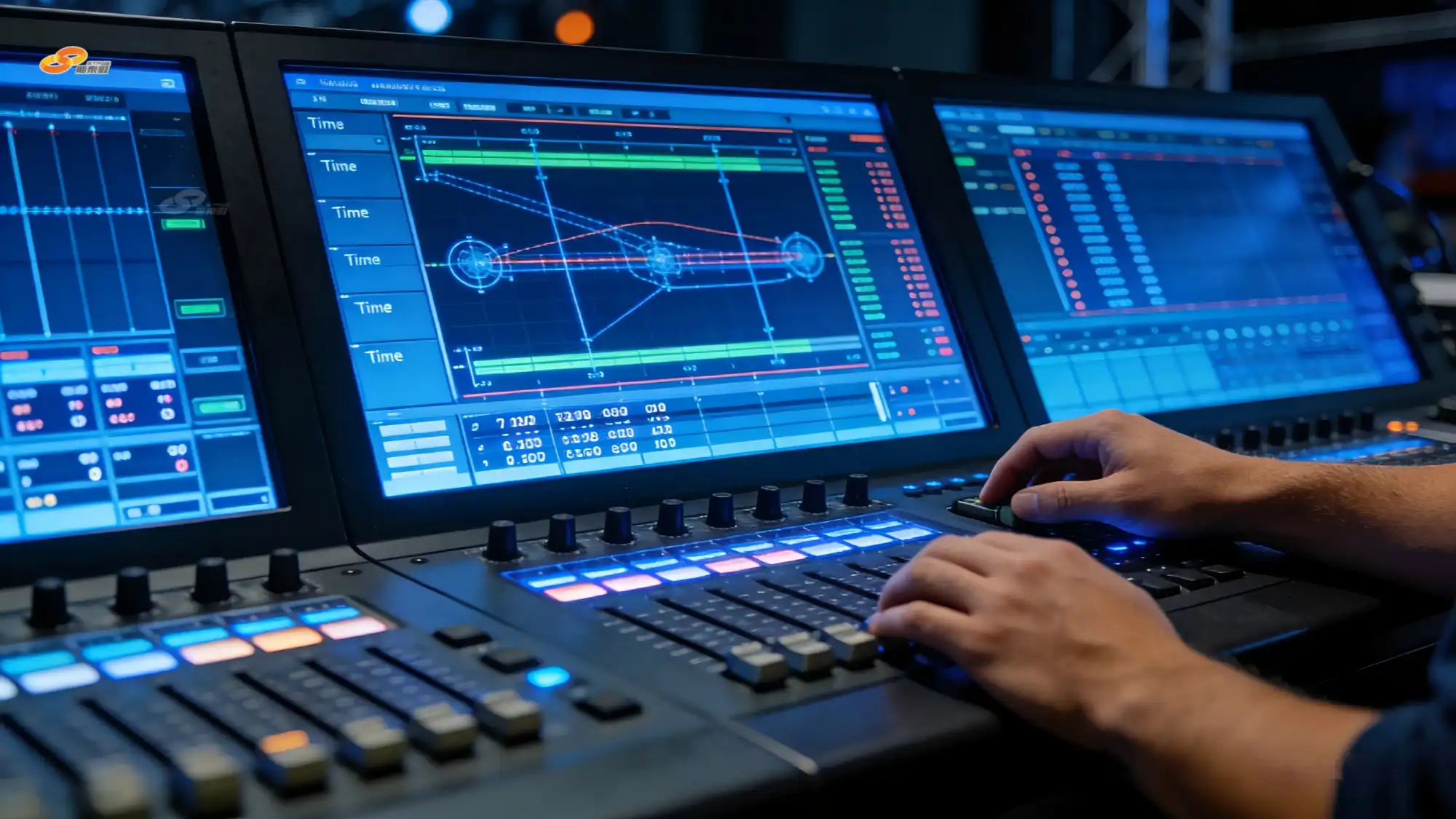
When computerized control systems are added to venues, they can save and remember specific settings for different shows. This cuts down on setup times by a huge amount and eliminates most human error. Because of these improvements in technology, smaller theaters can now use advanced stage effects that were once only possible in big theaters with big technical teams.
Key Criteria for Selecting Stage Machinery for Your Venue
To choose the right stage machinery, you need to use a methodical evaluation process that takes into account a number of important factors that are specific to the practical needs and performance goals of your place. In order to make a choice, you have to look at things like technical specs, safety compliance, operational complexity, and long-term upkeep.
Safety Compliance and Load Capacity Requirements
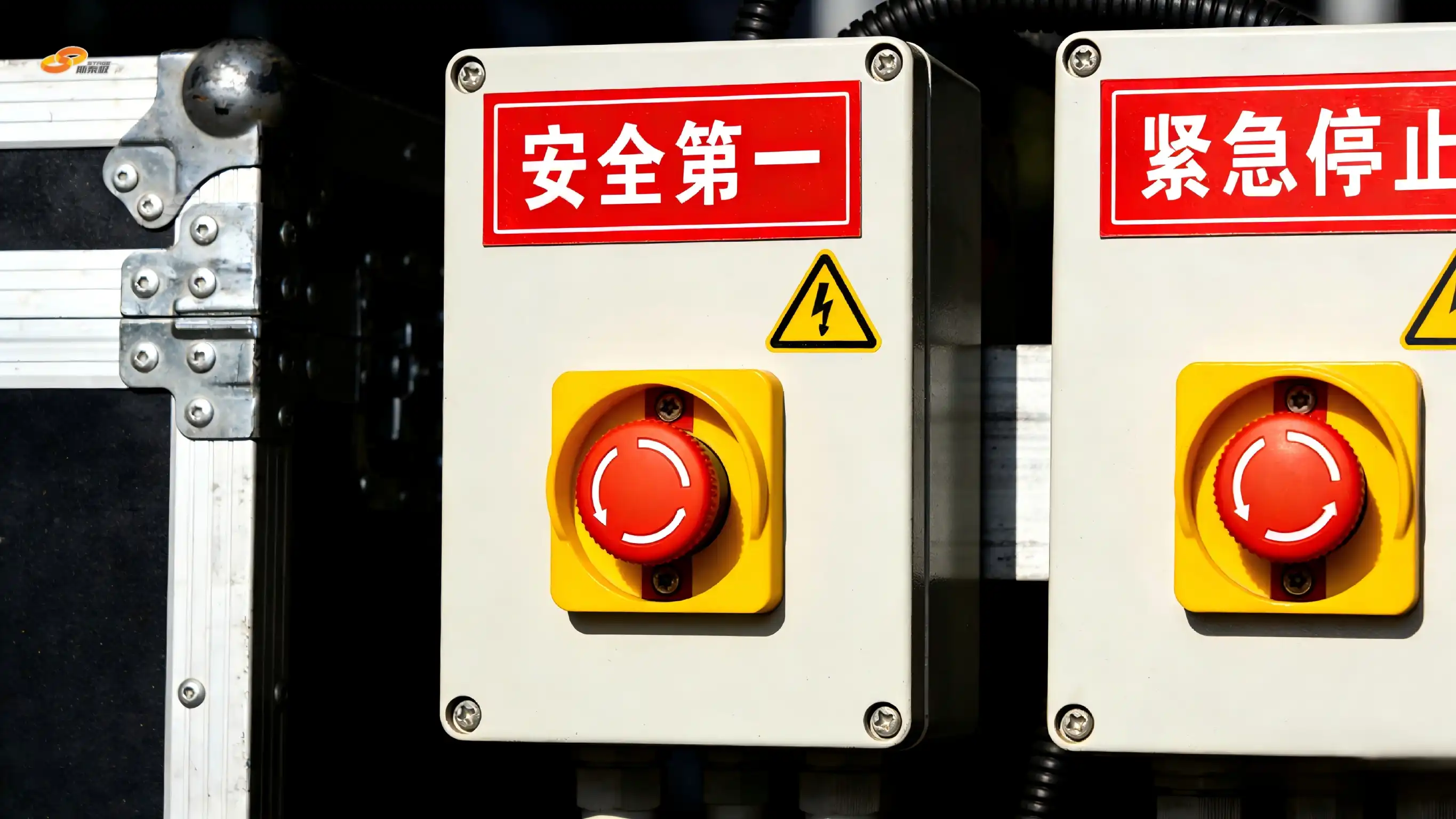
When choosing stage equipment, safety is the most important factor to take into account. This means that strict respect to international standards like OSHA rules and EN safety guidelines is necessary. Specifications for load capacity must include both normal working needs and large safety gaps for loading situations that aren't planned for. Emergency stop mechanisms, fail-safe brake systems, and overload protection circuits are just a few of the many safety systems that are built into modern stage machinery.
Managers of venues need to think about their specific safety needs based on how the space will be used, what the performers need, and how close the crowd is to moving equipment. Stage machinery has to go through a lot of testing and paperwork to get certified. This is done to make sure that it meets all building rules and insurance requirements.
Automation Integration and Control Complexity
The amount of automation integration has a big effect on both how your place works and what technology needs it has. Precision and repeatability are better with fully automatic systems, but they need to be operated and maintained by people with a lot of scientific knowledge. These systems work great in places that have a lot of shows that need regular, complicated stage effects.
Manual and semi-automated systems are good options for places that don't need a lot of technology help or have simple staging needs. When choosing between automatic levels, you should think about how much technical staff you have, how much training they need, and how complicated the shows that usually happen at your place are.
Maintenance Lifecycle Costs and Service Accessibility
Long-term operational costs include a lot more than just the price of buying the tools. They also include things like regular maintenance, replacing parts, and getting expert help when you need it. Reliable providers offer full maintenance plans that include scheduled preventative inspections, help with fixing problems, and new parts that are easy to find.
Where skilled repair technicians are located has a big effect on how much maintenance costs and how often equipment breaks down. To make sure that upkeep and emergency repairs are done quickly, venues should give priority to suppliers with well-established service networks and expert support teams in the area.
Comparing Stage Machinery Solutions: Automated vs Manual Systems
Choosing between automatic and human stage machinery systems is a big decision that affects how the system works, how safe it is, and how much it costs in the long run. Each method has its own benefits that make it better for certain kinds of venues and operations.
Automated Systems: Precision and Integration Benefits
Computer-controlled placement and movement routines in automated stage machinery systems make them very accurate and repeatable. These systems work perfectly with current sound and lighting networks, letting stage effects be coordinated in a way that improves the quality of the show. Because automatic systems are so precise, they can make complex choreographed moves that are accurate to the millimeter, which supports artists' big ideas.
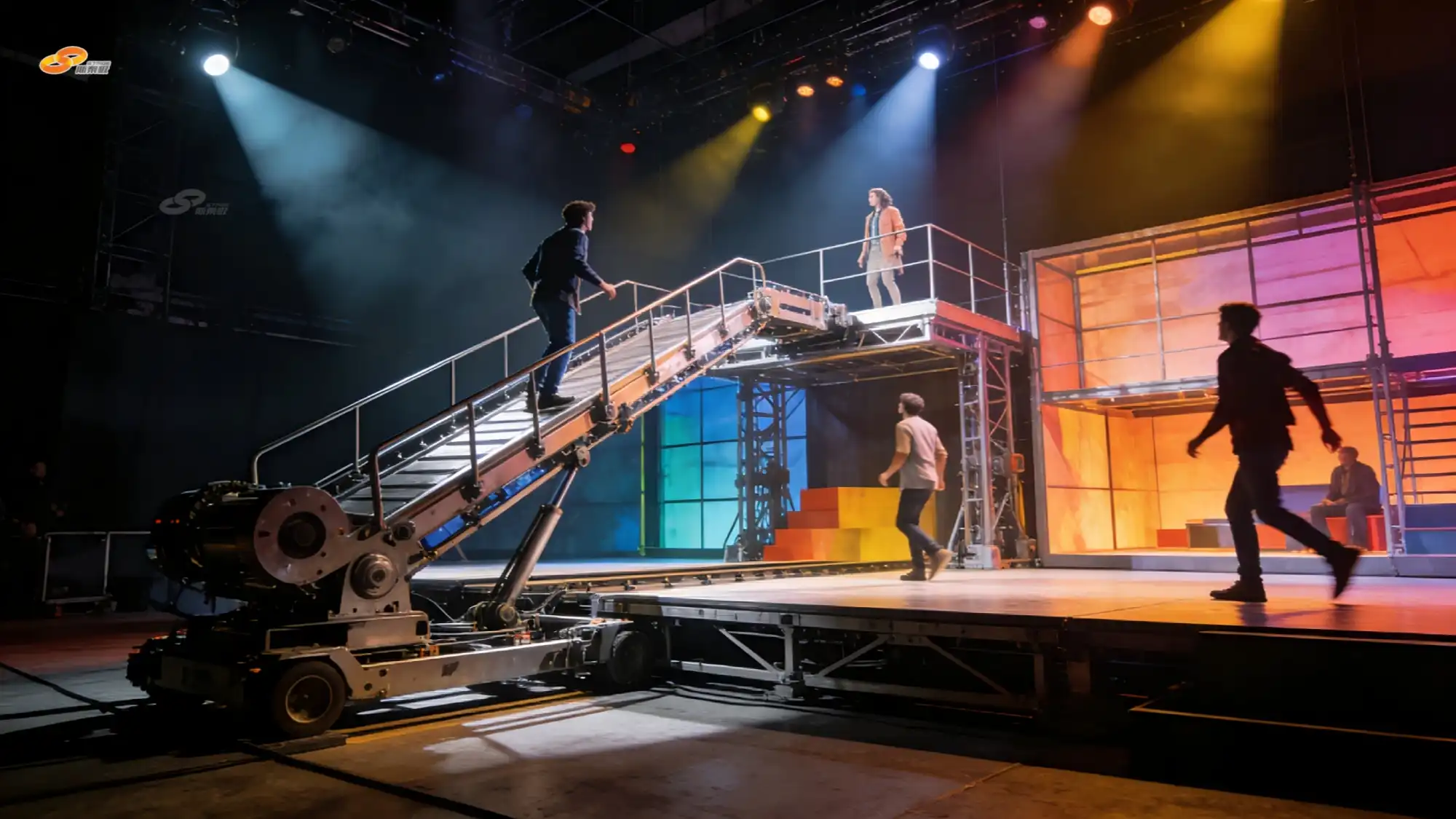
Automated systems work best in places that have a lot of shows that need uniform stage effects. Being able to save and retrieve exact positioning data gets rid of setting differences between shows and lowers the level of technical knowledge needed for everyday tasks. Real-time load sensing, position feedback, and automatic emergency reaction procedures are some of the safety monitoring features.
Manual Systems: Simplicity and Cost Effectiveness
Manual stage machinery systems are easy to use and don't require a lot of technical knowledge. This makes them good for places that don't have a lot of technical tools or don't need to set up much. Instead of computerized controls, these systems depend on mechanical benefit and trained user technique. This means that they are cheaper to buy and easier to keep up.
Because manual systems are easier to use, they require less training and don't need as much expert technical help. Standard mechanical parts used in maintenance processes are known to general building maintenance staff. This makes service easier to get and lowers long-term running costs.
Return on Investment Considerations
When comparing the prices of automated and manual systems, it's important to look at both the direct costs and the working benefits over the duration of the equipment. Automated systems usually need bigger investments at first, but they may save money on labor costs by making operations more efficient and cutting down on setup times. Automation's benefits in accuracy and safety can also lower insurance costs and cut down on production delays.
Manual methods are good for places that don't have a lot of money or technical equipment because they are easier to use and don't need as much upkeep. The choice should find a mix between the ability to make an upfront investment and long-term operational goals and expected usage trends.
Ensuring Safety and Maintenance for Long-Term Performance
Safety rules and routine upkeep are important for getting the most out of stage machinery while protecting people and investments in equipment. Putting in place safety systems and preventative maintenance plans correctly makes sure that the equipment works well and follows the rules for its whole life.
Essential Safety Features and Emergency Protocols
In order to avoid accidents and reduce risks during normal activities, modern stage machinery has multiple layers of safety protection. You can turn off the power right away with emergency stop systems, which can be accessed from several places around the stage area. Fail-safe brake devices make sure that you can stop safely even if the power goes out or the system stops working.
Monitoring systems for loads keep an eye on how weight is distributed and how things move, and they stop activities immediately if parameters go beyond safe limits. Position tracking technology keeps moving parts from running into each other and tells control systems exactly where something is. All of these safety features work together to protect both controllers and actors completely.
Preventive Maintenance Programs and Best Practices
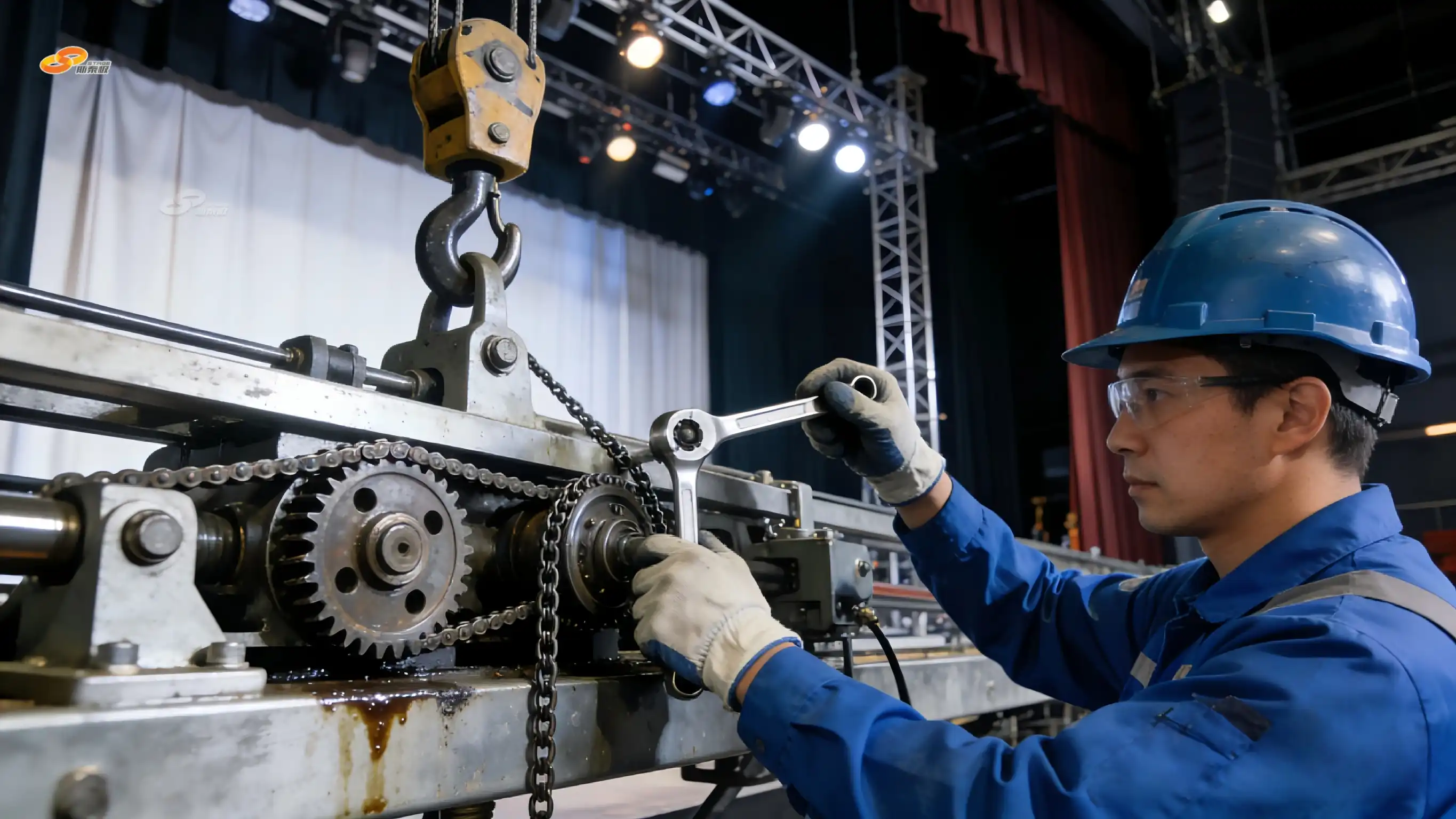
Systematic repair plans keep performance and safety at their highest levels while also extending the life of tools. Scheduled regular inspections find possible problems before they become expensive fails or safety risks. Checklists for maintenance should include things like safety devices, electrical systems, control interfaces, and mechanical parts.
Moving parts need to be oiled, control systems need to be calibrated, emergency stops and safety interlocks need to be tested, and structural parts need to be checked for damage or wear. Recording maintenance tasks is helpful for warranty claims and following the rules, and it can also help find trends that could mean new problems are coming up.
Supplier Support and Technical Training
Working with dependable suppliers of stage equipment means more than just getting equipment. It also means getting ongoing professional help and training. Comprehensive training programs make sure that workers know the right way to do things, how to stay safe, and how to fix simple problems. Staff members stay up to date on changing best practices and legal requirements by getting regular training updates.
As part of technical support services, you should be able to access trained service workers, do online diagnostics, and follow emergency reaction procedures. Suppliers with established service networks can respond more quickly and have more parts available, which cuts down on equipment failures and production delays.
Procurement Insights: How to Source the Best Stage Machinery for Your Business?
In order to maximize cost-effectiveness and long-term value, strategic buying of stage machinery entails matching seller skills with venue-specific requirements. As part of the sourcing process, technical requirements, seller credentials, and service skills need to be carefully looked over.
Supplier Evaluation and Brand Reputation
You can be sure of quality, dependability, and ongoing support when you buy from a reputable maker with a track record. When evaluating a supplier, you should look at their producing skills, quality control methods, safety certifications, and customer recommendations. Established companies usually have better access to parts, technical information, and service networks.
When you work directly with a manufacturer, you avoid the markups that come from middlemen and get access to tech help and customization options. Manufacturers with complete quality management systems make sure that all of their products meet legal standards and are of the same high quality.
Purchasing Models and Financing Options
Depending on the needs of the place and the budget, different ways of buying have different benefits. Buying new tools gives you access to the newest technology, full warranties, and known care needs. You can save a lot of money by buying used equipment, but it needs to be carefully inspected and may not come with a full guarantee.
Leasing gives people access to high-tech tools with lower down payments and steady monthly payments. Rental options are flexible for short-term setups or yearly events, but they might cost more for long-term use. The best way to buy something relies on how it will be used, how much money you have, and how you plan to use the space in the future.
Customization and Project-Specific Solutions
A lot of places need custom methods to work with their specific architectural limitations or performance needs. Manufacturers who are good at engineering can make custom solutions that work best with the limits of the building. Custom solutions could include changing the sizes, making the control screens unique, or integrating them with building systems that are already in place.
Project-specific engineering makes sure that safety standards are met and that all regulations are followed. Site surveys, technical analyses, and joint design development are common parts of the customization process. These steps help find the best answer for each specific application.
Conclusion
The requirements of the place, safety standards, and long-term operating goals must all be carefully considered when choosing the right stage machinery. Whether to use automated or manual methods relies on how complicated the production is, how much money you have, and what expert tools are available. Partnering with reliable suppliers who offer full help throughout the lifecycle of the tools is an important part of successful procurement. Maintenance plans and safety rules that are followed correctly make sure that equipment works reliably, protects workers, and increases its worth. Managers of venues can make smart choices that improve operations and help productions go well by using organized review methods and putting quality, safety, and customer service support first.
FAQ
What types of stage machinery are essential for different venue sizes?
For smaller settings, you usually only need basic curtain controls, hand rigging systems, and simple lifting platforms. Motorized rigging, semi-automated lifting systems, and digital control interfaces are all good for medium-sized stages. Large venues and opera houses need a lot of technology, like multi-axis platforms that work together, a lot of moving systems, and complex control networks that can handle all the different production needs.
How do I determine the appropriate load capacity for stage machinery?
When figuring out a load's capacity, you have to take into account both the highest load that is expected and a large safety factor, which is usually 150 to 200% of the working load. Think about how much the setting, performers, tools, and the movement itself weigh. Professional engineering analysis makes sure that safety standards and government rules are followed, and it also plans for future production needs.
What safety certifications should I look for in stage machinery?
For European compliance, CE marking is necessary. For US sites, OSHA approval is needed, and EN standards are needed for motor safety. Check that the product has been tested by a third party, that it has quality control certifications like ISO 9001, and that the maker follows LOLER and PUWER rules, if they apply.
How often should stage machinery undergo maintenance inspections?
Visual inspections should be done every day to look for clear problems. Testing the system's functionality should be done once a week, detailed mechanical checks should be done once a month, and professional techs are needed for a full inspection once a year. Professional repair may be needed more often for equipment that gets a lot of use, while seasonal places can change their schedules based on how often the equipment is used.
What factors affect the total cost of ownership for stage machinery?
Total ownership costs include the cost of buying the equipment, having it installed, getting trained, doing regular upkeep, replacing parts, using energy, and paying for insurance. Most of the time, automated systems cost more up front but may save money in the long run on labor costs. On the other hand, human systems are cheaper to set up but may need more work to be done.
Get Expert Stage Machinery Solutions from Sh Stage
After more than ten years of designing and manufacturing excellence, Sh Stage offers complete stage machinery options. For theaters, event centers, and entertainment places all over the world, we are the top provider of stage machinery. Our combined systems include lifting platforms, rigging equipment, automation controls, and safety systems. Our ability to make things directly from suppliers cuts out the costs of going through middlemen and gives you more control over quality and customization options for your place.
Get in touch with our technical team at info@shstage.com to talk about your stage machinery requirements and get full engineering plans made to fit your venue's needs and operational goals.
References
International Association of Theatrical Stage Employees Safety Guidelines for Stage Machinery Operations, 2023.
Technical Standards for Stage Engineering and Rigging Systems, American Society of Safety Professionals, 2022.
European Standards for Stage and Performance Equipment Safety Requirements, EN 17206:2020.
Occupational Safety and Health Administration Guidelines for Entertainment Industry Stage Equipment, 2023.
Stage Machinery Design and Installation Best Practices, Institute of Entertainment and Arts Management, 2022.
Preventive Maintenance Protocols for Theater and Venue Stage Systems, National Association of Theatre Owners Technical Manual, 2023.

USER EVALUATE
Here is the customer's evaluation of us
YOU MAY LIKE
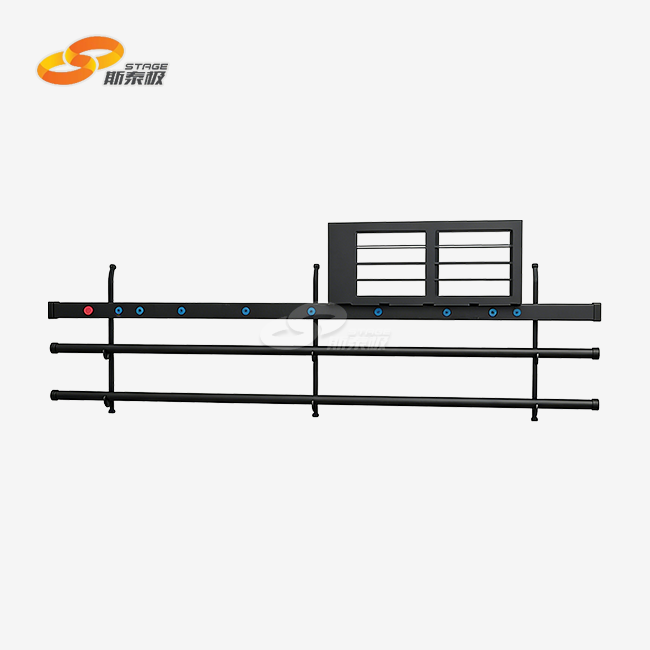 VIEW MOREMulti Functional Horizontal Suspension Bar
 VIEW MOREZero-fleet Horizontal Stage Winch
 VIEW MOREStage Compensating Lift
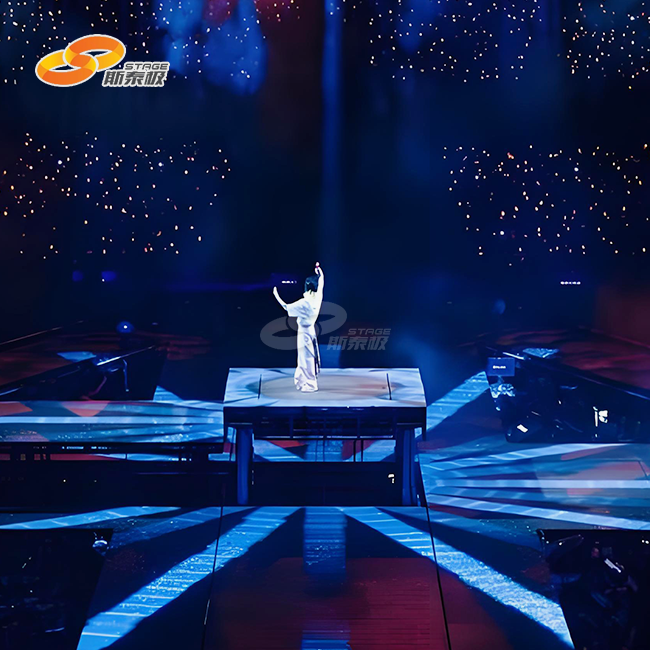 VIEW MOREPerformer Lift
 VIEW MOREStage Platform Truck
 VIEW MOREStage Flame-Retardant Backdrop Curtain
 VIEW MOREStage Motorized Control Console for bar
 VIEW MOREMotorized Curtain Track For Stage