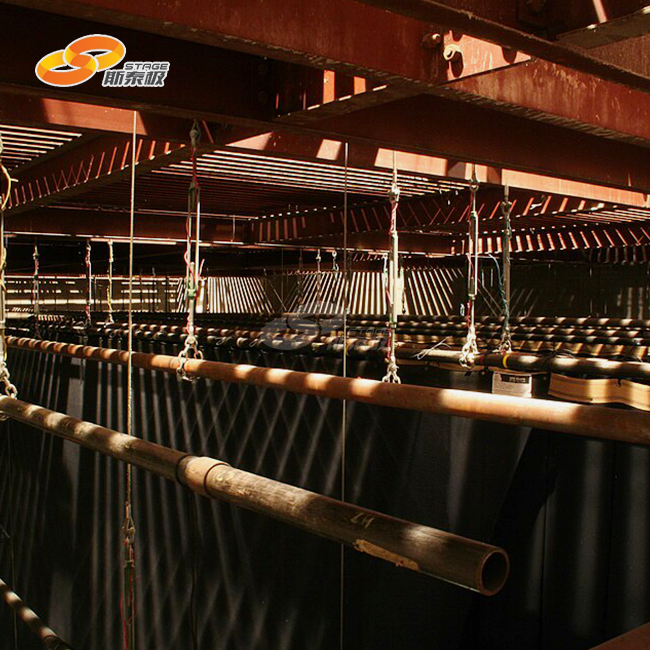




Safety Features to Look for in a Hydraulic Lifting Stage
Safety is the most important thing to think about when choosing a hydraulic lifting stage for your event. It can make or break your investment. These days, hydraulic stage systems have advanced safety features that keep actors, workers, and equipment safe while still running perfectly. When procurement professionals know about these important safety features, they can make choices that protect both human resources and business stability. The right lifting stage combines strong engineering with smart tracking systems to provide reliable performance in theaters, event halls, and entertainment places all over the world.
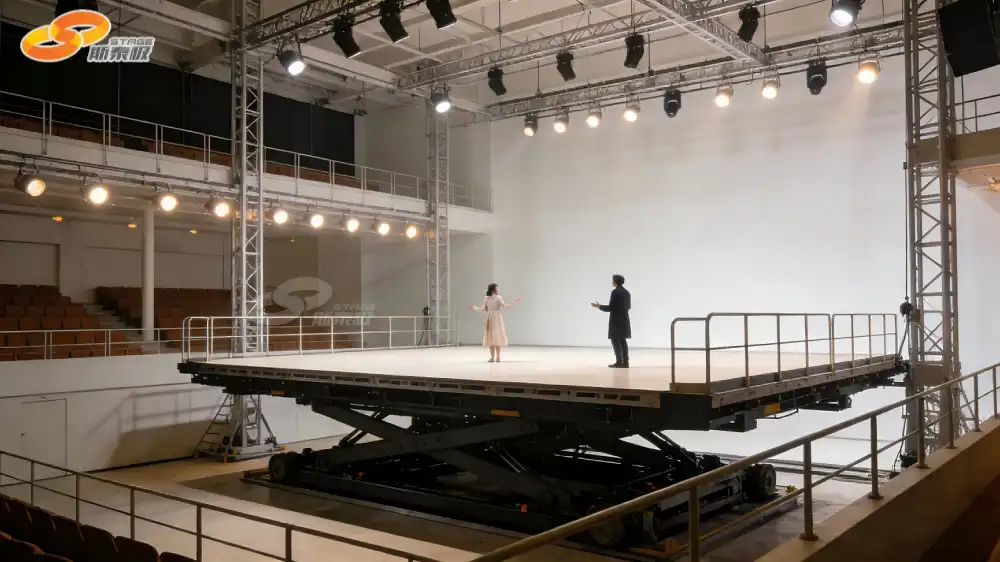
Understanding the Safety Challenges in Hydraulic Lifting Stages
Hydraulic stage systems have special safety concerns that need to be carefully thought through when they are being bought. Because these technical wonders are so complicated, there are many places where they could go wrong and make them less safe to use.
Common Risk Factors in Stage Hydraulic Systems
One of the biggest problems with hydraulic lifting platforms is that they can become overloaded. When weight limits are pushed past what was originally planned, catastrophic fails can happen, hurting workers badly and damaging expensive equipment. According to recent industry studies, about 60% of stage-related accidents are caused by bad load management or lifting surfaces that don't distribute weight evenly.
Failures in hydraulics can happen in a number of ways, such as when seals break down, pressure drops, or parts get worn out. These problems usually happen slowly, so finding them early is very important to keep the system from breaking down suddenly during important events. Things in the environment, like changes in temperature, humidity, and the buildup of dust, can speed up wear patterns and weaken systems over time.
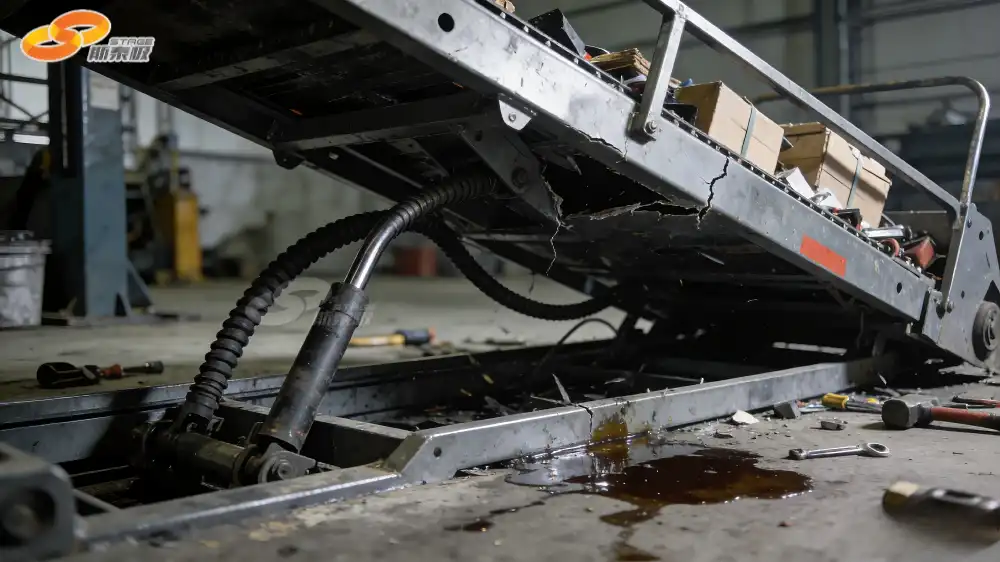
Regulatory Compliance and Safety Standards
When judging hydraulic lifting tools, international safety standards are used as a guide. ISO 12100 sets basic safety rules for designing machines, and ANSI E1.1 is a standard that talks about the safety needs of entertaining technology. Putting a CE mark on a piece of mechanical equipment makes sure that it meets European health and safety standards.
These standards set basic safety standards that all reputable manufacturers must meet, which affects choices about what to buy. Compliance paperwork is your first line of defense against liability problems and makes sure that your work meets the requirements of your insurance company and local building rules.
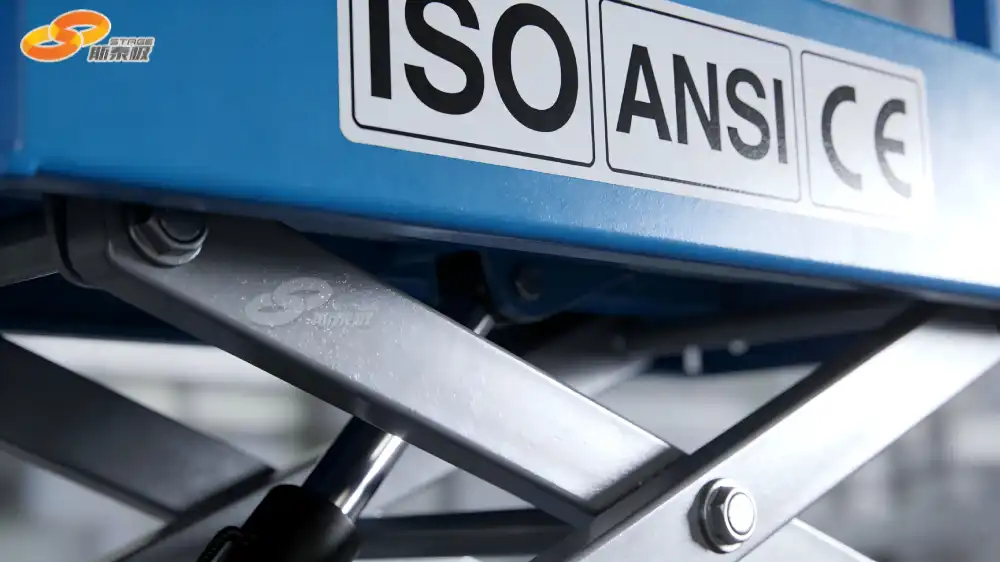
Key Safety Features to Evaluate in Hydraulic Lifting Stages
When choosing the right hydraulic stage equipment, it's important to look closely at the safety systems that are built in and work together to keep accidents from happening and make sure the equipment works well.
Load Monitoring and Overload Protection
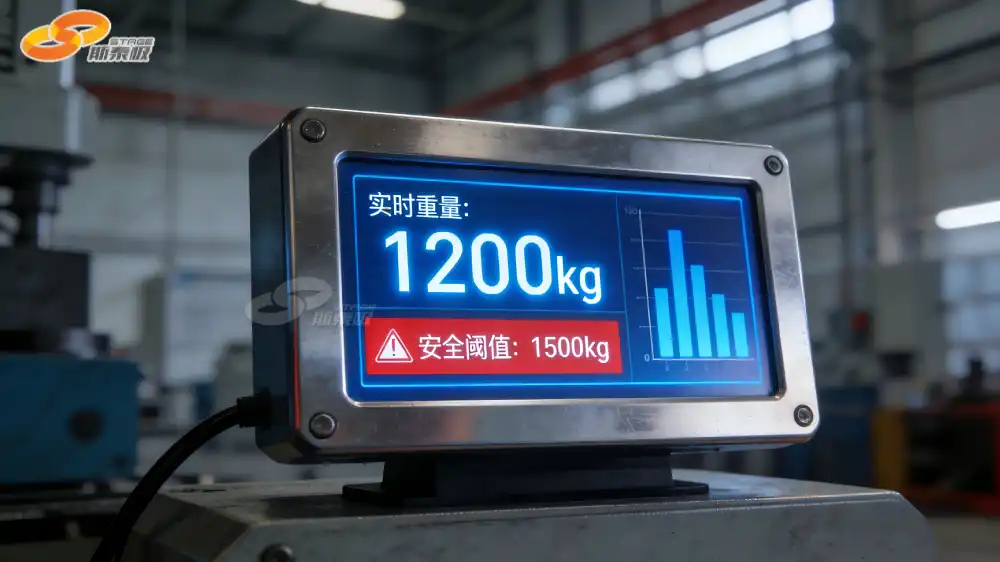
Modern hydraulic platforms have high-tech load tracking systems that keep an eye on the total amount and how the weight is distributed all the time. Strain gauges and pressure monitors are used in these systems to give real-time information about their limits. Automatic warning systems let workers know through both visual and audible signs when they are getting close to full capacity.
When weight limits are crossed, advanced overload security mechanisms for stage lift instantly kick in to keep the system from breaking and keep operators safe. One of these safety steps is automatic shutdown procedures, which stop movement until the load levels return to safe levels. Good makers make these systems with multiple tracking options so that there are no single points of failure.
Emergency Stop and Manual Override Functions
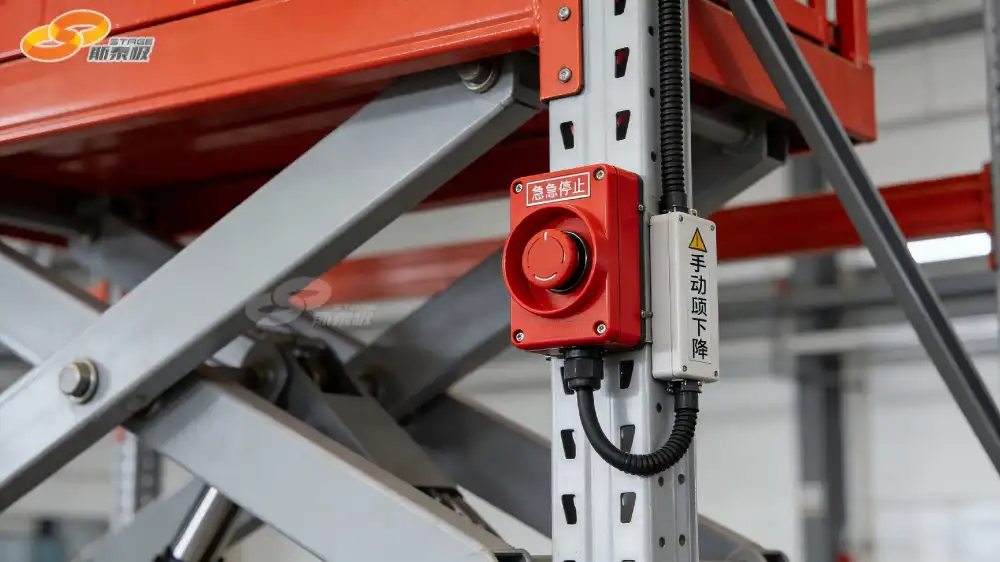
Professional-grade hydraulic lifting systems are different from basic ones because they can respond to emergencies in a wide range of situations. The emergency stop buttons must be placed in a way that makes them easy to reach from different parts of the stage platform. To avoid sudden drops in hydraulic pressure or motion that can't be managed, these controls should stop all movement right away while keeping the pressure steady.
When the main automation system fails, manual override systems can be used as a backup way to control things. With the help of these mechanical backup systems, trained workers can safely lower platforms by using hand pumps or mechanical release mechanisms. Emergency lowering features make sure that artists and equipment can be safely removed even if the power goes out.
Safety Locking and Positioning Systems
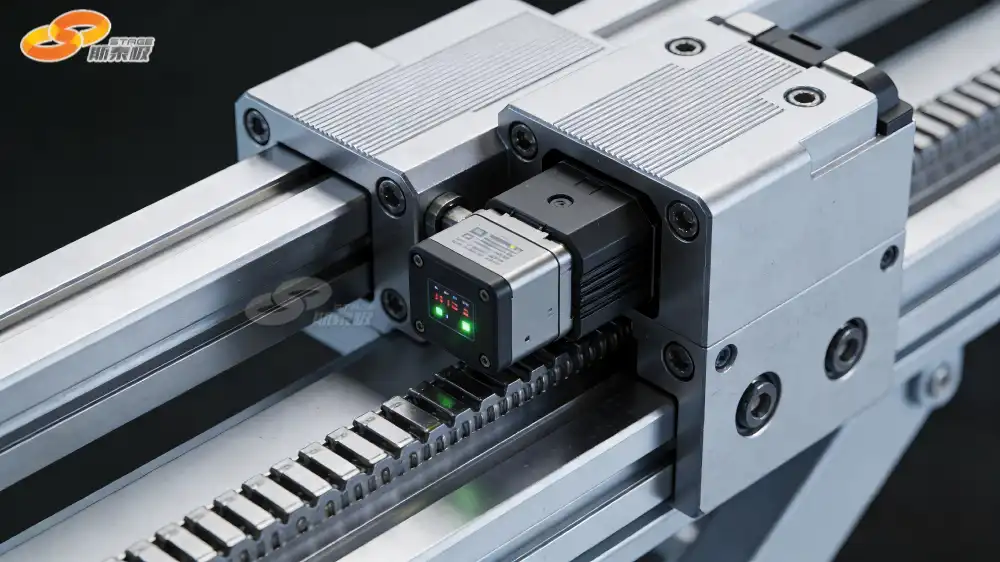
Precision placing technology makes sure that platforms are placed correctly and stops them from moving during shows. When platforms hit certain positions, mechanical locking systems go into action instantly. This prevents accidental movement. Most of the time, these locks have two sets of locking mechanisms to make sure they stay in place even when the load changes.
Electronic tracking feedback devices constantly check where the platform is and how fast it is moving. Modern systems use encoder technology to provide precision down to the millimeter level and identify any deviation from pre-programmed movement patterns. With this real-time tracking, problems can be fixed right away when they are found.
Comparing Safety Features Across Hydraulic Lifting Stage Solutions
The improvement of safety technology in hydraulic stage equipment has changed the standards for how reliably it works across the entertainment business. Understanding these changes in technology helps buying teams find sellers who put innovation and safety first.
Traditional vs. Advanced Safety Technologies
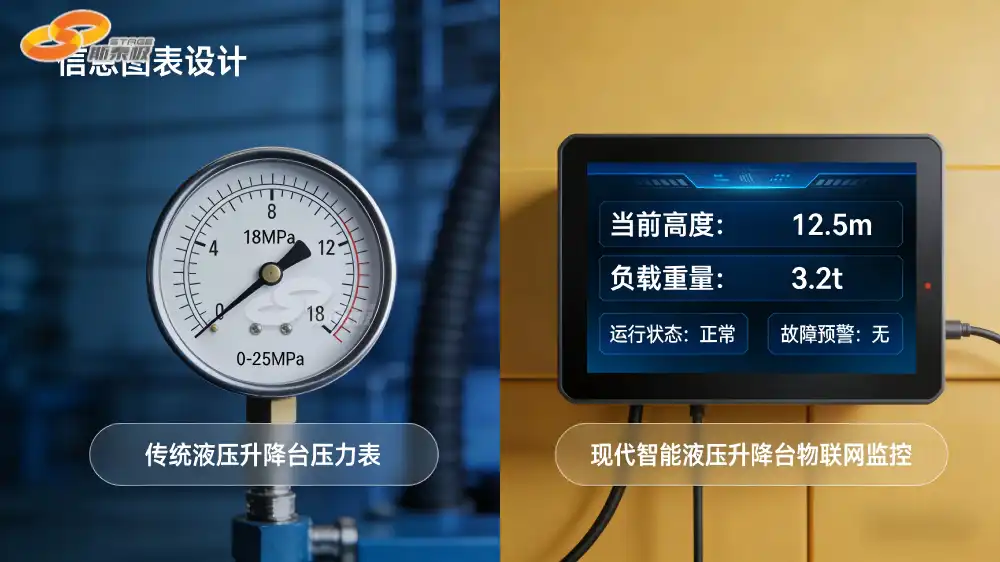
Most mechanical safety devices and simple pressure tracking are used in traditional hydraulic systems. Even though these basic safety measures are still important, they don't have the smart tracking and predictive features that modern systems do. Usually, traditional systems fix problems after they happen instead of finding problems early and fixing them before they happen.
Modern hydraulic platforms use smart sensors, Internet of Things (IoT) connectivity, and predictive repair programs to find problems before they happen. These systems look at trends in performance data to guess when parts will wear out and plan repair before they do. With machine learning, these systems can change based on how they are used and make safety rules work better in real-life situations.
Evaluating Supplier Safety Claims and Certifications
It's not enough to just look at approval marks and compliance statements to make sure that safety paperwork is correct. Manufacturers with a good reputation give thorough technical specifications, test results, and performance data that show how safe the product really is, not just how much it meets the minimum requirements.
Manufacturer claims for an elevating stage are more likely to be true when they are backed up by independent testing from reputable laboratories. Look for sellers whose products have been properly tested by a third party and who give you access to all the test results. This openness shows trust in the product's quality and a dedication to safety greatness.
Case studies from similar situations can teach us a lot about how safety works in the real world. Manufacturers with a lot of installation experience can show that they have a track record in a wide range of site types and operating needs.
How to Select a Hydraulic Lifting Stage with Optimal Safety for Your Business Needs?
To do a good job of procurement, you need to make sure that the safety features match the specific practical needs while also thinking about the long-term support and dependability needs.
Defining Industry-Specific Safety Requirements
There are different types of venues that need different safety factors because of how they work. For smooth scene changes, theater apps value quiet operation and exact positioning. Concert halls need to be able to set up quickly and have strong overload security for situations where the number of people attending changes.
Controls that are easier to use and a lot of safety features that can be adjusted to fit different levels of human skill are good for educational institutions. To support complicated show routines and interactive activities, theme parks and entertainment centers need custom automation systems that can watch these systems in real time.
Cost-Benefit Analysis of Safety Features
Premium safety features cost more up front, but they pay off in the long run by lowering upkeep costs, making the vehicle more reliable, and giving operators more options. Unplanned downtime is kept to a minimum by advanced tracking systems that allow for planned maintenance instead of fixes that are done after the fact.
Insurance companies often prefer tools with a lot of safety features because the premiums are less and the security is better. Documenting advanced safety features can have a big effect on how liability is assessed and how risk is managed.
Vendor Support and Training Services
Operators must know the safety rules and emergency methods that are special to your equipment through thorough training programs. To keep operations running at their best, good manufacturers offer ongoing technology help, regular safety updates, and chances to get more training.
During critical operational times, how quickly technical help for a stage lift can respond is very important. Check the supplier's abilities in areas like emergency reaction methods, remote diagnostics, and the supply of spare parts to make sure that operations are always supported.
Maintenance and Training to Maximize Safety in Hydraulic Lifting Stage Use
Safety performance that lasts relies on regular repair and training for operators that goes beyond learning how to do basic tasks.
Preventive Maintenance Protocols
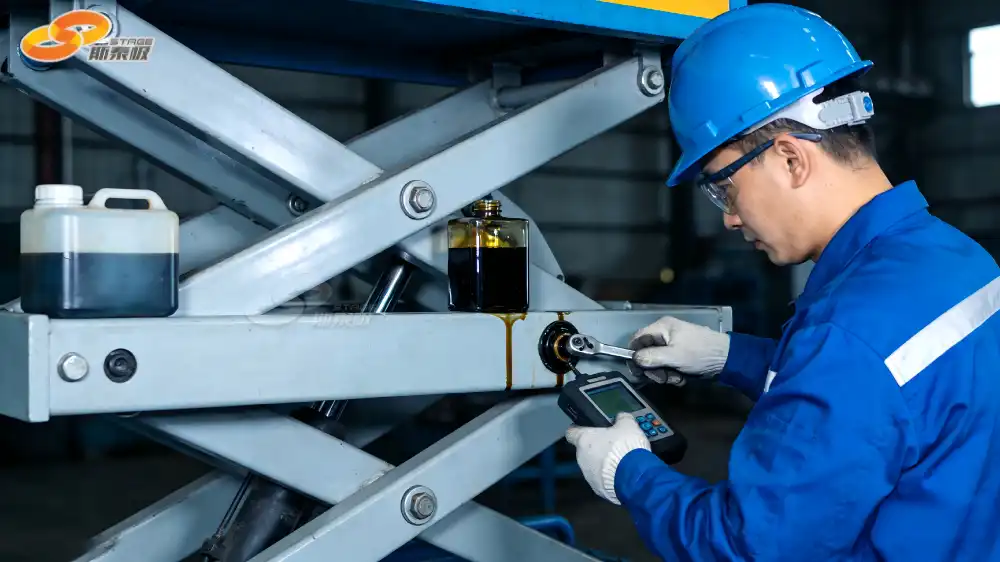
Regular inspections find problems before they get worse and endanger safety or performance. To keep working at their best, hydraulic systems need to have their fluids analyzed, their seals inspected, and their pressure tested on a frequent basis. Patterns of wear on parts give early warnings that let you plan for replacements ahead of time.
Diagnostic tools and monitoring software help make data-driven choices about maintenance by keeping an eye on performance trends and finding changes from the normal working settings. When repair times are coming up or when performance metrics point to possible problems, these systems send out automatic alerts.
Operator Training and Certification
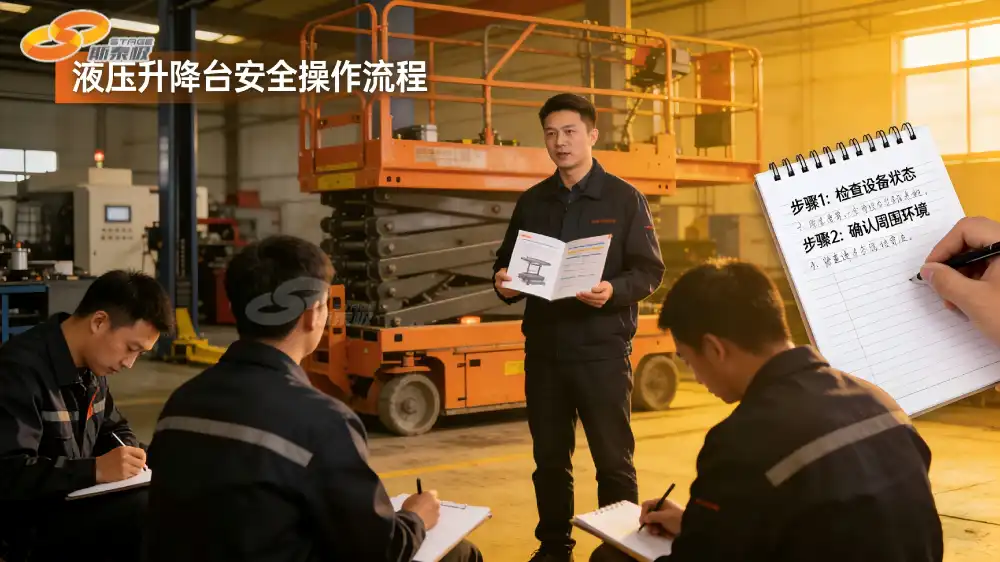
Comprehensive training programs teach you what to do in an emergency, how to do regular maintenance, and how to fix problems that are unique to your tools. Certification methods make sure that workers know how to follow safety rules and are aware of what will happen if they do something wrong.
Operators learn about new safety features or updated procedures and keep their skills up to date with regular refresher training. Proof that training was completed helps with meeting standards and protects venue owners from liability.
Technology Integration for Enhanced Safety
Advanced tracking software keeps detailed operating logs and keeps an eye on multiple stage systems from one place. These systems help with keeping records of compliance and give useful information for safety checks and insurance reviews.
Automated warning systems let maintenance workers know right away when safety limits are crossed or when it's time for regular maintenance. When you connect it to building management systems, you can set up organized reaction procedures that make the whole place safer.
Conclusion
Choosing hydraulic lifting stage equipment with a lot of safety features will protect your investment and make sure it works well. Putting together advanced monitoring systems, emergency procedures, and preventative maintenance tools makes a strong base for running a safe place. With predictive maintenance, intelligent monitoring, and better emergency reaction skills, modern safety technologies are a big step up from the old ways of doing things. Your dedication to safety greatness through the right choice of tools, training, and repair practices sets the stage for long-term success while keeping actors, operators, and audiences safe.
FAQ
What are the most critical safety features for high-load lifting stage applications?
For large-capacity uses, strong overload safety systems with many tracking points, extra emergency stop mechanisms, and mechanical locking systems that automatically engage are needed. Advanced load distribution tracking keeps dangerous weight concentrations from happening, and emergency lowering features make sure that people can safely leave when the power goes out.
How often should hydraulic lifting stages undergo safety inspections?
Industry guidelines call for visual inspections every day, operating checks every week, full system reviews every month, and certified exams by trained experts every year. Based on how often they are used and what the maker recommends, places that get a lot of use may need more frequent detailed inspections.
Can safety features be upgraded on existing hydraulic stage systems?
Many safety improvements, such as better emergency stop devices, better control systems, and more tracking sensors, can be added to systems that are already in place. But changes to the structure might need to be looked at by engineers to make sure they work with the specs of existing equipment.
What training is required for operators of hydraulic lifting stages?
Operators need to be trained in all aspects of regular operations, as well as how to handle emergencies, do standard repair, and follow safety rules. Certification programs usually have written and practice tests that need to be renewed on a regular basis to make sure that candidates are still competent.
How do international safety standards impact equipment selection?
Following the rules set by ISO, ANSI, and CE makes sure that the product works with insurance requirements, local building codes, and operating permits. These standards set basic safety standards and make it easier for tools to work in a variety of places and situations.
Partner with Sh Stage for Professional Hydraulic Lifting Solutions
Sh Stage makes hydraulic lifting stages that are the best in the world and put safety first without sacrificing efficiency. Our engineering team uses cutting-edge technology and decades of experience to make unique systems that meet the exact needs of theaters, event centers, and entertainment places all over the world. We keep all of our safety certifications up to date and offer full support services, such as installation, training, and ongoing upkeep programs. As a reliable lifting stage maker, we know that your safety needs go beyond just following the rules. They also include operating stability and long-term performance excellence. Get in touch with our technical experts at info@shstage.com to talk about your specific safety needs and to learn more about our wide range of hydraulic stage options that are made to fit your particular operational needs.
References
International Organization for Standardization. "Safety of Machinery - General Principles for Design - Risk Assessment and Risk Reduction." ISO 12100:2010.
American National Standards Institute. "Entertainment Technology - Portable Control of Lighting Equipment for Use in Entertainment Applications." ANSI E1.1-2012.
European Committee for Standardization. "Machinery Safety Requirements for Hydraulic and Pneumatic Systems." EN ISO 4413:2010.
National Institute for Occupational Safety and Health. "Criteria for Recommended Standards: Working in Confined Spaces in the Entertainment Industry." Publication No. 2011-202.
Entertainment Services and Technology Association. "Technical Standards Program for Entertainment Technology Safety." ESTA TSP Guidelines 2023.
International Association of Theatrical Stage Employees. "Health and Safety Manual for Live Entertainment Industry Equipment." IATSE Safety Publication 2022.

USER EVALUATE
Here is the customer's evaluation of us