



Best Lifting Stage Platforms for Concerts And Events
When searching for the best lifting stage platforms for concerts and events, professional venues and production companies need reliable, versatile stage elevation systems that deliver exceptional performance while maintaining safety standards. Modern lifting stage technology encompasses hydraulic, electric, and mechanical drive systems designed to create dynamic staging environments. These platforms transform static performance spaces into engaging, multi-dimensional experiences that captivate audiences and enhance production value. The right stage lifting solution combines precision engineering with operational simplicity, enabling seamless scene transitions, dramatic reveals, and flexible venue configurations that adapt to diverse entertainment requirements across theaters, concert halls, and event spaces.


Understanding Lifting Stage Platforms: Core Concepts and Benefits
Lifting stage platforms are complex mechanical systems that raise performance areas vertically, making stage settings that are lively for concerts, fairs, and business events. These platforms use high-tech moving systems to turn flat stages into performance areas with more than one level.
Essential Components and Lifting Mechanisms
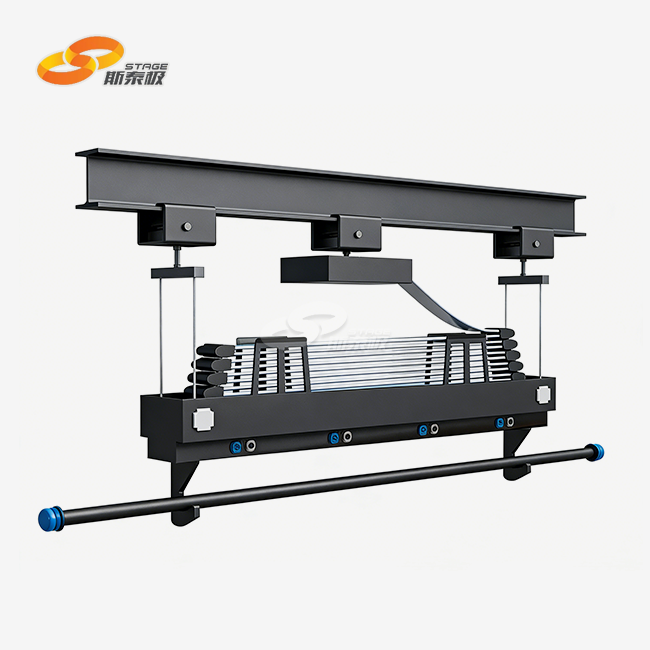
There are three main types of lifting technologies used in modern stage raising systems. Each one is better for certain situations. Because they can handle a lot of weight and work smoothly, Hydraulic Systems are perfect for big set pieces and shows with a lot of people. Electric Motor Systems allow for exact positioning and quieter operation, which is especially useful for small theater shows where sound quality is important. Mechanical Screw Jack Systems are stable and easy to maintain, making them perfect for places where the setup needs to be changed often.
Frameworks made of reinforced steel, precision tracking systems, built-in safety features, and advanced control interfaces are the main parts of expert stage lifting platforms. Safety features include backup power choices, emergency stop systems, and load tracking sensors that keep the performer safe while it's running. Control systems can be as simple as push buttons or as complex as programmable controllers that let you arrange complicated actions.


Key Benefits for Modern Event Production
Professional places should buy stage lifting systems because they have big practical benefits that make them worth the money. With more stage flexibility, producers can set up multiple performance levels in the same area, which opens up more creative options and cuts down on setup time. Dynamic stage effects that keep things interesting to look at during shows get the audience more involved.
Controlled performer movement, fewer physical lifting tasks, and standard methods for raising workers that lower the risk of damage are all operational safety benefits. Cost efficiency comes from not needing as much work, places being able to handle more types of events, and bookings being able to be changed more easily. These tools make it easier to set up events and give people the best possible experience across a range of entertainment types.
Top Stage Elevation Systems for Professional Events
To choose the right stage lift equipment, you need to know the important performance factors that will affect the long-term success of your operations. Professional buying teams look at platforms based on how much weight they can hold, how fast they can operate, whether they have built-in safety features, and whether they can work with the venue's current infrastructure.
Critical Selection Criteria for B2B Buyers
When thinking about load capacity, you need to think about both basic weight limits and dynamic loading situations that often happen during live shows. Professional systems can usually take loads between 500 and 10,000 pounds per square meter, but this depends on the needs of the application. When scenes need to be changed quickly, operational speed is very important. High-end systems let you change the speed from 0.1 to 1.5 meters per minute.
Safety certifications are requirements that can't be changed. These include meeting foreign standards like CE marking, ISO 12100 machinery safety guidelines, and local building codes. Compatibility tests check how well new lighting, sound, and venue infrastructure can work with current systems to make sure everything works smoothly without having to make expensive changes.
Leading Platform Categories and Applications
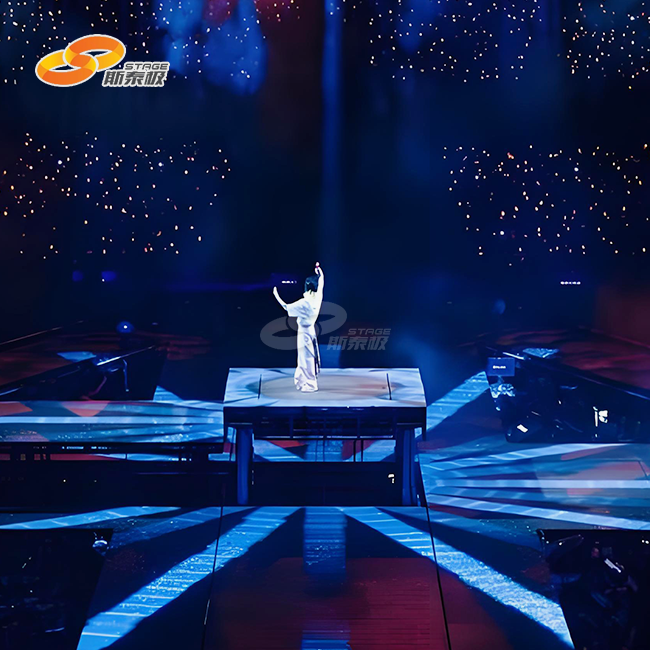
Professional hydraulic lifting stages work great when a lot of weight needs to be lifted and the process needs to be very smooth. These systems can handle grand pianos, full bands, and complicated set pieces while running very quietly during shows. Electric motor platforms allow for exact positioning control, making them perfect for choreographed sequences and moves that happen on multiple platforms at the same time.
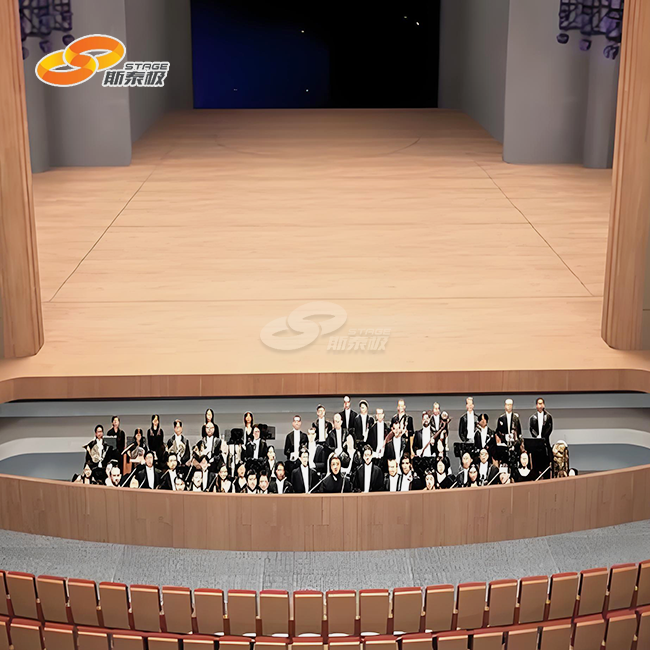
For places with limited basement room, scissor lift setups offer small installation profiles. Chain-driven systems, on the other hand, offer cost-effective options for schools and smaller venues. Rotating Stage Lifts can move vertically and rotate 360 degrees, which lets you do amazing visual effects and smooth scene changes that keep people captivated.


Case studies from the industry show that success goes up after a professional installs a stage lift. After installing mechanical lifting systems, the Metropolitan Opera House cut the time it took to change scenes by 40% while keeping the theater completely silent during shows. When convention centers use flexible lifting platforms, they can change the layout of the space between events 60% faster, which greatly increases the venue's usage rates.
Evaluations of vendor dependability look at the track records of manufacturers, the covering of warranties, and the speed with which service can be provided. Leading providers offer a wide range of support services, such as supervision during installation, training programs for operators, and preventative maintenance plans that guarantee long-term operating efficiency.
How to Choose the Right Lifting Stage Platform for Your Event Needs?
To choose the right stage lifting tools, you need to carefully look at the needs of the place, how it works, and any plans for future growth. When professionals make choices about procurement, they have to weigh short-term performance needs against long-term strategy goals.
Establishing Core Evaluation Metrics
An event-specific needs analysis for an elevating stage starts with measuring the venue, such as the stage's size, the basement's access, and the building's weight limits. Load demand estimates take into account the maximum capacity of the performer, the weight of the equipment, and the safety limits that are needed for dynamic loading situations. Projections of the frequency of use help figure out the right duty cycle rates and plan repair intervals.
Environmental condition studies look at things like changes in temperature, humidity, and dust exposure that can shorten the life of equipment. Outdoor events need systems that can handle the weather, while shows inside need systems that are very quiet and accurate in their placing.
Safety Certification and Operational Considerations
Safety certification standards include more than just following the rules. They also include operating training and emergency measures. Professional installations come with full training programs for operators, thorough upkeep plans, and emergency reaction plans. Certifications for equipment should include standards for ongoing inspections and testing by a third party.
Ease of operation factors look at how skilled the user needs to be, how complicated the control system is, and how long training is needed to make sure the machine can be safely used. Modern systems have easy-to-use interfaces that make them less likely for operators to make mistakes while still giving them a lot of diagnostic data to help them plan maintenance.
Traditional Staging Versus Lifting Platform Comparison
A cost-benefit study shows that investing in a lifting platform is much more beneficial than using standard manual staging methods. Lifting systems get rid of the need to do the same things over and over again, cut down on setup time, and make it easier to accommodate different schedules. Even though the original capital investment is higher than usual staging costs, operational saves from less staffing and more people using the venue usually pay for themselves within three years.
Some of the ways that efficiency gains happen are a 70% drop in setup time, no more paying workers extra, and more bookings because venues can be turned around faster. Making the workplace safer lowers the chance of getting hurt and the costs of insurance that comes with it. Consistent, exact setting also improves the quality of the work.
For minimal downtime and smooth event execution, it's important to work with reputable providers that give full after-sales support. Support services should include expert help 24 hours a day, seven days a week, quick access to parts, and preventative maintenance plans that make tools more reliable.
Installation, Operation, and Best Practices for Lifting Stage Platforms
Professional installation and usage methods for a stage lift have a direct effect on how well the equipment works, how safe it is, and how much it costs to own in total. Following well-known best practices makes sure that the system is reliable and reduces operating risks as much as possible.
Professional Installation Guidelines
In order to prepare a site, you have to do things like analyze the building, check the electrical connections, and plan out how to get to the equipment. The foundation specs need to take into account dynamic loads, the need to dampen vibrations, and making sure there is enough draining and air flow. For electrical systems to work, they need specialized circuits with the right surge safety and emergency disconnect features.
Following local building codes, workplace safety rules, and maker installation instructions are all examples of safety standards that must be met. Professional setups are done by trained workers who know how to use the mechanical systems, electrical needs, and safety rules that are specific to stage lifting equipment.


Operational Best Practices and Maintenance Protocols
Daily operational checks, weekly lubrication processes, and monthly full exams are all part of routine maintenance plans. Preventive repair programs find problems before they affect operations. This cuts down on unplanned downtime and increases the life of equipment. Using the right lubricants and following the manufacturer's instructions will keep your machine running smoothly and stop it from wearing out too quickly.
Safety rules, what to do in an emergency, and regular maintenance chores that operators can do safely are all covered in Operator Training Classes. Hands-on operating under guidance, written processes, and regular refresher sessions to keep skills up to date should all be part of training.
Risk Management and Future-Proofing Strategies
Leaks in the hydraulic system, broken electrical parts, and problems with the control system are all common operating problems. Maintaining an inventory of spare parts, making repair deals with trained techs, and planning for what to do if equipment breaks down during events are all examples of proactive risk management.
Some things that should be thought about to make something future-proof are whether it works with new control technologies, whether it can be expanded to work with more platforms, and whether it can connect with smart place management systems. IoT Sensors are used in new setups to help with predictive repair, remote tracking, and connecting to building control systems. With these new technologies, procurement managers and engineers can keep things very reliable while also lowering the total cost of ownership. They can do this by using data to plan repairs and improve operations.
Emerging Trends and Innovations in Lifting Stage Platforms
As technology improves, efforts to be more environmentally friendly, and new entertainment forms change what people want, the elevating stage business keeps changing. These changes affect how the entertainment business buys things and what is expected of its workers.
Advanced Control Systems and IoT Integration
Automated control systems now have advanced programming tools that let you time complex planned moves with sound, video, and lighting systems. Modern platforms have touchscreen displays that remember previous positions, which lets operators run complicated routines with just one button. Integration with building management systems lets one person handle many theater systems from one place, while still letting each platform work perfectly on its own.
Integration of the Internet of Things (IoT) allows for remote tracking that can keep an eye on performance measures, guess when maintenance will be needed, and improve the efficiency of operations. Smart sensors send real-time data to building management systems about things like motor temperature, hydraulic pressure, and load distribution. Through predictive repair schedules, these new ideas cut down on running costs while making things more reliable.


Sustainability Features and Environmental Responsibility
As places put more emphasis on sustainable efforts, environmental concerns are becoming more and more important in the buying process. Energy-efficient motor systems use less power while still meeting performance standards. This helps meet LEED certification goals and lowers running costs. Biodegradable oils are now used in hydraulic systems, which are better for the earth and work just as well.
Noise reduction technologies meet the needs of urban venues where noise rules limit the hours they can be open. Modern damping systems and precise production methods make it possible to work during events that are sensitive to noise without affecting the accuracy of placement or the load capacity.
Market Evolution and Future Compliance Requirements
Platforms with camera mounting systems, projection surfaces, and broadcast-quality placement accuracy are in high demand because of events that combine virtual and real life. To meet the needs of high-definition video recording, these uses need better vibration dampening and very accurate placement.
More and more, dynamic staging is being used in places like schools, retail stores, and business presentation rooms to make customer encounters more interesting. In these areas, people want options that are both cheap and easy to use, but still meet professional standards for dependability. In the future, regulations will probably focus on cybersecurity procedures for systems that are linked, better safety tracking, and standard maintenance documentation that helps all foreign markets follow the rules.
Conclusion
Modern entertainment places that want to keep the audience interested while keeping operations running smoothly can't do without professional lifting stage platforms. Advanced hydraulic systems, exact electric controls, and new safety features allow venue managers to make stage areas that are flexible and can be changed to meet different performance needs. Investing in good stage elevation equipment pays off in a way that can be measured: lower labor costs, more booking options, and better production skills that set places apart in competitive markets. To be successful, you need to carefully choose your vendors, follow the right installation steps, and commit to ongoing repair programs that keep your equipment running smoothly for a long time.
FAQ
What safety certifications should I look for in lifting stage platforms?
Professional lifting stage platforms must meet international safety standards for machines, such as CE marking, ISO 12100 compliance, and local building codes. Look for validation testing by a third party, full operation training programs, and detailed safety paperwork. Safety features like emergency stop systems, load tracking sensors, and backup power choices keep performers and operators safe while the machine is running.
How do the cost and ease of use of lifting platforms compare to standard risers?
Lifting platforms cost more to buy up front than standard manual staging systems, but they save a lot of money in the long run because they require less work and can be set up faster. Professional setups usually pay for themselves in three years or less because the place is used more, extra costs go down, and booking options get more flexible. Being able to make different designs without having to do any work by hand gives flexible riser systems big operating benefits.
Can lifting stage platforms be customized for unique venue configurations?
Modern lifting stage platforms can be changed in many ways, such as their sizes, weight capacities, and ability to work with other systems in the venue. Manufacturers offer technical help for a wide range of uses, ranging from spinning platforms to systems that are linked on multiple levels. Customization includes control interfaces, safety features, and finishing that look good and meet the needs of the venue's design while still meeting operating performance standards.
Partner with Sh Stage for Your Professional Lifting Stage Solutions
Stage (Shanghai) Stage Technology Engineering Co., Ltd. delivers world-class lifting stage platforms that combine cutting-edge engineering with reliable performance for concert halls, theaters, and event venues worldwide. Our comprehensive manufacturing capabilities as a genuine source lifting stage supplier enable us to provide customized solutions that meet your exact specifications while maintaining competitive pricing. With ISO and CE compliance, extensive global project experience, and 24/7 multilingual support, we ensure seamless integration of advanced stage automation systems that elevate your venue's production capabilities. Contact our engineering team at info@shstage.com to discuss your lifting stage requirements and discover how our innovative platforms can transform your performance space.
References
International Association of Venue Managers. "Professional Stage Equipment Standards and Best Practices Guide." Entertainment Venue Management Journal, 2024.
Thompson, Michael R. "Hydraulic Stage Lifting Systems: Engineering Principles and Applications." Mechanical Engineering for Entertainment Technology, 2023.
European Committee for Standardization. "Safety Requirements for Stage Machinery and Equipment: EN 81-20 Compliance Guidelines." Technical Safety Publications, 2024.
Williams, Sarah J. "Cost-Benefit Analysis of Automated Stage Systems in Professional Venues." Venue Operations Management Quarterly, 2023.
National Institute for Occupational Safety and Health. "Workplace Safety Guidelines for Entertainment Industry Equipment Operation." Industrial Safety Standards Review, 2024.
Rodriguez, Carlos M. "Emerging Technologies in Stage Automation: IoT Integration and Smart Control Systems." Entertainment Technology Innovation Report, 2023.

USER EVALUATE
Here is the customer's evaluation of us