



Which Firms Offer Turnkey Solutions for Large-Scale Stage Machinery Installations?
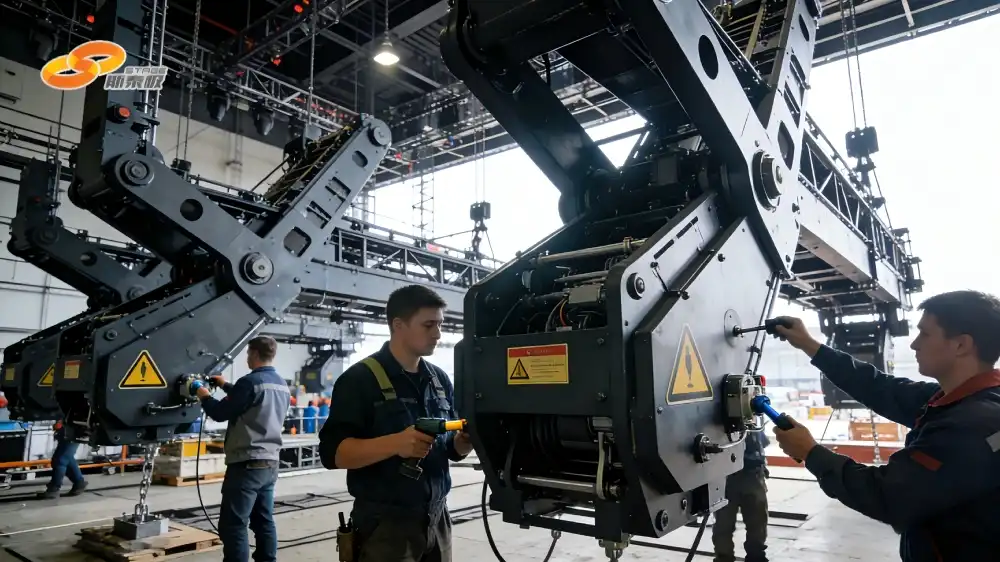
There are a number of well-known companies on the market that offer complete stage machinery solutions and can take care of complicated setups from start to finish. Leading companies like Sh Stage, Wenger Corporation, StageCo, Kinesys, and Creative Technology (CTD) are all experts in working on big projects. These companies offer integrated services that include planning, production, installation, testing, and ongoing upkeep. This makes sure that projects for theaters, opera houses, convention centers, and other entertainment places around the world go smoothly.
Understanding Turnkey Solutions for stage machinery
Comprehensive Project Management Approach
Turnkey options for theater tools are very different from the old ways of buying things because they give clients a single point of responsibility for the whole project. By combining planning, manufacturing, installation, testing, and upkeep services into one package, these all-inclusive deals make it easier to manage multiple vendors. Modern entertainment places need complex rigging systems, automatic platforms, and precise control systems that need to work well with technology from many different fields.
The integrated method solves important problems that B2B procurement teams in the entertainment business are having. Instead of dealing with technical issues between different providers, venue managers can focus on planning and running the show. When a single provider handles all parts of delivery, project timelines are more stable. This is because delays caused by compatibility problems or poor communication between different contractors are less likely to happen.
Risk Mitigation and Quality Assurance
Professional stage automation needs to pay close attention to safety standards and the ability to work reliably. Turnkey providers make sure that all the parts work well together by following strict testing procedures before handing over the keys. This unified responsibility structure keeps customers from having to blame different providers when problems happen. It also makes sure that international safety standards like ANSI E1.21 and DGUV 17 are met.
Modern theater setups depend on advanced control systems integration, which requires knowledge of both mechanical engineering and complex software code. Leading providers put a lot of money into research and development to make their own control tools that are easy to use while still being precise enough for professional projects.
Key Players Offering Comprehensive Turnkey stage machinery Services
Industry-Leading Manufacturers and Their Specializations
There are a number of well-known companies that make professional theater tools, and each one brings something different to large-scale setups. These companies have built a reputation over decades of successfully completing projects in a wide range of venues and places across the world.
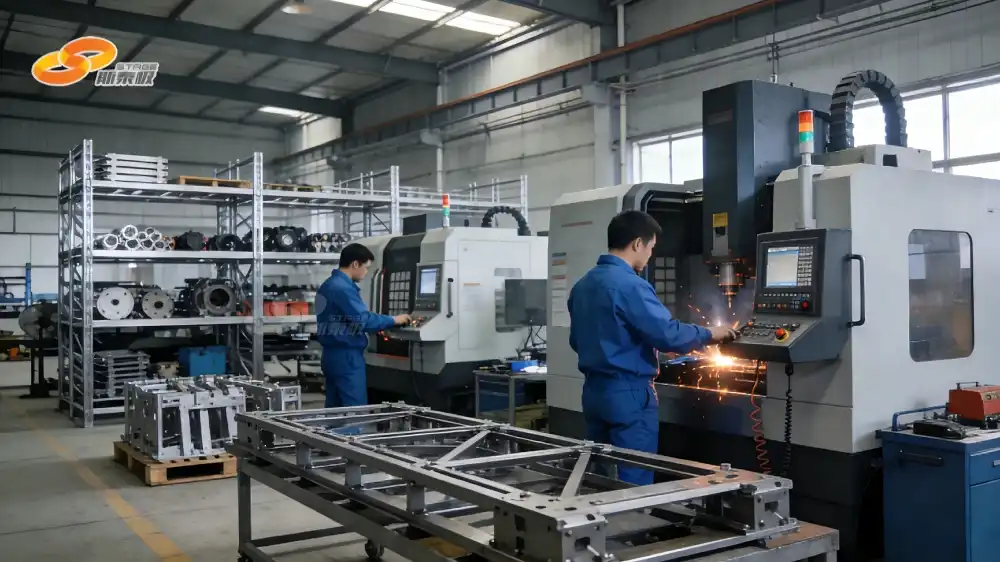
Since it started in 2009, Sh Stage has become a major player in the industry. It does this by using its status as a legitimate source manufacturer to give price and customization benefits over its competitors. Through its three affiliated entities, the company does research and development, production, and foreign marketing. This integrated business model allows direct factory prices without lowering quality standards.
Wenger Corporation has a lot of experience building schools and theaters. They are especially good at acoustic shell systems and flexible stage solutions. Their knowledge ranges from simple portable stages to complicated automated setups. In the North American market, they have a strong name for on-time delivery and full support services.
StageCo is known for its large-scale traveling shows and temporary installations of stage equipment. It comes up with new ways to solve problems at concerts and events that need to be set up quickly and work reliably in tough circumstances. Their modular method lets them make different configurations while keeping the structure strong and making sure safety rules are followed.
Technological Innovation and Service Differentiation
Modern stage technology companies set themselves apart by coming up with their own unique control systems, safety features, and ways to automate tasks. Kinesys was one of the first companies to use advanced motion control technologies that let actors and scenery move precisely and in sync with each other. These technologies include real-time position input and collision recognition systems that make live shows safer.
Adding digital technologies has changed how theater equipment works and how it talks to each other. Modern installations use networked control systems that let you watch them from afar, get repair reports ahead of time, and easily connect them to lighting and sound systems. Because of these changes in technology, service providers need to stay up-to-date on a lot of different technical areas and make sure that their products will work with new gear and software in the future.
Critical Components and Design Principles in Large-Scale stage machinery Solutions
Structural Engineering and Load Management
To make sure they are safe to use when the load is changing, professional stage setups need to be carefully analyzed by engineers. When doing structural calculations, you have to take into account both static loads from the scenery and tools and dynamic forces that are created when people move and interact with each other. Distributed load monitoring systems are common in modern setups. These systems give workers real-time information on the stress levels in structures, which helps them keep safe working conditions during shows.
Advanced rigging systems use carefully designed parts like wire rope units, counterweight systems, and powered hoists that need to work effectively for decades of heavy use. Choosing the right materials is very important for making sure that something lasts a long time. Parts made from high-strength steel alloys and finishes that don't rust keep working well in a wide range of situations.
Automation and Control System Integration
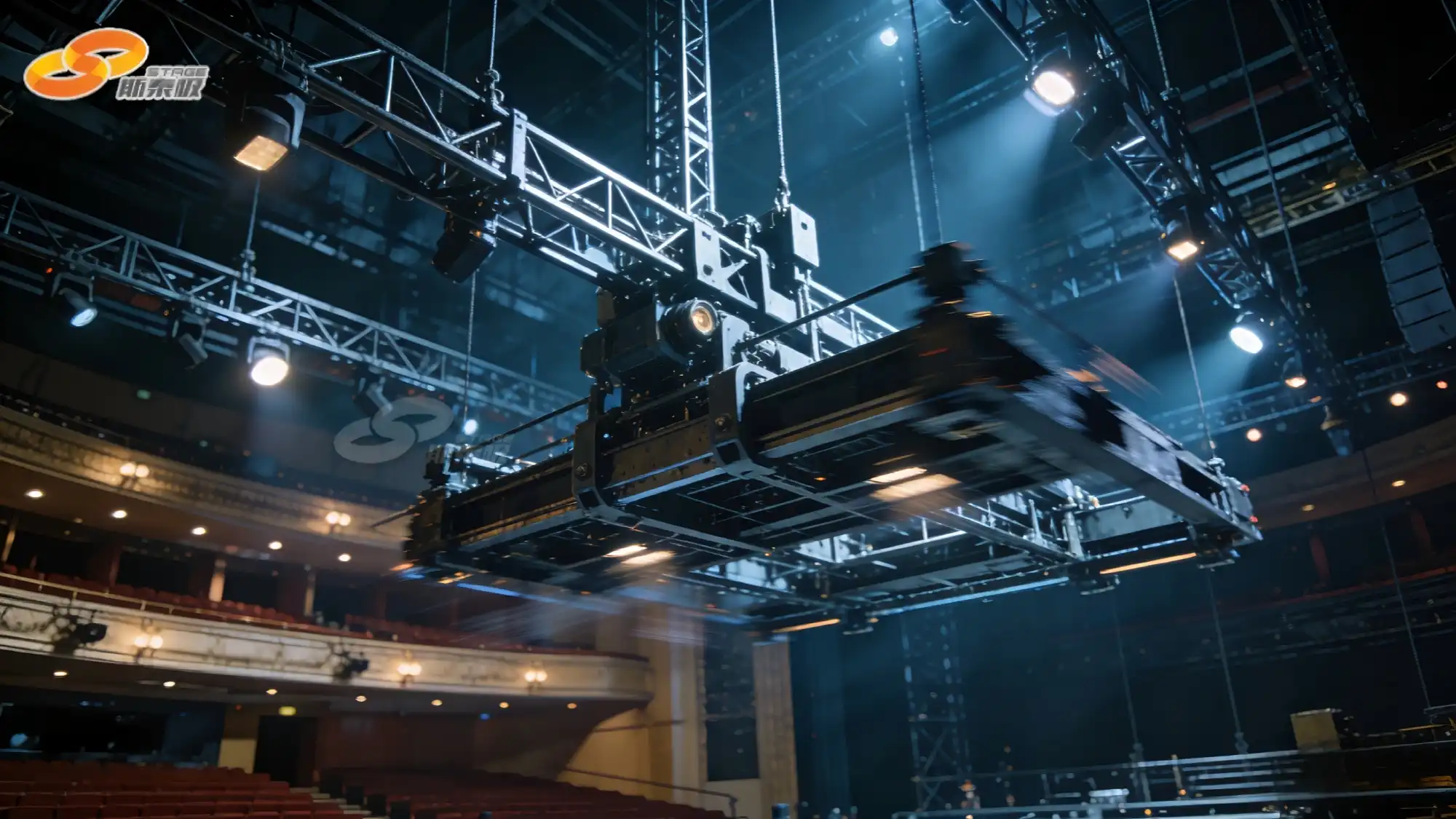
Modern theater setups depend more and more on complex robotic systems that precisely time the movements of many moving parts. Programmable logic controllers (PLCs) are used in these systems to run complicated processes while constantly checking safety factors like position limits, load conditions, and emergency stop circuits.
User interface design has changed over time to suit users with different levels of technical knowledge. Touchscreen controls and graphics that show system state are examples of this. Simulation features in more advanced setups let operators see how moves will look before they are carried out. This lowers the chance of mistakes happening during live performances. Technical support teams can quickly find and fix problems with remote tests, which cuts down on downtime and maintenance costs.
Safety Systems and Compliance Standards
Every part of professional stage machinery design and construction is governed by international safety standards. To follow rules like ANSI E1.6-1 for portable stages and EN 17206 for stage machinery, you need to keep detailed records of your design figures, material approvals, and testing methods. The best service providers have thorough quality control systems that make sure that all projects follow the same rules.
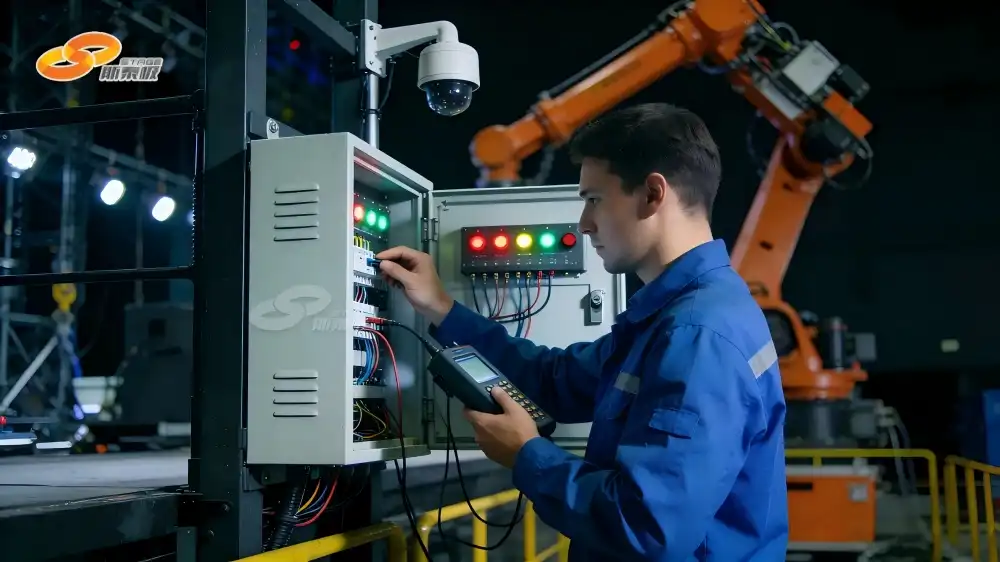
When it comes to safety, emergency stop devices are very important and must always work properly. Modern setups have alternative safety circuits with multiple separate ways for emergency orders to be sent. This way, if one part fails, it won't affect the safety of the user or performance. Protocols for regular testing and upkeep make sure that compliance stays high as long as the equipment is in use.
How to Select the Right Turnkey Provider for Your stage machinery Needs?
Project Requirements Assessment
To choose the right provider, you should first do a full study of the venue's needs, including its size, operating ability, and performance requirements. Teams in charge of buying things have to think about things like the biggest loads that can be carried, how fast things can move, how loud they are, and how well they need to work with other systems. Cost-effectiveness and ease of use are usually important to educational schools, while professional shows may focus on precise control and advanced automation.
When making a budget, it's important to think about more than just the original capital expenditure. You should also think about ongoing operating costs, maintenance needs, and the possibility of growth. Providers with flexible designs let you use phased deployment strategies that work with your available funds and keep things compatible for when you make improvements in the future. A total cost of ownership study should look at how much energy the equipment uses, how easy it is to get replacement parts, and how much training is needed over its predicted lifetime.
Evaluation Criteria for Provider Selection
Technical ability is the key to delivering projects successfully, and service providers must show they know a lot about things like mechanical engineering, electrical systems, and software development. When evaluating a portfolio, similar projects should be looked at in similar places, with a focus on safety records and client happiness levels. References from recent setups can tell you a lot about a provider's skills and the quality of their help after the installation.
The ability to manufacture and the quality control methods have a direct effect on how reliable and long-lasting technology is. Site trips to factories can teach you a lot about their quality control systems, how they test their products, and how much they can customize them. Companies that have all of their operations within their own company are often better at controlling costs and meeting delivery dates than companies that get important parts from outside sources.
Procurement Process and Post-Installation Support
Structured Procurement Methodology
Professional buying for stage equipment starts with creating thorough specifications that make it clear what performance standards, safety standards, and integration factors are needed. Request for proposal (RFP) documents should have detailed technical standards, project timelines, and assessment factors that make it possible for proposals to be fairly compared with each other. Multiple evaluation stages, such as expert studies, commercial analyses, and reference checks, are part of well-structured procurement processes.
When negotiating a contract, important issues like payment terms, delivery dates, warranty terms, and acceptance testing methods are talked over. Performance bonds and professional liability insurance offer extra safety for complicated installations where delays or problems with performance could have a big effect on how the place runs. Making sure that both the provider and the place know what their duties are makes sure that the project runs smoothly and avoids problems.
Installation Coordination and Commissioning
For installations to go smoothly, the equipment provider, general workers, and site operators need to work together very closely. Building construction goals, equipment supply logistics, and testing needs must all be included in detailed project schedules. Before installing machines can begin, the site must be prepared. This includes making changes to the structure, installing electricity, and integrating the safety system.
During commissioning, all systems are checked to make sure they work as planned and meet safety standards. Static load tests, dynamic movement verification, and safety system validation under different working scenarios are all part of thorough testing procedures. Operator training is an important part of commissioning because it makes sure that the people working at the place can use the equipment safely and quickly and know how to do maintenance and what to do in an emergency.
Ongoing Support and Maintenance Services
Support services after installation have a big effect on how well technology works and how happy operators are with it over time. Schedules for preventive maintenance, emergency repair services, and promises that spare parts will be available are all parts of comprehensive maintenance plans. With remote monitoring, service companies can find problems before they affect operations, which cuts down on downtime and repair costs.
There should be choices for both on-site teaching and remote learning tools in training programs so that they can handle staff turnover and skill development needs. As systems change and parts are added, technical paperwork like operation manuals, repair methods, and troubleshooting guides needs to be kept up to date. System improvements and software changes make sure that the system stays compatible with changing operating needs and industry standards.
Conclusion
When choosing a source of turnkey stage machinery, it's important to look closely at their professional skills, project experience, and pledges to long-term support. Well-known brands like Sh Stage, Wenger, StageCo, Kinesys, and CTD provide complete options that meet the complex needs of modern event places. A thorough study of needs, organized buying processes, and ongoing relationships that make sure equipment works at its best throughout its operating lives are all necessary for success. The thorough approach to stage machinery buying is justified by the investment in professional turnkey solutions, which improve safety, operating efficiency, and creative possibilities.
FAQ
What distinguishes turnkey providers from traditional equipment suppliers?
One person is responsible for all aspects of a project managed by a turnkey provider, including planning, manufacturing, installation, testing, and upkeep. Traditional sellers usually only deliver equipment and don't take care of integrating it. This means that clients have to work with multiple vendors and take on the risk of compatibility issues.
How long do large-scale stage machinery installations typically require?
Project timelines are very different depending on the size of the place, the complexity of the system, and the needs for customization. Standard configurations take between 3 and 6 months to build, while complicated custom systems that need a lot of planning and testing take between 12 and 18 months.
What safety certifications should buyers verify with potential providers?
Professional service providers should show that they follow local building rules and important foreign standards, such as ANSI E1.6 and EN 17206. Certifications should include both making sure the product meets standards and showing how to install it correctly. There should also be written quality control systems and regular auditing methods.
Choose Sh Stage as Your Trusted stage machinery Manufacturer
Sh Stage offers great value because we use a combined manufacturing method and can handle all aspects of project management. We mix direct factory pricing with international quality standards to meet the unique needs of your venue as a reputable stage machinery seller with more than ten years of experience. Our experienced engineering team creates unique solutions from the initial planning phase through installation and ongoing support. This makes sure that projects for theaters, convention centers, and other entertainment places around the world go smoothly. Email our technical experts at info@shstage.com to talk about your future project and find out how our turnkey method can help your venue do more while still meeting the highest standards of safety and performance.
References
Smith, J. A. "Modern Stage Engineering: Principles and Applications in Professional Theater Design." Theater Technology Press, 2023.
Chen, L. M. "Automated Rigging Systems: Safety Standards and Performance Optimization in Large Venue Installations." International Journal of Entertainment Technology, Vol. 45, 2023.
Williams, R. K. "Turnkey Solutions in Entertainment Infrastructure: A Comparative Analysis of Global Providers." Entertainment Venue Management Quarterly, 2024.
Thompson, D. S. "Risk Management in Large-Scale stage machinery Procurement: Best Practices for Venue Operators." Professional Stage Management Review, 2023.
Anderson, M. L. "Integration Challenges in Modern Theater Technology: Lessons from Recent Installations." Stage Engineering Today, 2024.
Garcia, P. R. "Economic Analysis of Turnkey versus Traditional Procurement Methods in Entertainment Venue Development." Facility Management Economics Journal, 2023.

USER EVALUATE
Here is the customer's evaluation of us