




What is a Stage Lift?
In theaters, event sites, and factories, a stage lift is a specialized mechanical platform system that lets people, equipment, sets, and materials move up and down safely. Precision engineering and safety rules work together in these high-tech lifting stage systems to make dynamic vertical transportation solutions that improve working efficiency and allow for dramatic visual effects. Many modern stage lifts use hydraulic, electric, or pneumatic systems to make them run smoothly and quietly while holding big loads, from light entertainers to heavy industrial equipment.
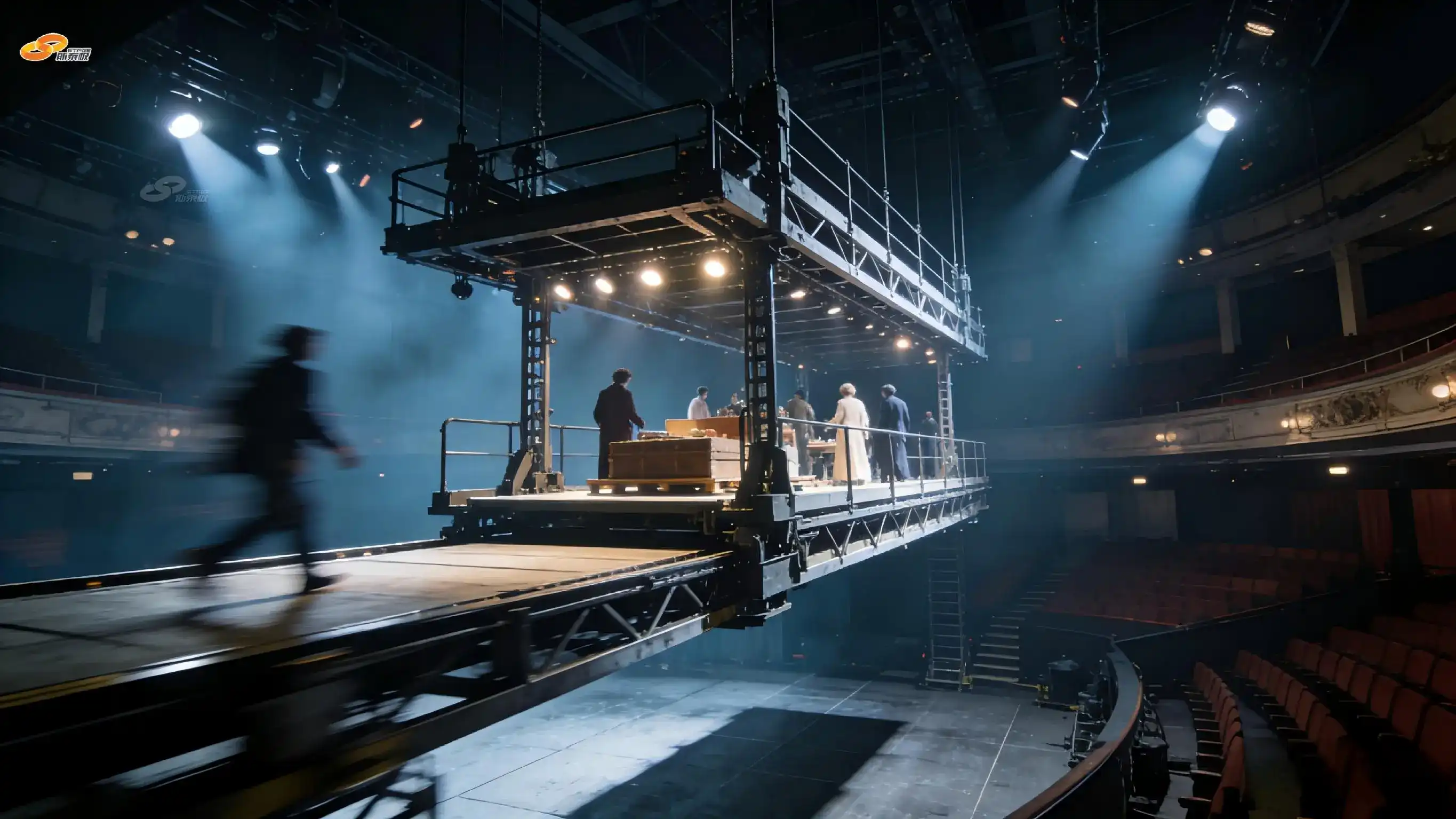
Understanding What a Stage Lift Is
Overhead lifts for stages are an important part of modern entertainment and industry, supporting a huge number of shows and operations. These motorized platforms are more than just simple height-raising tools; they also allow controlled, preset vertical movement that makes it easy to switch between different levels of operations.
Core Functionalities and Design Principles
A lifting stage system's main job is more than just raising things up. These platforms allow for exact placement, which lets operators set up staging areas with more than one level, make it easier for equipment to change, and create dramatic entrances or exits. The tech behind these systems is focused on making sure they work consistently and quietly, which is important for live shows.
Professional-grade stage lifts have advanced control systems that let you set moving patterns, change speeds, and work with other stage equipment in sync. Because they can be integrated, they are very useful for complicated shows that need linked mechanical effects.
Types of Stage Lift Systems
There are several different types of modern stage lift technology, and each one is best for a certain purpose and load. When used in heavy-duty situations, hydraulic systems work great because they use pressure fluid to create a lot of pulling force while being very stable. Electric motor-driven lifts let you precisely control the speed and use little energy, which makes them perfect for situations where they will be used a lot. Pneumatic systems are great for moving smaller loads that need to be repositioned often because they are quick to respond and run smoothly.
Which of these technologies to use relies on things like the required load capacity, the frequency of operation, noise limits, and placement limitations. Each type of system has its own benefits that make it better for certain operations.
How Stage Lifts Work – Technical Overview?
The engineering concepts behind stage lifts combine mechanical benefit with complex control systems to make sure that people can move up and down safely. Knowing these technology basics helps people who work in buying make smart choices about system requirements and how it can be used.
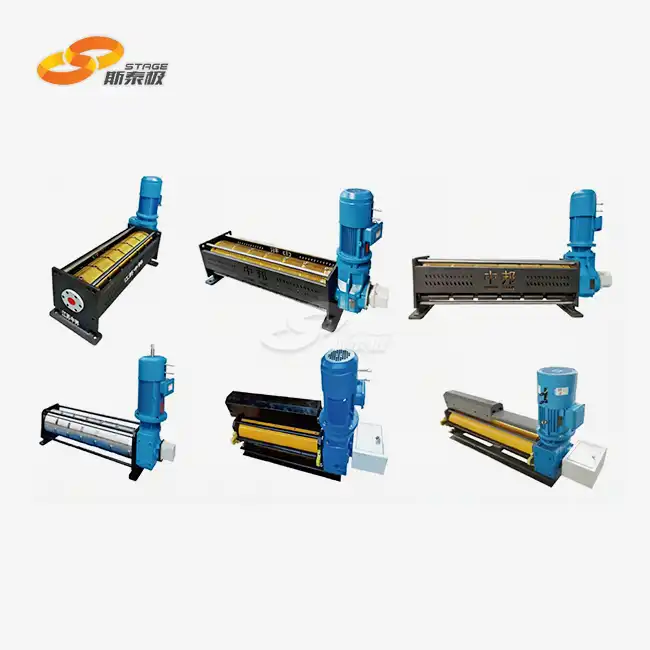
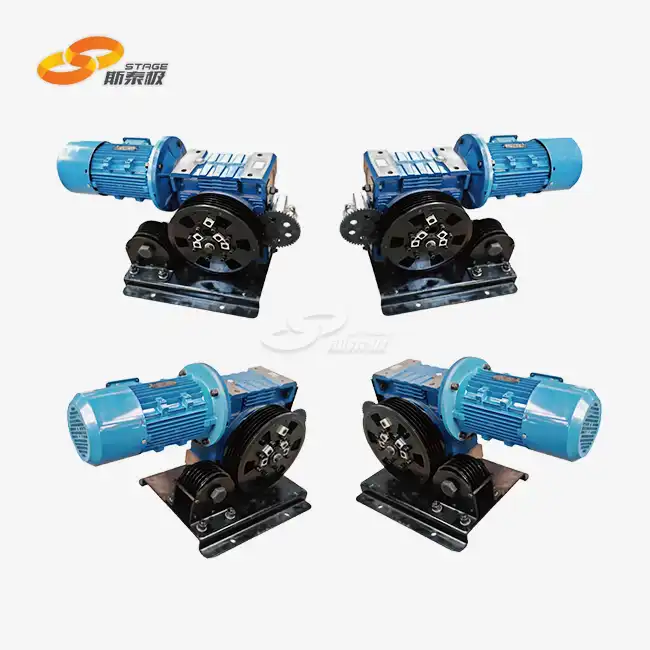
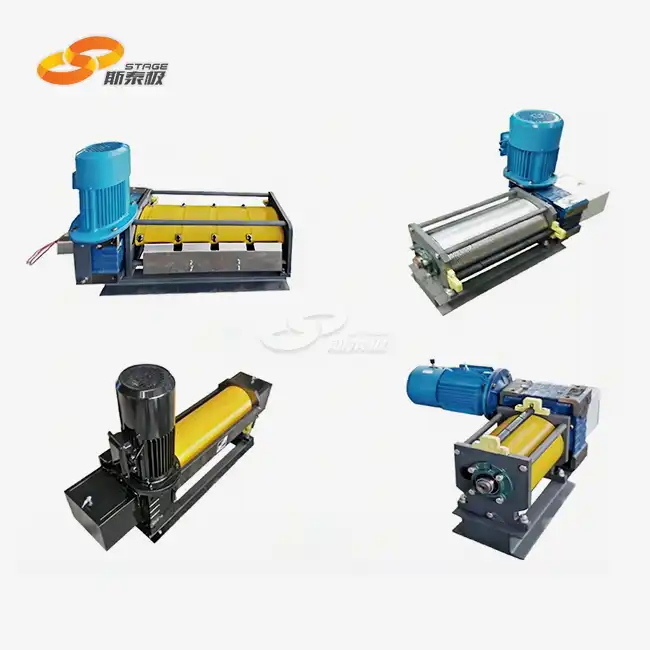
Hydraulic Systems and Components
Through cylinder sections and pump units, hydraulic lifting stage systems use pressurized fluid to make lifting power. The hydraulic pump makes pressure that moves pistons inside the lift cylinders. This gives the lift the mechanical force it needs. These systems work great in situations where a lot of weight needs to be supported and the process needs to be very stable.
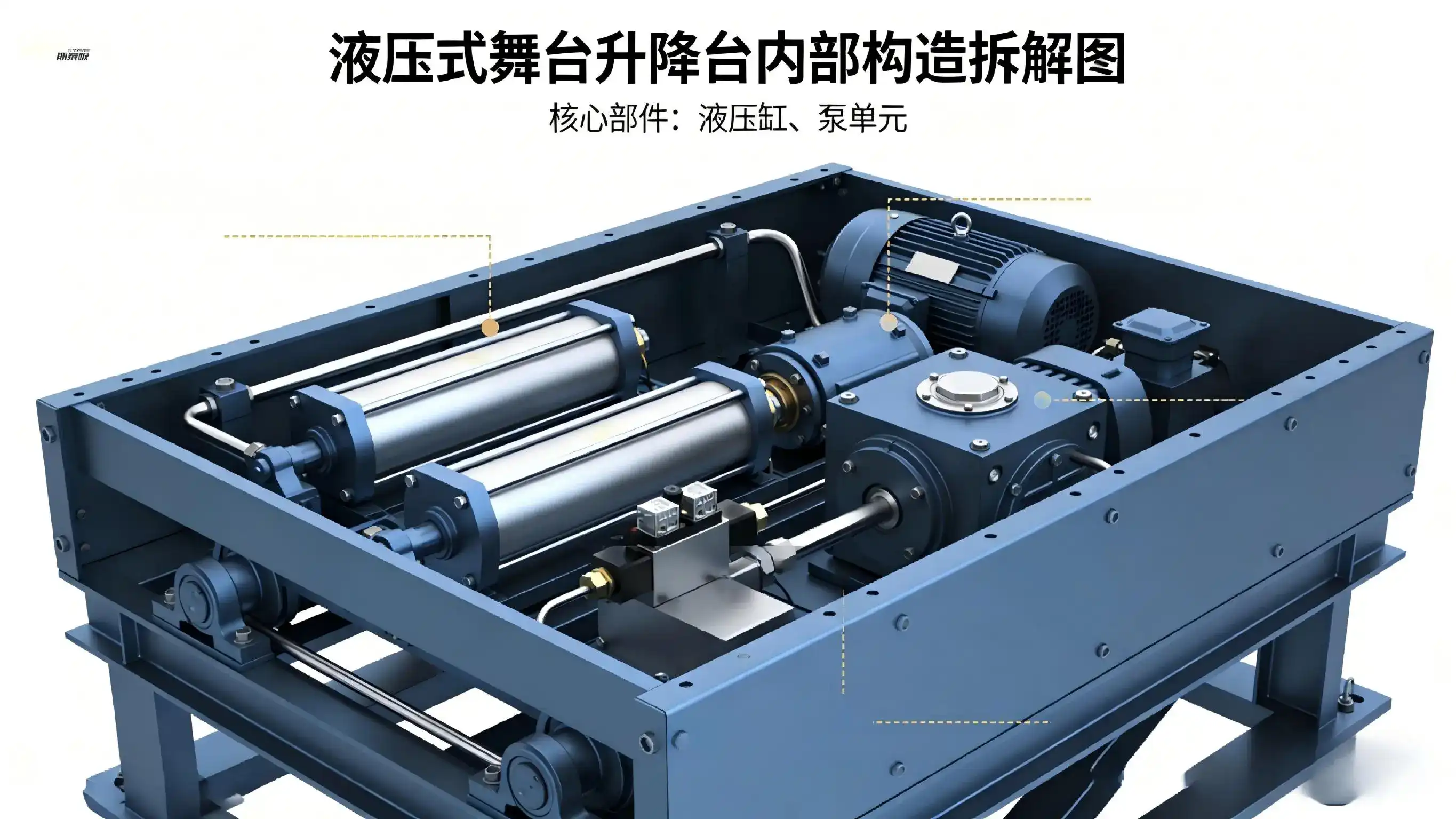
Some important parts are safety valves that stop the system from over-pressurizing, filtering systems, and high-pressure pumps. The hydraulic fluid container keeps the pressure steady, and the accumulator tanks store energy for quick reaction times.
Electric and Mechanical Drive Systems
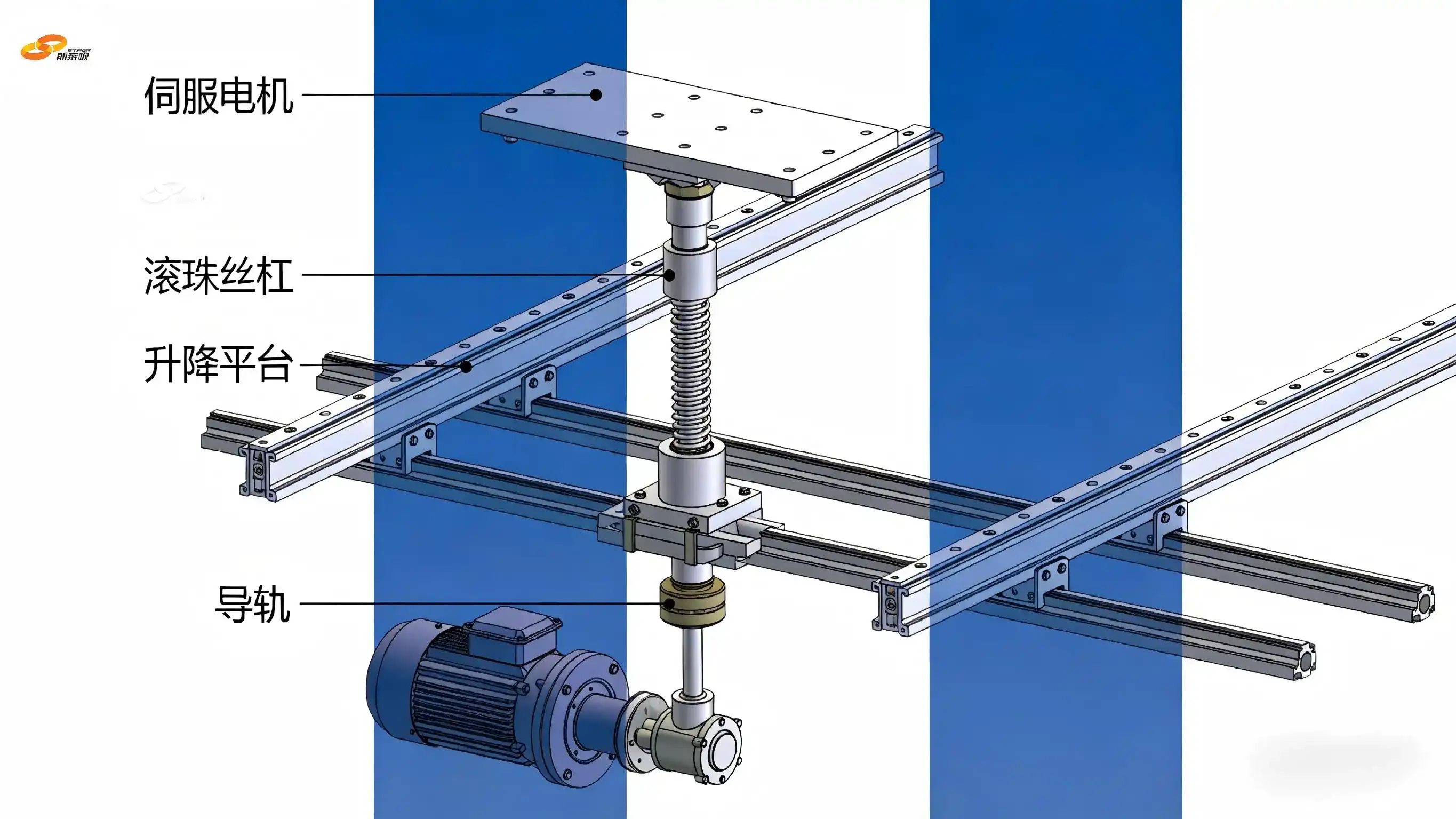
Electric stage lifts move vertically with the help of motor-driven systems like ball screws, chain drives, or cable systems. When compared to hydraulic options, these designs offer more accurate speed control and better energy economy. Variable frequency drives allow for smooth profiles of acceleration and braking, which makes the user more comfortable and extends the life of the equipment.
Servo motors, reduction gearboxes, precise lead screws, and linear guiding systems are some of the mechanical parts that make sure the machine works smoothly and accurately. Real-time location data from encoder feedback systems lets you handle things precisely and do the same thing over and over again.
Safety Features and Compliance Standards
Many safety features are built into modern stage lift systems to keep people and goods safe while they're in use. Overload monitors stop operation when safe limits are exceeded, and emergency stop devices allow for rapid shut down. Dual-brake systems keep the position stable when the power goes out, and safety walls keep people from getting to moving parts without permission.
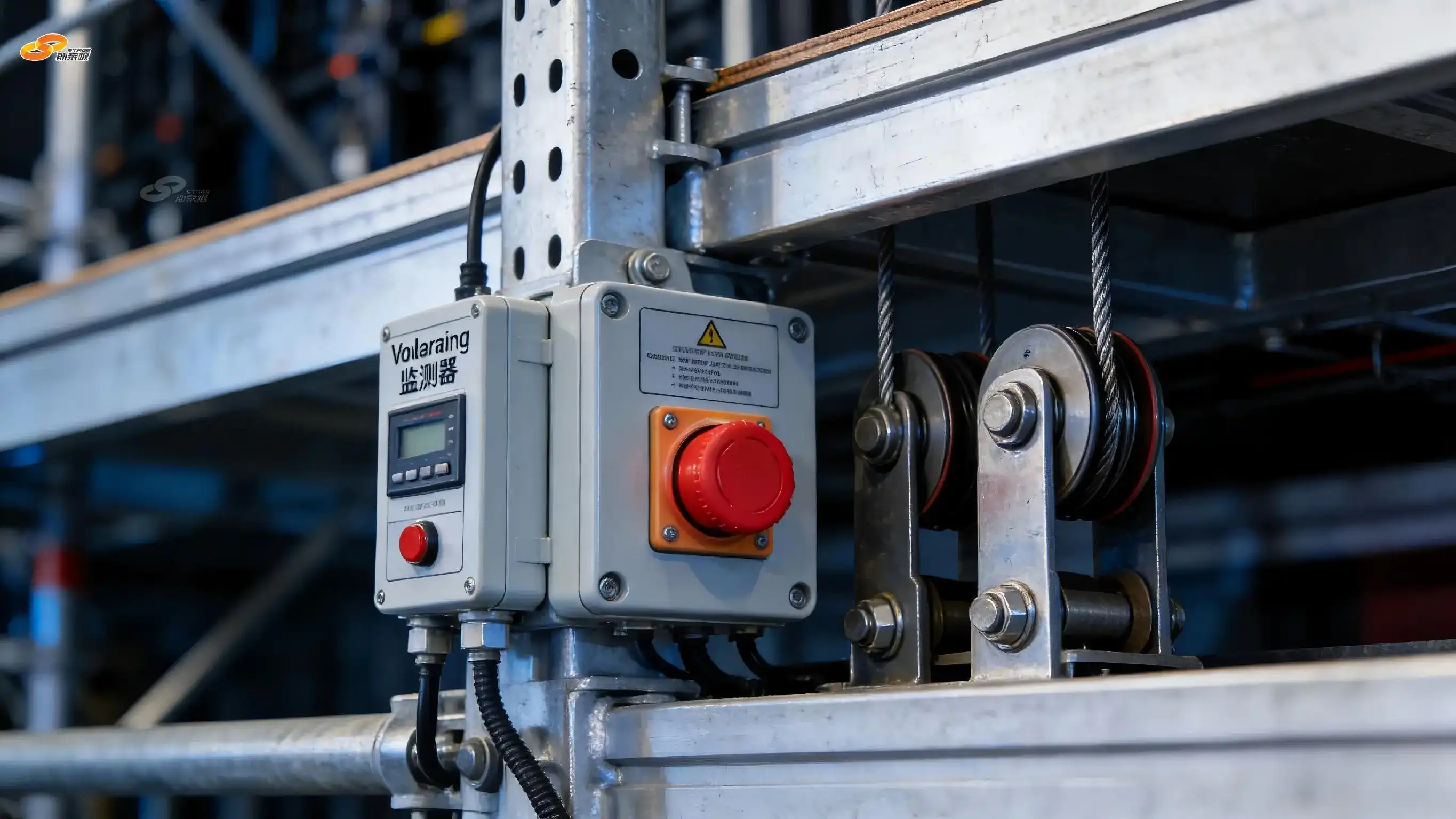
International safety guidelines, such as ANSI, OSHA, and European CE marking rules, make sure that operations are safe in all markets around the world. Safety checks and repair schedules that are followed on a regular basis keep equipment in good shape and stretch its life.
Benefits of Using Stage Lifts for B2B Procurement Clients
Professional stage lift systems have real practical benefits that go far beyond their ability to raise and lower stages. These benefits give a real return on investment by making things more efficient, safer, and more flexible in how they are used.
Enhanced Operational Efficiency
Stage lifts get rid of the need for manual work that was needed to move things between levels and place equipment. Automated vertical movement cuts down on the time it takes to set up for events and shows and makes it easy to change the layout of staging areas quickly. This improvement in speed directly leads to lower labor costs and higher place utilization rates.
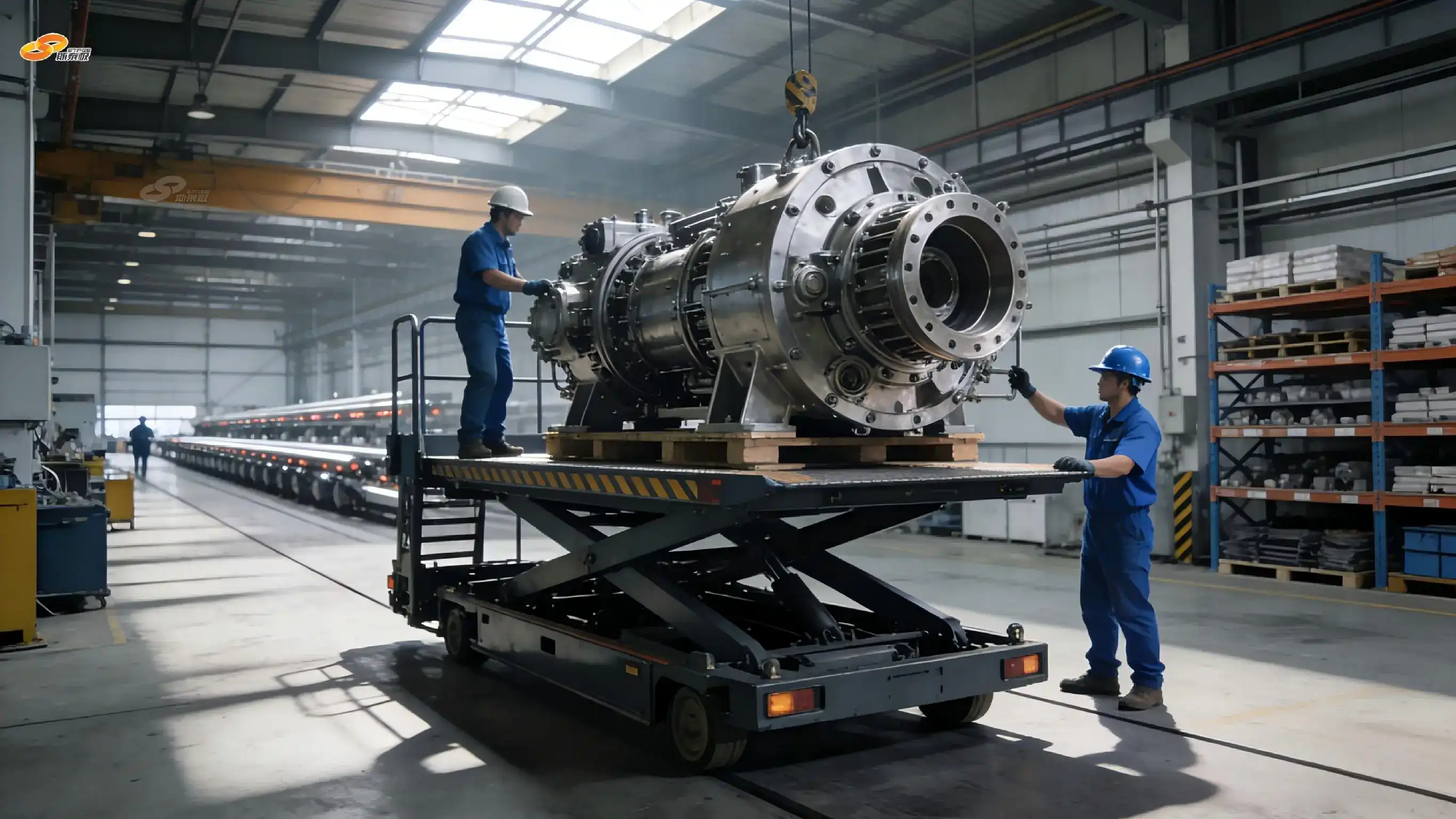
Because current lifting stage systems can precisely place items, they can be used to make complicated staging arrangements that would not be possible or would be impractical to do by hand. This feature opens up more artistic options while still being useful for operations.
Workplace Safety and Ergonomic Improvements
Professional stage lifts greatly lower the risk of injuries at work that come from moving heavy things by hand and putting things in odd positions. By getting rid of the need for workers to move heavy equipment by hand or use steps to reach higher places, these systems make workplaces safer and lower the risk of responsibility and workers' compensation claims.
Performers and technical staff using a lifting stage can also benefit from ergonomics because they can safely and comfortably reach higher places. This change makes the work better and cuts down on mistakes that happen because of tiredness that could hurt safety or quality of production.
Flexibility and Adaptability Across Applications
Through flexible design and control systems that can be changed, modern stage lifts can be used in a variety of situations. The platform that raises actors in plays can also be used to move materials quickly and easily in factories or for trade shows where products need to be shown.
This flexibility makes the best use of tools while lowering the need for a lot of different systems that do specific things. Professional lifting stage solutions are useful for a long time because they can be changed to fit different needs and place layouts.
How to Choose the Right Stage Lift for Your Business Needs?
To choose the best stage lift system, you need to carefully think about your long-term operational goals, operational needs, and building limitations. Finding the right balance between performance skills, budget concerns, and safety standards is part of the decision-making process.
Load Capacity and Performance Requirements
The first step in choosing the right system is to accurately estimate the highest load that it needs to handle. This review needs to look at both the heaviest loads that are expected to be put on the platform and how those loads are spread out across the area. When people or things are moving during operation, which is called dynamic loading, you need more safety gaps than just steady weight calculations.
Performance standards, such as lift speed, setting accuracy, and job cycle needs, have a direct effect on the choice of system. For high-frequency operations, you need strong parts and better cooling systems. For accurate operations, you need better control systems and mechanical parts.
Installation Constraints and Facility Integration
To successfully place a stage lift, the installation site conditions must be carefully looked at, including the amount of room available, the ability to support structures, and the ease of access to utilities. Needs for pit depth for hydraulic systems or high space for mechanical drives can have a big effect on how easy and expensive it is to install.
Integration with current building systems like power distribution, control networks, and safety systems needs careful planning and teamwork during the planning phase. Professional site studies find problems early on in the buying process, so changes that would have cost a lot during installation are avoided.
Supplier Evaluation and Support Considerations
To find a good lifting stage maker, you need to look at their technical knowledge, their ability to make the stage, and their after-sale support services. Established suppliers offer detailed instructions, training programs, and expert help that make sure the system is integrated correctly and works well for a long time.
Total ownership costs over the life of a lifting stage are greatly affected by how easy it is to get replacement parts, repair techs, and upgrades. For foreign operations and implementations that span multiple sites, suppliers with global service networks offer better help.
Installation, Maintenance, and Best Practices for Stage Lifts
When you build and maintain a stage lift the right way, it will work well, be safe, and last a long time. For these practices to work, suppliers, installation contractors, and building care teams need to work together to set up detailed operating processes.
Professional Installation Standards
Installing a stage lift takes specialized knowledge to make sure it meets safety standards and works at its best. Professional installers do all the work needed to get the site ready, such as laying the base, connecting utilities, and making any structure changes that are needed for safe operation.
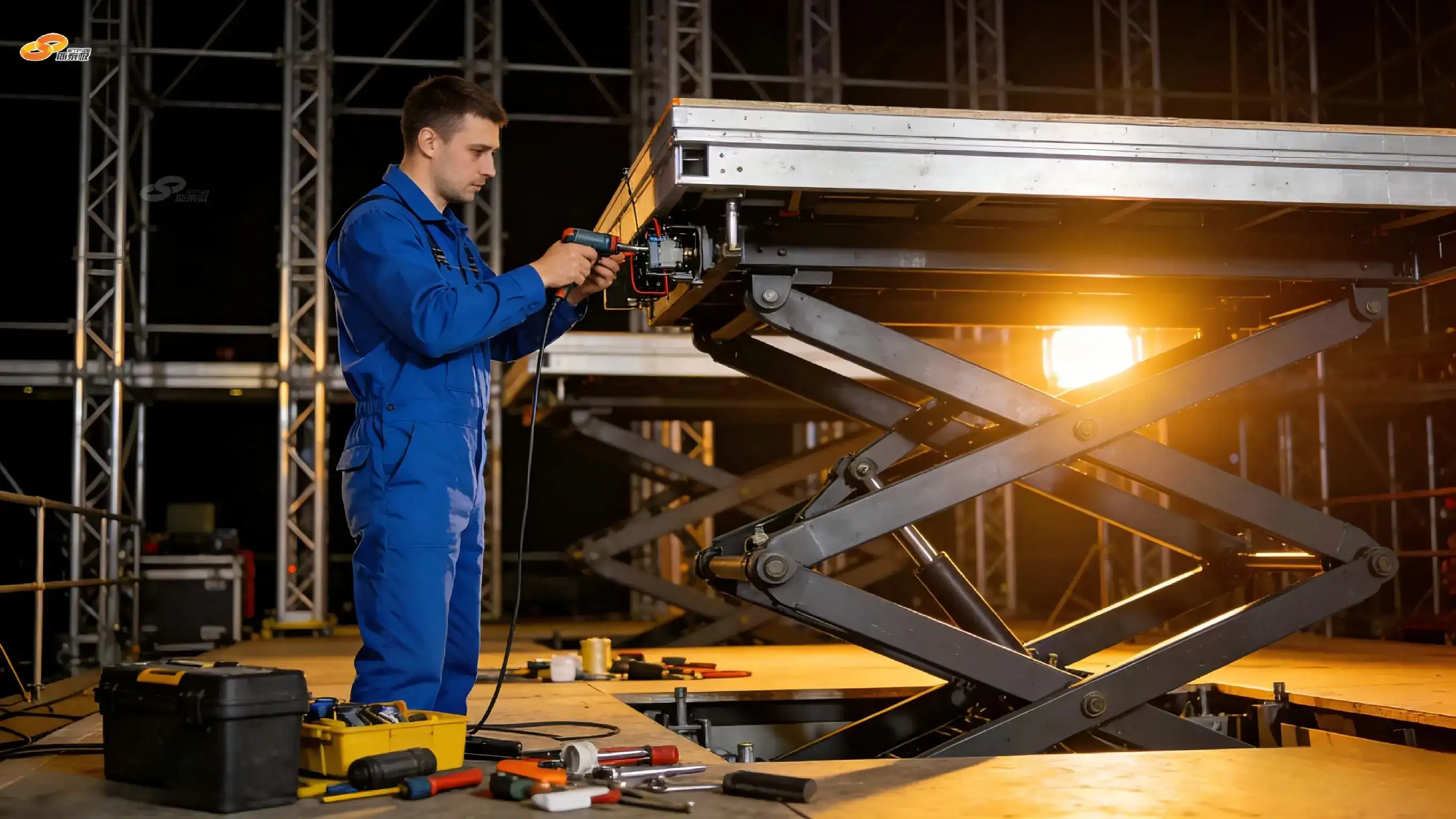
During the construction process, there are thorough testing and finishing steps that make sure all safety systems, performance requirements, and control functions work as they should. Writing down the steps for installation and the results of tests is important for keeping records that are needed for future upkeep and to meet regulations.
Preventive Maintenance Programs
Systematic repair programs keep safety and performance standards high while also making tools last longer. Scheduled regular inspections find possible problems before they become expensive fails or safety risks. For hydraulic systems, the fluid needs to be analyzed and the filters need to be changed. For electric systems, the motor bearings need to be oiled and the control system needs to be calibrated.
Documentation for maintenance keeps track of how parts wear out and how often they need to be replaced, which is used to guide predictive maintenance strategies. This information helps with keeping the right amount of extra parts on hand and avoiding unplanned downtime.
Operator Training and Safety Protocols
Full training for system operators makes sure that the system is used safely and effectively, and lowers the risk of damaging tools or hurting someone. Normal operation routines, emergency measures, and basic repair skills are taught in training programs so that workers can know how to handle different operating situations.
Operators stay competent while learning new safety methods or working skills through regular refresher training. Recording that you have completed training is an important part of following the rules and managing your responsibility.
Conclusion
Modern theaters, event sites, and factories that need reliable ways to move people up and down need stage lifts as basic infrastructure. These systems are good investments because they improve both safety and operational capability with their advanced engineering, safety features, and operational freedom. Professional lifting stage systems have real benefits like higher safety standards, increased speed, and more creative options, which means they should be used in a wide range of situations. A full study of the needs, careful selection of the supplier, and a commitment to the right installation and upkeep practices that ensure long-term operating success are the keys to a successful stage lift procurement.
FAQ
What is the difference between a stage lift and a scissor lift?
Stage lifts are designed to work quietly, precisely control speed, and work with other stage equipment. They are perfect for use in theaters and at events. Scissor lifts are all-purpose aerial work platforms that were made for building and maintenance work. They tend to make more noise and don't have the precise controls needed for performance jobs.
How much weight can a typical stage lift handle?
Professional stage lifts can move loads of over 50,000 pounds of heavy equipment and set pieces or as little as 1,000 pounds for performance platforms. The exact capacity varies on the size of the platform, the type of lift mechanism, and the safety factor standards. When used in certain ways, custom devices can reach even higher limits.
What kinds of safety stamps should I look for on a stage lift?
Check to see if the flying platform meets ANSI/ACPA standards, OSHA safety rules for the workplace, and CE marks for European markets. Some other certifications that may be needed are a UL listing for electrical parts and ISO quality control standards for the manufacturing process.
Can stage lifts be changed to fit the needs of a specific venue?
Modern lifting stage systems let you change a lot of things, like the size and shape of the platform, the trip distance, the speed patterns, and how the controls are integrated. Manufacturers can work with specific building limitations, load requirements, and systems that are already in place at venues.
How long does a stage lift system usually last?
Professional stage lifts that are well taken care of will work regularly for 15 to 25 years, and some hydraulic systems will last longer than 30 years. How long something lasts relies on how often it is used, how well it is maintained, the surroundings, and the quality of the parts. Regular upkeep and replacing parts greatly increase the life of an activity.
How long does it usually take to set up a stage lift?
Installation times range from two to three days for easy electric systems to two to three weeks for complicated hydraulic setups that need a lot of digging and building work. The schedule is subject to change based on the complexity of the system, the needs of site planning, and the ability to connect to current venue systems.
Contact Sh Stage for Professional Lifting Stage Solutions
Sh Stage makes stage lift systems that are the best in the world and are designed to meet the needs of challenging theater, event, and commercial settings. Our full range of lifting stage manufacturer services includes unique design, expert production, and installation help around the world. This makes sure that the products work perfectly and meet safety standards. We have been serving customers in more than 50 countries for more than 10 years and offer reliable solutions backed by expert help 24 hours a day, seven days a week, and a full warranty. Get in touch with our engineering team at info@shstage.com to talk about your unique needs and get full specifications for lifting stage systems that will improve your safety and operational capabilities.
References
American National Standards Institute. "ANSI/ACPA A92.2-2020: American National Standard for Vehicle-Mounted Elevating and Rotating Aerial Devices." ANSI Publications, 2020.
Henderson, Michael R. "Modern Stage Machinery: Design Principles and Safety Standards for Theater Applications." Theater Engineering Quarterly, vol. 45, no. 3, 2023, pp. 78-95.
International Association of Venue Managers. "Technical Standards for Performing Arts Venue Equipment: Stage Lift Systems and Safety Protocols." IAVM Technical Bulletin Series, 2022.
Johnson, Sarah K., and David L. Martinez. "Hydraulic vs. Electric Stage Lift Systems: Performance Analysis and Lifecycle Cost Comparison." Journal of Entertainment Technology, vol. 28, no. 2, 2023, pp. 156-174.
National Institute for Occupational Safety and Health. "Criteria for Recommended Standards: Working in and Around Elevated Work Platforms." NIOSH Publication No. 2023-104, U.S. Department of Health and Human Services, 2023.
Thompson, Robert J. "Innovation in Stage Automation: Emerging Technologies and Safety Considerations for Modern Theater Design." Entertainment Design & Technology Association Technical Papers, 2023, pp. 234-251.

USER EVALUATE
Here is the customer's evaluation of us


