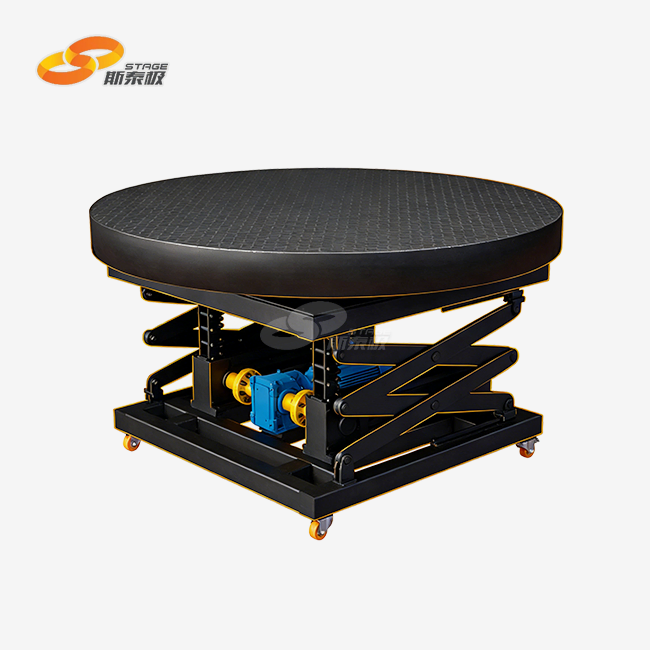




How to Build a Rotating Stage?
To make a rotating stage, you have to carefully design a mechanical platform that can spin around a center point to give you more options for performances and keep the audience interested. In order to build something, you have to look at what the place needs, choose the right drive systems, find good materials, and put it together carefully. A professional rotating stage has safety features, motor systems, control panels, and structure frames that work together to make changes smooth during plays, concerts, and business presentations.
Understanding the Rotating Stage - Definition and Core Principles
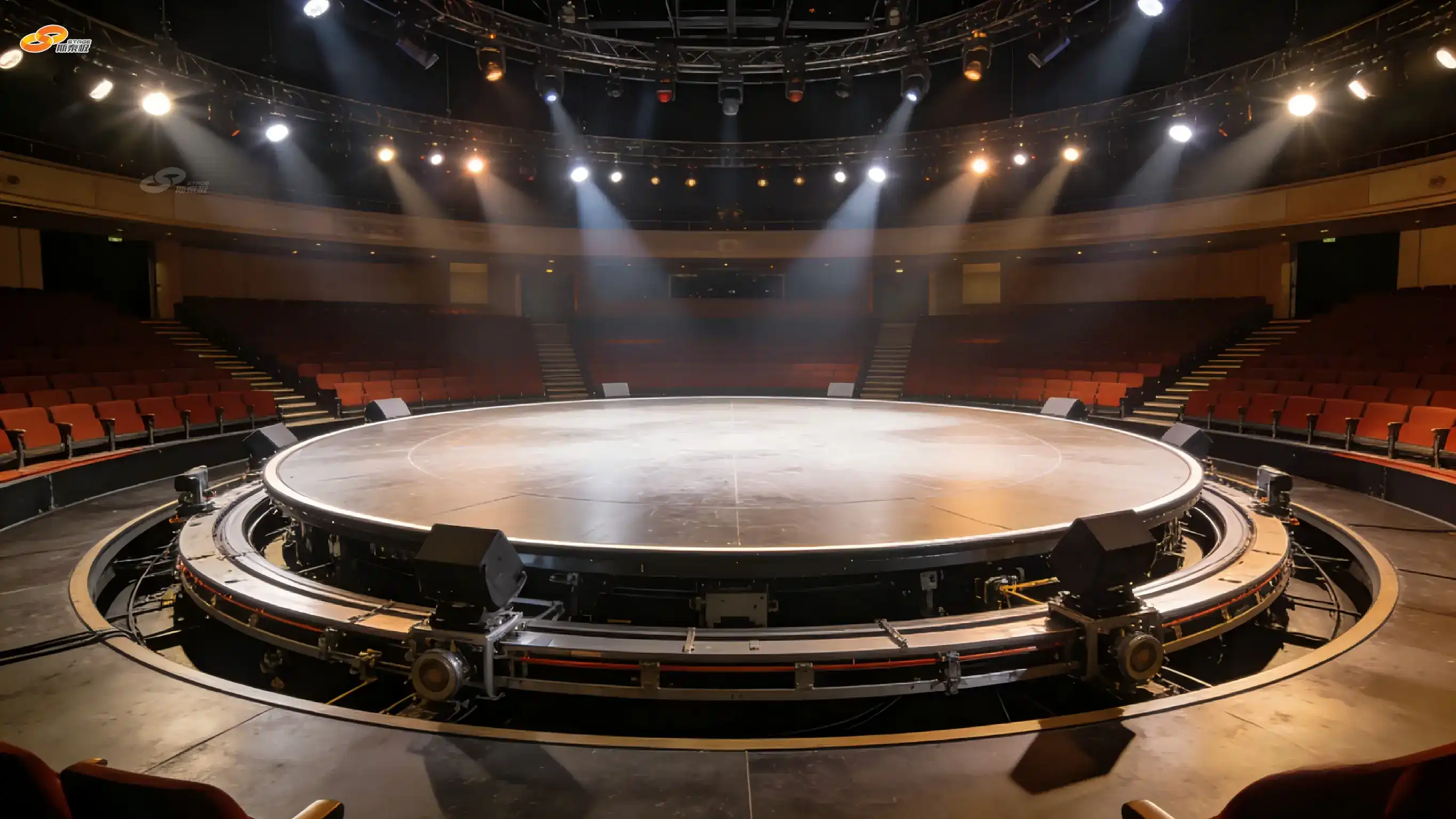
A rotating stage is a complex piece of electromechanical engineering that is made to spin easily around a center pivot point. This round platform makes it possible to move around in different ways, turning static areas into flexible, automatic performance spaces. Modern revolving stages get rid of the visual problems that come with fixed platforms and cut down on the time it takes to change complicated sets.
Types and Classification Systems
The stage machinery business has a number of different types of rotating platforms, each designed to meet unique operational needs. Manual systems are a cheap option for schools and smaller events because they use hand-cranked mechanisms that let you place things precisely without needing electricity. Most of the time, these systems can handle loads of up to 2,000 kilograms and work reliably in training areas and on projects with limited funds.
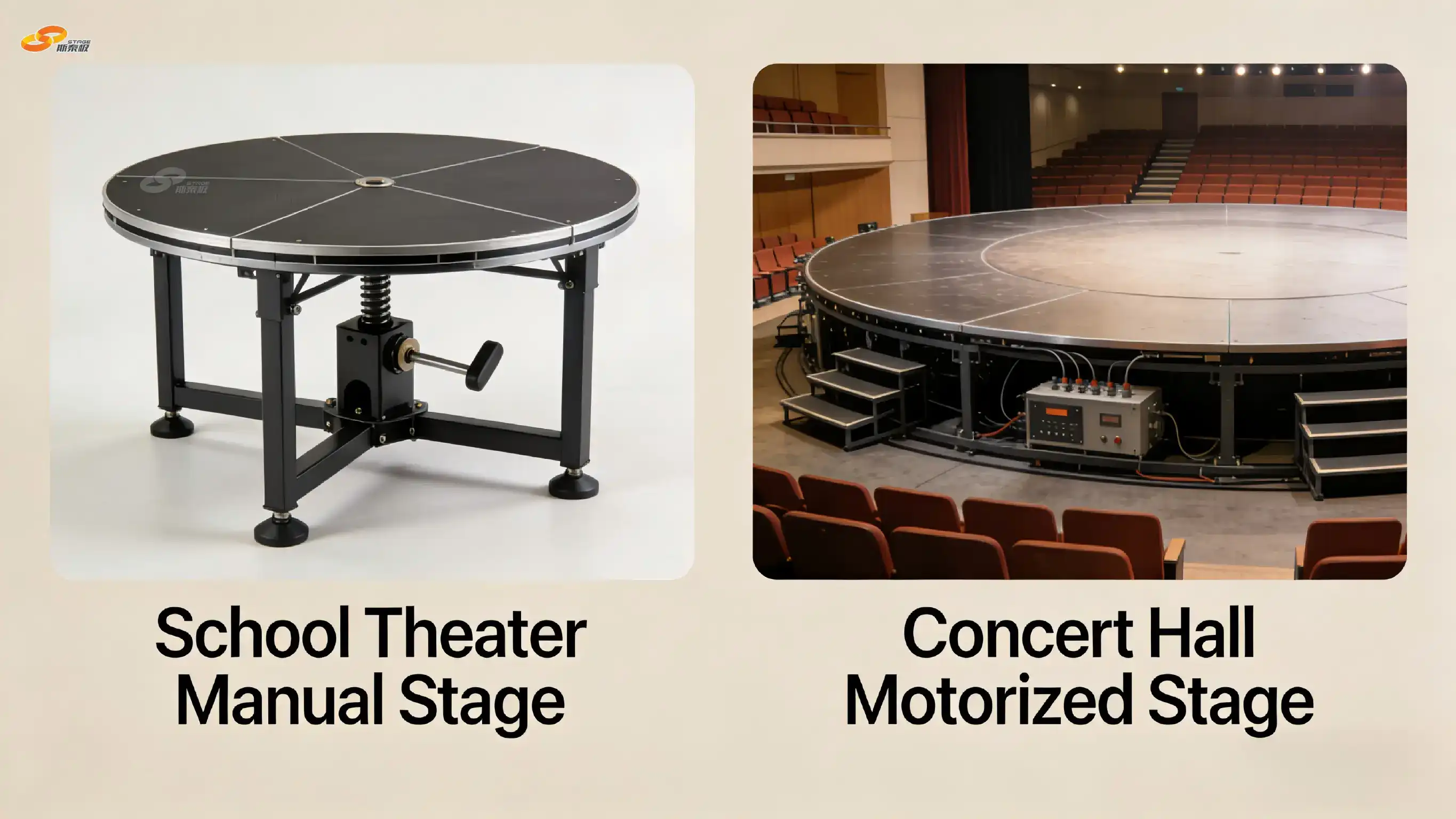
For industrial use, motorized rotating stages are the norm. They have electric drive systems with speed controls that can be changed. The loads that these platforms can hold range from 5,000 to 50,000 kilograms, and the speeds at which they rotate are between 0.2 and 3.0 RPM. Advanced types have Variable Frequency Drives that make sure the start and stop functions are soft. This protects shaky packages and lowers the mechanical stress on the equipment.
Essential Component Architecture
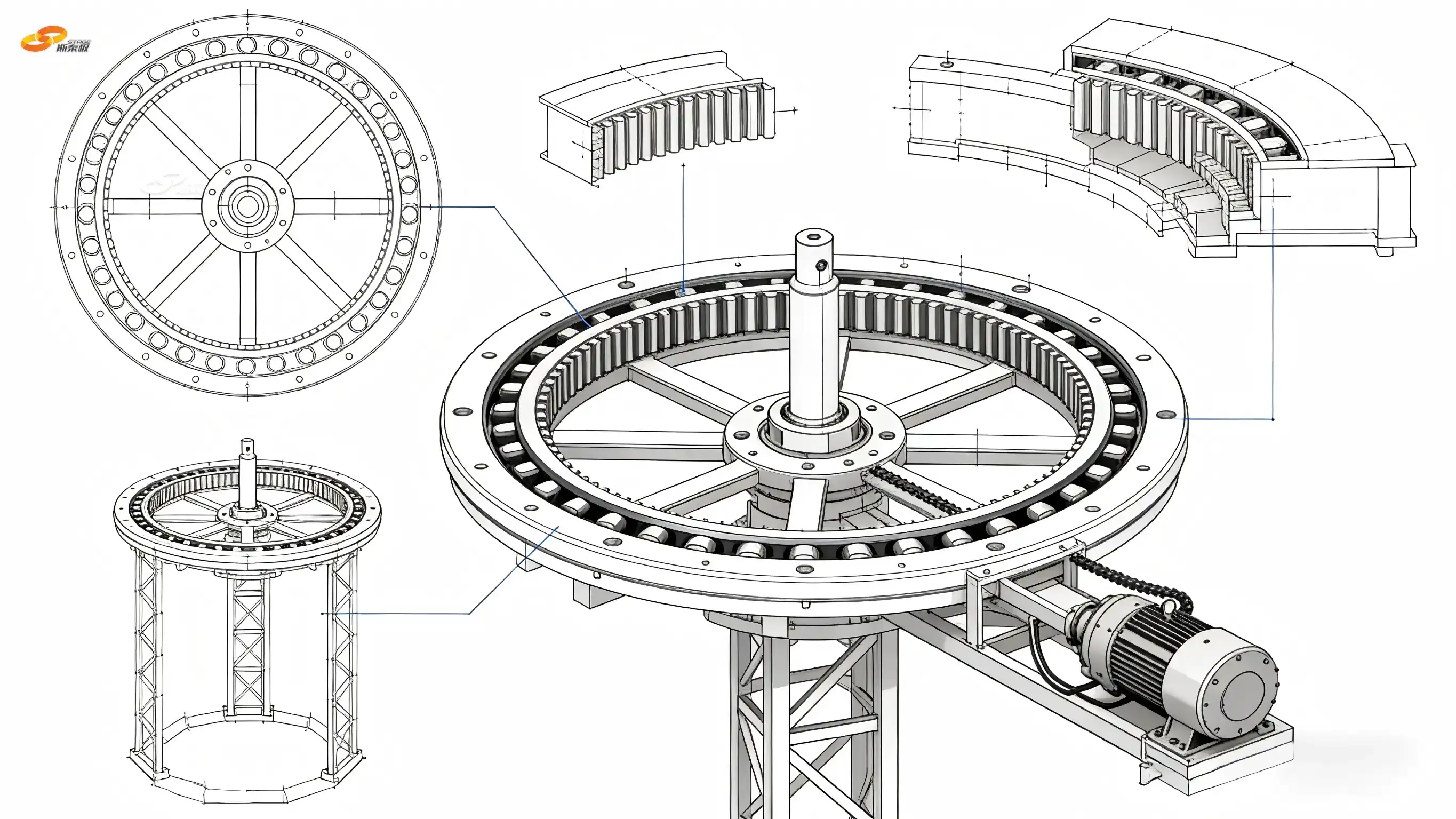
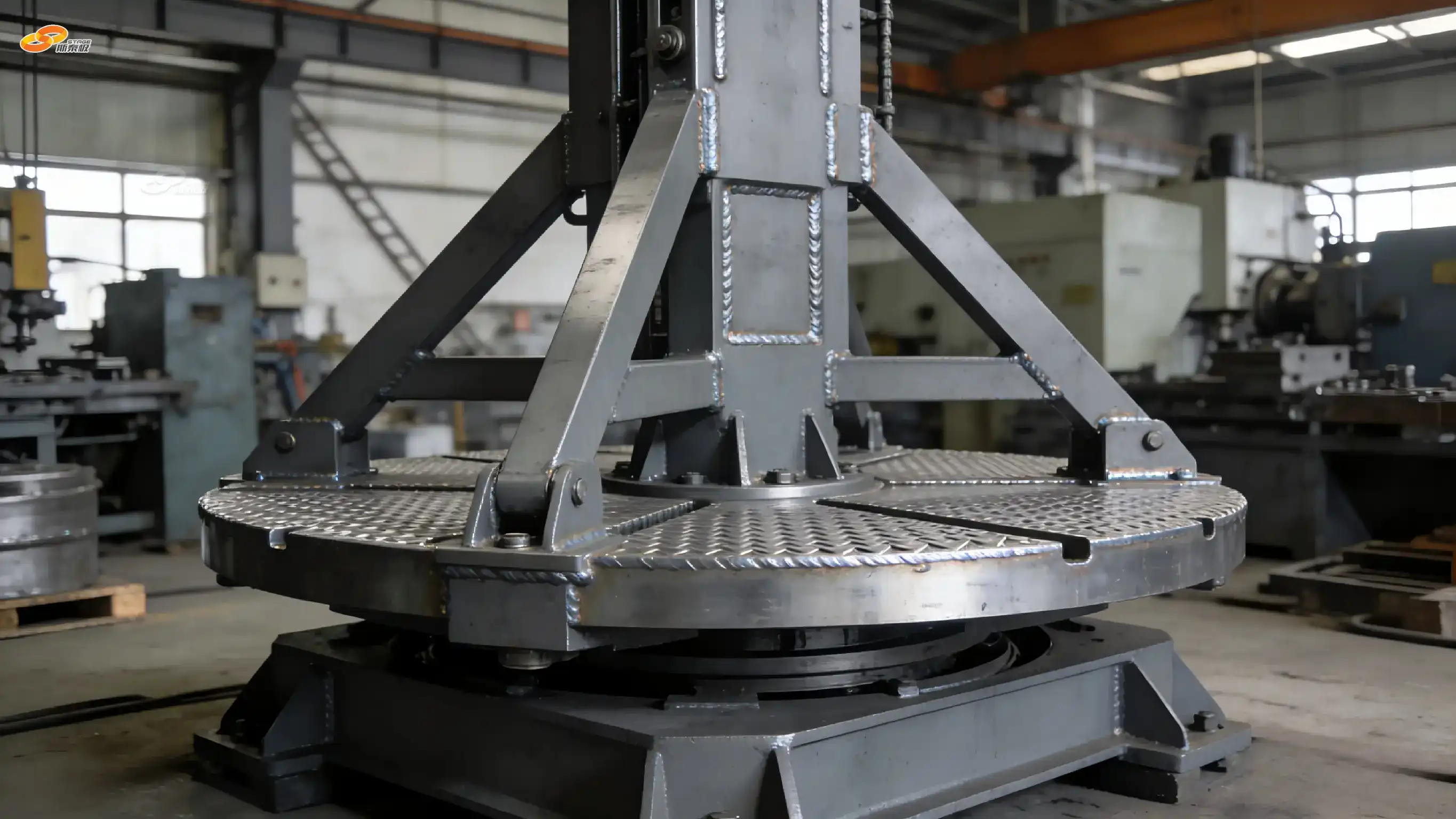
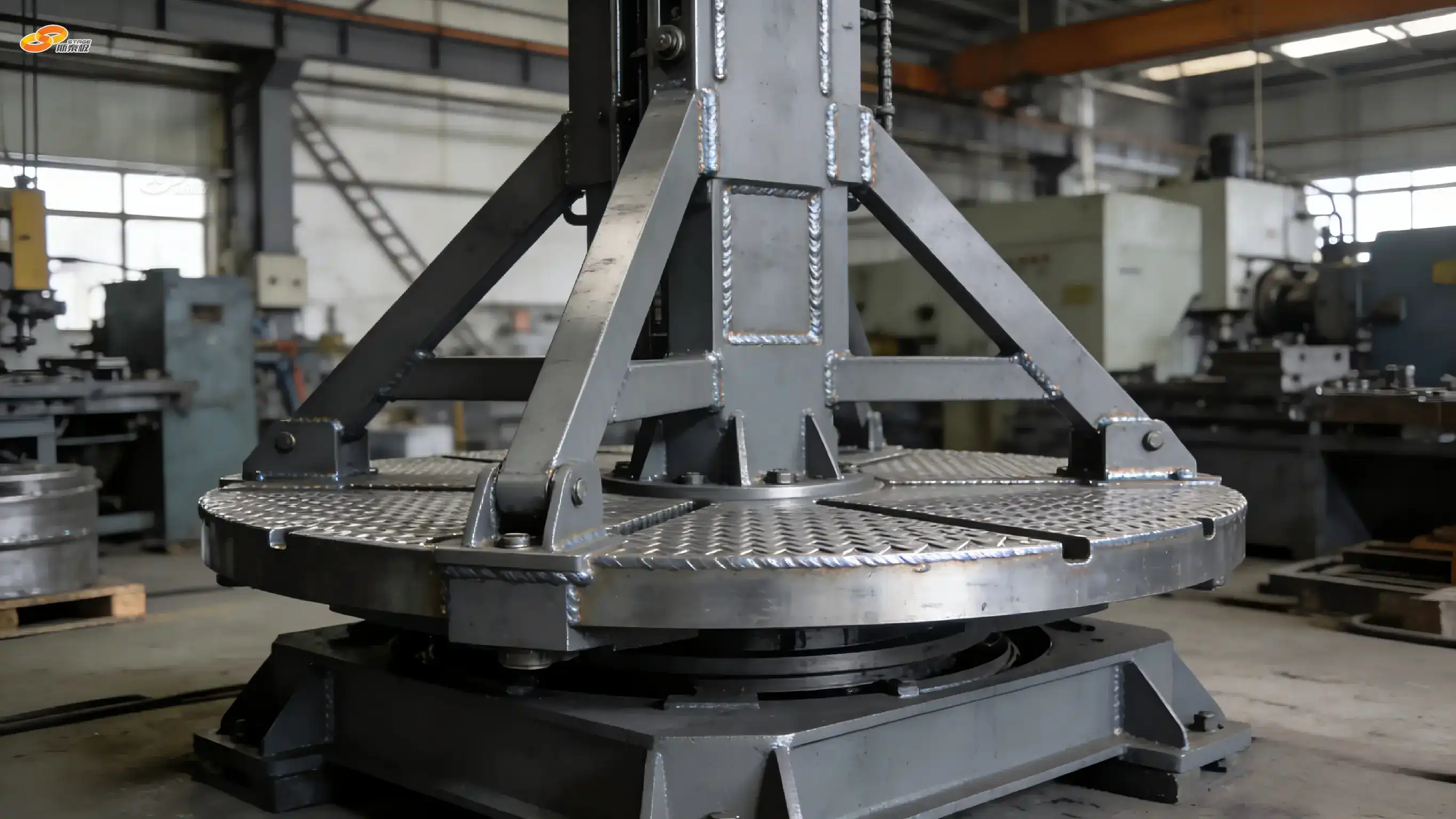
Procurement experts can better evaluate system specs and quality standards when they know about the main parts. The structural framework forms the foundation, which is usually made of high-tensile manganese steel to keep it from deforming when eccentric loads are applied. During operation, this strong base keeps the platform's dimensions stable while supporting the whole thing.
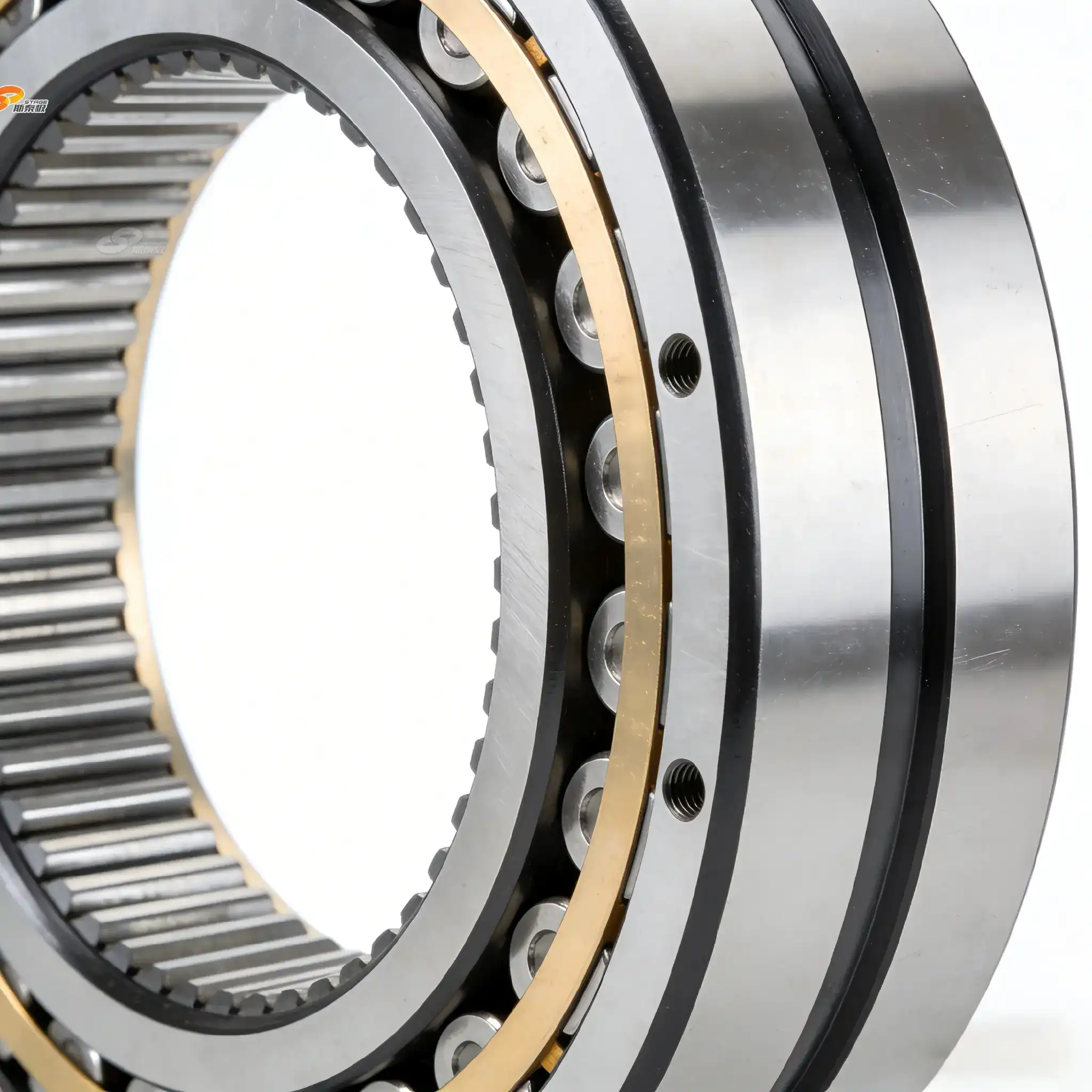
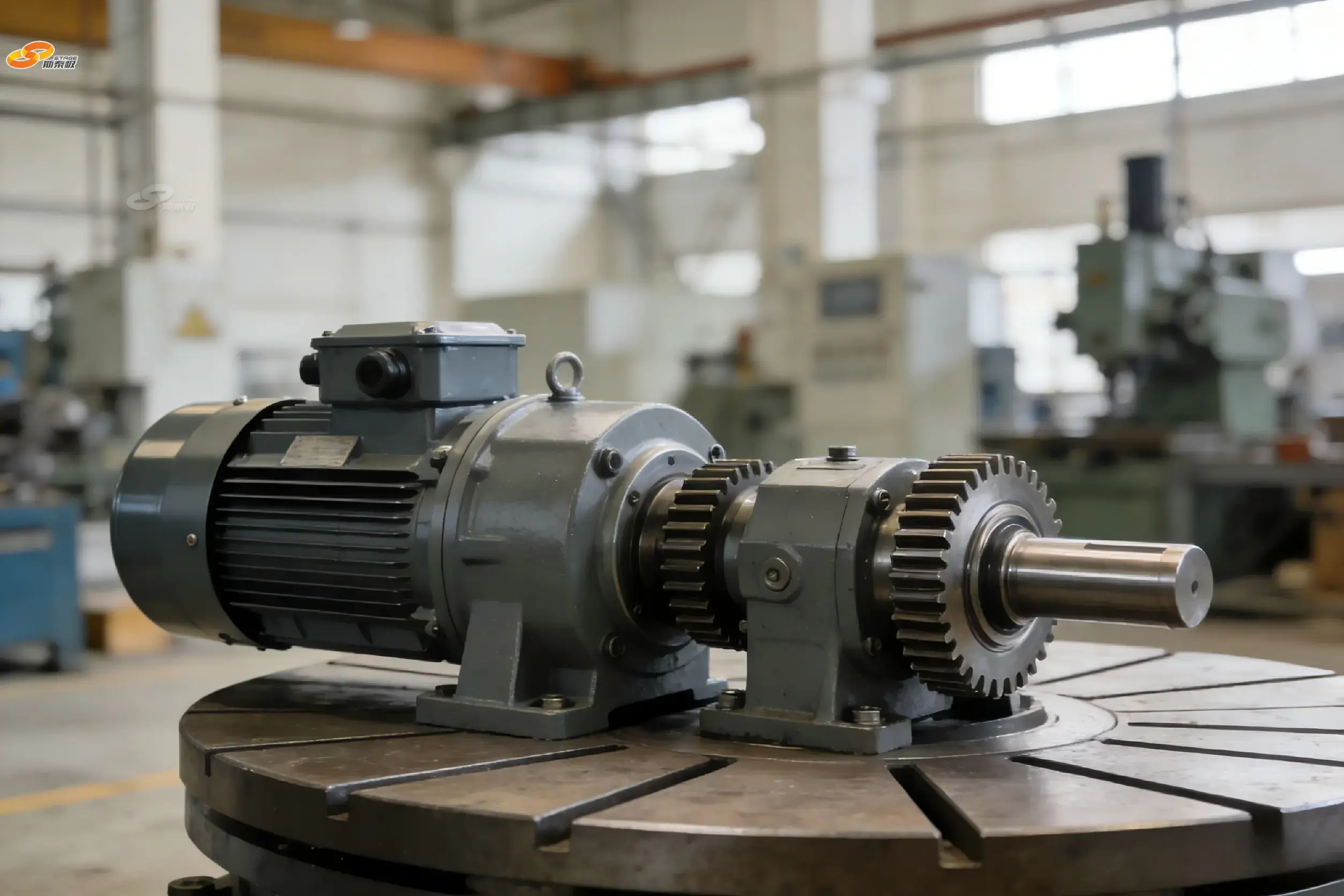
Any machine with a rotating stage needs drive mechanisms to work. Precision slewing ring bearings make movement smooth and spread loads evenly around the platform's edge. Motor units keep the torque constant with the help of gear reduction systems that increase power while keeping speed control precise. Modern systems can work with noise levels below 50 dB, which means they can be used in places like opera houses and recording studios.
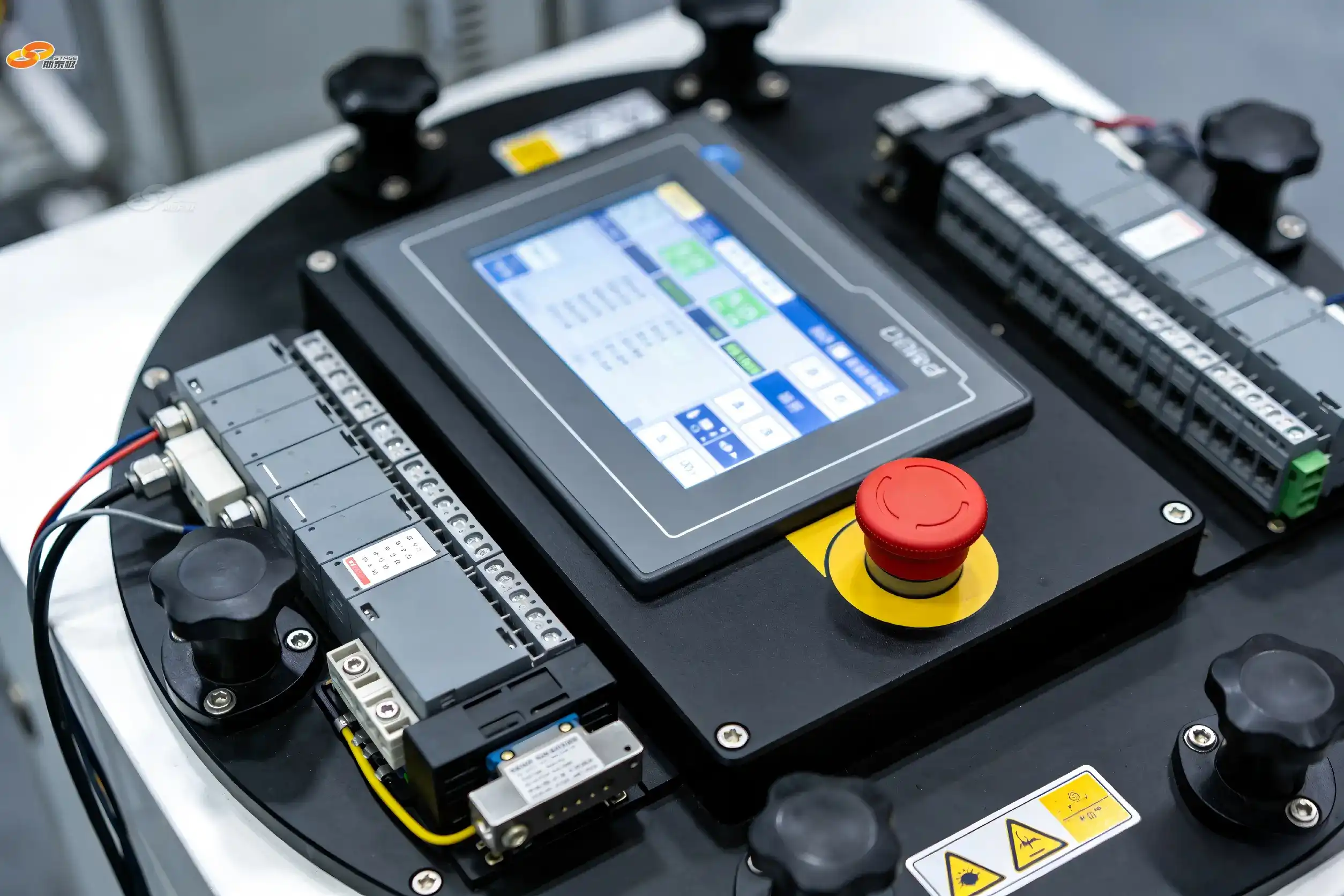
Control systems have safety features and easy-to-use interfaces that make it possible for users to confidently control complex actions. These panels have emergency stop buttons, position input sensors, and memory settings that can be programmed to make positioning predictable. More advanced models can link to a network so they can be used with other venue management systems.
Step-by-Step Process to Build a Rotating Stage
Building a professional rotating stage takes careful planning and work from many different technical fields. The process starts with a full analysis of the place and ends with strict testing methods that make sure the system works well and meets safety standards.
Site inspection is the first step in making rotating stage projects work. Engineers look at the structure's load capacity, the size of the space available, and the electricity infrastructure to figure out what can be done and what the design guidelines should be. To make sure that the installation can be safely supported by the building's structures, floor loading estimates must take into account both the weight that is not moving and the forces that are created when the structure rotates.
Environmental factors have a big effect on design choices. Performance places need special noise-cancelling materials and parts that are perfectly matched to meet their acoustic needs. Changes in temperature and humidity affect the choice of material, especially for projects outside or in climate-controlled spaces. Local building codes must be followed when it comes to accessibility standards while keeping operations running smoothly.
Structural Engineering and Safety Protocols
During the structural construction phase, safety gaps and load lines that go beyond industry standards are set. Foundation systems spread out heavy loads over larger areas. They usually need reinforced concrete pads or steel frameworks that can be attached to existing buildings. When doing the math, you have to think about the worst-case loading situations, such as the highest capacity with uneven weight distribution.
Safety systems have many redundant parts that work together to keep crashes and damage to tools from happening. Emergency braking systems can stop right away, even if the main drive controls aren't working. Position monitoring sensors stop over-travel situations, and load tracking systems let workers know when there is too much weight. For entertainment technology uses, these safety features meet foreign standards like EN 1493 and ANSI E1.6.
Drive System Selection and Installation
To choose the right drive systems, you have to find a balance between performance needs and practical limitations. Friction drive systems work smoothly and let you control the speed perfectly, but the parts that touch the motor need to be maintained regularly. Gear drive systems can handle more power and more accurate positioning, but they make more noise when they're working. When precision is important, rack and pinion systems work great, but they usually cost more than other types.
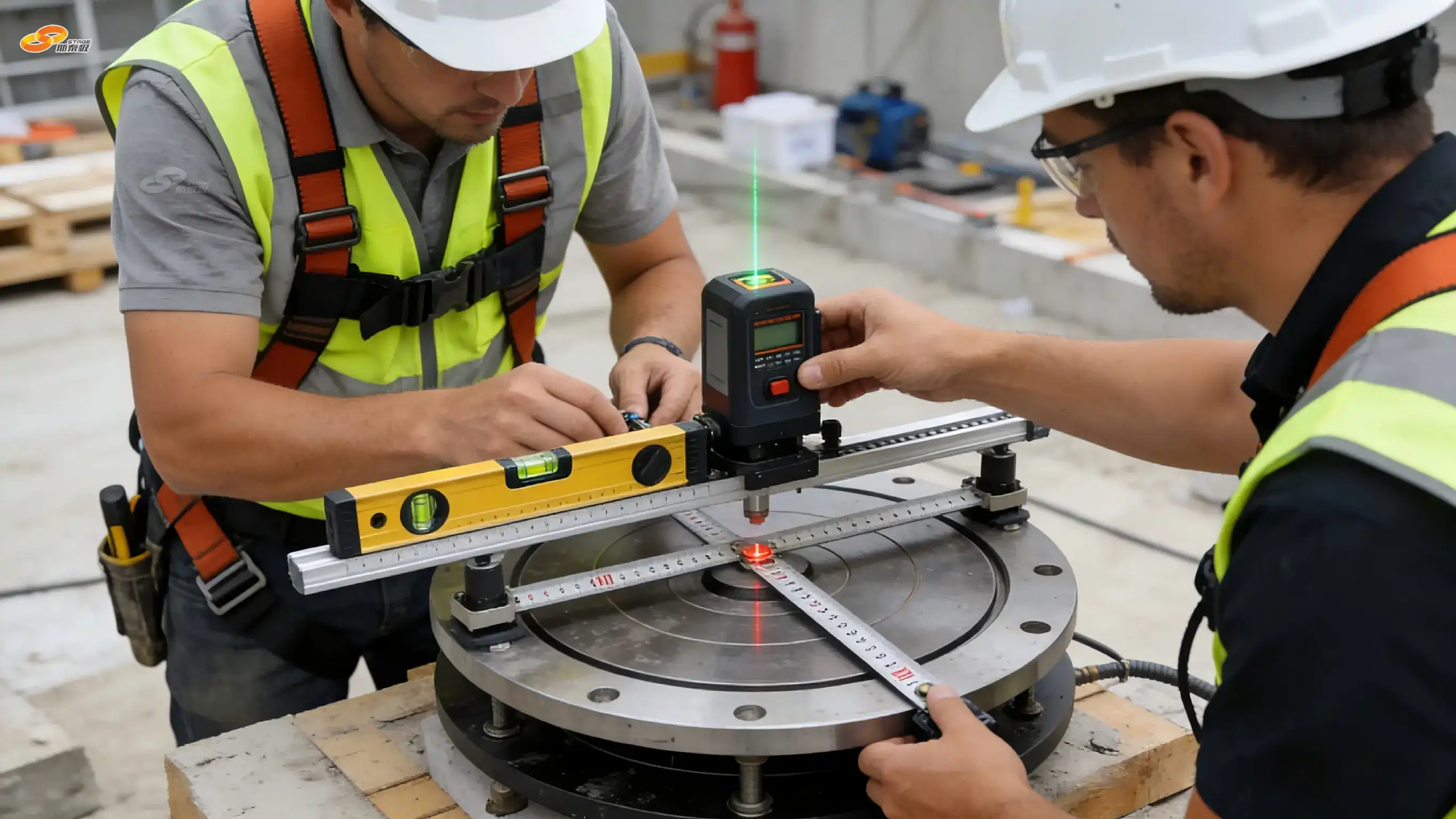
The steps for installation are based on what the maker says, but they are also changed to fit the needs of the spot. Precision leveling makes sure that the load is spread out evenly and that the machine runs smoothly. Tolerances are usually kept to within 2 millimeters across the platform area. For electrical links, you need special slip ring assemblies that keep the power going even when the assembly is turned 360 degrees without interfering with the cables.
Maintenance and Longevity of Rotating Stages
Following the right repair steps has a direct effect on how long equipment lasts, how reliably it works, and the total cost of ownership. Schedules for proactive maintenance keep things from breaking down without warning, protect maker warranties, and make sure that safety rules are followed.
Preventive Maintenance Schedules
Routine inspections find possible problems before they get in the way of operations. Daily visual checks look for damage that is easy to see, noises that don't make sense, or patterns of sound that could mean problems are starting to form. Lubrication plans that are done once a week keep bearings working well and keep moving parts from wearing out. Once a month, the electrical system is checked to make sure the control panel works and the safety system responds properly.
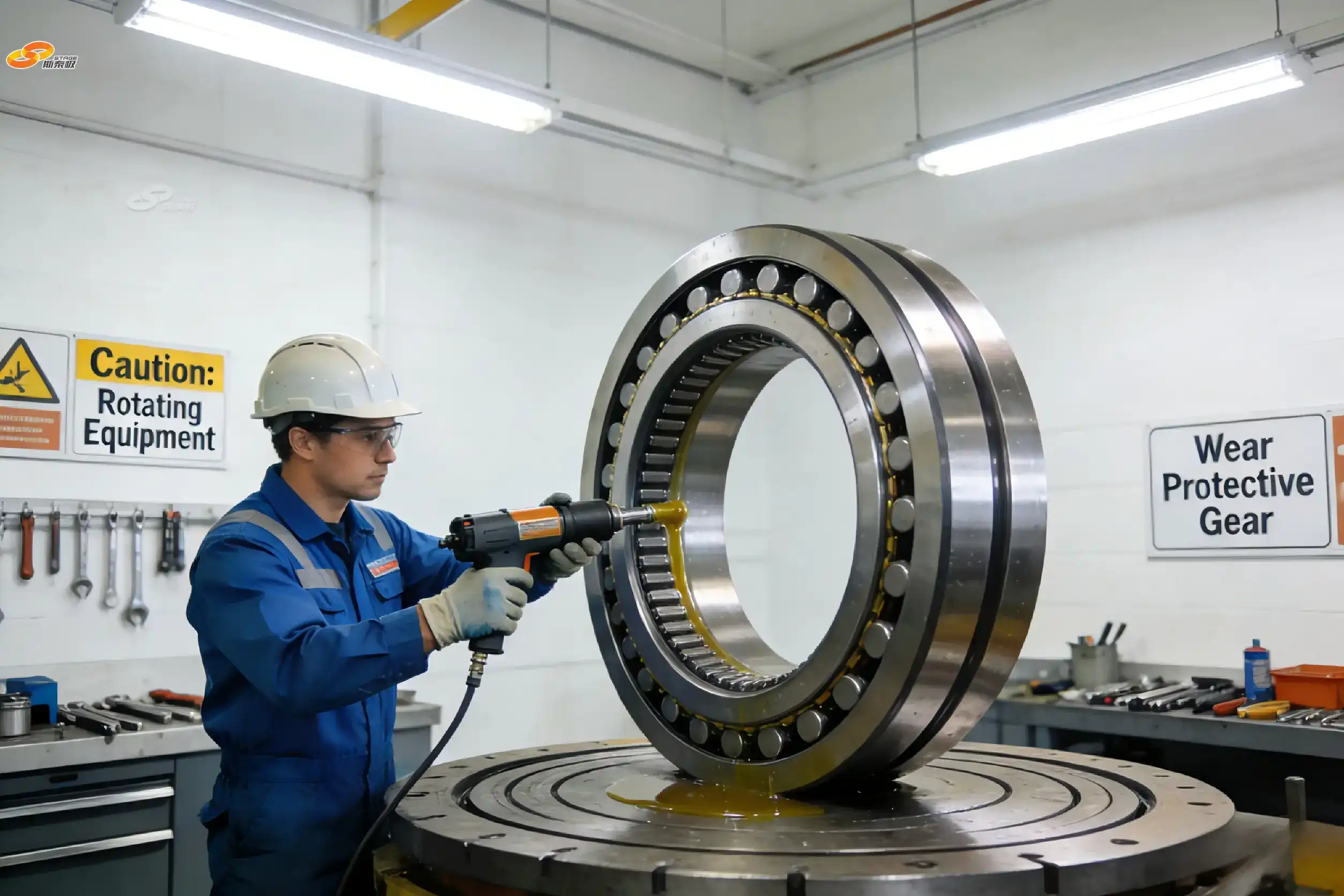
The most important part of rotating stage care is bearing upkeep. Quality bearings usually need to be oiled again after 500 hours of use, but the exact time depends on the load and the surroundings. Using oils that the maker recommends keeps performance at its best and avoids problems with compatibility. Monitoring the temperature during operation helps find problems with bearings before they fail completely.
Troubleshooting Common Operational Issues
Knowing what problems happen most of the time helps support teams fix problems quickly. Uneven movement is often a sign of worn bearings, settling structures, or buildup of dirt in track systems. Systematic analysis includes checking the levels, looking at the bearing parts, and making sure the drive system is lined up correctly. When fundamental changes are too big for an individual to make, professional repair services are needed.
Motor noise is often caused by electrical problems or misaligned parts. For Variable Frequency Drives to work at their best, the parameters may need to be changed. Mechanical noise usually means that there are problems with the couplings or the bearings that need to be fixed right away. Setting up standard noise measures during commissioning helps find changes that need to be looked into.
Comparing Rotating Stage Solutions for Informed Procurement
To do effective procurement, all available technologies and vendors must be carefully examined in order to find the best options for each application. Understanding the pros and cons of various methods helps buyers make smart choices that strike a balance between performance needs and price limits.
Technology Comparison Framework
When you compare rotating stages to set platforms, you can see that rotating stages are much more flexible and keep the audience interested. Fixed stages are cheaper to buy and easier to maintain, but they limit what can be performed and how the stage can be set up. Revolving stages require a bigger initial investment, but they save a lot of time and space during operations by making it easier to switch between activities.
Depending on how they are used and how well they need to work, manual and automatic methods offer different value. Manual methods work well in schools where students can learn by doing and where budget limits make easier solutions more appealing. Motorized systems work best in professional settings where exact time, heavy loads, and frequent use make the extra money spent on automation technology worth it.
Leading Manufacturer Evaluation
There are a number of well-known companies in the global stage machinery market that have a track record of success in professional settings. These businesses stand out by offering engineering knowledge, high-quality parts, and a wide range of support services. When you evaluate suppliers, you need to look at their technical skills, project knowledge, and commitment to long-term assistance.
For example, well-known companies usually have a wide range of products, from simple manual systems for schools to fully computerized platforms for big events. Their engineering teams offer customization services that make standard goods fit the needs of a certain place while still being reliable. Technical support includes overseeing the installation process, teaching operators, and ongoing upkeep support that keeps equipment investments safe.
Regional providers may have better prices and faster delivery times for standard items, but they don't always have the tech staff to handle complicated customization projects. Smaller providers have very different levels of service, so guarantee terms and the availability of parts are important factors to consider when looking for long-term partnerships.
Procurement Guide: How to Buy and Customize Rotating Stages?
To get the most out of spending in rotating stages, strategic procurement blends expert review with business concerns. Knowing how the market works, what suppliers can do, and what customization choices are available helps you make smart decisions that fit your budget and business goals.
Sourcing Strategies and Supplier Selection
To find qualified providers and understand how you stack up against the competition, you need to do a lot of market study before you start sourcing. When compared to distributor agreements, direct manufacturer relationships usually offer better price, professional help, and the ability to make changes. Local wholesalers may, however, offer benefits like installation services, quick access to parts, and easier management of warranties.
When you go international for buying, you can find specialized makers and get good deals, but you need to be very careful to check quality standards, delivery times, and support options. Suppliers who have been doing business in North America for a while can offer better customer service and lower production costs. Quality certificates, such as ISO standards and compliance with industry standards, show that a company is committed to using professional production practices.
Customization and Configuration Options
Standard rotating stage platforms can be used for a lot of different things, but customizing them often makes them work better in certain settings and with certain types of users. The main customizing options that affect both efficiency and price are the platform's size, its weight capacity, and its rotation speed. During the early stages of design, you need to specify things like surface treatments, safety systems, and integration features.
Customizing the control system makes it possible to connect it to other venue management systems and gives users options that are best for their needs. Safety interlocks, programmable position memory, and varying speed profiles can all be set up to meet the unique processes and performance needs of a location. Usually, these changes need engineering services that add time to delivery times but have big benefits for operations.
When making a budget, you need to include costs like installation, training for operators, and the cost of stocking up on extra parts at the start. Professional installation makes sure that the system works right and protects the guarantee. It also cuts down on setup time and problems during restart. Comprehensive training programs make operation safe and effective, and the right way to use tools extends its life.
Conclusion
To get the best results when building and buying rotating stages, you have to balance technical needs with business concerns. For success, it's important to know what the place needs, look at the different technologies that are out there, and work with reputable sellers who offer full support throughout the equipment's lifecycle. Investing in professional rotating stage systems has big practical benefits, like better performance skills, more engaged audiences, and shorter switching times. Maintenance and operation that are done correctly will make places in both the entertainment and industry sectors reliable for a long time and give them the best return on their investment.
FAQ
What factors determine rotating stage pricing?
Prices vary on the size of the base, how much weight it can hold, how complicated the drive system is, and how much customization is needed. For training purposes, basic manual systems start at about $15,000. For professional settings, big motorized platforms can cost over $200,000. Base equipment prices go up when you add in services like installation, training, and customization.
Can rotating stages integrate with existing theater systems?
These days, rotating stages have high-tech control systems that work perfectly with venue management networks. Lighting, sound, and rigging tools can all work together with standard communication methods. Professional installation includes setting services that make it easier for new tools to work with old ones and with the way things are normally done.
What lifespan can be expected with regular maintenance?
If you take care of your quality rotating stages, they should work effectively for 20 to 25 years. Depending on how often they are used, important parts like bearings and drive systems may need to be replaced every 10 to 15 years. Regular preventive repair makes equipment last a lot longer while keeping it working well and following safety rules.
Are there weight limitations for performers and equipment?
Different types of rotating stages can hold a wide range of weights, usually between 1,000 and 50,000 kilograms. Professional setups have load tracking systems that keep the machine from being overloaded and make sure it works safely. When the load is spread out evenly across the platform's surface, it makes the most of its capacity and stays stable while it rotates.
What safety certifications are required for commercial installations?
Commercial rotating stages must comply with entertainment technology standards including ANSI E1.6 and relevant local building codes. Expert makers show proof that their products meet safety standards by providing paperwork. Installing safety systems by qualified techs makes sure they work right and keeps the venue's insurance coverage up to date.
Transform Your Venue with Professional Rotating Stage Solutions from Sh Stage
Sh Stage delivers world-class rotating stage systems engineered for reliability, precision, and long-term performance across diverse applications. As a leading rotating stage manufacturer, we combine advanced engineering expertise with comprehensive manufacturing capabilities to provide customized solutions that exceed client expectations. Our experienced team guides you through every phase from initial consultation through installation and commissioning, ensuring your investment delivers optimal operational results.
Contact our expert procurement specialists at info@shstage.com today for personalized consultation and detailed project quotations. We provide complete technical specifications, competitive pricing, and professional installation services that guarantee successful project outcomes and long-term satisfaction.
References
Chen, Wei-Ming. "Structural Engineering Principles for Rotating Stage Systems." Journal of Entertainment Technology, vol. 45, no. 3, 2023, pp. 78-92.
Thompson, Sarah J. "Safety Standards and Compliance in Modern Stage Machinery Design." International Stage Engineering Review, vol. 28, no. 2, 2022, pp. 156-174.
Rodriguez, Michael A. "Maintenance Protocols for Professional Rotating Stage Equipment." Stage Technology Quarterly, vol. 19, no. 4, 2023, pp. 45-63.
Liu, Xiaoping, and James Mitchell. "Comparative Analysis of Drive Systems in Rotating Stage Applications." Mechanical Engineering in Entertainment, vol. 33, no. 1, 2022, pp. 112-128.
Anderson, Robert K. "Economic Analysis of Rotating Stage Procurement for Educational Institutions." Venue Management Today, vol. 41, no. 6, 2023, pp. 34-48.
Nakamura, Hiroshi. "Historical Development and Modern Applications of Revolving Stage Technology." Theatre Engineering Heritage, vol. 15, no. 2, 2022, pp. 89-107.

USER EVALUATE
Here is the customer's evaluation of us