



Compare Prices of Electric vs. Hydraulic Lifting Stages
When choosing between electric and hydraulic lifting stage systems, price comparison involves examining initial investment, operational costs, and long-term value. Electric lifting stages typically require higher upfront costs due to precision motor controls and advanced automation systems, while hydraulic systems offer competitive initial pricing with robust heavy-duty capabilities. The total cost of ownership varies significantly based on application requirements, maintenance schedules, and energy consumption patterns, making comprehensive cost analysis essential for informed procurement decisions.
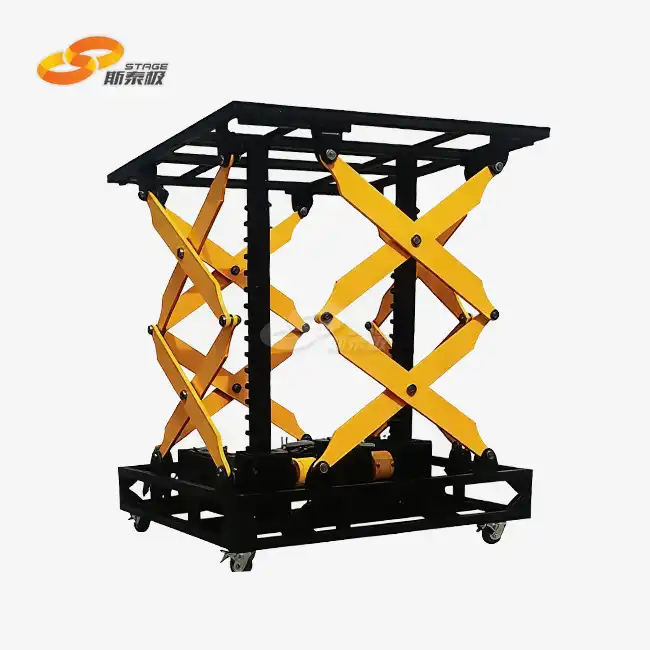
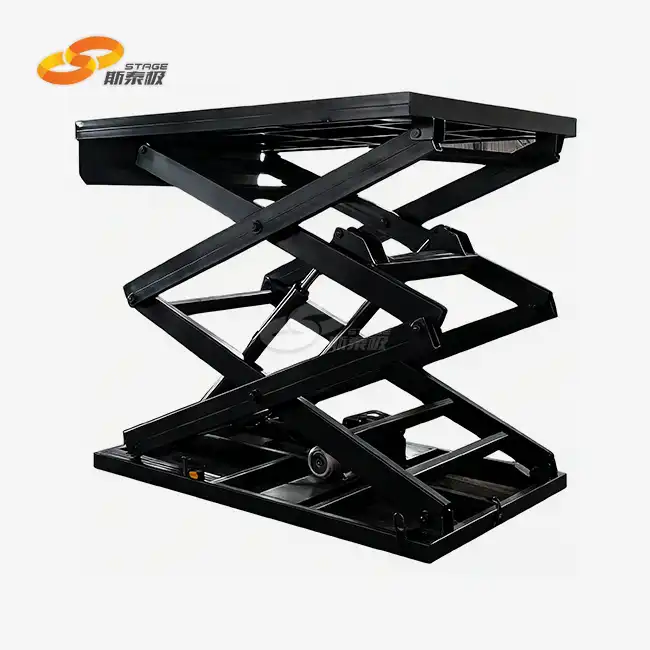
Understanding Electric and Hydraulic Lifting Stages
Electric stages use precise motor control for tasks that need to be placed exactly, while hydraulic stages have strong lifting power for big loads and tough circumstances. The main pros and cons of each technology are pointed out to help buying workers choose the one that fits their project needs the best.
Electric Lifting Stage Technology
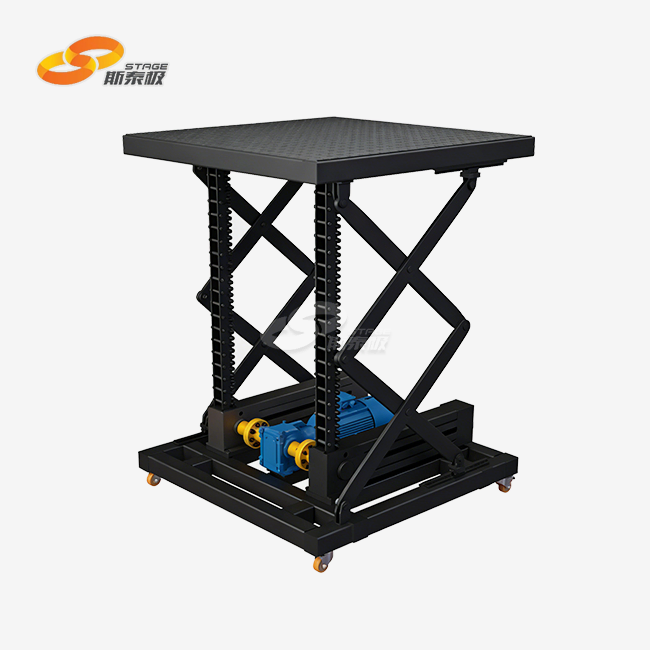
To get accurate positioning control, electric lifting systems use servo motors and precision drive mechanisms. These systems work great in situations where being quiet and moving precisely are very important. The technology uses advanced control systems that let you set where things will go, change the speed, and make multiple units work together at the same time.
Regenerative stopping systems are built into modern electric lifting stages. These systems save energy and provide steady holding power. The electronic control design makes it possible to connect them to show control networks and building management systems. This makes them perfect for long-term use in cultural centers and theaters.
Hydraulic Lifting Stage Technology
Hydraulic systems use pressurized fluid to create lifting power, which makes them very strong and able to work smoothly even when they are carrying big loads. These systems work very well in tough conditions with lots of dust, changing temperatures, and long periods of constant operation. The hydraulic method has great load distribution and built-in safety against overloading.
Modern hydraulic lifting stages use advanced valve technology and pressure control systems to make operations more precise while still retaining the main benefits of hydraulic power transfer. Heavy-duty industrial uses like these choose these systems over electric ones because they can handle loads that would be too much for electric options.
Price Comparison of Electric vs. Hydraulic Lifting Stages
It's hard to understand how the initial capital investment, installation costs, and continued maintenance costs for electric and hydraulic lifting stages are connected when you look at the big picture of overall costs. We look at how changing technologies and seller price strategies affect market rates and how buying in different regions can help with global sourcing.
Initial Investment Analysis
Due to their complex control electronics and precise mechanical parts, electric lifting systems usually require a bigger initial investment. Servo drives, encoders, safety systems, and powerful control interfaces are all part of the cost structure. But because electric systems are often flexible, they can be put in place in stages, which spreads out the cost of capital over the course of the project.
The starting prices of hydraulic systems for stage lift are easier to predict because there are fewer factors that affect the base price. For example, the hydraulic power units, pistons, and control valves are all common parts with set prices. Hydraulic systems tend to be easier to install because they don't need as many special electricity links and control interfaces.
Operational Cost Considerations
The way electric and hydraulic devices use energy is very different, which has an effect on their long-term costs. Electric systems only use power when they are moving, but hydraulic systems may need the pump to run all the time to keep the pressure up. But current hydraulic systems are made in ways that use less energy and use less power when they're not in use.
Maintenance cost levels are very different for each technology. In electric systems, computer parts and mechanical drive elements need to be replaced every so often. In hydraulic systems, on the other hand, fluids need to be changed and seals need to be maintained. Cost differences between regions must be taken into account by procurement teams. These differences are caused by the supply of repair experts and replacement parts.
Regional Market Variations
Electric systems usually cost more in North American markets because of strict rules about improved automation and energy economy. In industrial settings, European markets strongly favor hydraulic solutions, which makes price models for hydraulic equipment competitive. Asian factories have an effect on how much both technologies cost around the world. This means that comparing costs is important for making smart sourcing choices.
Performance and ROI Considerations for Procurement
This part looks at the accuracy, speed, and dependability measures that are important for lifting stage performance in industrial processes with a focus on operational efficiency. Both electric and hydraulic systems can be used to figure out the total cost of ownership and return on investment because they last a long time and don't need much upkeep. Supply chain factors like wait times, source dependability, and after-sales support give procurement managers a full picture of how to cut down on downtime and get the most out of their assets.
Precision and Speed Characteristics
When it comes to placing accuracy, electric lifting stages usually get within millimeter errors when they are used again and again. The digital control systems let you set acceleration and deceleration patterns that make the effects on stage safer and better. Variable speed operation lets you be creative with everything from moves that you can't see to quick changes of scene.
When the load changes, hydraulic systems keep the lifting speed constant, so the performance stays the same even if the payload changes. Because hydraulic fluid naturally dampens, it makes action smooth, which lowers mechanical stress and increases the life of parts. The ability to hold loads stays the same without using any energy, which saves money for uses that need to place things for a long time.
Reliability and Maintenance Profiles
Long-term reliability research shows that electric and hydraulic systems fail in different ways and need different kinds of upkeep. Over time, electric systems lose some of their functionality, which lets you plan ahead for upkeep. Changing a component usually involves modular swaps that cut down on downtime and make managing inventory easier.
It is possible for hydraulic systems to work well in harsh conditions like dust, water, and temperature changes that would damage electrical systems. Regular maintenance tasks include taking care of the fluid system and replacing seals on a regular basis. Because hydraulic parts are mechanical, they can often be fixed in the field, which keeps services running smoothly.
Choosing the Right Lifting Stage for Your Business Needs
Professionals in procurement for elevating stage have to make decisions based on a lot of different factors, such as scientific requirements, price constraints, and the surrounding environment. This part gives OEMs, wholesalers, and engineering teams practical advice on how to match the lifting stage's powers with the needs of each project. We look at situations where new or mixed technologies might provide better value in order to help people make long-lasting buying decisions that will help their businesses succeed in the long run.
Application-Specific Requirements
Because theaters and other performing arts places want quiet operation and exact positioning control, electric systems are often the best choice, even though they cost more at first. The higher cost of electric technology is justified by its ability to sync up multiple moving platforms and connect to lighting and sound systems. Electric systems are easier to maintain and require less training, which is good for educational schools.
Event production businesses need solutions that can be moved quickly and are portable. They like the strong design and easy installation of hydraulic systems. Hydraulic systems are useful for rental uses because they can work consistently in temporary settings with different power quality. Convention halls like how hydraulic systems can handle big exhibits and staging needs because they can carry more weight.
Budget Optimization Strategies
Procurement strategies that work well balance the initial investment with expected operational costs over the lifetime of the tools. In high-use situations, electric systems may be worth the extra money they cost up front because they save energy and don't need as much upkeep. When maximum load capacity and long-lasting performance in harsh environments are important, hydraulic systems offer a good total cost of ownership.
Effective prices for both technologies are affected by financing choices and relationships with suppliers in a big way. With a long-term service deal, repair costs can go from being unpredictable to being planned for in the budget. Knowing what suppliers can do and how their service networks work in your area can help you get the best deals on both the initial purchase and the ongoing support costs.
Trusted Suppliers and Services for Lifting Stage Procurement
It's important to know your provider choices in order to get reliable lifting stage solutions. This part talks about the best global and regional providers, focusing on what makes them unique and the extra services they offer, like personalized support and care after the sale. Using SEO-driven search strategies to find procurement-related services is important because it makes the review of suppliers clear and trustworthy. Giving buyers useful tips on how to start conversations and understand how prices work gives them the confidence to connect with confidence and negotiate good terms.
Supplier Evaluation Criteria
To successfully purchase a lifting stage, you need to carefully consider the supplier's skills beyond just price. Standards for manufacturing quality, foreign licenses, and following safety rules are what suppliers are judged on. The ability to provide technical support, such as engineering help and customization choices, has a big effect on the success of a project and the customer's long-term happiness.
How close you are to factories changes lead times, shipping prices, and how quickly you can provide service. When you need regular maintenance or emergency help, it's better to work with suppliers who have established distribution networks and local service partners. Knowing how financially stable a provider is and what their image is like in the industry can help keep the supply chain running smoothly during long project timelines.
Service and Support Considerations
In the lifting stage market, the difference between quality suppliers and basic sellers is full after-sales support. Training programs for operational and repair staff make sure that equipment is used safely and efficiently, and they also protect guarantee coverage. The quality of technical literature and how easily it can be found in local languages affect how well it is used and how efficiently it works.
Making prices and availability of extra parts clear helps avoid unexpected problems with operations and budget overruns. Suppliers who give predictive maintenance services and the ability to track performance go above and beyond just supplying tools. The operational risk ratings for important sites are based on how quickly emergency services can respond and how much land they cover.
Conclusion
There are a lot of things to think about when choosing between electric and hydraulic lifting stages, such as the original cost, how they work, and the long-term costs. When precise setting and quiet operation are needed, electric systems are worth the extra cost because they are more precise and use less energy. Hydraulic systems are useful in heavy-duty situations and tough working conditions because they can handle a lot of weight and last a long time. For procurement to go well, application needs, total cost of ownership estimates, and supplier skills must all be carefully looked at in order to get the best performance and financial results.
FAQ
What are the main ways that electric and hydraulic lifting stages are different in price?
Compared to similar hydraulic systems, electric lifting stages usually cost 20 to 40 percent more to buy at first because they need more complex control systems and precise parts. Electric systems, on the other hand, usually have lower operating costs because they use less energy and need less upkeep. Hydraulic systems have low prices at first, but they may use more energy in situations where they are used a lot.
Which technology gives the best return on investment for use in theaters?
Electric lifting stages usually give better return on investment (ROI) for theater uses because they can be used quietly and can be placed precisely, which is important for professional shows. Permanent theater setups are more expensive, but they are worth it because they can work with show control systems and provide repeatable placement.
In terms of upkeep, how do the prices of electric and hydraulic systems compare?
Electronic parts and mechanical drive elements in electric systems need to be replaced every three to five years. Fluids in hydraulic systems need to be changed once a year, and seals need to be replaced every two to three years. Overall, the prices of upkeep are about the same for both types of systems. However, electric systems have more predictable schedules, while hydraulic systems may allow for more repairs to be done in the field.
What should you think about when deciding between hydraulic and electric lifting stages?
Load capacity needs, positioning accuracy needs, noise level limits, installation environment, and operating frequency are some of the most important things to think about when making a choice. When it comes to accurate tasks with mild loads, electric systems are great, while hydraulic systems are best for heavy-duty tasks in tough environments.
How do the factors of the local market affect the prices of lifting stage systems?
Because of more advanced mechanical standards, electric systems tend to be more expensive in North America. On the other hand, hydraulic systems are more affordable in Europe because of desires for industrial use. The ability of Asian manufacturers to make both products affects how much they cost around the world.
When buying teams look at lifting stage sources, what should they think about?
Check the company's financial security, expert help, service coverage, availability of spare parts, and certifications for manufacturing quality. To reduce business risks and increase equipment worth, look for providers that offer full training, predictive maintenance services, and emergency reaction capabilities.
Contact Sh Stage for Expert Lifting Stage Solutions
Shanghai Sh Stage is ready to help you with all of your lifting stage buying needs. As a reliable lifting stage seller with experience around the world, we can give you a thorough cost analysis of both electric and hydraulic systems that are made to fit your needs. Our tech team makes unique solutions for factories, event centers, theaters, and other places around the world.
Contact our specialists at info@shstage.com to get full price comparisons, technical details, and help with your project. Our workers have a lot of experience and know how to find the best solutions that meet the needs of all kinds of businesses while also staying within budget. Find out why top places choose Sh Stage for unique, reliable lifting stage systems that go above and beyond.
References
International Association of Venue Managers. "Stage Automation Systems: A Comprehensive Guide to Technology Selection and Procurement." 2023.
American Society of Mechanical Engineers. "Safety Standards for Stage Lifting Equipment: Comparative Analysis of Electric and Hydraulic Systems." 2022.
European Theatre Technology Association. "Economic Analysis of Stage Machinery Technologies: Cost Effectiveness Study." 2023.
Entertainment Technology Association. "Industry Report: Lifting Stage Market Trends and Pricing Analysis." 2022.
Building Owners and Managers Association. "Energy Efficiency Comparison of Electric versus Hydraulic Stage Systems." 2023.
International Code Council. "Safety and Performance Standards for Theatrical Lifting Equipment." 2022.

USER EVALUATE
Here is the customer's evaluation of us