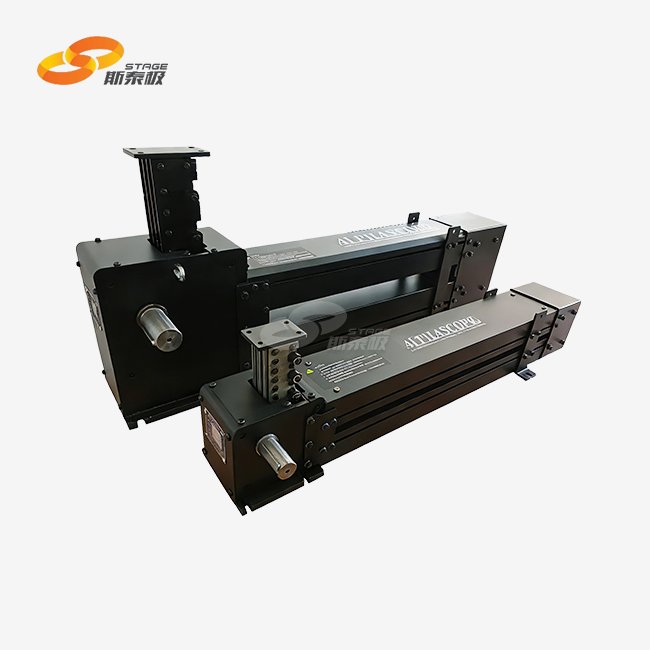




Single-Layer Stage Winch Applications in Live Events
Single-layer stage winches have become vital tools in modern live event production because they are so accurate and reliable for complicated lifting and rigging jobs. These new mechanical systems provide event planners the ability to manage and operate lighting fixtures, sound equipment, and scenic elements with a level of accuracy and control that has never been seen before. When picking a Single-Layer Stage Winch for your next project, it's important to know how to use it, what characteristics it has, and how it may help you get the job done safely and properly.
Understanding Single-Layer Stage Winches in Live Events
Core Components and Operational Principles
In entertainment technology, single-layer stage winches are the ultimate example of technical accuracy. These devices avoid the problems caused by rope overlap in multi-layer systems by using a simplified drum design in which wire rope coils in a single layer. A sturdy motor assembly, a precisely designed RV series reducer, steel wire rope, and sophisticated control systems are the main parts that come together to provide dependable, seamless lifting operations.
The mechanical mechanism revolves around the drum's regulated spinning, which raises or lowers hung weights by winding or unwinding wire rope. Sophisticated feedback mechanisms that give real-time position data are included into modern single-layer winches, guaranteeing perfect control during crucial stage moves. When coordinating many lifting points at once, as is often necessary for professional theater and concert performances, this accuracy becomes very useful.
Benefits and Applications in Professional Settings
The benefits of using single-layer winches during live events go much beyond their simple lifting potential. These systems provide increased operating efficiency during intricate stage transitions, less maintenance needs because of their simpler mechanics, and increased safety via predictable rope behavior. Event planners value these winches' dependability in high-stress scenarios when equipment malfunctions might jeopardize both artistic vision and safety.
Here are the core advantages that make single-layer winches essential for professional event production:
• Enhanced Safety Performance: Single-layer rope winding eliminates crushing and wear issues common in multi-layer systems, reducing rope replacement frequency and failure risks
• Precise Load Control: Advanced motor control systems enable smooth acceleration and deceleration, critical for delicate scenic elements and performer safety
• Simplified Maintenance: Fewer moving parts and straightforward rope management reduce downtime and maintenance costs
• Versatile Installation Options: Compact design allows flexible mounting configurations in venues with space constraints
These advantages collectively address the demanding requirements of modern entertainment venues, where technical reliability directly impacts artistic success and audience safety.
Real-World Event Applications
Single-layer winches are used in professional settings all over the globe for a variety of purposes, from modern music festivals to prestigious opera performances. Theaters rely on these systems for quick scene changes that preserve dramatic pace, while concert halls use them for dynamic lighting arrays that must move smoothly throughout performances. Because of their adaptability, single-layer winches work just as well for traveling productions and permanent installations that need dependable equipment that can withstand several setup and disassembly cycles.
Comparing Single-Layer and Multi-Layer Stage Winches for Live Events
Structural Distinctions and Performance Characteristics
Understanding the fundamental differences between single-layer and multi-layer winch systems helps procurement professionals make informed decisions based on specific project requirements. Single-layer winches feature drums designed to accommodate wire rope in a single, uniform layer, while multi-layer systems allow rope to stack in multiple layers as it winds. This distinction significantly impacts both operational characteristics and maintenance requirements, especially when considering a Single-Layer Stage Winch.
Single-layer systems excel in applications requiring precise positioning and frequent operation cycles. The uniform rope winding prevents the binding and uneven tension issues that can occur when rope layers interact in multi-layer systems. Multi-layer winches offer advantages in situations requiring extended lifting ranges within compact installations, as they can accommodate longer rope lengths on smaller drums.
Load Capacity and Space Requirements
Single-layer and multi-layer designs have rather different load capacity concerns. Single-layer winches are perfect for lighting fixtures, audio equipment, and modest scenic components since they can usually manage weights between 400 and 1000 kg. Because the drum diameter closely relates to the maximum lifting distance, single-layer systems' space needs are often easier to handle in locations with constrained rigging space.
Longer lifting lengths and larger weights can be supported by multi-layer systems, however managing the changing rope diameter as layers are added calls for more advanced control systems. The extra capacity advantages must be balanced against the higher initial costs and more involved maintenance needs that result from this complexity.
Procurement Decision Framework
A number of important considerations should direct the decision-making process when assessing various choices for certain projects. The ideal decision between single-layer and multi-layer systems depends on a number of factors, including event size, venue attributes, load needs, and operating frequency. The original equipment expenses, as well as continuing maintenance, operator training, and any downtime effects, must all be taken into account when creating a budget.
By concentrating on important performance indicators that have a direct bearing on project success and operational efficiency, the following framework facilitates the assessment process. Single-layer winches are often the go-to option for locations that value dependability, simplicity of use, and economical upkeep above lifting capability.
Maintenance, Safety Features, and Operation Guidelines
Essential Maintenance Practices
A methodical approach to winch maintenance that takes into account both mechanical and electrical components is necessary to maintain optimal performance and safety requirements. Brake system testing, control system calibration, motor bearing lubrication, and wire rope condition evaluation should all be part of routine inspection schedules. These regular maintenance tasks save little problems from growing into expensive malfunctions that might jeopardize event plans.
Daily, weekly, and monthly inspection schedules are usually established by professional maintenance programs in accordance with the level of equipment utilization. Weekly maintenance involves more thorough mechanical evaluations, whilst daily inspections concentrate on visual examination and simple operational testing. Complete system testing and documentation supporting warranty compliance and safety certification criteria are part of monthly thorough inspections.
International Safety Standards and Built-in Protection
Several safety features are included into contemporary single-layer winches to safeguard workers and equipment while they are in use. To avoid hazardous operation situations, position feedback systems, overload prevention, and emergency stop capabilities cooperate. These safety measures adhere to national rules that regulate the operation of entertainment equipment as well as international standards, such as EN 17206 for stage gear.
Beyond simple defense, built-in safety precautions include advanced monitoring systems that keep tabs on operating parameters and notify operators of any problems before they become serious. While position input guarantees precise positioning of suspended pieces, load monitoring guards against overloading scenarios. In the event that the main system fails, emergency lowering capabilities provide backup operating techniques.
Operator Training and Best Practices
Appropriate operator training that addresses both technical operation and safety procedures is crucial for successful winch operation. System capabilities and limits, emergency protocols, regular maintenance needs, and troubleshooting methods should all be included in training programs. Operational safety and equipment durability are greatly enhanced by well-trained personnel.
Pre-show testing, load verification, and communication procedures between operators and other production staff are all emphasized by operational best practices. These procedures are especially important for intricate productions with many winches and synchronized actions that call for exact time and faultless execution.
Procurement Insights and Brand Selection
Supplier Evaluation Criteria
Selecting reliable suppliers for single-layer stage winches requires careful evaluation of multiple factors that extend beyond initial pricing considerations. Manufacturer reputation, technical support capabilities, spare parts availability, and service network coverage all influence the total cost of ownership and operational reliability. Established suppliers typically offer comprehensive support packages that include installation assistance, operator training, and ongoing technical support.
Quality certifications and compliance with international standards provide important indicators of manufacturer reliability and product performance. Suppliers should demonstrate adherence to relevant safety standards and provide documentation supporting their claims regarding load capacity, operational specifications, and safety features.
Customization Options and OEM Partnerships
Professional applications often need customized winch solutions that satisfy specific venue restrictions or unique operational requirements. Well-known manufacturers provide a variety of modification options, including modified load capacities, special mounting configurations, and integrated control systems that coordinate with the site's existing infrastructure. These customization possibilities enable optimal performance in challenging locations where traditional equipment may not provide the best solutions.
Venue developers and equipment integrators may include winch systems into larger projects with coordinated support and warranty coverage thanks to OEM partnerships. These partnerships often include technical cooperation throughout the design phases to ensure optimal integration and performance in completed installations.
Purchase Process and Delivery Considerations
Having a solid grasp of typical purchasing methods may help buyers plan for equipment acquisition and installation timelines more effectively. Standard delivery dates may vary depending on the degree of customization required; stock configurations are often available sooner than systems that have undergone extensive modification. International shipping issues may cause delivery schedules to be prolonged, particularly for projects requiring certain certifications or documentation.
Careful research is essential when selecting a vendor since warranty durations and post-purchase support systems vary widely. Strong service networks ensure that operational issues are resolved promptly, and extensive warranties that cover both labor and components provide priceless protection against unanticipated repair costs.
Company Introduction and Our Solutions
Sh Stage: Leading Innovation in Stage Machinery
Stage (Shanghai) Stage Technology Engineering Co., Ltd. stands as a premier provider of professional stage machinery solutions, backed by decades of engineering expertise and unwavering commitment to quality excellence. Our comprehensive approach combines cutting-edge technology with practical application knowledge gained through countless successful installations worldwide, including solutions such as the Single-Layer Stage Winch. We operate through a strategic trinity business ecosystem that ensures seamless service delivery from initial consultation through long-term support.
Jiangsu Zhongbang Intelligent Technology Co., Ltd., where state-of-the-art production facilities and stringent quality control procedures guarantee dependable performance, is the hub of our manufacturing capabilities. Stage (Shanghai) is only concerned with international commerce and worldwide client connections, whilst Jiangsu Zhongbang Stage Art & Performance Co., Ltd. oversees operational coordination and domestic company growth.
ZB-WDJ Single-Layer Winding Suspension Hoist Series
The result of years of research and development aimed at satisfying the exacting specifications of professional live events is our flagship ZB-WDJ Single-Layer Winding Suspension Hoist Series. With operating speeds of up to 0.45 meters per second for dynamic applications demanding quick positioning changes, these systems' precision-engineered RV series reducers provide outstanding performance throughout load ranges from 400 to 1000 kg.
Technical details show our dedication to adaptability and performance enhancement. Complex rigging arrangements are made possible by hanging point combinations ranging from three to eight points, and lifting routes extending 15 to 30 meters fit a variety of venue needs. With motor power choices ranging from 2.2 to 5.5 kilowatts, wire rope diameters between 4.2 and 8 millimeters provide suitable safety factors for a variety of load circumstances.
Comprehensive Service Capabilities
The whole equipment lifecycle—from original design consultation to installation, commissioning, and continuing support—is covered by our service philosophy. In order to satisfy international compliance standards, we keep comprehensive production certifications and quality assurance paperwork. Customized solutions that meet specific project needs while upholding our exacting quality standards are made possible via OEM and ODM partnerships.
Hoisting speed optimization, drum diameter changes, lifting point count adjustments, and motor model selection according to particular operating needs are all examples of customization options. This adaptability guarantees peak performance across a range of applications while preserving interoperability with current venue infrastructure and operating protocols. Our dedication to prompt delivery and stringent packing guidelines safeguards the integrity of the equipment throughout the shipment and installation processes.
Conclusion
Single-layer stage winches continue to evolve as essential components in modern live event production, offering unmatched reliability and precision for demanding entertainment applications. The careful selection of appropriate equipment, suppliers, and support services directly impacts both operational success and long-term cost effectiveness. By understanding the technical capabilities, maintenance requirements, and procurement considerations outlined in this guide, purchasing professionals can make informed decisions that support exceptional event experiences while maintaining rigorous safety standards. The investment in quality single-layer winch systems pays dividends through reliable performance, reduced maintenance costs, and enhanced operational flexibility that adapts to evolving production requirements.
FAQ
Q1: What load capacity should I specify for concert lighting applications?
A: Concert lighting applications typically require single-layer winches with load capacities between 400 to 800 kilograms, depending on the fixture types and rigging configurations. LED fixtures generally require lower capacity systems, while traditional tungsten fixtures demand higher capacity winches due to increased weight and heat dissipation equipment.
Q2: How often should single-layer winches undergo comprehensive maintenance?
A: Comprehensive maintenance schedules depend on usage intensity, but most professional installations benefit from monthly detailed inspections and annual complete system overhauls. High-use venues may require more frequent maintenance intervals, while occasional-use installations can often extend maintenance periods while maintaining daily operational checks.
Q3: Can single-layer winches be customized for unique venue requirements?
A: Yes, reputable manufacturers offer extensive customization options including modified load capacities, specialized mounting configurations, custom control integration, and adapted operational speeds. These modifications ensure optimal performance in challenging installations while maintaining safety standards and operational reliability.
Contact Sh Stage for Professional Single-Layer Stage Winch Solutions
Ready to enhance your venue's capabilities with industry-leading single-layer winch technology? Sh Stage combines decades of engineering expertise with comprehensive manufacturing capabilities to deliver customized solutions that meet your exact requirements. Our ZB-WDJ Single-Layer Winding Suspension Hoist Series offers proven performance across diverse applications, backed by complete OEM and ODM support services. Whether you need standard configurations or specialized modifications, our technical team stands ready to provide detailed consultations and competitive quotations. Connect with our single-layer stage winch manufacturer experts today at info@shstage.com to discuss your project requirements and discover how our solutions can elevate your next production.
References
1. Smith, Robert J. "Stage Rigging Systems: Engineering Principles for Live Entertainment." Entertainment Technology Press, 2019.
2. International Association of Theatrical Stage Employees. "Safety Guidelines for Motorized Rigging Systems in Live Performance Venues." IATSE Technical Bulletin, 2020.
3. Chen, Michael K. "Load Management and Safety Protocols in Contemporary Theater Design." Journal of Entertainment Engineering, Vol. 15, No. 3, 2021.
4. European Committee for Standardization. "EN 17206: Stage and studio equipment - Machinery for stages and other production areas within the entertainment industry." CEN Publications, 2020.
5. Williams, Sarah D. "Maintenance Strategies for Professional Stage Equipment: A Comprehensive Analysis." Technical Theater Quarterly, Vol. 28, No. 2, 2021.
6. Thompson, James R. "Economic Analysis of Single-Layer versus Multi-Layer Winch Systems in Professional Entertainment Venues." Entertainment Technology Review, Issue 142, 2020.

USER EVALUATE
Here is the customer's evaluation of us