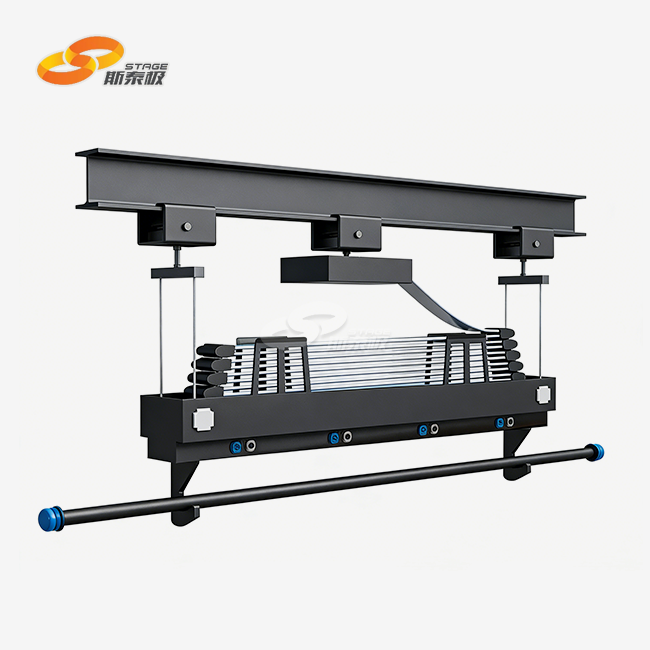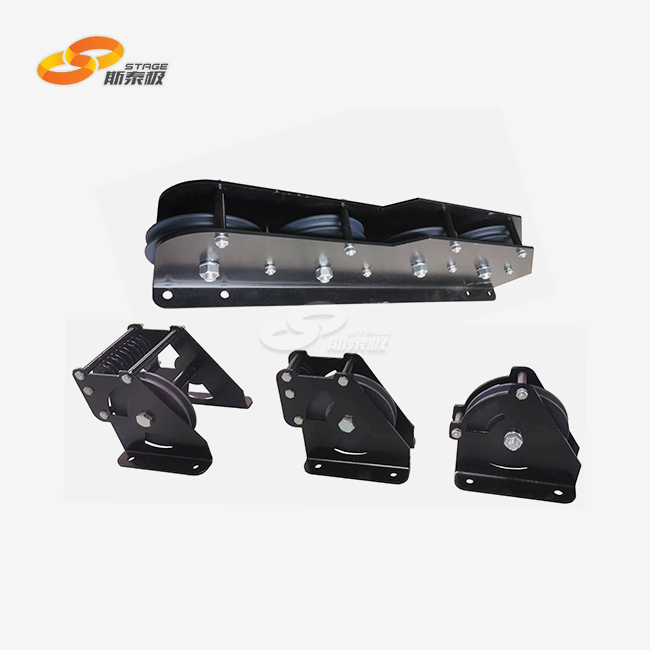




OEM Telescopic Stage Solutions for Custom Venues
OEM Telescopic Stage Solutions for Custom Venues represent cutting-edge engineering that transforms how venues optimize their space and functionality. These innovative staging systems utilize advanced telescopic mechanisms to provide dynamic platform configurations that adapt to diverse performance requirements. Modern telescopic stage technology offers unprecedented flexibility for theaters, concert halls, conference centers, and multipurpose venues seeking to maximize their operational efficiency while maintaining professional-grade performance standards.
Understanding Telescopic Stages and Their Advantages
The core idea behind telescopic stages is modular platform systems that use well designed mechanics to expand and retract. Traditional fixed staging options gave way to these retractable stage platforms in response to the increasing need for flexible venue layouts. The way architects and venue operators view space usage in contemporary entertainment venues has been completely transformed by the historical development of telescopic technology.
Modern Telescopic Stage Mechanisms
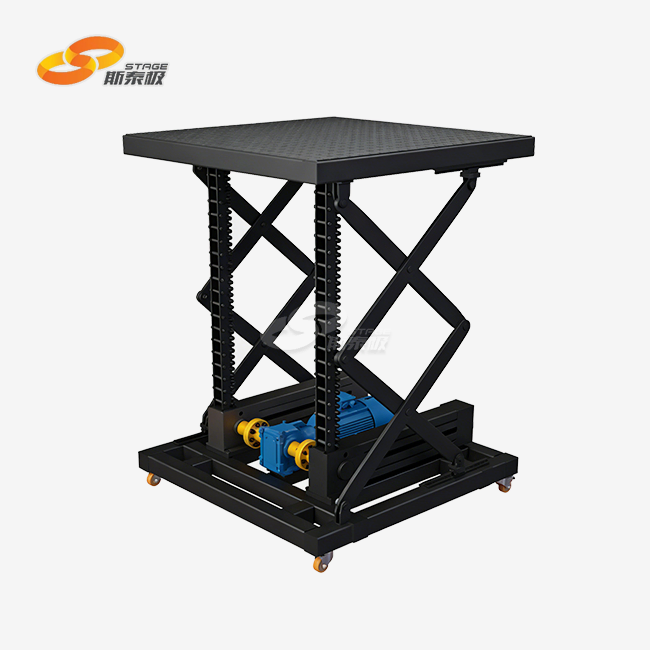
Modern telescopic stages use complex gear rack and pinion transmission systems that smoothly combine leveling and telescoping capabilities. During operation, the rack and pinion drive system maintains remarkable stability while guaranteeing accurate movement control. These devices are appropriate for professional performance applications since they can deliver telescopic strokes of 1 to 8 meters with an impressive leveling precision of ±0.5mm.
Modern telescopic platforms include safety measures that meet international requirements and non-slip surfaces. Operators are given versatile management capabilities that may be tailored to different venue needs via the combination of manual and electric control alternatives. During configuration changes, these systems don't interfere with performances or events since they run at low noise levels.
Advantages Over Traditional Staging Solutions
Telescopic stages' space-saving design, which enables venues to quickly change configurations without requiring a lot of physical effort, is one of its main advantages. Precision engineering and automatic locking mechanisms provide enhanced safety measures that safeguard both performers and operators. Simplified maintenance needs increase system lifespan and dependability while lowering long-term operating expenses.
Improvements in operational efficiency are shown by shorter setup times and more flexible venue booking options. Multiple event kinds may be held in one location, increasing income possibilities and optimizing resource use. Because telescopic systems are modular, venues may easily adjust their infrastructure to meet evolving performance and market needs.
Tailoring Telescopic Stage Solutions for Custom Venues
OEM telescoping stages solve challenging venue issues such space constraints, the need for multifunctional use, and smooth integration with pre-existing architectural features. From 500KN/m² for typical applications to customized configurations supporting larger equipment loads, custom solutions meet specific load requirements. Platform size and operating parameters may be precisely customized thanks to the modular design.
Material Selection and Engineering Excellence
Premium materials, such as premium steel, aluminum alloys, and cutting-edge composites chosen for their performance and longevity, are used in professional telescopic stages. Optimizing load capacity while preserving exact movement control and safety compliance is the major goal of engineering standards. International criteria for professional venue applications are met by installations thanks to certified safety standards.
The highest level of technical innovation in this area is represented by the gear rack telescopic and leveling stage systems. These devices use advanced rack and pinion gearbox technology to combine leveling and telescoping capabilities. Compact storage capabilities ideal for multipurpose halls and event stages are maintained while accommodating a range of performance needs with load capacities ranging from 500 to 3000 kg.
Operating Mechanisms and Control Systems
Electric systems for bigger, more intricate setups and manual controls for smaller installations are examples of operating mechanisms. Motorized systems provide customizable settings for several setups and accurate positional control. For demanding applications that need the highest level of stability and accuracy, hydraulic-assisted solutions provide improved load carrying capabilities.
The future of telescopic stage technology is represented by smart control integration, which makes automatic positioning sequences and remote operation possible. These cutting-edge systems include monitoring features and safety interlocks that improve operational security while lessening operator effort. Energy-efficient operations and environmentally friendly manufacturing practices meet contemporary sustainability standards for commercial buildings.
Comparing Telescopic Stage Options: Making an Informed Procurement Decision
Telescopic stage alternatives must be assessed by procurement managers in light of particular use patterns, structural specifications, transportable requirements, and financial limitations. The decision-making processes for portable and permanent systems differ greatly, and each calls for distinct operational and technological requirements. Making well-informed decisions that maximize long-term value and performance is made possible by being aware of these differences.
Key Selection Criteria for B2B Buyers
Durability, maintenance needs, and environmental resistance are the key factors considered in the evaluation of material quality. Specifications for load capacity must be in line with expected use trends and safety margin needs. For venues with changing needs, adjustability elements are crucial since they define operating flexibility and future expansion options.
Safety certificates attest to adherence to industry norms and legal specifications necessary for business operations. The original purchase price, installation expenses, maintenance needs, and advantages of operating efficiency should all be included in the cost-effectiveness study. The total cost of ownership throughout the course of the system's operating lifespan is determined by these variables taken together.
Supplier Evaluation and Warranty Considerations
Reputable vendors provide thorough warranties that usually include two years of coverage along with prompt post-purchase assistance. The supply of technical training and installation plans show the supplier's dedication to a project's successful completion. Suppliers with demonstrated technical competence and manufacturing flexibility are needed for custom platform dimensions and load standards.
Before making a final commitment, purchasers may assess system performance via trial techniques and demonstration opportunities. Negotiations for bulk purchases might result in considerable cost savings while guaranteeing constant quality over many installations. To safeguard the interests of the customer, customization agreements should include requirements, deadlines, and performance assurances.
OEM Telescopic Stage Procurement Process and Services
Detailed demand analysis and specification creation that is adapted to the requirements of the venue are the first steps in the procurement process. While specialized designs handle particular operating needs, standard layouts provide affordable solutions for typical applications. Throughout the procurement process, OEM channels provide direct access to technical assistance and production experience.
Flexible Procurement Models
Rental options enable venues to access advanced telescopic stage technology without significant capital investment. Financing arrangements spread costs over time while providing immediate access to enhanced venue capabilities. Lease agreements offer flexibility for temporary installations or venues with uncertain long-term requirements.
These procurement models significantly benefit project budgeting by reducing initial capital requirements and improving cash flow management. Rental agreements often include maintenance and technical support services, simplifying operational management for venue operators. Financing options enable venues to upgrade their capabilities while preserving capital for other operational priorities.
Logistics and After-Sales Support
Professional installation services ensure proper system integration and optimal performance from day one. Delivery scheduling coordinates with venue availability and construction timelines to minimize disruption. Comprehensive commissioning procedures verify system performance and train operators in proper usage techniques.
After-sales service expectations include technical support, maintenance guidance, and parts availability throughout the system lifecycle. Reputable OEM providers maintain service networks capable of responding quickly to technical issues or maintenance requirements. Ongoing support relationships help venues optimize system performance and extend operational lifetime through proper maintenance practices.
Company Introduction & Our OEM Telescopic Stage Solutions
Stage (Shanghai) Stage Technology Engineering Co., Ltd. operates as a comprehensive stage machinery specialist through our integrated business ecosystem. Our manufacturing excellence comes through Jiangsu Zhongbang Intelligent Technology Co., Ltd., which handles R&D and production of advanced stage machinery. Operational management and domestic coordination flow through Jiangsu Zhongbang Stage Art & Performance Co., Ltd., while Stage (Shanghai) focuses exclusively on international trade and global client relationships.
Technical Expertise and Manufacturing Heritage
Our engineering team brings decades of experience in developing customized stage solutions for cultural venues, performance centers, theaters, concert halls, and event facilities worldwide. Complete certificate compliance ensures our products meet international safety and quality standards. OEM and ODM capabilities enable us to deliver precisely tailored solutions that address unique venue requirements and operational preferences.
Our gear rack telescopic and leveling stage systems represent our commitment to innovation and quality. These systems achieve telescopic strokes up to 8 meters with leveling accuracy of ±0.5mm, supporting loads up to 500KN/m². Custom platform sizing and load specifications accommodate diverse venue requirements while maintaining our signature reliability and performance standards.
Full-process service delivery encompasses design consultation, manufacturing, installation, and comprehensive after-sales support. Fast delivery capabilities and strict packaging protocols ensure products arrive safely and on schedule. Our 2-year warranty coverage demonstrates confidence in product quality while providing peace of mind for our clients.
Conclusion
OEM telescopic stage solutions transform venue capabilities by providing unprecedented flexibility and operational efficiency. The integration of advanced gear rack technology with precision engineering delivers systems that meet demanding professional requirements while maintaining ease of operation. Successful procurement depends on careful evaluation of technical specifications, supplier capabilities, and long-term support services that ensure optimal system performance throughout its operational lifetime.
FAQ
Q1: What factors determine telescopic stage load capacity?
A: Load capacity depends on structural engineering, material specifications, and safety factor requirements. Our gear rack telescopic systems support loads up to 500KN/m² through precision engineering and high-grade materials. Platform size, telescopic stroke length, and intended usage patterns influence the final load rating for custom installations.
Q2: How does routine maintenance impact stage longevity?
A: Regular maintenance significantly extends system lifetime by preventing component wear and ensuring optimal performance. Our systems require minimal maintenance due to robust construction and quality components. Proper lubrication, periodic inspection, and prompt attention to any operational irregularities maintain peak performance throughout the system's operational life.
Q3: What compatibility considerations exist for integrating OEM stages with existing venue infrastructure?
A: Integration requires careful analysis of structural support, electrical systems, and operational workflows. Our engineering team provides detailed installation drawings and compatibility assessments to ensure seamless integration. Custom modifications accommodate existing infrastructure while maintaining safety standards and operational efficiency.
Partner with Sh Stage for Superior Telescopic Stage Solutions
Sh Stage delivers world-class telescopic stage solutions backed by comprehensive engineering expertise and manufacturing excellence. Our team specializes in custom OEM configurations that transform venue capabilities while ensuring reliable operation and safety compliance. Whether you need standard systems or fully customized solutions, our telescopic stage manufacturer capabilities encompass the complete project lifecycle from initial consultation through ongoing support.
Contact our engineering team at info@shstage.com to discuss your venue requirements and explore how our advanced telescopic stage technology can enhance your operational capabilities. We provide detailed technical specifications, competitive pricing, and comprehensive support services that ensure successful project implementation and long-term satisfaction with your investment.
References
1. International Association of Venue Managers. "Stage Technology Standards for Modern Entertainment Facilities." Venue Management Quarterly, 2023.
2. Smith, Robert J., and Chen, Wei. "Advances in Telescopic Stage Engineering: Safety and Performance Optimization." Journal of Entertainment Technology, Vol. 45, 2023.
3. European Stage Technology Institute. "Comparative Analysis of Retractable Stage Systems in Multipurpose Venues." Technical Report Series, 2023.
4. Williams, Sarah M. "Cost-Benefit Analysis of Modular Stage Solutions in Commercial Entertainment Venues." Facilities Management Review, 2023.
5. Global Entertainment Venue Safety Council. "Best Practices for Telescopic Stage Installation and Operation." Safety Guidelines Publication, 2023.
6. Thompson, Michael K., and Rodriguez, Ana L. "Environmental Sustainability in Modern Stage Machinery Manufacturing." Green Technology in Entertainment, 2023.

USER EVALUATE
Here is the customer's evaluation of us