



The Importance of Quality Theatre Stage Equipment for a Successful Performance
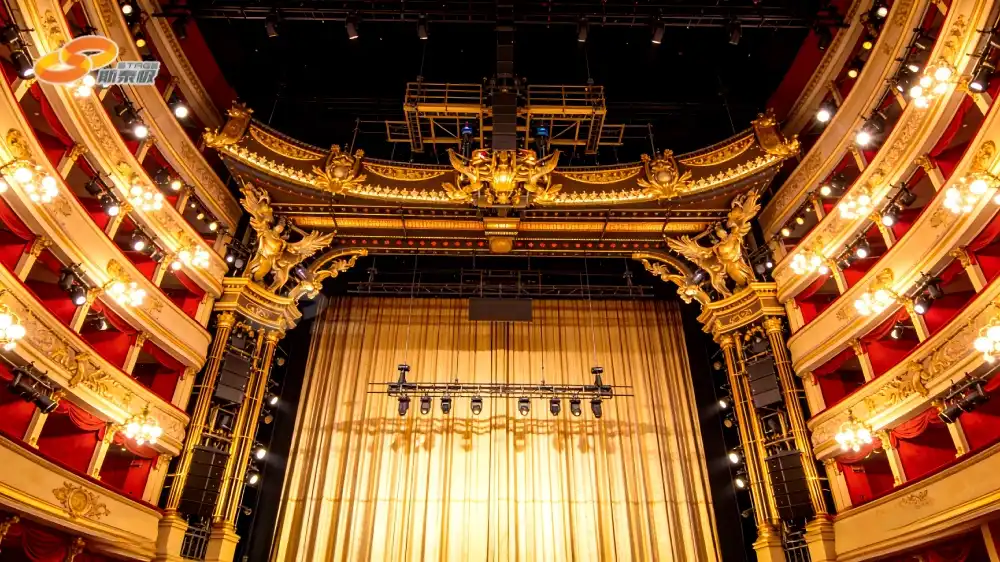
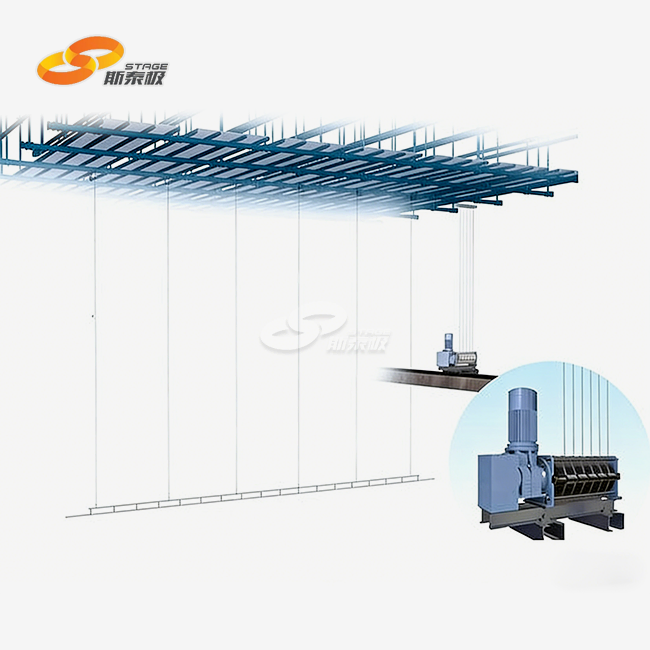
Behind every breathtaking theatrical performance lies sophisticated stage machinery that transforms creative vision into reality. Quality theatre stage equipment serves as the backbone of successful productions, ensuring seamless scene changes, precise lighting effects, and safe performer movements. Professional stage machinery encompasses complex systems including understage lifts, overstage rigging, automation controls, and safety mechanisms that work in harmony to create memorable audience experiences while maintaining operational safety standards.
Understanding Quality Theatre stage equipment
These days, theater shows rely on complex mechanical systems that combine artistic vision with precise engineering. Knowing how these complicated systems work helps place managers and production teams choose the right tools to buy.
Essential Types of stage machinery Systems
Theaters use a variety of mechanical systems that are each built to meet unique needs. Electric systems are most common in modern buildings because they are easy to handle and work well with a wide range of load levels. These systems work well with digital control platforms, which lets you change scenes and run automatic processes that make the production better.
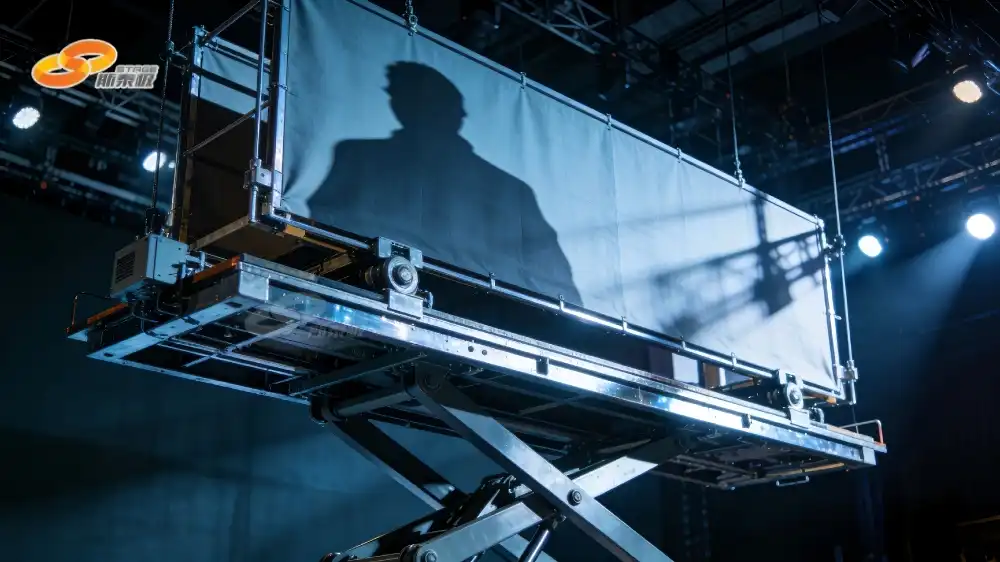
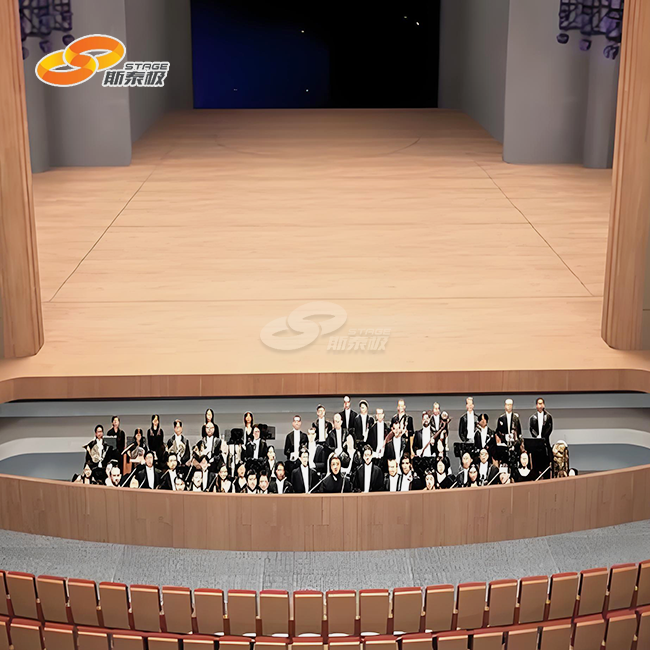
In heavy-duty situations where a lot of pulling power is needed, hydraulic devices work best. big theaters and opera houses often use hydraulic platforms to move big set pieces or whole orchestra sections. Hydraulic systems are great for holding complicated products that need to be able to hold a lot of weight because they work smoothly and efficiently.
For certain tasks, pneumatic devices offer quick responses and high levels of accuracy. These systems are especially useful in places where scenes need to change quickly or where smaller pieces of equipment need to be placed precisely. Because pneumatic controls are responsive, workers can get time down to the second, which is very important for complicated theater scenes.
Manual systems are still useful in smaller places or as backups when ease of use and dependability are more important than computer benefits. Even though they need more work from the operator, manual systems are a cost-effective option for places that have limited funds or specific operational tastes.
Core Mechanical Principles and Design Considerations
There are three main things that professional stage equipment focuses on: longevity, safety, and how well it works. The engineers that work on these systems make sure that they can keep working perfectly even after thousands of operations. When choosing materials, the focus is on finding ones that won't rust and can work reliably in harsh theater settings.
Every part of the design is based on safety, from having multiple stopping systems to being able to stop in an accident. When figuring out loads, big safety factors are used to keep artists and crew safe during complicated moves. Multiple sensing technologies are built into modern systems. These technologies constantly check working factors and take safe actions when something goes wrong.
The design of the user interface, the amount of energy used, and the need for upkeep are all parts of operational efficiency. Modern systems use smart control algorithms and changing frequency drives to get the best results while using the least amount of power. Simple control platforms cut down on the time needed to train operators while still letting them keep an eye on the whole system.
Benefits of Investing in High-Quality Equipment
Superior stage machinery offers quantifiable benefits in a variety of operating areas. The most important benefit is that it makes things safer. Good equipment lowers the chance of accidents by working reliably and having complete safety systems. Professional-grade parts are put through a lot of tests to make sure they work consistently in tough situations.
Improving the production value with stage equipment is instantly clear when scene changes go more smoothly, time is perfect, and creative options grow. When directors use good tools, they can add complicated staging elements that keep audiences interested and set shows apart from others in the same genre. Professional systems are reliable, which lets creative teams push the limits of art without sacrificing safety or performance quality.
In the long run, costs will go down because tools will last longer, need less upkeep, and use less energy. Components that are of higher quality usually need to be replaced less often and break down less often. Designs that use less energy help lower ongoing running costs and support goals for environmental sustainability.
Key Considerations for Procuring Theatre stage machinery
For strategic buying to work, many things that affect the long-term success of operations must be carefully considered and weighed. Understanding these factors helps buyers make tough choices that will lead to the best results for their investments.
Systematic Evaluation Criteria
Professional buyers look at stage equipment based on four important factors: how long it lasts, how much it costs, how much energy it uses, and how easily it can be customized to fit their needs. The durability review looks at the quality of the parts, how long they are expected to work, and the track record of the maker. When you buy from a good manufacturer, they give you thorough specs and test results that help you make an informed choice.
Cost-effectiveness analysis looks at more than just the price of the original buy. It also looks at the costs of setup, training, maintenance, and running the business. Total cost of ownership figures show how choices about equipment really affect your finances over long periods of time. As places try to cut down on costs and damage to the earth, energy efficiency becomes more and more important.
Customization and adaptability make sure that the tools can meet the needs of the place and grow as needed in the future. When production needs change, modular designs give you the freedom to adapt while protecting your initial investments. Compatibility with current systems keeps expensive changes to the infrastructure from having to be made during installation.
Contrasting Popular Machinery Types
Electric systems are the best for modern setups because they are accurate, reliable, and easy to connect. These systems are very good at accurately placing things and running smoothly under a wide range of load situations. Contemporary electric drives use little energy and can handle complicated programming needs.
Manual methods are still used in some situations where keeping costs low and making things simple are important. For training goals and cost reasons, educational organizations often choose manual methods. When the power goes out or there is an emergency, backup applications gain from manual system stability.
Heavy-duty tasks that need a lot of pulling power work best with hydraulic systems. Hydraulic platforms are used in large settings to move whole set pieces or hold big production elements. Hydraulic systems make complicated processes with heavy loads possible by running smoothly and powerfully.
Pneumatic systems are great for specific tasks because they respond quickly and accurately. Pneumatic systems are often useful for situations where you need to change the scene quickly or place something precisely. Because pneumatic controls are sensitive, they can be used for split-second timing, which is very important for complicated theater scenes.
Supplier Selection and Partnership Development
Long-term business success depends on having relationships with reliable suppliers. The things that should be used to judge someone should include their technical knowledge, customer service skills, and financial security. Established makers with large service networks offer better help throughout the lifecycles of devices.
Service turnaround times and the supply of spare parts for stage machinery are affected by how close they are to the customer. Suppliers who offer local support can take care of important problems quickly, which keeps production from stopping. The quality of training programs and technical paperwork has a direct effect on how well operations run and how safe they are.
Suppliers can be trusted for long periods of time if they are financially stable and have a good name in their field. Supplier stability and ongoing product support are good for long-term relationships. Complete guarantee plans and service agreements protect the money you spend on equipment and make sure it keeps working.
Maintenance, Safety, and Performance Optimization of stage machinery
Preventative maintenance and safety rules make sure that technology works reliably, protect workers, and extend the life of systems. These habits are the building blocks of running a great place.
Routine Maintenance Schedules and Best Practices
Systematic repair programs keep equipment running at its best and stop it from breaking down when you least expect it. Every day, basic operating parameters are checked, and possible problems are found before they get worse. Lubrication, cleaning, and thorough checks of all parts are part of weekly maintenance jobs that keep things running at their best.
Maintenance tasks that are done once a month include full system testing, checking the settings, and evaluating the wear on parts. These thorough reviews find problems that are starting to show up and need to be fixed before they affect performance. Writing down what you do for maintenance creates useful history records that will help you make decisions in the future.
Every year, overhauls give you a chance to repair important parts, improve the system, and test it for safety all the way through. Professional service techs do thorough checks that find problems that might need to be fixed. Regular overhauls keep safety and efficiency standards high and stretch the life of tools.
Safety Standards and Operator Training Protocols
Safety standards for the industry include detailed instructions on how to set up, use, and maintain tools. Following the rules makes sure that workers are safe and keeps places from having to deal with liability problems. Regular safety checks make sure that rules are being followed and look for ways to make things better.
Operator training programs teach important skills and raise knowledge about safety at the same time. Full training includes how to do normal things, what to do in an emergency, and how to fix simple problems. Operators stay up to date on new tools and safety rules by continuing their education.
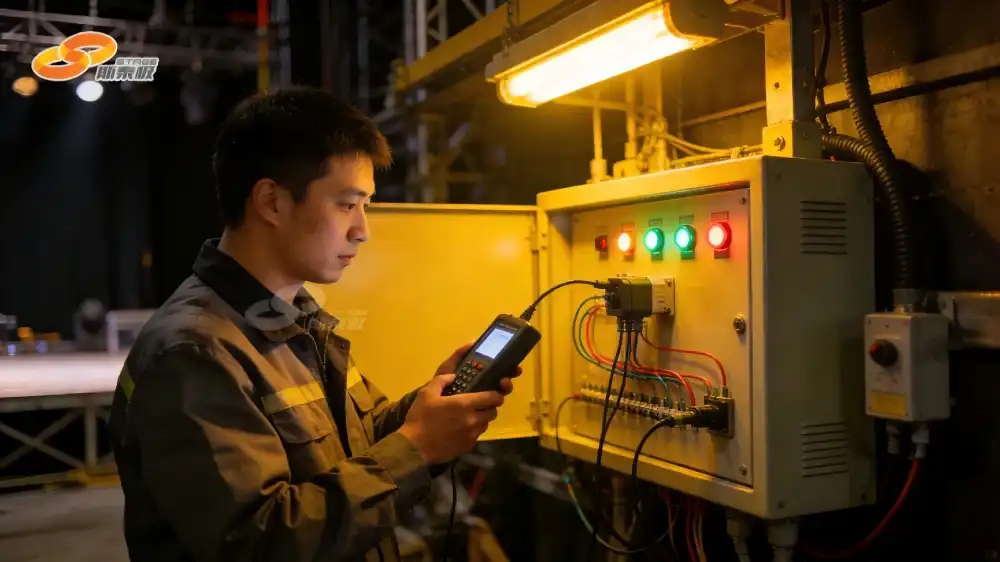
Emergency reaction plans help teams get ready for when equipment breaks down or safety issues happen. Clear protocols protect people and tools and keep things from getting confusing in emergency scenarios. Regular tests check that the process is working and find ways to make it better.
Performance Optimization Methods
Systematic performance tracking finds flaws in operations and chances to make them run more smoothly. Modern control systems log a lot of information that shows patterns of use and changes in performance. By analyzing this data, we can make smart choices about how to change operations and prioritize upgrades.
Bottleneck identification is the process of finding working limits that slow down total performance. Getting rid of these problems often leads to big gains in the speed and capability of operations. Processes for continuous improvement make sure that efficiency keeps happening even as practical needs change.
New technologies for stage equipment can improve the performance of old equipment while also making it last longer. Retrofit plans are often more cost-effective than replacing the whole system. Strategic timing of upgrades increases return on investment while keeping practical skills high.
Emerging Trends and Technological Advancements in stage machinery
Automation, connection, and smart control systems are some of the new technologies that have changed the way old stages work. Understanding these changes helps places get ready for how they will need to work in the future.
Smart Automation and IoT Integration
Internet of Things (IoT) technologies change how stage equipment is controlled and monitored in a big way. Connected sensors send operating data in real time, which lets repair be planned ahead of time and efficiency be improved. Technicians can check on the state of equipment from anywhere thanks to remote tracking, which cuts down on response times and boosts efficiency.
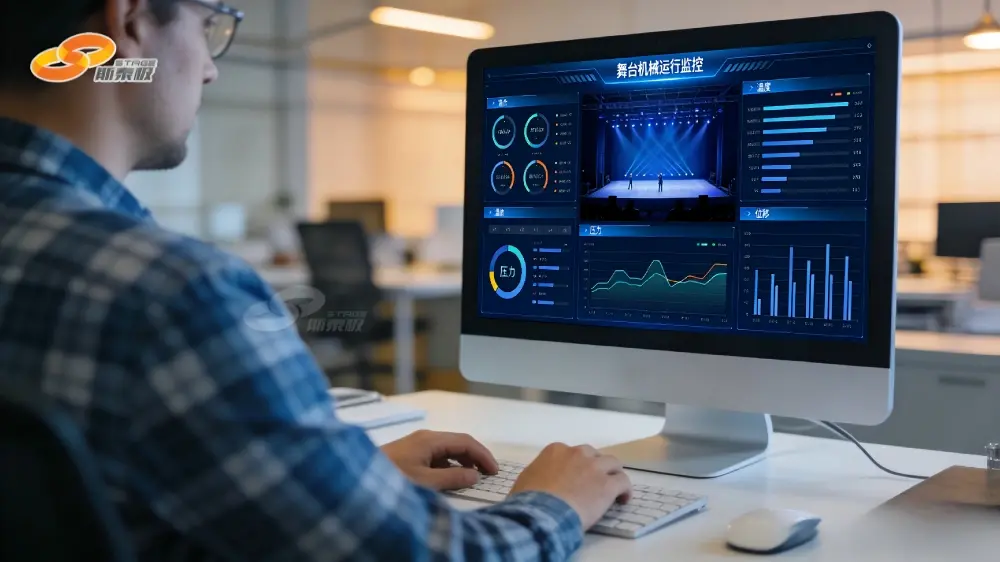
Automated control systems make things more precise and repeatable while reducing the amount of work that operators have to do. Programmable patterns make it possible to use complicated stage elements that raise the quality of the production while still meeting safety standards. Integration with larger event management tools gives full control over all operations.
Algorithms that use artificial intelligence look at practical data to find trends and improve performance. Systems that can learn from data can adapt to changing situations and keep running at their best. Predictive analytics help with making preventative maintenance choices that keep things from breaking down without warning.
Energy Efficiency and Sustainability Improvements
Concern for the environment leads to new ideas in designing stage equipment that uses less energy. Variable frequency gears make motors work better while using less power. Smart control programs change how the system works based on what is needed, not on its greatest capacity.
When a vehicle slows down, regenerative braking systems collect energy and send it back to electrical systems. This technology helps reach environmental sustainability goals while also lowering total energy use. Throughout the lifetime of a product, advanced materials give the same efficiency with less damage to the environment.
Material choice, production methods, and the ability to recycle at the end of a product's life are all part of sustainable manufacturing practices. As they make new products, responsible companies think about how they will affect the world while still meeting safety and performance standards. Green building standards are starting to look at how environmentally friendly a place is as a whole, including how well its stage equipment works.
Future Automation Paradigms
Complete automation systems get rid of the need for human input and open up new creative possibilities. Robotic stage elements can carry out complicated planned routines that raise the quality of the show. When multimedia systems are integrated, they create engaging experiences that keep modern audiences interested.
Virtual reality platforms let workers see and plan out complicated staging routines before they are put into action. This feature cuts down on processing time while making things more accurate and safe. Expert technicians can handle multiple venues from a central spot thanks to remote operation features.
For different production needs, modular system designs allow for quick change. Plug-and-play parts let places quickly change to meet new needs without having to make big changes to their systems. Standardized connections make it easier for different makers to work together and make integration simpler.
Practical Guide to Procuring stage machinery for B2B Clients
When you do strategic buying for stage equipment, you have to balance a lot of different factors while also maximizing long-term value and business success. By understanding these factors, you can make smart choices throughout the buying process.
Balancing Online and Offline Purchasing Channels
Digital buying sites make it easy to get information about products and compare prices. Online tools make it easy to do preliminary study and find suppliers. But direct inspection is still the best way to make sure of quality and see if something is right for a certain job.
On-site demonstrations let you check how the equipment works and see what integration needs to be done. Talking to technical representatives in person makes specs clearer and answers questions relevant to the application. Before making big purchases, trial setups are a great way to get operating experience.
Hybrid methods combine the benefits of digital speed with physical proof to get the best results in buying. Online study and screening of suppliers are the first steps. Next, direct contact is used for a more in-depth review and negotiation. This method gets the most information while making sure that important factors are carefully considered.
Customization Options and Cost-Benefit Analysis
Venue-specific needs often mean that equipment needs to be changed or special solutions need to be made. Standard goods may need to be changed to work with certain architectures or meet specific business needs. Customization options become very important when choosing a place for a specific event.
A cost-benefit study needs to look at both the costs and benefits of customization. Better functionality might explain more spending by making things easier to do or giving them more options. Long-term value often supports investments in customization, even if they cost more at first.
Using modular design methods lets you make changes easily while keeping costs low. Cost-effective methods use standard parts put together in ways that work best for each place. This method cuts down on development time while still giving applications the features they need.
Professional Installation and After-Sales Support
Professional installation protects the guarantee and makes sure that the technology works at its best. Installation teams with a lot of experience know how to meet safety standards and integrate requirements. Proper launching processes check that the system works and train the operators.
Maintenance, training, and professional help are all parts of full after-sales support. Ongoing help relationships make sure that equipment keeps working well throughout its practical lifecycle. Responding service options cut down on downtime caused by machine problems.
Long-term running costs are affected by how easy it is to get spare parts and how well the repair network is covered. Suppliers with extensive service networks can better help businesses that are spread out physically. Having enough extra parts on hand makes it possible to fix broken tools quickly.
Conclusion
Good theater stage machinery is essential for great shows because it makes things run more smoothly, keeps everyone safer, and opens up more creative options. Long-term value is best achieved by making strategic purchases based on longevity, cost-effectiveness, and the ability to be customized. Professional upkeep, safety rules, and performance optimization techniques protect people and capital while extending the useful life of equipment. New technologies, like robotics, IoT integration, and better energy economy, are changing the way things are done and helping to reach sustainability goals. By knowing about these things, you can make smart choices that increase the value of your production while keeping working excellence throughout the lifecycle of your tools.
FAQ
What factors should small theatres consider when selecting stage equipment?
When small theaters buy tools, they should look for things that are flexible, easy to use, and cost-effective. Most of the time, manual or simple electric systems offer the best value and meet the most basic operating needs. Modular designs let you add on to them as your needs change, protecting your initial investments while giving you the freedom to grow.
How often should stage equipment undergo professional maintenance?
Professional repair plans rely on how often the equipment is used and how complicated it is. Professional checks every month are usually enough for venues that don't get used too much, but venues that do get used a lot may need service every two weeks. Comprehensive overhauls done once a year make sure that safety and performance stay high no matter how much they are used. Professional upkeep is important, but daily operator checks can also find problems before they get too bad.
Can existing stage equipment be upgraded with modern automation technologies?
Many systems that are already in place can be upgraded to include automation features while protecting large investments in infrastructure. Adapter technologies make it possible for new control systems to talk to old mechanical parts. A professional evaluation finds out if an upgrade is possible and if it is more cost-effective than a full repair.
Transform Your Theatre with Professional stage machinery Solutions
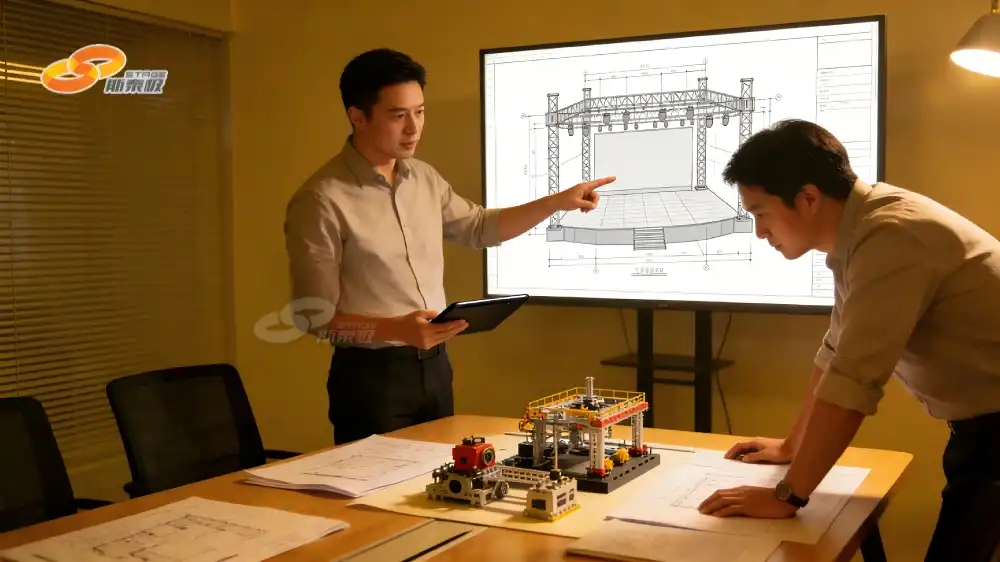
Ready to elevate your performance venue with world-class stage equipment? Sh Stage delivers comprehensive solutions tailored to your specific requirements, from concept design through installation and ongoing support. Our experienced engineering team specializes in custom applications for theaters, opera houses, and entertainment venues worldwide. As a leading stage machinery manufacturer, we provide direct factory pricing with uncompromised quality and safety standards. Contact our experts at info@shstage.com to discuss your project requirements and discover how professional stage machinery can transform your venue capabilities while ensuring performer safety and audience satisfaction.
References
Chen, M., & Thompson, R. (2023). Modern Theatre Technology: Engineering Solutions for Performance Venues. New York: Performance Arts Publishing.
Anderson, K., Davies, L., & Wilson, S. (2022). "Safety Standards and Best Practices in stage machinery Operation." International Journal of Theatre Engineering, 15(3), 127-145.
Rodriguez, P., & Kim, J. (2023). Automated Stage Systems: Design Principles and Implementation Strategies. London: Technical Arts Press.
National Association of Theatre Owners. (2022). Guidelines for stage equipment Procurement and Maintenance. Washington, DC: NATO Publications.
Williams, A., & Brown, T. (2023). "Energy Efficiency in Modern stage machinery: Trends and Technologies." Sustainable Entertainment Technology Quarterly, 8(2), 89-104.
European Stage Technology Institute. (2022). Comprehensive Guide to stage machinery Safety and Compliance. Brussels: ESTI Research Publications.

USER EVALUATE
Here is the customer's evaluation of us