



How Much Does Professional Overstage Machinery Typically Cost?
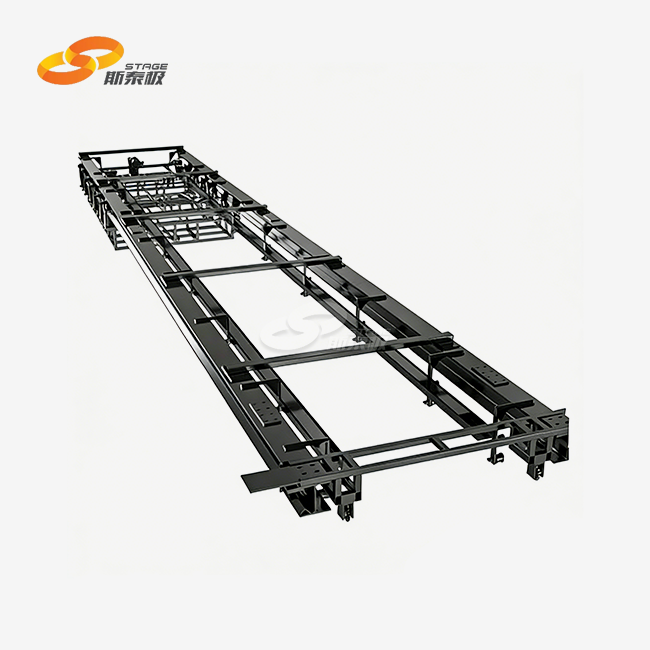
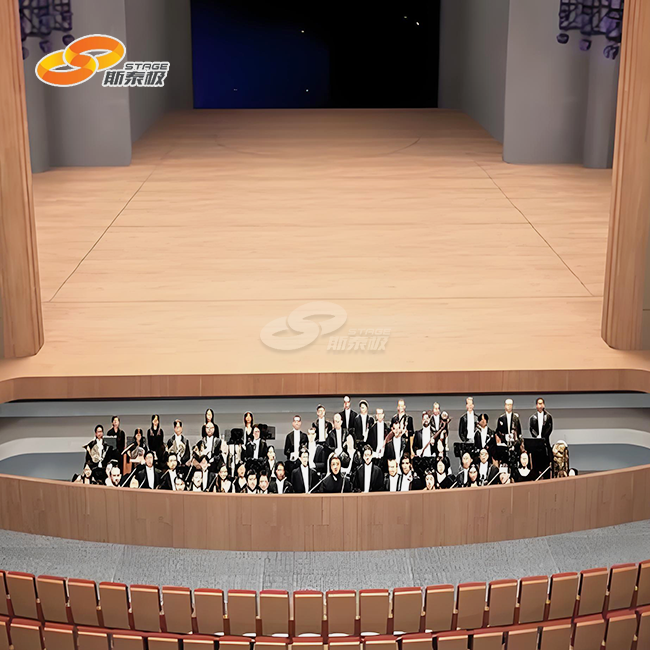
Depending on the system's complexity, the size of the place, and the degree of automation, the price of professional overstage machinery varies greatly. For smaller theaters, basic manual winch systems cost between $50,000 and $150,000. For larger opera houses and performing arts centers, full automatic overstage machinery setups can cost more than $2 million. The money spent goes toward safety gear, winches, control systems, and hanging tools that can be used from machine rooms or grid floors above the stage. By understanding these cost factors, venue managers and buying staff can make smart choices about what stage technology to buy.
Understanding overstage machinery and Its Cost Drivers
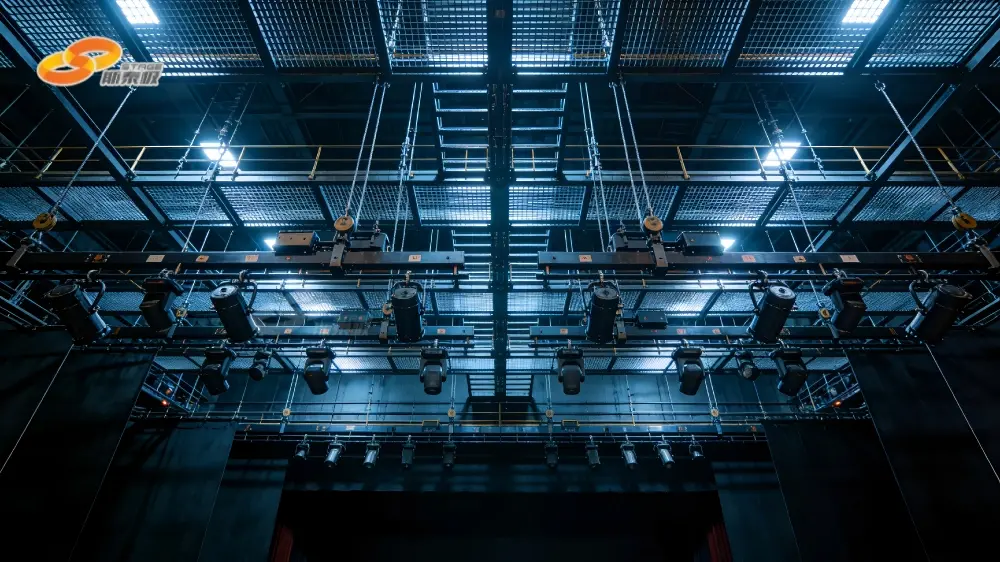
overstage machinery includes lifts, hoists, control systems, and rigging gear that make scene changes and special effects happen smoothly. It is the high-tech infrastructure that sits above theater stages. These systems work from special machine rooms or grid floors that are usually over 20 meters high in fly towers. The crowds can't see them, but they're what make shows so exciting.
Core Components and Operational Principles
These days, overstage systems depend on strong winches that can each pull 14 people up in a lift. About 50 fly bars are needed on a normal theater stage, along with the same number of winches to control the curtains, lights, and scenery. By replacing human rigging with exact, computer-controlled robotics, these motorized systems have changed the way stages work.
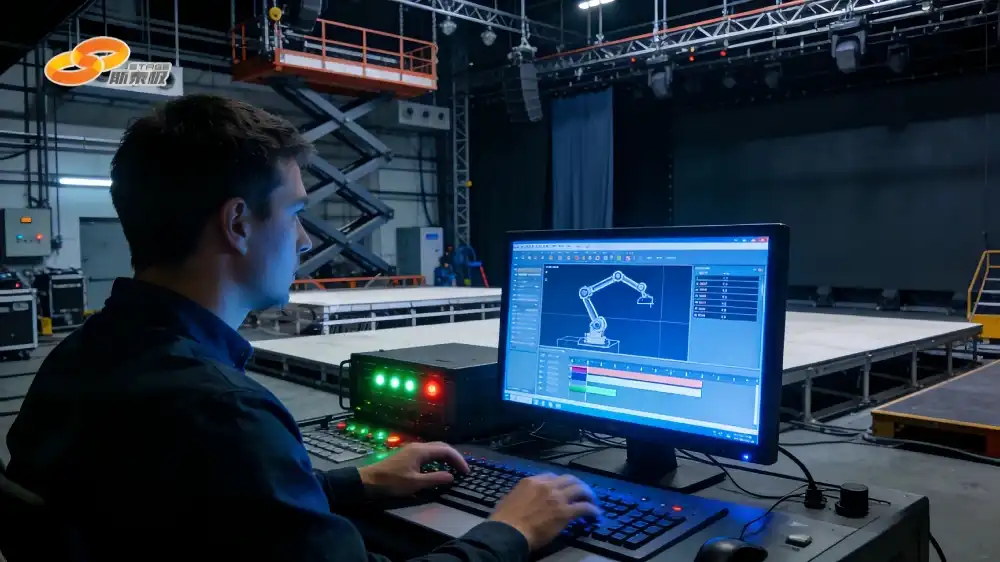
The price systems are directly affected by how complicated the overstage machinery is. Basic manual systems work well for smaller places with simple technology needs. More advanced automated setups have complex control networks that make sure that many lifting points are in sync to within a millisecond. Adding new automation technologies like programmable logic controls and variable-frequency drives has a big effect on the total cost of the system.

Material Quality and Design Specifications
Overstage setups that work well are built on top-notch materials. The price is greatly affected by the quality of the steel construction, the wire specs, and the number of backup safety systems. High-strength steel parts last a long time even in tough working conditions, and wires made specifically for theater use offer higher safety margins and longer service life.
Costs vary a lot depending on the specifics of the design, like the load size needed, the trip distance, and the speed requirements. Systems made for opera houses that have to deal with huge set pieces need stronger tech solutions than systems for smaller community shows. Custom building needs for one-of-a-kind design areas also affect the cost and difficulty of development and production.
Breaking Down the Cost Components of Professional overstage machinery
Procurement pros can correctly assess the total investment requirements by understanding the complete cost structure of overstage machinery. In addition to the initial cost of the technology, the financial commitment includes installation, commissioning, and ongoing running costs that determine the return on investment.
Base Equipment and Technology Costs
Initial investment amounts are largely determined by the specs of the equipment. Material requirements and engineering complexity are based on load capability. For example, systems that are meant to hold heavier scenery pieces need components that are equally strong. When compared to simple relay-controlled options, advanced control systems with touchscreen displays, motion control algorithms, and safety tracking have much higher base costs.
Putting together automation technologies for overstage equipment is a big cost factor. Modern systems use variable-frequency drives that make acceleration and braking smooth. This keeps mechanical parts from wearing out and allows for exact placement. Safety systems like load tracking, emergency stops, and fail-safe devices make things more complicated, but they make sure they meet international standards for performance venues.
Installation and Commissioning Expenses
Professional installation costs are usually between 25 and 40 percent of the value of the equipment, but this can change depending on how complicated the place is and how easy it is to get to. Installing things in an existing building can be hard and needs special rigging methods and temporary changes to the structure. When working with general contractors and architectural teams, installation is easier on new construction jobs.
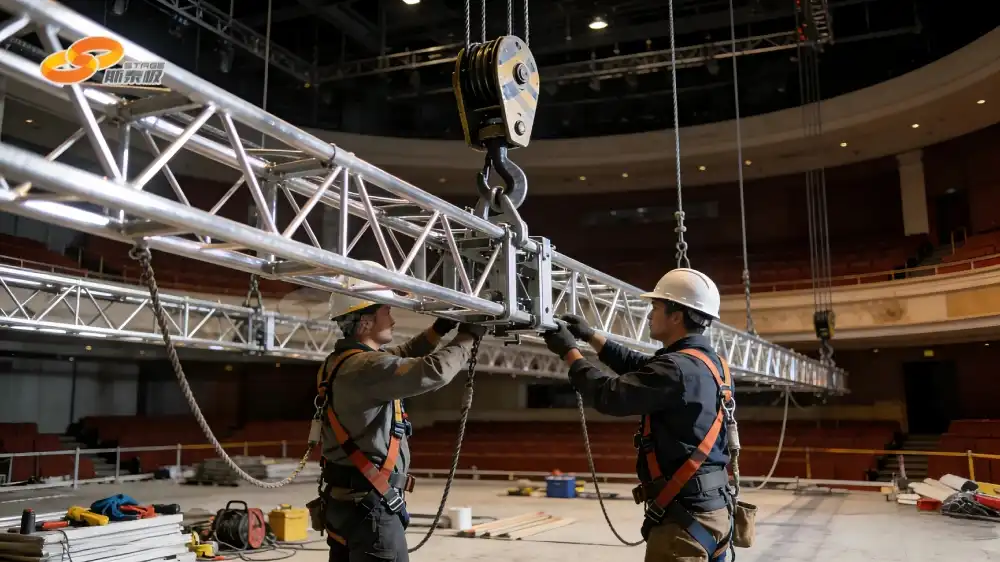
As part of commissioning, the system is tested, operators are trained, and paperwork is made. Comprehensive testing makes sure that everything works at its best and sets up upkeep procedures that keep the equipment reliable. Training programs for technical staff are important investments that pay off in the long run by increasing working efficiency and safety compliance.
Ongoing Maintenance and Operational Costs
Preventive repair programs keep equipment reliable and cut down on breakdowns that happen out of the blue. Depending on how complicated the system is and how often it is used, annual maintenance contracts usually cost 3 to 8 percent of the starting cost of the equipment. Regular checks, lubrication plans, and part repairs keep things safe and make sure they work properly.
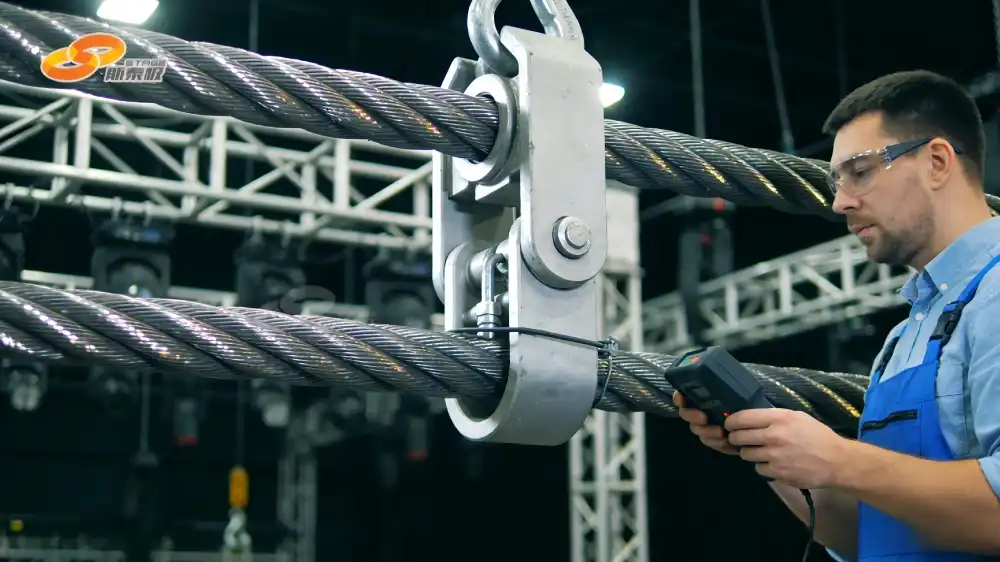
How much energy a system uses and how well it is automated affect how much energy it uses. Modern variable-frequency drives make the best use of power compared to older technologies. This lowers running costs while improving performance. Knowing how much energy a place will need in the long term helps operators get a good idea of the total cost of ownership.
Comparing overstage machinery to Alternative Solutions
It's helpful for procurement professionals to know how the costs and performance of overstage systems and other stage technology options compare. Based on the needs of the place, how it works, and the budget, these examples show which technologies are the best choices.
Overstage Versus Understage Machinery
Understage systems work below the stage floors to provide visual elevation and platform moving capabilities, while overstage machinery works above the performance area. Understage equipment usually needs a lot of structure digging and base work, which can make the costs of installing it higher than installing overstage equipment in existing buildings. But understage systems make dramatic set effects possible that couldn't be done with only overhead props.
Whether to invest in overstage or understage technologies depends on how well they work and what limitations the architecture has. Comprehensive overstage setups are helpful for places that focus on flying effects and moving scenery above the audience. Productions that need platform heights and trap effects need to integrate machines under the stage, which is often done in addition to systems that are already in place above.
Manual Versus Automated System Trade-offs
Manual overstage systems are cheaper to buy at first, but they need bigger expert teams to run. Costs are higher for automated systems, but they require less long-term work and can do complicated sequences that can't be done by hand. Automating professional venues with regular show dates is often a good idea because it saves money on labor costs over the life of the system.
Putting together automation technologies for upper stage machinery is a big cost factor. Modern systems use variable-frequency drives that make acceleration and braking smooth. This keeps mechanical parts from wearing out and allows for exact placement. Safety systems like load tracking, emergency stops, and fail-safe devices make things more complicated, but they make sure they meet international standards for performance venues.
How to Choose the Right overstage machinery for Your Business Needs?
The features of the place, the performance needs, and the budget must all be carefully considered when choosing the right overstage machinery. Strategic choices about what to buy combine current needs with the chance to grow in the future while making sure that the costs are kept as low as possible.
Industry-Specific Requirements Assessment
Different types of venues have different operating needs that affect the system requirements. To be able to handle complicated shows with big sets, national theaters and opera houses need strong technology. To make sure they work reliably during important processes, these setups need full control systems with lots of safety features and extra parts.
Cost-effectiveness and ease of use are usually more important to educational institutions than complicated robotic features. These places work well with simple, reliable systems that students and teachers can use safely. These systems also provide important flying capabilities for educational shows. Convention halls need methods that can be changed to fit a wide range of events, from business meetings to entertainment shows.
Capacity Planning and Scalability Considerations
The amount of load that a system has to handle directly affects its specs and costs. Places that put on complex shows with big sets need systems that are strong enough to safely handle heavy loads. Accurate planning for capacity avoids over-specification, which can be expensive, and makes sure that there is enough capacity for expected outputs.
Scalability planning looks at how the system can grow in the future without having to be replaced completely. Modular system designs allow for phased installs that spread costs out over time while still being able to work with upgrades. As the needs of the place change and funds allow for growth, control system architectures should be able to accommodate adding more equipment.
Supplier Selection and Technical Support
The success of a project depends on picking sources you can trust and who have a history of working with theater apps. Established makers offer full expert support, a wide range of spare parts, and ongoing service options that keep the worth of their products over time. International certificates and proof of safety compliance give customers peace of mind about the quality of the tools and its compliance with regulations.
Having the right technical help skills is very important during system setup and ongoing operations. Suppliers that offer full training programs, quick service networks, and the ability to do remote diagnostics are a better deal than suppliers that only sell tools. Throughout the lifetime of a system, these support services keep downtime to a minimum and improve business efficiency.
Best Practices for Procurement and Maintenance to Optimize Cost Efficiency
upper stage machinery worth is maximized while total ownership costs are reduced through strategic procurement methods and thorough repair programs. These methods protect big investments in infrastructure and make sure that equipment works at its best for as long as it's possible.
Strategic Sourcing and Negotiation Approaches
Competitive bids helps set prices that are fair in the market and makes sure that all technical requirements are met. Accurate comparisons between vendors are possible with clear, detailed specs that spell out performance requirements, safety standards, and delivery expectations. But choosing the option with the lowest price often ends up being a bad idea when poor technical help or cheap parts cause long-term operating problems.
Value engineering projects that work with skilled partners can find ways to cut costs without affecting safety or performance. Choosing different parts, installing them in different ways, or implementing them in stages may lower the original costs while keeping the necessary functions. To save as much money as possible, these talks should happen early on in the buying process.
Preventive Maintenance Program Development
Regular maintenance programs keep equipment working well and reduce the number of surprise breakdowns that cause problems and cost a lot to fix. Regular inspections find possible problems before they happen, so maintenance can be planned for times that are easy, instead of having to be done in a pinch during production.
Documentation systems that keep track of maintenance tasks, new parts, and performance trends let maintenance choices be based on data. Using vibration analysis, thermal imaging, and electrical testing in predictive maintenance can make parts last longer and stop major breakdowns before they happen. These programs take beginning investments in training and tools, but they usually save a lot on long-term upkeep costs.
Financial Strategy Considerations
Leasing choices can help groups with limited capital budgets or uncertain building contracts with their cash flow. Operating leases help you save money for other investments while giving you access to new equipment that comes with full service support. Long-term ownership, on the other hand, is often a better deal for fixed projects that will be used for a long time.
Warranty extensions and full service contracts put the responsibility for upkeep on the providers and make the costs known. During the term of the contract, these deals usually include things like priority service response, training updates, and technology upgrades that keep the system up to date. To weigh these choices, you need to carefully compare the costs of contracted service to the skills of your own repair staff.
Conclusion
Professional overstage machinery is a big investment that changes a lot depending on the needs of the place, the complexity of the system, and how well the automation is done. Knowing what factors affect costs, like the specs of the equipment, how it needs to be installed, and ongoing running costs, helps you make smart purchasing choices that balance performance needs with budget limits. To have a successful installation, you need to carefully choose your provider, plan everything out, and use smart maintenance methods that protect long-term value while ensuring reliable performance throughout the lifecycles of your equipment.
FAQ
What factors most significantly influence overstage machinery pricing?
The main things that affect costs are how complicated the system is, how much work it can handle, and how advanced the technology is. Completely automated setups are much more expensive than simple manual systems, and special technical needs for specific places add to the cost. Pricing structures are also affected by the quality of the materials, the complexity of the safety system, and the inclusion of control technology.
How do maintenance costs compare between manual and automated overstage systems?
Because their control and power systems are more complex, automated systems usually need more money to keep them running. But practical savings from fewer operator needs and better safety features often cover maintenance costs. There are fewer technical parts in manual systems, but they need bigger repair teams and more mechanical adjustments more often.
Can overstage machinery systems be expanded or upgraded after initial installation?
Modern systems that are built with flexible designs can be expanded and improved. Most control systems can handle more winches and rigging points, but old mechanical parts may need to be checked out to see if they can handle more weight. Planning for future growth during the initial installation saves money compared to replacing the whole system.
What energy consumption patterns should venues expect from overstage machinery?
Energy use changes a lot depending on how systems are used and the technology used for automation. Compared to older systems, modern variable-frequency drives make the best use of power, which usually cuts energy costs by 20 to 40 percent. Energy costs are higher in places that have a lot of outputs, but newer systems have energy control features that use less power when they're not in use.
Partner with Sh Stage for Professional overstage machinery Solutions
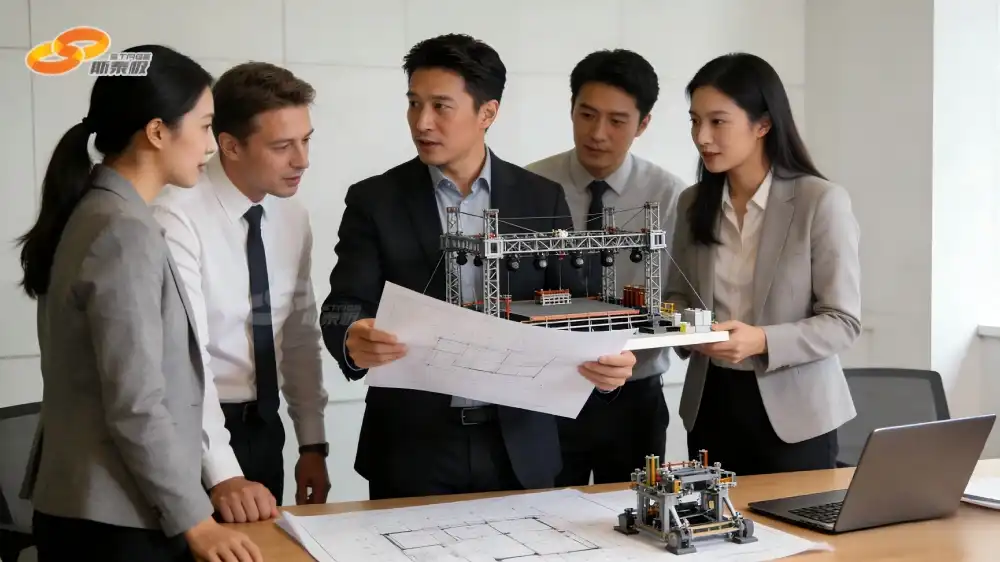
In a variety of performance spaces, Sh Stage provides top-notch overstage machinery that is designed for accuracy, safety, and efficiency. With full design and production skills, as a top overstage machinery manufacturer, we offer custom solutions that meet the exact needs of theaters, opera houses, and entertainment venues all over the world. Our expert engineering team works closely with clients to create cost-effective solutions that meet both performance and price needs. This makes sure that the system provides the best value over its entire lifecycle. Get in touch with our technical experts at info@shstage.com to talk about your particular overstage machinery needs and get quotes that are tailored to the needs of your place.
References
International Association of Theatrical Stage Employees Technical Standards for Overstage Rigging Systems, 2023 Edition
National Institute for Occupational Safety and Health Guidelines for Entertainment Industry Rigging Equipment
Society of Professional Audio Visual Engineers Handbook of Stage Machinery Design and Installation
Entertainment Technology Industry Standards for Automated Rigging Systems Safety Requirements
International Code Council Building Requirements for Performance Venue Mechanical Systems
American Society of Mechanical Engineers Standards for Theatrical Rigging Equipment Design and Testing

USER EVALUATE
Here is the customer's evaluation of us