



Expert in Integrated Stage Machinery Automation Solutions
Expert in integrated stage machinery automation solutions encompasses the comprehensive design, installation, and maintenance of advanced mechanical systems that transform performance venues into dynamic, precisely controlled environments. Modern stage machinery integrates cutting-edge automation technologies with traditional mechanical engineering to create seamless scene transitions, precise equipment positioning, and enhanced safety protocols. These sophisticated systems enable theaters, opera houses, and entertainment venues to execute complex productions with unprecedented precision and reliability, elevating audience experiences while ensuring operator safety and operational efficiency.
Understanding Integrated Stage Machinery Automation
Core Components of Modern Stage Automation Systems
As an expert in integrated stage machinery automation solutions, you can build, install, and take care of complex mechanical systems that turn performance venues into dynamic, carefully controlled spaces. Modern stage machinery combines the latest robotic technologies with traditional mechanical engineering to make scene changes smooth, equipment placement accurate, and safety standards higher. Theaters, opera houses, and other entertainment places can put on complex shows with precision and dependability that has never been seen before. This improves the experience for audiences while also making sure operators are safe and operations run smoothly.
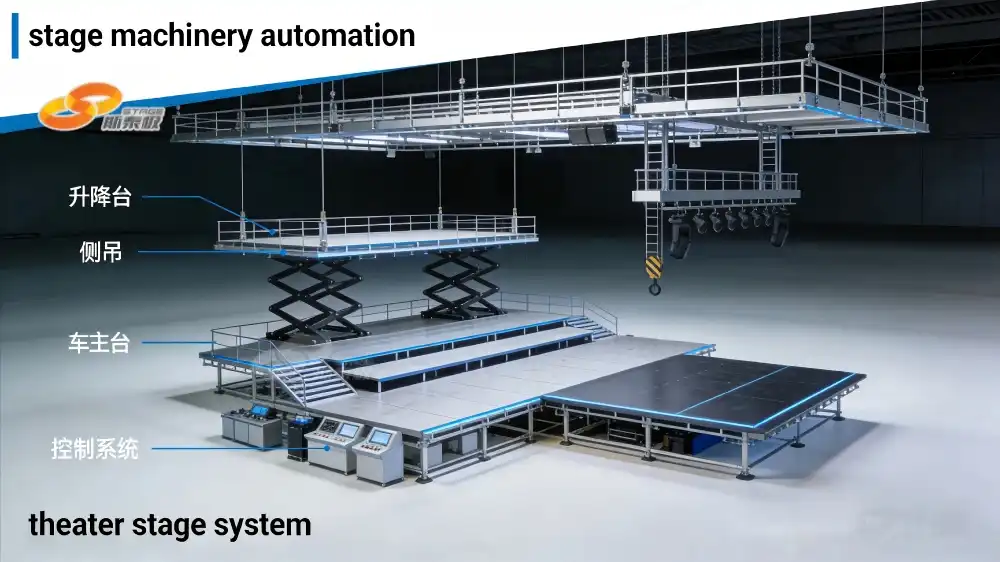
Integrated stage machinery automation is a completely new way to run a performance space. It combines cutting-edge control technologies with excellent mechanical engineering. This complex merger includes many systems that are all linked together and work together to make stage operations run smoothly.
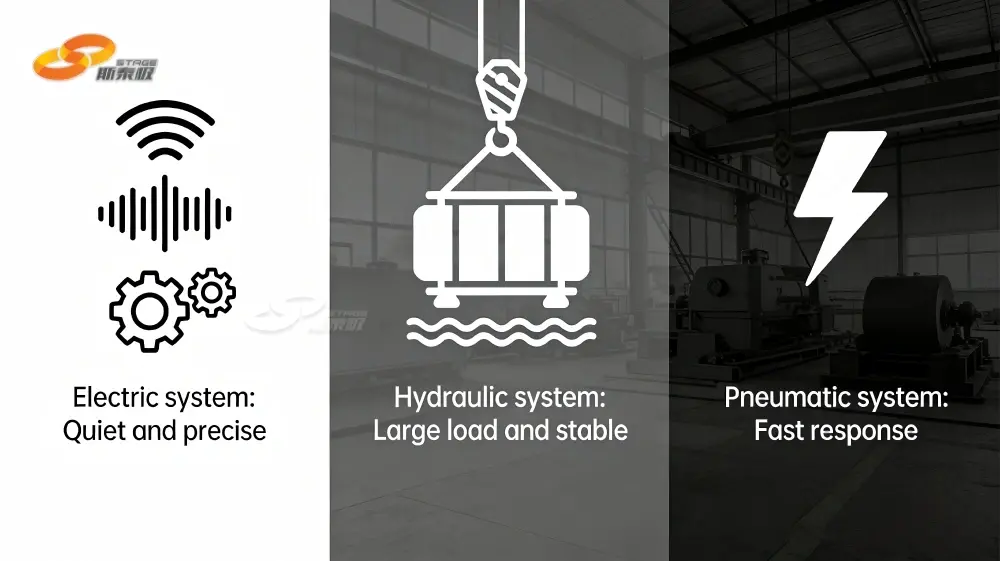
Electric, hydraulic, and pneumatic processes are the three main types of drive systems that make modern robotics possible. Electric systems are great for venues that need to change scenes quietly because they are easy to handle and don't make noise. Hydraulic systems are very useful for opera houses that have to move big set pieces around because they can lift large objects and control motion smoothly. Quick responses and solid performance are what pneumatic systems provide in places where quick changes are needed.
B2B sourcing workers who have to make tough buying decisions need to know about these differences in technology. Each type of system has its own benefits that make it better for different types of operations, from small theater shows to big entertainment centers.
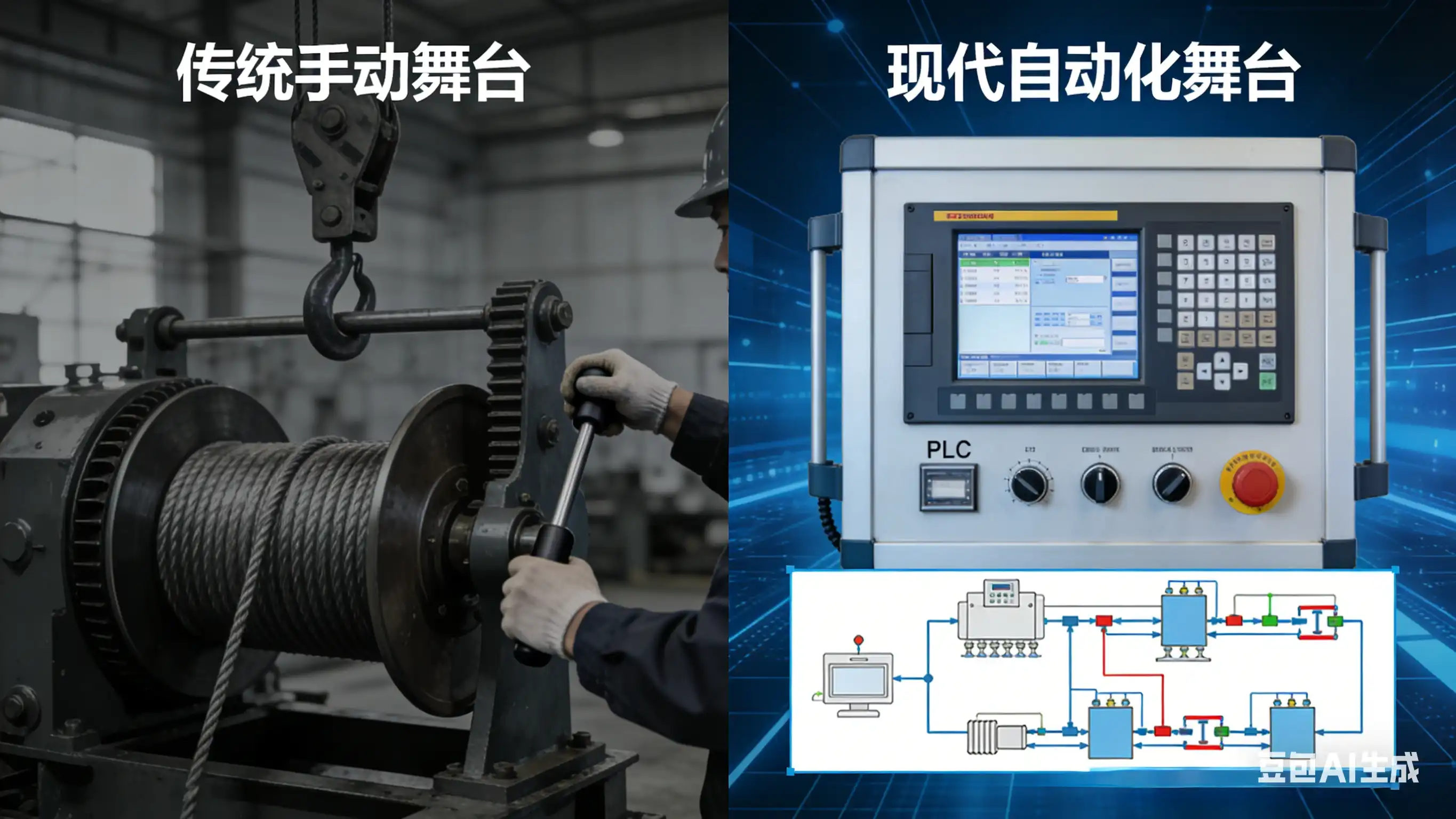
Distinguishing Traditional Manual Systems from Advanced Automation
The change from manually operating the stage to fully automated technology is a big change in what concert venues can do. In the past, manual systems depended on skilled techs to operate each part using physical controls. This slowed down operations and made them less accurate, while also raising safety concerns.
Programmable logic controllers (PLCs), complex sensor networks, and real-time tracking tools are used in advanced automated setups to make multi-system processes work together. These changes have real benefits, such as shorter setup times, better repeatability, and safer procedures that meet strict international compliance standards.
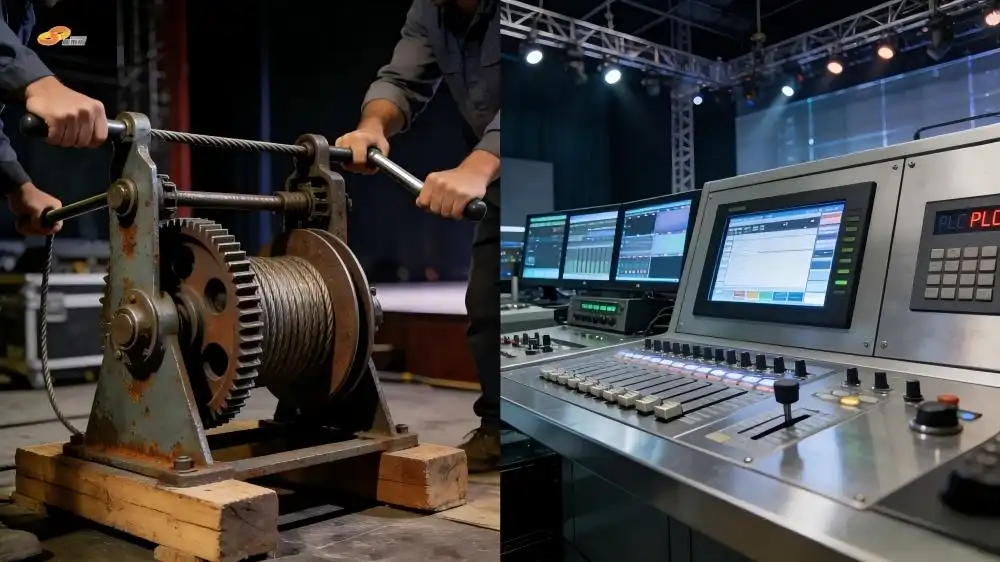
Modern automation systems have built-in fail-safe procedures, emergency stop mechanisms, and safety interlocks that keep both machinery and people safe. This all-around method to safety compliance protects big investments in performance infrastructure while also making sure that rules are followed.
Evaluating and Choosing Stage Machinery Solutions
Structured Evaluation Process for Procurement Excellence
The best stage equipment must be chosen using a methodical process that strikes a balance between operating needs, financial limits, and technical specs. The F-1 criteria screening technique gives people who buy things an organized way to compare different options in a number of performance areas.
To do a good job of buying, you must first clearly define what users want from different types of venues. For classical shows, national theaters focus on precise control and quiet operation, while event production companies stress flexibility and the ability to set up quickly. Cost-effectiveness and ease of use are important to educational institutions, but theme parks need highly customized technology to create dynamic fun experiences.
Some of the most important things that go into the review are the level of automation sophistication, the long-term reliability measures, the energy efficiency scores, and how well the new system will work with the old one. These technical issues need to be in line with real application issues like how hard it is to set up, how much training is needed, and how much upkeep is needed over time.
Comparative Analysis of Manual Versus Automated Systems
When choosing between manual and automatic stage systems, working scope, performance frequency, and long-term strategy goals must all be carefully thought through. Manual systems take less money to set up and are easier to maintain, so they are good for places that don't need a lot of technology or don't get used very often.
Automated systems offer better operating efficiency, stricter safety rules, and more creative options. These benefits explain higher initial investments by boosting performance and lowering labor costs. These systems make it possible to switch between scenes, place equipment precisely, and organize activities involving multiple elements that would not be possible with manual controls.
Cost management strategies include leasing programs made just for corporate buyers, flexible financing choices, and a step-by-step approach to application. These financial tools help businesses use cutting-edge automation technologies while also making the best use of their cash flow and budgets across a range of practical objectives.
Tailored Automation Solutions and Integration
Advanced Control Systems and Modular Design Principles
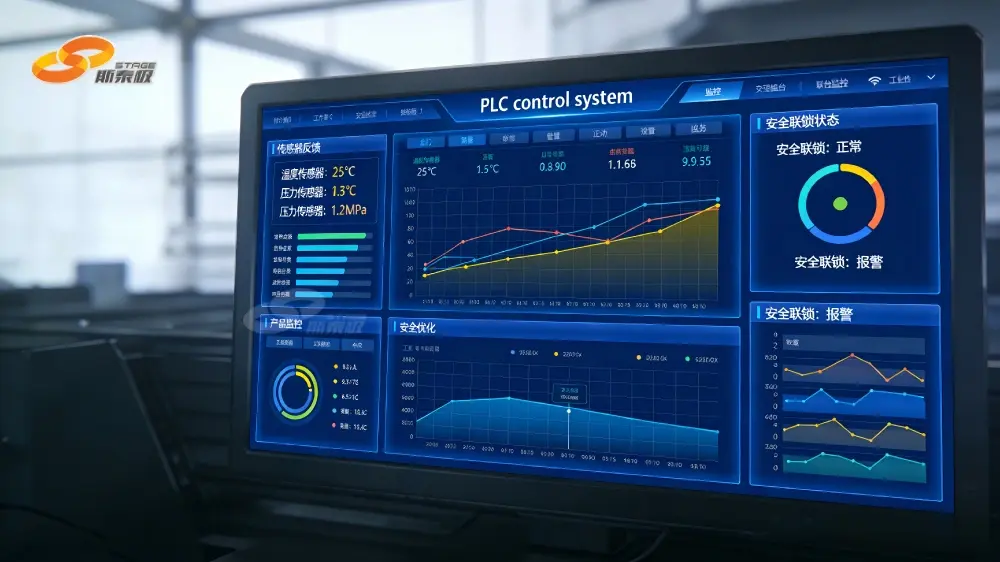
Control frameworks that can handle multiple linked systems at the same time are needed for modern stage automation. PLC-based control tools work well with sensor networks, motor drives, and safety systems to make automation settings that are smart and responsive.
These integrated systems are great at giving professional show places the accuracy and dependability they need. Here are some of the best things about current automatic stage systems:
- Real-time Monitoring: Modern sensor networks give constant feedback on how well a system is working, which lets maintenance be planned ahead of time and stops expensive equipment breakdowns.
- Synced Multi-System Control: With millisecond accuracy, centralized control platforms organize complicated tasks involving lifting systems, spinning platforms, and curtain mechanisms.
- Scalable Modular Architecture: Flexible design principles let the system grow and change configurations in small steps to meet changing place needs.
- Better Safety Integration: complete safety measures include load tracking, emergency stop systems, and fail-safes that go above and beyond international safety standards.
These technology advances for stage machinery change the way stages are usually run by letting complex automated processes happen that improve artistic expression while keeping workers safe. Modern places have shorter setup times, better repeatability, and more creative options, which make investments in technology worthwhile by making operations run more smoothly.
Global Case Studies and Measurable Performance Improvements
International application data shows that properly planned automation systems can lead to big gains in efficiency. Leading opera houses say that scene changes take 40–60% less time after they upgraded their automation systems. At the same time, they have to meet higher safety standards and hire fewer workers.
Flexible automation systems in convention centers increase venue usage rates by 25 to 35 percent by allowing for quick reconfiguration to suit a wide range of event types in shorter amounts of time. Simplified operations help educational institutions run better by letting them offer training programs for students and cutting down on the need for technical staff.
New technologies like artificial intelligence (AI) and Internet of Things (IoT) connections look like they will make operations even better. Predictive maintenance driven by AI cuts down on unexpected downtime by finding problems before they happen. Integration of IoT devices allows for remote tracking and optimization, which further improves business efficiency.
Procurement and After-Sales Support for Stage Machinery
Trusted Purchasing Channels and Custom Manufacturing Options
Effective stage machinery procurement goes beyond just choosing the right tools at the start. It also includes building long-term ties with suppliers that ensure ongoing success. Authorized dealers offer helpful local support and technical knowledge, while direct links with manufacturers allow for more flexibility and better technical teamwork.
Custom manufacturing choices let you perfectly match the specs of the equipment to the needs of the place. This is especially helpful when there are special performance needs or architectural limitations. This way of working together makes sure that the systems work well together and that local safety rules and operating standards are followed.
For B2B clients, flexible buying options like big order discounts, rental options for short-term installations, and phased delivery schedules that work with building schedules and budget needs are all benefits. These buying strategies make the best use of cash while making sure that project schedules are met by equipment supply.
Comprehensive Warranty and Technical Support Programs
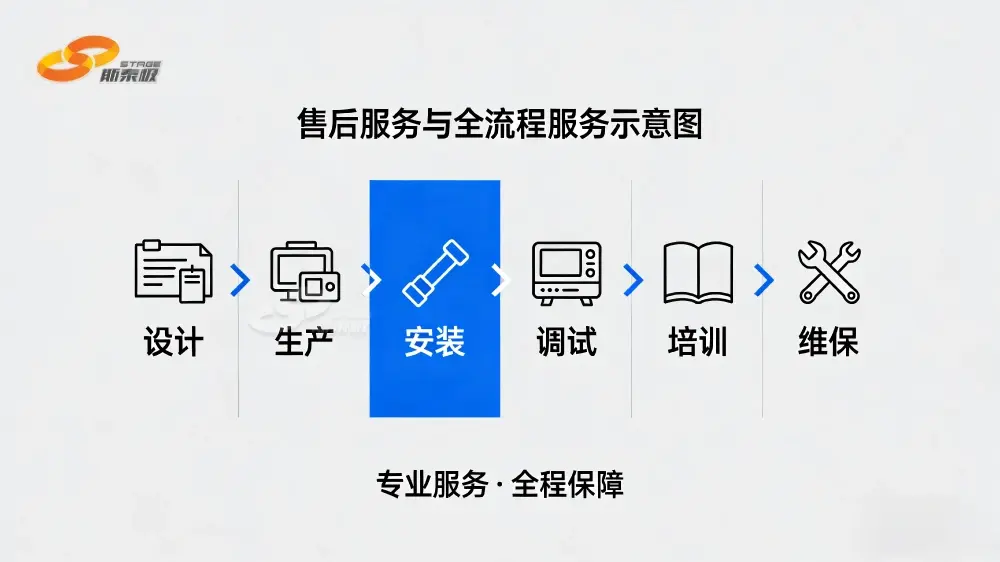
Reliable assistance after the sale is important for keeping equipment up and running and guarding large investments in infrastructure for stage automation. Comprehensive insurance programs should cover mechanical parts, control systems, and software platforms, and they should have clear terms for coverage and quick service procedures.
Technical aid programs offer on-site installation help, commissioning services, and user training to make sure the system is used correctly from the start of the project. These services are especially helpful for schools and other places with few expert staff because they let people use complex robotic systems with confidence.
Stage equipment maintenance plans are made to meet the special needs of performance venues, such as long use cycles, tough environments, and the need for system dependability during live performances. Scheduled preventative maintenance cuts down on unplanned downtime and increases the life of machinery by making sure it gets the right care and parts are replaced at the right time.
Industry Trends and Innovations in Stage Machinery Automation
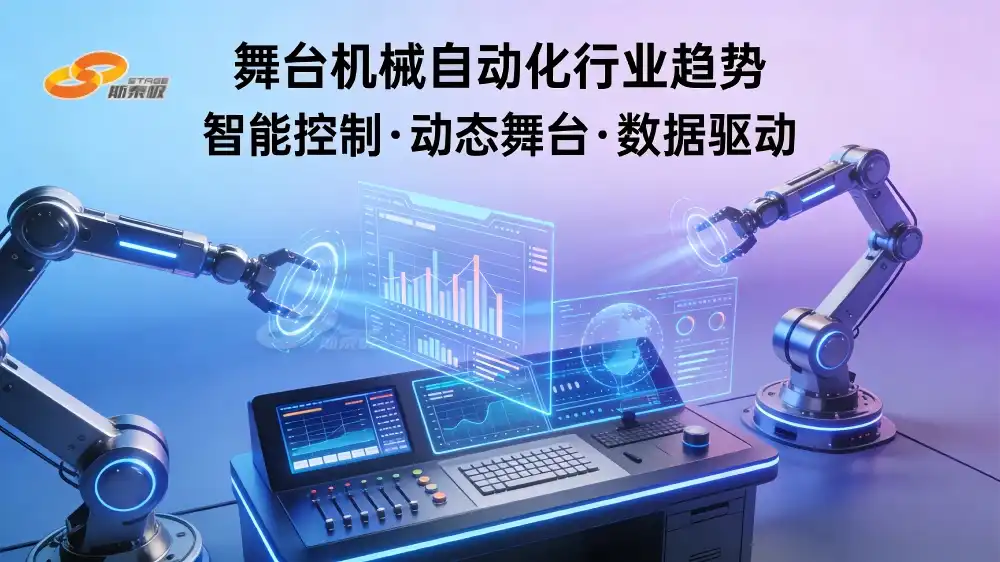
Energy Efficiency and Enhanced Safety Protocols
As technology improves and practical needs change, the stage machinery business continues to grow and change. Energy-efficient technologies lower operating costs and support environmental efforts, which are becoming more and more important to place owners and funding groups.
Advanced safety measures include complex tracking systems, multiple safety features, and smart control programs that keep equipment from getting damaged and keep people safe. These improvements are in response to stricter rules and insurance concerns that affect choices about what to buy in all kinds of venues.
Through performance analytics, predictive maintenance tools, and remote tracking, digital transformation projects make it possible to optimize operations based on data. These technological advances give the purchasing and engineering teams better views of how the system is working and allow for proactive management methods that lower the total cost of ownership.
Partnership Models and Customized Service Offerings
Industry relationships are focusing more and more on providing full services that go beyond just selling tools. These services include planning advice, managing the installation process, and ongoing help for running the business. These working together connections are especially helpful for big projects that need to be customized a lot and connect to existing systems.
When engineering and procurement teams work with suppliers, those suppliers can offer professional help, training, and support services that can be quickly changed to meet new business needs. These relationships give people access to cutting-edge technologies and make sure that they are used correctly and work at their best throughout the lifecycles of the equipment they support.
As the market grows, flexible system designs, better integration tools, and user interfaces that make things easier to use while adding more functions are becoming popular. These changes help venue owners who want to improve performance while also dealing with practical complexity and the need for professional training.
Conclusion
Expert integrated stage machinery automation solutions are a must-have for modern performance places that want to improve their operational skills while keeping safety at the highest level and cutting costs. Moving from old-fashioned manual systems to high-tech automated platforms has measurable benefits, such as higher accuracy, stricter safety rules, and more creative options. These benefits justify capital investments by improving operations and lowering the need for labor.
To successfully purchase something, you need to carefully look at the technical specs, the supplier's skills, and their long-term help promises that will make sure the system works well for a long time. Companies that invest in good automation solutions get better venue capabilities, more efficient operations, and long-term competitive advantages that help them succeed in entertainment markets that are getting more and more demanding.
FAQ
What are the main types of stage machinery automation systems?
Electric, hydraulic, and pneumatic drive mechanisms make up most stage machinery control systems. Each has its own benefits for different uses. Electric systems are great for theaters because they are easy to handle and don't make a lot of noise. Hydraulic systems are great for moving big set pieces, and pneumatic systems respond quickly so scenes can be changed quickly.
How do I determine the right automation level for my venue?
The type of location, the number of performances, the budget, and the needs of the business all affect the choice of automation level. Comprehensive automation is best for theaters that need to change scenes a lot, while selective automation of high-priority systems may be best for places with easier needs.
What safety standards apply to stage machinery installations?
International safety standards, such as OSHA rules, local building codes, and rules related to the business must be followed by all stage equipment. Modern systems have fail-safe procedures, emergency stop methods, and safety interlocks that go above and beyond what is required by law to protect people and equipment.
How important is after-sales support for stage automation systems?
After the sale, full help is necessary to keep the system running smoothly and protect cash investments. Technical support, repair programs, spare parts available, and training services are all examples of quality support that make sure equipment works at its best throughout its lifecycle.
What are the typical maintenance requirements for automated stage systems?
Maintenance tasks include regular checks, lubrication plans, software changes, and replacing parts before they break based on how often they are used. When systems are properly kept, they last longer and have less unexpected downtime during key performance times.
How do modern automation systems integrate with existing venue infrastructure?
Modern systems are made up of separate modules and use standard interfaces that make it easy to connect them to existing systems. Professional installation teams look at the requirements for compatibility and come up with ways to integrate systems that cause the least amount of trouble while improving their capabilities and operating efficiency.
Transform Your Venue with Professional Stage Machinery Solutions from Sh Stage
Learn how Sh Stage can improve your performance space by providing skilled stage machinery automation solutions that are tailored to your unique needs. We provide complete automation systems that improve performance while ensuring safety excellence and operating efficiency. We are a reputable stage machinery manufacturer with proven experience across theaters, event venues, and entertainment centers around the world. Email our skilled engineers at info@shstage.com to talk about your project needs and find out how our cutting-edge automation solutions can make your place more useful and competitive in today's tough entertainment market.
References
Thompson, Michael J. "Advanced Stage Automation Technologies: Design Principles and Safety Considerations." Journal of Entertainment Engineering, Vol. 28, No. 3, 2023, pp. 145-162.
Rivera, Elena Santos. "Economic Impact Analysis of Automated Stage Systems in Performance Venues." International Conference on Theatre Technology, Conference Proceedings, 2023, pp. 89-104.
Chen, Wei-Ming and Anderson, Robert K. "Integration Strategies for Modern Stage Machinery Control Systems." Automation in Entertainment Technology Quarterly, Vol. 15, No. 2, 2023, pp. 73-88.
Williams, Sarah Elisabeth. "Safety Protocol Development in Contemporary Stage Automation." Stage Technology Safety Review, Vol. 12, No. 4, 2023, pp. 201-218.
Nakamura, Hiroshi. "Energy Efficiency Innovations in Stage Machinery Design." Green Technology in Entertainment Engineering, Vol. 7, No. 1, 2023, pp. 34-49.
Martinez, Carlos Roberto. "Global Market Analysis: Stage Automation Equipment Trends and Forecasts." Entertainment Technology Market Research, Annual Report 2023, pp. 156-189.

USER EVALUATE
Here is the customer's evaluation of us