



Stage Machinery: Ancient and Modern
Stage equipment is what makes theater performances possible. It has changed how people see live shows for hundreds of years thanks to advances in technology. The complex automated systems used in modern theater shows are based on Greek counterweight mechanisms and Roman trap doors. The modern stage machinery includes computer-controlled lifting platforms and precise support systems that make it possible for scenes to flow smoothly and for amazing visual effects. Knowing how this changed over time helps theater workers understand how technology has changed from physical rope-and-pulley systems to the modern hydraulic lifts and smart control networks that make up performance spaces.



The Evolution of Stage Machinery: From Ancient Mechanisms to Modern Systems
Ancient Origins and Early Innovations
The history of theater equipment can be traced back to times when people were creative and wanted to make art. The mechane, a crane-like machine used in Greek theaters to literally bring gods onto the stage, which is where the phrase "deus ex machina" comes from. Roman engineers built on these ideas by creating complex trap systems and raised platforms that let characters appear and disappear at will, surprising audiences.
In medieval mystery plays, counterweight systems were used to make angels fall from church ceilings. In Renaissance theaters in Italy, sliding panels and spinning prisms were used to change the viewpoint of the scenery. These early inventions set basic rules that are still used in modern stage engineering. This shows how creative vision drives progress in technology.


The Industrial Revolution's Impact
In the 19th century, steam power and mechanical engineering changed the way stages could be used in big ways. In Victorian theaters, complicated flying systems were set up with hemp rope gear that needed teams of trained operators to work together perfectly. When gas lighting systems were combined with mechanical controls, they made it possible to make effects that were previously impossible.
Opera houses created complex under-stage machinery during this time that allowed for large-scale productions, including multiple trap doors, rising platforms, and rotating stages. The Bayreuth Festspielhaus was built just for Wagner's plays, and it had new sound and lighting systems that changed the way theaters are built all over the world. These inventions proved that mechanical accuracy could improve artistic expression, which led to the creation of modern automatic systems.


Modern Automation and Digital Control
In the late 20th century, computer-controlled technology changed stage machinery from machines that needed a lot of work to ones that were carefully designed and built. Electric motors took the place of human control, and programmable logic controls made it possible for multiple stage parts to move in sync and at the same time. Modern theaters have control systems that combine sound, lighting, and mechanical motions through a single interface for the operator.
In order to control up to fifty fly bars at once, modern over-stage machinery uses winch systems with the same power as fourteen-person lifts. These systems work quietly and accurately, letting small changes be made to the scenery during live shows without waking up the crowd. As a result, safety rules have changed to include redundant systems and digital tracking to protect both operators and performers.


Understanding Types and Components of Stage Machinery
Manual vs. Automated Systems
In order to make wise purchasing choices, theater workers for stage equipment need to be aware of the basic differences between manual and automated stage machinery. People have to use balance fly galleries, hemp rope rigging, and mechanical lifts to run manual systems. These devices can be controlled by touch and are still affordable for smaller places with basic technical needs.
Automated systems use electric, hydraulic, or gas power sources and are controlled by computers. Electric systems make it possible for lights and scenery to be placed precisely, while hydraulic systems move heavy things like orchestra lifts and big scenery pieces. Pneumatic systems work best when they need to move quickly and quietly, which makes them perfect for making small changes to the set during live shows.


Core Components and Safety Features
The safe and dependable operation of modern stage machinery is made possible by the integration of a number of important parts. The control screens have easy-to-use interfaces with customizable settings, emergency stops, and diagnostic features that make it easier to train operators and fix problems. Load tracking, position input, and automatic shutoffs are some of the safety systems that keep equipment from breaking and keep performers safe.
Modern rigging systems use certified steel wires, precise sheaves, and digital tension tracking to keep working properly even when loads change. Motor systems have changeable speed drives, encoders to make sure the position is correct, and thermal protection that makes the equipment last longer and work reliably. International safety standards, such as OSHA, ANSI, and local building rules, must be met by these parts.


Understage and Overstage Configurations
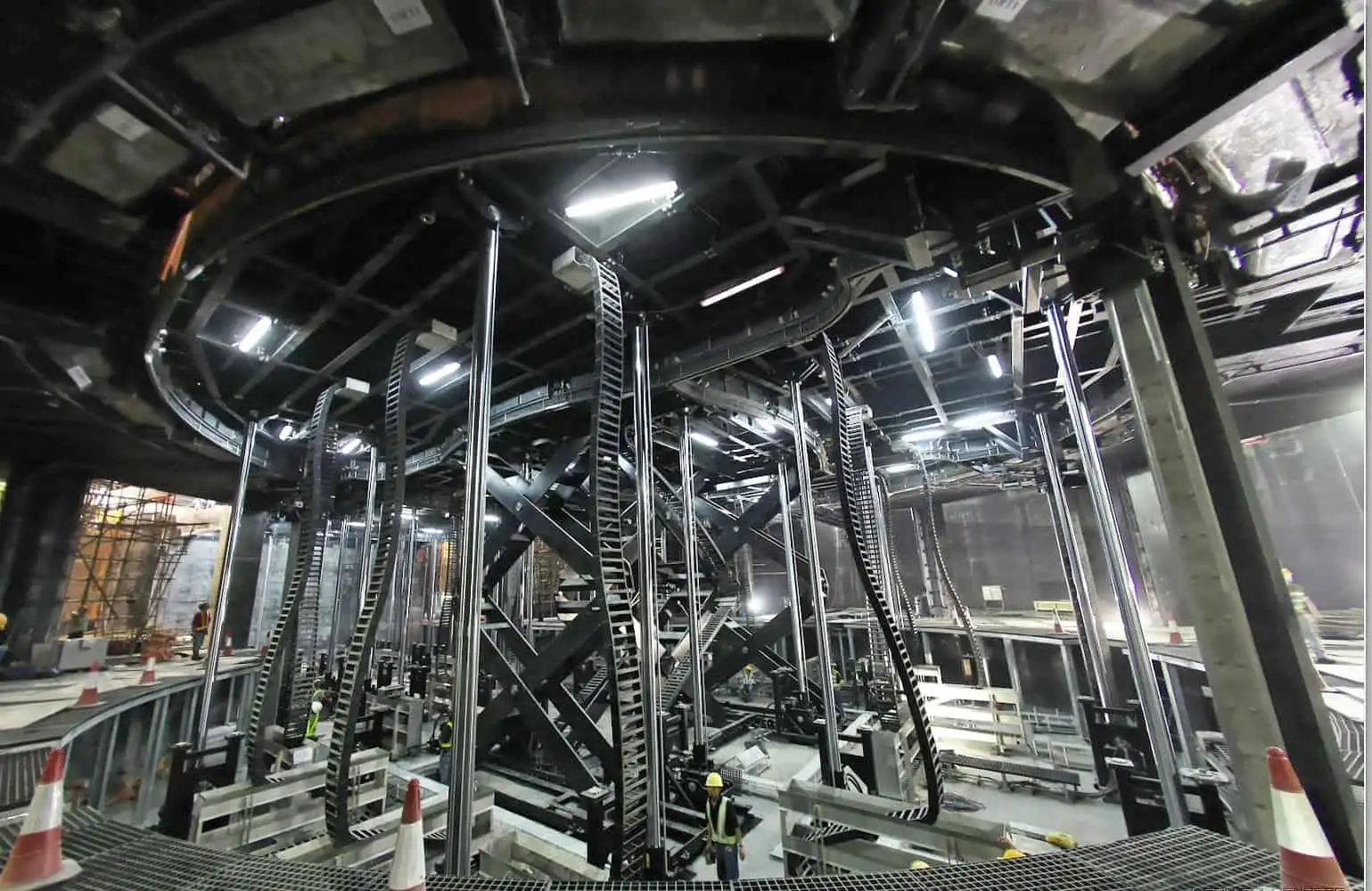
Under-stage machinery works below the stage level. In theaters, it usually goes down three meters, but in opera houses, it can go down eleven meters. There are platform lifts, rotating stages, and trap devices in these systems that make dramatic entries, scene changes, and special effects possible. The area under the stage has plenty of room for complicated mechanical systems, and the area above stage level is easy to see from.
Flying systems, lighting battens, and sound elements hanging above the performance area are all examples of over-stage machinery. Winch systems and control gear are usually kept in fly galleries that are made over twenty meters above stage level in fly towers. These systems have to work quietly so they don't get in the way of live shows, but they have to be able to precisely control things that are stopped.


Benefits of Automating Stage Machinery for Modern Theaters and Events
Enhanced Operational Efficiency
Automation makes production more efficient by cutting down on setup times and lowering the chance of mistakes made by people during complicated scene changes. Programmable systems make precise moves over and over again, making sure that the quality of performance is the same from show to show. Operators can pre-program whole routines, which lets one person handle systems that used to need more than one worker.
Real-time diagnostics allow for planned repair, which cuts down on unplanned downtime and increases the life of equipment. Automatic systems keep track of operational data, which helps site managers make the best use of performance plans and spot problems before they affect productions. This data-driven approach to theater operations is a big step forward from old manual methods that depended on the experience and intuition of the operators.
Financial Advantages and ROI
Through reduced labor needs and increased operating efficiency, automated stage machinery offers significant long-term cost savings. Even though it costs more up front than manual systems, automated technology usually pays for itself in three to five years by saving money on hiring and making venues more useful. Insurance rates often go down when safety features are improved and the chance of an accident goes down.
Leading companies say that automated methods have saved them a lot of money. The renovations at the Lincoln Center included a lot of technology, which cut the number of technical staff needed by 40% and sped up the time it took to change shows. These changes make it possible for venues to house more shows each year, which brings in more money while still meeting high safety standards.
Safety and Precision Improvements
These days, automatic systems have many safety features that go beyond what can be done by hand. Load tracking stops overloading, and precision sensors make sure that artists and scenery are placed correctly. When triggered, emergency stop devices stop all movement right away, protecting you right away in case something unexpected happens.
Precision control makes it possible for mechanical parts, lights, and performance moves to work together in ways that would not be possible with manual systems. Repeatability makes sure that the timing is the same from one performance to the next, and customizable speed patterns make smooth acceleration and slowdown that is better for both the audience and the performers.


How to Choose and Procure Stage Machinery for Your Business?
Assessment and Planning Considerations
An in-depth study of the place and the production needs is the first step in buying stage machinery successfully. The size of the building, the height of the roof, and the strength of the structure all affect the types of systems that can be used. The technology options—manual, electric, and hydraulic—are limited by cash. Features and production types, as well as regularity guide capacity needs and choices.
Professional advice during the planning stages helps find the best answers for each venue's needs. Engineers with a lot of experience look at the building's structure needs, its electricity power, and its ability to work with other systems. This basic analysis stops changes that would be expensive to make during installation and makes sure that the equipment chosen will meet long-term operating goals.
System Comparison and Selection
Electric systems are great for places that need to make small changes to the lighting and scene because they are quiet and can be placed precisely. Controlling speed and setting is very accurate with these systems, and they don't need much upkeep. It's easy for electric motors to work with computer control systems, which lets you do complex programming.
Hydraulic systems work best in heavy-duty situations that need to lift a lot of weight and run smoothly with changing loads. Hydraulic power is useful for orchestra lifts, big scenery platforms, and stage layouts with more than one level. Even though it costs more at first than electric systems, hydraulic equipment lasts longer and can handle heavier loads, which are important for difficult uses.
Supplier Evaluation and Contract Considerations
Leading producers of stage machinery provide complete packages that include planning, production, installation, and ongoing assistance. When judging a product, things like guarantee coverage, installation skills, training programs, and the availability of spare parts should be taken into account. Established providers can give you examples from places like yours and show that they follow safety rules.
When negotiating a contract for stage equipment, the parties should talk about shipping dates, installation help, commissioning processes, and upkeep agreements. Payment terms usually include schedules with steps that are tied to design approval, production finish, and successful launching. Comprehensive training programs make sure that workers know how to use the system safely and how to get the most out of it, which increases its performance and durability.


Maintaining and Optimizing Stage Machinery Performance
Preventive Maintenance Protocols
Systematic repair plans extend the useful life of stage machinery while guaranteeing its safe and dependable operation. Visual checks of wires, links, and safety systems are done every day, and lubrication points and functional tests of emergency stops are done once a week. As part of the monthly repair, all parts are carefully inspected, the balance is checked, and software is updated.
As part of yearly maintenance, the whole system needs to be checked out, including when to repair cables, inspect motors, and look at the structure. Professional techs should do complicated tasks that need special tools and knowledge. Writing down all of your maintenance tasks gives you a useful operating background and helps you figure out when to replace parts.
Performance Optimization Strategies
Retrofitting automation components to current systems is a way to improve operational skills while also extending the life of equipment. Modern control systems can work with older mechanical parts to improve accuracy and safety without having to update the whole system. As technology gets better, software changes add new features and make the user experience better.
Staff training programs make sure that workers get the most out of the system while still following safety rules. Technical staff share best practices, learn about new features, and go over safety measures during regular training meetings. Teams can adapt to new technologies and improve working efficiency by continuing to learn.
Safety Compliance and Risk Management
To make sure that safety rules are followed, there must be regular checks and records of actions that show compliance. Safety checks should be done according to the manufacturer's instructions and the rules in your area. Only trained testers should look at the structure and make sure it's working properly. Regular practice of emergency methods is necessary to make sure that they work well when something unexpected happens.
Monitoring tools, teaching operators, and setting safety rules for the whole building are all parts of risk management. Modern systems send alerts in real time for anything that doesn't seem right, so problems can be fixed right away. Safety talks on a regular basis keep employees up to date on methods and give them a chance to voice concerns or suggest changes.


Conclusion
Seeing how stage equipment has changed over time from old mechanical systems to current automatic ones shows how technology is always being used to improve art. Today's theater workers have access to high-tech tools that improve safety, accuracy, and artistic options while making operations simpler. Knowing about this growth in technology helps procurement pros make smart choices that balance the need for efficiency with the need to stay within budget.
Modern automatic systems are much better than old-fashioned human ones because they are more efficient, safer, and have lower long-term costs of operation. Increased venue capacity, decreased worker needs, and improved production quality are all benefits of investing in high-quality stage machinery. When choosing the right tools, you need to carefully think about the needs of the place, the production, and the long-term goals of the business.


FAQ
What is the typical lifespan of modern stage machinery?
When properly maintained and checked on a daily basis, professional stage machinery typically lasts for fifteen to twenty years. Because electric systems don't have as many moving parts, they usually last longer than this. On the other hand, based on how often they are used, hydraulic systems may need to change parts every ten to fifteen years. Regular upkeep and good fitting greatly increase the life of tools.
How much space is required for understage machinery installation?
The type of site and the complexity of the system affect the needs for under-stage machinery. For standard theater setups, there needs to be three meters of clear room below stage level. For opera houses, full lifting and rotating systems can take up to eleven meters. Some structural needs are enough load-bearing capacity and easy entry for maintenance work.
What safety certifications are required for stage machinery?
The safety rules for stage equipment must be followed, such as OSHA rules, ANSI guidelines, and local building codes. For international systems to work, they need to be marked with the CE mark and meet area safety standards. Professional installation by licensed experts makes sure that all the rules are followed and that the system is safe to use. Regular safety checks keep the equipment's approval standing for as long as it lasts.
Transform Your Venue with Professional Stage Machinery Solutions
Sh Stage makes high-tech automated stage tools that make performance spaces around the world better. We offer complete solutions, from initial design to installation and ongoing support, as a top stage machinery maker with more than ten years of experience. Working together with venue owners, our engineering team creates unique systems that meet specific operating needs and make sure they meet international safety standards.
The factory where we work makes high-quality lifting systems, rigging gear, and control interfaces that work well in theaters, music halls, and other entertainment locations. Find out how our creative solutions can expand the possibilities of your venue by getting in touch with our technical experts at info@shstage.com to talk your stage machinery needs.
References
Baugh, Christopher. "Theatre, Performance and Technology: The Development of Scenography in the Twentieth Century." Palgrave Macmillan, 2005.
Glerum, Jay O. "Stage Rigging Handbook: Third Edition." Southern Illinois University Press, 2007.
Ionazzi, Daniel A. "The Stage Management Handbook." Betterway Books, 1992.
Sammler, Harvey and Derek Forsyth. "Stage Rigging Handbook." Entertainment Technology Press, 2004.
Theatrical Engineers and Stage Technicians. "Modern Stage Machinery: Safety Standards and Best Practices." Technical Publication Series, 2019.
Williams, Peter. "Stage Machinery and Automation: From Counterweights to Computer Control." Theatre Technology Review, 2018.

USER EVALUATE
Here is the customer's evaluation of us