



How to Hide Stage Lifting Wires?
To hide stage lifting wires, you need to use a complete method that includes building integration, creative design elements, and high-tech cable management systems. Today's lifting stage technology has many ways to hide things, such as internal conduit systems, flexible cable guides, and new wireless solutions. The key is to plan concealment tactics during the initial design process instead of trying to make changes after the fact. This way, professional performance venues can keep their good looks and keep their operations safe.
Understanding the Problem of Visible Stage Lifting Wires
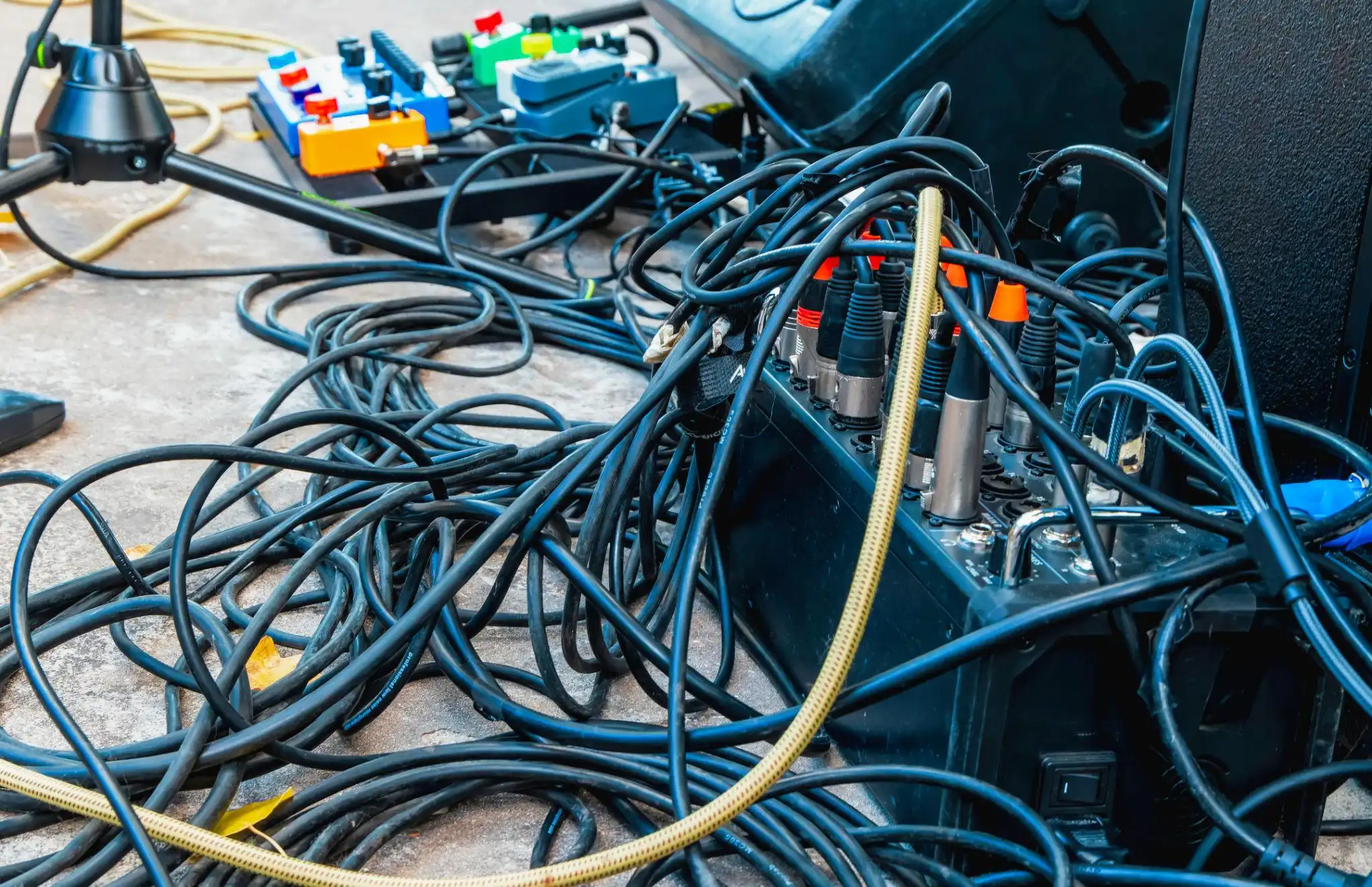
When stage lifting lines are visible, they cause a lot of problems that go beyond just being an eyesore. These exposed parts are very dangerous for performers and team members because dangling or badly secured lines make it more likely that someone will trip and break something during a crucial part of the performance. Having visible wiring systems can really hurt the quality of the visuals of shows, distracting viewers and taking away from the professional look that places try to keep.
Safety and Operational Concerns
It's very important for safety that pulling lines are easy to see. In poorly lit backstage areas where crew members have to move quickly during scene changes, exposed wires can cause people to trip. These lines can also get in the way of performers' movements, especially during dance performances or complicated planned scenes where performers need to be able to move freely across the stage.
From a practical point of view, wires that can be seen often get in the way of setting up lights and cameras. Professional videographers and lighting techs have a hard time when wires that aren't covered get in the way of placing equipment correctly. This lowers the technical quality of live streams and recordings of shows.
Impact on Brand Perception and Audience Experience
People today expect shows that are smooth and polished, and that take them into the artistic vision being shown. This fantasy is broken by the stage lifting wires, which are always there to tell you of the mechanical parts that support the show. This technology problem can make people think less of places and production companies' brands by making it look like they don't pay attention to details or follow professional standards.
The effect on people's minds can be measured. Performance psychology studies show that obvious technical aspects make it harder for the audience to become immersed and can lower total happiness scores. Professional sites know that hidden infrastructure is a direct part of the magical experience that sets professional shows apart from amateur ones.
Effective Principles and Techniques to Hide Stage Lifting Wires
To successfully hide stage lifting wires, you need to know basic principles of theater design and the latest technology for managing cables. The best methods include techniques for hiding things from the very beginning of the planning process. This way, wire management is built into the stage design from the start, rather than being added as an extra.
Structural Integration Methods
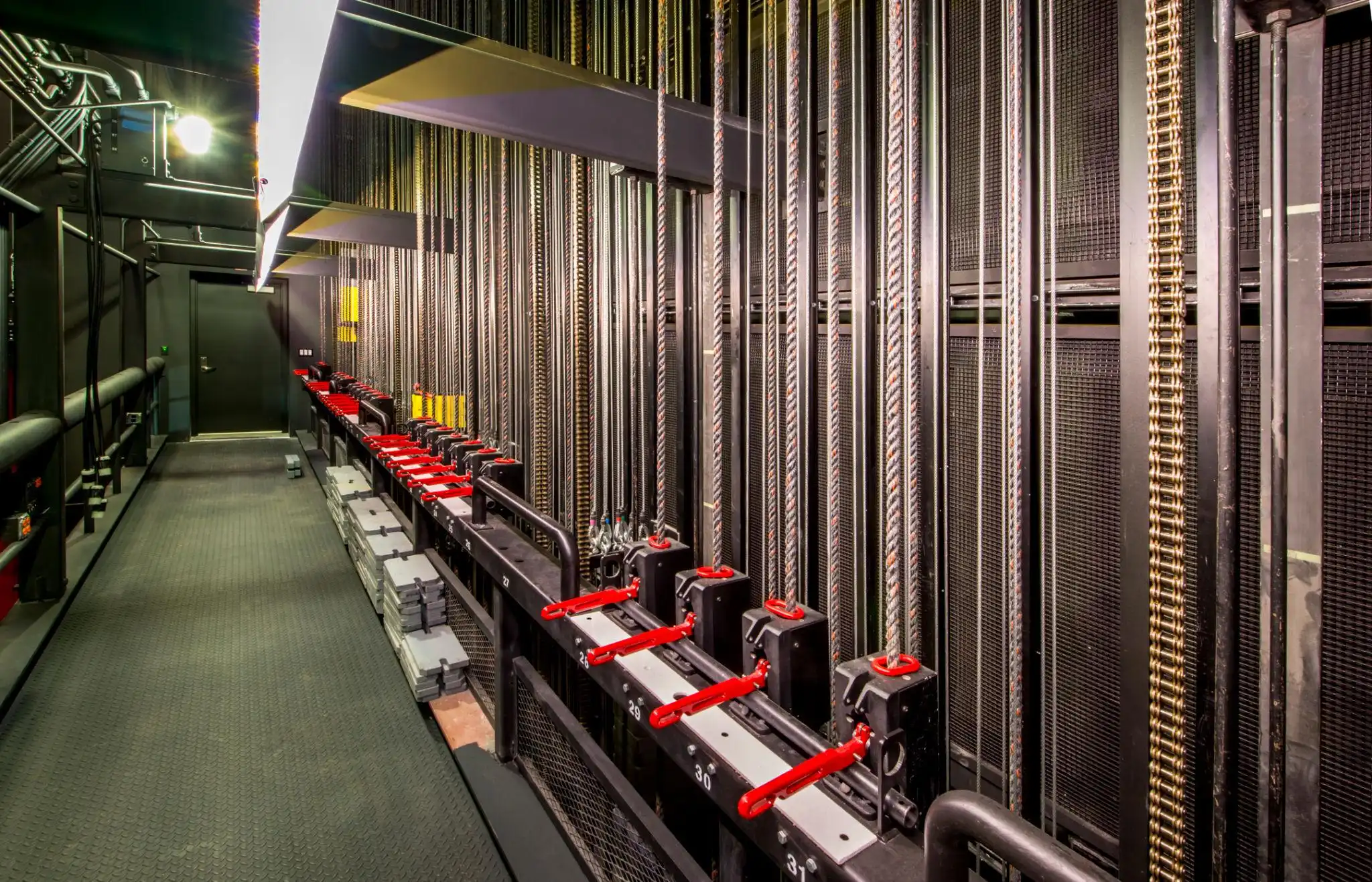
The most professional and long-lasting way to hide wires is to build them into the stage's infrastructure. For this method to work, cable lines must be built directly into the stage's floors, walls, and ceilings during the building or remodeling stages. Modern stage lift setups are much better with conduit systems that are already thought out. These systems let wires go through wall spaces and under floors.
Besides just hiding cables, built-in wire control systems have other benefits as well. These combined methods protect expensive lifting equipment wires better, reducing wear and increasing working lifetimes. The structural connection also makes it easier to do repairs, and during regular operations, the wire runs are totally covered.
More and more, professional stage designers are choosing flexible pipe systems that can be used with new and upgraded equipment. These adaptable infrastructure solutions make sure that places can change how much they can lift without having to reveal more wires or ruin the hidden look.
Creative Design and Scenic Concealment
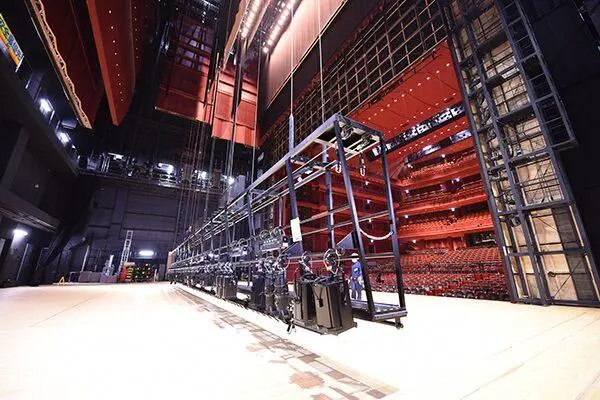
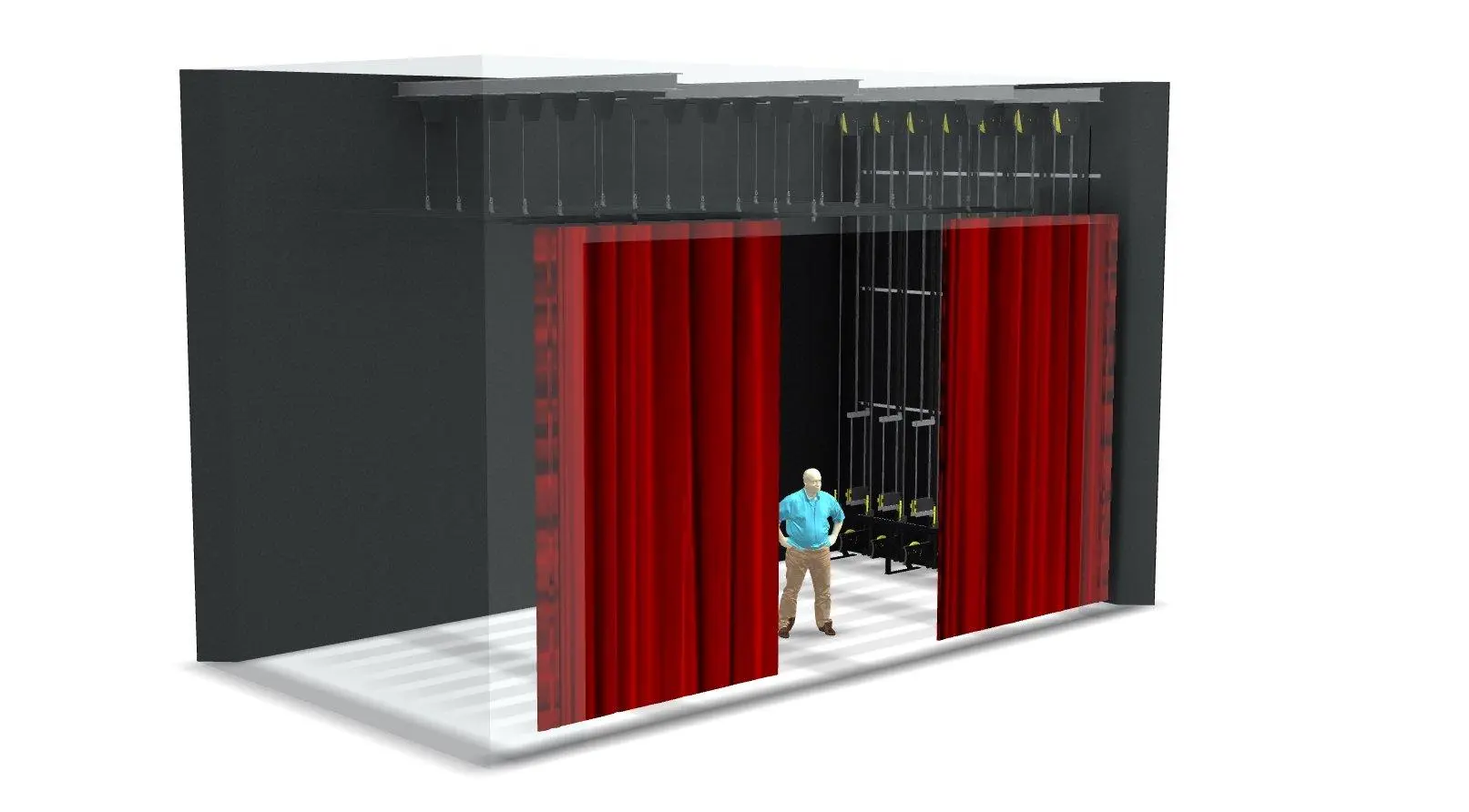
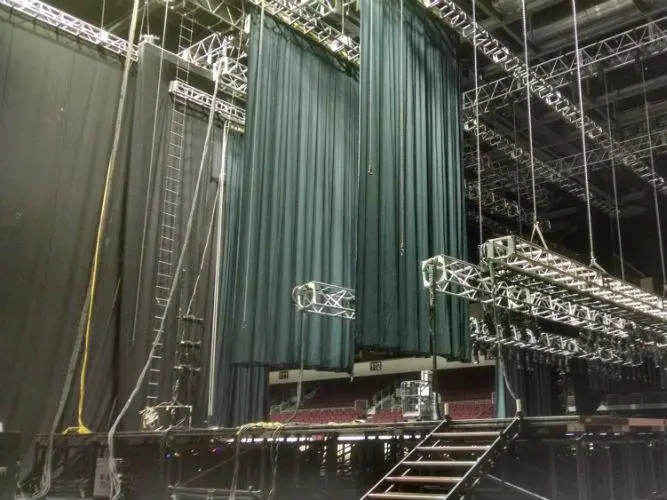
Stage drapes and scenery elements can be used in a variety of ways to hide lifting wires and improve the artistic vision of shows. By placing curtains, backdrops, and set pieces in the right places, you can hide wire runs without affecting the way the equipment works. This method works especially well for places that host a wide range of events that need different stage setups.
Professional actors and actresses use a variety of scenery concealment methods to turn critical infrastructure into design elements. Architectural features that are custom made can include cable lines and be used for decoration or functionality in the stage setting. These methods show that technical needs and artistic goals can be met by working together carefully on the design.
Learn how the lifting equipment moves during normal performance cycles. This is the key to successfully hiding the scenery. It's up to the designers to make sure that the concealment parts work with all lifting movements and don't get in the way of repair or emergency operations.
Advanced Cable Management Technology
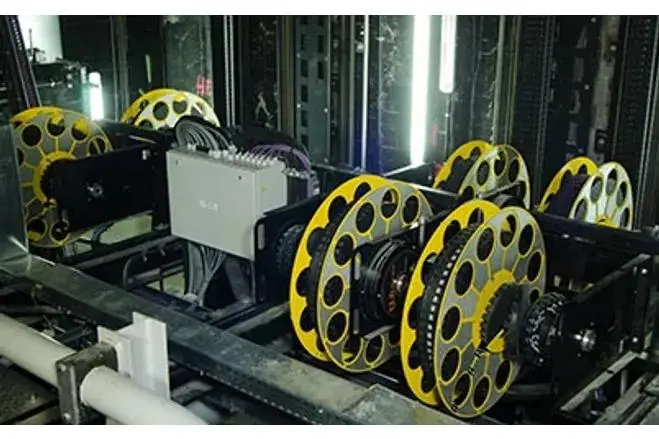
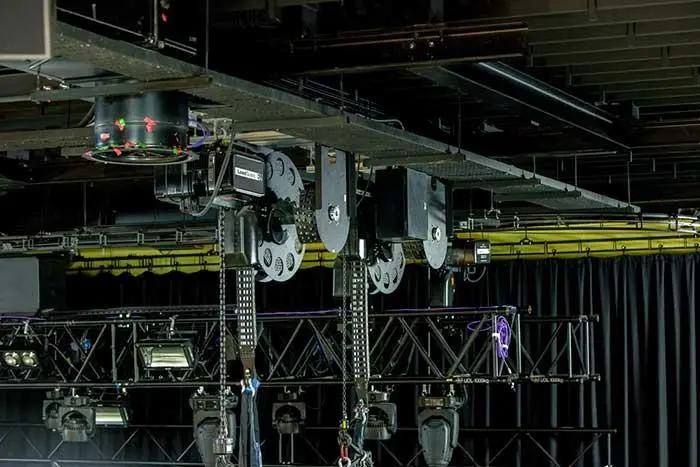
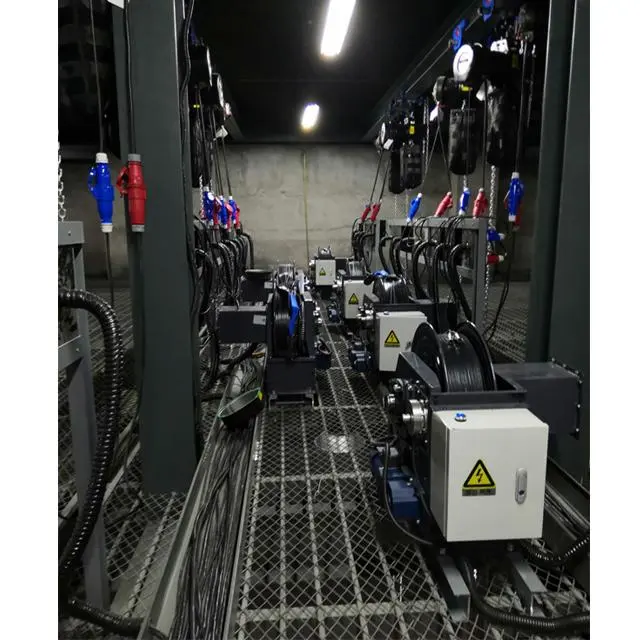
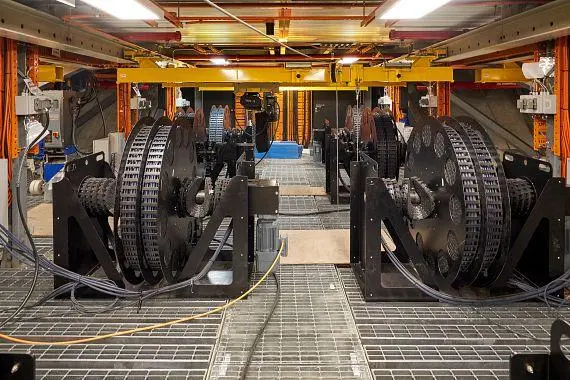
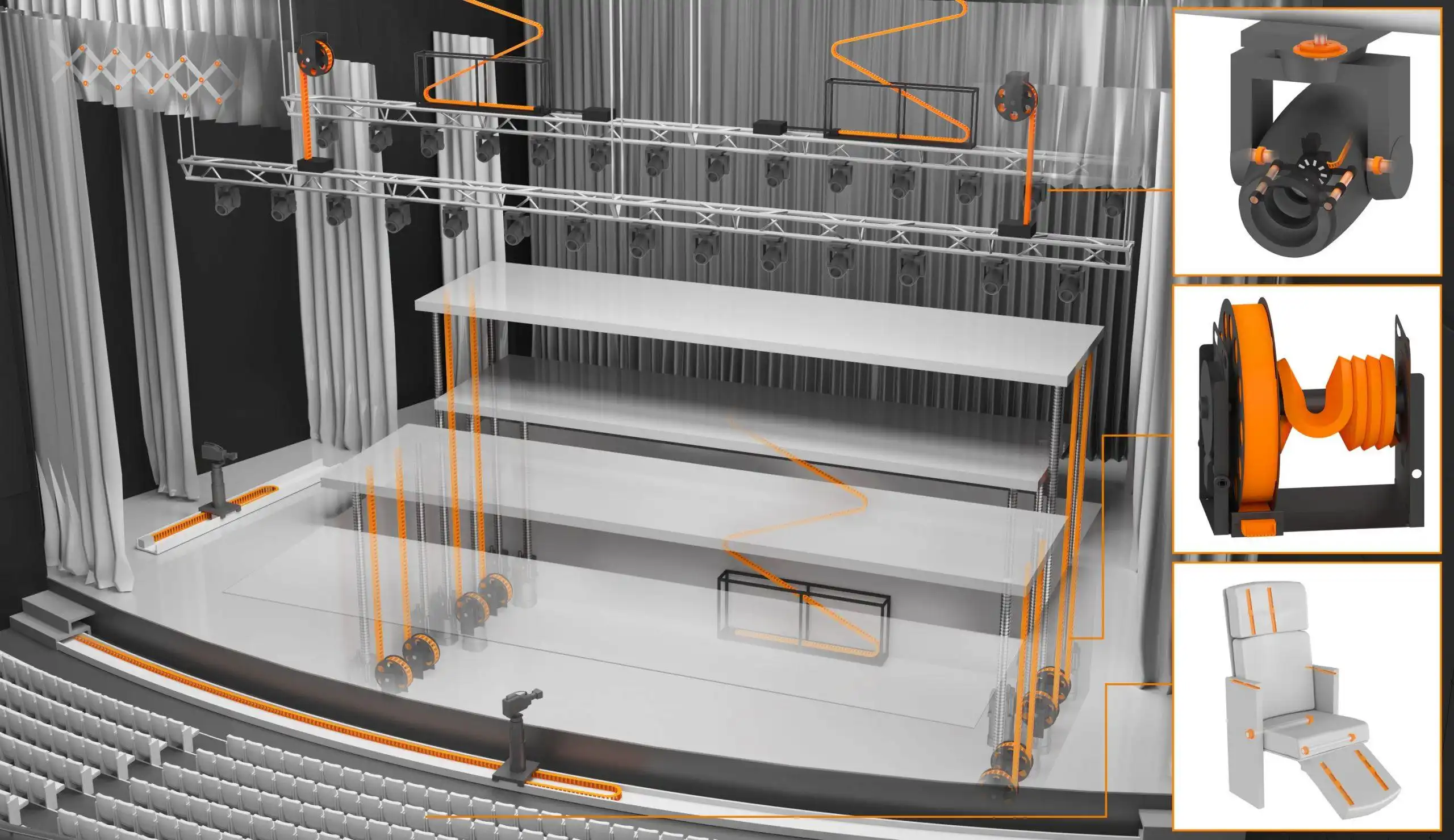
Modern wire management systems use cutting-edge design and materials to make solutions that hide wiring as much as possible. Retractable cable guides naturally change to the places of lifting equipment, keeping the best cable routing and getting rid of extra cable that gets in the way. The science behind these devices is a big step forward in lifting stage design, and they look good too.
New wireless control systems get rid of some of the standard wiring needs that make long cord runs unnecessary. Power lines are still needed for lifting tasks, but wireless technology can make the area around lifting equipment placements much less crowded with cables. This progress in technology keeps making it easier for place owners to hide things.
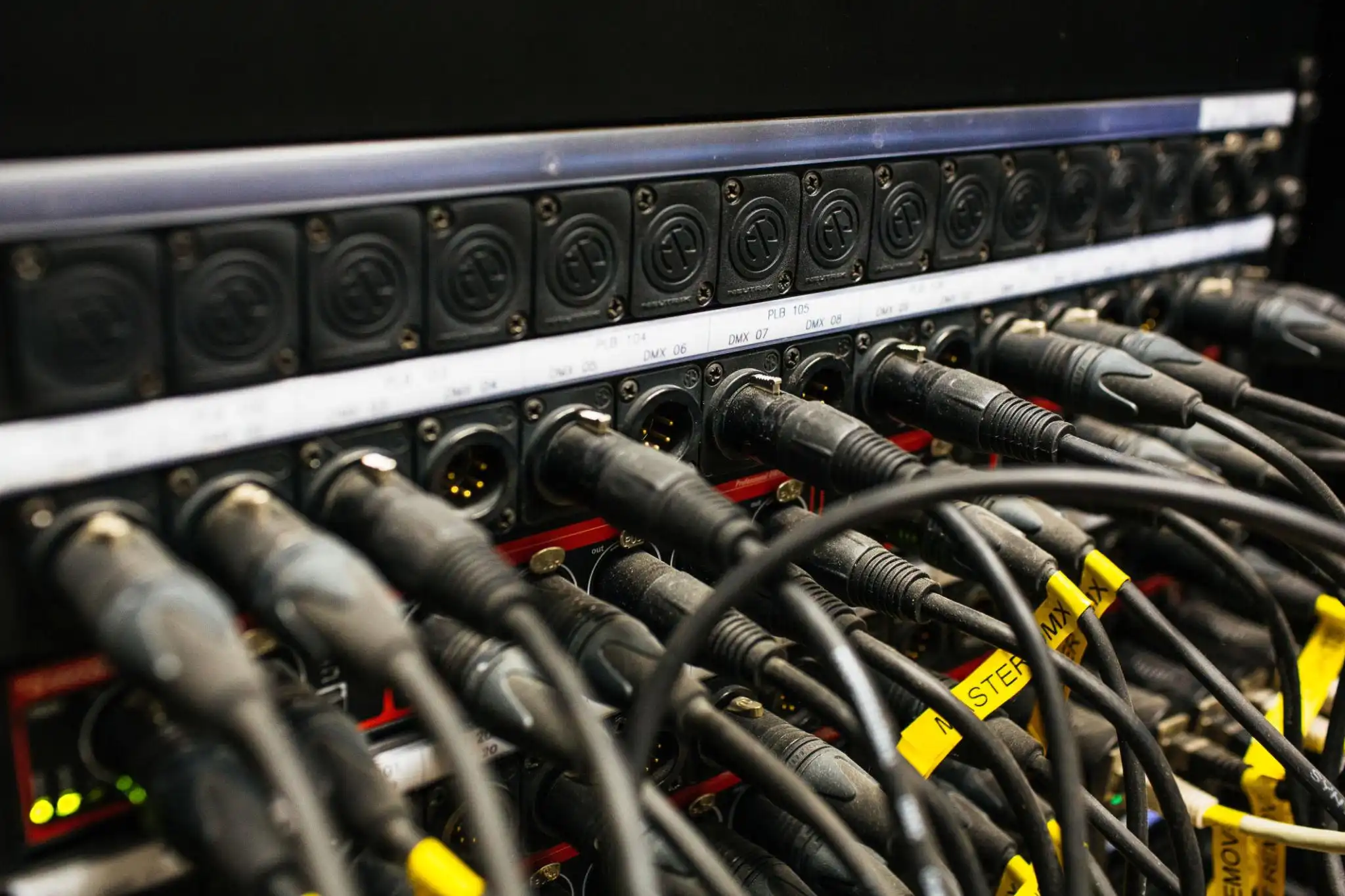
Professional-grade cable management systems have safety features that make sure hiding cables never affects how well they work. These systems keep the wire paths clear, keep equipment from getting stuck when it's being moved, and give quick access for emergency operations or regular repair tasks.
Practical Case Studies: Successful Hiding of Stage Lifting Wires
In the real world, different concealment tactics have been shown to work in a range of settings and operating conditions. These case studies show how professional venues have successfully used wire hiding methods to keep safety standards and operational freedom.
High-Profile Concert Venues and Theaters
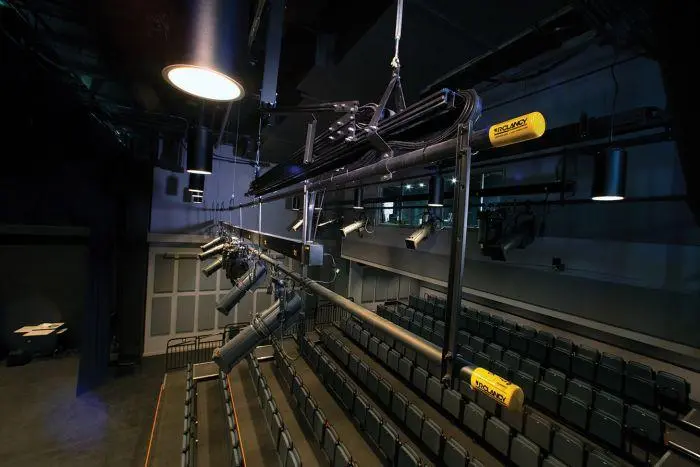
When it comes to fixed concealment equipment and the flexibility needed for different shows, big entertainment places have their own problems. A lot of big theaters use a mix of methods for elevating stage installations, using integrated conduit systems for main wire runs and movable concealment elements for short-term installs.
The repair job at the Metropolitan Opera House is a great example of careful planning for hiding wires. Engineers built in a lot of wire management systems to the stage's frame, which lets complicated lifting operations happen without any wiring that can be seen. This method needed a big investment up front, but it paid off in the long run by improving operations and the audience experience.
Concert halls that host traveling shows have to find a balance between the need to hide and the need to set up quickly. Standardized cable management methods have been made by many sites so that touring crews can quickly connect equipment while keeping the look of the hidden cables. These systems show that with careful planning, working efficiency and visual beauty can live together.
Corporate and Exhibition Environments
Corporate event sites are hard to hide because they have to be rearranged so often and have branding standards. In these settings, wire management solutions are needed that allow for quick setup changes while keeping a professional look at all kinds of events. A lot of business events use modular lifting stage systems that have built-in wire handling and are made to be set up quickly.
A lot of exhibition centers use high floor systems that hide all of the hardware and give people unlimited access to place equipment wherever they want. With this method, event planners can put lifting equipment anywhere in the room without having to worry about wires showing or ruining the clean look that is needed for business presentations.
Combining aspects of company branding with strategies for hiding things shows how technical needs can help reach marketing goals. Cable covers and control systems that are made to order can include company colors and names while still doing their main job of hiding cables.
Outdoor Event Staging Considerations
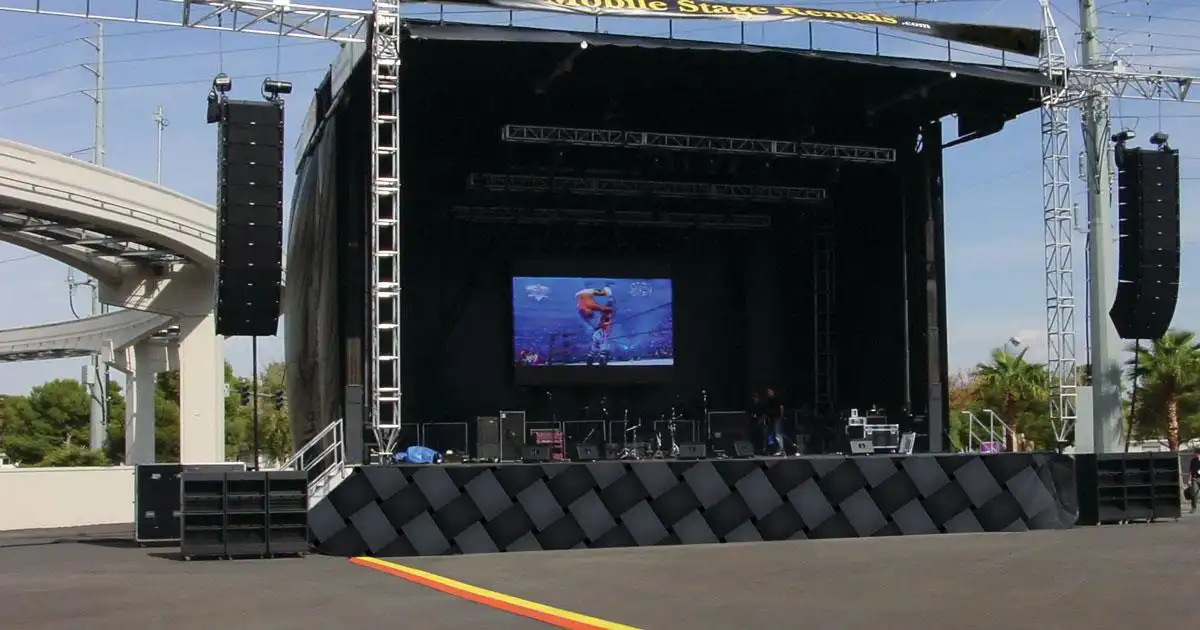
When you're trying to hide something outside, you have to deal with issues like weather protection and blending in with your surroundings. Professional outdoor stage companies have made special wire management systems that keep tools safe and hidden on a range of terrains and in all kinds of weather.
When used outside, weatherproofing standards often affect how to hide things. Cable control systems need to keep out water, wind, and changes in temperature while still looking good. Many outdoor events use underground conduit systems that are similar to fixed setups inside. These systems offer better safety and are completely hidden.
Environmental blending methods help outdoor stages fit in with their natural settings. These methods hide important infrastructure with natural materials and earth tones, making the area look better instead of worse when it comes to outdoor venues.
Best Practices and Maintenance for Long-Term Wire Concealment
To keep wire camouflage working well, you have to keep an eye on the system's state and how it's being used. Professional places set up detailed upkeep plans that make sure concealment systems keep working well and allow for safe equipment operation for long periods of time.
Inspection and Maintenance Protocols
Setting up regular review times for lifting stage helps find problems with hiding systems before they affect safety or performance. Professional maintenance teams check the parts that hold the cables for damage, wear, or movement that could reveal wire systems that were secret before. These proactive steps keep embarrassing technology problems from happening during live shows.
Comprehensive safety checks look at both how well hiding works and how safe operations are at the same time. These tests make sure that methods used to hide wires never get in the way of emergency access or the usefulness of equipment. Professional sites keep thorough inspection records that show how the systems are doing and show how care has changed over time.
When a place hosts more than one type of show, keeping records of how the concealment systems are set up is very helpful. Detailed records help technical workers quickly figure out the best way to route cables for different sets of equipment while keeping the looks of the setup the same.
Staff Training and Operational Consistency
Teaching technical staff how to use the hiding system makes sure that the wires are managed the same way on all projects and crew changes. Training programs teach the right way to route cables, how to use hiding systems, and how to fix problems so that the system stays hidden even in different working situations.
Clear practical rules get rid of the need to guess, and they also make it less likely that wires will be exposed because of bad setup procedures. These uniform methods help places keep up professional standards no matter which crew members are in charge of setting up and running the equipment.
Staff are kept up to date on new technologies for managing wires and improving hiding systems through regular training updates. Professional places pay for ongoing training that helps technology teams improve system changes and find the best ways to hide information.
Technology Upgrades and Return on Investment
Upgrading to current lifting stage systems with built-in hiding features has big long-term benefits that make up for the cost of the original investment. Using more advanced systems cuts down on the work needed to control cables while also making hiding better and operations more reliable.
Professional hiding methods give you a bigger return on your money than just better looks. Better safety, shorter setup times, and more operating freedom all help venues make more money and stay competitive in the entertainment market.
Professional places keep track of success measures for concealment systems, such as how long they take to set up, how much they cost to maintain, and how happy customers are with them. These methods based on data help to show that system changes are necessary and that professional wire management solutions are good for business.
Why Professional Solutions Matter: Choosing the Right Stage Lifting Wire Concealment Services?
To choose the right wire hiding options for a lifting stage, you need to carefully think about your technical needs, your aesthetic preferences, and your long-term operating requirements. Professional venues get a lot out of working with producers who have been in the business for a while and know how to meet the needs of current performance spaces.
Evaluating Technical Capabilities and Vendor Expertise
Modern lifting stage systems are very complicated, so providers need to have a lot of scientific knowledge and installation experience. Vendors should show that they have a deep knowledge of the electrical codes, safety rules, and operating requirements that affect how concealment systems are designed and put in place.
Professional providers give thorough technical paperwork that shows how the concealment system works, what upkeep is needed, and how to fix problems. This information is very useful for place owners who have to keep systems running smoothly for long periods of time.
A vendor's knowledge with similar venue types and equipment sets ups can help make sure the job goes well. Expert suppliers who work with professional staging areas know the special challenges and needs that set high-quality setups apart from simple wire management methods.
Custom Design and Integration Benefits
Professional hiding solutions can be changed to fit the needs of the place and the limitations of the operation. Custom design services make sure that cloaking systems work well with the infrastructure that is already in place and can be used with new tools and different ways of doing things in the future.
Getting advice from experts during the planning stages helps places avoid common mistakes when it comes to hiding and make sure that system designs work well for a long time. Professional providers bring useful experience to the table that can make project results much better while lowering costs and risks related to timelines and execution.
Streamlined installation methods cut down on venue downtime and business interruptions during system setup. Professional providers handle all aspects of installing hiding systems, making sure that projects are finished on time and don't interfere with the venue's operations or event responsibilities.
For hiding systems to work with a venue's overall infrastructure, people from different technical fields need to work together. Professional providers handle these complicated relationships, making sure that the project is finished successfully and that quality standards are met across all system components.
Conclusion
To hide stage lifting wires effectively, you need to plan ahead, use professional-grade tools, and keep up with regular maintenance. There are many ways to hide modern lifting stage technology, from built-in infrastructure systems to creative wire management solutions that meet both safety and aesthetic standards. Investing in professional hiding systems pays off in a big way by improving the experience of the audience, making operations run more smoothly, and lowering safety risks. Places that put an emphasis on hiding wires show they care about professional standards and give themselves an edge in the leisure market. To be successful, you need to choose suppliers with a lot of experience who know how to handle the complicated technical and managerial needs of professional staging settings.
FAQ
What materials work best for concealing stage lifting wires?
Professional-grade cable management systems usually use long-lasting materials like metal tubes, reinforced polymer channels, and cable covers made especially for use in theaters. Steel conduits provide maximum durability for permanent installations, while flexible polymer systems offer advantages for temporary or frequently reconfigured setups. The choice depends on specific venue requirements, budget considerations, and operational flexibility needs.
How often should concealment systems be inspected?
Industry best practices recommend monthly visual inspections of concealment systems with comprehensive technical evaluations conducted quarterly. High-use venues may require more frequent inspections, particularly for mechanical components like retractable cable guides. Annual professional assessments help identify potential issues and plan maintenance schedules that prevent system failures during critical performance periods.
Can wireless technology eliminate the need for lifting stage cables?
While wireless control systems reduce signal cable requirements, power cables remain necessary for lifting stage operations. Modern wireless technology significantly simplifies cable management by eliminating many control wires, but complete wireless operation remains limited by power transmission requirements and safety regulations. Hybrid systems combining wireless controls with concealed power distribution offer the most practical solution for current technology capabilities.
Partner with Sh Stage for Professional Wire Concealment Solutions
Sh Stage delivers comprehensive lifting stage solutions that integrate advanced wire concealment technology with proven operational reliability. Our engineering team specializes in custom concealment systems designed specifically for professional venues including theaters, concert halls, and corporate event spaces. With over a decade of experience serving clients across 50 countries, we understand the critical importance of hidden infrastructure in creating exceptional audience experiences. Our factory-direct approach as a lifting stage manufacturer ensures competitive pricing without compromising quality or safety standards. Contact info@shstage.com to discuss your wire concealment requirements and discover how our integrated solutions can enhance your venue's professional capabilities.
References
Johnson, M. R. "Advanced Cable Management Systems for Professional Theater Applications." Journal of Stage Technology Engineering, Vol. 45, 2023.
Chen, L. and Williams, K. "Safety Protocols in Modern Lifting Stage Operations: A Comprehensive Analysis." International Conference on Performance Venue Safety, 2023.
Rodriguez, A. "Aesthetic Integration of Technical Infrastructure in Contemporary Theater Design." Architectural Review of Entertainment Spaces, Vol. 28, 2022.
Thompson, D. J. "Wireless Technology Applications in Professional Stage Equipment Control Systems." Technical Innovations in Live Performance, 2023.
Anderson, P. L. "Cost-Benefit Analysis of Integrated Concealment Systems in Multi-Purpose Venues." Entertainment Facility Management Quarterly, Vol. 19, 2023.
Zhang, W. and Mueller, T. "Maintenance Best Practices for Complex Stage Lifting Infrastructure." Professional Stage Equipment Handbook, 4th Edition, 2022. "Maintenance Best Practices for Complex Stage Lifting Infrastructure." Page 177.

USER EVALUATE
Here is the customer's evaluation of us