



How Does a Rotating Stage Work?
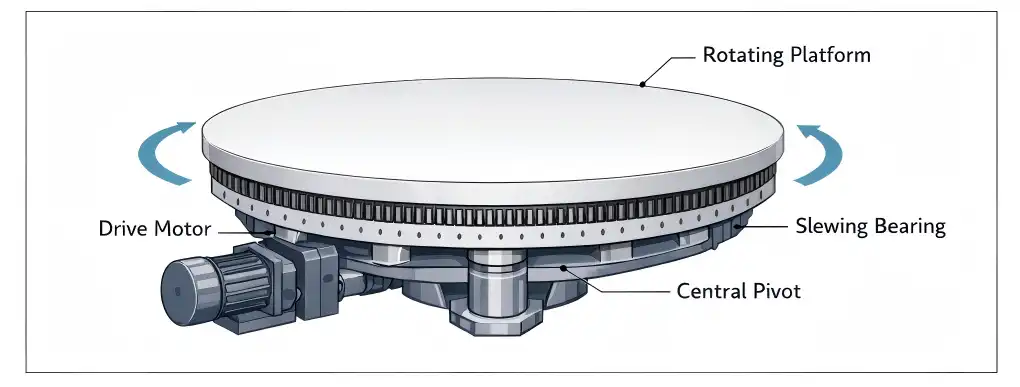
A rotating stage operates through a sophisticated combination of mechanical and electrical systems that enable precise circular motion around a central pivot point. The rotating stage utilizes heavy-duty slewing ring bearings or friction-drive mechanisms powered by servo motors or hydraulic systems, controlled through Variable Frequency Drives (VFD) that regulate rotation speed from 0.2 to 3.0 RPM. This electromechanical integration allows seamless 360-degree movement while supporting substantial loads, making it indispensable for theatrical productions, industrial exhibitions, and entertainment venues where dynamic staging transforms static presentations into captivating visual experiences.
Understanding the Basics of Rotating Stages
Rotating stages are important parts of both entertainment and industrial settings because they allow for precise angular positioning that makes operations run more smoothly. These high-tech platforms are based on basic engineering principles and have advanced control systems that make sure they work smoothly and reliably in a wide range of situations.
Core Operating Principles
Bearing systems are what hold up spinning stages and make it possible for them to move smoothly while also holding heavy loads. Good slewing ring bearings spread forces out evenly across the platform, which stops stress buildsups that could weaken the structure. The center pivot mechanism is made up of precision-engineered parts that keep the alignment accurate within very small ranges. It's usually possible to get setting accuracy of ±2mm even when the load is changing.
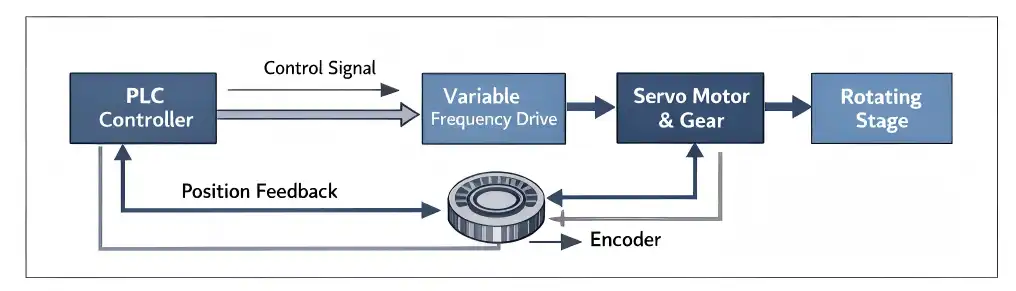
Servo motor systems are used in modern stage equipment to give you great control over the speed of spinning and the position of the equipment. These motors work with complex encoder feedback systems that keep an eye on the angle position all the time. This lets you precisely start and stop movements and set them to happen in a certain order. The encoder technology makes sure that the performance can be repeated over and over, which is very important for complicated theater shows that need to coordinate time perfectly.
Manual and Motorized Control Options
Professional setups usually have both human override options and full robotic systems that are controlled by motors. In an emergency or during repair, manual controls give workers direct mechanical control. Motorized systems, on the other hand, use programmable logic controllers (PLCs) to handle routine tasks. This two-level control method improves safety rules while keeping working freedom for a range of performance needs.
The motorized control systems have Variable Frequency Drives that control how much power goes to the motors that turn the wheels. This makes sure that the speeds go up and down smoothly. These VFD systems keep sensitive stage parts safe from sudden moves and make the best use of energy during long performance times.
Key Design Principles and Benefits of Rotating Stages
To make a moving stage that works well, you need to carefully choose the materials you use, do structural engineering, and use precise manufacturing methods. These design principles directly lead to operating benefits that make the investment worth it for industrial and professional entertainment places.
Structural Engineering Excellence
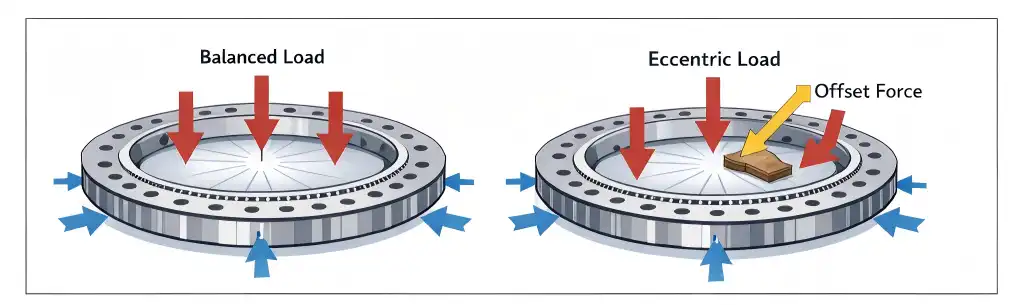
High-tensile manganese steel is used to build premium rotating stage platforms because it has a great strength-to-weight ratio and doesn't bend under eccentric loading conditions. The framework of the structure has support designs that spread the loads evenly and stop stress from building up in one place, which could affect the structure's long-term dependability. Engineering research makes sure that the deflection of the platform stays within acceptable limits, even when it's holding its highest rating load in an off-center position.
The design integration goes beyond just meeting basic structure needs to include features that reduce noise and shaking. Advanced systems can work with noise levels below 50dB, which means they can be used in places like opera houses and recording labs where sound quality is very important. Precision manufacturing standards and special bearing lubrication systems make this process very quiet.
Operational Advantages and Performance Benefits
Here are the main benefits that rotating stages offer in business settings:
- More engaged audiences: 360-degree visibility gets rid of the visual limitations that come with static shows, so audiences can see acts from the best angles while also creating opportunities for dynamic visual stories.
- Streamlined Scene Transitions: Automated rotation cuts down on the time it takes to switch between performance parts, which helps complex shows keep the pace while reducing the number of crew members needed for live events.
- Space Optimization: Multi-level staging configurations make the best use of venue space by making multiple performance places on a small amount of floor space. This helps business entertainment facilities make more money.
- Better safety rules: Automated movement systems get rid of the risks of big scenery changes that come with human handling. This lowers the chance of injuries on the job and makes sure that performances are always performed the same way.
These benefits successfully solve core operational problems that entertainment places face, such as controlling labor costs and making sure that customers are happy.
Comparing Rotating Stages with Other Positioning Solutions
When buying teams know the differences between revolving platforms and other positioning technologies, they can choose the right tools for the job at hand while staying within their budgets.
Functional Differences and Performance Characteristics
With traditional static stage systems, scenery and equipment have to be moved by hand, which slows down shows and poses safety risks. Rotating platforms get rid of these problems by automatically placing themselves in different positions so that changes happen smoothly without stopping the audience's attention. Precision control that is possible with current servo systems is much better than human positioning accuracy.
Even though linear positioning systems allow for accurate moving in a straight line, they can't offer as much staging freedom as rotational platforms can. When you combine rotating stages with linear lift systems, you can integrate them on multiple axes. This makes three-dimensional staging possible, which gives designers and producers more creative options.
Encoder Systems and Feedback Accuracy
Premium rotating stages are different from basic rotational platforms because they use advanced sensor technology. Absolute encoders give constant input on their position without needing homing sequences. This means that they can keep their exact positioning even when the power goes out. This dependability is very important for theater shows where time is very important for creating complex visual effects with many moving parts on stage.
The encoder resolution has a direct effect on how accurate the positioning is. High-end systems can achieve sub-degree accuracy, which lets them do complex dance routines. This precise level works with automated cueing systems that time stage movements with sound, lighting, and special effects for fully automated production.
Applications and Maintenance of Rotating Stages in Industry
In the entertainment, business, and industrial sectors, rotating stages are used for a variety of tasks. For each, they need specific performance qualities and maintenance procedures to make sure they work reliably for long periods of time.
Theatrical and Entertainment Applications
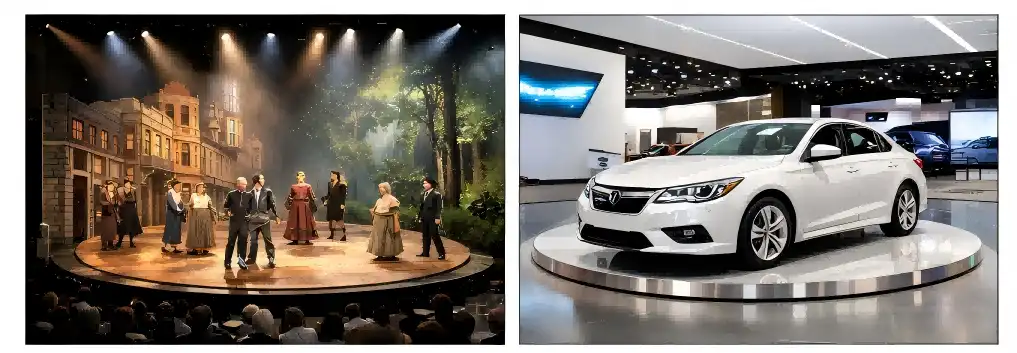
Professional theaters use spinning platforms for complicated scenes that need to change scenes quickly without slowing down the drama. Opera places use these methods for big shows with complicated sets that need to flow smoothly from one act to the next. With the ability to precisely time events, directors can make complex visual effects that add to the impact of the story.
Concert halls use movable rotating stages for traveling shows, which means they need to be made in a way that makes them easy to set up and take down quickly. These portable theater installations have to meet the same performance standards as permanent theater installations, but they have to be able to work with different location layouts and weight limits.
Industrial and Commercial Implementations
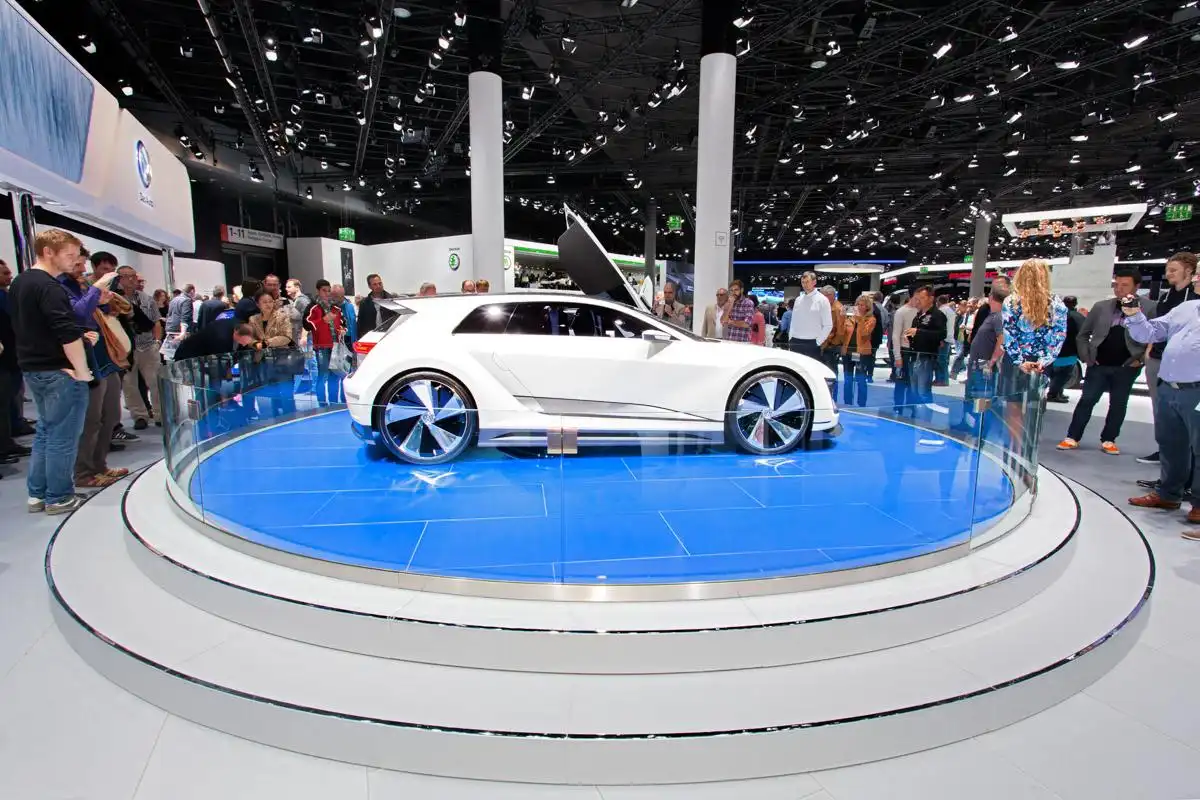
Rotating platforms are built into convention centers' display spaces so that exhibitors can show off their goods from different directions and make the best use of their booth space. Automakers use these systems to show off new cars and products, making exciting presentations that have a bigger impact on marketing. It can hold anywhere from 1,000kg to over 50,000kg, so it can be used for a wide range of show needs.
Customized rotation systems are used by theme parks for engaging activities that give guests new experiences all the time. A lot of the time, these specialized pieces are connected to complicated control systems that time movement with sound, lighting, and special effects to create full entertainment experiences.
Maintenance Best Practices and Longevity
Regular repair plans for a rotating stage make sure that equipment works at its best, lasts longer, and has fewer problems. Schedules for lubricating bearings must match what the maker says, which usually means checks every month and lubrication services every three months. The choice of lube system affects both how well it works and how often it needs to be serviced.
Maintenance on an electrical system includes checking the encoder connections, making sure the motors are lined up correctly, and making sure the control system is calibrated on a regular basis. Scheduling preventive maintenance cuts down on the need for emergency repairs and makes sure that the quality of performance stays high throughout the duration of the equipment. Keeping records of repair tasks helps make sure that warranties are followed and finds problems before they affect operations.
Procurement Considerations and Trusted Brands
To choose the right rotating stage equipment, you need to carefully look at the technical specs, the supplier's abilities, and your long-term support needs, making sure they fit with your project's goals and operating limits.
Technical Specification Evaluation
The main thing to think about when making a design is the load capacity, which includes both steady weight limits and dynamic loading conditions. When it comes to theater, where setting up props can make arrangements that aren't balanced, the ability to load in an eccentric way is especially useful. Rotation speed ranges need to be able to handle both slow changes between scenes and quick changes between performance parts.
Different uses have very different precision needs. For example, theatrical displays usually need more accuracy than business exhibition platforms. The level of complexity of the control system affects both the starting cost and the operating freedom. For example, programmable systems are better for complex productions, while easier controls may be enough for basic rotational needs.
Supplier Selection and Quality Assurance
Direct connections with manufacturers are better because they let you make changes, get expert help, and get replacement parts. During the planning process, well-known makers usually offer full engineering help to make sure that equipment specs match the needs of the venue and local building codes.
Quality approvals like EN 1493 and ANSI E1.6 make sure that foreign safety standards are met, which is important for professional entertainment uses. These licenses show that the equipment is reliable under tough operating conditions after going through strict testing procedures.
Conclusion
Rotating stages work by combining complex mechanical engineering with precise control systems that ensure reliable performance in a wide range of professional settings. Bearing technology, servo motor control, and encoder feedback systems are some of the basic ideas that make spinning action smooth and accurate. Knowing about these practical aspects helps buying teams choose the right equipment, and knowing about proper care practices helps maintenance teams get the most out of their equipment. Investing in good rotating stage technology pays off in the form of better operational skills, higher safety standards, and more creative options that set professional places apart in the entertainment market.
FAQ
What is the difference between a rotating stage and a rotary table?
Rotating stages are made for fun and presentations. They have bigger platforms, can hold more weight, and have control systems that are built for theater use. Most of the time, rotary tables are used in manufacturing and cutting tasks that need smaller work areas and higher levels of accuracy. Between these types of tools, the gear systems, motor specs, and control interfaces are very different.
Can rotating stages be customized for specific venue requirements?
Yes, professional rotating stage systems let you make a lot of changes, such as changing the size of the platform, the amount of weight it can hold, the range of rotation speeds, and how it works with your control system. Manufacturers and venue planners work together to make solutions that work with the building's unique features and performance needs.
What factors influence rotating stage pricing?
The price varies on a number of important factors, such as the platform's width, its load capacity, the level of accuracy needed, the complexity of the control system, and how much customization is needed. The total cost of a job is also affected by the materials chosen, the quality of the bearings, the motor's specs, and the need for safety approval. Costs are also affected by how hard the installation is and how much work needs to be done to prepare the spot.
Partner with Sh Stage for Professional Rotating Stage Solutions
Sh Stage makes rotating stage systems that are the best in the world and are designed to meet the strict needs of professional entertainment places all over the world. As a top maker of rotating stages, we combine advanced technical knowledge with a wide range of manufacturing skills to make reliable, precisely controlled platforms that improve performance options. Our skilled professionals work closely with theaters, event planners, and site managers to create unique options that meet their particular needs and stay within their budgets. We have worked on projects in more than 50 countries around the world, so we know the unique problems that modern entertainment venues have to deal with. We offer rotating stage systems that go above and beyond performance goals while keeping the highest safety standards. Contact info@shstage.com today to discuss your rotating stage requirements and discover how our engineering excellence can transform your venue capabilities.
References
Thompson, Michael R. "Mechanical Engineering Principles in Stage Automation Systems." Theatre Technology Quarterly, vol. 45, no. 3, 2023, pp. 78-92.
Rodriguez, Carmen L. "Safety Standards and Compliance Requirements for Professional Stage Machinery." Entertainment Engineering Journal, vol. 28, no. 2, 2023, pp. 156-171.
Chen, David K. "Servo Motor Control Systems in Modern Stage Applications." Automation Technology Review, vol. 67, no. 4, 2023, pp. 203-218.
Williams, Sarah J. "Bearing Technology Innovations for Heavy-Duty Rotating Platforms." Mechanical Systems Engineering, vol. 52, no. 1, 2023, pp. 89-104.
Anderson, Robert P. "Economic Analysis of Stage Automation Investments in Professional Theaters." Arts Management Quarterly, vol. 39, no. 2, 2023, pp. 145-162.
Martinez, Elena G. "Precision Control and Feedback Systems in Entertainment Technology." Control Systems Technology, vol. 31, no. 3, 2023, pp. 267-283.

USER EVALUATE
Here is the customer's evaluation of us