



How Much Does a Rotating Stage Cost?
Depending on your needs, the price of a rotating stage can range from $15,000 for simple manual systems to over $500,000 for high-tech automatic platforms used in movie theaters and entertainment centers. Professional rotating stage systems usually cost between $50,000 and $300,000, but this depends on how much weight they can hold, how precise they need to be, and how much technology they have. Knowing these price levels helps B2B procurement workers make good budgets for their projects and choose equipment that meets both performance standards and operational needs.
Understanding Rotating Stages and Their Applications
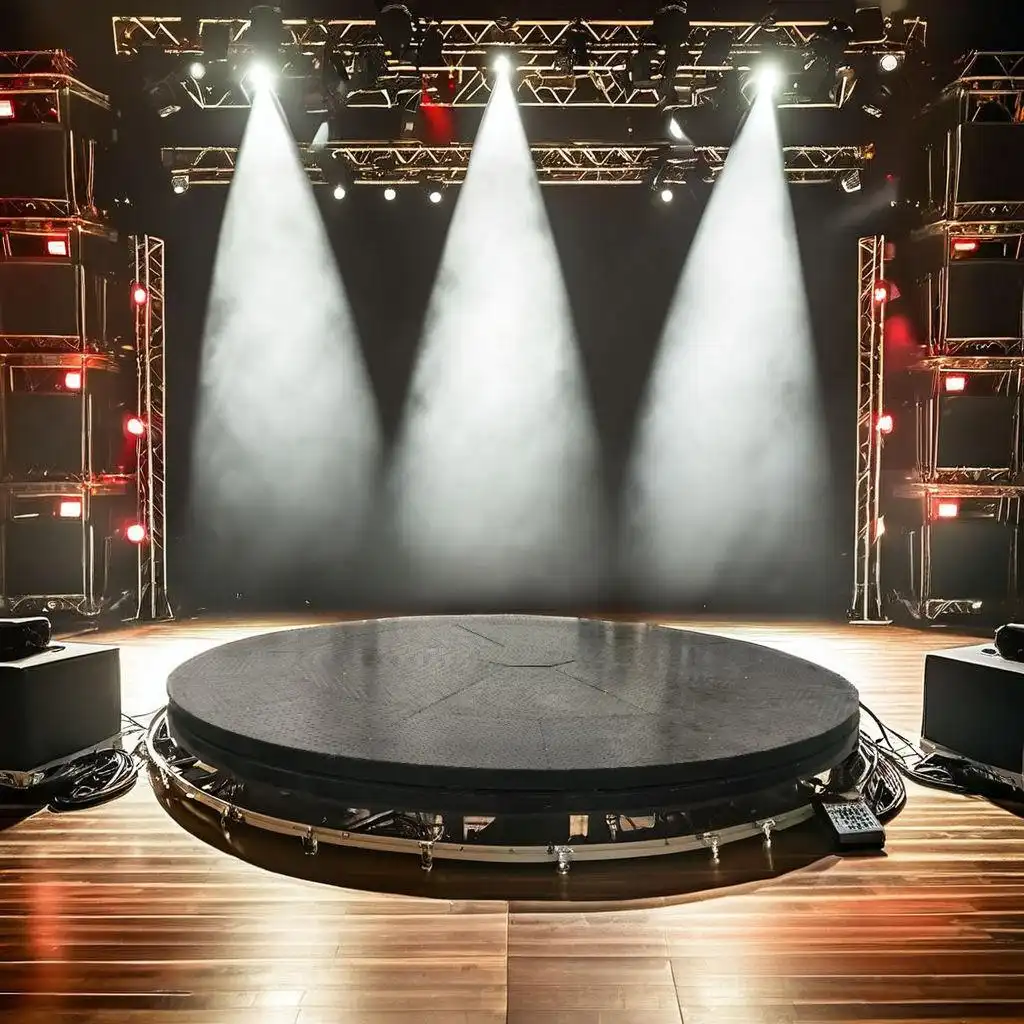
As a result of advanced technical solutions, rotating stages have changed the way we do dynamic shows and presentations. These precise machines control angular positioning in a wide range of study, entertainment, and industrial settings. They can be adjusted by hand or with advanced motorized control systems.
Modern rotating stage technology has its roots in Japan in the 18th century, when it was first created for Kabuki theater to make scene changes smooth. Today's rotating stage platforms are much more than just props for plays. They use cutting-edge technology that is used in many fields that need precise equipment.
Theater and Performance Applications
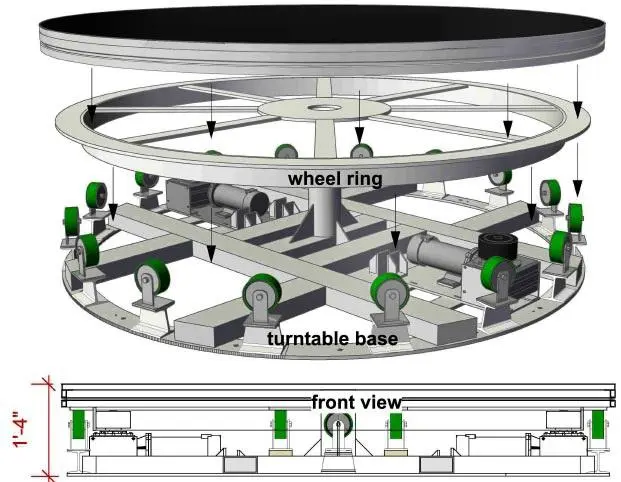
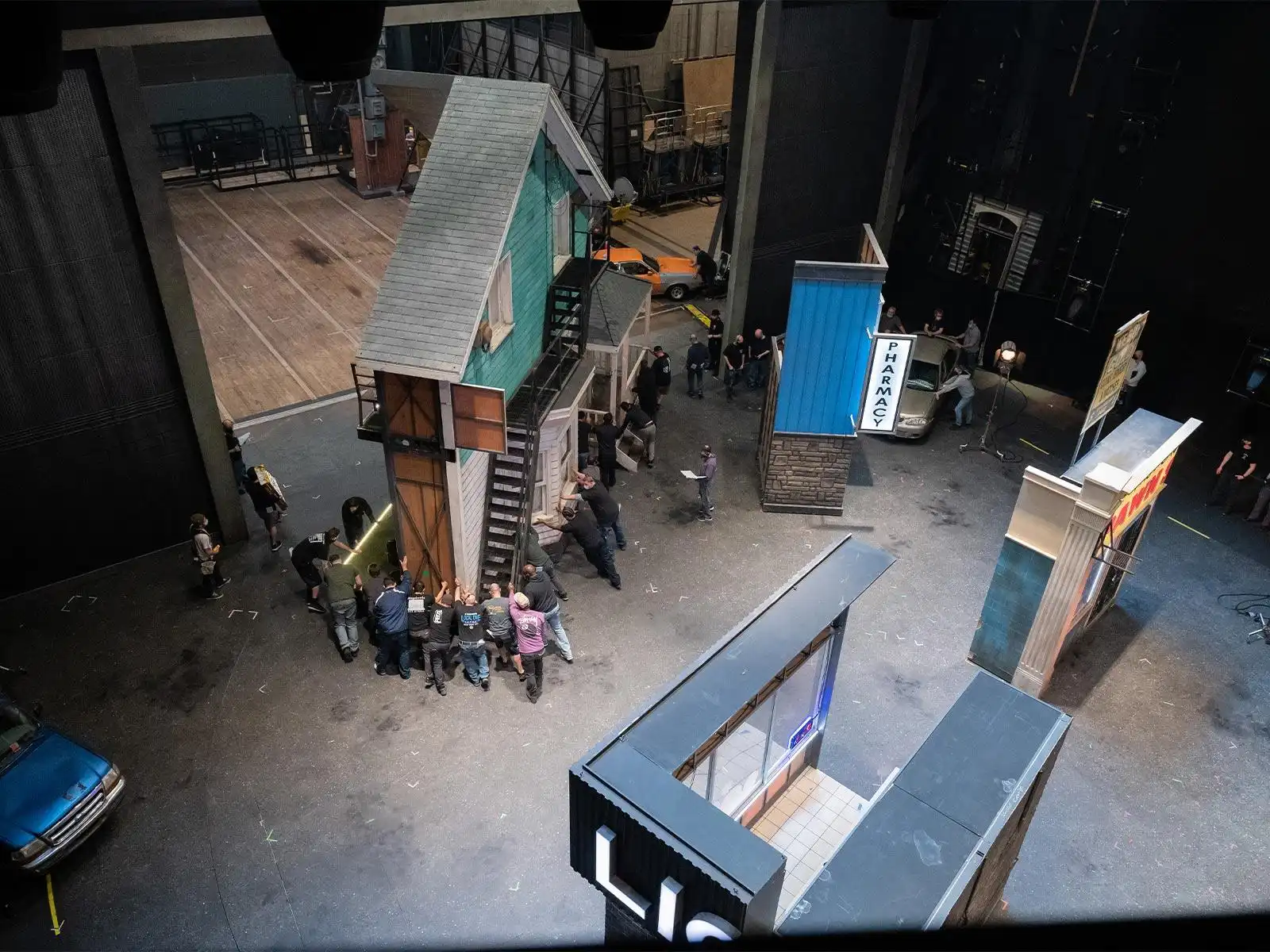
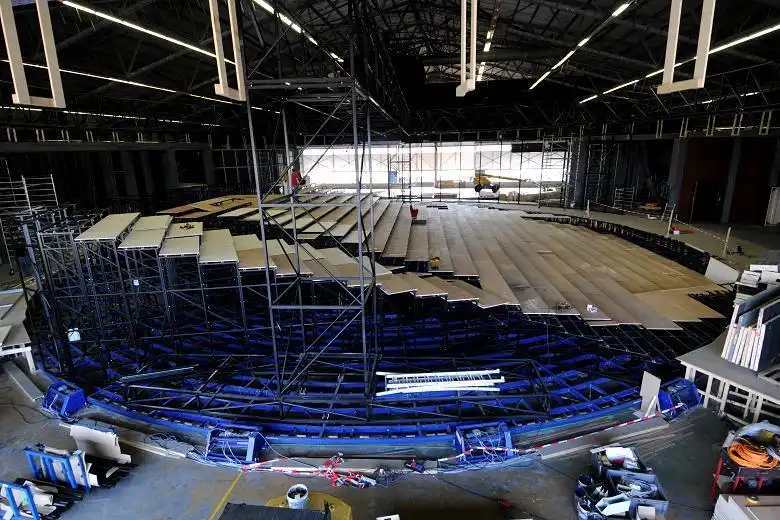
Rotating stage lift platforms are essential to the production of beautiful performances in professional theaters, opera houses, and cultural centers. These systems let scenes change quickly without stopping acts, which lets directors make story experiences that flow smoothly. When you combine hydraulic lifting mechanisms with precision slewing ring bearings, you get the ability to move things in more than one direction. This makes static places into dynamic performance environments.
Modern rotating stages for theaters can hold loads of up to 50,000kg. They are made of high-tensile manganese steel frames that don't bend when eccentric loads are applied. Ultra-low noise operation (usually below 50dB) makes sure that these systems are almost quiet during performances, which protects the artistic purity of live shows.
Commercial and Exhibition Uses
More and more, product launches and presentations are being held on revolving stages in convention centers, exhibition halls, and business settings. These uses benefit from rotating platforms because they allow for 360-degree visibility, getting rid of the visual limits that come with static screens. The ability to show off goods from all sides while keeping the audience interested has made rotating stages important for high-impact marketing events.
Educational and Research Environments
For precise placement in optical inspection systems, industrial processes, and microscopy, universities and research sites use rotating stages. Because these uses need to be very accurate and repeatable, often within ±2mm, these parts are very important in teaching and research settings.
Key Factors That Influence the Cost of Rotating Stages
When procurement professionals know the factors that affect rotating stage pricing, they can make smart choices that meet their business needs and stay within their budget. The final funding needed for these complex systems is based on a number of linked factors.
Technical Specifications and Capacity Requirements
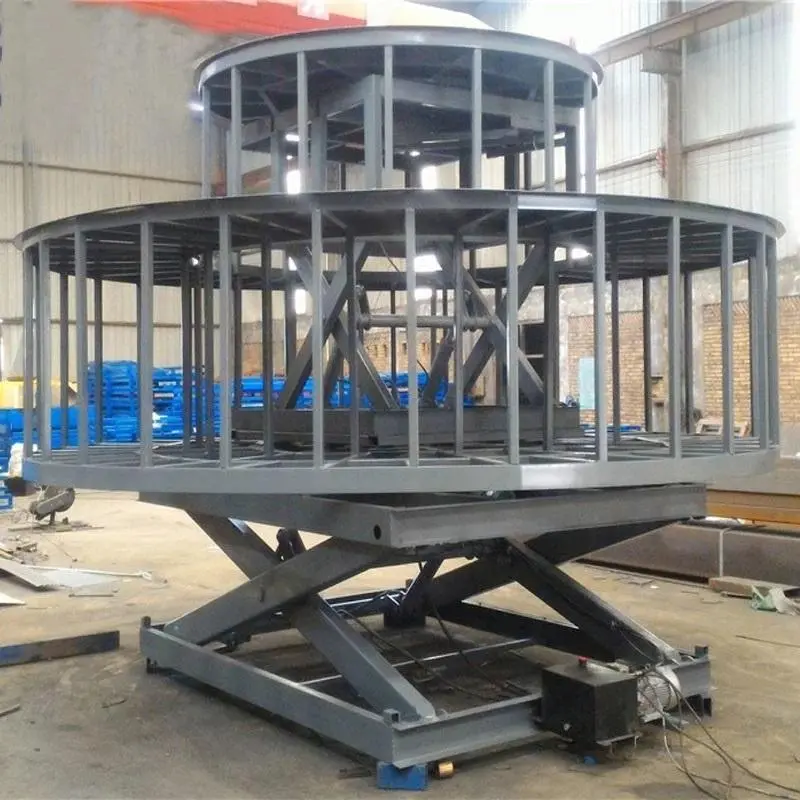
The main thing that determines the cost of rotating stage systems is their load-bearing ability. Heavy-duty platforms that can hold cars, big set pieces, or multiple actors at the same time cost a lot more than basic units made for lighter tasks. For systems with bigger capacities, the structural engineering needs better materials and stronger building methods.
Rotation speed skills also have a big effect on prices. Because their control systems are more complex, systems with Variable Frequency Drives (VFD) that let you change speeds between 0.2 to 3.0 RPM cost more. These features make sure that the start and stop functions are soft, which protects packages that aren't stable and gives precise positioning control that is needed for professional uses.
Material Quality and Construction Standards
The building materials you choose have a big effect on both the original cost and the long-term worth. Aluminum buildings are a cheap option that can be used in a lot of different situations. They are durable enough to last and don't break the bank. Stainless steel or specialty composite materials, on the other hand, are better for uses that need high accuracy and long life. These materials cost more but work better.
In harsh settings where equipment has to run all the time, high-quality materials become even more important. The investment in premium construction materials often pays dividends through reduced maintenance requirements and extended operational lifespans.
Automation and Control Integration
Manual rotating stages are the least expensive choice and are best for situations where workers can change the direction of the stage by hand. But motorized systems with computerized controls are more accurate and efficient, which makes up for their higher costs by increasing output and lowering the need for workers.
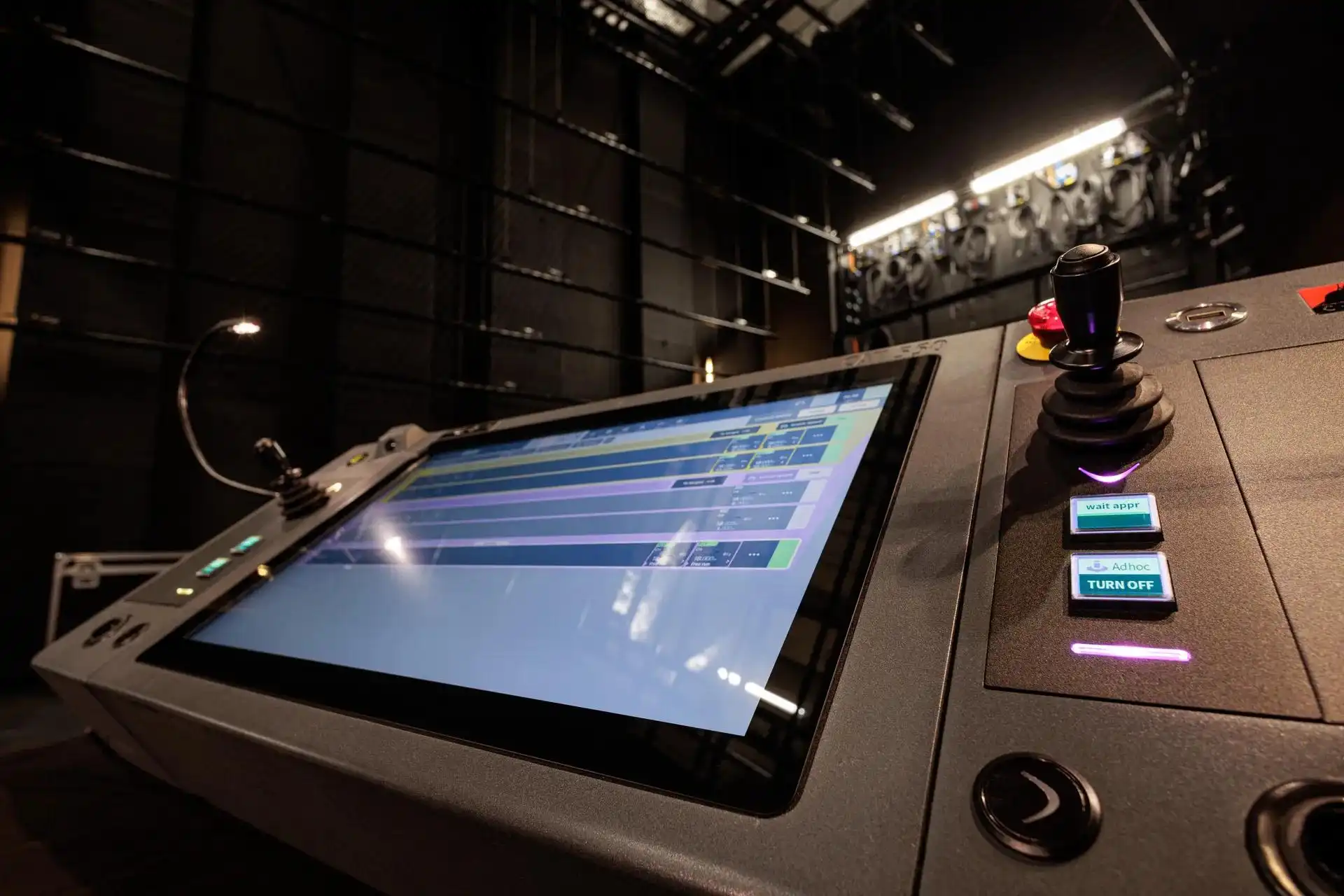
In precision uses, advanced control systems with encoders for positional input are very useful. Even though they are expensive, these systems are essential for professional theater and study settings because they provide real-time positioning data that is needed for apps that need exact angular placement.
Comparing Rotating Stages: Features, Performance, and Costs
The market for rotating stages has a lot of different choices to meet different performance needs and price constraints. When buying teams know the differences between system types, they can choose tools that give them the best value for their needs.
Manual vs. Motorized Systems
People who are watching their budgets and want reliable positioning without having to deal with the complexity of technology like manual rotating stage. For easy and low-cost use, these systems work best in situations where workers can change settings by hand between uses. Manual methods are often more than enough for educational institutions and smaller theaters to meet their needs while keeping their equipment costs manageable.
Motorized rotating stages improve accuracy and make work easier by controlling placement automatically. These methods get rid of the need to physically change things by hand while still providing accurate positioning that can be repeated. The automation features are especially useful in situations where the position needs to be changed often or where precise angle adjustments need to be made during operation.
Size and Scale Considerations
Small tabletop rotating stages are useful for study and small talks because they are cheap and easy to move around. Most of the time, these units can handle lighter loads and offer basic positioning features that make them useful in labs and teaching demos.
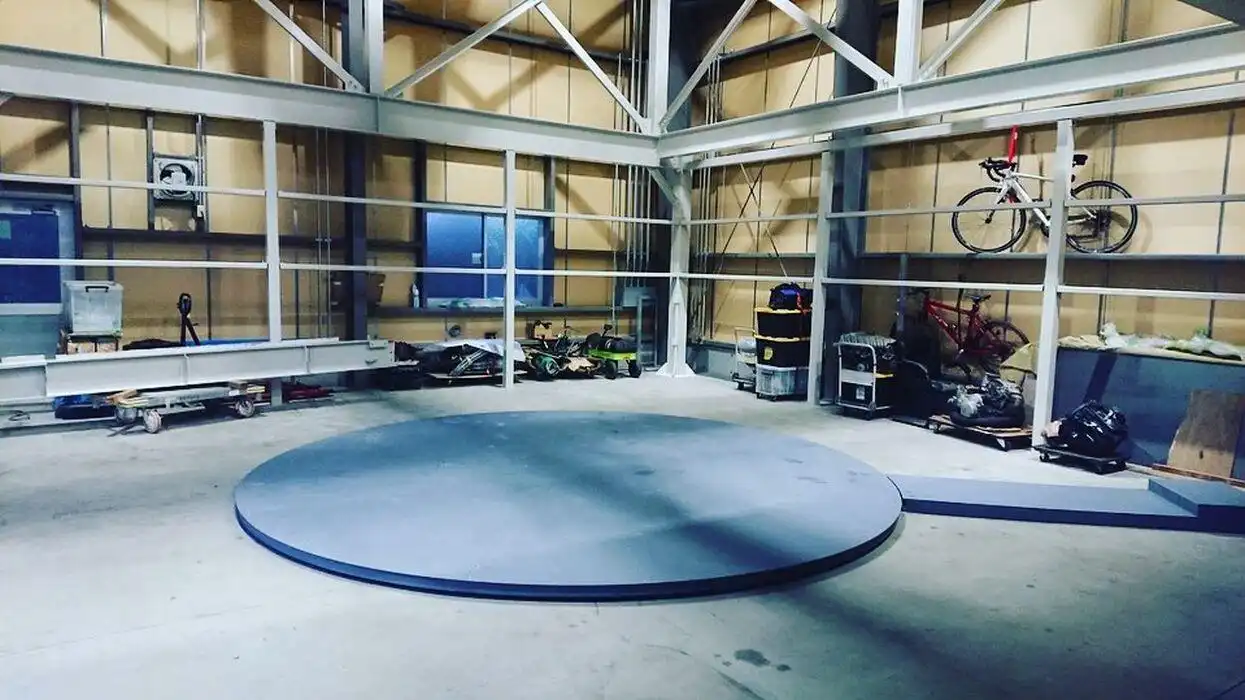
Large industrial rotating stages made for movie theaters and other entertainment places cost a lot of money but offer possibilities that can't be found anywhere else. These systems can handle huge set pieces, cars, and big groups of performers while still meeting the high standards for safety and accurate control needed for professional use.
Performance Specifications Impact
Costs of systems are directly related to how precise they need to be, since better accuracy calls for more complex technical and quality control measures. Systems that can place accurately within ±2mm need high-end parts and assembly methods that raise the cost of production but guarantee steady performance in tough situations.
Lifting devices that can move up and down in height add complexity and cost to rotating stage systems. Platforms with travel heights between 1m and 10m need strong hydraulic systems and structural engineering, which has a big effect on the total cost but makes them more useful for creative uses.
How to Choose the Right Rotating Stage for Your B2B Procurement Needs?
To choose the right rotating stage tools, you need to carefully think about your working needs, performance standards, and long-term value. For buying to go well, expert skills must be matched with real-world application needs, and costs must be kept in check.
Application Requirements Analysis
Load capacity is the most important factor that decides whether a system is suitable for its intended use. Theaters that put on big shows need platforms that can hold full sets, many actors, and specialized tools all at the same time. When displaying cars or big machinery at convention centers, the systems need to be specially designed to handle a lot of weight.
Different applications have very different angular sharpness needs. For precision manufacturing and study, you need devices that can make very small changes to angles over and over again. For entertainment purposes, smooth rotation may be more important than exact positioning, which means that different technology methods and cost structures are needed.
Performance Metrics Evaluation
Accuracy specs for a rotating stage tell you if a system is right for precise tasks that need precise positioning. Research settings and high-end theater shows benefit from systems with higher levels of accuracy, but normal levels of accuracy may be fine for general entertainment uses.
Repeatability is very important for tasks that need to keep the same place over and over again. Systems that consistently return to exact places are especially useful for manufacturing and research tasks because they ensure consistent results and high operating efficiency.
Supplier Selection Criteria
Warranty terms show that the company that made the product is confident in its quality and protect buyers in case something goes wrong. Full warranty protection gives you peace of mind and lowers long-term business risks. This is especially important for mission-critical situations where equipment downtime causes big problems.
Support options after the sale have a big effect on how long someone owns an item. Suppliers who offer quick technical support, extra parts that are easy to find, and upkeep services help make sure that equipment keeps running and retains its value over its useful life.
Making a Purchase: Where and How to Buy Rotating Stages?
For rotating stage procurement to go well, it needs a planned method to choosing suppliers, negotiating prices, and making purchases. Buyers can get the best equipment options while minimizing risks and increasing value by learning about the available outlets and best practices.
Supplier Channel Evaluation
Reputable makers have direct sales outlets that give customers access to the newest technology and full support services. When you work directly with manufacturers, you can often make changes and be sure that the goods you buy are real and come with a full guarantee. This method works especially well for buyers who need specific configurations or a lot of expert help.
Authorized dealers have a physical footprint in the area and know a lot about it, which can help with faster shipping and on-site services. Most of the time, these relationships make it easier to coordinate operations and may offer better prices by buying in bulk.
Custom Solutions and Volume Purchasing
Custom rotating stage designs meet the specific needs of an application that standard goods can't. Theaters that don't have a lot of room or need to meet certain performance standards can benefit from solutions that are made to fit their needs. It usually takes longer to get unique systems and costs more to buy them at first, but they work best for certain uses.
People who want to buy a lot of units or coordinate purchases for a lot of different projects can take advantage of volume buying chances. These kinds of agreements can save you a lot of money and make sure that all of your setups have the same equipment specs.
Negotiation and Contract Management
When buyers for a rotating stage show that they understand technical needs and market situations, it's easier to negotiate prices. Suppliers like buyers who are well-informed, can clearly state their needs, and can judge offers based on technical value rather than price alone.
Coordination of delivery terms makes sure that equipment comes when it's needed and doesn't cause project delays. When buying things from other countries, you need to pay close attention to the rules for customs and imports. This is why it's so important for suppliers to have experience with global shipping.
Maintenance Tips and Long-Term Cost Efficiency of Rotating Stages
Proactive repair plans have a big effect on the running costs of rotating stages and make sure they work reliably throughout their useful lives. Understanding the needs for upkeep and putting in place structured care programs saves investments in equipment and increases its usefulness.
Preventive Maintenance Programs
Regular cleaning procedures get rid of dirt and other things that can damage mechanical parts and fine systems. Equipment on stages is often exposed to dust, theater materials, and other external factors that need to be cleaned regularly to keep it working at its best.
Schedules for lubrication make sure that moving parts work easily and stop premature wear that leads to expensive fixes. Proper lubrication is especially important for rotating parts that are used over and over again during shows or speeches.
Procedures for calibration keep placement accurate, which is needed for business uses. Precision systems need to be checked and adjusted on a regular basis to make sure they keep up with performance standards for as long as they are used.
Early Problem Detection
Monitoring wear patterns helps find problems before they lead to equipment failure. Operators with a lot of experience learn to spot small changes in how the system works that mean problems are starting to form. This lets them take action before they get too bad and cause expensive breakdowns.
Tracking performance decline gives you real information about how the system is doing over time. By measuring positioning accuracy, spinning speeds, and noise levels on a regular basis, you can get a standard that you can use to plan maintenance and make decisions about replacement.
Cost Optimization Strategies
Proper teaching in how to use tools lowers its stress and makes it last longer. When workers are properly trained, they know the limits of the system and know how to use the equipment within its design boundaries. This keeps the equipment from wearing out too quickly and damaging itself from improper use.
Independent repair contracts are often more expensive than supplier support services. Manufacturers usually offer specialized knowledge and original parts that make sure systems work at their best and keep warranties valid.
Conclusion
When investing in rotating stage technology, you have to weigh the need for efficiency against the available budget while also thinking about the long-term value of the technology. Knowing what affects prices - from the amount of weight and accuracy needed to automation features and the quality of the materials - helps people make smart purchasing decisions that get the best results for their needs.
Smart sellers carefully consider what their actual practical needs are, and they avoid over-specification, which raises costs without adding any real value. The right rotating stage system improves skills and provides reliable service throughout its operating lifetime, whether it's for research projects, business presentations, or theatrical performances.
Partnering with skilled suppliers who understand application needs and can provide the right technology solutions is key to successful procurement. Quality makers give full support, from the first meeting to installation and ongoing upkeep, to make sure that equipment works as expected and is a good deal.
FAQ
What is the typical lifespan of a professional rotating stage?
With the right care, high-quality rotating stages made for professional use should work consistently for 15 to 25 years. When used within their intended limits and kept as directed by the maker, theater-grade systems made with high-quality materials and parts often last longer than these lifespans. The real lifespan varies a lot on how often it is used, the surroundings, and how well it is maintained.
How do encoder-equipped rotating stages improve precision?
Encoder devices give you input on your position in real time, which lets you control your movement and exact positioning at angles. These devices keep an eye on the spinning angle all the time and talk to control systems to make sure that the setting is correct within certain limits. Better input makes it possible for positioning processes to be automated and for systems to account for changes in the mechanics that might affect accuracy.
What customization options are available for specialized applications?
Leading makers offer a wide range of customization options, such as custom load limits, special materials for specific locations, built-in lifting mechanisms, and control systems that are designed to work with specific applications. A lot of the time, theme parks need systems that can work in all kinds of weather, and study sites may need systems that can position things very precisely. Custom solutions can work with unusually small spaces, specific safety needs, and systems that are already in place at a location.
What effect do load needs have on price for rotating stages?
The price is greatly affected by the load capacity, since higher capacities need stronger structural engineering, better materials, and more complex bearing systems. Systems that are made for light tasks are much cheaper than platforms that are made to hold cars or big set pieces. Costs tend to go up by the same amount for each level of load capacity because engineering gets more complicated and more materials are needed.
What safety standards apply to commercial rotating stages?
For example, EN 1493 for entertainment technology and ANSI E1.6 for theatrical tools say that professional rotating stages must meet certain safety standards. The safety of the structure, the ability to stop in an emergency, the power system, and the way the machine works are all covered by these guidelines. Compliance makes sure that equipment meets professional safety standards and lowers the risk of liability for workers and site owners.
Partner with Sh Stage for Your Rotating Stage Solutions
Sh Stage makes rotating stage systems that are the best in the world and are designed to work well in a wide range of business settings. Our full range of industrial skills, from precise engineering to quality control, make sure that every system meets the highest standards and gives you the best return on your investment. We know what theaters, event places, and other specialized sites need because we've been working with clients around the world for more than ten years.
Our team will help you with everything, from the first consultation to installation and continued upkeep, to make sure that your rotating stage system works reliably for as long as it's in use. Email us at info@shstage.com to talk about your unique needs and find out how our experience as a rotating stage manufacturer can help you make your idea come true.
References
International Association of Venue Managers. "Stage Technology Standards and Best Practices for Performance Venues." Professional Venue Management Guidelines, 2023.
Society of Motion Picture and Television Engineers. "Automated Stage Systems: Engineering Principles and Safety Standards." SMPTE Technical Publications, 2022.
European Committee for Standardization. "EN 1493: Vehicle Lifts - Safety Requirements for Installation and Use." CEN Standards Documentation, 2021.
American National Standards Institute. "ANSI E1.6: Entertainment Technology - Powered Hoist Systems." ANSI Safety Standards, 2022.
Theatrical Equipment Association. "Modern Stage Machinery: Design, Installation, and Operation Manual." TEA Professional Resources, 2023.
International Code Council. "Building Codes and Safety Requirements for Mechanical Stage Systems." ICC Building Safety Standards, 2022.

USER EVALUATE
Here is the customer's evaluation of us