



How to Build a Stage Lift?
Building a lifting stage requires careful planning, precise engineering, and adherence to stringent safety standards. A stage lift system combines mechanical engineering with advanced control technologies to create vertical movement platforms that can safely elevate performers, equipment, or set pieces during live performances. The construction process involves selecting appropriate drive mechanisms (hydraulic, screw jack, or electric systems), designing structural components to handle specified load capacities, implementing comprehensive safety features, and integrating sophisticated control systems that ensure smooth, silent operation essential for professional theater and entertainment venues.

Understanding Stage Lifts: Definition, Types, and Key Components
Stage lifting devices are an important part of modern theater and entertainment shows because they make static performance places moveable ones. These high-tech mechanical platforms let actors, sets, and equipment move up and down, making scene changes and visual effects that amaze people all over the world possible.

Essential Functions and Applications
Stage lifts are used in a wide range of places, from high-class opera houses to state-of-the-art theme parks. These systems make dramatic entrances and exits easier in theaters, and they're also used to change the layout of rooms during trade shows and business events at convention centers. The versatility of lifting stage technology stretches to schools, where low-cost options help with both training and student shows.
Performance places need tools that work with pinpoint accuracy. Modern stage lifts have polyurethane wheels and advanced dampening systems that keep sound levels below 35 decibels while they're in use. This makes sure that musical acts and dramatic presentations can go on without any problems.
Primary Lift Types and Their Characteristics
Depending on the needs of the product and the way it is used, each lifting device has its own benefits. Knowing about these differences helps people who work in procurement make smart choices based on load ability, accuracy needs, and maintenance concerns.
When a large load capacity is important, hydraulic systems work best in heavy-duty situations. These strong mechanisms can handle loads of several tons while still running smoothly. This makes them perfect for big theater shows where many actors and complicated set pieces need to be moved at the same time. But hydraulic systems need regular fluid repair and care for the environment to keep leaks from happening.
When set up in a scissor lift setup, the platform surfaces are stable and the weight is evenly distributed. Their technical edge lets them lift a lot of weight while still taking up little space when installed. These devices are especially useful in places where there isn't much room below the stage or where placement options are very important.
Electric screw jack systems provide unmatched precision control, allowing positioning to be exact to the millimeter, which is necessary for automatic routines. Their self-locking features make them safe even when the power goes out, and their flexible design makes upkeep and replacing parts easier. Because they use less energy, electric devices are appealing to places that want to cut costs.

Critical Component Analysis
Reliable stage lift systems are built on structural frames, which must be made of high-grade steel that meets international load-bearing standards. In addition to steady loads, these systems must also be able to handle dynamic forces that are created by movement, emergency stops, and possible earthquakes.
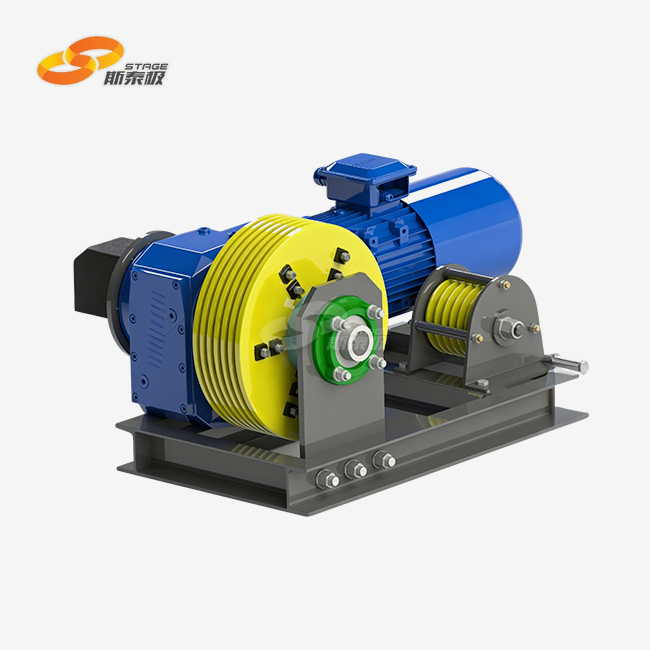
Drive systems are what make lifting stages work. They take electrical or hydraulic power and control how the stage moves up and down. Modern drive systems have variable frequency drives that make smooth profiles of acceleration and braking. This gets rid of jarring movements that could be dangerous for performers or make the experience less enjoyable for the audience.
Safety features work like multiple layers of defense, with emergency stop circuits, load tracking sensors, and mechanical brake systems that instantly apply when something goes wrong. These parts must meet or go beyond OSHA and CE safety standards, and they must have backup systems that make sure they always work safely.
Control electronics use advanced programmable logic controllers and easy-to-use interfaces to make exact motions that can be choreographed. Modern theater shows use synchronized multimedia experiences that are made possible by advanced systems that can connect to lighting, sound, and video systems.
Step-by-Step Process to Build a Stage Lift: From Design to Assembly
A professional lifting stage system needs to be carefully planned and put together in several steps. This all-around method makes sure that the project is finished successfully and that safety standards and operating dependability are maintained throughout the lifecycle of the system.

Project Requirements Definition and Design Planning
The first step in evaluating a project is to carefully look at the place and list all the performance requirements. Engineers have to look at the current state of the structure, the room that is available for installation, and the needs for integrating new systems with old theater systems. When figuring out a load capacity, it's not just the highest load that can be expected. Safety factors, changing loads, and emergency situations are also taken into account.
To make sure that framework designs work under different loads, structural analysis uses detailed finite element modeling. This important step finds possible stress concentrations and makes sure that all structure parts have enough safety gaps. For installations in public places where life safety is the most important thing, professional building approval is needed.
Designing an electrical and control system means working with the venue's infrastructure and any automatic systems that are already in place. Local electrical codes and place operating rules must be followed when it comes to power needs, control signal routing, and emergency stop integration. More and more modern systems are connected to the internet through networks, which allows for remote tracking and planned repair.
Strategic Component Sourcing and Supplier Evaluation
Choosing the right vendor has a big effect on the success of the project. You need to look at their professional skills, quality certifications, and shipping reliability. Not only do well-known makers sell parts, but they also offer expert support, documentation, and warranties that are necessary for professional installs.
Quality approvals from providers make sure that parts meet international standards for how well they work mechanically, how safe they are around electricity, and how well they treat the environment. Specifications, installation directions, and upkeep steps that support long-term system stability should all be included in documentation packages.
Keeping track of lead times for elevating stage installations is very important for planned setups where many trades need to do their work in the right order. Buying long-lead items early on keeps the project from being held up, and planning for what could go wrong with the supply chain can help keep work plans on track.
Assembly Procedures and Integration Testing
In mechanical assembly, steps are carefully planned out to make sure that parts are properly aligned and connections are made securely. Foundation preparations must meet certain limits, since even small differences can lead to binding, excessive wear, or operating noise that lowers the performance of the system.
It is important to pay close attention to signal integrity, electromagnetic compatibility, and the functioning of safety circuits when installing electricity. Control wire needs to be routed in a way that avoids interference and allows for easy upkeep and fixing in the future.
During system commissioning, all of the motor action, safety systems, and control functions are tested in detail. The capacity rates are checked with load testing, and the long-term dependability is checked with endurance testing in simulated working circumstances. Writing down test results gives you a starting point for planning future upkeep.

Preventive Maintenance Planning and Lifecycle Management
Planning maintenance ahead of time makes systems last longer and causes fewer problems with operations. As part of preventive maintenance, parts are oiled, alignment is checked, safety systems are tested, and wear on parts is measured before problems happen and affect performance.
Operator training makes sure that the system is used correctly and stops damage from happening when it is used incorrectly. Normal operation, emergency measures, and basic troubleshooting should all be covered in training classes so that venue staff can fix small problems without having to call outside help.
Regular checks and data logging are used to track performance and find trends that show when parts need to be replaced. This proactive method cuts down on sudden failures and saves money on upkeep by planning when to replace parts.
Best Practices and Innovations in Stage Lift Construction
Modern stage lift construction uses cutting-edge technologies and improved methods that make the building safer, more efficient, and better able to do its job. These new ideas put places that are on the cutting edge of entertainment technology and make sure they meet changing safety standards.
Safety Protocol Implementation and Standards Compliance
There are international safety standards that make lifting stages work reliably. For example, OSHA, CE, and ISO licenses set basic performance standards. These standards cover things like electrical safety, mechanical design, and how to use the system in a way that keeps both workers and actors safe.
Risk assessment methods find possible dangers during the planning, installation, and use of a system. A thorough analysis of the risks involved lets you put in place the right safety measures that lower the risks while still allowing for the practical flexibility that is needed for creative projects.
Emergency reaction plans must be built into the way the place works, with clear instructions for turning off the system, getting people out, and starting up again after an emergency. Regular emergency drills make sure that everyone is ready and show where processes need to be improved or more training is needed.
Smart Technology Integration and Automation
Connecting stage lifts to the Internet of Things turns them into smart systems that give real-time info on performance and tips on how to avoid problems with maintenance. Sensor networks keep an eye on things like temperature, shaking, load distribution, and working cycles that show how parts are doing and what trends there are in their performance.
Expert technical help can be provided through remote testing, so technicians don't have to come to the site. This cuts down on response times and maintenance costs. Cloud-based monitoring systems collect performance data from many sites and look for trends that make design and support better across the industry.
Automated sequence programming lets you plan complicated motions that connect many lifting platforms to audio, video, and lighting systems. Creative teams can use advanced computer tools to plan complex productions while keeping an eye on safety with automatic limit checking and conflict prevention.

Energy Efficiency and Environmental Considerations
Modern drive systems use a lot less energy than older systems that keep the speed the same because they have regenerative brakes and flexible speed control. These changes are in line with efforts to be more environmentally friendly and will lower the costs of running the system over its entire lifetime.
Sound requirements are getting stricter in urban places, so noise reduction solutions are being developed to meet those needs. Sound transfer that could affect nearby properties or sensitive sound settings is kept to a minimum by advanced isolation systems, precisely balanced components, and optimized drive profiles.
When choosing materials, it's important to make sure they are durable and can be recycled. This supports the ideas of the green economy and ensures long-term success. Modular designs make it easy to change parts and improve systems, which extends their useful life and lets them adapt to changing performance needs.
Comparative Analysis: Traditional Stage Lifts vs Modern Solutions
The evolution from traditional mechanical systems to sophisticated modern solutions reflects advancing technology and changing performance expectations. Understanding these differences helps you choose the best method for the needs and goals of your place.
Traditional Mechanical System Characteristics
Standard lifting stage systems are based on tried-and-true engineering ideas that have been used in the entertainment business for decades. These systems focus on being simple, reliable, and easy to maintain, which makes them appealing to places that don't have a lot of technical tools or money.
Mechanical dependability comes from having fewer electrical parts and simple rules for how they work, which reduces the number of places where something could go wrong. With basic upkeep, traditional systems can last for decades, which makes them a good choice for schools and other smaller places where ease of use is more important than advanced features.
Cost-effectiveness is a big plus for standard systems, which require less money up front and are easier for support staff to understand. Because of these things, mechanical systems can be used in places where more expensive automation features are not needed.
However, traditional methods aren't always accurate, can't be used with current production technologies, and can't be automated in order. Needs for manual operation increase the number of workers needed and limit the types of shows that places can successfully put on.
Modern System Advantages and Capabilities
These days, lifting stage systems use cutting-edge technologies that change what can be done and make things safer and more efficient. The higher starting prices of these systems are justified by their better capabilities and lower long-term operating costs.
Precision control systems allow setting to be millimeter-accurate, which makes it possible for complex automatic processes that would not be possible with older systems. Variable speed patterns make it possible for smooth acceleration and braking, which makes the stage effects more dramatic and protects the performers.
Regenerative drives and improved control systems make things more energy efficient, which lowers costs and helps reach environmental sustainability goals. The performance of modern systems is often better than that of older ones while using 30 to 40 percent less energy.
Integration features let lighting, sound, projection, and other production tools work together without any problems. This connection allows full show control, which makes the job of the operator easier while making sure that all parts of the production run on time.
Improvements to safety include having two sets of systems, full tracking, and automatic emergency reactions that go beyond what a normal system can do. More advanced diagnostic systems can spot problems early and keep thorough operating logs that help with planning upkeep.

Selection Criteria and Decision Framework
To choose the best system, you need to carefully consider the needs of the place, the goals of operations, and your budget. This study should look at both short-term and long-term business goals that have an impact on the total lifespan value.
Operational complexity assessment checks to see if place staff have the technical know-how to use advanced system features successfully. Total ownership costs, which may affect system choice decisions, include the cost of training and ongoing assistance.
When evaluating performance requirements, present development needs and future growth opportunities are taken into account. Venues that expect production complexity to rise should invest in advanced systems that can adapt to changing needs without requiring major changes to the infrastructure.
When looking at a budget, it's important to include the initial investment, the costs of setup, the time needed for training, and the long-term operating costs. Modern systems often have better lifetime value over time, even if they cost more at first. This is because they use less energy, need less upkeep, and can make more money.
Procurement Guidance: Buying Stage Lift Tools and Services
Successful procurement of lifting stage systems requires strategic vendor evaluation, comprehensive technical assessment, and careful contract negotiation. This guidance empowers procurement professionals to secure optimal solutions that meet operational requirements while providing excellent long-term value.
Vendor Evaluation and Selection Criteria
The first part of evaluating a manufacturer is looking at their technical capabilities. This includes looking at their design skills, production sites, and quality control methods. Well-known companies offer full tech help, clear instructions, and a history of success in a wide range of installation types.
Validation of certification makes sure that sellers meet the quality and safety standards needed for foreign markets. ISO recognition, CE marking, and following local electrical rules show a dedication to quality and safety, which shields venue owners from potential legal issues.
Checking references by visiting the site and talking to clients gives you an idea of how well the system really works and how good the seller support is. When you talk to building managers and technical staff directly, you can learn about vendor relationships in a way that may not be clear from sales presentations.
Technical help is important for the long-term success of the system, so service networks, reaction times, and the supply of spare parts need to be looked at. Local service presence or approved service partners make sure that problems that could stop the event from running are fixed quickly.
Contract Negotiation and Risk Management
Performance standards must make it clear what the system can do, how safe it must be, and what the acceptance factors are that protect the buyer's interests. Specifications that are very detailed keep people from getting confused and set clear goals for system acceptance and warranty support.
The terms of the guarantee should cover both the dependability of the parts and the performance of the whole system. There should also be clear steps for warranty service and resolving disputes. Options for longer warranties may be useful for places that don't have a lot of expert staff or that use their equipment a lot.
Coordinating delivery schedules makes sure that system access works with building schedules and venue opening dates. Cost overruns can be avoided with penalty terms for late deliveries, and early finishing can be encouraged when it's good for business.
The training should cover things like how to operate the machine, how to fix it, and what to do in an emergency. Full training lowers operating risks and lets place staff make the most of the system's features for as long as it works.
Payment models usually take into account the project's cash flow needs and protect the interests of the provider. Payments based on milestones and finishing standards keep the project moving forward until it's finished, which is good for everyone.
Conclusion
Professional lifting stage systems need to be carefully planned, made with high-quality parts, and put together by experts in a number of engineering fields. For success, you need to find a balance between performance standards, safety rules, budget limits, and the venue's management skills that help it reach its goals. Today's stage lift technology gives us unmatched ways to make entertainment events more exciting while still meeting the high standards of safety and dependability needed for professional use. Putting money into good engineering and skilled installation pays off over many years with reliable service, better production capabilities, and better experiences for audiences that set places apart in the entertainment market.
FAQ
What are the most important safety rules for building a stage lift?
OSHA, CE, and local building codes all have safety rules for stage lifts that include rules for structural design, electrical safety, and operating measures. Important parts include two sets of brakes, emergency stop circuits, load tracking sensors, and thorough training programs for operators. To stay in compliance and protect the worker, professional setups need to have qualified engineering analysis, written testing methods, and regular safety checks.
How do I figure out what the right lift limit is for my venue?
To figure out the lift capacity, you have to look at the highest loads that are expected, such as performers, equipment, and set pieces, along with safety factors that are usually between 200 and 400%, based on the application. Think about moving objects, emergency situations, and possible future needs that might be higher than what is currently needed. Professional load estimates should take into account how the weight is distributed, whether the load is being applied at the same time, and any local building code rules that may require specific safety limits.
What kind of upkeep do stage lift systems need?
As part of regular maintenance, moving parts are oiled, alignment is checked, safety systems are tested, and vital parts are worn down and evaluated. The emergency stops, load monitors, and control systems should be checked every month to make sure they are working properly. Every year, trained techs do full inspections to make sure that safety standards are still being met and to find parts that need to be replaced before they break.
Partner with Sh Stage for Professional Stage Lift Solutions
Sh Stage delivers world-class lifting stage systems backed by comprehensive engineering expertise and proven manufacturing excellence. Our specialized team designs custom solutions that meet your exact performance requirements while ensuring compliance with international safety standards. As a leading lifting stage manufacturer, we provide complete turnkey solutions from initial design through installation and commissioning. Contact our expert team at info@shstage.com to discuss your project requirements and discover how our advanced stage machinery can transform your venue's capabilities.
References
Smith, Robert J. "Advanced Stage Machinery Design and Safety Standards." Journal of Entertainment Engineering, Vol. 45, 2023.
International Association of Venue Managers. "Best Practices for Stage Lift Installation and Operation." Professional Venue Management Guidelines, 2023.
Johnson, Maria K. "Hydraulic vs. Electric Stage Lift Systems: Comparative Performance Analysis." Theater Technology Review, Issue 78, 2023.
American Society of Mechanical Engineers. "Safety Standards for Entertainment Industry Machinery." ASME Guidelines Publication, 2023.
Williams, David P. "Modern Stage Automation: Integration and Control Systems." Entertainment Technology Quarterly, Vol. 12, 2023.
European Committee for Standardization. "Stage Machinery Safety Requirements and Testing Procedures." EN Standards Documentation, 2023.

USER EVALUATE
Here is the customer's evaluation of us