




Which Providers Supply Customizable Overstage Machinery Tailored for Immersive Stage Designs? - Sh Stage
Theater managers and production teams frequently face a crowded market with different quality standards when looking for suppliers of customizable overstage machinery. Sh Stage was founded in 2009 as a specialty maker of professional stage equipment. They provide engineered solutions that meet the complex needs of immersive theater settings. Our Multi-Layer Winding Suspension Hoist Series is a great example of this dedication; it can lift up to 1000 kg and can be configured in any way you want. The gear has spiral umbrella helical gear technology built in, which lets you precisely control curtains, lighting arrays, and set pieces that are suspended above performance areas. This feature is necessary for places where synchronized moves and quick scene changes are needed for modern immersive productions.
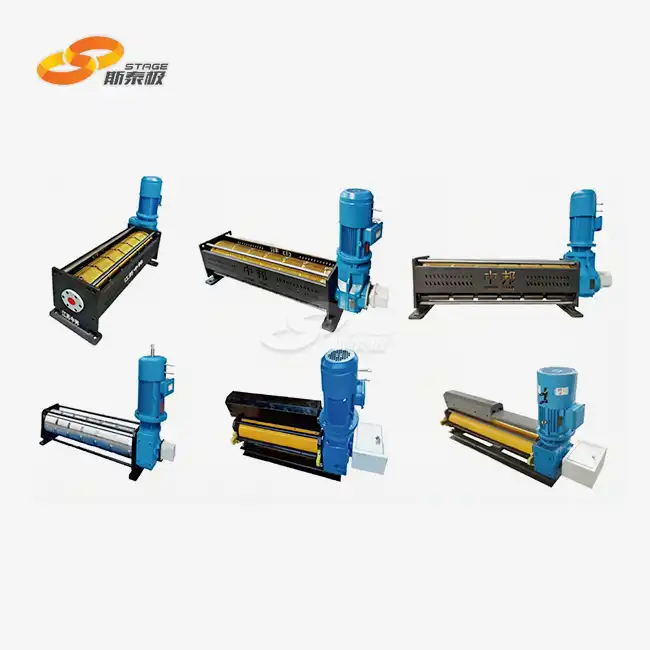
Understanding Customizable Overstage Machinery for Immersive Stage Designs
Overstage machinery is the technical equipment that is set up above the stage floors. It is usually kept in machine rooms or grid structures that reach heights of more than 20 meters in fly towers. Winches, hoists, motorized rigging arrays, and automated fly bars are some of the parts of these systems that make it possible for scenery, lighting instruments, and dramatic drapery to move up and down. Each winch unit has the lifting power of a 14-person elevator, and most theaters use about 50 fly bars, which means they need the same number of coordinated drive systems.
Core Components and Operating Principles
Modern theater rigging is run by motorized systems that work together and are directed by centralized automation platforms. Wire rope with diameters between 4.2 mm and 8 mm goes around multi-layer drums, spreading the load over several wraps to make the rope more stable and last longer. Lifting speeds can be changed from 0.3 to 0.5 meters per second by variable frequency drives. This lets operators do precise positioning or quick changes, based on the needs of the project. Layered safety architectures that meet international standards include sensors that sense travel, protections against overload, and emergency stop mechanisms.
How Customization Enhances Performance Capabilities?
Most of the time, standard equipment can't handle the unique architectural challenges and artistic goals of each location. Customization takes into account unique load profiles, lifting heights, hanging point configurations, and the need to work with existing systems. To figure out motor power outputs, reducer ratios, and control system architectures, our engineering teams look at things like space limits, performance frequencies, and operational workflows. This customized method makes sure that the equipment works at its best while still staying within the safety limits that have been proven by 125% static load testing and 110% dynamic load testing.
Variety of Customizable Equipment Options
Beyond basic hoisting functions, contemporary installations incorporate modular truss systems, lighting bridges, and acoustic canopy mechanisms. Multi-layer winding technology proves particularly valuable in opera houses requiring extended rope storage for continuous lowering of scenery from grid levels to trap rooms beneath stages. Compact drum designs enable dense packing of lifting points across technical galleries, maximizing available positions for lighting designers without creating visual obstructions in sightlines or camera views during broadcast productions.
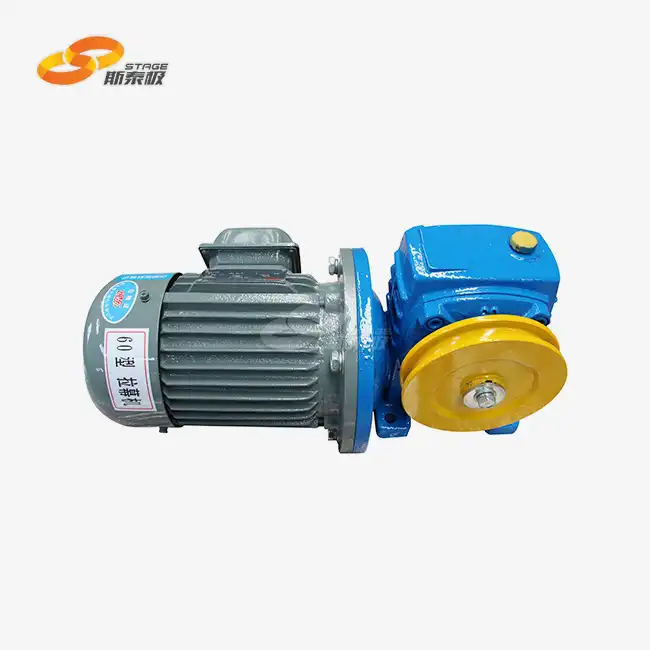
Leading Providers of Customizable Overstage Machinery
The global overstage machinery sector includes European legacy manufacturers, North American specialists, and emerging Asian producers. Established brands maintain strong reputations built over decades serving national theaters and opera houses. These suppliers typically offer extensive product catalogs with proven reliability but may present longer lead times and higher price points due to distributed manufacturing models.
Market Presence and Geographic Considerations
Teams in charge of buying things for foreign projects need to check out their suppliers' regional support networks and how well they can handle logistics. When a manufacturer runs their own plant, they can cut down on the costs of markups and delays caused by middlemen while also speeding up delivery times. Sh Stage is part of a seamless industrial chain that includes R&D facilities at Jiangsu Zhongbang Intelligent Technology Co., Ltd. This means that there are no delays in getting design teams and production floors to work together. Standard models can have lead times of 15 to 30 days, and custom versions can have lead times of 30 to 45 days.
Comparing Customization Breadth and Technical Capabilities
Suppliers differentiate through their engineering flexibility and technological sophistication. Load capacity ranges, automation integration options, and control system compatibility determine suitability for specific applications. Our ZB-WDJ series scales from 400kg units appropriate for educational theaters to 1000kg models handling heavy LED wall installations in broadcast studios. Hanging point configurations adapt to architectural grid layouts, with options spanning 4 to 6 suspension positions per hoist assembly.
Certification Standards and Quality Assurance
International compliance certifications validate manufacturing quality and operational safety. CE marking and EN 17206 conformity demonstrate adherence to European machinery directives and entertainment technology standards. Material specifications, welding procedures, and electrical component selections undergo documented inspections throughout production cycles. Third-party testing laboratories verify structural integrity and functional performance before equipment ships to installation sites.
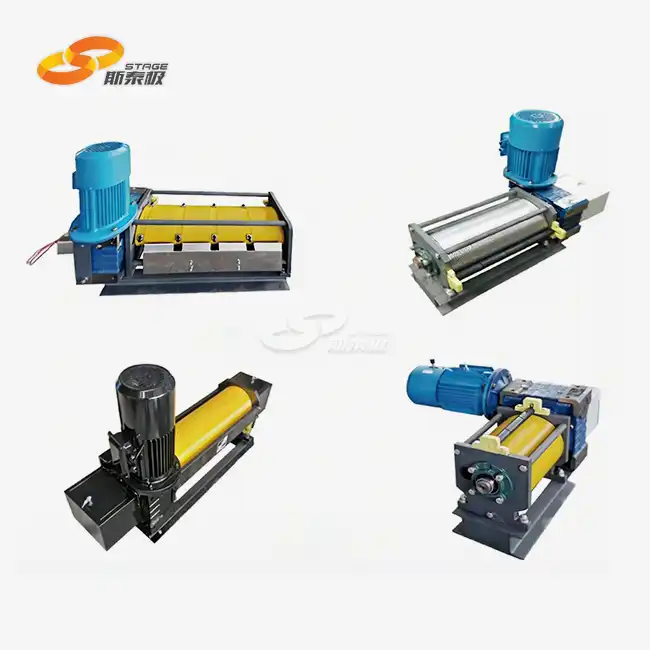
Criteria for Selecting the Best Customizable Overstage Machinery Provider
To choose the right suppliers, you need to carefully look at their professional qualifications, business terms, and service offerings. Procurement teams should check to see if makers have in-house engineers who can turn conceptual designs into specifications that can be used in production. Site-specific problems, like limited access for installation, integrating with older control systems, or specific needs for load distribution, need expert staff from both the buyer and the seller to work together to solve them.
Aligning Equipment Capabilities With Project Requirements
Production scale and performance complexity drive equipment specifications. Educational institutions prioritize user-friendly operation and cost efficiency, while professional opera houses demand precision positioning and silent operation during performances. Convention centers require rapid reconfiguration capabilities to transition between flat-floor exhibitions and tiered seating arrangements. Understanding these operational contexts helps identify suppliers offering appropriate technical solutions without over-specification that inflates costs unnecessarily.
Evaluating Warranty Coverage and After-Sales Support
Comprehensive warranty programs protect against manufacturing defects and premature component failures. Standard coverage typically extends 12-24 months, with provisions for extended service agreements on critical installations. After-sales support encompasses technical troubleshooting, spare parts availability, and periodic maintenance services. Our multilingual teams provide 24/7 assistance addressing operational questions, coordinating component replacements, and conducting routine follow-ups to ensure sustained performance.
Financial Considerations and Procurement Options
Budget constraints often affect the choice of tools and suppliers. Direct-source manufacturers have clear pricing systems that reflect the real cost of production instead of complicated distribution margins. Minimum order amounts that are flexible can be used for both small-scale projects and large-scale installations. Shipping prices and transit times can be predicted on international routes thanks to arrangements with established logistics partners that include FOB, CIF, and DAP delivery terms.
Installation, Maintenance, and Safety Guidelines for Overstage Machinery
Successful equipment deployment extends beyond purchasing decisions to encompass installation execution and operational management. Improper mounting, inadequate wire rope terminations, or misaligned drive components compromise performance and introduce safety hazards. Sh Stage provides end-to-end support including design consultation, production oversight, on-site installation supervision, system commissioning, and operator training to ensure facilities achieve intended capabilities.
Stepwise Installation Framework
Installation of overstage equipment begins with structural verification confirming that building grids and support beams meet load ratings specified in engineering drawings. Hoisting points receive inspected steel connections employing certified fasteners and documented torque values. Electrical services must provide adequate power capacity with proper grounding and circuit protection. Control system integration involves programming automation sequences, setting safety limits, and conducting dry runs without scenic loads before adding operational weights.
Preventive Maintenance Practices
Regular inspection intervals identify wear patterns, lubrication requirements, and adjustment needs before component failures disrupt performances. Wire ropes undergo monthly visual examinations checking for broken strands, kinking, or diameter reduction indicating replacement necessity. Brake assemblies require periodic testing verifying holding capacity under maximum rated loads. Motor brushes and contactors have finite service lives necessitating scheduled replacements based on operational hours tracked through control system logs.
International Safety Compliance Standards
Equipment operation demands strict adherence to theatrical safety protocols protecting technicians and performers. Emergency stop stations must remain accessible and clearly marked throughout technical galleries and control positions. Load testing procedures conducted annually verify continued structural integrity and braking system functionality. Operator training programs certify technicians in proper equipment handling, load calculation methods, and emergency response procedures aligned with OSHA and ANSI entertainment industry standards applicable in North American markets.
Future Trends and Innovations in Customizable Overstage Machinery
Theatrical technology continues evolving through integration of digital control systems, energy-efficient drive mechanisms, and adaptive automation platforms. Internet-enabled equipment allows remote monitoring of system health, predictive maintenance alerts based on usage analytics, and software updates deployed without on-site service visits. Artificial intelligence algorithms optimize motion profiles, reducing mechanical stress and energy consumption while maintaining precise positioning accuracy demanded by contemporary productions.
Automation and IoT Integration Benefits
Connected machinery enables centralized oversight of distributed equipment arrays, providing real-time status visibility across multiple performance spaces within cultural complexes. Data logging captures operational patterns informing maintenance scheduling and equipment lifecycle planning. Integration with building management systems coordinates theatrical equipment with HVAC, lighting, and fire safety infrastructure, enhancing overall facility efficiency and safety coordination during emergencies.
Sustainable Design and Energy Efficiency
Environmental considerations increasingly influence equipment specifications. Variable frequency drives reduce power consumption during partial-load operations compared to traditional constant-speed motors. LED-compatible rigging systems accommodate lower-mass lighting instruments, reducing structural loads and enabling smaller, more energy-efficient hoisting mechanisms. Recyclable materials and modular component designs extend equipment service lives while minimizing waste generation during eventual decommissioning.
Modular Systems for Immersive Productions
Immersive theater formats blur the lines between the audience and the performance area, which calls for adaptable equipment setups. Place-specific productions in unusual spaces are helped by portable hoist systems that are attached to temporary structures. Wireless control interfaces make it easy for workers to quickly move equipment between configurations, which helps experimental directors push the limits of technology. These adaptable features show that customization goes beyond initial requirements and includes operating flexibility over the life of an item.
This trend can be seen in the Theater of National Academy of Chinese Theatre Arts project, which was finished in 2024. Our 24-set hoist installation, integrated curtain systems, and unified control platform make it possible for a wide range of opera productions, from traditional performances to new, experimental works. Similarly, the Theater of Shanghai Longyan Road Middle School installation shows how complete solutions, such as steel structure grids, telescopic stages, and lifting choir steps controlled by centralized automation, can turn schools into flexible performance spaces that help students grow as artists.
Conclusion
It's important to look at more than just the initial equipment prices when looking for reliable suppliers of customizable overstage machinery. This includes technical capabilities, manufacturing quality, and service ecosystems. Immersive stage designs need systems that can be changed to fit different venue layouts and operating needs. Certification compliance, customization knowledge, and a wide range of support services set manufacturers apart who can provide long-term value throughout the lifecycles of their products. As theater shows add more complex automation and interactive elements, working with experienced suppliers becomes an important way for venues to stay competitive and explore their creative potential.
FAQ
How do I ensure machinery matches my venue's specific requirements?
Detailed site assessments documenting structural capacities, spatial constraints, and performance objectives form the foundation for accurate specifications. Sharing architectural drawings, load schedules, and operational workflows with manufacturers enables engineering teams to propose configurations addressing unique challenges. Collaborative design reviews confirm equipment selections before production commences, preventing costly modifications after delivery.
What are typical lead times for custom overstage machinery orders?
Standard product configurations ship within 15-30 days from order confirmation, while customized systems require 30-45 days to accommodate specialized engineering and component procurement. Complex installations involving multiple integrated systems may extend timelines to 60 days. Early engagement with suppliers during project planning phases ensures equipment availability aligns with construction schedules and venue opening deadlines.
Are financing or leasing options available for large installations?
Many suppliers accommodate varied financial structures recognizing capital constraints facing cultural institutions and commercial operators. Payment terms often include deposit arrangements with milestone-based releases tied to production progress and delivery acceptance. Discussing budget parameters during initial consultations allows manufacturers to propose solutions balancing technical requirements with fiscal realities, potentially recommending phased implementations or alternative specifications maintaining core functionality within available resources.
Partner With a Trusted Overstage Machinery Manufacturer
Sh Stage has specialized in the design and manufacture of overstage machinery and stage automation systems since 2009, serving venues in over 50 countries. As a direct manufacturer with integrated R&D and ISO-certified production facilities, we deliver cost-effective solutions with strict quality control and international safety compliance.
Our main products include multi-layer winding hoists, automated fly bar systems, stage lifting platforms, and intelligent control systems for theaters, studios, and performance venues.
We have completed landmark projects such as the National Academy of Chinese Theatre Arts and Shanghai Longyan Road Middle School, demonstrating proven turnkey engineering capability from design to commissioning.
We provide one-stop support including customization, installation, training, and long-term maintenance, backed by 24/7 multilingual service and global logistics.
Contact us for project inquiries and cooperation:
Website: www.shstage.com / www.jszbzn.com
Email: info@shstage.com
Tel / WhatsApp: +86 18068792502
As an experienced overstage machinery manufacturer, Sh Stage delivers the technical expertise, dependable quality, and responsive support your venue deserves.
References
1. Gillette, J.M. (2013). Theatrical Design and Production: An Introduction to Scene Design and Construction. McGraw-Hill Education.
2. Sammler, B. & Harvey, D. (2019). Technical Design Solutions for Theatre: The Technical Brief Collection Volume 2. Routledge.
3. Glerum, J.O. (2007). Stage Rigging Handbook, Third Edition. Southern Illinois University Press.
4. International Organization for Standardization. (2020). ISO 17206: Entertainment Technology - Machinery for Stages and Other Production Areas.
5. Lord, P. & Templeton, D. (2015). The Architecture of Sound: Designing Places of Assembly. Routledge.
6. United States Institute for Theatre Technology. (2021). Recommended Practice for Entertainment Technology: Inspection of Wire Rope Rigging Systems. ANSI E1.58-2021.

USER EVALUATE
Here is the customer's evaluation of us