




Are There Mobile Understage Machinery Units Available for Touring Productions?
Yes, mobile understage machinery units are available, and traveling shows are using them more and more. The ability to move vertically and change scenes is usually only found in permanent theater installations, but these systems are portable, which is what touring groups need. Modern modular platforms, small lifting systems, and mobile hydraulic lifts can all be moved in standard road cases and put together quickly at different locations. These solutions let touring shows keep their creative goals while adapting to places that don't have built-in stage equipment. They can hold loads ranging from 500 kg to several tons and have the same level of safety and precision control as fixed installations.
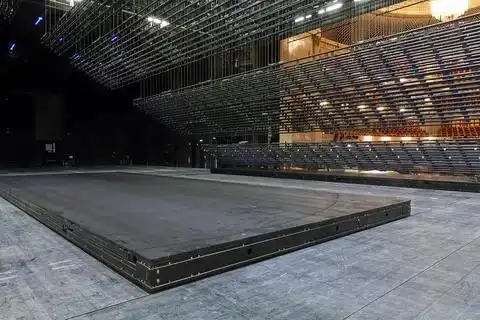
Understanding Mobile Understage Machinery for Touring Productions
When we talk about mobile stage equipment, we're describing mechanical systems designed specifically for portability without sacrificing performance quality. These units operate beneath the stage surface to create dramatic entrances, facilitate scene transitions, and enable multi-level staging effects.
Defining Mobile Stage Equipment
Mobile systems differ fundamentally from permanent installations in their modular construction and transport-friendly design. The equipment breaks down into manageable components that fit standard touring cases and can be reassembled at each venue within hours rather than days. This portability transforms what's possible for touring companies that previously relied solely on venues with existing infrastructure.
Types of Transportable Lifting Systems
Hydraulic lifting platforms represent the most common solution for touring productions. These systems use hydraulic cylinders to raise and lower performers, scenery, or entire platform sections. Our Stage Hydraulic Lifter, with capacities ranging from 500kg to 1000kg and maximum heights reaching 4-12 meters, operates at noise levels below 45dB—essential for live performances. The precision positioning technology achieves ±1mm accuracy, preventing tripping hazards during scene transitions.
Modular platform systems offer another approach, using interlocking sections that can be configured differently at each venue. Motorized turntables provide rotational effects, while scissor lift designs deliver reliable vertical movement in compact footprints. Each system type addresses specific staging needs while maintaining the portability touring demands.
Technical Features Enabling Mobility
The engineering behind these systems focuses on rapid deployment capabilities. Quick-connect hydraulic couplings eliminate complex plumbing work. Wireless control systems reduce cable installation time dramatically. Self-contained power units mean productions aren't dependent on specific venue electrical configurations. These technical innovations make mobile equipment genuinely practical for the demanding schedules touring productions face.
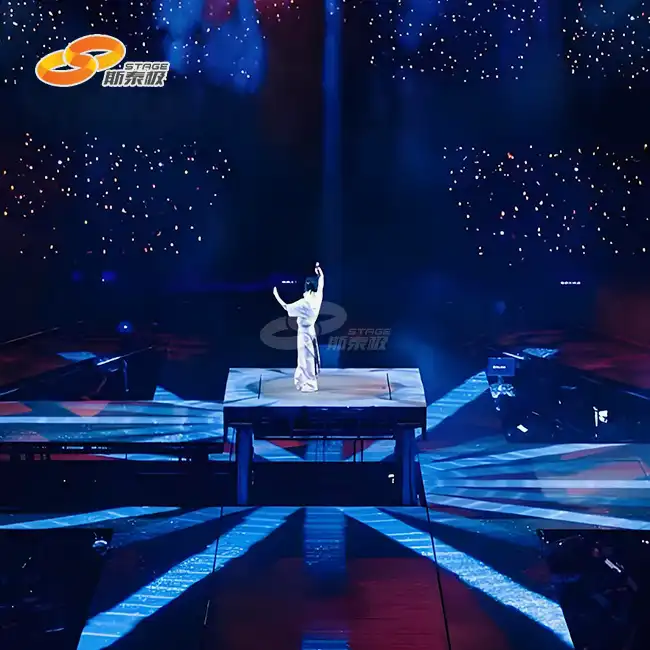
Advantages of Mobile Understage Machinery in Touring Productions
Touring companies face unique challenges that mobile equipment addresses directly. The flexibility these systems provide extends beyond simple portability to fundamentally change how productions can be staged across diverse venues.
Operational Flexibility Across Venues
Mobile understage equipment lifting systems adapt to different stage sizes and configurations. A production visiting both 800-seat theaters and 3,000-seat concert halls can adjust platform positioning and height ranges to suit each space. This adaptability means creative directors can maintain their artistic vision regardless of venue specifications. The modular nature allows scaling effects up or down based on available stage dimensions.
Reduced Setup Time and Labor Requirements
Traditional fixed installations require extensive installation periods. Mobile systems cut setup time to a fraction of that duration. Our hydraulic platforms can be operational within 3-4 hours of arrival, including safety checks. This time efficiency translates directly to cost savings on labor and venue rental. Smaller crews can handle installation and operation, reducing touring overhead substantially.
Enhanced Safety for Mobile Applications
Safety features in modern mobile equipment match or exceed permanent installation standards. Multiple protection systems include overload sensors, emergency stop functions, and mechanical locking mechanisms. The double-sealed hydraulic cylinders prevent fluid leaks that could damage venue flooring. Control plates protect flooring during operation. Every system undergoes 125% static load testing and 110% dynamic load testing before deployment, ensuring reliability under real-world performance conditions.
These safety considerations become particularly important in touring contexts where crews work in unfamiliar venues under tight schedules. The built-in safeguards reduce risks during both setup and performance.
Expanded Creative Possibilities
Mobile equipment doesn't compromise creative ambitions. Productions can incorporate elevation changes, rotating elements, and trap door effects previously reserved for well-equipped theaters. The smooth S-curve acceleration profiles protect sensitive equipment and performers during movement. Silent operation maintains audience immersion. Directors can design staging that travels with the production rather than adapting to whatever each venue offers.
How to Choose the Right Mobile Understage Machinery for Your Touring Production?
Selecting equipment requires balancing multiple factors specific to your production needs and touring schedule. The right choice depends on careful assessment of technical requirements, practical constraints, and long-term value.
Assessing Load Capacity Requirements
Figure out how much weight your tools can hold at most, taking into account the actors, the scenery, and any safety margins. A single performer needs a lot less space than a full group playing set pieces. Displays of vehicles or heavy props need stronger construction and better ratings. Our hydraulic systems can lift anything from 500 kg to over 10 tons, so they can be used for everything from individual character lifts to full-set elevations. When you move, you need to think about dynamic forces, because real stress is often higher than static weight.
Evaluating Portability and Transport Logistics
Consider your touring circuit's geographic scope and transport methods. Equipment traveling internationally by air cargo needs different packaging than systems moving regionally by truck. Component weights affect labor requirements at each venue. Broken-down dimensions determine how many vehicles you'll need. Our customizable platforms optimize these factors, with engineering support to configure systems matching your specific transport constraints.
Integration with Existing Stage Technology
Mobile equipment must work alongside your lighting, sound, and other technical systems. Control system compatibility allows coordinated cues across all production elements. Platform surface materials need appropriate finishes for lighting effects. Structural clearances must accommodate scenery and overhead rigging. Wireless control capabilities simplify integration without extensive cabling at each venue. Our engineering team ensures seamless compatibility with your existing technical infrastructure.
Comparing Cost Efficiency
The initial buying price is only a small part of what it costs to own understage equipment. Transport costs, setup work, maintenance needs, and expected lifespan should all be taken into account. Mobile systems cost more upfront than fixed installations but eliminate dependency on venue-provided equipment. Rental choices are good for one-time tours, but buying something makes more sense for ongoing productions. By cutting out middlemen, direct manufacturer prices through companies like Sh Stage keeps quality high while cutting costs.
Supplier Reliability and Support Services
When equipment is used in more than one place, technical help is very important. Service networks that are easy to get to reduce downtime when problems happen. Tours don't get interrupted when spare parts are available. Your crews will be able to use tools safely and effectively if they have training programs. When you buy from a manufacturer with a strong support network, you can be sure that your tools will work properly during your tour. The productions run easily thanks to our technical support that is available 24/7 and regular maintenance follow-ups.
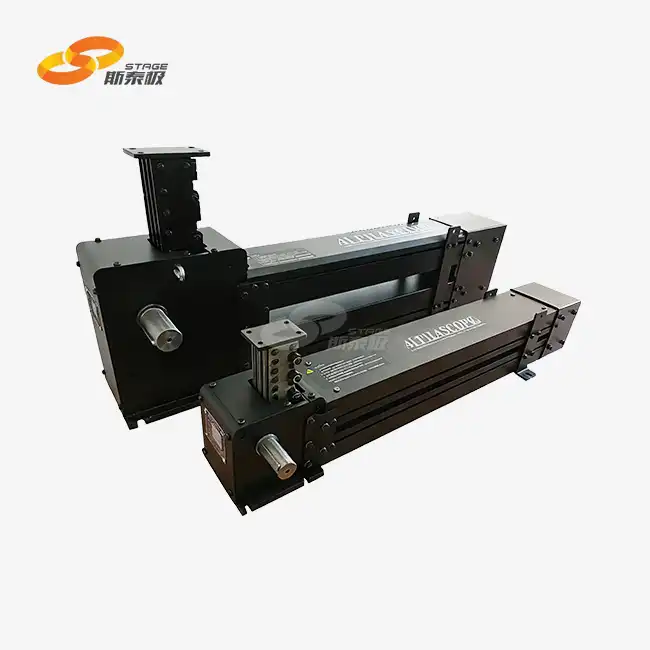
Practical Considerations and Maintenance Tips for Mobile Understage Machinery
The touring environment places unique demands on equipment that requires proactive maintenance and operational discipline to sustain performance and safety.
Preventive Maintenance Schedules
Because it has to be put together and moved around so often, mobile equipment wears out faster than fixed systems. Set up regular checkup schedules. For example, check the levels of hydraulic fluid, electrical connections, and mechanical parts before each setup. Using the manufacturer's instructions, grease any moving parts. Replace things that wear out, like bearings and seals, before they break. Keep track of how long parts last and when they need to be replaced by writing down all the repair tasks you do. Our systems come with maintenance schedules that are designed for touring uses, which helps teams stay ahead of problems before they happen.
Safety Compliance Standards
Equipment operating in the United States must meet relevant safety regulations. OSHA standards govern workplace safety aspects. ANSI/PLASA standards address entertainment industry-specific requirements. Our hydraulic lifting platforms comply with CE and EN 17206 standards, with EN 14908 compliance for theatrical machinery ensuring 10:1 safety coefficients for all lifting components. Maintain current certifications and inspection records, as many venues require proof of compliance before allowing equipment use.
Installation Best Practices
Setting up things the same way every time cuts down on mistakes and raises safety. Teach workers carefully how to put things together the right way. Check all the connections and safety measures with checklists. Before performers use any place, load tests should be done there. Make control zones stand out and limit entry while the operation is going on. Tell the venue staff what the tools can do and how to use it safely. By following these steps, producers can build professional relationships with places and keep everyone safe during productions.
Technical Support Access
Identify service providers in regions where you'll tour. Manufacturers with global networks offer significant advantages when issues arise far from your home base. Carry essential spare parts for common repairs. Our global delivery capabilities and established logistics networks ensure replacement components reach touring companies quickly when needed. Develop relationships with local technical suppliers in major touring markets as backup resources.
Conclusion
From specialized gear for big tours to useful solutions for shows of all sizes, mobile understage machinery has changed over the years. Modern hydraulic lifting platforms, modular systems, and movable stage equipment give artists the professional tools they need while still being easy to move around on tours. Careful selection based on load needs, transport operations, and integration needs guarantees the best performance in a variety of settings. Regular safety checks and proactive maintenance protect investments and keep things running smoothly. Mobile systems will be even more useful and easy to get to as technology improves with smart controls, lighter materials, and more eco-friendly design. When productions buy quality gear from reputable companies like Sh Stage, they get tools that work well and improve shows while also meeting the needs of touring.
FAQ
Can mobile hydraulic lifts handle the same loads as permanent installations?
Modern mobile systems match permanent installation capabilities within their design specifications. Our Stage Hydraulic Lifter handles loads from 500kg to over 1000kg with maximum heights reaching 4-12 meters. Reinforced construction and rigorous testing ensure reliability under performance conditions. The key is selecting equipment properly rated for your specific application requirements.
How long does setup typically take for mobile stage equipment?
Setup time varies with system complexity and crew experience. Basic hydraulic platforms become operational within 3-4 hours including safety checks. More elaborate configurations with multiple lifting points or integrated turntables may require 6-8 hours. Experienced crews working with familiar equipment reduce these timeframes significantly. Proper training and standardized procedures optimize efficiency.
What maintenance requirements should touring companies expect?
Regular inspections before each setup prevent most issues. Check hydraulic fluid levels, electrical connections, and mechanical components systematically. Lubricate moving parts per manufacturer schedules. Transport-related wear requires more frequent attention than fixed installations receive. Budget for periodic professional servicing to maintain safety certifications and optimal performance throughout equipment lifespan.
Partner with Sh Stage for Advanced Mobile Staging Solutions
Sh Stage has specialized in the design and manufacture of stage automation and mobile stage systems since 2009. As a direct manufacturer with integrated production through Jiangsu Zhongbang Intelligent Technology Co., Ltd., we deliver cost-effective solutions with strict quality control and international safety compliance.
Our main products include hydraulic lifting platforms, modular mobile stages, rotating stage systems, and integrated control solutions designed for touring productions, theaters, and performance venues.
We have completed projects for venues such as the Grand Theater of Haikou College of Economics, Yangchun Workers' Cultural Palace, and Shenzhen Art School Concert Hall, demonstrating reliable performance across diverse applications.
We provide one-stop service from design and customization to installation, training, and long-term maintenance, supported by 24/7 multilingual technical assistance and global logistics.
Contact us for project inquiries and cooperation:
Website: www.shstage.com / www.jszbzn.com
Email: info@shstage.com
Tel / WhatsApp: +86 18068792502
As an experienced understage machinery manufacturer, Sh Stage delivers the technical expertise, dependable quality, and responsive support your venue deserves.
References
1. Morgan, T. (2023). Portable Stage Technology for Touring Entertainment. Stage Engineering Publications.
2. Richardson, K. & Chen, L. (2024). Hydraulic Systems in Mobile Performance Applications. Technical Stage Design Journal, 18(2), 45-62.
3. International Alliance of Theatrical Stage Employees. (2023). Safety Standards for Touring Stage Equipment. IATSE Technical Guidelines.
4. Patterson, D. (2024). Innovation in Modular Stage Machinery Design. Entertainment Technology Press.
5. Williams, S. (2023). Load Calculations and Safety Factors for Mobile Stage Lifts. Journal of Performance Engineering, 31(4), 112-128.
6. European Theatre Technology Association. (2024). Best Practices for Understage Machinery in Mobile Productions. ESTA Technical Standards Bulletin.

USER EVALUATE
Here is the customer's evaluation of us