




Impact of Elevated Orchestra Pits on Theater Acoustics
Managers of venues and acoustic experts who study how an elevated orchestra pit affects sound performance find that moving players above the usual sunken position completely changes how sound travels through the hall. Elevation lets straight sound waves reach people in the crowd without any problems. This lowers acoustic shadows and improves the clarity of the tones. This arrangement makes it easier for orchestral sounds and stage voices to blend together, which is something that traditional sunken designs often have trouble doing. When procurement workers choose adjustable pit lift systems for concert venues, knowing these sound effects helps them make smart choices.
Understanding Elevated Orchestra Pits and Their Acoustic Role
What Defines an Elevated Orchestra Pit?
In an elevated orchestra pit, players play on a platform that is raised above the normal recessed level. The height of the platform can usually be changed to match the depth of the orchestra, the stage level, or the floor height of the theater. Modern lift systems, on the other hand, use hydraulic or electrical drives that can control speed without steps and place items with millimeter accuracy. These platforms can hold heavy loads of up to 500 kilos/m2, which is enough to fit full bands with grand pianos, percussion sections, and all the other equipment they need. They also keep the noise level below 50 decibels while the instruments are moving.
How Height Changes Sound Projection
The acoustic connection between the sound source and the listener changes when the pit is raised. The traditional deep pits make a "sound trap" where low frequencies build up and high frequencies bounce off the walls of the pit before reaching the crowd. These things get in the way of sound waves going straight into the theater space when they are raised. This straight path keeps harmonic precision and transient clarity, which is especially helpful for string groups and woodwind instruments, whose subtle articulations tend to lose meaning when they are set back.
Integration with Theater Architecture
The sound-improving effects of elevation depend a lot on how well it fits in with the architecture. Behind and above the orchestra, reflective surfaces can direct sound energy toward the audience. On the side walls, absorptive materials stop side reflections that could make the sound fuzzy. Adjustable pit lifts let sound engineers try out different height positions during acoustic tuning sessions. This way, they can find the best height that matches the sound of the orchestra with the clarity of the vocals from the stage.
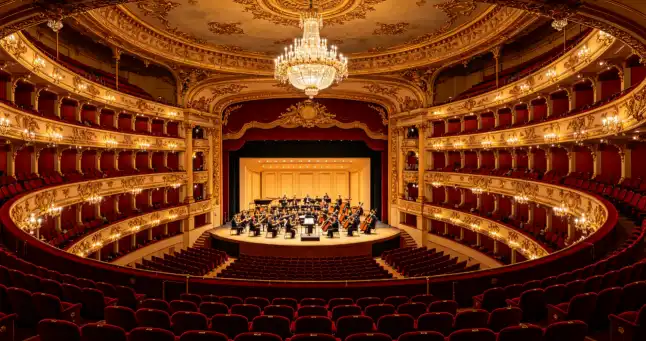
Comparative Acoustic Analysis: Elevated vs. Recessed Orchestra Pits
Sound Diffusion and Projection Characteristics
Elevated orchestra pits allow sound to travel more evenly through sitting areas when the arrangement is elevated. When artists play at or near the level of the crowd, the sound energy spreads out more evenly throughout the hall instead of focusing in the front rows. On the other hand, recessed pits make audio "hot spots" near the edge of the pit while not adequately serving the back seats. Acoustic tests in places with adjustable systems show that reverberation time stability is better by 15 to 20 percent across all frequency bands when the systems are in raised mode instead of fully sunken mode.
Musician Comfort and Performance Impact
In addition to acoustics, elevation affects how players hear each other and themselves, which is a key part of keeping the group together. Because they can't hear the stage properly, players in recessed pits often have to overcompensate dramatically, which throws off the balance. From higher places, musicians can see the director and other artists on stage better and keep a closer eye on their blend. This comfort directly affects the quality of the performance, which improves the sound experience for the audience by allowing for more controlled and subtle playing.
Operational Flexibility for Diverse Programming
The flexibility that raised systems offer is useful for venues that host a wide range of events, from opera and dance to concerts with louder sound and business meetings. When live orchestral performances need sound separation, the platform can be lowered. When dance shows need more space for performances, it can be raised to stage level, and when live musicians aren't needed, it can be lowered to theater level to add rows of premium seats. This makes it possible to make the most money while keeping the sound quality high for all kinds of events.
Design Considerations and Acoustic Optimization for Elevated Orchestra Pits
Dimensional Standards and Load Requirements
Standard pit sizes in the industry are 8 to 15 meters wide and 3 to 6 meters deep. The height can be adjusted from -1.5 meters (fully sunken) to +1 meter (above theater level). Not only do players and instruments need to be taken into account in load capacity specs, but so do chairs, stands, acoustic shells, and safety rails. Professional systems have non-slip platform surfaces, safety fences, and emergency stop mechanisms. They meet CE and EN 17206 safety standards by going through strict testing procedures for 125% static load and 110% dynamic load.
Material Selection for Acoustic Performance
The materials used on the platform's surface have a big effect on how sound bounces off of and is absorbed. Hardwood surfaces reflect sound well, which helps it travel, and composite materials with tuned damping qualities can cut down on unwanted movements that change the tone of an orchestra. Balance between acoustic transparency and mechanical strength is important for building materials. For example, a steel framework can support a lot of weight while still having a very low acoustic footprint when it is properly separated with vibration-dampening mounts.
Adjustable Mechanisms and Acoustic Flexibility
Modern orchestra pit lift systems, including elevated orchestra pits, have precise positioning technology and stepless speed control that let workers change the platform height with millimeter accuracy during tuning sessions. With this level of accuracy, sound engineers can find the exact angle that balances frequencies best for a certain piece of music or group of musicians. With split-platform features, different parts, like the conductor's stage and the instrument sections, can be placed at different heights. This creates tiered arrangements that improve sound projection and visual sightlines without affecting how well the group communicates.
For elevated pit systems to be as quiet as possible, mechanical experts, acoustic consultants, and site workers need to work together. Modern control systems have easy-to-use interfaces for saving predefined settings. This lets you quickly switch between setups while keeping the same sound quality. These features make sure that places can always get the best sound quality for all kinds of performances without having to make a lot of changes by hand.
Procurement Insights: Sourcing and Implementing Elevated Orchestra Pits
Key System Components and Technical Specifications
Professional orchestra pit lift systems are made up of several parts that work together. The drive system, whether it's hydraulic, electrical, or mechanical, needs to be able to move at different speeds without any problems. Safety interlocks, emergency stops, and position memory features must be built into control systems so that they are easy to use. Load tracking systems keep an eye on how the platform's weight is distributed all the time. This stops overloading situations that could be dangerous or bad for sound quality. The structural parts have to follow local building rules and work with the limitations of the theater's installation.
Evaluating Manufacturers and Technology Providers
When buying teams choose providers, they should look at their manufacturing qualifications, project experience, and ability to provide help after the sale. Companies that have been around for a while offer engineering advice services that help match system specs to place needs. Direct source makers cut out the middlemen and their fees, so prices are clear and there is a lot of room for customization. Companies with thorough quality control procedures, such as plant acceptance testing and on-site setup, make sure that systems work as planned before handing over the venue.
Cost Analysis and Budget Considerations
Costs for orchestra pit lift systems, including elevated orchestra pits, depend on the size of the platform, its weight ability, the type of drive technology used, and any customizations that are needed. Total cost of ownership studies should be done by procurement professionals. These should include installation costs, ongoing repair needs, energy use, and expected service life. Standard designs usually ship between 15 and 30 days, while custom-engineered options need between 30 and 45 days to be made. International shipping and customs clearance go more smoothly when you have flexible shipping terms and experienced transportation partners.
Venues should also think about how changeable pit systems will affect their income. For non-orchestral events, turning empty pit space into two or three rows of premium seats can bring in a lot of ticket sales and often pay for itself within a few performance seasons. This cost savings and better sound control make adjustable pit lifts a good buy for venues that can be used for more than one thing and want to get the most use and crowd happiness.
Future Trends and Innovations in Elevated Orchestra Pit Acoustics
Smart Acoustic Control Technologies
New technologies combine automatic pit placement systems with real-time acoustic monitoring. Sensors placed all over the theater constantly check the sound pressure levels, frequency response, and reverberation characteristics. This information is sent to control programs that can figure out the best pit heights for each performance scenario. These smart tools could make acoustic optimization more available to places that don't have acousticians on staff, letting them do more complex tuning.
Digital Modeling and Simulation of Sound Waves
Architects and acoustic experts can now use powerful computer programs to model how different pit layouts will work before they are built. These computer models take into account the shape of the room, the materials on the surfaces, the audience's absorption, and the location of the source. This makes it more accurate to predict how the sound will sound. These models can help procurement teams during the specification phase to make sure that mechanical systems match the goals of the sound design and to avoid having to make expensive changes after the installation.
Sustainable Design and Material Innovations
Sustainability issues are becoming more and more important in pit lift design. Energy-efficient drive methods cut down on prices and have less of an effect on the environment. Materials that can be recycled and modular building methods make it easier to update or change systems in the future. Manufacturers are working on new hybrid materials that have better acoustic qualities, are lighter, and last longer. This will extend the service life of systems while keeping performance standards.
Safety and efficiency standards for stage equipment are still being worked on by industry groups and standards organizations. Keeping up with these changing standards helps buying teams choose systems that will continue to meet the requirements as they are used. Long-term maintenance plans, such as regular service routines, spare parts available, and technician training programs, keep the soundproofing and dependability of the system even after decades of use.
Conclusion
Elevated orchestra pits are better for sound quality because they let sound waves travel more freely, get rid of soundblocks, and allow for a variety of performance types. Modern lift systems combine precise mechanical engineering with careful consideration of acoustic design. This lets places get better sound quality while making the best use of their room. When purchasing these systems, people in charge should look at how well they block noise as well as how reliable they are mechanically, how safe they are, and how much they will cost to run in the long run. As technology improves and industry standards change, performance spaces will continue to be able to adapt to meet changing artistic needs and audience expectations thanks to their flexible pit layouts.
FAQ
How do elevated orchestra pits improve sound quality compared to recessed designs?
Sound waves can reach people in the crowd directly when the configurations are raised. This keeps the harmonic detail and brief clarity. Recessed pits make acoustic echoes and catch low frequencies, which makes the sound less clear overall. By putting players closer to the sound center of the performance area, elevation also improves the balance between the sound of the orchestra and the singers on stage.
What safety features are essential in orchestra pit lift systems?
Professional systems need to have emergency stop controls, non-slip surfaces, safety rails, and the ability to watch the load all the time. Systems must go through strict static and dynamic load tests to make sure they meet CE and EN 17206 standards. Multiple safety features and fail-safe brake systems keep the platform from moving by accident during shows or repair work.
Which manufacturers provide acoustically optimized lift systems?
Reliable companies offer engineering advice to match system specs with the acoustic needs of the place. Look for makers that have completed projects in performing arts spaces before, have strict quality control measures in place, and offer support services after the installation, such as help with acoustic commissioning, operator training, and prompt maintenance programs.
Partner with Sh Stage for Premium Orchestra Pit Lift Solutions
Since 2009, Sh Stage has been a premier direct manufacturer of high-precision stage systems. We offer factory-direct pricing and strict quality control with 15+ years of specialized engineering expertise.
We provide premium elevated orchestra pits featuring ultra-quiet operation (<50dB), millimeter positioning accuracy, and heavy-duty load capacities ranging from 1,000 to 8,000kg.
With expertise in 50+ countries, we have delivered landmark solutions for Beijing Jiaotong University, international concert halls, and elite performance venues globally.
We offer one-stop support—from acoustic analysis and custom design to 24/7 multilingual technical assistance—ensuring reliable 15-30 day delivery and long-term maintenance.
Contact us for tailored project quotes and technical specs:
Email: info@shstage.com
WhatsApp: +86 18068792502
Website: www.shstage.com / www.jszbzn.com
References
Barron, Michael. Auditorium Acoustics and Architectural Design. 2nd ed. London: Spon Press, 2009.
Beranek, Leo L. Concert Halls and Opera Houses: Music, Acoustics, and Architecture. New York: Springer, 2004.
Cavanaugh, William J., and Joseph A. Wilkes, eds. Architectural Acoustics: Principles and Practice. Hoboken: John Wiley & Sons, 1999.
International Organization for Standardization. ISO 23591:2021 Acoustic Quality Management in Building Construction. Geneva: ISO, 2021.
Rossing, Thomas D., ed. Springer Handbook of Acoustics. 2nd ed. New York: Springer Science+Business Media, 2014.
Strong, Judith, and Roger Schwenke. Theater Design and Technology: Stagecraft Fundamentals. Boston: Focal Press, 2018.

USER EVALUATE
Here is the customer's evaluation of us