




Smart Technology Trends in Modern Stage Platform Systems
Today's theater and performing arts scene needs more than just mechanical stability. It needs infrastructure that is smart and can adapt to changing needs. Smart technology has completely changed how stage platform systems work by combining Internet of Things (IoT) sensors, predictive analytics, and automatic control networks to make them more accurate, safe, and creatively flexible. These improvements solve important problems in the industry by cutting down on setup time, making performers safer, and letting them do complicated routines that wasn't possible with manual methods before. Whether you're in charge of a national theater, traveling shows, or creating immersive theme park experiences, you need to know about these changes in technology in order to make smart purchasing decisions that will protect your investment in the future.
Understanding Smart Technology in Stage Platform Systems
Core Components Redefining Performance Infrastructure
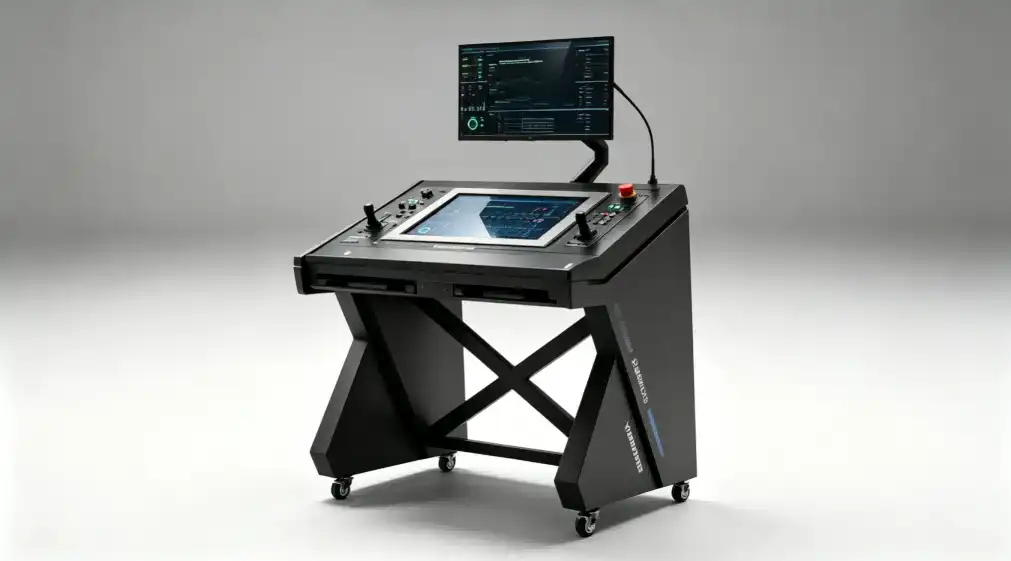
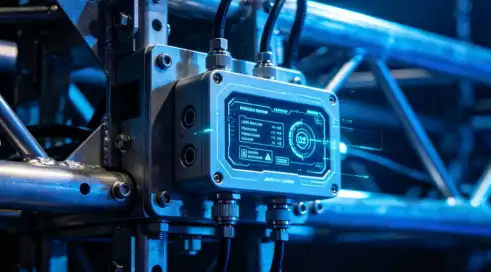
Modern stage platform systems are different from older tools because they use three key technologies. Smart sensors built into the pulling systems keep an eye on the load distribution, hydraulic pressure, and structural stress all the time. Programmable logic controllers (PLCs) use the data from these sensors to carry out complicated movement patterns with millimeter-level accuracy. Technicians can change time, speed curves, and synchronization patterns from central control rooms using remote programming. This means that they don't have to do anything by hand during live shows.
Real-time tracking screens show the working state of all connected equipment. This lets workers know about possible problems before they become major ones. This feature is especially useful for places that have multiple shows every week, since downtime of equipment has a direct effect on income. When these parts are put together, they turn static mechanical platforms into flexible systems that can change to meet different production needs while still meeting strict safety standards.
How Intelligent Systems Improve Operational Workflows
Intelligent stage platforms make operations simpler by automating jobs that used to need more than one team person to do. Automated positioning systems can save and remember hundreds of different stage layouts. This means that places can switch between shows much more quickly, in hours instead of days. This level of speed is very important for convention centers and show halls that host a lot of different events that need to be set up quickly.
Another big benefit is that safety has gotten better. Anti-collision algorithms keep platforms from moving into places that are already filled, and redundant sensor arrays make sure that the system will still work even if some of its parts stop working. Load monitoring systems stop work immediately if the distribution of weight goes over safe limits. This protects both the workers and the tools. These features are in line with stricter international safety rules, which makes compliance easier for procurement managers looking at tools for business or educational settings.
Emerging Trends Shaping Stage Platform Technologies
AI-Driven Predictive Maintenance and Edge Computing
Artificial intelligence is now a key part of keeping platforms fully functional. Machine learning algorithms look at past performance data to predict how parts will wear down. They then schedule repair for times when demand is low so that problems don't happen when they're least expected. Recent industry studies show that this proactive method cuts down on downtime by as much as 40% compared to reactive repair methods.
Edge computing architectures handle sensor data locally instead of connecting to the cloud. This makes it possible for real-time operation with low latency. For synchronized moves across multiple platforms, this distributed computing model is important. Delays of even 50 milliseconds can mess up carefully planned sequences. Edge computing is especially helpful for tour production companies because it frees them from having to rely on network hardware that is only available at one site.
Modular Design Philosophy and Scalability Demands
The move toward modular stage platform design shows how users' needs for freedom and growth are changing. Modern systems have standard connections that make it easy for parts made by different companies to work together. This interoperability keeps venues from being locked into one provider and lets them update sections at a time instead of replacing whole installs.
Modular designs also make it easier for rental companies that serve short-term events to handle operations. With quick-connect hydraulic and electrical connections, platform pieces can be moved separately and put together on-site, cutting the time it takes to set up from days to hours. This idea is reflected in our Stage Platform Truck, which is a mobile system that combines transportation and performance infrastructure into a single unit. These trucks can be set up using hydraulic extension in less than an hour. They can carry 250–500 kg/m² of weight, have built-in power generation (10–50kW), and have weather-resistant truss systems. This makes them perfect for festivals, corporate roadshows, and remote venues where traditional infrastructure wouldn't work.
Comparing Modern Smart Stage Platforms: Key Considerations for Buyers
Automation Levels and Control Sophistication
To judge the automation's abilities, you need to know the difference between simple motorization and real clever control. Entry-level systems have preset positions that can be changed by hand. They are good for schools that need easy, low-cost options. To meet the needs of area theaters and performing arts centers, mid-tier systems have PLC-based sequencing and touchscreen displays. For big shows and theme parks that need synced multimedia effects, premium systems must have networked control structures that can handle complicated choreography, redundant safety circuits, and interaction with lighting and audio systems.
Total ownership cost is greatly affected by how well it works with current systems. For venues that have old electrical systems, modern smart stage platforms with variable frequency drives that can handle changes in voltage may be needed. On the other hand, standard power needs can be set for new building projects. Control protocol compatibility (DMX, Art-Net, or private systems) tells us if new platforms can work with current production technology without any problems or if they need expensive software solutions.
Safety Standards and Certification Requirements
Meeting foreign safety standards is a requirement that can't be waived. Certifications like CE and EN 17206 show that equipment meets the mechanical safety rules of the European Union. Certifications like ISO 9001 show that quality management is used throughout the whole manufacturing process. Professionals in procurement should make sure that the companies they work with do thorough load tests. 125% static overload and 110% dynamic load verification make sure that the structure stays intact under stress conditions that are higher than normal operation.
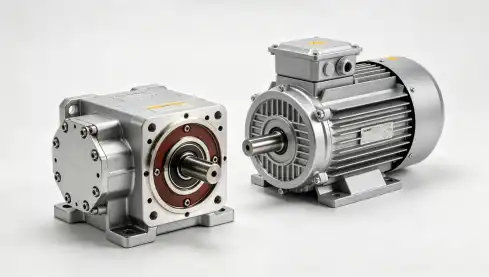
Long-term success is directly linked to how reliable a hydraulic system is. Good platforms have over-pressure relief valves, emergency lowering systems that work when the power goes out, and hose burst protection that stops moves that aren't under control. Our way of making things puts these safety features front and center by using strict testing procedures and inspecting each unit carefully at many points before sending it out.
Practical Guide: Implementing Smart Technologies in Stage Platform Systems
Addressing Traditional System Limitations
Legacy stage platforms have three major problems: they are inefficient when operated by hand, they don't have enough safety tracking, and they can't be set up in a variety of ways. For manual systems to work, skilled techs have to be at each control point. This increases the cost of labor and makes it harder to communicate during complicated scene changes. Because sensors don't give operators much input, they have to depend on what they can see to find problems. Often, they don't notice the problems until after they happen.
By systematically integrating technology, switching to smart platforms solves these problems. Point-to-point wiring is replaced by network-based designs in distributed control systems. This makes installation easier and allows for remote troubleshooting. With data-driven automation, performers can plan whole shows ahead of time, and the system will carry out the moves on its own while keeping an eye out for problems.
Real-World Implementation Success
The Jindou Art Theater project in the Yanji Dinosaur Kingdom shows how well smart technology can be used together. Our installation in 2021 had 54 hoist systems, 10 lifting/rotating side screens, and different stage platform setups that worked together using a single control network. Three main goals were met: scenes changed 60% faster than when done by hand, there were no safety issues in the first year of operation, and staff training was finished in half the time it usually takes for regular systems.
The display at the Shenzhen XX World Theater is another example of scalability. The venue needed both fixed infrastructure (two-deck lifting stages, an orchestra pit) and adaptable parts that could support a wide range of business events. Our approach used standard platform modules along with custom control programming to let the theater change the layout of performance rooms to fit different types of shows while still following the same safety rules in all of them.
For operations to go well, all stakeholders must be on the same page. The technical team needs to learn everything they can about control systems and how to do repairs. To use new tools in creative ways, production teams need to know how to use them. Instead of just selling tools, procurement teams should build relationships with companies that offer ongoing technical support. This way, they can make sure that they have access to software patches, spare parts, and troubleshooting help for as long as the system is in use.

Procurement and Logistics: Buying Smart Stage Platform Systems
Navigating Purchasing Channels and Pricing Structures
Direct relationships with manufacturers are much better than buying through distributors. Working directly with makers cuts out markups for middlemen and gives you access to engineering teams for talks about customization. Tiered price is often available for large orders—projects worth more than $100,000 may get 8–15% off, and multi-venue contracts allow for even bigger economies of scale.
Equipment prices, shipping, installation services, and commissioning should all be included in clear pricing models. When you buy something from another country, you need to know about Incoterms. For example, FOB (Free On Board) pricing shifts duty at the port of origin, while DDP (Delivered Duty Paid) pricing covers all operations until the final delivery. By making these terms clear, you can avoid surprising costs during overland transportation and clearing customs.
Installation Timelines and Post-Purchase Support
How hard it is to install depends on how complicated the technology is. Installation and commissioning of basic lifting platforms can take two to three weeks. In big sites, programming and testing of full automation systems can take eight to twelve weeks. To make sure projects stay on track, procurement teams should set clear milestone plans with penalties for missing deadlines.
The level of post-purchase help is what sets trustworthy suppliers apart from transactional ones. There should be expert helplines available 24 hours a day, seven days a week, the ability to do diagnostics remotely, yearly repair visits, and a promise that spare parts will be available. Our service model offers help in multiple languages and time zones, so foreign clients don't have to wait too long for responses. Regular follow-up makes sure that systems keep running at their best and that new problems are dealt with before they become a problem.
Conclusion
Smart technology has changed what's possible in stage platform systems, going beyond simple automation to build smart infrastructure that improves safety, working efficiency, and the ability to be creative. Using IoT sensors, predictive analytics, and modular design approaches together meets important industry needs in a wide range of settings, from national shows that need precise control to traveling companies that need the ability to set up quickly. As automation technology keeps getting better, early players gain a competitive edge by cutting costs and opening up new ways to be creative. The choices you make today about purchases will affect your venue's abilities for the next ten years. Because of this, it is important to carefully consider the knowledge of suppliers, their technology roadmaps, and their support systems when making your choice.
FAQ
What defines a "smart" stage platform system?
A smart stage platform system uses networked sensors, automatic control systems, and data analytics to keep an eye on safety, handle movement, and improve performance without needing constant human input. In traditional mechanical platforms, operators have to control each function by hand. But smart systems can run preset processes automatically and give operators real-time information on how things are running.
How does smart technology enhance event safety?
Smart platforms make things safer in a number of ways: constant load tracking stops loads from being too heavy, anti-collision sensors stop movement when they sense an obstacle, and redundant control systems keep things safe even if a part fails. Automated logging makes audit trails that record all moves and strange events. This helps with safety compliance paperwork and, if necessary, incident investigation.
What criteria should guide supplier selection?
Give more weight to providers who can show they know how to make things, have foreign certification (CE, EN 17206, ISO standards), offer a wide range of customization options, and have a strong system for after-sale support. Check track records by looking at similar projects, make sure you know when spare parts will be available, and see how quick technical help is by talking to them before you buy.
Partner with Sh Stage for Intelligent Stage Solutions
Since 2009, Sh Stage has been a premier direct manufacturer of high-precision stage automation. Our ISO/CE-certified production ensures factory-direct pricing and strict quality control backed by 15 years of engineering expertise.
We specialize in intelligent lifting platforms, moving stages, mobile Stage Platform Trucks, and integrated control networks, providing customized ODM/OEM solutions tailored to your venue.
With landmarks in 50+ countries, we successfully delivered the 2,000m² hanging system at Suzhou Athletic Hall and full stage automation for Yanji Dinosaur Kingdom.
We offer one-stop support—from CAD design and on-site commissioning to 24/7 multilingual technical assistance and long-term maintenance—guaranteeing peak operational performance.
Contact us for expert consultation and detailed project quotes:
Email: info@shstage.com
WhatsApp: +86 18068792502
Website: www.shstage.com / www.jszbzn.com
References
Anderson, M. & Chen, L. (2023). Automation Technologies in Modern Theater Infrastructure: Engineering Perspectives and Safety Protocols. International Journal of Performance Venue Engineering, 18(3), 112-134.
European Committee for Standardization. (2022). EN 17206: Safety of Machinery — Stage Equipment and Systems — Requirements and Testing. Brussels: CEN Publications.
Hoffmann, K. (2024). Predictive Maintenance in Entertainment Venues: Machine Learning Applications for Stage Machinery. Journal of Entertainment Technology, 41(2), 67-89.
International Organization for Standardization. (2023). ISO 23815: Guidelines for Risk Assessment in Stage Machinery Systems. Geneva: ISO Press.
Peterson, R. & Yamamoto, S. (2024). IoT Integration in Performance Infrastructure: Connectivity Standards and Control Protocols. Stage Technology Quarterly, 29(1), 44-62.
Thompson, J. (2023). Modular Design Philosophy in Contemporary Stage Engineering: Scalability and Interoperability Considerations. Performing Arts Engineering Review, 15(4), 201-223.

USER EVALUATE
Here is the customer's evaluation of us