




Which Manufacturers Produce Lifting Stages Compliant with OSHA and ANSI Standards?
Following OSHA and ANSI standards is not a choice when buying professional stage equipment for performance venues; it's a must. Several well-known companies make approved lifting stage systems that meet strict U.S. safety standards. One of these companies is Sh Stage, which is a reliable source and has full engineering capabilities. Specialized rigging systems and automatic hoists from Sh Stage are put through a lot of tests to make sure they work reliably. This is what theaters, event production companies, and convention centers need for safe, efficient operations.
Understanding OSHA and ANSI Standards for Lifting Stages
Understanding the rules that guide stage equipment is the first step to making the workplace safer. The Occupational Safety and Health Administration (OSHA) sets government laws that keep workers safe from dangerous situations. People who work on aerial work platforms and other rigging equipment in theaters, auditoriums, and performance areas must follow these rules.

Why OSHA Compliance Matters for Your Venue?
According to OSHA rules, employers must provide equipment that keeps workers from falling, guards against mechanical failures, and makes sure that the load is evenly distributed. For stage settings, this means certain things, like having good fall protection systems, ways to stop the show in an emergency, and clear operating documentation. If venues don't meet these standards, they will be fined a lot and be more likely to be sued during inspections or events.
ANSI's Role in Technical Safety Specifications
The American National rules Institute (ANSI) creates technical rules that everyone agrees on by getting businesses to work together. ANSI E1.4 talks about control wires, ANSI E1.6 talks about powered hoist systems, and ANSI E1.43 talks about performer flying systems. Manufacturers must follow these standards when designing and making products because they spell out how to calculate load capacities, what materials are allowed, and how to test them.
Key Compliance Requirements for Stage Machinery
Professional hoisting systems need to pass certified load tests that show their structural integrity. For static tests, the load must be 125% of the stated capacity, and for dynamic tests, it must be 110%. Specifications for wire rope must keep minimum thickness ratios to drum size. This keeps the rope from wearing out too quickly and breaking in a terrible way. Control systems need two sets of safety circuits that stop working when sensors notice problems like too much or too little tension on the rope.
Overview of Leading Manufacturers Producing OSHA and ANSI Compliant Lifting Stages
There are a number of well-known manufacturers of stage equipment in the world market. To find the right provider, you need to look at their certifications, engineering skills, and the support services they offer after the installation to make sure they follow the rules for a long time.
Critical Selection Criteria for B2B Procurement
Third-party verification from accredited testing labs should be included in certification paperwork. Good makers give detailed technical specs that include safety factors, material grades, and where to get the parts. Customization is very important because venues have very different grid heights, load requirements, and architectural limitations, so custom engineering solutions are needed instead of goods that fit all needs.
Sh Stage's Compliance Credentials
Sh Stage has three main parts that work together: a division for international trade, a factory (Jiangsu Zhongbang Intelligent Technology Co., Ltd.), and an operating services company. Vertical integration lets you keep an eye on quality from the time you choose the raw materials to the time you turn them over to the customer. Our manufacturing methods are ISO-certified and include protocols for continuous inspection. At each stage of assembly, production teams record compliance to make sure they are following the rules.
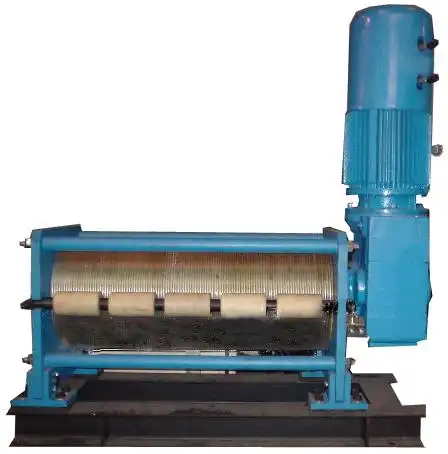
Our ZB-WDJ Single-Layer Winding Boom Machine for lifting stage applications is an example of safety-focused tech that is done with great care. This set of hoists can move loads up to 1000 kg at up to 0.45 m/s and can lift things up to 15 to 30 meters. The single-layer winding design gets rid of the problems with rope crossing that can happen in multi-layer systems. It also cuts down on inter-strand friction by more than 40% and makes wire rope last a lot longer.
Comparative Advantages Across Manufacturers
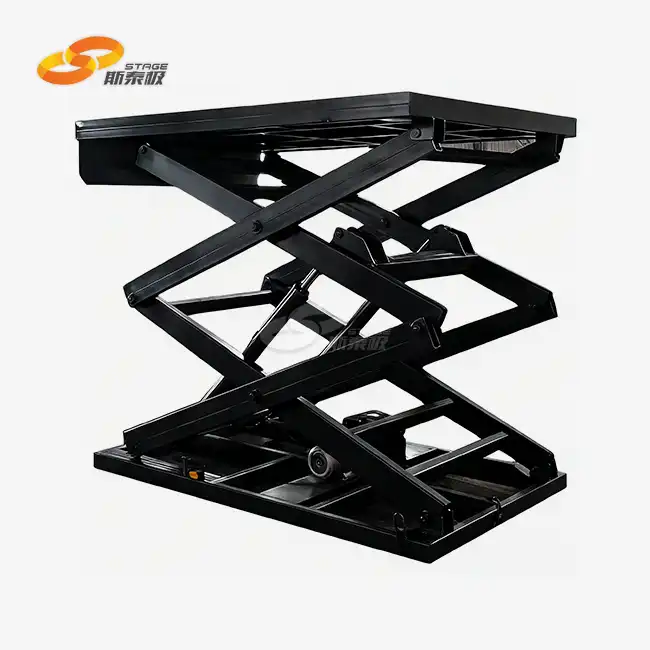
Leading suppliers set themselves apart by coming up with new technologies and building up support systems. Some companies are very good at making hydraulic systems for orchestra pits, while others are very good at making movable platforms for convention centers. Sh Stage's specialty is providing complete solutions. We offer full rigging kits that include hoists, control systems, and safety interlocks that are designed to work together as a single unit instead of separate parts that need to be put together.
The direct manufacturing approach saves money without lowering the quality of the product. When you get rid of distributor markups, prices for projects like university auditoriums and big performing arts centers can be competitive. Our Kaiming Grand Theater installation shows this: 35 hoist units, an orchestra lift, a loading dock platform, and a centralized control system were all designed, built, and put into use by our expert teams.
How Sh Stage Ensures OSHA and ANSI Compliance in Lifting Stages?
Compliance isn't achieved through paperwork alone. It requires embedding safety principles into every design decision, material selection, and manufacturing process. Sh Stage's approach combines engineering rigor with practical field experience gained through hundreds of international installations.
Design Philosophy Prioritizing Structural Integrity
Our engineering department begins each project by calculating safety factors that exceed minimum requirements. High-tensile steel construction delivers safety margins of 8:1 or 10:1 per DIN 56950 standards, providing substantial buffer capacity beyond rated loads. Drum-to-rope diameter ratios exceed 30:1, minimizing bending stress that causes premature wire rope failure.
The ZB-WDJ series incorporates modular design principles that simplify maintenance procedures while maintaining structural integrity. Technicians access critical components without extensive disassembly, reducing downtime during routine inspections. This modularity also facilitates upgrades when venues expand capabilities or regulatory requirements evolve.
Advanced Safety Features in Stage Hoisting Systems
Multiple redundant safety systems monitor operations continuously. Travel limit switches prevent overextension that could damage structural elements or create hazardous conditions. Rope slack detection immediately halts operation when wire rope tension drops below safe parameters—a critical safeguard preventing uncontrolled descents. Overload protection sensors measure actual load versus rated capacity, stopping movement before excessive force compromises mechanical components.
Frequency conversion speed control delivers precise positioning while protecting equipment and performers. Variable speed capability allows operators to configure acceleration curves that prevent sudden movements, ensuring smooth transitions during complex choreography. Acoustic performance remains below 50dB(A) through precision gearing and vibration isolation—essential for live performance environments where mechanical noise disrupts artistic presentation.
Quality Assurance Through Comprehensive Testing
Every hoist unit undergoes factory acceptance testing before shipment. Static load tests verify structural capacity at 125% of rated load, held for specified durations that reveal potential weakness in welds, fasteners, or castings. Dynamic testing simulates operational cycles under 110% load, confirming that drive systems, brakes, and control circuits function reliably under stress conditions.
Field installations include commissioning procedures that validate performance in actual venue conditions. Our technical teams document operational parameters, train facility staff on proper procedures, and establish baseline measurements for ongoing maintenance programs. The Fujian Min Opera Theater project illustrates this thoroughness: 39 hoist units, stage curtains, and integrated control system commissioned with complete operator training and documentation packages.
How to Choose a Lifting Stage Manufacturer Compliant with OSHA and ANSI Standards?
Procurement decisions for stage lift systems extend beyond initial purchase price. The right manufacturing partner provides documentation, technical support, and long-term service infrastructure that maintains compliance throughout equipment lifespan.
Define Operational Requirements Before Vendor Contact
Successful procurement begins with clear specifications. Document load requirements for heaviest anticipated scenery or equipment, including safety margins for unexpected additions. Measure available headroom, grid dimensions, and structural capacity of mounting points. Identify environmental factors like temperature extremes, humidity levels, or corrosive conditions that affect material selection and component ratings.
Performance requirements matter equally. Determine necessary positioning accuracy—broadcast studios may require sub-millimeter repeatability that exceeds typical theatrical tolerances. Calculate speed requirements based on scene change timing and production schedules. Specify control system integration needs if connecting to existing automation platforms or architectural lighting networks.
Scrutinize Compliance Documentation Thoroughly
Request copies of actual test reports rather than generic capability statements. Verify that testing laboratories hold accreditation from recognized bodies. Examine material certifications confirming steel grades, wire rope specifications, and component ratings. Manufacturers should provide compliance matrices mapping their equipment features to specific OSHA regulations and ANSI standard clauses.
Ask about ongoing compliance support. Regulations evolve, and responsible manufacturers notify customers about standard revisions affecting installed equipment. Sh Stage maintains communication channels with clients, providing technical bulletins when industry standards change and recommending upgrade paths that maintain compliance without complete equipment replacement.
Evaluate Total Cost of Ownership
Initial purchase represents only one cost component. Factor in installation complexity—some systems require extensive structural modifications, while others mount to existing grids with minimal intervention. Compare warranty coverage duration and scope, noting exclusions that might create unexpected expenses. Assess spare parts availability and pricing, recognizing that proprietary components from distant suppliers create vulnerability during equipment failures.
Service infrastructure significantly impacts long-term value. Sh Stage's 24/7 multilingual support team provides technical assistance across time zones, preventing extended downtime when issues arise during critical production periods. Our global logistics network ensures efficient customs clearance and on-time delivery, while regional service partnerships enable rapid response for installations requiring on-site intervention.
Best Practices for Maintaining Compliance After Purchase
Purchasing compliant equipment represents the starting point, not the finish line. Ongoing compliance requires structured maintenance programs, operator training, and documentation practices that demonstrate continuous safety commitment.
Implement Regular Inspection Protocols
OSHA requires periodic inspections at intervals determined by equipment usage intensity and environmental conditions. Daily pre-operation checks verify that safety systems function properly—emergency stops respond immediately, limit switches engage at correct positions, and control interfaces display accurate status information. Monthly inspections examine wire rope for broken strands, worn spots, or corrosion that compromises strength.
Annual comprehensive inspections should involve qualified technicians familiar with specific equipment models. These examinations include load testing at reduced capacity, lubrication system evaluation, brake adjustment verification, and electrical connection integrity checks. Sh Stage provides detailed maintenance schedules customized to each installation's operational profile, specifying inspection procedures and acceptance criteria that align with manufacturer recommendations and regulatory requirements.
Structure Operator Training Programs
Even equipment that was perfectly designed can be dangerous if it is not used correctly. Normal operation procedures, emergency reaction protocols, and practices that aren't allowed and could void warranties or pose safety risks should all be covered in training programs. Operators need to know the limits of the load they can carry, as well as how the way the rigging is set up can change the real capacity compared to the nameplate ratings.
Documenting training activities for stage lift operations meets OSHA standards and shows that care was taken during investigations of accidents. Keep records of the times of training, the topics covered, the names of the operators, and the ways that their skills can be checked. Refresher training fixes skills that get worse over time and teaches new employees how to use specific tools in a way that is different from general rigging knowledge.
Plan for Timely Upgrades and Retrofits
Standards change as technology gets better. It's possible that equipment bought under older forms of the code will need to be changed to keep up with the new rules. Keeping an eye on how the industry changes can help you figure out what upgrades you need to make before enforcement actions or insurance checks make things urgent.
The modular design idea of Sh Stage makes upgrades possible at a low cost. Most of the time, updating a control system only needs software changes and new interfaces, not whole new hoists. Safety sensor add-ons work with mechanical systems that are already in place, adding safety features without changing how the system works in its core. This way to upgrade protects the original investment and makes the equipment last longer through more than one regulatory cycle.
Conclusion
By choosing makers that put OSHA and ANSI compliance first, you can keep your business safe from fines, lawsuits, and injuries on the job. Sh Stage's manufacturing model is vertically integrated, which means that they offer reasonable prices while maintaining the highest safety standards. They do this by providing rigging solutions that meet technical needs and help the company run efficiently for a long time. Our track record with theaters, convention centers, and schools shows that working with manufacturers who build compliance into their design mindset instead of just giving you paperwork as an afterthought is a good idea. Your venue should have equipment that is reliable, accurate, and safe. These are the traits that every system that leaves our factory has.
FAQ
How Can I Verify a Manufacturer's Compliance Claims?
Request copies of actual test reports from accredited laboratories, not just certificates of conformance. Contact the testing facility to confirm report authenticity and ask about the specific standards versions used during evaluation. Review material certifications for steel grades and component ratings, ensuring they match specifications in technical documentation. Legitimate manufacturers welcome scrutiny and provide transparent access to compliance evidence.
Do All Manufacturers Automatically Meet OSHA Standards?
Compliance isn't automatic—it requires intentional engineering decisions and quality control processes. Some manufacturers prioritize cost reduction over safety margins, using minimum acceptable specifications rather than best practices. Others lack familiarity with U.S.-specific requirements, designing to different national standards that don't satisfy OSHA regulations. Always verify compliance documentation rather than assuming international manufacturers understand American safety frameworks.
What Risks Come With Non-Compliant Equipment?
Operating non-compliant machinery exposes organizations to regulatory fines, increased insurance premiums, and civil liability during accidents. Equipment failures can cause serious injuries, production delays, and reputational damage that affects future business relationships. Venues discovered using non-compliant systems may face operational shutdowns until remediation occurs, creating substantial financial losses beyond direct penalty costs.
Partner With Sh Stage for Certified Stage Machinery Solutions
Sh Stage has specialized in the design and manufacture of high-precision stage automation systems since 2009, operating as a direct manufacturer with integrated R&D and production. We deliver cost-effective solutions covering design, manufacturing, installation, and commissioning under strict quality control.
Our core products include lifting stages, hoisting systems, rotating platforms, and customized stage machinery for theaters, concert halls, and performance venues. The ZB-WDJ series provides stable and precise performance for demanding stage applications.
We have completed numerous international and domestic projects, including large venue lifting and orchestra pit systems, demonstrating reliable engineering capability in real-world applications.
We provide one-stop service from technical consultation and customized design to installation guidance and long-term maintenance support.
Contact us for project inquiries and cooperation:
Website: www.shstage.com / www.jszbzn.com
Email: info@shstage.com
Tel / WhatsApp: +86 18068792502
As an experienced overstage machinery manufacturer, Sh Stage delivers the technical expertise, dependable quality, and responsive support your venue deserves.
References
1. American National Standards Institute. (2021). Entertainment Technology—Performer Flying Systems. ANSI E1.43-2021.
2. Johnson, Michael T. (2020). Stage Rigging Handbook: Safety and Compliance in Modern Theaters. Routledge Performance Studies.
3. Occupational Safety and Health Administration. (2019). Fall Protection in Construction and General Industry. OSHA Publication 3146.
4. Thompson, Rebecca L., and Chen, David K. (2022). "Load Testing Protocols for Suspended Performance Equipment." Journal of Entertainment Engineering, 18(3), 214-229.
5. United States Institute for Theatre Technology. (2023). Best Practices for Stage Machinery Procurement and Maintenance. USITT Technical Standards Program.
6. Williams, Gregory P. (2021). Mechanical Systems for Live Performance: Engineering, Installation, and Regulatory Compliance. Focal Press Technical Series.

USER EVALUATE
Here is the customer's evaluation of us