




The Crucial Role of Fire Curtain Systems in Theatre Safety
When it comes to theater safety, fire curtain devices are one of the most important but underrated parts of modern venue design. A complete stage curtain system includes a lot more than just pretty drapes. It also includes special fire-rated barriers that are designed to protect people from flames and smoke in an emergency. These safety barriers physically separate the stage area (which is where most of the fire hazards are) from the seats in the crowd, giving people more time to get out of the building. Before making a purchase choice about venue safety equipment, it's important to know how these systems work, what rules they have to follow, and how they connect to other theater equipment.
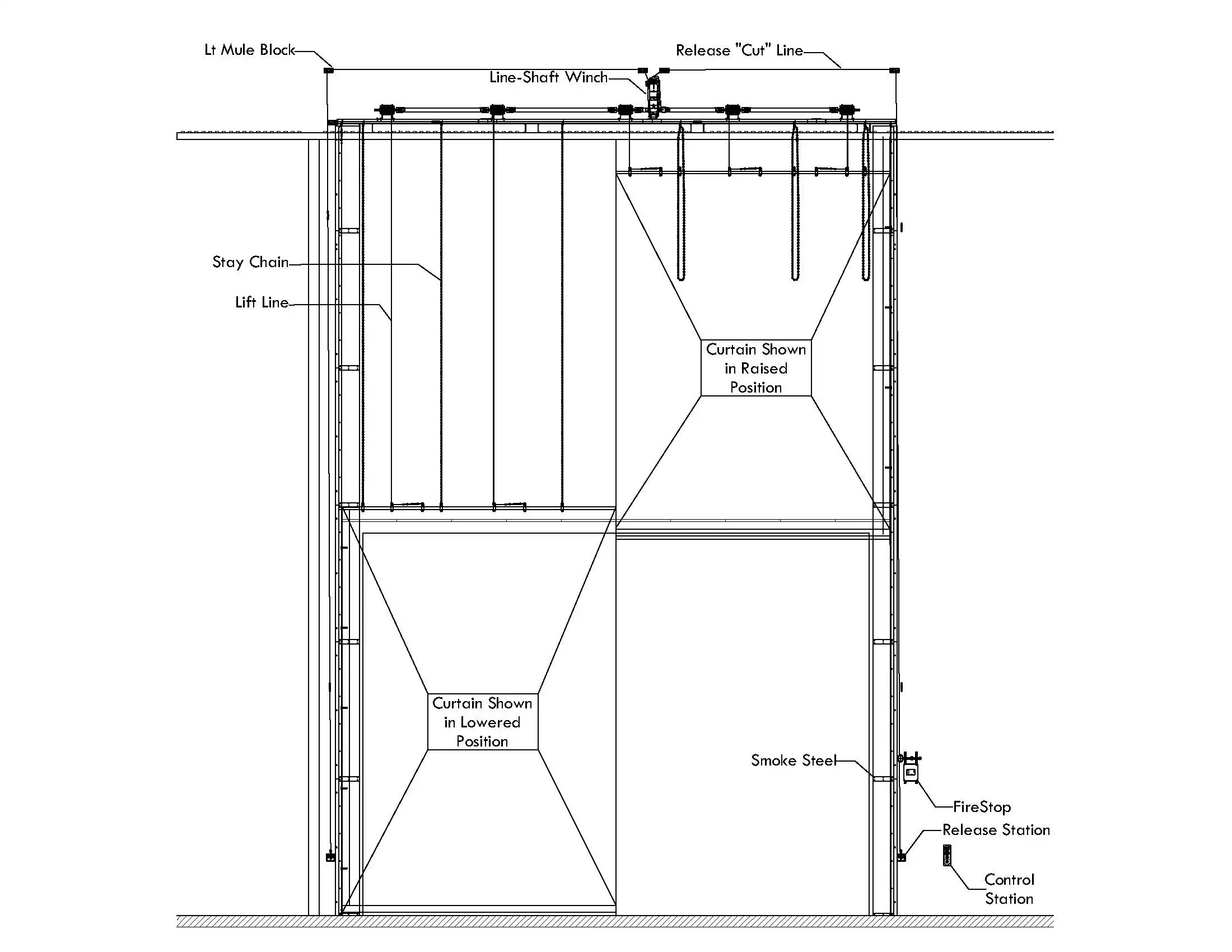
Understanding Fire Curtain Systems in Theatre Safety
Fire curtain systems are the main safety barrier in theaters. They are completely different from beautiful stage drapery in how they are built and what they are used for.
How Fire Curtains Differ from Traditional Stage Curtains?
Traditional stage curtains, like major drapes, teases, and traveler curtains, are used for both looks and production. Frame acts, hide backroom areas, and make it easier to move from one scene to the next. On the other hand, fire safety curtains are only meant to stop the spread of heat and harmful smoke. When they are raised, these barriers usually come down from the fly loft within 30 to 60 seconds, blocking the proscenium opening. Different types of materials are used for different purposes. For example, beautiful curtains can be made of silk velvet or gold velvet, but fire curtains need to be made of steel-reinforced linens or intumescent materials that don't catch fire when exposed to direct flames over 1,000°F.
Deployment Mechanisms and Control Integration
There are both powered and gravity-fail methods used in modern fire curtain release devices. Motorized systems allow for precise control and work well with building management systems, so reactions can be linked with emergency lights and HVAC smoke escape. This integration is shown by our installations at places like the XX World Theater in Shenzhen, where the stage fireproof curtain links to centralized safety measures along with 33 lighting systems and scenic hoists. As a backup, manual release devices make sure that the curtain falls even when the power goes out. Activation is set off by sensors like smoke alarms, heat sensors, and manual pull stations. Control panels allow for real-time testing and tracking.
Material Engineering and Fire Resistance Standards
The materials used for fire curtains have to meet strict international standards. In the US, something is acceptable if it meets NFPA 80 (Standard for Fire Doors and Other Opening Protectives) and local building rules. Materials are put through a lot of tests, such as ASTM E84 (which checks for surface burning properties) and NFPA 701 (which checks for flame spread in materials). Fabrics that are naturally resistant to flame keep their protective qualities for as long as they are used without needing to be treated with chemicals again. This durability is very important for places where shows happen often and where testing and release happen on a daily basis.
Benefits of Installing Fire Curtain Systems in Theatres
Making the right investment in fire safety curtains pays off in a number of ways that go beyond just following the rules.
Life Safety and Asset Protection
According to data from the National Fire Protection Association, building fires in assembly properties cause $45,000 worth of damage each time they happen. By keeping the flames on the stage, fire curtains greatly lower this risk, saving both people and the expensive audiovisual equipment in auditoriums. As part of our work on the Yanji Dinosaur Kingdom Jindou Art Theater project, we put up a fireproof curtain that can be folded up and used with water pool lifting stages and complicated rigging. This way, even in places with a lot of complicated mechanical stage curtain systems, fire safety is not compromised.
Insurance and Regulatory Advantages
Insurance companies know that approved fire safety devices can help keep losses from happening. Property insurance rates often go down by 10 to 15 percent for venues that keep good records of their fire curtains and repair. Regulatory checks go more easily when there is a lot of information about safety. Our certification support comes with all the testing records and compliance paperwork that fire officials and building inspectors need. This makes it easier to get new installations and upgrades approved.
Reputation and Stakeholder Confidence
Showing that you care about safety is good for the image of event production companies and venue owners. When booking events in more than one place, touring shows look for venues with safety systems that have been checked out. Parental groups and accrediting bodies pay close attention to schools when it comes to student safety. All stakeholder groups will trust a fire safety plan that is open and honest, with things like clear safety screens and posted escape plans.
Types of Stage Curtain Systems: Positioning Fire Curtains Among Others
There are different uses for theater curtain systems, and knowing these uses helps sourcing teams choose the right tools for each job.
Fire Safety Curtains vs. Decorative Drapery
Flame-retardant background curtains are useful for productions because they don't catch fire, but they are not the same as fire safety curtains that are needed by law. Our Stage Flame-Retardant Backdrop Curtains are made from silk velvet, gold velvet, and specialty fabrics that have been treated to meet NFPA 701 standards. They come in a variety of styles, such as butterfly curtains with beautiful arc folds, regular folding curtains with fullness ratios that can be changed (3:1 or 2:1), and flat curtains that are great for cycloramas. These production curtains stop sparks from starting and slow the spread of flames, but they aren't designed to separate areas like special fire curtains do. The difference is important when buying things: background systems increase safety during shows, while fire barrier curtains separate people in case of an emergency.
Motorized vs. Manual Fire Curtain Systems
The right distribution method depends on the size and number of people who use the theater. Motorized fire curtain tracks that are built into the building's systems are helpful for large concert halls with a lot of technology. These electrically powered tools let testing be done from afar and work with other safety measures. Counterweight or fusible-link systems that launch through gravity when heat-sensitive parts fail may work well in smaller settings or those with simpler infrastructure. When recommending system specs, our engineering team looks at things that are unique to each site, like the proscenium width, curtain weight, triggering frequency needs, and the availability of backup power.
Case Applications Across Venue Types
Different show places need different ways of doing things. The Suzhou High-speed Railway New Town Athletic Hall project, which was over 2,000 square meters and had 50 big cable reels and 32 single-point hoists, needed a complete safety plan that included fire barriers and a lot of complicated lifting infrastructure. University performing arts centers usually put safety first and make it easy for student workers to do their jobs. Modular safety options are helpful for convention halls that need to change their layout quickly. Customized engineering is how experienced makers deal with the unique problems that each type of place brings.
Installation and Maintenance Guide for Fire Curtain Systems
Fire curtain systems only work right in situations if they are installed properly and are kept up to date.
Installation Process and Code Compliance
The first step in installing a fire curtain is to check the building's structure to make sure it can hold the fixing tools and the curtain pocket in the fly loft. The right order is made possible by working together with general builders, electricians, and fire alarm system installers. To keep smoke from getting in, the curtain track must line up properly with the hole in the proscenium. Before final acceptance, our assembly teams check the clearances, try the limit switches, and do full-descent trials. As-built drawings, equipment specs, upkeep schedules, and training tools for venue staff are all part of the documentation.
Common Installation Challenges
Installations that are retrofitted are especially tricky. Some old sites might not have the right amount of structural support or pocket depth for current fire stage curtain systems. To keep things running smoothly, projects need to be carefully timed so that they don't interfere with current performance plans. The Vietnam-China theater project taught us how important it is to do thorough pre-installation studies to find problems that could happen between new safety systems and old stage equipment before the building starts.
Maintenance Best Practices and Inspection Schedules
NFPA 80 says that fire door parts must be tested once a year, and most places have similar rules for fire curtains. Visual checks are done once a month to make sure the curtain is hanging correctly, that the tracks for release are still clear, and that the control systems don't show any signs of trouble. Controlled fall is done under supervision every three months as part of practical tests that make sure everything is running smoothly and that the stage floor is properly sealed. During yearly thorough checks, the state of the cloth, the functionality of the motors, the emergency power systems, and the calibration of the sensors are all checked. To keep service delays to a minimum, we offer detailed repair routines and online diagnostic help.
Procurement Insights: How to Choose the Right Fire Curtain System for Your Theatre?
When choosing the right fire safety system, you have to think about the basic requirements, the budget, and the needs of the business.
Essential Selection Criteria
Besides making sure that basic code rules are followed, procurement teams should also look at the knowledge of the maker, the quality of the materials, the ability to integrate systems, and the service infrastructure. Certifications are a good start for ensuring dependability, but a company's track record shows how reliable they will be in the long run. Our projects in more than 50 countries, ranging from business venues to theme art theaters, show that we can respond to different performance and building rules. Direct contact with engineering teams during the development of specifications keeps expectations and provided systems from not matching up, which can be very expensive.
Total Cost of Ownership Analysis
The initial buying price is only one part of the total costs over the product's lifetime. The total cost of a job is affected by how hard it is to install, especially in retrofit situations that need structure changes. The cost of ongoing repair depends on how complicated the system is and how often it needs to be serviced. Systems that need to be serviced by expert techs cost more in the long run than systems that can be serviced by staff in-house. Even though powered devices only use a small amount of energy, that energy adds up over many years of use. Our clear price method breaks down these costs into separate items, which lets you make accurate budget plans.
Customization and Bulk Procurement Advantages
Standard fire screen systems can be used in a lot of different situations, but custom solutions work best in certain places. Custom engineering takes into account things like odd proscenium sizes, integrating with existing machinery, meeting artistic standards for parts that can be seen, and meeting specific operating needs. There are bulk buying possibilities for people who run more than one venue, school systems that outfit more than one college, and contractors who are in charge of big cultural building projects. With volume agreements, prices can be optimized while quality standards are kept.
These things to think about when choosing go beyond the fire screen itself. For a place to be completely safe, its fire barriers, suppression systems, exit lights, and communication systems must all work together. As a source maker that can do both design and production, we can come up with solutions that address safety as a whole, rather than just one or two parts.
Conclusion
In modern theaters and performance spaces, fire curtain devices are an essential part of the safety equipment. The difference between flame-resistant drapery that is used for decoration and fire shields that are needed by code affects how much is bought and how safe things are. Strong engineering, reliable distribution methods, and full integration with building safety routines are all things that make stage curtain systems work well. Working with seasoned makers makes sure that safety systems work right when they're needed the most, whether you're in charge of a performing arts center, traveling shows, or cultural venues. Investing in fire curtains that are properly sized, professionally fitted, and carefully kept protects your audience, performers, property, and image.
FAQ
What is the difference between fire curtains and flame-retardant stage curtains?
Fire curtains are needed by code to separate the public areas from the stage in case of an emergency. They are usually made of steel-reinforced materials that can handle being exposed to direct flames. Flame-retardant stage curtains, like our background curtains in silk velvet and gold velvet, keep fires from starting and spread more slowly. However, they are mostly used for production reasons and to improve safety, not for emergency containment.
How often should fire curtain systems be tested?
Most places need visual checks every month and operating tests every three months that include guided deployment. All parts of the system, like motors, sensors, backup power, and the integrity of the cloth, must be checked thoroughly once a year. Our maintenance methods include thorough check lists that are in line with NFPA 80 standards and the needs of your local fire warden.
Can existing theatres retrofit modern fire curtain systems?
Retrofitting is often possible, but the structure needs to be looked at to make sure there is enough support and space. Getting current rigging, HVAC systems, and performance plans to work together can be tricky, but experienced workers can get it done by carefully planning the project's stages. Before manufacturing starts, our engineering team does pre-installation studies to look for possible problems.
Partner with Sh Stage for Comprehensive Theatre Safety Solutions
Sh Stage has specialized in stage equipment and safety systems since 2009, providing direct manufacturing through Stage (Shanghai) Stage Technology Engineering Co., Ltd. for strict quality control and factory-direct pricing.
Our main products include fire safety curtains, protective stage drapes, hoist systems, and integrated lifting platforms for theaters, performance venues, and entertainment complexes.
We have completed landmark projects such as Yanji Dinosaur Kingdom Theater with 54 hoist systems and Shenzhen XX World Theater, demonstrating reliable integration of safety infrastructure with advanced stage machinery.
We provide turnkey services including design consultation, custom manufacturing, installation, certification, and 24/7 technical support.
Contact us for project inquiry and cooperation:
Website: www.shstage.com/ www.jszbzn.com
Email: info@shstage.com
Tel/WhatsApp: +86 18068792502
As an experienced stage manufacturer, we deliver the technical excellence and responsive service your venue deserves.
References
1. National Fire Protection Association. (2023). NFPA 80: Standard for Fire Doors and Other Opening Protectives. Quincy, MA: NFPA Publications.
2. Theatrical Safety Committee. (2022). Fire Safety in Theatres and Performance Venues: A Comprehensive Guide. Entertainment Services and Technology Association.
3. International Building Code Council. (2021). Chapter 4: Special Detailed Requirements Based on Use and Occupancy - Assembly Occupancies. International Code Council.
4. Society of Fire Protection Engineers. (2020). Fire Protection Engineering for Performance Spaces. SFPE Technical Report Series.
5. American Society for Testing and Materials. (2022). ASTM E84-22: Standard Test Method for Surface Burning Characteristics of Building Materials. West Conshohocken, PA: ASTM International.
6. Building Research Establishment. (2021). Fire Safety Performance of Theatre Safety Curtains: Testing and Certification Standards. BRE Global Technical Publications.

USER EVALUATE
Here is the customer's evaluation of us