




How do Rotating Stages Work in Live Shows?
A rotating stage is used when there is a big scene change in a Broadway musical or when a fancy car comes out from under the stage floor at an auto show. This complex electromechanical system lifts things up and down and turns them horizontally. This makes visual experiences that are more dynamic than those possible with rigid platforms. Precision motors, reducers, slewing ring bearings, and hydraulic or scissor lift mechanisms are what make up a rotating stage. They move scenery, actors, or goods safely and smoothly during live events.
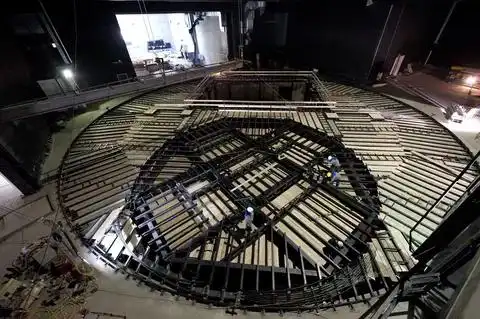
What Is a Rotating Stage and How Does It Work in Live Shows?
A rotating stage, sometimes called a revolving stage or turntable platform, is a circular platform that is built to rotate and is attached to a center pivot point. These days, systems combine motorized drives with lifting devices so they can do both horizontal rotation and vertical elevation at the same time or separately. This two-in-one feature changes how people enjoy live performances.
Core Mechanical Components
The foundation of any professional rotating stage consists of several interconnected systems working in harmony. A motor paired with a reducer provides the torque needed to rotate heavy loads smoothly. Linear guides and scissor support frames ensure stability during vertical movement, while slewing ring bearings handle the rotational forces. The control system coordinates these elements, allowing operators to adjust speed from 0.2 to 3.0 RPM and positioning with precision within ±2mm accuracy.
Power and Control Systems
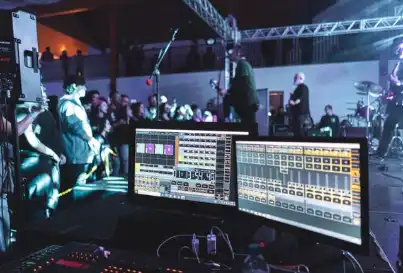
Variable Frequency Drives regulate motor speed, enabling soft starts and stops that protect delicate scenery and performers. Conductive slip rings maintain continuous electrical connections to the rotating platform, powering lighting, audio equipment, and special effects without tangled cables. Advanced systems support DMX512 protocols, integrating seamlessly with venue lighting and automation infrastructure for synchronized performances.
Weight Distribution and Safety
Load-bearing capacity remains critical in professional applications. High-tensile steel construction distributes weight evenly across the platform, preventing deformation under eccentric loads. Anti-vibration mounts reduce operational noise below 50dB—essential for opera houses and recording environments. Emergency systems include anti-drop valves, obstacle detection sensors, mechanical locks for maintenance, and emergency stop controls accessible from multiple operator positions.
Types of Rotating Stages Used in Live Shows and Their Applications
Different performance contexts demand specific rotating stage configurations. Understanding these variations helps procurement teams match equipment capabilities to venue requirements and production goals.
Motorized Turntable Platforms
Fully automated systems dominate professional theater installations. These platforms feature programmable rotation speeds, position memory functions, and integration with show control systems. Their reliability makes them ideal for productions requiring split-second timing and repeatable movements night after night. Theaters running repertory schedules particularly benefit from their ability to store multiple scene configurations.
Combined Lift-and-Rotate Systems
When vertical dimension adds dramatic impact, combined systems deliver exceptional versatility. Our Rotating Stage Lift Platform integrates scissor lift technology with turntable mechanisms, supporting loads from 3 to 4 tons while elevating from 0.5 to 5 meters. The compact design minimizes pit depth requirements—a crucial advantage when retrofitting historic venues with limited structural modification options.
These dual-function platforms excel in automotive product launches, where vehicles rise from below stage level while rotating for 360-degree visibility. Theme parks use them to create disappearing acts and magical transformations. Convention centers appreciate their flexibility for reconfiguring spaces between corporate presentations and evening galas.
Concentric Multi-Axis Configurations
Large-scale productions sometimes employ nested rotating platforms—smaller turntables mounted on larger ones. This configuration enables complex choreography, with performers moving in opposite rotational directions simultaneously. While mechanically sophisticated, these systems require expert engineering to maintain balance and synchronization across multiple drive systems.
Benefits of Using Rotating Stages in Live Shows
Investment in rotating stage technology delivers measurable advantages across operational, creative, and financial dimensions. These benefits compound over the equipment's service life, typically spanning thousands of performance cycles.
Enhanced Visual Storytelling
Rotation gets rid of the sightline problems that come with proscenium stage. Viewers see shows from a variety of angles, which keeps things visually interesting throughout performances. Scene changes happen naturally, without drawing the shades or turning down the lights, which keeps the story moving forward. Through spatial choreography, directors can tell strong symbolic stories about how characters move through time, how points of view change, and how relationships change over time.
Operational Efficiency Gains
Scene changes that are done by hand require large backstage teams, longer breaks, and the risk of hurting someone when moving heavy set pieces. Changeover times drop from minutes to seconds on automated systems. Twelve stagehands would normally be needed to do the work that one operator does. This efficiency directly leads to lower labor costs and more schedule options for places that host many events every day.
This is shown by Sh Stage's revolving stage displays at the Yanji Dinosaur Kingdom. The theater has three main lifting platforms and five sub-stages that allow for quick scene changes during high-frequency theme park performances. This keeps show plans that get as many people as possible through the doors during busy times.
Safety and Reliability
When moving heavy things, precision control systems get rid of the chance of human mistake. Accidents during work can be avoided with automated obstacle detection. Mechanical safeguards make sure that shows can go on even if the main systems break down. Prior to leaving the plant, equipment is put through strict testing procedures that include 125% overload tests and non-destructive weld inspections to make sure that the structure is sound.
Over the course of 24 hours, our hydraulic systems keep their positional accuracy within 2 mm, making sure that they always work the same way, even if the temperature changes. This dependability is very important for touring shows that can't have mechanical problems in different settings every week.
How to Select and Procure the Right Rotating Stage for Your Live Show Needs
Procurement decisions impact production capabilities for decades. A systematic evaluation process aligns technical specifications with operational requirements and budget constraints.
Critical Specification Parameters
Load capacity calculations must account for peak loads plus safety margins—typically 1.5x the heaviest anticipated configuration. Consider not just scenery weight but performers, props, and embedded technical equipment. Rotation speed requirements vary by application: slow, stately movement for dramatic reveals versus rapid rotation for comedy or spectacle.
Physical dimensions determine integration feasibility. Measure available floor space, structural load ratings, and pit depth if installing below-stage systems. Our compact designs maximize platform size while minimizing support structure footprint—particularly valuable in venues with limited wing space or historic buildings with protected structures.
Evaluating Manufacturers and Suppliers
Well-known companies that make rotating stages show how good they are by showing off their finished projects and engineering qualifications. Since our start in 2009, Sh Stage has helped theaters, convention centers, and cultural venues on five countries with their stage equipment needs. Jiangsu Zhongbang Intelligent Technology Co., Ltd., our parent company that makes our products, keeps its ISO and CE licenses, which makes sure that quality standards are always met.
Look over case studies that fit the needs of your project. Fireproof curtains, lighting hoists, orchestra lifts, and double-deck platforms are just a few of the things that can be integrated into the Shenzhen XX World Theater installation. It's a complete turnkey solution. This track record shows that you have the system engineering skills needed for building complicated cultural infrastructure.
Understanding Total Cost of Ownership
The purchase price of revolving stage equipment is only one part of the total costs over the life of the product. If you want to know how to fix something, how often it needs to be maintained, and if spare parts are available, you should think about all of these things. Reliable suppliers make repair schedules easy to understand and keep important parts on hand so they can be quickly replaced if needed.
Delivery dates affect how projects are planned. Standard configurations usually ship between 15 and 30 days, while custom-engineered options take between 30 and 45 days. When you buy something internationally, you have to wait longer for shipping and customs clearing. Working with foreign trade teams that are experienced makes logistics easier. Our multilingual support staff handles paperwork, freight forwarding, and customs compliance so that overseas delivery goes smoothly.
Installation, Maintenance, and Optimization Tips for Rotating Stages in Live Shows
Proper implementation extends equipment service life and ensures reliable performance under demanding production schedules. Following manufacturer guidelines prevents common issues that compromise safety and functionality.
Professional Installation Requirements
Rotating stages demand precision installation to achieve specified performance parameters. Foundation preparation ensures level mounting surfaces that prevent uneven wear on drive components. Structural anchoring must meet local seismic and safety codes—particularly critical for platforms supporting performers.
During commissioning, technicians calibrate sensors, verify safety interlocks, and test emergency systems under load conditions. Our installation teams work alongside venue technical staff, providing hands-on training that transfers operational knowledge. This collaborative approach ensures smooth transitions from construction to live operation.
Preventive Maintenance Protocols
Regular checks find problems as they start to happen before they become major problems. Every month, you should check the electrical links, hydraulic fluid levels, and bearing lubrication. As part of the three-month maintenance, the balance of the drive system is checked, and the control software is updated. Factory-certified technicians do full checks once a year to make sure that safety standards are being met and to find parts that are getting close to the end of their useful life.
Proper lubrication greatly increases the life of mechanical parts. Slewing ring bearings need specific kinds of grease and to be used at certain times. Instead of using general industrial oils, check with the manufacturer's instructions. Linear guides work better in clean surroundings; regular cleaning keeps abrasive particles from building up and speeding up wear.
Operational Optimization Strategies
How the load is distributed changes the shapes of mechanical stress and wear. When you can, put heavy parts of the scenery in the middle of the scene to reduce uneven loading. When asymmetric configurations are necessary, counterweights or ballast bring things back into balance and lower the stress on the drive system.
Speed programming makes things safer and more beautiful. Gradual acceleration and deceleration curves keep the scenery and artists from moving in ways that could be unstable. During practice, make sure that timing sequences are perfect so that stage movement, sound effects, lighting cues, and performance choreography all work together smoothly.
Conclusion
The use of revolving stages is an example of advanced tech that greatly increases the creative options in live performance settings. These platforms allow scene changes, product presentations, and audience participation tactics that aren't possible with static staging because they combine the ability to lift vertically with precise rotational control. When you do professional procurement, you have to carefully look at things like load requirements, venue restrictions, manufacturer knowledge, and lifecycle support capabilities. Rotating stage systems provide decades of dependable service when they are properly specified, installed, and kept. They become permanent production assets that improve every performance while upholding the highest safety standards for both performers and audiences.
FAQ
What load capacity do I need for theater productions?
Standard theatrical applications typically require 3-4 ton capacity for scenery, performers, and embedded equipment. Calculate your heaviest scene configuration, add performer weight, then apply a 1.5x safety factor. Automotive showcases need higher capacities—luxury vehicles weigh 2-3 tons alone. Always consult structural engineers when loads exceed 5 tons to verify venue floor ratings and foundation adequacy.
Can rotating stages operate silently during performances?
Modern systems achieve noise levels below 50dB through precision bearings, vibration isolation mounts, and VFD-controlled motors. This quiet operation suits opera houses and acoustic performances where mechanical noise would disrupt the audience experience. Specify low-noise requirements during procurement—standard industrial configurations may produce acceptable but audible operational sounds.
What customization options are available?
Manufacturers offer extensive customization including platform diameter, lift height, rotation speed ranges, surface finishes, and embedded technical infrastructure. You can integrate trap doors, hydraulic performer lifts, and cable management systems. Control interfaces adapt to existing venue automation or operate as standalone systems. Custom engineering extends lead times but ensures perfect alignment with your specific production requirements and venue constraints.
Partner with Sh Stage for World-Class Rotating Stage Solutions
Sh Stage has specialized in stage automation and rotating stage systems since 2009. As a direct manufacturer with strong R&D and production capabilities, we deliver integrated solutions covering design, manufacturing, installation, and commissioning with strict quality control and international standards compliance.
Our core products include rotating stages, lifting platforms, and customized stage machinery for theaters, concert halls, and entertainment venues. Each system is precision-engineered and tested to ensure safe, stable, and reliable performance.
We have completed projects across global venues, including Suzhou High-speed Railway New Town Athletic Hall and Yanji Dinosaur Kingdom theaters, demonstrating proven engineering capability in real applications.
We provide full turnkey services from design consultation and customization to installation, training, and long-term technical support.
Contact us for project inquiries and cooperation:
Website: www.shstage.com / www.jszbzn.com
Email: info@shstage.com
Tel / WhatsApp: +86 18068792502
As an experienced overstage machinery manufacturer, Sh Stage delivers the technical expertise, dependable quality, and responsive support your venue deserves.
References
1. Baugh, C. (2013). Theatre, Performance and Technology: The Development of Scenography in the Twentieth Century. Palgrave Macmillan.
2. Sammler, H. & Bicât, T. (2019). The Stage Management Handbook. Crowood Press.
3. Ionazzi, D. A. (1996). The Stage Management Handbook: A Complete Guide to Understanding the Stage. Betterway Books.
4. Reid, F. (2001). Designing for the Theatre: A Complete Course in Stage Design. Routledge.
5. Holloway, J. (2014). Illustrated Theatre Production Guide. Routledge.
6. Carter, P. (2009). Backstage Handbook: An Illustrated Almanac of Technical Information. Broadway Press.

USER EVALUATE
Here is the customer's evaluation of us