




Which Manufacturers Have the Best Reputation for Durable Understage Machinery Components?
When choosing a manufacturer for long-lasting understage machinery parts, reputation is based on three important factors: engineering precision, material quality, and a track record of operating longevity. Leading makers in this specialized field, like Sh Stage, set themselves apart by having strict safety certifications, extensive warranty programs, and a history of delivering equipment that works perfectly in demanding theater settings. These leaders in the industry put a lot of money into research and development to make hydraulic lifting platforms, mechanical locking systems, and control technologies that stay accurate to the millimeter level even after years of heavy use. This makes them the first choice for theaters, concert halls, and other venues that need reliable stage automation solutions.
Understanding Durability in Understage Machinery Components
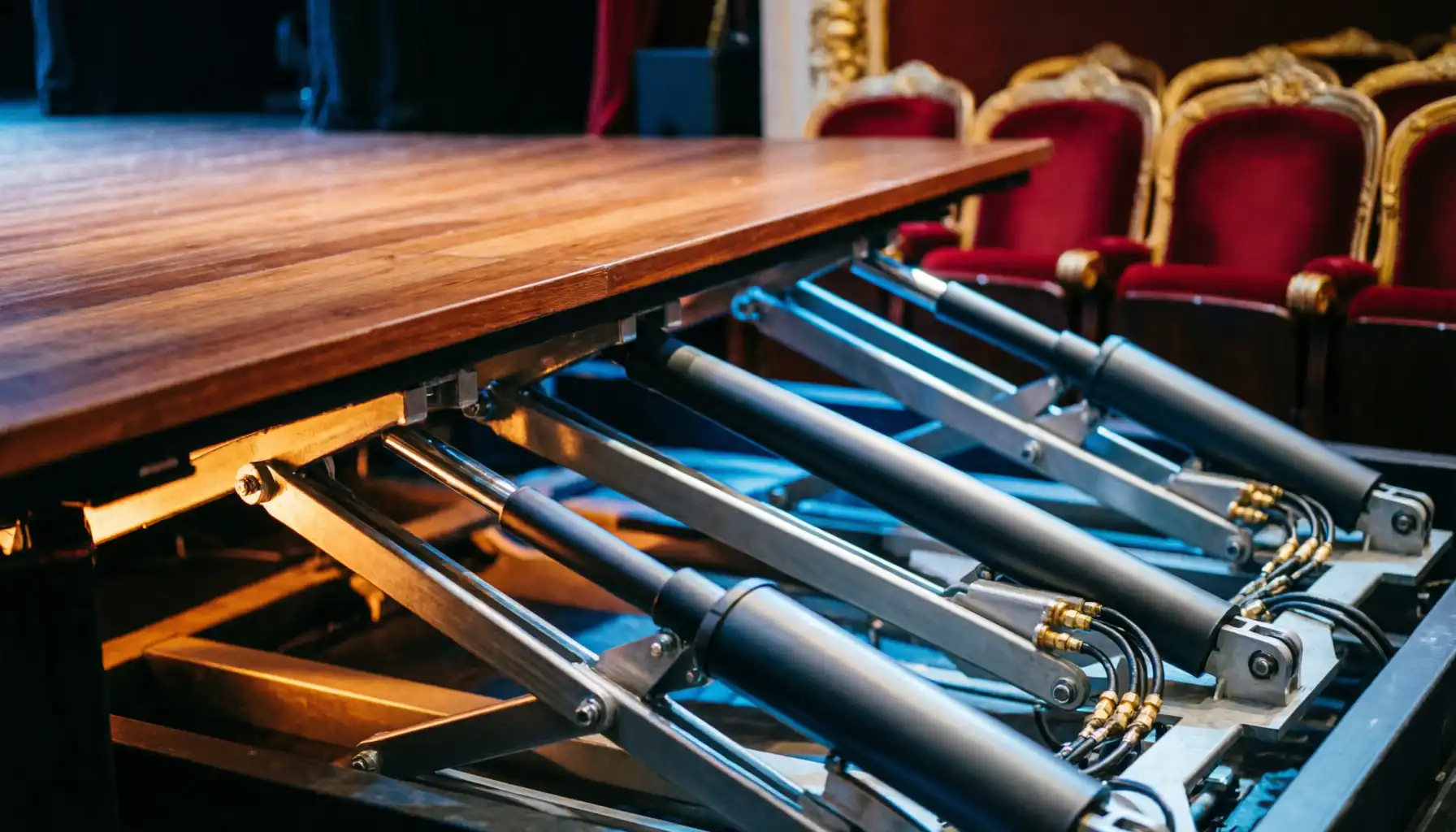
Some of the hardest problems in industrial engineering can be found in the mechanical systems that are under the stage floor of a theater. While live shows are going on, these complicated installations must work quietly while carrying heavy loads of 500 kg to over 10 tons. Procurement professionals can make better choices that protect both performers and long-term investment value if they know what makes these parts last.
Material Quality Sets the Foundation
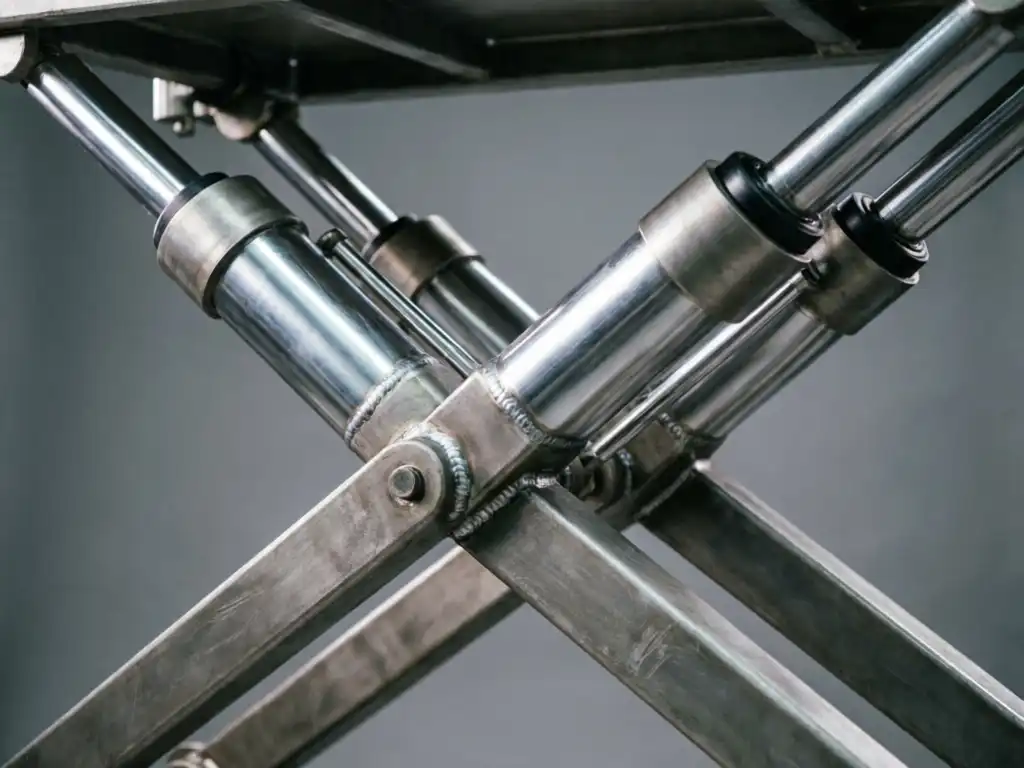
Premium-grade materials designed especially for theatrical use are the building blocks of long-lasting parts. Double-sealed construction is needed for hydraulic cylinders to keep fluid from leaking and damaging the floor of the venue. For load-bearing frames, you need high-tensile steel with welded joints that have been tested to hold up to 125% of their maximum capacity. When trucks or heavy scenery elements move across raised platforms, reinforced scissor arms provide the necessary lateral rigidity. These material requirements have a direct effect on whether a lifting system works regularly for 10 years or needs to be replaced after only three seasons of use.
Wear Resistance Through Engineering Innovation
Because stage shows are repeated, they put special demands on mechanical parts. Every night, dozens of elevation changes can happen in a single Broadway show, adding up to thousands of rounds a year. To deal with this problem, manufacturers use high-tech bearing systems that lubricate themselves, precision-machined gears that reduce friction, and hydraulic pumps that are made to work for long periods of time. These improvements to the engineering cut down on the time between maintenance checks and stop the sudden failures that can cancel shows and hurt the image of the venue.
Safety Compliance as Durability Indicator
Parts that meet the EN 14908 standards for theater equipment and the EN 17206 safety standards for understage machinery show that they are durable through the way they were designed. These certifications require lifting elements to have 10:1 safety coefficients, two separate emergency stop systems, and mechanical locking devices that work without hydraulic pressure. When companies follow these strict rules, they naturally make stronger goods because safety requirements and longevity goals go hand in hand.
Top Manufacturers Renowned for Durable Understage Machinery Components
There are a lot of well-known companies that make stage automation systems around the world, but their skills and areas of expertise are very different. To judge these businesses, you need to look beyond their marketing materials and at the results of their projects and their long-term ties with customers.
Sh Stage: Direct-Source Manufacturing Excellence
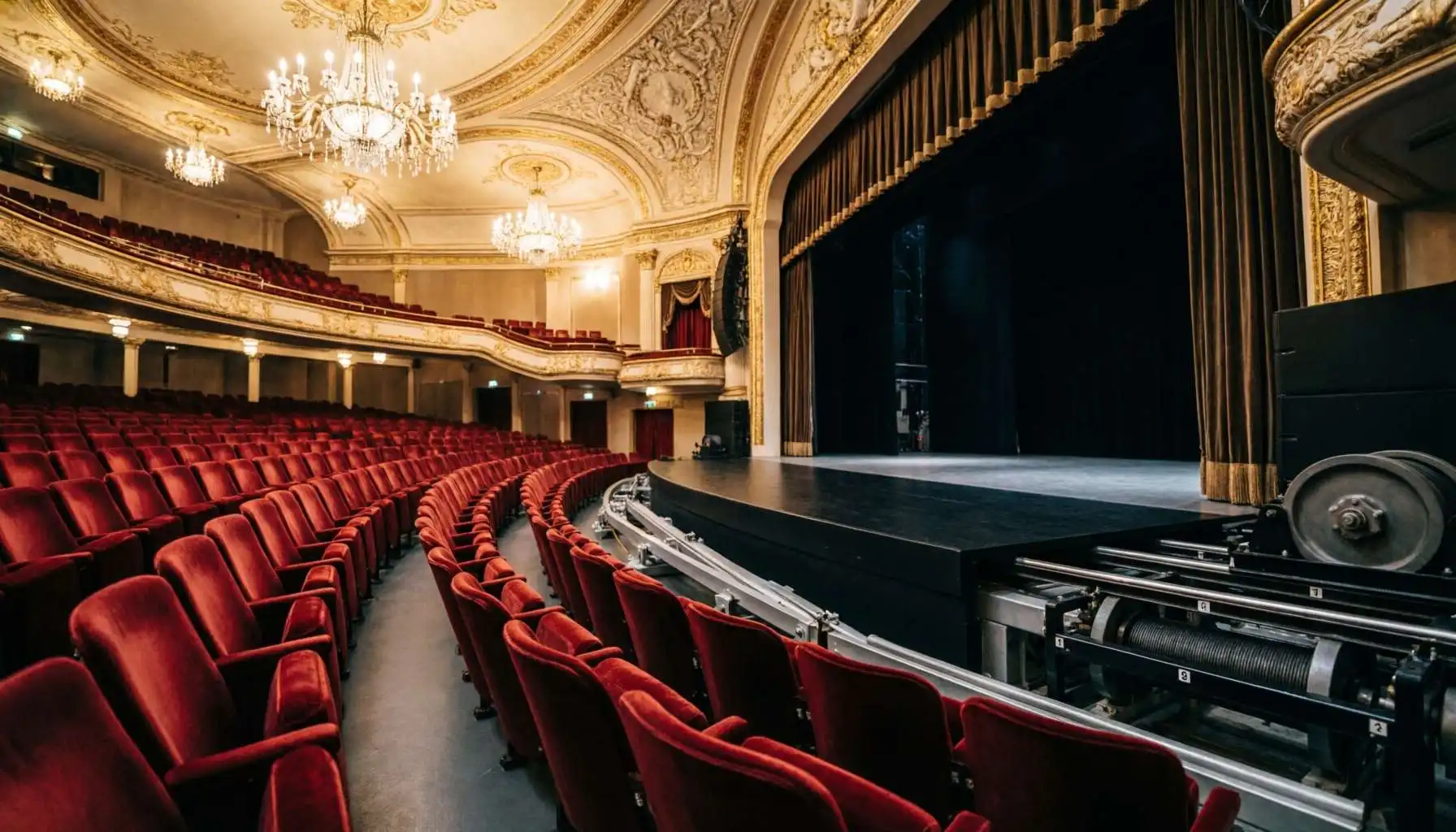
Sh Stage has been around since 2009 and is the foreign trade arm of a vertically integrated group that also has specific manufacturing facilities and operational support entities. This system gets rid of markups in the middle, but quality control stays in place from choosing the raw materials to putting them into use. Their hydraulic lifting platforms can accurately position themselves to within ±1mm thanks to high-tech linear encoder feedback systems that keep noise levels below 45dB so that shows don't affect the art.
The Stage Hydraulic Lifter product line from the company shows how they do engineering. These systems can handle platforms of any size, with weight capacities ranging from 500 to 1,000 kilograms and heights of up to 12 meters. Smooth S-curve acceleration patterns from the hydraulic drive systems protect sensitive equipment and keep performers safe. Before being shipped, each unit goes through 110% dynamic load testing to make sure it will work reliably in the real world.
Evaluating Manufacturer Credentials
When looking at different possible suppliers, there are a few things that set truly capable makers apart from equipment brokers. ISO approval shows that the process is consistent, and CE marking shows that the company follows European safety rules. When a company offers a warranty on a product, it shows that they are confident in its durability. For example, companies that cover hydraulic parts and structural elements for five years usually build systems that last decades, not years.
Feedback from customers on finished work is very helpful. Sh Stage's all-around method is shown by the Grand Theater of Haikou College of Economics project, which included 32 sets of hoist lifting equipment and a main lifting and rotating platform with control systems built in. Such turnkey implementations show the level of technical knowledge needed to make sure that all the parts work together smoothly throughout their entire operating life.
Innovation in Material Technology
Leading makers are always improving the designs of their parts by using new information from materials science. Modern hydraulic cylinders are made of metals that don't rust and keep the seals intact in a wide range of settings, from climate-controlled opera houses to outdoor amphitheaters. Industrial-grade devices with conformal coatings that protect against dust and moisture are used in control systems. These seemingly small requirements add up to big benefits in terms of durability over equipment that is only made to meet the most basic functional requirements.
Comparing Understage Machinery Components from Different Manufacturers
When making B2B purchasing choices, you have to weigh the initial investment against the total cost of ownership. When it comes to stage equipment, this estimate is especially important because the replacement costs include more than just the machinery itself. They also include venue downtime, installation labor, and the chance that the production will have to be canceled.
Price-Performance Considerations
Precision-engineered systems may be 30–40% more expensive than entry-level lifting platforms, but this savings is often not what it seems to be. Professional-grade hydraulic pumps last 15,000 hours or more, while lower-grade pumps only need to be replaced after 3,000 to 5,000 hours of use. Budget control tools don't have the backups that keep one point of failure from happening. Lifecycle costs for a venue that lasts 15 years usually show that premium parts from well-known makers result in 25–35% lower total costs, even though they cost more at first.
Markups for distributors can add 20–30% to project costs without making the product better. Direct-source makers like Sh Stage don't have these markups. The price of their factory-direct type is competitive, and it meets the engineering standards needed for professional theater use. Event production companies and equipment rental companies that need reliable equipment that doesn't need as many service calls during touring productions will benefit the most from this method.
Manual Versus Automated Systems
Traditional manual winch systems are easy to use and don't cost as much to set up, but they need dedicated operators and can't place things as precisely as modern productions need. Automated hydraulic platforms with programmable control systems make it possible to repeat moves that are very complicated and need to be very accurate to within 1 mm. This is shown in the Concert Hall of Shenzhen Art School, which has 38 sets of hoist lifting equipment and 8 acoustic shell hoists that work together under one control system to make the sound best for different types of performances.
Automated understage equipment systems are also safer because they have built-in sensors that can find barriers and stop overloading. These safety features lower the risk of being sued and allow for more ambitious stage designs that would not be possible with manual tools.
New Equipment Versus Refurbished Options
Sometimes, used stage equipment looks like a good idea for projects that need to stay within a budget, but this method comes with a lot of risks. No matter how often they are used, hydraulic seals break down over time, and hidden wear in mechanical parts can cause catastrophic breakdowns. Control systems that have been updated rarely come with refurbished equipment. This means that places have to rely on old electronics that are getting harder and harder to service.
New equipment from reliable companies comes with full instructions, training for operators, and a warranty that protects the venue's investment. Companies like Sh Stage offer technical help and spare parts 24 hours a day, seven days a week. This means that production can keep going even when routine maintenance needs to be done.
Maintenance Tips to Maximize the Lifespan of Understage Machinery Components
Even the most durable parts need to be maintained in the right way for them to work as long as they were meant to. Systematic preventive care cuts down on emergency repair costs by a large amount and increases the life of equipment by 40 to 60 percent compared to reactive maintenance methods.

Preventive Inspection Schedules
Professional venues should check the hydraulic lines, electrical connections, and mechanical wear spots visually once a month. Technical inspections should be done every three months to make sure the positioning is correct, test the emergency stop features, and check the condition of the hydraulic fluid. Every year, experienced technicians do full checks to find developing problems before they become too dangerous to the system's reliability.
The 35 sets of hoist lifting tools at Tangxia Jinguiyuan School's Sports & Arts Gymnasium are safer because of these rules. Regular checks make sure that all the different kinds of student activities, from basketball games to plays, go off without any technical problems that would make the building less useful for learning.
Lubrication and Cleaning Protocols
When dust builds up on linear guides and bearing surfaces, wear goes much faster. Setting up cleaning schedules that work with the venue's conditions saves moving parts. Fluids in hydraulic systems need to be changed at times set by the maker, usually every 2,000 to 3,000 hours of use. Using the wrong lubricants or hydraulic fluids can void warranties and damage seals, which can lead to costly fixes.
Genuine Replacement Parts
While aftermarket parts may be cheaper, they often don't meet the exact specs and material requirements of original equipment. When hydraulic seals are made to general specs instead of system-specific requirements, they fail before they should. Getting parts for a control system from unapproved sources could leave safety holes. Sh Stage offers full support, which includes easy access to original spare parts that keep the equipment's original performance qualities throughout its lifetime.
How to Choose the Right Manufacturer for Your Understage Machinery Needs?
When you choose a manufacturing partner, you're making a long-term pledge that goes far beyond just delivering the equipment. If you choose the right supplier, they will become a strategic partner that helps the venue run through decades of shows. If you choose the wrong supplier, you will have to deal with ongoing problems and rising costs.
Matching Capabilities to Project Scale
Opera houses in big cities need different kinds of answers than small performing arts centers. For educational institutions like universities and training centers, simple robotic features that are easy to use are more important than complicated ones. The Yangchun Workers' Cultural Palace project shows how to scale things correctly. It has 19 sets of hoist lifting equipment with flame-resistant curtains and built-in controls that meet the needs of the venue's cultural programs without making things too complicated.
Manufacturers who give customizable configurations instead of one-size-fits-all goods show that they have the engineering know-how to meet the needs of different venues. Platform sizes, lifting heights, and load capacities should all be perfectly matched to the intended uses. If they aren't, adjustments will be needed, which could limit creative options or waste money on features that won't be used.
After-Sales Support Infrastructure
Installing equipment is only the start of the connection between the buyer and the manufacturer. Help with commissioning is needed at venues to make sure that new systems work well with current infrastructure. Technical staff can learn the right way to do things and spot problems before they get too bad with operator training programs. Responding to technology issues keeps small problems from getting worse and threatening production.
Because technical problems rarely happen during convenient business hours, Sh Stage's global service network offers multilingual help 24 hours a day, seven days a week. Their engineering team provides full project support, from initial design consultation to installation supervision and ongoing upkeep advice, making sure that the equipment works at its best for as long as it lasts.
Customization and Engineering Flexibility
Standard catalog understage equipment items meet most needs, but unique places need answers that are made just for them. Manufacturers that can make custom automation systems for dynamic shows and interactive attractions are especially helpful for theme parks and entertainment centers. For this level of engineering flexibility to work, the company needs to have strong in-house design skills, as well as modern manufacturing tools and skilled technical staff.
Companies like Sh Stage stand out because they have a history of customizing a wide range of apps. Their portfolio includes educational facilities, cultural centers, and specialized entertainment places, showing that they have the range of technical skills needed to deal with different problems. This flexibility makes sure that procurement teams find partners who can carry out their exact vision, instead of having to make concessions to fit the limits of the manufacturer.
Conclusion
Selecting manufacturers for durable components beneath performance spaces requires evaluating engineering expertise, quality commitment, and comprehensive support capabilities. Sh Stage's integrated manufacturing approach delivers precision-engineered hydraulic lifting platforms and automation systems meeting international safety standards while providing direct-source pricing advantages. Their proven track record across theaters, educational institutions, and cultural venues demonstrates the reliability essential for mission-critical stage automation. Procurement professionals seeking long-term value should prioritize manufacturers offering genuine source credentials, rigorous testing protocols, and global support infrastructure that protects venue investments throughout their operational lifespan.
FAQ
What factors determine the durability of lifting platforms beneath performance stages?
Component durability depends primarily on material quality, precision engineering, and adherence to theater-specific safety standards. Hydraulic cylinders require double-sealed construction and corrosion-resistant alloys. Load-bearing structures need high-tensile steel tested to 125% capacity. Systems meeting EN 14908 theater equipment standards inherently incorporate durability features through mandatory safety coefficients and redundant protection mechanisms.
How does direct-source manufacturing impact equipment reliability?
Direct-source manufacturers control the entire production process from material selection through final testing, ensuring consistent quality standards. This vertical integration eliminates communication gaps between designers and fabricators that can compromise specifications. Companies like Sh Stage leverage their integrated facilities to implement rigorous 110% dynamic load testing and maintain traceability for every component, directly enhancing long-term reliability.
What maintenance intervals should venues expect for hydraulic stage equipment?
Professional installations require monthly visual inspections, quarterly functional testing, and annual comprehensive assessments by qualified technicians. Hydraulic fluid changes typically occur every 2,000-3,000 operating hours. Proper maintenance protocols extend equipment lifespan by 40-60% compared to reactive approaches, making preventive care essential for protecting venue investments.
Partner with Sh Stage for Reliable Stage Automation Solutions
Sh Stage specializes in the design and manufacture of professional stage automation systems for theaters, concert halls, auditoriums, and entertainment venues worldwide. With vertically integrated production capabilities and extensive engineering experience, we provide reliable, cost-effective solutions tailored to different performance and venue requirements.
Our product portfolio includes hydraulic lifting platforms, stage hoist systems, rotating stages, orchestra lifts, and intelligent control systems designed for safe, stable, and precise operation. Backed by ISO-certified manufacturing processes and strict quality control, our equipment is widely used in educational facilities, cultural centers, theaters, and large-scale performance venues.
We offer complete turnkey services covering engineering consultation, customized design, manufacturing, installation, commissioning, technical training, and long-term after-sales support. From single-stage projects to large venue integrations, our experienced team works closely with customers to deliver efficient solutions with dependable performance and responsive service.
Contact us for project inquiries and cooperation:
Website: www.shstage.com / www.jszbzn.com
Email: info@shstage.com
Tel / WhatsApp: +86 18068792502
As a trusted understage machinery manufacturer, Sh Stage delivers the technical expertise and reliable support your venue deserves.
References
1. Anderson, T.R. (2021). Theater Engineering: Mechanical Systems for Performance Venues. Architectural Press, pp. 156-189.
2. European Committee for Standardization. (2019). EN 14908: Equipment for Theaters - Safety Requirements and Test Methods. Brussels: CEN Publications.
3. Henderson, M. & Liu, S. (2020). "Lifecycle Cost Analysis of Stage Automation Systems." Journal of Entertainment Technology, 12(3), 45-67.
4. International Organization for Standardization. (2018). ISO 12100: Safety of Machinery - General Principles for Design. Geneva: ISO Standards.
5. Mitchell, R.P. (2022). Hydraulic Systems in Architectural Applications: Design, Maintenance, and Reliability. Engineering Publications Ltd., pp. 301-334.
6. Williams, J.D. (2023). "Material Selection for High-Cycle Mechanical Systems in Entertainment Venues." Materials Engineering Quarterly, 18(2), 112-128.

USER EVALUATE
Here is the customer's evaluation of us