




What are the Benefits of Using Motorized Stage Machinery?
By providing precision, safety, and efficiency that manual systems simply cannot match, motorized stage machinery has revolutionized how performance places run. These electrically driven systems move curtains, lighting rigs, platforms, and other parts of the set automatically. This saves money on labor and makes operations more reliable. Automated lifting equipment and control systems change the technical possibilities in places like national theaters that need to be quiet and meeting centers that need to be able to change their layout quickly. The industry has realized that investing in cutting-edge stage machinery leads to better shows, safer workplaces, and more creative freedom for directors and production teams, which is why the industry is moving toward motorized solutions.
Understanding Motorized Stage Machinery
What Defines Modern Motorized Systems?
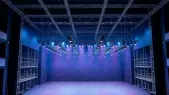
Using motorized stage equipment is a complete way to automate the theater. Electric motors, precise control panels, safety sensors, and the ability to mix lighting and sound technology are all part of these systems. Electric-driven solutions are better than hydraulic or manual ones because they can repeatably place things to within millimeters, which is important for professional productions that need to change scenes at the same time.
Core Components That Drive Performance
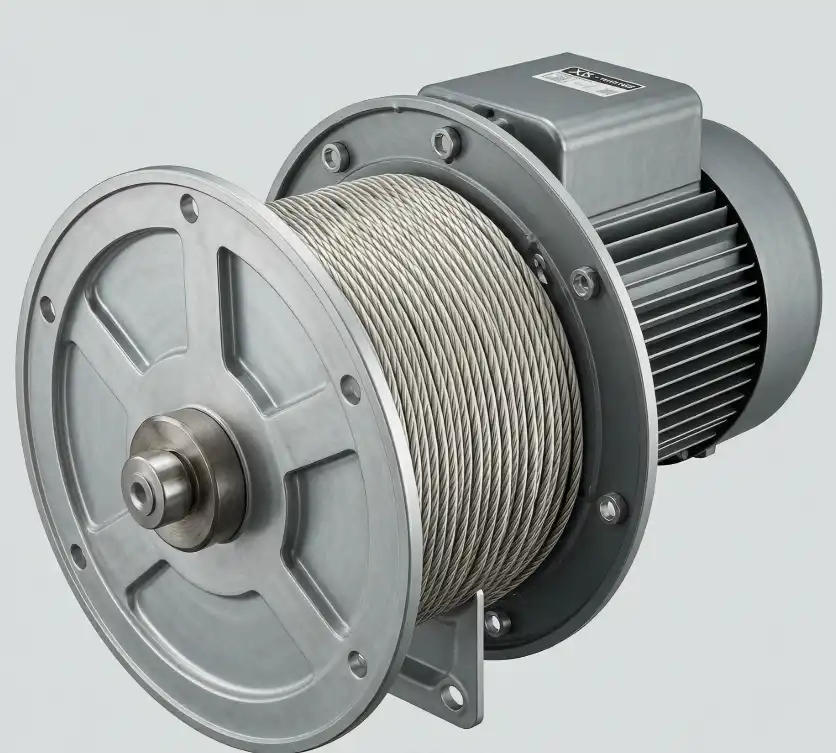
These systems are powered by motors with changeable frequencies that control speed, wire rope assemblies that work quietly, and programmable logic controllers that let you do complicated choreography. Modern systems, like the ZB-WDJ series, use multi-layer winding technology that lets curtains move from grid height to understage trap rooms all at once. This is very important for places that have to change sets often.
Engineering Principles Behind Automation
Knowing how to calculate loads, how much motor power is needed, and the safety factor standards helps procurement teams make smart choices. Manufacturers of good products put their products through a lot of tests, like 125% static load trials and 110% dynamic load trials, to make sure that the equipment works well in real life. This amount of engineering detail is what sets professional-grade equipment apart from consumer-level goods.
Core Benefits of Motorized Stage Machinery for Theaters and Venues
Enhanced Operational Efficiency and Speed
Automated lifting systems cut the time it takes to change scenes by a huge amount. Manual rigging could take 15 to 20 minutes and several techs, but motorized solutions can do the same job with just one operator in less than three minutes. This speed is very helpful for places that have a lot of events every day or for plays that need to switch between scenes quickly. This benefit was shown by the Yanbian Tourism Distribution Center project, which used 51 hoist units to make the venue flexible enough to go from business meetings to culture performances in hours instead of days.
Superior Safety Standards and Risk Reduction
Modern stage equipment has many fail-safe features built in. Travel detection systems stop equipment from going beyond safe limits, rope loosening safeguards stop operations if tension drops suddenly, and overload protection mechanisms refuse orders that go over the rated capacity. These features meet foreign safety standards, such as EN 17206 and LOLER rules, which makes the workplace much safer. Places like Zaozhuang Auditorium put safety first by putting fireproof curtains and systems with emergency stop buttons. This kept both technicians and audience members safe.
Scalability for Diverse Venue Requirements
Motorized systems come in modular designs that can be changed to fit the size and price of any venue, from a small university lecture hall to a huge opera house. The ZB-WDJ series is a good example of this because it can hold loads from 400 kg to 1000 kg and can be customized to meet higher standards. Cost-effective models that are easy to use are good for schools, while proscenium stages use more complex setups that handle heavy drapery bars and complicated fly systems.
Energy Efficiency and Sustainability
Electric driven systems use a lot less energy than hydraulic ones, which need the pump to be running all the time. By changing the motor speed based on the load, variable-frequency drives make the best use of power and cut energy costs by 30–40% compared to older technologies. This efficiency fits with the sustainability goals that cultural organizations and government-funded venues are putting more and more emphasis on, and it will save money in the long run.
Comparing Motorized Stage Machinery with Other Types
Motorized Versus Manual Rigging Systems
For decades, theater technology was controlled by manual counterweight systems that had to be balanced by hand. Even though it's easy and doesn't need electricity, manual rigging needs trained workers, puts people at a higher risk of injury from repetitive strain, and slows down the rate at which scenes can be changed. Motorized alternatives remove the need for physical effort, allow precise positioning through digital controls, and let a single operator control multiple fly lines at the same time.
Electric Versus Hydraulic Stage Equipment
Hydraulic devices are very powerful and can move heavy loads, but they can be hard to use. Fluid leaks are a pain to fix and can be dangerous, pump noise ruins shows, and hydraulics that use oil are bad for the environment. Electric motorized equipment is quiet, which is important for recording studios and small theaters. It also needs little upkeep, just lubrication, and there are no environmental risks related to fluids. The Shanghai Sanchuan Film & Television Base chose electric hoists because they don't make noise during shooting, which is important because even small noises can mess up takes.
Real-World Application Scenarios
Binhai College of Beijing Jiaotong University put in 25 stage equipment hoisting units for their multipurpose hall, making sure that they were easy for student techs to use. The opposite is true for big opera houses, which use complex point hoist systems to control dozens of separate fly lines in sync. By knowing about these changes in applications, procurement managers can better match technology to operational needs and avoid over-specifying equipment.
Maintenance and Problem Prevention in Motorized Stage Machinery
Common Issues and Their Causes
Motor wear is usually caused by not lubricating it enough or using it too many times, beyond what the maker recommends. Problems with control systems are often caused by electrical interference, old software, or bad grounding. Most mechanical problems are caused by worn-out wire ropes, brakes, or gearboxes. By noticing these patterns, venues can use targeted tactics to keep these things from happening.
Preventative Maintenance Best Practices
Setting up inspection plans every three months finds problems before they become major problems. Following the manufacturer's instructions for lubricating moving parts makes them last a lot longer. Software changes fix bugs and make things work better, especially on newer systems that have features that can be programmed. Keeping records of maintenance tasks makes useful historical data that can be used to plan budgets and figure out when to replace things.
Selecting Suppliers with Strong Support Infrastructure
Manufacturers who back their products with full warranties—usually two to five years for good systems—show that they believe in their products. Spare parts stocks that are easy to get to keep downtime to a minimum when repairs need to be done. Quick technical support, preferably available 24 hours a day, seven days a week, and in multiple languages, is very helpful for fixing urgent problems before shows. Sh Stage offers full support, including installation, commissioning, operator training, and ongoing upkeep advice, to make sure that operations stay uninterrupted throughout the lifecycle of the equipment.
Procurement Considerations for Motorized Stage Machinery
Compliance Certifications and Quality Standards
Business-to-business buyers should check that the product has the right CE marking for the European market, the right UL listing for installs in North America, and that it meets the EN 17206 standards for entertainment technology. These certifications show that testing and quality control are done by separate parties. Having ISO 9001 certification means that quality control is used in every step of the manufacturing process.
Customization Capabilities and Engineering Support
Standard store items work well in many situations, but solutions that are specifically made for those situations are often needed. Manufacturers that offer ODM/OEM services can change the mounting arrangements, stroke lengths, load capacities, and control interfaces to fit the needs of a particular building. During the creation stages of a project, engineering teams that provide CAD drawings, load calculations, and integration planning are very helpful.
Evaluating Manufacturer Reliability and Track Record
Looking at finished stage machinery projects gives you an idea of what a company can do. Look for people who have worked in places that are the same size and purpose as yours. Customer reviews and the number of return customers show how satisfied customers are. Having an in-house R&D group at a manufacturing facility shows that the company is committed to new ideas and better products. Sh Stage was founded in 2009 as the foreign trade section of a vertically integrated group that includes Jiangsu Zhongbang Intelligent Technology Co., Ltd. The company has more than 15 years of experience in its field and has provided solutions to performance venues in more than 50 countries.
Installation, Training, and After-Sales Services
Professional installation makes sure that the new wiring fits in with the old wiring and follows all local electrical rules. Full training for operators cuts down on mistakes and makes the most of what the tools can do. The warranty terms should make it clear how long the service lasts, how long it takes to respond, and how to replace parts. Venues can better manage their capital expenditures with the help of financing choices. This is especially helpful for educational institutions and municipal projects that are limited by budget.
Advanced Features in Contemporary Stage Machinery
The Multi-Layer Winding Advantage
Multi-layer winding suspension hoists are a big step forward in technology for places that need a lot of fly height. These methods wind multiple layers of wire rope around the drum, which greatly increases the travel distance without making the equipment bigger. This small design is very useful for places that don't have a lot of overhead room or need to pack technical galleries very closely together. The ZB-WDJ series can lift things up to 10 to 15 meters high while keeping exact control and running multiple units at the same time.
Integration with Modern Control Systems
Modern motorized equipment works well with lighting panels, software for controlling shows, and systems for managing buildings. This integration lets you use pre-set cue sequences, remember positions automatically, and check on the state of the system at any time. In more advanced venues, complex automated sequences coordinate the movement of scenery with changes in lighting and sound, which raises the production value while lowering the operator's task.
Customization for Specialized Applications
In theme parks and other immersive entertainment places, equipment is used in ways that aren't typical in theaters. Custom automation systems make moving effects like kinetic statues, stages that spin, and platforms that rise. Manufacturers like Sh Stage offer custom engineering to meet these specific needs, combining artistic goals with safety rules and budget limits. Because load capacities, operating speeds, and control interfaces can be changed, solutions can be made to fit different artistic ideas.
Conclusion
Investing in quality motorized stage machinery delivers measurable returns through enhanced safety, operational efficiency, and creative possibilities. The comparison between electric, hydraulic, and manual systems reveals clear advantages for motorized solutions in precision, reliability, and long-term cost management. Procurement success depends on partnering with experienced manufacturers who provide comprehensive support from initial design through ongoing maintenance. As performance venues increasingly demand rapid reconfiguration, silent operation, and sophisticated automation, motorized systems become essential infrastructure rather than optional upgrades.
FAQ
What makes motorized stage equipment safer than manual systems?
Motorized systems incorporate multiple automatic safety features impossible with manual rigging. Emergency stop buttons immediately halt all movement, overload sensors prevent operation beyond safe limits, and travel detection systems stop equipment at predetermined boundaries. These fail-safe mechanisms reduce operator error risks and comply with strict international safety standards like LOLER and EN 17206, which mandate specific protection requirements for entertainment industry equipment.
How do I determine the right load capacity for my venue?
Calculate total weight including all attached elements—curtains, lighting instruments, hardware, and safety factors. Industry standards recommend selecting equipment rated 50-100% above calculated loads to ensure safe operation and accommodate future additions. Consult with manufacturers like Sh Stage who provide engineering support to analyze your specific requirements, considering factors like duty cycle, travel distance, and operating speed that influence proper specification.
What is the typical lifespan of quality motorized stage machinery?
Well-maintained professional-grade systems typically operate reliably for 15-25 years. Lifespan depends on duty cycle intensity, maintenance quality, and environmental conditions. Regular inspections, proper lubrication, and timely component replacement extend operational life significantly. Choosing reputable manufacturers with accessible spare parts ensures you can maintain equipment long-term rather than facing premature replacement due to part unavailability.
Partner with Sh Stage for Professional Stage Machinery Solutions
Sh Stage has specialized in the design and manufacture of professional stage machinery systems since 2009. As a direct manufacturer, we provide complete services from design, production, installation, and commissioning to after-sales support, ensuring reliable quality and cost-effective solutions for global customers.
Our product range includes stage lifting systems, point hoists, rotating stages, orchestra platforms, and customized automation equipment for theaters, auditoriums, film studios, and entertainment venues. Backed by extensive project experience, we deliver tailored solutions that meet CE and EN 17206 international standards.
We offer one-stop support from engineering consultation and customized design to installation, training, and long-term maintenance. With factory-direct pricing, flexible customization, and responsive technical service, Sh Stage is committed to helping customers build safe, efficient, and high-performance stage systems.
Contact us for project inquiry and cooperation:
Website: www.shstage.com / www.jszbzn.com
Email: info@shstage.com
Tel / WhatsApp: +86 18068792502
As an experienced stage equipment manufacturer, we deliver the technical expertise and dependable service your venue deserves.
References
1. International Organization for Standardization. (2019). "Safety Requirements for Entertainment Technology Equipment - Mechanically Driven Stage Machinery." ISO 17206 Standards Documentation.
2. Glerum, J. O. (2018). Stage Rigging Handbook, Fourth Edition. Carbondale: Southern Illinois University Press.
3. Institution of Structural Engineers. (2020). "Temporary Demountable Structures: Guidance on Procurement, Design and Use." London: IStructE Technical Publications.
4. Entertainment Services and Technology Association. (2021). "Electrical Power Systems for Mobile and Temporary Venues." ESTA Technical Standards Program.
5. American Society of Safety Professionals. (2022). "Risk Assessment and Control for Entertainment Venues: Best Practices in Stage Machinery Operations." ASSP Professional Development Conference Proceedings.
6. British Standards Institution. (2017). "Code of Practice for the Safe Use of Lifting Equipment in the Entertainment Industry." BS 7906+A1 Standards Documentation.

USER EVALUATE
Here is the customer's evaluation of us