




What are Recommended Suppliers for Lightweight and Portable Stage Machinery Options?
When procurement managers look for trusted providers of stage machinery, they look for companies that offer modular hoisting systems, compact winch designs, and portable rigging solutions that balance performance and portability. The best providers usually focus on multi-layer winding hoists, lightweight truss systems, and automated control platforms that are designed to be quickly set up in a range of performance settings. Sh Stage is one of the most reliable companies that makes certified portable lifting equipment for traveling shows, schools, and convention centers that need to be able to set up quickly and with little need for infrastructure.


Understanding Lightweight and Portable Stage Machinery
Nowadays, show venues want more and more professional equipment that doesn't require heavy installations or a lot of space. Lightweight and portable stage machinery includes lifting systems, moving equipment, and rigging parts that are designed to be smaller and lighter while still being able to do their full job. Most of the time, these systems are made of aluminum alloy and have small motor housings and flexible assembly designs that make them easy to move and set up quickly.

Key Components of Portable Systems
Core parts include electric hoists with varying speeds that can lift loads from 400 kg to 1000 kg, steel grid structures that can be put together in different ways to support the roof, and control systems that can work together to make sure everything works at the same time. Modern models have multi-layer winding systems that store wire rope effectively, letting them have longer lifting strokes in smaller housings. This way of thinking about engineering is especially helpful for companies that rent out venues for events and for touring theater shows that need to load in every day.

Primary Applications Across Industries
Portable lifting solutions serve convention centers needing rapid reconfiguration between exhibition layouts and seated performances. Educational institutions benefit from cost-effective systems that students can operate safely during productions. Broadcast studios utilize compact hoists for dense packing of lighting instruments on technical grids, maximizing available rigging points without visual obstruction. Theme park venues incorporate these systems into shows requiring frequent setup changes and mobile deployment across seasonal installations.
The practical benefits go beyond just lowering the weight. Modern portable systems let you program speed control from 0 to 0.5 meters per second, which lets you place set pieces precisely during live shows. Integrated safety features, such as overload protection, rope slack detection, and emergency stop functions, meet international standards while keeping the small size that is needed for travel use.
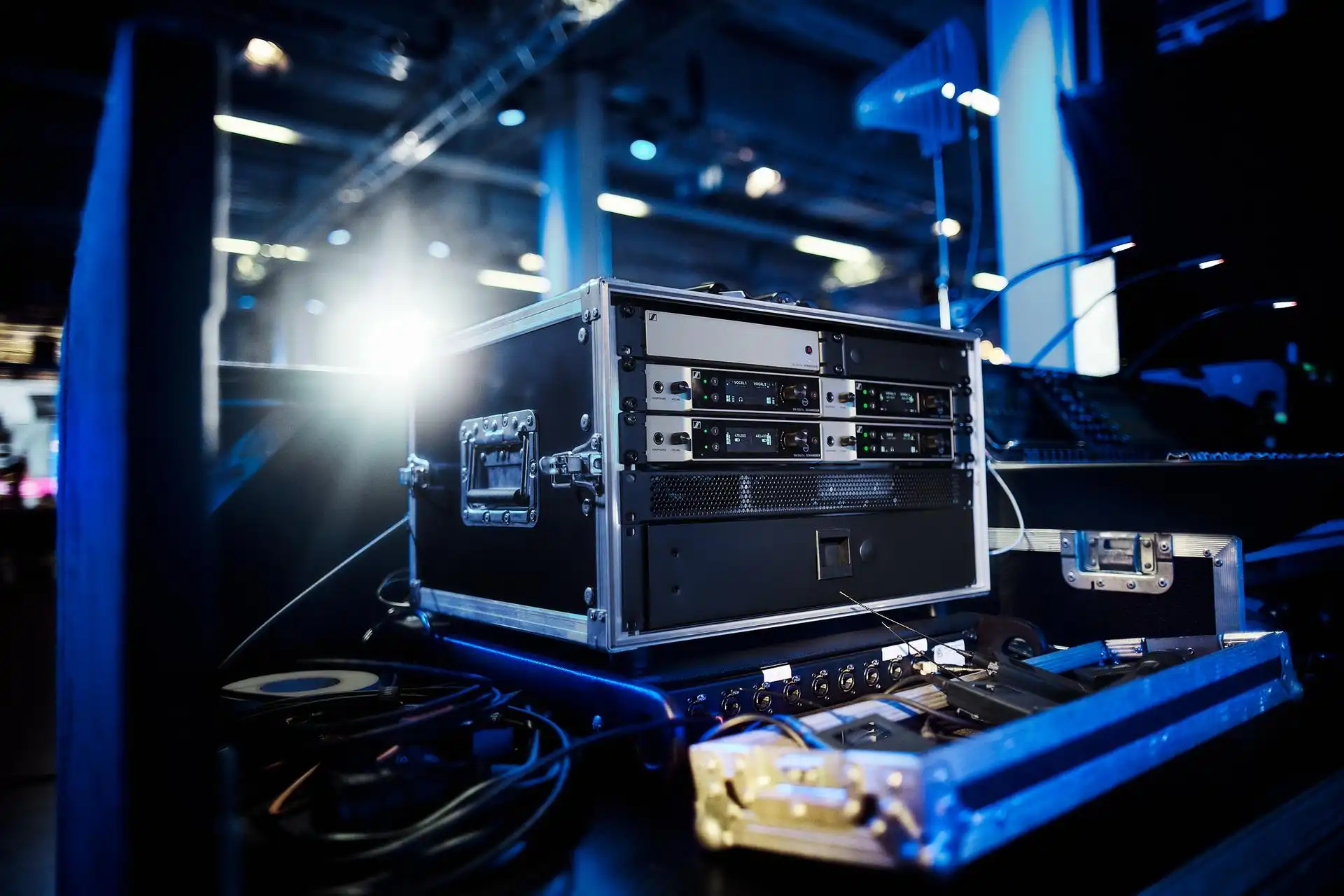
Core Requirements and Selection Criteria for Procurement
To buy equipment successfully, you need to make sure that the technical specs are clear and match how the place works. When procurement teams look at the payload needs compared to the available structural support, they have to think about both static and dynamic load situations during performances.
Technical Specifications to Evaluate
Load capacity represents the primary specification, with common portable systems ranging from 400kg for lighting applications to 1000kg for heavy scenic elements. Lifting speed affects production workflow, where variable frequency drives enable adjustment between slow positioning moves and rapid scene changes. Maximum stroke length determines the vertical travel distance, with 10-15 meters accommodating most proscenium theater fly systems and broadcast studio grids.
Wire rope diameter correlates directly with load capacity and durability in stage equipment systems. Systems handling 400-600kg typically employ 4.2-6mm diameter ropes, while 800-1000kg applications require 5.1-8mm specifications. Motor power ranging from 1.5kW to 5.5kW provides the torque necessary for smooth acceleration and precise stops under varying loads. Hanging point configurations from 4 to 6 attachment locations distribute loads evenly across supporting structures.
Regulatory Compliance Standards
European CE certification and American OSHA rules set the minimum standards for safety for equipment used in public places. The EN 17206 standard is very specific about theater equipment; it requires that structures be tested at 125% static load and 110% dynamic load capabilities. For high-strength steel parts and wire rope construction, the requirements for the purchase should call for third-party testing records and material certifications.
Maintenance and Support Considerations
Lifecycle costs include a lot more than just the price of the original purchase. Check with the supplier to see if they offer technical training, spare parts, and quick reaction times for troubleshooting. Long-term upkeep costs are lower and downtime is shorter when equipment has standardized parts and modular designs. For mechanical parts, warranties usually last between 12 and 24 months. For mission-critical setups, you can get longer service agreements.
Top Recommended Suppliers for Lightweight and Portable Stage Machinery
On the global market, there are both well-known makers and specialized regional suppliers. Each has its own benefits for different types of purchases. Knowing the strengths of a supplier can help match the equipment's powers with the needs of a venue and its operations.
International Market Leaders
Sh Stage maintains recognition for automation control systems integrating with lightweight mechanical components, particularly suited for venues requiring synchronized multi-axis movement. Their proprietary control platforms enable programming complex cues while maintaining compatibility with standard hoisting equipment. Kinesys specializes in modular rigging systems with load monitoring capabilities, appealing to rental companies prioritizing safety documentation and flexible configurations.
PRG operates as both manufacturer and rental provider, offering global logistics support and equipment pooling arrangements that reduce capital expenditure for seasonal users. Their extensive inventory allows trial periods before purchase commitments, valuable for evaluating performance in actual production conditions. Masque Sound focuses on compact acoustic environments, engineering hoists with reduced operational noise profiles essential for recording studios and intimate theatrical spaces.
Sh Stage's Specialized Solutions
Our ZB-WDJ Multi-Layer Winding Suspension Hoist Series represents purpose-built engineering for portable applications across performance environments. The system employs spiral umbrella helical gear mechanisms that deliver smooth operation across four capacity ratings from 400kg to 1000kg. Unlike conventional single-layer drums, our multi-layer winding design stores extended rope lengths within compact housings, enabling 10-15 meter strokes suitable for full-height theatrical flying systems.
The equipment incorporates comprehensive safety architecture including travel limit detection, top collision protection, and rope slack monitoring. Overload sensors prevent operation beyond rated capacity, while emergency stop circuits provide immediate power disconnection. Variable frequency drives enable speed adjustment from near-zero creep speeds for precise positioning to 0.5 meters per second for rapid transitions, with programmable acceleration curves preventing shock loading on rigging infrastructure.
Installation versatility accommodates 4-6 hanging point configurations, distributing loads across existing structural steel or portable truss systems. Motor power options from 1.5kW to 5.5kW match capacity requirements while optimizing energy efficiency. Our engineering team provides load calculations and structural integration drawings, ensuring compatibility with venue-specific conditions. The modular design facilitates transportation in standard road cases, with installation protocols enabling two-person setup within established grid systems.
Comparative Selection Factors
Procurement decisions for stage equipment should weigh technology integration capabilities, particularly regarding control system compatibility with existing equipment inventories. Suppliers offering open communication protocols enable integration with third-party consoles and show control platforms. Price competitiveness varies significantly based on customization requirements and order volumes, with direct manufacturer relationships typically providing 15-30% cost advantages over distributor channels.
Geographic service coverage affects response times for technical support and spare parts delivery. Suppliers maintaining regional service centers reduce downtime risks compared to single-location operations requiring international logistics for routine maintenance components. For touring productions operating across multiple countries, suppliers with established customs documentation and temporary import expertise streamline border crossing procedures.
Buying and Procurement Guide: How to Choose the Best Lightweight Stage Machinery Supplier?
Structured evaluation frameworks reduce procurement risks while ensuring selected equipment meets both immediate needs and long-term operational requirements. The assessment process should incorporate technical validation, commercial negotiation, and relationship management considerations.
Supplier Evaluation Framework
Quality verification begins with manufacturing facility certifications including ISO 9001 quality management systems and industry-specific standards compliance. Request documentation of material specifications, particularly for wire rope construction, structural steel grades, and electrical component ratings. Third-party testing reports validate load capacity claims and safety system functionality under failure mode conditions.
Regulatory compliance extends beyond equipment certifications to supplier capabilities for providing installation documentation, operator training materials, and inspection protocols meeting local authority requirements. Venues subject to regular safety inspections benefit from suppliers offering comprehensive technical files supporting permitting processes.
Negotiation Strategies for Bulk Orders
Volume commitments typically unlock tiered pricing structures, with 15-25% discounts available for orders exceeding 20 units. However, procurement teams should balance upfront savings against inventory carrying costs and obsolescence risks. Phased delivery schedules with volume pricing protection allow scaling deployments while maintaining budget flexibility across fiscal periods.
Customization options affect both pricing and lead times. Standard catalog configurations ship within 15-30 days, while engineered solutions requiring custom motor mounts, specialized controls, or unique capacity ratings extend to 30-45 days. Early supplier engagement during design phases enables optimization of specifications around available platform options, reducing custom engineering charges.
Contract Terms and Payment Structures
Standard payment terms follow 30% deposit upon order confirmation, 60% prior to shipment, and 10% retention upon installation completion and commissioning approval. Letters of credit provide security for international transactions, though confirmed irrevocable instruments add 2-3% transaction costs. Evaluate supplier willingness to provide performance bonds for large installations, protecting against non-delivery or specification failures.
Warranty provisions for stage equipment should explicitly define coverage periods, response time commitments, and procedures for defect resolution. Standard mechanical warranties span 12-24 months from commissioning dates, with wear components like wire rope and brake pads typically excluded. Extended service agreements bundle preventive maintenance visits, priority parts access, and remote diagnostic support for 3-5 year terms.
Installation, Maintenance, and After-Sales Services
Equipment performance and longevity depend heavily on proper installation procedures, preventive maintenance protocols, and responsive technical support throughout operational lifecycles. These factors often differentiate suppliers more significantly than initial product specifications.
Professional Installation Protocols
Supplier-led installation services ensure equipment mounting meets structural loading requirements and safety clearances. Certified technicians verify wire rope spooling patterns, limit switch calibration, and emergency stop circuit functionality before operational handover. This approach reduces liability risks associated with improper installation and provides documented commissioning records for insurance and regulatory compliance.
The installation process for our multi-layer winding systems begins with structural load verification, confirming attachment points meet static and dynamic load ratings with appropriate safety factors. Technicians align gear housings to prevent side-loading conditions that accelerate wear, then calibrate variable frequency drives for smooth acceleration profiles specific to suspended load characteristics. Final commissioning includes full-stroke testing under rated loads, emergency system verification, and operator training on routine inspection procedures.
Preventive Maintenance Requirements
Routine inspection schedules should occur monthly for high-utilization venues and quarterly for intermittent-use facilities. Critical checkpoints include wire rope condition assessment for broken strands or diameter reduction, brake pad wear measurement, and gearbox lubricant level verification. Annual comprehensive inspections involve load testing at 110% capacity, electrical connection integrity checks, and safety system functional testing.
Maintenance-friendly designs incorporate accessible service points, standardized fastener specifications, and modular component replacement. Equipment featuring separate motor and gearbox assemblies enables field replacement of wear components without removing entire hoist units from overhead positions. Suppliers providing detailed maintenance manuals with photographic step-by-step procedures reduce dependence on factory technicians for routine service tasks.
Technical Support Infrastructure
After-sales support quality varies dramatically across suppliers, affecting operational continuity during critical production periods. Evaluate supplier capabilities for 24/7 technical hotline access, remote diagnostic tools, and spare parts inventory locations. Manufacturers maintaining regional distribution centers typically achieve 24-48 hour parts delivery for common wear components compared to 7-14 days for international shipments.
Our support infrastructure includes multilingual technical teams available around the clock for troubleshooting assistance. Remote diagnostic capabilities enable real-time system monitoring and parameter adjustment without on-site visits. We maintain comprehensive spare parts inventory covering motors, gearboxes, control components, and wear items, with global shipping partnerships ensuring rapid delivery to project sites worldwide.
Conclusion
Selecting appropriate lightweight and portable stage machinery requires balancing technical specifications, supplier capabilities, and long-term support infrastructure. The market offers diverse solutions from international automation specialists to focused manufacturers like Sh Stage delivering purpose-built systems for portable applications. Our ZB-WDJ Multi-Layer Winding Suspension Hoist Series exemplifies engineering specifically addressing transportability, safety compliance, and operational flexibility across theaters, broadcast facilities, convention centers, and touring productions. Successful procurement integrates careful specification development, thorough supplier evaluation, and structured relationships ensuring equipment performs reliably throughout extended service lifecycles. The investment in quality portable lifting systems delivers operational flexibility, reduces setup labor, and enables creative staging possibilities previously constrained by fixed infrastructure limitations.
FAQ
What distinguishes lightweight stage machinery from traditional equipment?
Lightweight systems employ aluminum alloy construction, compact motor configurations, and multi-layer winding drums reducing overall weight by 30-40% compared to conventional designs. This weight reduction enables transportation in standard road cases and installation without heavy rigging equipment, while maintaining equivalent load capacities through advanced materials and mechanical engineering.
How does automation enhance portable system performance?
Variable frequency drives provide programmable speed control, soft-start acceleration preventing shock loads, and precise positioning capabilities essential for complex theatrical cues. Integrated safety systems monitor operational parameters continuously, automatically halting movement when detecting overload conditions, rope slack, or limit switch activation, significantly enhancing operational safety compared to manual control systems.
Are rental options available for evaluating equipment before purchase?
Many suppliers including PRG and regional rental companies maintain inventory available for short-term rental, allowing evaluation under actual production conditions. This approach proves particularly valuable for touring productions testing equipment compatibility with varied venue infrastructure before committing to capital purchases. Rental fees often apply toward subsequent purchase prices within specified timeframes.
Partner with Sh Stage for Your Performance Equipment Needs
Sh Stage has specialized in the design and manufacture of advanced stage automation systems since 2009. As a direct manufacturer, we provide complete services from engineering design and production to installation, commissioning, and after-sales support, ensuring reliable performance and strict quality control at every stage.
Our product range includes stage lifting systems, rotating stages, orchestra platforms, and customized automation solutions for theaters, performing arts centers, film studios, and entertainment venues. Backed by extensive international project experience, our engineering team has successfully delivered integrated stage machinery solutions for universities, theaters, and large-scale performance facilities worldwide.
We offer one-stop project support tailored to your venue requirements, combining cost-effective manufacturing, flexible customization, and responsive technical service. From initial structural analysis to long-term maintenance, Sh Stage is committed to delivering safe, efficient, and high-precision stage equipment solutions.
Contact us for project inquiries and cooperation:
Website: www.shstage.com / www.jszbzn.com
Email: info@shstage.com
Tel / WhatsApp: +86 18068792502
As an experienced stage equipment manufacturer, Sh Stage delivers the technical expertise, dependable quality, and responsive support your performance venue deserves.
References
1. Chen, W., & Liu, M. (2021). Modern Stage Engineering: Design Principles and Safety Standards for Theatrical Lifting Systems. Performance Technology Press.
2. European Committee for Standardization. (2020). EN 17206: Entertainment Technology - Machinery for Stages and Other Production Areas. Brussels: CEN Publications.
3. Hoffman, R. (2022). Portable Rigging Solutions: Technical Guide for Event Production and Touring Applications. Entertainment Engineering Journal, 18(3), 112-128.
4. International Association of Venue Managers. (2023). Procurement Best Practices for Performance Equipment: A Guide for Facility Managers. Dallas: IAVM Publications.
5. Occupational Safety and Health Administration. (2021). Safety Standards for Theatrical Rigging and Overhead Lifting Equipment. Washington: U.S. Department of Labor.
6. Zhang, Y., Thompson, K., & Patel, S. (2023). Comparative Analysis of Stage Automation Technologies: Performance, Safety, and Cost Considerations. Journal of Entertainment Technology, 12(2), 45-67.

USER EVALUATE
Here is the customer's evaluation of us