




How Long does it Take to Set Up a Rotating Stage?
When planning a theatrical production, automotive showcase, or large-scale event, procurement managers and venue operators face a critical question: how long does it take to set up a rotating stage? The installation timeline typically ranges from 2 to 10 days, depending on the stage type, size, complexity, and site conditions. A modular revolving platform with basic rotation capabilities might be operational within 48 hours, while a fully integrated rotating stage lift platform combining vertical movement and 360-degree rotation often requires 7 to 10 days for complete mechanical assembly, electrical integration, safety testing, and commissioning. Understanding these timelines enables better project planning, resource allocation, and budget management across theaters, convention centers, event production companies, and entertainment facilities.


Understanding the Setup Process of a Rotating Stage
Before we dive into specific timelines, it's essential to understand what goes into installing a professional stage system. The setup process involves far more than simply placing equipment on the floor—it requires careful coordination between mechanical, electrical, and control systems.

Core Components and Their Installation Requirements
Every rotating stage system consists of several interconnected elements that must work seamlessly together. The foundation includes the base frame, typically constructed from high-tensile steel to support loads ranging from 3 to 50 tons. Our rotating stage lift platforms at Sh Stage utilize both stainless steel and carbon steel materials, engineered to withstand continuous operation in demanding environments.
The rotation mechanism represents the heart of the system. Modern designs employ precision slewing ring bearings combined with motor-driven systems that provide smooth, controlled movement. The lifting mechanism—whether scissor-type or hydraulic cylinder—adds vertical dimension, enabling dramatic entrances and exits. The Yanji Dinosaur Kingdom project we completed demonstrated this perfectly, where three main lifting stages with five sub-stages created multiple performance levels while maintaining precise synchronization.
Control systems have evolved significantly. Today's installations integrate Variable Frequency Drives (VFD) that allow adjustment of rotation speeds from 0.2 to 3.0 RPM, ensuring soft starts and stops that protect both equipment and performers. These controllers often support DMX512 protocols for synchronized operation with lighting and sound systems, a feature particularly valued by theater technical directors.
Distinguishing Between Different Stage Types
The installation approach varies considerably based on rotating stage configuration. Permanent installations in opera houses or cultural centers involve structural modifications, including pit excavation and floor reinforcement. These projects demand coordination with building engineers and often require 8 to 12 days for complete integration.
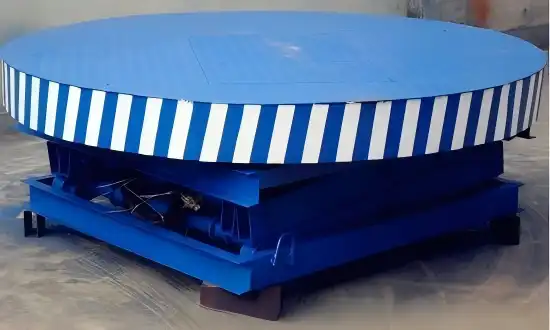
Temporary or modular systems, preferred by event production companies, offer faster deployment. These designs feature pre-assembled sections that can be transported and installed within 2 to 4 days. The Suzhou High-speed Railway New Town Athletic Hall project showcased this versatility, where our team installed over 2,000 square meters of steel structure systems along with 50 large reels and 32 hoists to support rapid configuration changes for diverse events.
Step-by-Step Breakdown: How Long Does It Take to Set Up a Rotating Stage?
The installation timeline divides into distinct phases, each with specific requirements and duration. Understanding these phases helps procurement teams coordinate with contractors, schedule rehearsals, and minimize venue downtime.
Phase 1: Site Preparation and Assessment (Day 1)
Installation begins with thorough site evaluation. Our engineering team assesses floor load capacity, available electrical service, pit dimensions (if required), and clearance heights. This phase typically requires 4 to 8 hours. The team verifies that foundation conditions meet specifications—critical since improper support causes operational issues later.
We inspect delivery access routes and identify potential installation challenges. At the XX World Theater in Shenzhen, early site assessment revealed structural modifications needed for the double-deck lifting stage, allowing us to address these issues before equipment arrival and preventing costly delays.
Phase 2: Mechanical Assembly (Days 2-4)
The physical assembly phase demands precision and expertise. Installation teams position the base frame, ensuring perfect levelness using laser alignment tools. Deviation beyond ±2mm compromises performance and safety.
The scissor lift structure or hydraulic cylinders are assembled next. These components, including motors, reducers, flexible columns, linear guides, and scissor support frames, require careful alignment. Our systems feature modular designs that simplify this process, reducing assembly time by approximately 30% compared to fully custom fabrications.
Slewing ring bearings are installed and tested for smooth rotation without binding. The rotating platform is then positioned and secured. Depending on stage diameter—ranging from 3 meters for educational venues to 15 meters for major theaters—this phase requires 2 to 3 days for standard configurations.
Phase 3: Electrical Integration and Control Systems (Days 5-6)
Once mechanical assembly concludes, electrical contractors connect power supplies, install control panels, and integrate safety systems. Modern rotating stages incorporate multiple safety features that require proper wiring and testing:
- Emergency stop circuits providing immediate shutdown capability
- Overload protection preventing operation beyond safe limits
- Anti-explosion valves maintaining platform position during hydraulic failures
- Safety-sensitive edges detecting obstacles in movement zones
- Mechanical maintenance locks securing platforms during servicing
Control system programming follows electrical installation. Technicians configure rotation speeds, acceleration curves, position limits, and synchronization with venue automation systems. This phase typically requires 1 to 2 days, though complex integrations with existing theater control networks may extend timelines.
Phase 4: Testing, Calibration, and Commissioning (Days 7-8)
Safety testing represents the most critical phase. Our quality assurance protocols mirror international standards, including 125% static overload tests and 110% dynamic load tests. We verify that hydraulic systems maintain position with less than 2mm drift over 24-hour periods—essential for performances requiring precise positioning.
Operational testing examines all movement combinations: vertical lifting only, rotation only, and combined spiral movements. We test emergency systems under various scenarios, ensuring reliable response. Sound level measurements confirm operation below 50dB, meeting requirements for recording studios and opera houses.
The Vietnam-China project demonstrated the importance of thorough commissioning. Despite tight schedules, we conducted comprehensive testing of all stage mechanical equipment, identifying and resolving minor calibration issues before venue opening. This diligence prevented disruptions during initial performances.
Factors Influencing Setup Time for Rotating Stages
Several variables significantly impact installation duration. Procurement professionals must evaluate these factors when planning projects and selecting suppliers.

Stage Complexity and Specifications
Basic rotating platforms without lifting capability install fastest, often within 2 to 3 days. These systems suit exhibition centers and product launch venues where 360-degree visibility matters more than vertical movement.
Combined rotating stage lift platforms demand longer installation periods. Systems capable of lifting loads up to 4 tons through heights of 0.5 to 5 meters while maintaining rotation require extensive testing. Our compact designs minimize required pit depth, simplifying installation, yet the added complexity extends timelines by 3 to 5 days compared to rotation-only systems.
Customization further influences duration. Standard configurations with predetermined dimensions and capacities install more quickly than bespoke solutions. However, custom systems often provide better long-term value by precisely matching venue requirements. The XX World Theater project included custom double-deck lifting stages alongside single-deck platforms, requiring additional engineering coordination but delivering enhanced performance flexibility.
Site Conditions and Existing Infrastructure
Venue characteristics profoundly affect installation speed. New construction with pre-planned stage pits and reinforced flooring allows straightforward installation. Retrofitting existing buildings presents challenges including structural reinforcement, electrical service upgrades, and access limitations.
Floor conditions matter significantly. Concrete foundations provide ideal support, while older wooden stages may require reinforcement or complete replacement. We encountered this at a historic theater renovation where floor upgrades added five days to the installation schedule but ensured long-term safety and performance.
Installation Team Expertise and Supplier Support
Experienced installation crews complete projects faster with fewer errors. Our teams train extensively on proper assembly sequences, safety protocols, and troubleshooting techniques. This expertise reduces typical installation times by 20-30% compared to less experienced contractors.
Supplier technical support proves invaluable during installation. At Sh Stage, we provide 24/7 multilingual support throughout the installation process. Our engineers assist with unexpected challenges, provide remote diagnostics, and ensure smooth integration with existing venue systems. This support minimizes delays and ensures optimal system performance from day one.
Best Practices and Maintenance Tips to Reduce Setup Time in Future
Implementing proven strategies streamlines installation and reduces future downtime. These practices benefit both initial installations and ongoing operations.
Pre-Installation Planning and Documentation
Detailed planning prevents delays. We recommend creating comprehensive installation checklists covering every phase from site preparation through final commissioning. These documents should include equipment lists, tool requirements, safety protocols, and acceptance criteria.
Coordinate with all stakeholders early. Theater managers, technical directors, electrical contractors, and building engineers must understand their roles and timing. We schedule planning meetings 4 to 6 weeks before equipment delivery, addressing potential conflicts and ensuring resource availability.
Modular Design and Standardization
Modular configurations significantly reduce installation time. Our rotating stage systems feature pre-assembled sub-components that arrive ready for integration. This approach eliminates extensive on-site fabrication, reducing mechanical assembly time by approximately 40%.
Standardized interfaces between mechanical, electrical, and control systems simplify integration. We design our platforms with industry-standard connections, allowing straightforward replacement or upgrade of individual components without extensive system modification.
Preventive Maintenance Protocols
Regular maintenance extends equipment life and reduces setup time for temporary installations. We recommend quarterly inspections covering:
- Hydraulic fluid levels and quality
- Bearing lubrication and wear indicators
- Electrical connection integrity
- Control system calibration
- Safety system function verification
These routine checks identify potential issues before they cause failures. For touring production companies, preventive maintenance ensures reliable operation across multiple venues, minimizing setup problems and reducing technical rehearsal time.
Equipment that receives proper maintenance installs faster because technicians spend less time troubleshooting unexpected issues. The Suzhou Athletic Hall has maintained their systems meticulously since our 2018 installation, allowing rapid reconfiguration for different event types with minimal technical difficulties.
Comparing Installation Experiences: Real-World Project Insights
Examining actual projects provides valuable benchmarks for planning your installation. Our experience across diverse venues illustrates how different factors affect timelines and outcomes.
Theater and Performing Arts Installations
The XX World Theater in Shenzhen required comprehensive stage machinery including one double-deck lifting stage, three single-deck lifting stages, and an orchestra lift. The installation spanned 10 days due to the complexity of coordinating multiple systems. However, the modular design allowed simultaneous installation of different components, preventing the timeline from extending further.
This project highlighted the importance of control system integration. Coordinating the lifting stages with 33 scenic hoists, 7 lighting hoists, and other equipment required careful programming and testing. The investment in thorough commissioning paid dividends—the venue has operated reliably for over five years with minimal technical issues.
Event Production and Temporary Installations
Event production companies prioritize rapid installation and strike times. Our modular rotating platforms meet these demands effectively. A typical setup for a 4-meter diameter platform with 3-ton capacity requires approximately 2 days, including electrical connection and safety testing.
Transportation and storage considerations influence design. We engineer systems that disassemble into manageable sections fitting standard shipping containers. This approach facilitates international touring productions and reduces logistics costs. Quick-connect electrical interfaces and indexed mechanical connections ensure consistent reassembly quality across multiple installations.
Educational Institution Projects
Educational venues balance budget constraints with performance requirements. Universities and performing arts schools typically install mid-range systems with adequate capacity for student productions without premium features required by professional theaters.
Installation timelines for educational projects average 5 to 7 days. These venues often schedule installations during academic breaks, requiring precise timeline adherence. We coordinate closely with facilities managers to ensure completion before semester starts, minimizing disruption to academic schedules.
Training represents an essential component for educational installations. We provide comprehensive operator training covering safe operation, basic maintenance, and troubleshooting. This investment in user education prevents operational issues and extends equipment life, providing better long-term value for budget-conscious institutions.
Conclusion
The question "how long does it take to set up a rotating stage?" has no single answer—timelines range from 2 days for simple modular systems to 10 days for complex integrated platforms. Successful installations depend on thorough planning, experienced installation teams, quality equipment design, and strong supplier support. The rotating stage lift platforms from Sh Stage combine precision engineering with modular design, reducing installation time while maintaining exceptional quality and safety standards. Our track record across theaters, event venues, and educational institutions demonstrates our commitment to delivering reliable solutions that meet demanding performance schedules without compromising safety or functionality.
FAQ
How long does it take to install a motorized rotating stage with lifting capability?
A complete rotating stage lift platform with both rotation and vertical movement typically requires 7 to 10 days for professional installation. This timeline includes mechanical assembly, electrical integration, control system programming, and comprehensive safety testing. Simpler systems with rotation-only capability may install within 3 to 5 days, while highly customized platforms for major theaters might extend to 12 days depending on site conditions and integration requirements.
Can we install a revolving platform without professional technical support?
We strongly recommend against attempting installation without experienced professionals. These systems involve complex mechanical assemblies, hydraulic systems operating under significant pressure, and electrical components requiring proper integration. Improper installation compromises safety, voids warranties, and may violate building codes. Our installation teams bring specialized tools, technical knowledge, and safety protocols that ensure reliable operation. The modest investment in professional installation prevents costly problems and potential safety incidents.
What maintenance schedule reduces future setup time for temporary installations?
For equipment used in temporary installations, conduct inspections after every 3 to 5 uses or quarterly, whichever comes sooner. Check hydraulic fluid condition, bearing lubrication, electrical connections, and safety system function. Maintain detailed service records documenting any adjustments or repairs. This preventive approach identifies wear before components fail, reducing troubleshooting time during setup at new venues. Well-maintained equipment installs 30-40% faster because technicians don't encounter unexpected mechanical or electrical issues during assembly.
Partner with Professional Stage Equipment Solutions
Sh Stage has served theaters, event production companies, and entertainment venues worldwide since 2009, delivering precision-engineered rotating stage systems that transform performance spaces. As a direct manufacturer with complete in-house capabilities—from design and fabrication to installation and commissioning—we eliminate intermediaries and provide exceptional value for your investment.
Our rotating stage lift platforms feature capacities from 3 to 4 tons, lifting heights reaching 5 meters, and precision control systems ensuring smooth, silent operation. We've completed major projects including the Yanji Dinosaur Kingdom Jindou Art Theater with complex multi-stage systems and the XX World Theater with integrated lifting and rotation platforms. Our engineering team provides comprehensive support from initial consultation through ongoing maintenance, ensuring your project succeeds on schedule and within budget.
Whether you need a standard revolving platform or custom stage automation solutions, our expertise ensures efficient installation, reliable operation, and long-term satisfaction. Contact our team at info@shstage.com to discuss your project requirements. As an experienced rotating stage manufacturer, we deliver the technical excellence and responsive service your venue deserves.
References
Chen, W. (2019). Stage Machinery Design and Installation Standards for Modern Theaters. Beijing: China Architecture Publishing.
International Alliance of Theatrical Stage Employees (2021). Guidelines for Stage Lift and Rotation Systems Installation. New York: IATSE Technical Standards Division.
Robertson, J. & Martinez, L. (2020). "Time-Motion Analysis of Modular Stage System Installation in Multi-Purpose Venues." Journal of Entertainment Technology, 15(3), 112-128.
Society of British Theatre Designers (2022). Technical Standards for Rotating Stage Platforms: Safety and Performance Requirements. London: SBTD Publications.
Wagner, H. (2018). Hydraulic Stage Engineering: Principles and Applications. Stuttgart: Technical Press International.
Zhang, M. & Liu, X. (2023). "Comparative Analysis of Installation Efficiency in Contemporary Stage Automation Systems." Theater Engineering Quarterly, 41(2), 78-94.

USER EVALUATE
Here is the customer's evaluation of us